Bathroom remodel costs in the Dallas-Fort Worth area vary widely, and that can make planning a project frustrating for homeowners. One person might say they remodeled their bathroom for $8,000, while another reports spending $45,000 on what appears to be a similar space. The truth is that bathroom renovation costs depend on several major factors, including the size of the bathroom, the scope of the work, the materials selected, and the labor required.
Across DFW, bathroom remodels typically range from $5,000 for basic cosmetic updates to $60,000 or more for luxury primary bathrooms. Smaller powder rooms with minimal upgrades may fall on the lower end of that spectrum, while large master bathrooms with custom tile showers, double vanities, and freestanding tubs can quickly move into premium pricing tiers.
The Dallas-Fort Worth construction market also influences costs. Labor rates in North Texas have steadily increased over the past several years due to high housing demand and a growing population. At the same time, materials such as tile, vanities, plumbing fixtures, and shower glass have experienced price fluctuations due to supply chain changes and inflation. These factors make bathroom remodel pricing in DFW different from national averages.
Another major variable is the type of remodel being performed. Some projects involve simple upgrades like replacing fixtures, painting walls, and installing new flooring. Others require full demolition, plumbing relocation, waterproofing systems, electrical upgrades, and custom tile installation. The difference between a cosmetic refresh and a full renovation can easily be tens of thousands of dollars.
Homeowners should also understand that bathroom size plays a significant role in total cost. Larger bathrooms require more materials, more labor hours, and more complex installations. A small half-bath may only take a few days to update, while a full master bathroom renovation can take several weeks and involve multiple trades working in sequence.
Local factors within the Dallas-Fort Worth metroplex also impact remodeling costs. Cities like Plano, Frisco, and parts of Dallas often have higher remodeling prices due to larger homes, higher-end finishes, and stronger demand for contractors. Older homes in areas like Richardson or East Dallas may require additional plumbing or electrical updates, which can increase project budgets.
This guide breaks down realistic bathroom remodel costs in DFW for 2026, including:
- Average bathroom remodel pricing across the metroplex
- Cost differences based on bathroom size
- Pricing for cosmetic upgrades vs full renovations
- Labor and material cost breakdowns
- Typical project timelines
- Remodel cost comparisons across major DFW cities
By the end of this guide, you’ll have a clear understanding of what bathroom remodeling actually costs in North Texas and how to estimate a realistic budget for your project.

Average Bathroom Remodel Cost in DFW (2026)
Bathroom remodel costs in the Dallas-Fort Worth metroplex vary widely depending on the scope of work, materials selected, and the size of the bathroom. In 2026, most homeowners in North Texas spend between $12,000 and $40,000 on a typical bathroom renovation, though smaller cosmetic updates can cost far less and luxury master bathroom remodels can exceed $60,000.
According to national remodeling data from sources like the HomeAdvisor bathroom remodel cost guide and the Remodeling Magazine Cost vs Value Report, bathroom renovation costs have steadily increased due to rising labor demand and material costs. The Dallas-Fort Worth market generally tracks slightly above the national average because of rapid population growth and strong housing demand.
While every project is different, most bathroom remodels in DFW fall into one of four general categories.
Typical Bathroom Remodel Cost Ranges in DFW
| Remodel Level | Average Cost (DFW) | Typical Scope |
|---|---|---|
| Cosmetic Refresh | $3,000 – $10,000 | Paint, fixtures, lighting, minor upgrades |
| Mid-Range Remodel | $12,000 – $25,000 | New vanity, flooring, shower upgrades |
| Full Bathroom Renovation | $25,000 – $50,000 | Tile shower, new fixtures, layout improvements |
| Luxury Master Bathroom | $50,000 – $90,000+ | Custom tile, freestanding tub, premium finishes |
Cosmetic upgrades typically involve surface-level improvements without major construction. This might include repainting, replacing a vanity, updating lighting, installing new faucets, or swapping out a toilet.
Mid-range remodels usually involve replacing major components such as flooring, vanities, and shower surrounds. Many homeowners in this range also upgrade to tile showers, quartz countertops, and modern plumbing fixtures.
Full bathroom renovations involve extensive demolition and rebuilding, often including new tile showers, custom glass enclosures, upgraded waterproofing systems, and significant plumbing or electrical updates.
Luxury remodels are typically found in large primary bathrooms and include features such as heated floors, freestanding tubs, oversized walk-in showers, custom cabinetry, and high-end fixtures.
Important: The difference between a cosmetic refresh and a full renovation often comes down to whether plumbing, tile, or structural elements are being replaced.
Average Cost by Bathroom Type
The size and function of the bathroom also play a major role in determining the final cost. Smaller bathrooms require fewer materials and less labor, while larger bathrooms involve more complex installations.
| Bathroom Type | Average Cost | Typical Size |
|---|---|---|
| Powder Room | $3,000 – $8,000 | 20 – 30 sq ft |
| Guest Bathroom | $10,000 – $20,000 | 40 – 60 sq ft |
| Standard Full Bathroom | $15,000 – $30,000 | 60 – 80 sq ft |
| Master Bathroom | $25,000 – $60,000+ | 80 – 120 sq ft |
Powder rooms are the least expensive to remodel because they typically contain only a toilet and sink. Guest bathrooms and hall bathrooms usually include a shower or tub and require more plumbing, waterproofing, and tile work.
Primary bathrooms are usually the most expensive projects because they often include double vanities, larger showers, and luxury upgrades.
Cost Per Square Foot for Bathroom Remodeling
Another way to estimate remodel costs is by looking at price per square foot. While this method is less precise than a full estimate, it provides a useful starting point for budgeting.
| Remodel Quality | Cost Per Square Foot |
|---|---|
| Budget Remodel | $150 – $250 |
| Mid-Range Remodel | $250 – $400 |
| High-End Remodel | $400 – $650+ |
For example, remodeling an 80 square foot bathroom at a mid-range level might cost approximately:
80 sq ft x $300 per sq ft = $24,000
This estimate typically includes demolition, plumbing work, electrical updates, tile installation, fixtures, and finishing work.
DFW Bathroom Remodeling Trends for 2026
Several trends are influencing bathroom remodel pricing across North Texas in 2026.
1. Walk-In Showers Are Replacing Tubs
Many homeowners are replacing traditional tub/shower combos with larger walk-in showers. These installations require waterproofing systems, tile work, and glass enclosures, which increases project costs.
2. Larger Tile and Slab Materials
Oversized tile and slab shower walls are becoming more common in modern bathroom designs. These materials look clean and modern but often cost more to install.
3. Custom Vanities and Storage
Built-in storage and custom cabinetry are becoming more popular in primary bathrooms, especially in newer homes across cities like Frisco and Plano.
4. Higher Labor Demand
The Dallas-Fort Worth metroplex continues to be one of the fastest-growing regions in the United States. According to population estimates from the U.S. Census Bureau, the region adds tens of thousands of new residents each year. Increased demand for housing and remodeling services has pushed labor rates higher across most construction trades.
Understanding these average price ranges provides a useful starting point for planning a bathroom remodel in DFW. However, the final cost of a project will depend heavily on the size of the bathroom, which we’ll explore in the next section.
Bathroom Remodel Cost by Bathroom Size
One of the biggest factors that affects the cost of a bathroom remodel is the size of the bathroom itself. Larger bathrooms require more flooring, more tile, larger vanities, additional lighting, and more labor hours to complete the installation. Even relatively small differences in square footage can significantly change the final project cost.
In general, bathroom remodeling costs increase not just because of materials, but also because larger spaces often include more features such as double vanities, walk-in showers, soaking tubs, and additional plumbing fixtures.
Below is a breakdown of typical bathroom remodel costs in the Dallas-Fort Worth area based on bathroom size.
Small Bathrooms (Powder Rooms)
Powder rooms are typically the least expensive bathrooms to remodel because they contain only a toilet and sink, with no shower or bathtub. These spaces are usually between 20 and 30 square feet, and many remodels focus on cosmetic upgrades rather than structural changes.
Common upgrades for powder rooms include:
- New vanity or pedestal sink
- Updated toilet
- New lighting fixtures
- Fresh paint or wallpaper
- Tile or luxury vinyl flooring
Because plumbing usually stays in the same location, labor costs tend to remain relatively low.
| Upgrade | Typical Cost |
|---|---|
| Vanity replacement | $400 – $2,000 |
| Toilet replacement | $250 – $900 |
| Flooring installation | $600 – $2,000 |
| Lighting upgrades | $150 – $800 |
| Mirror & accessories | $100 – $500 |
Estimated Powder Room Remodel Cost in DFW
| Remodel Level | Typical Cost |
|---|---|
| Cosmetic refresh | $3,000 – $5,000 |
| Mid-range update | $5,000 – $8,000 |
| Designer powder room | $8,000 – $12,000 |
Because powder rooms are small, they are often a good opportunity to incorporate premium finishes such as decorative tile, statement lighting, or custom mirrors without dramatically increasing the total budget.
Standard Guest Bathrooms
Guest bathrooms are usually between 40 and 60 square feet and typically include a vanity, toilet, and tub/shower combination. Because waterproofing, tile work, and plumbing fixtures are involved, these remodels are significantly more expensive than powder rooms.
Common upgrades include:
- Replacing tub/shower combo
- Installing tile surround or shower walls
- New vanity and countertop
- Updated plumbing fixtures
- New flooring and lighting
| Component | Typical Cost |
|---|---|
| Tub or shower replacement | $1,500 – $6,000 |
| Tile surround | $1,200 – $5,000 |
| Vanity & countertop | $800 – $4,000 |
| Plumbing fixtures | $300 – $1,500 |
| Flooring installation | $1,000 – $3,500 |
Estimated Guest Bathroom Remodel Cost in DFW
| Remodel Level | Typical Cost |
|---|---|
| Basic remodel | $10,000 – $15,000 |
| Mid-range remodel | $15,000 – $22,000 |
| High-end remodel | $22,000 – $35,000 |
Most homeowners remodeling a guest bathroom focus on durability and practicality, choosing materials that balance aesthetics and long-term maintenance.
Large Master Bathrooms
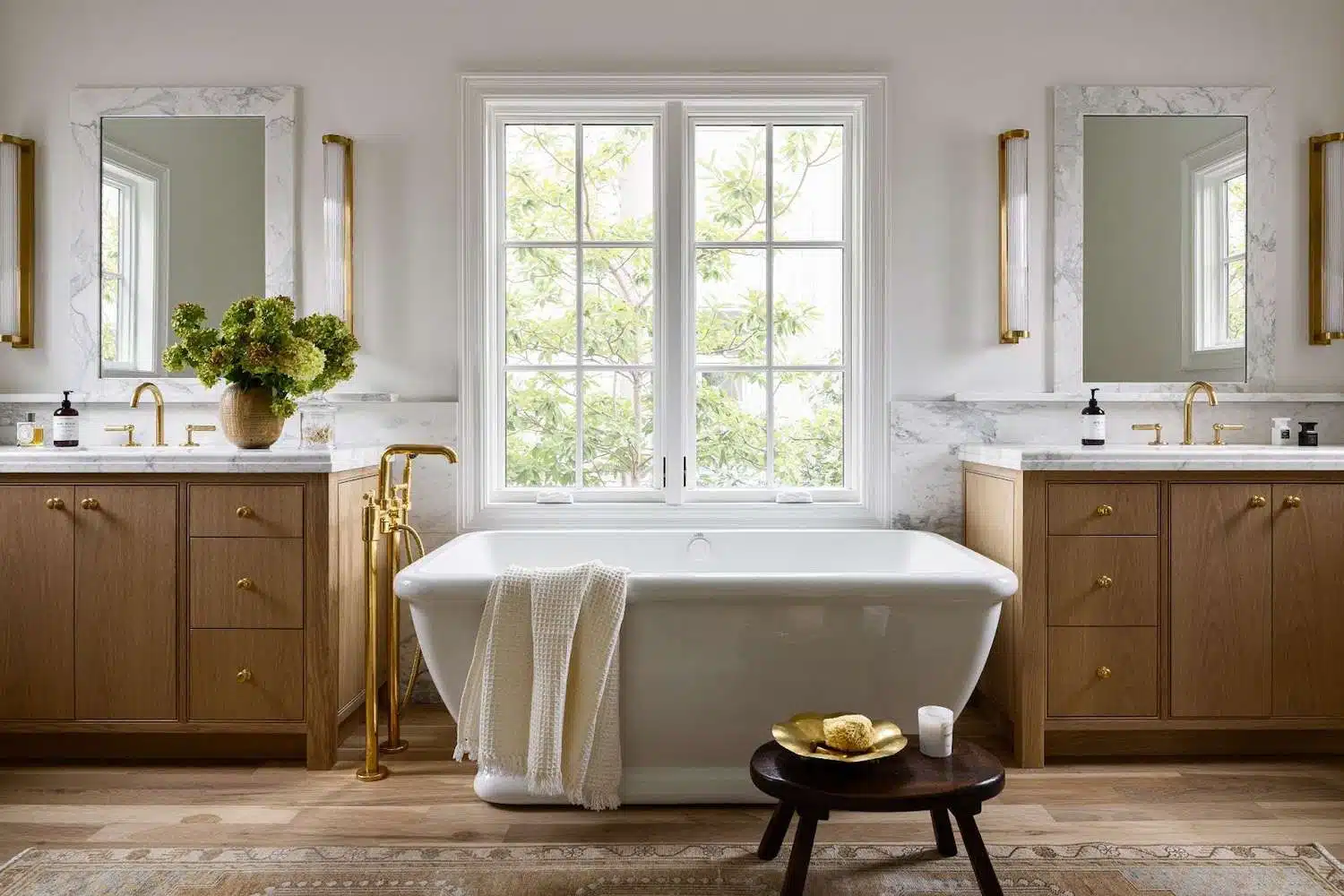
Master bathrooms, sometimes called primary bathrooms, are typically between 80 and 120 square feet or larger. These spaces often include multiple plumbing fixtures and custom design elements, which increases both material costs and labor complexity.
Features commonly included in master bathroom remodels:
- Double vanities
- Walk-in tile shower
- Freestanding soaking tub
- Frameless glass shower enclosure
- Custom cabinetry and storage
- Heated flooring systems
Because these bathrooms contain multiple installations and premium materials, they often represent the largest renovation investment inside a home.
| Feature | Typical Cost |
|---|---|
| Walk-in tile shower | $6,000 – $15,000 |
| Double vanity | $1,500 – $6,000 |
| Freestanding tub | $2,000 – $8,000 |
| Frameless glass enclosure | $1,500 – $4,000 |
| Heated flooring | $1,200 – $4,000 |
Estimated Master Bathroom Remodel Cost in DFW
| Remodel Level | Typical Cost |
|---|---|
| Standard remodel | $25,000 – $35,000 |
| High-end remodel | $35,000 – $60,000 |
| Luxury remodel | $60,000 – $90,000+ |
Luxury master bathrooms often include custom tile work, integrated lighting, built-in niches, and high-end fixtures from brands such as Kohler, Delta, or Grohe.
Why Larger Bathrooms Cost More
Beyond simply requiring more materials, larger bathrooms also tend to involve more complex installations. For example:
- Multiple plumbing fixtures increase labor time for plumbers.
- Larger tile showers require extensive waterproofing systems.
- Double vanities require additional electrical and plumbing connections.
- Glass shower enclosures add fabrication and installation costs.
In other words, the cost difference between a small guest bathroom and a large master bathroom isn’t just square footage – it’s also the complexity of the design and number of features installed.
Understanding bathroom size is one of the best ways to estimate a remodel budget. However, the type of remodel being performed – whether cosmetic or full demolition – can change the price even more dramatically, which we’ll explore in the next section.
Bathroom Remodel Cost by Remodel Type
Not all bathroom remodels are the same. Some projects involve simple cosmetic updates that refresh the appearance of a bathroom, while others require complete demolition and rebuilding. The scope of work is often the single biggest factor determining the total cost of a bathroom remodel in the Dallas-Fort Worth area.
In general, bathroom renovations fall into three broad categories: cosmetic updates, partial remodels, and full gut renovations. Each category involves different levels of labor, materials, and construction complexity.
Cosmetic Bathroom Refresh
A cosmetic refresh focuses on improving the appearance of the bathroom without major construction or plumbing changes. These projects are typically the most affordable because they avoid demolition and structural work.
In most cases, the plumbing layout stays exactly the same and existing tubs or showers remain in place.
Common cosmetic upgrades include:
- Painting walls or cabinets
- Replacing faucets and shower fixtures
- Installing new mirrors and lighting
- Updating cabinet hardware
- Replacing flooring
- Installing a new vanity
Because cosmetic remodels avoid major construction work, they can usually be completed quickly.
| Upgrade | Typical Cost |
|---|---|
| Paint and wall repair | $300 – $1,000 |
| Vanity replacement | $400 – $2,500 |
| Faucet and fixture upgrades | $150 – $800 |
| Lighting replacement | $200 – $900 |
| Flooring installation | $800 – $2,500 |
Typical Cosmetic Remodel Cost in DFW
| Bathroom Type | Estimated Cost |
|---|---|
| Powder room | $3,000 – $6,000 |
| Guest bathroom | $5,000 – $10,000 |
| Master bathroom | $8,000 – $15,000 |
Cosmetic updates are ideal for homeowners who want to modernize an outdated bathroom without committing to a full renovation.
Partial Bathroom Remodel
A partial remodel involves replacing several major components of the bathroom while keeping the overall layout the same. These projects are common when homeowners want to upgrade a shower or bathtub, replace tile, or install new vanities.
While plumbing locations usually stay in the same place, significant construction work is often required.
Typical partial remodel upgrades include:
- Replacing a tub or shower
- Installing tile shower walls or flooring
- Replacing vanities and countertops
- Updating plumbing fixtures
- Installing new lighting and ventilation
- Waterproofing shower areas
| Project Component | Typical Cost |
|---|---|
| Tub or shower replacement | $2,000 – $7,000 |
| Tile installation | $2,000 – $8,000 |
| Vanity and countertop | $1,000 – $5,000 |
| Plumbing fixture upgrades | $300 – $1,500 |
| Bathroom fan installation | $250 – $800 |
Typical Partial Remodel Cost in DFW
| Bathroom Type | Estimated Cost |
|---|---|
| Small bathroom | $10,000 – $15,000 |
| Standard guest bathroom | $15,000 – $25,000 |
| Master bathroom | $20,000 – $40,000 |
Partial remodels are one of the most common renovation types because they offer a balance between cost and visual impact.
Full Gut Bathroom Remodel
A full gut remodel involves removing the bathroom down to the studs and rebuilding the entire space. This level of renovation is typically required when homeowners want to change the layout, move plumbing fixtures, or completely redesign the bathroom.
These projects involve the most labor and typically require multiple trades working together.
Typical work included in a full remodel:
- Demolition of existing fixtures and finishes
- Plumbing relocation
- Electrical upgrades
- Structural framing adjustments
- Waterproofing systems
- Tile shower installation
- New vanities, fixtures, and lighting
| Work Scope | Cost Impact |
|---|---|
| Moving plumbing lines | +$1,500 – $5,000 |
| Electrical upgrades | +$500 – $3,000 |
| Custom tile shower | +$5,000 – $15,000 |
| Frameless glass enclosure | +$1,500 – $4,000 |
| Structural framing changes | +$2,000 – $10,000 |
Typical Full Remodel Cost in DFW
| Bathroom Type | Estimated Cost |
|---|---|
| Small bathroom | $18,000 – $30,000 |
| Standard bathroom | $25,000 – $45,000 |
| Large master bathroom | $40,000 – $80,000+ |
Full remodels are the most expensive type of bathroom renovation, but they also provide the greatest opportunity to improve functionality, storage, and overall design.
Important: Moving plumbing fixtures such as toilets, tubs, or showers is one of the fastest ways to increase remodel costs because it requires opening floors or walls and rerouting pipes.
Which Remodel Type Is Most Common in DFW?
In the Dallas-Fort Worth area, most bathroom renovations fall into the partial remodel category. Homeowners often want to upgrade showers, vanities, and finishes without completely redesigning the space.
Full gut renovations are more common in older homes where plumbing, electrical systems, or layouts need significant upgrades.
Understanding the scope of the remodel is critical when estimating project costs. However, another major factor affecting the price of a bathroom renovation is how much of the budget goes toward labor versus materials, which we’ll break down in the next section.

Labor vs Materials Breakdown
When homeowners begin planning a bathroom remodel, one of the most common questions is where the money actually goes. Many people assume most of the budget goes toward visible materials like tile, vanities, or fixtures. In reality, labor often represents the largest portion of a bathroom remodel budget.
Bathroom renovations require multiple skilled trades working in sequence, including plumbers, electricians, tile installers, carpenters, and painters. Because bathrooms are small but highly complex spaces, the amount of specialized labor required is higher than many other types of home renovations.
In most Dallas-Fort Worth bathroom remodels, the cost is typically divided between labor, materials, and project management or design services.
| Category | Typical Percentage of Budget |
|---|---|
| Labor | 40% – 60% |
| Materials | 35% – 50% |
| Design, permits, overhead | 5% – 10% |
The exact breakdown depends on the type of remodel. Projects that use high-end materials may shift more of the budget toward materials, while labor-intensive installations like custom tile showers can increase labor costs.
Example Budget Breakdown
To better understand how these percentages translate into real numbers, consider a $25,000 bathroom remodel, which is common for a mid-range guest or master bathroom renovation in DFW.
| Category | Estimated Cost |
|---|---|
| Labor | $11,000 – $14,000 |
| Materials | $9,000 – $11,000 |
| Permits / design / overhead | $1,000 – $2,500 |
Even though materials are the most visible part of a remodel, skilled labor typically represents the largest portion of the budget.
Typical Labor Costs in the DFW Area
Bathroom remodeling requires multiple specialized trades. Each trade works on the project during a specific phase of construction.
Below are typical labor rates in the Dallas-Fort Worth remodeling market.
| Trade | Typical Hourly Rate |
|---|---|
| Plumber | $90 – $150 |
| Electrician | $85 – $140 |
| Tile installer | $60 – $120 |
| Carpenter | $60 – $110 |
| Painter | $40 – $80 |
In addition to individual trades, many homeowners hire a general contractor to coordinate the project, schedule subcontractors, manage inspections, and ensure the work is completed properly.
General contractors typically charge 15% to 25% of the total project cost to manage the renovation.
According to industry data from the National Association of Home Builders, contractor oversight and skilled labor represent the majority of remodeling costs across the United States.
Typical Material Costs for Bathroom Remodeling
Material costs vary dramatically depending on the quality of finishes selected. Budget materials can keep costs relatively low, while luxury fixtures and custom finishes can significantly increase the price of a remodel.
Below are typical price ranges for common bathroom materials.
| Material | Budget | Mid-Range | Luxury |
|---|---|---|---|
| Floor or wall tile | $2 / sq ft | $6 / sq ft | $20+ / sq ft |
| Bathroom vanity | $300 | $1,200 | $5,000+ |
| Faucet | $80 | $250 | $900+ |
| Toilet | $150 | $400 | $1,200+ |
| Shower glass enclosure | $500 | $1,800 | $4,000+ |
| Bathtub | $300 | $1,200 | $6,000+ |
Tile, plumbing fixtures, and cabinetry typically represent the largest material expenses in a bathroom renovation.
The Houzz Bathroom Trends Study also reports that homeowners frequently prioritize upgraded showers, custom storage, and modern fixtures when remodeling bathrooms.
Why Labor Is So Expensive in Bathroom Remodels
Bathrooms are one of the most complex rooms in a house to renovate because they combine plumbing, electrical work, waterproofing systems, and precision tile installation in a small space.
For example, installing a custom tile shower typically requires several steps:
- Demolition of the existing shower
- Installation of waterproof backer boards
- Waterproofing membrane application
- Tile layout and installation
- Grouting and sealing
- Installation of glass shower enclosure
Each step must be completed correctly to prevent leaks, structural damage, or mold issues.
Because bathroom remodels require multiple trades and careful sequencing, labor costs tend to make up a significant portion of the project budget.
Understanding how labor and materials contribute to the total cost helps homeowners plan a realistic renovation budget. Another important factor when planning a bathroom remodel is how long the project will take, which we’ll explore in the next section.

Bathroom Remodel Timeline
One of the most common questions homeowners ask before starting a renovation is how long a bathroom remodel will take. While smaller cosmetic upgrades can sometimes be completed within a few days, most bathroom remodels in the Dallas-Fort Worth area take between 2 and 4 weeks of active construction, depending on the scope of work.
However, the full remodeling process often includes planning, design decisions, and material ordering, which means the total timeline from idea to completion may be 4 to 8 weeks or longer.
Bathroom renovations involve multiple trades working in sequence, so delays in one stage can affect the overall timeline.
Typical Bathroom Remodel Timeline
The following table shows the general phases involved in most bathroom remodels and how long each stage typically takes.
| Phase | Typical Duration |
|---|---|
| Planning & design | 1 – 3 weeks |
| Ordering materials | 2 – 6 weeks |
| Demolition | 1 – 2 days |
| Plumbing & electrical rough-in | 2 – 4 days |
| Shower waterproofing & prep | 1 – 2 days |
| Tile installation | 3 – 7 days |
| Vanity, fixtures & finishes | 2 – 4 days |
| Final inspection & cleanup | 1 – 2 days |
For a standard guest bathroom remodel, construction itself usually lasts 10 to 20 working days, depending on complexity.
Phase 1: Planning and Design
Before any construction begins, homeowners typically spend time planning the remodel. This stage involves selecting materials, deciding on layout changes, and getting quotes from contractors.
Key decisions during this phase include:
- Choosing tile and flooring materials
- Selecting a vanity and countertop
- Picking plumbing fixtures and lighting
- Deciding whether to replace or relocate the shower or tub
If permits are required, contractors may also submit applications during this stage.
Phase 2: Ordering Materials
One of the most common causes of remodeling delays is waiting for materials to arrive. Many bathroom components must be ordered in advance, including:
- Vanities and cabinetry
- Shower glass enclosures
- Plumbing fixtures
- Specialty tile
Lead times can range from a few days to several weeks, depending on the manufacturer and availability.
Phase 3: Demolition
Once materials are ready and construction begins, the first step is removing the existing bathroom fixtures and finishes.
Demolition typically includes:
- Removing the vanity and cabinets
- Removing the tub or shower
- Taking out old tile and flooring
- Opening walls if plumbing or electrical changes are needed
Demolition usually takes one to two days, but unexpected issues can sometimes appear once walls are opened.
Phase 4: Plumbing and Electrical Work
After demolition, plumbers and electricians install or modify the systems behind the walls.
Typical work includes:
- Relocating plumbing lines if fixtures are moved
- Installing new shower valves
- Updating electrical wiring for lighting or outlets
- Installing ventilation fans
This phase usually takes two to four days, depending on the complexity of the remodel.
Phase 5: Tile and Waterproofing
Tile installation is often the most time-consuming part of a bathroom renovation. Showers must be carefully waterproofed before tile can be installed to prevent leaks and moisture damage.
This stage typically involves:
- Installing cement board or waterproof backer panels
- Applying waterproof membranes
- Installing floor and wall tile
- Grouting and sealing tile
Because grout and waterproofing materials need time to cure, this phase can take several days to complete properly.
Phase 6: Fixtures and Finishing Work
Once tile installation is finished, contractors install the visible components of the bathroom.
This phase typically includes:
- Installing vanities and countertops
- Mounting mirrors and lighting
- Installing toilets and faucets
- Connecting plumbing fixtures
- Installing glass shower enclosures
Finishing work usually takes two to four days.
Why Some Bathroom Remodels Take Longer
While the timeline above represents a typical bathroom renovation, several factors can extend the schedule.
Common causes of delays include:
- Custom cabinetry or specialty materials
- Unexpected plumbing issues inside walls
- Structural repairs
- Waiting for inspections or permits
- Scheduling conflicts between trades
According to remodeling surveys published by the Houzz renovation study, material delays and contractor scheduling are among the most common reasons projects run longer than expected.
Typical Total Timeline
For most homeowners in the Dallas-Fort Worth area, the total timeline for a bathroom remodel looks roughly like this:
| Remodel Type | Typical Timeline |
|---|---|
| Cosmetic update | 3 – 7 days |
| Partial remodel | 2 – 3 weeks |
| Full bathroom renovation | 3 – 5 weeks |
| Luxury master bathroom | 5 – 8 weeks |
Understanding the timeline helps homeowners plan for temporary disruptions and coordinate schedules during the remodeling process.
Another factor that can influence the cost of bathroom remodeling in North Texas is where you live within the DFW metroplex, which we’ll explore in the next section.

Bathroom Remodel Cost by City in DFW
Bathroom remodeling costs can vary across the Dallas-Fort Worth metroplex depending on where the home is located. While labor rates are fairly consistent across North Texas, several local factors influence renovation pricing, including home values, housing age, permit requirements, and demand for contractors.
Cities with newer homes and higher property values often see larger bathroom remodel budgets, while older neighborhoods may require additional plumbing or electrical upgrades that increase project costs.
Below is a general comparison of bathroom remodel pricing across several major cities in the DFW area.
| City | Average Bathroom Remodel Cost |
|---|---|
| Dallas | $18,000 – $45,000 |
| Plano | $20,000 – $48,000 |
| Frisco | $22,000 – $50,000 |
| McKinney | $19,000 – $44,000 |
| Fort Worth | $17,000 – $42,000 |
These ranges represent typical mid-range to full bathroom remodels and may vary depending on the size of the bathroom and materials selected.
Dallas
Dallas contains a mix of older homes and newer luxury properties, which leads to a wide range of remodeling costs. Homes in neighborhoods like Lakewood, Preston Hollow, and East Dallas often require additional upgrades to plumbing, electrical systems, or structural components.
Older homes built before the 1990s may require:
- Plumbing pipe replacements
- Electrical upgrades
- Structural reinforcement for new fixtures
These updates can increase project costs but may also improve long-term reliability.
Plano
Plano homes are typically newer than many Dallas neighborhoods, with a large number of houses built between the 1990s and early 2000s. Because these homes often have larger bathrooms and higher-end finishes, remodeling budgets tend to be slightly higher.
Common upgrades in Plano bathroom remodels include:
- Walk-in tile showers
- Double vanities
- Frameless glass shower enclosures
- Quartz or granite countertops
Many homeowners in Plano prioritize modernizing bathrooms to match updated kitchen renovations.
Frisco
Frisco has experienced rapid population growth over the past two decades and contains many newer homes with large master bathrooms. As a result, bathroom remodels in Frisco often involve larger spaces and more luxury features, which increases overall project costs.
Common Frisco bathroom upgrades include:
- Oversized walk-in showers
- Freestanding soaking tubs
- Custom vanities and cabinetry
- Heated tile flooring
Because many homes in Frisco are relatively new, remodels typically focus on upgrading finishes rather than repairing outdated systems.
McKinney
McKinney offers a mix of historic homes near the downtown area and newer developments in suburban neighborhoods. Remodeling costs can vary depending on the age of the home.
Older homes may require:
- Plumbing updates
- Floor reinforcement for tile installations
- Ventilation improvements
Newer homes often involve cosmetic upgrades or shower replacements rather than full structural renovations.
Fort Worth
Bathroom remodel costs in Fort Worth are often slightly lower than those in northern Dallas suburbs. However, Fort Worth also contains many historic homes that may require additional updates during renovations.
Common bathroom upgrades in Fort Worth include:
- Shower conversions
- Vanity replacements
- Tile flooring installations
- Lighting and fixture upgrades
According to population data from the U.S. Census Bureau, the Dallas-Fort Worth metroplex continues to grow rapidly, which increases demand for construction services across the region. As demand for skilled trades rises, remodeling prices across all cities tend to move upward over time.
Why Remodel Costs Vary by Location
Even within the same metro area, several local factors can affect the price of a bathroom remodel.
Home Age
Older homes may require electrical or plumbing updates that newer homes do not.
Permit Requirements
Some cities have stricter permitting requirements that add administrative time and inspection costs.
Contractor Demand
Areas with high construction demand often have longer contractor schedules and higher labor rates.
Material Availability
Contractors may source materials differently depending on supplier proximity and availability.
While city location can influence bathroom remodeling costs, the most important factor is still the specific features and materials chosen for the project. In the next section, we’ll break down the key factors that can increase or decrease the total cost of a bathroom remodel.

Factors That Affect Bathroom Remodel Costs
Even bathrooms of similar size can have very different remodeling costs. Two homeowners might both renovate a 60-square-foot guest bathroom, yet one project costs $12,000 while another reaches $35,000. The difference usually comes down to a handful of key decisions about layout, materials, and installation complexity.
Understanding these factors can help homeowners estimate realistic budgets and avoid surprises during a bathroom remodel.
Layout Changes
One of the biggest cost drivers in a bathroom remodel is changing the layout of the room. Moving plumbing fixtures such as toilets, sinks, or showers requires rerouting water supply lines and drain pipes inside walls or beneath the floor.
Because plumbing work often involves opening walls or subfloors, layout changes can quickly increase labor costs.
| Layout Change | Typical Cost Impact |
|---|---|
| Moving a sink or vanity | $500 – $2,000 |
| Relocating a toilet | $1,500 – $3,500 |
| Moving a shower or tub | $2,000 – $5,000 |
Whenever possible, many contractors recommend keeping plumbing fixtures in the same location to reduce construction costs.
Plumbing Relocation and Upgrades
Older homes in parts of Dallas-Fort Worth may still have outdated plumbing systems that need upgrades during a renovation. If plumbing pipes are corroded, improperly installed, or not compatible with modern fixtures, they may need to be replaced.
Common plumbing upgrades include:
- Replacing old galvanized pipes
- Installing modern shower valves
- Updating water supply lines
- Installing new drainage systems
These improvements may not always be visible, but they can significantly improve long-term reliability and prevent leaks.
Tile vs Prefabricated Showers
The type of shower installation is one of the biggest price differences in a bathroom remodel.
Prefabricated shower systems are typically less expensive because they involve fewer installation steps. Custom tile showers, however, require more labor and materials.
| Shower Type | Typical Cost |
|---|---|
| Prefabricated shower insert | $1,500 – $4,000 |
| Tile shower surround | $4,000 – $10,000 |
| Custom tile walk-in shower | $8,000 – $15,000+ |
Tile showers also require waterproofing membranes and specialized installation techniques to prevent water damage.
Custom Cabinetry and Storage
Vanities and cabinetry vary dramatically in price depending on the materials and level of customization.
Stock vanities purchased from home improvement stores are usually the most affordable option. Custom cabinetry built specifically for the bathroom allows more flexibility in size and storage but increases costs.
| Vanity Type | Typical Cost |
|---|---|
| Stock vanity | $300 – $1,200 |
| Semi-custom vanity | $1,200 – $3,000 |
| Custom cabinetry | $3,000 – $8,000+ |
Custom storage features such as built-in drawers, pull-out organizers, and integrated lighting can further increase the price.
Waterproofing Systems
Modern bathroom remodels often include specialized waterproofing systems designed to protect the walls and floor beneath tile installations. These systems help prevent leaks, mold growth, and long-term structural damage.
Common waterproofing methods include:
- Cement backer boards
- Waterproof membranes
- Liquid waterproof coatings
- Shower pan systems
These materials add to the cost of a project but are considered essential for long-term durability.
According to guidelines published by the Tile Council of North America, proper waterproofing is critical to preventing moisture damage in tiled shower systems.
Permit Requirements in DFW
Some bathroom remodels require permits, especially when plumbing, electrical systems, or structural components are modified. Permit requirements vary by city within the Dallas-Fort Worth area.
Projects that commonly require permits include:
- Moving plumbing fixtures
- Installing new electrical wiring
- Structural changes to walls or framing
- Expanding the bathroom footprint
Permit costs themselves are usually modest, but inspections and administrative processing can add time to the project.
Material Quality and Finishes
The final appearance of a bathroom is largely determined by the materials selected. High-end finishes can dramatically increase the cost of a remodel.
Examples include:
- Large format porcelain or natural stone tile
- Quartz or marble countertops
- Frameless glass shower enclosures
- Designer lighting fixtures
- Premium plumbing fixtures
For example, choosing luxury tile that costs $18 per square foot instead of $4 per square foot can increase the material budget significantly.
Contractor Experience and Project Management
Contractors with extensive experience or specialized expertise often charge higher rates. However, experienced contractors may also reduce the risk of installation errors and costly repairs.
Many homeowners choose to work with a general contractor who manages the project schedule, coordinates subcontractors, and ensures work is completed correctly.
While contractor fees increase the overall project cost, they often help ensure the remodel runs smoothly.
Understanding the factors that affect bathroom remodeling costs allows homeowners to make informed decisions during the planning process. In the next section, we’ll look at several strategies homeowners can use to reduce bathroom remodel costs while still achieving a high-quality result.

Ways to Reduce Bathroom Remodel Costs
Bathroom remodels can become expensive quickly, especially when homeowners begin upgrading fixtures, tile, and custom features. However, there are several practical strategies that can significantly reduce costs while still producing a beautiful and functional bathroom.
By understanding where money is typically spent during a remodel, homeowners can make smart decisions that keep the project within budget.
Keep Plumbing in the Same Location
One of the most effective ways to reduce bathroom remodel costs is to keep the existing plumbing layout intact. Moving sinks, toilets, or showers requires rerouting water supply lines and drain pipes, which often involves opening walls or floors.
Because plumbing relocation requires additional labor and materials, it can add thousands of dollars to a renovation.
| Change | Typical Cost Increase |
|---|---|
| Moving sink or vanity | $500 – $2,000 |
| Moving toilet | $1,500 – $3,500 |
| Moving shower or tub | $2,000 – $5,000 |
Keeping the original layout allows contractors to focus on replacing fixtures and finishes rather than modifying plumbing systems.
Choose Mid-Range Fixtures Instead of Luxury Options
Bathroom fixtures vary widely in price, and selecting high-end designer products can significantly increase the total project cost.
Fortunately, many mid-range fixtures provide excellent durability and appearance at a much lower price.
| Fixture | Budget | Mid-Range | Luxury |
|---|---|---|---|
| Faucet | $80 | $250 | $900+ |
| Toilet | $150 | $400 | $1,200+ |
| Vanity | $300 | $1,200 | $5,000+ |
Mid-range products from brands like Delta, Kohler, and Moen often offer strong performance without the premium pricing of luxury brands.
Mix Premium and Budget Materials
Another effective strategy is combining high-end finishes with more affordable materials. Instead of upgrading every component of the bathroom, homeowners can focus on a few key design elements that have the biggest visual impact.
For example:
- Use premium tile inside the shower but simpler tile on the floor
- Choose a high-quality vanity but a standard toilet
- Install statement lighting while selecting affordable mirrors
This approach allows homeowners to achieve a polished look without dramatically increasing the project budget.
Consider Prefabricated Shower Systems
Custom tile showers are one of the most expensive elements of many bathroom remodels. Prefabricated shower inserts or wall panels can provide a clean and modern appearance while reducing installation time and labor costs.
| Shower Type | Typical Cost |
|---|---|
| Prefabricated shower insert | $1,500 – $4,000 |
| Tile shower surround | $4,000 – $10,000 |
| Custom tile walk-in shower | $8,000 – $15,000+ |
For homeowners focused on cost efficiency, prefabricated systems can provide a practical alternative.
Refinish Instead of Replace
In some situations, existing bathroom components can be refinished rather than replaced. Bathtub refinishing, cabinet repainting, and tile reglazing can restore the appearance of older materials without the cost of full replacement.
| Refinishing Project | Typical Cost |
|---|---|
| Bathtub refinishing | $300 – $800 |
| Cabinet repainting | $500 – $1,500 |
| Tile reglazing | $800 – $2,500 |
Refinishing can extend the life of existing materials and reduce demolition costs.
Schedule Remodels During Slower Seasons
Contractor availability can also influence remodeling costs. During peak construction seasons, contractors may have longer schedules and higher labor demand.
In many areas, including parts of the Dallas-Fort Worth metroplex, remodeling activity tends to slow slightly during late fall and winter.
Homeowners who schedule projects during slower periods may find contractors with more flexible schedules or reduced wait times.
Plan the Project Carefully
One of the most common reasons remodeling costs increase is changing plans after construction begins. When homeowners alter design decisions mid-project, contractors may need to reorder materials or redo completed work.
Planning details in advance helps prevent costly delays.
Important decisions to finalize before construction include:
- Tile selections
- Vanity size and style
- Plumbing fixtures
- Lighting layout
- Shower design
Careful planning can reduce change orders and keep the project on schedule.
Focus on Long-Term Value
While saving money is important, homeowners should also consider the long-term durability of materials and installations. Choosing slightly higher-quality materials in high-use areas can reduce maintenance costs and extend the lifespan of the bathroom.
According to renovation surveys from the Houzz home renovation study, homeowners who invest in durable materials often experience fewer repairs and replacements over time.
Reducing bathroom remodel costs often comes down to making strategic choices about layout, materials, and installation methods. In the next section, we’ll look at another important consideration for homeowners: how bathroom remodels impact home value and return on investment.

Bathroom Remodel ROI in DFW
Beyond improving comfort and functionality, many homeowners remodel bathrooms to increase their home’s value. Bathrooms are one of the most important rooms buyers evaluate when purchasing a home, and outdated bathrooms can significantly reduce a property’s appeal.
However, like most home renovations, bathroom remodels rarely return 100 percent of their cost at resale. Instead, they tend to deliver partial financial returns combined with improved livability.
According to the Remodeling Magazine Cost vs Value Report, bathroom remodels typically recover 55 percent to 70 percent of their cost when the home is sold. The exact return depends on the scope of the renovation, the housing market, and the overall value of the home.
Typical Bathroom Remodel ROI
The table below shows average national estimates for return on investment for different types of bathroom remodels.
| Remodel Type | Average Cost | Estimated Resale Value | Typical ROI |
|---|---|---|---|
| Minor bathroom remodel | $12,000 | $8,000 | ~65% |
| Mid-range remodel | $24,000 | $15,000 | ~60% |
| Upscale remodel | $60,000 | $35,000 | ~55% |
Smaller remodels often produce better returns because they improve the appearance of the space without dramatically increasing the total investment.
Why Bathroom Remodels Add Value
Bathrooms are one of the most frequently used rooms in a home. Modernizing outdated bathrooms can make a property more attractive to buyers and improve daily comfort for homeowners.
Updated bathrooms often provide value in several ways:
- Improving the home’s overall aesthetic appeal
- Increasing functionality and storage
- Fixing outdated plumbing or fixtures
- Improving energy efficiency with modern fixtures
Homes with recently renovated bathrooms often photograph better in listings and may attract more buyer interest.
Bathroom Features Buyers Value Most
Not all upgrades produce the same return. Certain features tend to increase resale appeal more than others.
According to housing surveys published by the National Association of Realtors, buyers consistently prioritize several bathroom features.
| Feature | Buyer Appeal |
|---|---|
| Walk-in showers | Very high |
| Double vanities | High |
| Modern tile and flooring | High |
| Updated lighting | Moderate |
| Freestanding tubs | Moderate |
Walk-in showers are one of the most popular upgrades in modern bathroom remodels, particularly in master bathrooms.
When Bathroom Remodels Deliver the Best ROI
Bathroom remodels tend to produce the strongest financial return in several situations.
When the Existing Bathroom Is Outdated
Homes with bathrooms that haven’t been updated in decades often benefit significantly from even modest upgrades.
When the Remodel Matches the Home’s Value
Over-improving a bathroom relative to the home’s overall value can limit the return on investment. For example, installing a $70,000 luxury bathroom in a modest home may not significantly increase resale value.
When the Remodel Improves Functionality
Adding storage, upgrading showers, or improving lighting can make bathrooms more practical for everyday use, which buyers often appreciate.
Value Beyond Resale
While resale value is important, many homeowners remodel bathrooms for reasons that go beyond financial return.
Benefits often include:
- Improved comfort and convenience
- Better storage and organization
- Modern aesthetics and design
- Improved energy efficiency
- Fixing aging plumbing or fixtures
Because bathrooms are used every day, many homeowners find that the long-term comfort and usability improvements justify the renovation investment.
Bathroom remodel costs in the Dallas-Fort Worth area can vary widely depending on size, scope, and materials. In the final section, we’ll answer some of the most common questions homeowners ask when planning a bathroom remodel in DFW.

Frequently Asked Questions About Bathroom Remodel Costs in DFW
Homeowners planning a bathroom renovation often have many questions about pricing, timelines, and what to expect during the process. Below are answers to some of the most common questions people ask when researching bathroom remodel costs in the Dallas-Fort Worth area.
What is the average cost to remodel a bathroom in Dallas-Fort Worth?
Most bathroom remodels in the Dallas-Fort Worth metroplex cost between $12,000 and $40,000, depending on the size of the bathroom and the scope of the project.
Small cosmetic updates can cost as little as $3,000 to $8,000, while full master bathroom renovations with custom tile showers, double vanities, and luxury fixtures can exceed $60,000 or more.
The final cost depends on several factors, including materials, labor, plumbing changes, and the complexity of the installation.
Can a bathroom remodel be done for $10,000?
Yes, but it usually requires focusing on cosmetic upgrades rather than full renovations.
A $10,000 budget may cover projects such as:
- New vanity and sink
- Updated faucet and fixtures
- Fresh paint
- New lighting
- Replacement flooring
- Updated mirror and accessories
However, replacing showers, relocating plumbing, or installing custom tile work will often push the cost above that range.
How much does a walk-in shower cost?
Walk-in showers are one of the most popular bathroom upgrades and are common in modern remodels.
| Shower Type | Typical Cost |
|---|---|
| Prefabricated shower unit | $1,500 – $4,000 |
| Tile shower surround | $4,000 – $10,000 |
| Custom tile walk-in shower | $8,000 – $15,000+ |
The final price depends on the size of the shower, the tile material, and whether a frameless glass enclosure is installed.
How long does a bathroom remodel take?
Most bathroom remodels in the Dallas-Fort Worth area take 2 to 4 weeks of construction time once work begins.
However, the full timeline often includes planning, material ordering, and scheduling contractors, which means the total process may take 4 to 8 weeks or longer.
Cosmetic upgrades may take less than a week, while full master bathroom renovations may require 5 to 8 weeks.
Do bathroom remodels require permits in Texas?
Permit requirements depend on the type of work being performed and the city where the home is located.
Permits are often required when a project involves:
- Moving plumbing fixtures
- Installing new electrical wiring
- Structural changes to walls or framing
- Expanding the size of the bathroom
Permit rules vary by municipality, so homeowners should confirm requirements with their local building department before starting construction.
What is the most expensive part of a bathroom remodel?
The most expensive components of a bathroom remodel are usually:
- Custom tile showers
- Plumbing relocation
- Custom cabinetry or vanities
- Frameless glass shower enclosures
Tile showers require extensive labor, waterproofing systems, and precise installation, which is why they often represent a significant portion of the total project cost.
Is remodeling a bathroom worth it?
Bathroom remodeling can provide both practical and financial benefits. Updated bathrooms improve everyday comfort and can make a home more attractive to future buyers.
According to renovation data from the Remodeling Magazine Cost vs Value Report, bathroom remodels typically recover 55 percent to 70 percent of their cost when the home is sold.
Many homeowners view bathroom renovations as a way to improve quality of life while also increasing the home’s long-term value.
Understanding the costs, timelines, and options involved in a bathroom remodel can help homeowners plan a successful renovation. Whether upgrading a small guest bathroom or completely redesigning a master suite, careful planning and realistic budgeting are key to achieving the best results.
Conclusion
Bathroom remodeling costs in the Dallas-Fort Worth area can vary widely depending on the size of the bathroom, the scope of the renovation, and the materials selected. While small cosmetic updates may cost only a few thousand dollars, full bathroom renovations – especially large master bathrooms – can easily reach $40,000 or more.
For most homeowners in North Texas, a typical bathroom remodel falls somewhere in the $12,000 to $40,000 range. Smaller bathrooms and cosmetic upgrades tend to stay on the lower end of that spectrum, while projects involving custom tile showers, layout changes, and premium finishes move into higher price brackets.
Understanding the key factors that influence remodel costs can help homeowners plan realistic budgets and avoid unexpected surprises during construction. Some of the most important cost drivers include:
- The size of the bathroom
- Whether plumbing fixtures are moved
- The type of shower installation (prefabricated vs custom tile)
- The quality of materials and fixtures
- Labor and contractor costs
Homeowners who carefully plan their project, finalize material selections in advance, and work with experienced contractors are more likely to keep their remodel on schedule and within budget.
Bathroom remodels also offer long-term benefits beyond the immediate visual upgrade. Modern bathrooms improve daily comfort, increase storage and functionality, and can make a home more appealing to future buyers. Even modest updates can significantly improve the look and feel of a space that is used every day.
Because every home and renovation project is different, the best way to determine the cost of a bathroom remodel is to get a detailed estimate based on your specific space and goals. A contractor can evaluate the existing layout, discuss design options, and provide a more accurate estimate for the project.
With the right planning and expectations, a bathroom remodel can be one of the most rewarding improvements a homeowner can make in their Dallas-Fort Worth home.