A tub-to-shower conversion is one of the most targeted upgrades a homeowner can make. It removes a traditional bathtub and replaces it with a dedicated shower space, typically a walk-in design with tile or panel walls and a glass enclosure. In Dallas-Fort Worth, this type of project has become increasingly common as homeowners prioritize usability, modern aesthetics, and long-term practicality.
The shift is largely driven by how bathrooms are actually used. Many tubs sit untouched for years, especially in guest bathrooms or smaller secondary spaces. Converting that footprint into a functional shower creates a layout that aligns with daily routines while also improving how the space feels and performs.
In North Texas, demand is especially strong due to a combination of factors. Homes tend to be larger, but bathrooms are still expected to feel efficient and updated. At the same time, homeowners are staying in their homes longer, which increases the need for accessible, easy-to-use shower designs. According to demographic trends tracked by the U.S. Census Bureau, the population of older homeowners continues to grow, which directly influences remodeling decisions like walk-in showers and barrier-free entries.
From a cost perspective, tub-to-shower conversions sit in a middle ground between cosmetic updates and full bathroom remodels. National data from sources like the HomeAdvisor bathroom remodel cost guide shows that bathroom renovations vary widely depending on scope, and conversions fall into a focused category where costs are driven by plumbing, waterproofing, and finish selections rather than full structural changes.
A tub-to-shower conversion is a scope-controlled remodel. The footprint often stays the same, but the materials, waterproofing, and functionality are completely upgraded.
Most projects fall into one of three common scenarios:
- An outdated tub-shower combo being replaced with a modern walk-in shower
- A homeowner planning ahead for accessibility or aging-in-place
- A resale-driven update to make the bathroom feel more current and appealing
Across DFW, this translates into a wide but predictable cost range. Basic conversions can stay relatively contained, while custom tile showers with glass enclosures and upgraded plumbing can approach the cost of a full remodel. The difference comes down to how far the project extends beyond simply swapping the fixture.
This guide breaks down that spectrum in detail – from baseline costs to structural considerations – so you can understand exactly where your project fits before making decisions.

Average Cost to Convert Tub to Shower in DFW
The cost to convert a tub to a shower in Dallas-Fort Worth varies based on how far the project goes beyond a simple replacement. Most homeowners fall into a predictable range, with pricing driven by materials, labor intensity, and whether plumbing or layout changes are involved.
Across DFW, most tub-to-shower conversions land between $10,000 and $30,000, with simpler projects on the lower end and fully customized showers reaching significantly higher. National benchmarks from sources like the HomeAdvisor cost guide and the Remodeling Magazine Cost vs Value Report align with these ranges, though local labor demand in North Texas often pushes pricing slightly above the national average.
Typical Tub-to-Shower Conversion Cost Ranges (DFW)
| Project Type | Typical Cost Range | Scope |
|---|---|---|
| Basic prefab conversion | $8,000 – $15,000 | Acrylic or fiberglass insert, minimal changes |
| Mid-range tile shower | $15,000 – $25,000 | Tile walls, upgraded fixtures, glass door |
| High-end custom shower | $25,000 – $40,000+ | Custom tile, frameless glass, bench, niches |
These ranges reflect real-world variation in materials and labor. Even within the same footprint, the difference between a prefab insert and a custom tile shower can exceed $15,000 due to installation complexity and finish quality.
Cost Per Project vs Cost Per Square Foot
Unlike full remodels, tub-to-shower conversions are usually priced per project rather than strictly by square footage. That said, square footage still influences material quantities and labor time.
| Pricing Method | Typical Range |
|---|---|
| Per project (most common) | $10,000 – $30,000 |
| Per square foot (installed) | $250 – $600+ |
For example, a standard 5×8 bathroom conversion with a tiled shower can easily reach $18,000 – $28,000, depending on tile selection, glass type, and plumbing work.
Where the Money Actually Goes
Most of the cost comes from labor-intensive work rather than visible materials. Bathroom remodeling consistently skews toward labor due to the number of trades involved. According to the National Association of Home Builders, skilled labor often represents the largest portion of remodeling costs nationwide.
| Category | Typical % of Budget |
|---|---|
| Labor | 40% – 60% |
| Materials | 30% – 50% |
| Permits, overhead, design | 5% – 10% |
A tub-to-shower conversion requires coordination between demolition crews, plumbers, tile installers, and glass fabricators, which drives labor costs higher than many homeowners expect.
The visual transformation is immediate, but the cost is driven by what happens behind the walls – plumbing, waterproofing, and installation precision.
Key Cost Drivers
Several variables determine where your project falls within the range:
- Shower type
Prefabricated inserts cost less due to faster installation. Tile showers require detailed layout, cutting, and waterproofing. - Glass enclosure
Frameless glass doors can add $1,500 to $4,000+, depending on size and thickness. - Plumbing complexity
Keeping plumbing in place reduces cost, while relocating drains or valves increases labor significantly. - Tile selection
Basic ceramic tile may cost a few dollars per square foot, while natural stone or large-format tile increases both material and labor costs. - Waterproofing system
Higher-end systems improve durability and longevity, adding upfront cost but reducing long-term risk. The EPA’s moisture control guidance emphasizes proper water management as a key factor in preventing mold and structural damage.
Quick Cost Reality Check
Most homeowners underestimate how quickly costs scale once upgrades are layered in. A project that starts as a simple conversion can move into a higher tier with just a few additions:
- Tile instead of insert
- Glass instead of curtain
- Niche or bench
- Upgraded fixtures
Each decision compounds the total, which is why two conversions in identical bathrooms can differ by tens of thousands of dollars.
Understanding these baseline ranges makes the next sections clearer, especially when comparing same-footprint conversions to full layout changes, where costs can shift dramatically.

Same Footprint vs Full Layout Change
One of the biggest decisions in a tub-to-shower conversion is whether to keep everything in the same place or redesign the layout entirely. This single choice has a direct impact on cost, complexity, permits, and timeline.
At a high level, projects fall into two categories: same-footprint conversions and full layout changes.
What a Same-Footprint Conversion Means
A same-footprint conversion keeps the new shower exactly where the bathtub was located. The drain, water supply lines, and overall dimensions remain largely unchanged.
This is the most common approach in DFW because it avoids unnecessary construction and keeps costs more predictable.
Typical characteristics include:
- Replacing a tub with a walk-in shower in the same alcove
- Keeping plumbing lines in their original positions
- Using the existing wall framing and dimensions
- Minimal structural or floor modifications
Because plumbing stays in place, labor is more straightforward and fewer trades are involved. According to the International Residential Code (IRC), maintaining existing plumbing locations reduces the need for extensive rework and simplifies compliance with drainage and venting requirements.
What a Full Layout Change Involves
A full layout change means the shower is moved, resized, or expanded beyond the original tub space. This can include shifting walls, relocating plumbing, or reconfiguring the entire bathroom.
Common examples:
- Moving the shower to a different wall
- Expanding the shower into a larger walk-in space
- Removing walls or altering the room layout
- Converting a tub area into a curbless or open shower zone
These projects require more planning because they affect multiple systems at once. Structural considerations, plumbing rerouting, and waterproofing all become more complex. The U.S. Department of Housing and Urban Development emphasizes that layout changes in wet areas must account for moisture control, ventilation, and long-term durability.
Cost and Complexity Comparison
The difference between these two approaches is significant, even when the final result looks similar.
| Project Type | Typical Cost Range (DFW) | Complexity | Timeline |
|---|---|---|---|
| Same-footprint conversion | $10,000 – $20,000 | Moderate | 1 – 2 weeks |
| Full layout change | $20,000 – $40,000+ | High | 2 – 4+ weeks |
Same-footprint projects stay within a controlled scope, while layout changes introduce variables that increase labor hours and coordination between trades.
Where Costs Increase in Layout Changes
Several factors drive the higher cost of full redesigns:
- Plumbing relocation
Moving a drain or supply lines often requires opening floors or slab work, which increases labor significantly. - Framing and structural adjustments
Expanding a shower or removing walls may require reinforcement or redesign of load paths. - Electrical and ventilation updates
New layouts often require updated lighting, switches, or exhaust fan placement to meet code requirements. - Permits and inspections
Larger changes typically require more oversight and additional approvals from local municipalities.
The footprint decision determines whether the project stays contained or expands into a full-scale remodel with multiple moving parts.
When Each Approach Makes Sense
A same-footprint conversion works best when:
- The existing layout is functional
- The goal is to modernize the space
- Budget control is a priority
A full layout change becomes worthwhile when:
- The current bathroom feels cramped or inefficient
- There is a need for a larger or curbless shower
- Accessibility or long-term usability is a priority
In many DFW homes, the most cost-efficient path is to upgrade within the existing footprint while enhancing materials and design. Layout changes introduce flexibility and customization, though they require a higher investment and longer timeline.
Understanding this distinction is critical before planning the project, because it directly affects every other factor covered in the sections ahead, especially plumbing, waterproofing, and overall cost structure.
Plumbing and Drain Modifications
Plumbing is one of the most important – and often underestimated – parts of a tub-to-shower conversion. Even when the project looks simple on the surface, the way water is supplied, drained, and vented behind the walls determines both cost and long-term performance.
A bathtub and a shower use similar systems, though they are configured differently. Converting between them usually requires at least minor plumbing adjustments, and in some cases, significant rework.
How Tub Plumbing Differs from Shower Plumbing
Bathtubs are designed to hold and release large volumes of water quickly, while showers rely on continuous drainage and proper slope.
Key differences include:
- Drain location
Tubs typically have a drain at one end, while showers are centered or positioned for even water flow. - Drain size and slope
Shower drains must handle continuous water flow and are installed with a sloped floor system to prevent pooling. - Valve height and configuration
Shower valves and heads are installed higher and often include pressure-balancing or thermostatic controls.
According to the International Residential Code plumbing provisions, proper drainage slope and venting are required to ensure wastewater flows correctly and does not create backups or slow drainage.
Common Plumbing Changes in a Conversion
Even in a same-footprint project, plumbers usually need to adjust several components.
| Plumbing Component | Typical Modification | Cost Impact |
|---|---|---|
| Drain location | Minor shift or centering | $300 – $1,500 |
| Shower valve | Replace and raise height | $500 – $1,500 |
| Shower head + fixtures | Install new lines/fittings | $200 – $800 |
| Trap and vent adjustments | Ensure proper drainage | $300 – $1,000 |
These changes are relatively contained when the shower stays in the same location, which is why same-footprint conversions remain more cost-efficient.
Drain Relocation and Floor Work
The most significant plumbing cost comes from moving the drain. This is especially important when switching to features like a centered drain or linear drain system.
In Texas homes, the foundation type plays a major role:
- Slab foundation (common in DFW)
Requires cutting into concrete to access and move pipes
Adds labor, time, and repair work - Pier-and-beam foundation
Allows easier access from below
Typically reduces labor cost and complexity
| Drain Modification Type | Typical Cost (DFW) |
|---|---|
| Minor adjustment (same area) | $300 – $1,000 |
| Moderate relocation | $1,000 – $3,000 |
| Major relocation (slab work) | $3,000 – $6,000+ |
The Environmental Protection Agency highlights that proper drainage and water flow management are essential for both efficiency and preventing long-term moisture issues, reinforcing why these adjustments matter beyond just functionality.
Water Supply Line Adjustments
Converting to a shower also involves updating water supply lines to match modern fixtures. This often includes:
- Installing pressure-balancing valves to prevent temperature fluctuations
- Adjusting pipe height for shower heads and handheld sprayers
- Adding additional outlets for dual shower heads or body sprays
Upgraded plumbing fixtures increase comfort and usability, though they can also require more complex piping behind the walls.
When Plumbing Becomes a Major Cost Driver
Plumbing stays manageable when the project remains contained within the original footprint. Costs increase quickly when multiple factors stack:
- Moving the shower location
- Switching to a curbless or linear drain system
- Upgrading to multi-head or luxury shower systems
- Working within a slab foundation
Plumbing is one of the few parts of the project that is completely hidden when finished, yet it has the biggest impact on how the shower performs every day.
A tub-to-shower conversion may look like a surface-level upgrade, though the plumbing behind it determines whether the space drains properly, maintains consistent water pressure, and avoids costly issues later.
Waterproofing and Code Requirements
Waterproofing is the single most critical step in a tub-to-shower conversion. Every other component – tile, glass, fixtures – depends on what happens underneath. When water escapes the shower assembly, it can lead to mold, rot, and structural damage that often remains hidden until repairs become extensive.
In a bathtub setup, the fixture itself contains most of the water. A shower relies on a fully sealed system built into the walls and floor. That shift is why conversions require a completely different approach to moisture management.
Why Waterproofing Matters
Showers are exposed to constant water spray, humidity, and temperature changes. Without a properly built waterproof system, even small failures can allow moisture to penetrate framing, insulation, and subfloor materials.
The U.S. Environmental Protection Agency emphasizes that controlling moisture is the primary method for preventing mold growth in residential spaces. Bathrooms, especially showers, are among the highest-risk areas in a home.
Waterproofing is what makes a shower function long-term. The visible finishes only protect the surface, while the system behind them protects the structure.
Common Waterproofing Systems
There are several widely used methods for building a waterproof shower assembly. The system selected affects both durability and cost.
| Waterproofing Method | Description | Typical Cost Impact |
|---|---|---|
| Liquid membrane | Rolled or brushed onto surfaces | $500 – $1,500 |
| Sheet membrane (e.g. bonded systems) | Pre-manufactured waterproof sheets applied under tile | $1,000 – $3,000 |
| Cement board + barrier | Traditional method with moisture barrier behind walls | $500 – $1,200 |
| Prefabricated shower pan systems | Pre-sloped base with integrated waterproofing | $800 – $2,500 |
Modern bonded membrane systems are increasingly common because they create a continuous waterproof layer directly beneath the tile surface, reducing the chance of trapped moisture.
Shower Pan and Drain Requirements
Every shower must include a properly constructed pan that directs water toward the drain. This involves precise slope and sealing.
According to the International Residential Code (IRC), shower floors must slope at least 1/4 inch per foot toward the drain to ensure proper drainage and prevent standing water.
Key requirements include:
- A continuous waterproof liner or membrane
- Proper slope toward the drain
- Secure integration between the pan and wall system
- Leak testing before tile installation
Failure at any of these points can lead to slow leaks that are difficult to detect.
Local Code and Permit Considerations in DFW
Most cities in the Dallas-Fort Worth area require permits for bathroom remodels that involve plumbing or structural changes. Inspections ensure that waterproofing, drainage, and ventilation meet code standards.
Typical requirements include:
- Shower pan inspection before tile installation
- Verification of proper drain and vent connections
- Compliance with moisture-resistant materials in wet areas
Local enforcement varies, though the baseline standards come from nationally recognized codes like the IRC and International Plumbing Code (IPC).
The International Code Council provides the framework used by municipalities across Texas, ensuring consistency in how wet areas are constructed and inspected.
Ventilation and Moisture Control
Waterproofing extends beyond the shower itself. Proper ventilation is required to remove humidity from the bathroom and prevent long-term moisture buildup.
The IRC requires bathrooms to include either:
- A window with sufficient ventilation area, or
- A mechanical exhaust fan vented to the exterior
Poor ventilation allows moisture to linger, which increases the risk of mold and material degradation even when the shower itself is properly sealed.
Cost Impact of Waterproofing Decisions
Waterproofing is a relatively small portion of the total budget, though it has an outsized impact on performance.
| Waterproofing Level | Typical Cost Range | Risk Level |
|---|---|---|
| Basic system | $500 – $1,200 | Higher long-term risk |
| Mid-range system | $1,200 – $2,500 | Balanced durability |
| Premium system | $2,500 – $5,000+ | Maximum durability |
Upgrading waterproofing increases upfront cost, though it significantly reduces the likelihood of future repairs.
A shower can look flawless on day one, though long-term performance depends entirely on whether the waterproofing system was built correctly.
Because waterproofing is hidden behind finished materials, it is one of the hardest areas to verify after installation. That is why inspections, proper installation methods, and adherence to code standards play such a critical role in a successful tub-to-shower conversion.

Accessibility Upgrades (Aging-in-Place Design)
Tub-to-shower conversions are one of the most common upgrades for homeowners planning ahead for long-term usability. As mobility needs change, stepping over a high tub wall becomes one of the first daily obstacles. Replacing that setup with a walk-in shower creates a space that is easier, safer, and more comfortable to use over time.
In DFW, this type of upgrade is often driven by a mix of aging-in-place planning and general convenience. Many homeowners choose to make the change before it becomes necessary, allowing the bathroom to evolve with their needs.
According to the Centers for Disease Control and Prevention, falls are a leading cause of injury among older adults, and bathrooms are one of the most common locations for these incidents. Reducing barriers and improving stability inside the shower directly addresses that risk.
Accessibility upgrades improve daily usability immediately while also preparing the home for future needs.
Core Accessibility Features in Shower Conversions
A standard tub-to-shower conversion can be enhanced with several accessibility-focused upgrades. These features are often subtle in appearance while significantly improving function.
| Feature | Purpose | Typical Cost |
|---|---|---|
| Curbless (zero-entry) shower | Eliminates step-over barrier | $2,000 – $6,000+ |
| Grab bars | Provides stability and support | $200 – $800 |
| Built-in bench | Allows seated bathing | $800 – $3,000 |
| Handheld shower head | Improves reach and flexibility | $150 – $600 |
| Slip-resistant flooring | Reduces fall risk | $500 – $2,000 |
Each of these features can be integrated into the design without making the bathroom feel institutional, which is a key priority for many homeowners.
Curbless Showers and Entry Design
Curbless showers are one of the most impactful upgrades in an aging-in-place remodel. By removing the raised threshold, the shower becomes easier to enter for individuals with limited mobility or those using mobility aids.
These systems require careful planning because the shower floor must be recessed or sloped correctly to prevent water from escaping. The U.S. Access Board provides accessibility guidelines that influence residential design, including recommendations for entry clearances and barrier-free transitions.
Curbless designs often increase project cost due to:
- Additional floor modification
- More complex waterproofing
- Precise slope and drainage requirements
Grab Bars and Structural Support
Grab bars are one of the simplest and most effective safety upgrades, though proper installation is critical. They must be anchored into framing or reinforced blocking behind the wall.
Typical placement areas include:
- Near the shower entry
- Along the back or side wall
- Adjacent to seating areas
The National Institute on Aging recommends grab bars as a key safety feature in bathrooms, particularly in wet areas where slipping is more likely.
Shower Seating and Comfort Features
Built-in benches and fold-down seats provide additional stability and comfort, especially for longer showers or users with limited endurance.
Design options include:
- Floating tile benches integrated into the shower wall
- Corner benches to save space
- Fold-down wall-mounted seats for flexibility
These features are often paired with handheld shower heads to create a more adaptable setup.
How Accessibility Impacts Total Cost
Accessibility upgrades can shift a project into a higher price range depending on how many features are included.
| Upgrade Level | Typical Total Cost Impact |
|---|---|
| Basic accessibility (grab bars, handheld) | +$500 – $1,500 |
| Moderate upgrades (bench, slip-resistant floor) | +$2,000 – $5,000 |
| Full accessibility (curbless + multiple features) | +$5,000 – $12,000+ |
While these additions increase upfront cost, they often reduce the need for future renovations as mobility needs evolve.
Design Considerations for Resale
Accessibility features are becoming more widely accepted in modern home design, especially when integrated thoughtfully. Clean lines, neutral materials, and minimal hardware allow these upgrades to blend seamlessly into the overall aesthetic.
In many cases, buyers view walk-in showers as a premium feature, particularly when they include spacious layouts and modern finishes.
A well-designed accessible shower feels like a design upgrade first and a safety feature second.
Planning for accessibility during a tub-to-shower conversion allows homeowners to create a space that supports both current comfort and long-term usability, without requiring major changes later.

Real Cost Examples ($12k vs $25k vs $40k)
Understanding real-world pricing becomes much clearer when you break down actual project scenarios. Two bathrooms with the same footprint can land in completely different price ranges depending on materials, labor intensity, and design decisions.
Across DFW, most tub-to-shower conversions cluster into three tiers: basic, mid-range, and high-end. These examples reflect how costs scale as complexity increases.
$12,000 Conversion – Basic Functional Upgrade
This tier focuses on replacing the tub with a clean, usable shower while keeping everything as simple as possible.
Typical scope:
- Prefabricated acrylic or fiberglass shower system
- Existing plumbing locations maintained
- Standard shower valve and fixtures
- Shower curtain or basic framed door
- Minimal demolition and repair work
| Cost Category | Estimated Cost |
|---|---|
| Demolition | $800 – $1,500 |
| Plumbing adjustments | $1,000 – $2,000 |
| Prefab shower system | $3,000 – $6,000 |
| Installation labor | $4,000 – $6,000 |
| Fixtures + misc. | $500 – $1,000 |
| Total | $10,000 – $15,000 |
This level is common for guest bathrooms or rental properties where function matters more than customization. The HomeAdvisor remodeling cost guide shows similar ranges for basic bathroom upgrades nationwide.
This tier delivers a fast, clean upgrade with minimal disruption and predictable cost.
$25,000 Conversion – Mid-Range Tile Shower
This is the most common price point in DFW. It balances design, durability, and cost while significantly upgrading the look and feel of the bathroom.
Typical scope:
- Full tile shower (walls and floor)
- Waterproofing system with membrane
- Frameless or semi-frameless glass enclosure
- Upgraded fixtures and finishes
- Minor plumbing adjustments
| Cost Category | Estimated Cost |
|---|---|
| Demolition | $1,000 – $2,000 |
| Plumbing work | $1,500 – $3,500 |
| Waterproofing system | $1,500 – $3,000 |
| Tile materials | $2,000 – $5,000 |
| Tile labor | $5,000 – $10,000 |
| Glass enclosure | $1,500 – $3,500 |
| Fixtures + accessories | $1,000 – $2,500 |
| Total | $18,000 – $30,000 |
Tile installation drives a large portion of the cost due to labor intensity. Industry standards from the Tile Council of North America emphasize proper installation techniques, which require time, precision, and multiple steps.
This tier is where most homeowners land because it delivers a strong visual upgrade and long-term durability.
$40,000+ Conversion – High-End Custom Shower
At this level, the project moves beyond a standard conversion into a fully customized shower experience. Design flexibility increases, along with labor and material costs.
Typical scope:
- Custom tile layout with large-format or natural stone
- Frameless heavy glass enclosure
- Built-in bench and recessed niches
- Linear drain or curbless entry
- Premium fixtures (rainfall heads, multiple sprays)
- Possible layout or plumbing modifications
| Cost Category | Estimated Cost |
|---|---|
| Demolition + prep | $1,500 – $3,000 |
| Plumbing relocation | $2,000 – $6,000 |
| Advanced waterproofing | $2,500 – $5,000 |
| Premium tile/slab materials | $4,000 – $12,000 |
| Tile labor (complex install) | $8,000 – $15,000 |
| Frameless glass system | $2,500 – $6,000 |
| Fixtures + upgrades | $2,000 – $5,000 |
| Total | $30,000 – $50,000+ |
These projects often include design elements that require precise coordination between trades. Features like curbless entries and linear drains add complexity because they must meet strict drainage and waterproofing requirements outlined in standards like the International Residential Code.
At this level, the shower becomes a centerpiece of the bathroom, combining design, comfort, and long-term performance.
Side-by-Side Comparison
| Feature | $12k Basic | $25k Mid-Range | $40k+ High-End |
|---|---|---|---|
| Shower type | Prefab insert | Tile shower | Custom tile/slab |
| Glass | Curtain or basic | Frameless/semi | Frameless premium |
| Plumbing | Minimal changes | Minor upgrades | Possible relocation |
| Waterproofing | Basic | Standard system | Advanced system |
| Features | Standard | Niche upgrades | Bench, niches, custom layout |
| Timeline | 3 – 7 days | 1 – 2 weeks | 2 – 4+ weeks |
What Drives the Jump in Price
Moving from one tier to the next is usually the result of stacking decisions:
- Switching from prefab to tile
- Adding glass enclosures
- Upgrading tile size or material
- Incorporating custom features like benches or niches
- Increasing plumbing complexity
Each upgrade compounds the total cost rather than adding a fixed amount, which is why budgets can scale quickly even within the same bathroom size.
The price difference comes from labor intensity, customization, and how many systems are upgraded at once.
Seeing these examples side by side makes it easier to understand where your project might fall before diving into ROI and resale considerations.
ROI and Resale Considerations
A tub-to-shower conversion sits at an interesting intersection between personal comfort and resale strategy. It can improve daily usability immediately while also influencing how buyers perceive the home later.
In DFW, buyer expectations vary depending on the type of home, neighborhood, and price point. Understanding how this upgrade fits into those expectations is key to making the right decision.
How Buyers View Showers vs Tubs
Modern buyers tend to favor walk-in showers, especially in secondary bathrooms and updated homes. They are associated with:
- A more contemporary look
- Easier maintenance
- Better use of space
At the same time, bathtubs still play an important role in certain situations. Families with young children often prefer having at least one tub in the home.
According to the National Association of Realtors Remodeling Impact Report, bathroom upgrades consistently rank among the most desirable improvements for buyers, with strong appeal across multiple demographics.
Buyers respond to bathrooms that feel updated, clean, and easy to use – the specific fixture matters less than how the space functions overall.
When Removing a Tub Helps Value
A tub-to-shower conversion can improve resale appeal when it aligns with how the home is likely to be used.
Common scenarios where it adds value:
- Homes with multiple bathrooms
Removing one tub while keeping another preserves flexibility for buyers - Primary bathrooms
Large walk-in showers are often expected in higher-end homes - Outdated bathrooms
Replacing an old tub-shower combo makes the space feel significantly newer
In these cases, the upgrade improves both usability and perceived quality, which can translate into stronger buyer interest.
When Removing a Tub Can Hurt Value
There are situations where removing a tub may limit buyer appeal:
- Homes with only one bathroom
- Starter homes targeted toward families
- Neighborhoods where comparable homes still include tubs
The Zillow Consumer Housing Trends Report highlights how buyer preferences shift based on household composition, which directly affects how features like tubs are valued.
Maintaining at least one bathtub in the home preserves broader market appeal in most cases.
Typical ROI for Tub-to-Shower Conversions
Return on investment depends on project scope, material quality, and how well the upgrade fits the home.
| Project Type | Typical ROI Range |
|---|---|
| Basic conversion | 50% – 60% |
| Mid-range tile shower | 55% – 70% |
| High-end custom shower | 50% – 65% |
These ranges align with broader remodeling data from sources like the Remodeling Magazine Cost vs Value Report, which shows that bathroom upgrades tend to recover a significant portion of their cost, especially when they improve functionality and appearance.
ROI by Home Type
The impact of a conversion varies depending on the home’s price point and buyer expectations.
| Home Type | Impact of Conversion |
|---|---|
| Entry-level home | Moderate, depends on keeping at least one tub |
| Mid-range home | Strong, especially with updated finishes |
| High-end home | Expected, large showers often preferred |
In higher-end DFW markets, walk-in showers are often seen as a standard feature rather than an upgrade.
Appraisal vs Perceived Value
It’s important to distinguish between appraised value and buyer perception.
- Appraisals may not fully account for design upgrades unless they significantly change the home’s condition
- Buyers often place higher value on updated bathrooms because they are immediately visible and frequently used
This gap is why bathroom upgrades can influence sale speed and buyer interest even when the appraised value increase is modest.
A well-executed shower conversion improves how the home feels to a buyer the moment they walk in, which can matter more than exact dollar-for-dollar return.
Strategic Takeaway
A tub-to-shower conversion performs best when it fits the broader context of the home:
- Keep at least one tub for flexibility
- Match the quality of the upgrade to the rest of the house
- Focus on clean design and durable materials
In DFW, where buyers expect updated interiors and practical layouts, converting a tub to a shower can be a strong move when done with the overall home value in mind.
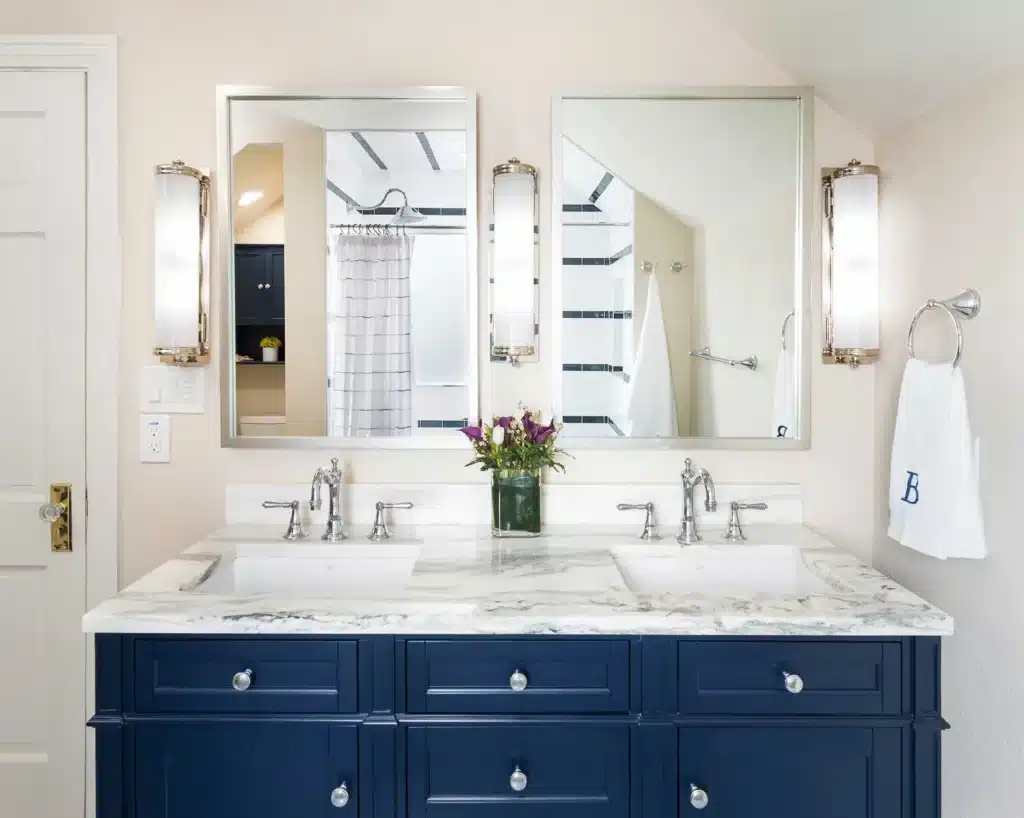
See the Full Bathroom Remodel Cost Guide (DFW 2026)
A tub-to-shower conversion is often the starting point for a larger decision: whether to upgrade one element or rethink the entire bathroom. While conversions improve functionality and aesthetics, they still operate within the constraints of the existing layout, plumbing, and structure.
In many cases, homeowners begin with the idea of a simple conversion and then realize that other parts of the bathroom feel outdated by comparison. This is especially common in DFW homes where finishes, lighting, and layouts may reflect older design standards.
According to the National Association of Home Builders, bathrooms remain one of the most influential spaces in buyer decision-making, which is why upgrades tend to extend beyond a single fixture over time.
A conversion upgrades how the shower functions. A full remodel upgrades how the entire space works together.
When a Conversion Is Enough
A focused tub-to-shower conversion makes sense when:
- The overall bathroom layout already works
- The vanity, flooring, and lighting are still in good condition
- The goal is to improve usability without expanding the project
In these situations, keeping the scope contained allows you to control cost while still achieving a meaningful upgrade.
When a Full Remodel Becomes the Better Move
There are scenarios where expanding beyond the conversion creates a better long-term outcome:
- Outdated finishes throughout the bathroom
- Inefficient layout or lack of storage
- Aging plumbing or electrical systems
- Desire for a cohesive, modern design
The Remodeling Magazine Cost vs Value Report shows that larger bathroom remodels can deliver strong returns when they improve both functionality and overall condition, especially in competitive housing markets.
Cost Comparison: Conversion vs Full Remodel
| Project Type | Typical Cost (DFW) | Scope |
|---|---|---|
| Tub-to-shower conversion | $10,000 – $30,000 | Shower-focused upgrade |
| Partial bathroom remodel | $15,000 – $35,000 | Shower + select upgrades |
| Full bathroom remodel | $25,000 – $60,000+ | Complete redesign |
As projects expand, costs increase due to additional labor, materials, and coordination between trades. The difference comes from how many systems are being upgraded at once rather than just the size of the space.
How to Decide the Right Scope
A simple way to approach the decision is to evaluate how many elements of the bathroom need attention.
- If only the tub feels outdated → conversion is likely enough
- If multiple components feel worn or mismatched → partial remodel
- If the space feels fundamentally outdated → full remodel
The U.S. Census Bureau housing data shows that many homes undergo phased renovations over time, which is why homeowners often start with targeted upgrades before committing to larger projects.
Expanding scope can improve long-term results, though it also increases upfront investment and project complexity.
Planning the Next Step
Whether you move forward with a conversion or consider a full remodel, the key is understanding the full cost spectrum before starting. That includes:
- How labor and materials scale across different project types
- How layout changes affect pricing
- How design decisions influence long-term value
A tub-to-shower conversion is one piece of a broader remodeling strategy. Seeing where it fits within the full range of bathroom renovation costs helps ensure that your investment aligns with both your budget and your long-term goals.