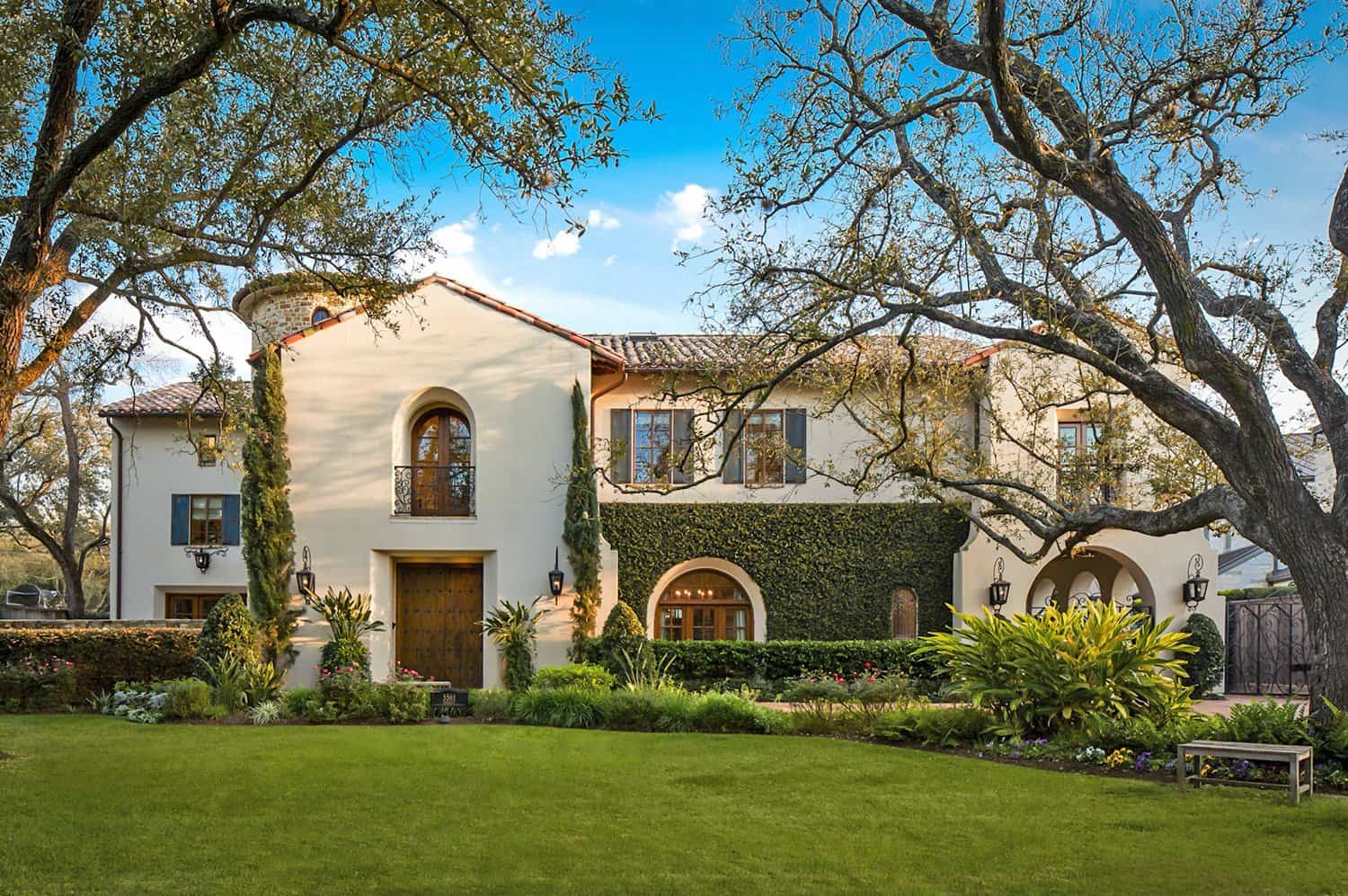
Why Walk-In Showers Are Dominating DFW Remodels
Walk-in showers have moved from a design preference to a default upgrade across the Dallas-Fort Worth remodeling market. In many homes, especially those built in the early 2000s, the traditional tub-shower combo is being replaced with a larger, more functional shower space that reflects how people actually use their bathrooms today.
The shift is happening for three clear reasons: space efficiency, daily usability, and resale positioning.
Across North Texas, homeowners are prioritizing bathrooms that feel open, low-maintenance, and easy to use. A walk-in shower removes the visual and physical barrier of a tub, allowing for wider layouts, larger tile formats, and full-height glass enclosures that make even smaller bathrooms feel significantly bigger. According to national housing data from the U.S. Census Bureau, regions like DFW continue to experience strong population growth, which increases demand for updated, move-in-ready homes that align with modern expectations (U.S. Census Bureau population estimates).
That demand shows up clearly in remodeling decisions. Buyers consistently respond to bathrooms that feel clean, bright, and easy to maintain. Walk-in showers check all three boxes.
“The modern bathroom is being designed around how people actually live – quick routines, low maintenance, and long-term usability.”
From a functional standpoint, walk-in showers simplify daily use. There’s no step over a tub, fewer tight corners to clean, and more flexibility in layout. This becomes even more important over time, as accessibility starts to matter more to homeowners planning to stay in their homes long-term. Design guidelines from the National Institute on Aging emphasize features like barrier-free entry and grab bar integration as key components of aging-in-place design, both of which are naturally supported by walk-in shower layouts.
Cost also plays a role in their popularity. While a walk-in shower remodel is still a meaningful investment, it often delivers a high-impact visual upgrade without requiring a full bathroom renovation. In many cases, homeowners can transform the entire feel of the space by focusing primarily on the shower area, especially when the existing layout remains unchanged.
At the same time, expectations have risen. What qualifies as a “standard” shower today has evolved. Homeowners are increasingly choosing:
- Full tile walls instead of fiberglass surrounds
- Frameless glass enclosures instead of curtains or framed doors
- Linear drains and curbless entries for a seamless look
- Built-in niches and benches for function and storage
These upgrades improve both usability and perceived value, though they also introduce additional cost layers that many homeowners underestimate at the start.
The result is a remodeling category that sits in a unique position. A walk-in shower can be a targeted upgrade, or it can quietly become the most expensive part of a bathroom remodel depending on material and design decisions.
Understanding that range, and what actually drives it, is the key to planning a realistic budget.

Average Walk-In Shower Remodel Cost in DFW
Walk-in shower remodel costs in the Dallas-Fort Worth area vary widely based on scope, materials, and labor complexity. In 2026, most homeowners in North Texas spend between $6,000 and $15,000 for a typical walk-in shower upgrade, while high-end custom builds can exceed $20,000+ depending on design choices and structural requirements.
This range reflects the reality of the DFW construction market, where strong population growth and housing demand continue to push both labor and material pricing upward. According to regional population data from the U.S. Census Bureau, North Texas remains one of the fastest-growing metro areas in the country, which directly impacts contractor availability and pricing.
Typical Walk-In Shower Cost Tiers in DFW
Most projects fall into three broad pricing tiers based on materials and construction complexity.
| Shower Type | Typical Cost (DFW) | Scope of Work |
|---|---|---|
| Basic Prefab Shower | $4,000 – $8,000 | Acrylic or fiberglass kit, minimal plumbing changes |
| Mid-Range Tile Shower | $7,000 – $14,000 | Custom tile, standard glass door, upgraded fixtures |
| High-End Custom Shower | $14,000 – $25,000+ | Frameless glass, full tile/slab walls, custom layout |
Basic prefab showers are typically the most affordable because they reduce labor time and avoid complex installation steps. Mid-range tile showers represent the most common upgrade in DFW homes, offering a balance between cost and visual impact. High-end showers introduce premium materials, larger layouts, and more intricate installation work, which significantly increases both labor hours and total cost.
“In most bathroom remodels, the shower becomes the single largest cost driver once tile, waterproofing, and glass are involved.”
Cost Per Square Foot for Walk-In Showers
Another useful way to estimate pricing is cost per square foot of the shower footprint and wall area. While this method simplifies the full scope of work, it provides a strong directional estimate.
| Remodel Level | Cost Per Square Foot |
|---|---|
| Budget | $150 – $250 |
| Mid-Range | $250 – $400 |
| High-End | $400 – $700+ |
For example, a 3 ft x 5 ft walk-in shower (15 sq ft footprint, significantly more wall surface area) at a mid-range level may fall around:
15 sq ft x ~$300 per sq ft = ~$4,500 (base structure + materials)
Additional components like glass, fixtures, and labor coordination typically bring the total into the $8,000–$12,000 range.
Industry data from sources like the National Association of Home Builders consistently shows that bathroom remodel costs scale more with complexity than size, especially in areas like showers where waterproofing and precision installation are required.
What Drives Walk-In Shower Cost Variation
Even within the same home, two walk-in showers can differ in cost by over $10,000. The variation comes from a small set of high-impact factors.
1. Material Selection
Tile alone can range from $2 per square foot to $20+ per square foot, with installation often costing more than the material itself. Larger format tile and slab walls increase labor difficulty.
2. Glass Enclosure Type
A basic framed door may cost a few hundred dollars, while frameless custom glass panels can reach several thousand depending on thickness and sizing.
3. Plumbing Changes
Keeping the existing drain and valve locations reduces cost significantly. Moving plumbing lines requires opening walls or floors, increasing both labor and risk.
4. Waterproofing System
Modern waterproofing systems, including sheet membranes and integrated drain systems, add upfront cost while improving long-term durability.
5. Labor Intensity
Walk-in showers require multiple trades working in sequence. According to workforce data from the Bureau of Labor Statistics, skilled trades like tile installers and plumbers remain in high demand, which continues to elevate labor rates in growing metro areas like DFW.
Quick Takeaway
Most DFW homeowners land in the $8,000 to $15,000 range for a well-built walk-in tile shower with a glass enclosure. Lower-cost options exist with prefab systems, while fully custom showers can move well beyond that range depending on design complexity and material choices.
Understanding these cost tiers provides a clear starting point. The next step is breaking down exactly where that money goes, which reveals why showers are one of the most labor-intensive upgrades in any bathroom remodel.

Walk-In Shower Cost Breakdown (Tile, Glass, Plumbing, Labor)
A walk-in shower remodel is one of the most labor-intensive upgrades inside a home, and the cost reflects that. While materials like tile and glass are the most visible components, the majority of the budget is driven by skilled trades working in sequence, each responsible for a critical layer of the system.
Industry-wide data from the National Association of Home Builders shows that labor often represents the largest share of remodeling costs, especially in high-skill installations like tile showers where precision and waterproofing are essential.
Typical Cost Allocation for a Walk-In Shower
Most walk-in shower projects in DFW follow a similar cost distribution, though exact percentages shift depending on material choices and complexity.
| Category | Typical % of Total Cost | Example ($10,000 Shower) |
|---|---|---|
| Labor | 40% – 55% | $4,000 – $5,500 |
| Tile & Materials | 20% – 30% | $2,000 – $3,000 |
| Glass Enclosure | 10% – 20% | $1,000 – $2,000 |
| Plumbing & Fixtures | 10% – 15% | $1,000 – $1,500 |
| Waterproofing System | 5% – 10% | $500 – $1,000 |
This distribution highlights a key reality: even mid-range showers require multiple specialized trades, each contributing to the final cost.
“A shower system is built in layers, and each layer depends on the one before it being done correctly.”
Tile and Substrate Costs
Tile is often the first thing homeowners think about, though the installation system behind it carries just as much weight in cost.
Tile pricing varies dramatically:
- Budget tile: ~$2 – $5 per sq ft
- Mid-range tile: ~$6 – $12 per sq ft
- Premium tile or slab: $15 – $40+ per sq ft
Installation typically ranges from $8 to $25 per sq ft, depending on layout complexity, pattern, and tile size. Larger format tiles and custom patterns increase installation time, which raises labor costs.
Behind the tile, installers use cement board or foam backer systems to create a stable surface. These materials, combined with thinset and grout, form the structural base of the shower walls.
Guidelines from the Tile Council of North America emphasize proper substrate preparation and installation methods as essential for long-term durability, especially in wet environments like showers.
Glass Enclosure Costs
Glass is one of the most variable components in a walk-in shower budget. The price depends on thickness, size, and level of customization.
- Framed glass: ~$500 – $1,200
- Semi-frameless: ~$800 – $1,800
- Frameless glass: $1,500 – $4,000+
Custom glass panels require precise measurements after tile installation, followed by fabrication and installation. Thicker glass (typically 3/8″ or 1/2″) increases both material and hardware costs.
The appeal is largely visual. Frameless glass creates a clean, open look that aligns with modern bathroom design trends, though it introduces higher upfront cost.
Plumbing and Fixture Costs
Plumbing work is often hidden behind walls, though it plays a major role in total project cost.
Typical plumbing-related expenses include:
- Shower valve: $150 – $600
- Shower head(s): $100 – $1,000+
- Drain assembly: $50 – $300
- Labor for installation: $500 – $2,000
If the shower layout remains unchanged, plumbing costs stay relatively controlled. Once fixtures move, costs increase quickly due to pipe rerouting and additional labor.
According to occupational data from the Bureau of Labor Statistics, skilled plumbing labor remains in high demand across the U.S., contributing to higher hourly rates in growing metro areas like Dallas-Fort Worth.
Waterproofing System Costs
Waterproofing is one of the most critical parts of a shower system, even though it remains completely hidden after installation.
Common waterproofing approaches include:
- Traditional liner systems (PVC pan liners)
- Sheet membrane systems (e.g., bonded waterproofing)
- Liquid-applied waterproofing coatings
Typical costs range from $500 to $2,000, depending on system type and shower size.
This layer prevents water from penetrating behind tile and into the structure of the home. Failures in waterproofing often lead to long-term damage such as mold, rot, and structural deterioration.
The International Residential Code outlines requirements for shower liners and drainage systems, reinforcing the importance of proper installation in wet areas.
Labor: The Largest Cost Driver
Labor consistently represents the largest portion of a walk-in shower remodel because of how many steps are involved:
- Demolition
- Framing adjustments (if needed)
- Plumbing rough-in
- Electrical adjustments (lighting, ventilation)
- Waterproofing installation
- Tile installation
- Grouting and sealing
- Glass measurement and installation
- Final fixture installation
Each phase requires different trades, and delays or mistakes in earlier stages can affect everything that follows.
In practice, this layered process explains why shower remodels carry higher labor costs than many homeowners initially expect. The precision required at every step leaves little margin for error, especially once waterproofing and tile are installed.
Quick Takeaway
A walk-in shower remodel is best understood as a system of interconnected components, where tile, glass, plumbing, and waterproofing each contribute to the final cost. Labor ties everything together, making it the dominant factor in most budgets.
Once these components are understood individually, the next major decision becomes clear: choosing between a prefab shower system and a fully custom tile installation.
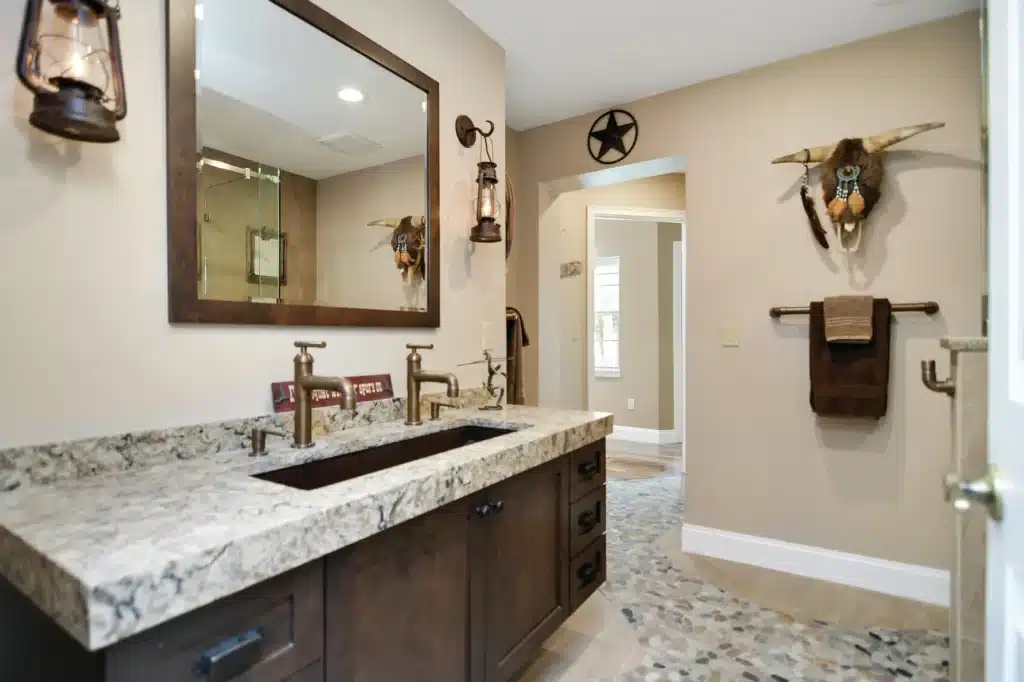
Tile Shower vs Prefab Shower Cost Comparison
One of the biggest decisions in a walk-in shower remodel is choosing between a prefabricated shower system and a custom tile shower. This single choice can swing the total project cost by thousands of dollars while also affecting durability, maintenance, and long-term value.
Both options are widely used in DFW homes, though they serve very different priorities.
What Defines Each Option
Prefab showers typically use acrylic or fiberglass panels manufactured off-site and installed as a unit or multi-piece system. These systems are designed for speed and cost efficiency.
Tile showers are built entirely on-site using a layered system that includes a waterproof membrane, substrate, tile, grout, and finishing details. Every component is installed manually, which increases labor and customization potential.
According to material performance guidance from the National Association of Home Builders, durability and moisture management are critical factors in wet areas, making installation quality just as important as the material itself.
Cost Comparison: Prefab vs Tile Showers
| Category | Prefab Shower | Tile Shower |
|---|---|---|
| Typical Cost (DFW) | $4,000 – $8,000 | $7,000 – $20,000+ |
| Installation Time | 1 – 3 days | 1 – 2 weeks |
| Labor Intensity | Low to moderate | High |
| Material Cost | Lower | Highly variable |
| Customization | Limited | Fully customizable |
| Lifespan | 10 – 20 years | 20 – 50+ years |
Prefab systems reduce labor time significantly, which is why they fall on the lower end of the cost spectrum. Tile showers require multiple installation phases, increasing both time and labor costs.
“The difference in cost comes from how the shower is built – prefab is installed, tile is constructed.”
Material and Installation Differences
Prefab showers rely on factory-produced panels, which keeps costs predictable. These panels are installed directly over a prepared wall surface, with seams sealed to prevent water intrusion.
Tile showers involve a full assembly process:
- Substrate installation
- Waterproof membrane application
- Mortar and tile placement
- Grouting and sealing
Each step introduces additional labor hours and requires precision to ensure long-term performance. The Tile Council of North America provides detailed installation standards that emphasize proper layering and moisture control in tile assemblies.
Maintenance and Long-Term Performance
Maintenance expectations differ significantly between the two options.
Prefab showers are easier to clean because they have fewer grout lines. The smooth surface resists staining and reduces upkeep. Over time, however, these materials can discolor, scratch, or lose their finish, especially in high-use bathrooms.
Tile showers require more maintenance due to grout lines, which may need periodic sealing and cleaning. When installed correctly, they offer strong long-term durability and can withstand decades of use.
The Environmental Protection Agency highlights moisture control as a key factor in preventing mold growth, which reinforces the importance of proper sealing and ventilation in both systems.
Design Flexibility and Visual Impact
Prefab showers offer limited design options. Most come in standard sizes and finishes, which works well for straightforward remodels or rental properties.
Tile showers provide complete design flexibility:
- Any tile size, color, or pattern
- Built-in niches and shelving
- Bench seating
- Custom layouts and dimensions
This flexibility allows homeowners to create a shower that matches the rest of the bathroom design, especially in higher-end remodels where consistency matters.
When Each Option Makes Sense
Prefab showers are commonly chosen when:
- Budget is the primary constraint
- The goal is a fast, functional upgrade
- The bathroom is a secondary or rental space
Tile showers are typically selected when:
- Long-term durability is a priority
- Design and customization matter
- The shower is part of a larger bathroom upgrade
One key tradeoff defines the decision: prefab systems reduce upfront cost and installation time, while tile showers increase both investment and long-term design value.
Quick Takeaway
Most DFW homeowners upgrading primary bathrooms lean toward tile showers because of their durability and visual impact. Prefab systems remain a practical option for budget-conscious remodels or secondary spaces where speed and simplicity matter most.
The next major cost decision builds on this choice: the type of glass enclosure, which can significantly affect both price and overall appearance.
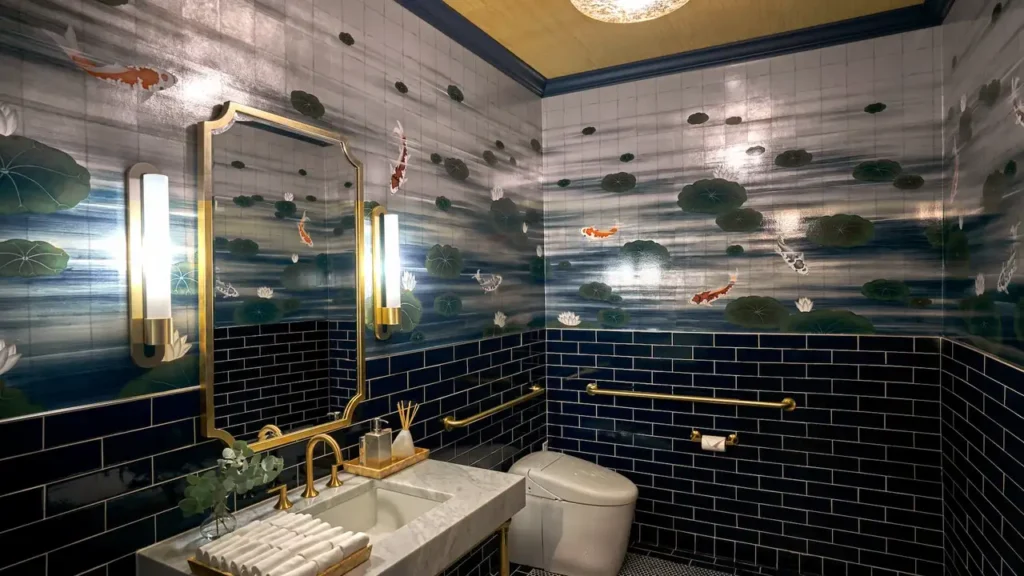
Glass Enclosure Pricing (Framed vs Frameless)
Glass enclosures are one of the most visible and variable components of a walk-in shower remodel. The choice between framed, semi-frameless, and frameless systems directly impacts both cost and overall appearance, often shifting the total project budget by several thousand dollars.
In DFW remodels, glass is where many projects move from functional to high-end, especially when homeowners prioritize open layouts and modern finishes.
Typical Glass Enclosure Costs in DFW
| Glass Type | Typical Cost | Description |
|---|---|---|
| Framed | $500 – $1,200 | Thin glass with full metal frame support |
| Semi-Frameless | $800 – $1,800 | Minimal framing with reinforced edges |
| Frameless | $1,500 – $4,000+ | Thick tempered glass with no visible frame |
Framed systems rely on metal tracks for structural support, which allows for thinner glass and lower cost. Frameless systems use thicker tempered glass panels that are engineered to stand without full framing, increasing both material and installation cost.
“Glass enclosures define how open or enclosed a shower feels, even when the size stays the same.”
What Drives Glass Pricing
Several factors determine where a specific project falls within these ranges.
Glass Thickness
Frameless systems typically use 3/8-inch or 1/2-inch tempered glass, which is significantly heavier and more expensive than the thinner glass used in framed systems. Thicker glass improves durability and stability while increasing material and installation cost.
Shower Size and Panel Count
Larger showers require more square footage of glass, along with additional panels, hinges, and hardware. Custom layouts with multiple angles or return panels increase fabrication complexity.
Hardware and Finishes
Hinges, handles, and mounting brackets come in a wide range of finishes, from standard chrome to premium brushed brass or matte black. Higher-end hardware increases cost while also contributing to the overall design.
Custom Fabrication
Frameless glass is almost always custom-cut after tile installation to ensure precise fit. This adds fabrication time and cost, especially for non-standard openings.
Safety standards from the Consumer Product Safety Commission require the use of tempered safety glass in shower enclosures, which is designed to break into small, less harmful pieces if damaged.
Frameless vs Framed: Cost vs Visual Impact
| Feature | Framed Glass | Frameless Glass |
|---|---|---|
| Cost | Lower | Higher |
| Glass Thickness | Thin | Thick |
| Visual Openness | Moderate | High |
| Maintenance | Easier (less exposed edges) | Requires more cleaning |
| Resale Appeal | Standard | Premium |
Framed glass provides a practical, budget-friendly solution that works well in secondary bathrooms or rental properties. Frameless glass creates a more open and modern look, often increasing perceived home value and aligning with current design trends.
Guidelines from the National Kitchen and Bath Association highlight open, barrier-free shower designs as a growing preference in modern bathroom layouts, which contributes to the demand for frameless systems.
Installation and Labor Considerations
Glass installation happens at the final stage of the remodel, after tile and waterproofing are complete. Precision is critical at this phase because measurements must align perfectly with finished surfaces.
Installation costs typically range from $300 to $1,000+, depending on system complexity and panel weight.
Frameless systems require:
- Reinforced wall blocking behind tile
- Precise alignment during installation
- Specialized handling due to glass weight
These requirements increase labor time and coordination compared to framed systems.
Maintenance and Longevity
Glass enclosures require ongoing maintenance, especially in areas with hard water like North Texas.
- Framed systems have more metal components that can trap moisture
- Frameless systems expose more glass surface, increasing the need for cleaning
Water spots, mineral buildup, and soap residue can affect appearance over time. Applying protective coatings or using daily squeegees can help extend clarity and reduce maintenance.
Quick Takeaway
Glass enclosures typically account for 10% to 20% of a walk-in shower budget, though that share increases in high-end projects with custom frameless systems. Framed options keep costs lower, while frameless glass enhances openness, light flow, and perceived value.
Once glass is selected, the next critical layer sits beneath everything: the drain and waterproofing system that determines how the shower performs long-term.

Drain and Waterproofing Systems
Beneath every walk-in shower is a hidden system that determines whether the remodel lasts five years or fifty. Drain design and waterproofing work together to control water flow, prevent leaks, and protect the structure of the home. While these components are invisible after installation, they carry some of the highest long-term risk if done incorrectly.
Building standards from the International Residential Code require showers to include properly sloped floors, approved liners or membranes, and drainage systems designed to safely direct water away from the structure. These requirements reflect how critical this layer is to overall performance.
Common Waterproofing Systems Used in DFW
Walk-in showers are built using one of several waterproofing approaches. Each system has different cost, installation methods, and long-term reliability.
| System Type | Typical Cost | Description | Pros | Cons |
|---|---|---|---|---|
| Traditional Liner (PVC/CPE) | $300 – $800 | Waterproof liner installed beneath mortar bed | Lower cost, widely used | More failure points if improperly installed |
| Sheet Membrane System | $800 – $1,500 | Pre-formed waterproof sheets bonded to substrate | Consistent coverage, modern standard | Higher material cost |
| Liquid Waterproofing | $500 – $1,200 | Roll-on or spray-applied membrane | Flexible application | Requires precise thickness control |
Traditional liner systems rely on a waterproof barrier beneath the tile layer, while modern systems place waterproofing directly behind the tile surface. This reduces the chance of water reaching deeper layers of the assembly.
“Waterproofing is the part of the shower you never see, and the one that matters most.”
Guidelines from the Tile Council of North America emphasize that continuous waterproof coverage and proper sealing at seams, corners, and penetrations are essential to prevent water intrusion.
Drain Types: Center vs Linear
Drain selection plays a major role in both cost and design flexibility.
| Drain Type | Typical Cost | Installation Complexity | Design Impact |
|---|---|---|---|
| Center Drain | $50 – $200 | Standard | Traditional layout |
| Linear Drain | $300 – $1,200+ | Higher | Allows single-slope floor, modern look |
Center drains require the shower floor to slope from all sides toward a single point. This creates a more complex tile layout, especially with larger format tiles.
Linear drains are installed along one wall or edge of the shower, allowing the entire floor to slope in one direction. This supports:
- Larger tile formats
- Curbless or barrier-free designs
- Cleaner, more modern layouts
Standards from the American Society of Plumbing Engineers highlight proper drainage slope as a critical factor in preventing standing water and ensuring long-term performance.
Curbless Showers and Drain Integration
Curbless walk-in showers are becoming more common in DFW remodels, especially for accessibility and modern design. These systems require more advanced planning because the floor must be recessed or sloped precisely to direct water toward the drain without a physical barrier.
Additional costs for curbless systems typically include:
- Subfloor modification or recessing: $500 – $2,000
- Linear drain integration: $500 – $1,500
- Additional waterproofing layers
These systems improve usability and create a seamless transition into the bathroom, though they demand tighter tolerances during installation.
Why Waterproofing Failures Are So Expensive
When waterproofing fails, the damage often spreads beyond the shower itself. Water can penetrate into framing, subfloors, and adjacent rooms before visible signs appear.
The Environmental Protection Agency identifies moisture intrusion as a primary cause of mold growth in residential buildings, which can lead to structural damage and indoor air quality issues.
Common consequences of failure include:
- Mold growth behind walls
- Wood rot and structural weakening
- Tile and grout deterioration
- Costly tear-outs and rebuilds
Repairing a failed shower often requires full demolition, making prevention far more cost-effective than correction.
Installation Complexity and Labor Impact
Waterproofing and drain installation happen early in the construction process, directly after framing and plumbing rough-in. Precision is critical because every layer that follows depends on this foundation.
Key installation steps include:
- Preparing the subfloor and slope
- Installing the drain assembly
- Applying waterproof membrane
- Sealing all seams and penetrations
- Flood testing (in many cases)
Each step must be completed correctly before moving forward. Errors at this stage are difficult to fix once tile is installed.
Quick Takeaway
Drain and waterproofing systems typically account for 5% to 15% of a walk-in shower budget, though their importance far outweighs their cost. These components determine whether the shower performs reliably over time or develops hidden issues that lead to expensive repairs.
Once the structural system is in place, the next layer of decision-making focuses on usability upgrades, particularly accessibility features that influence both function and long-term value.

Accessibility Upgrades (Curbless Showers, Grab Bars, Seating)
Accessibility features are becoming a standard consideration in walk-in shower design across DFW. What used to be viewed as a specialized upgrade is now part of mainstream remodeling, driven by long-term usability, safety, and resale appeal.
Many of these upgrades fall under the broader concept of aging-in-place design, which focuses on creating spaces that remain functional over time. Guidance from the National Institute on Aging emphasizes features like barrier-free entry, support bars, and seating as key elements in reducing fall risk and improving daily usability.
Typical Accessibility Upgrade Costs
| Feature | Typical Cost (DFW) | Description |
|---|---|---|
| Curbless (Zero-Entry) Shower | $1,000 – $4,000+ | Floor recessed or sloped for barrier-free entry |
| Grab Bars (Installed) | $150 – $500 each | Wall-mounted safety bars with reinforced backing |
| Built-In Shower Bench | $400 – $1,500 | Permanent tiled seating integrated into shower |
| Handheld Shower Head | $150 – $600 | Adjustable shower head on sliding bar |
| Slip-Resistant Flooring | $5 – $15 per sq ft | Textured tile or treated surfaces |
These features can be added individually or combined into a fully accessible shower design depending on the homeowner’s goals.
“Accessibility upgrades improve safety immediately while quietly increasing long-term home value.”
Curbless Showers (Zero-Entry Design)
Curbless showers are one of the most impactful accessibility upgrades. By eliminating the step or threshold at the shower entry, they create a smooth transition from the bathroom floor into the shower area.
This design supports:
- Easier entry and exit
- Wheelchair or walker accessibility
- A more open, modern aesthetic
Achieving a curbless design requires careful planning. The shower floor must be sloped precisely toward the drain, often requiring subfloor modification or recessing. Linear drains are commonly used to simplify this slope.
Standards from the Americans with Disabilities Act (ADA) outline accessible shower dimensions and entry requirements, which influence how these systems are designed in residential settings.
Grab Bars and Wall Reinforcement
Grab bars provide stability and support, especially in wet environments where slips are more likely. Proper installation requires blocking behind the wall, which means reinforcement must be planned before tile is installed.
Common placement areas include:
- Near the shower entry
- Along side walls
- Near built-in benches
Modern grab bars are available in a range of finishes and designs, allowing them to blend into the overall aesthetic rather than appearing purely functional.
Built-In Benches and Seating
Built-in shower benches add both comfort and practicality. They are commonly used for:
- Sitting during showering
- Storage for toiletries
- Supporting mobility needs
Benches are typically constructed from framing and waterproofed along with the rest of the shower before being tiled. Costs vary based on size and complexity.
Floating or fold-down benches are also available, offering flexibility in smaller spaces.
Handheld Shower Fixtures
Handheld shower heads mounted on adjustable bars improve usability for a wide range of users. They allow for:
- Seated showering
- Easier cleaning of the shower
- Greater flexibility in water direction
These fixtures are relatively low-cost compared to other upgrades and are often included as a standard feature in modern walk-in showers.
Slip-Resistant Flooring
Floor safety is a critical part of accessibility. Many walk-in showers use smaller tile or textured surfaces to increase traction underfoot.
The Centers for Disease Control and Prevention identifies bathrooms as one of the most common locations for household falls, reinforcing the importance of slip-resistant surfaces in shower design.
Tile selection plays a key role here. Smaller tiles with more grout lines or textured finishes provide better grip compared to large, smooth tiles.
Design and Resale Impact
Accessibility upgrades influence more than just safety. They also align with broader market trends toward flexible, future-proof home design.
Homebuyers increasingly value features that:
- Improve ease of use
- Reduce future renovation needs
- Support long-term living
One important dynamic shapes these decisions: features like curbless entry and handheld fixtures enhance usability without limiting design appeal, while overly specialized modifications can narrow buyer preferences.
Quick Takeaway
Accessibility upgrades typically add $1,000 to $5,000+ to a walk-in shower remodel, depending on how many features are included. Curbless entry and reinforced support systems represent the most impactful upgrades, improving both daily usability and long-term flexibility.
With the core design decisions in place, the next step is understanding where projects commonly go wrong, and how small mistakes during installation can lead to major long-term issues.
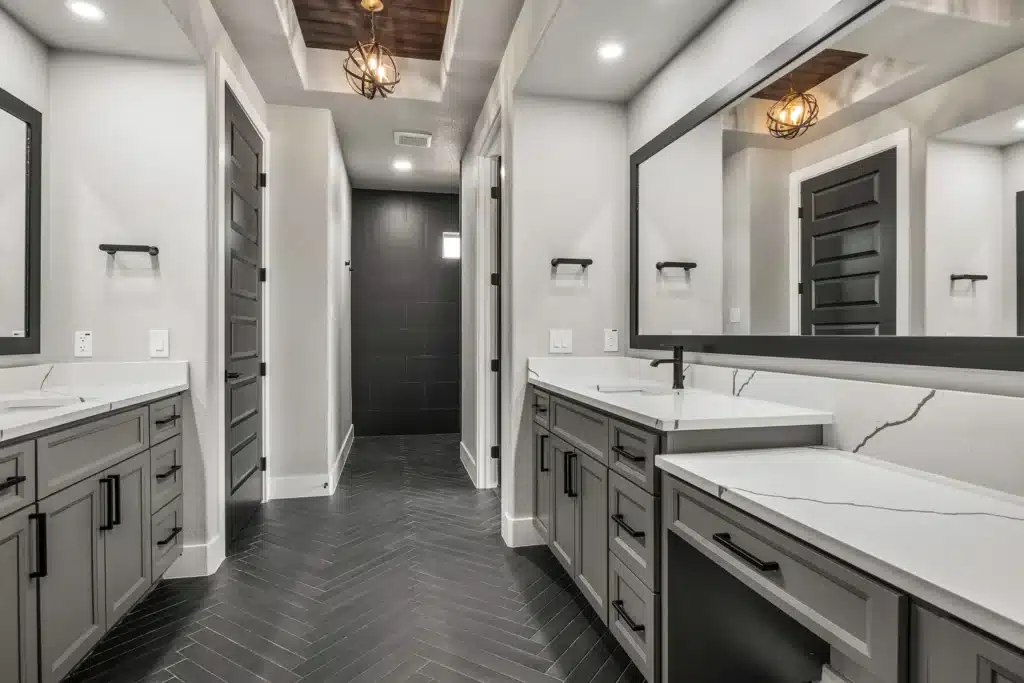
Common Walk-In Shower Remodel Mistakes
Walk-in showers involve multiple layers of construction, and small errors early in the process can create long-term problems that are expensive to fix. Many of the most common issues do not show up immediately, which makes prevention far more valuable than correction.
Building standards from the International Residential Code and installation guidelines from the Tile Council of North America both emphasize proper sequencing, material compatibility, and moisture control as essential to long-term performance.
The Most Common Mistakes and Their Impact
| Mistake | What Happens | Cost Impact |
|---|---|---|
| Improper waterproofing | Water penetrates behind tile | Full tear-out and rebuild ($5K–$20K+) |
| Incorrect slope to drain | Standing water, pooling | Rework of shower floor ($1K–$5K) |
| Poor tile installation | Cracking, uneven surfaces | Tile removal and replacement ($2K–$10K) |
| Cheap or misaligned glass | Leaks, door issues | Replacement or adjustment ($500–$3K) |
| Skipping permits/inspection | Code violations, resale issues | Fines or redo costs vary |
These mistakes often compound over time, turning what appears to be a finished project into a hidden liability.
“Most shower failures come from what’s behind the tile, not what you can see on the surface.”
Improper Waterproofing
Waterproofing errors are the most serious issue in shower remodels. Gaps, poorly sealed seams, or incorrect material use allow moisture to travel into walls and subfloors.
Over time, this can lead to:
- Mold growth
- Wood rot
- Structural weakening
The Environmental Protection Agency identifies moisture intrusion as a primary cause of indoor mold problems, especially in bathrooms where humidity is already high.
Proper waterproofing requires continuous coverage across walls, floors, corners, and penetrations such as valves and drains. Missing even a small section can create a failure point.
Incorrect Drain Slope
Shower floors must slope consistently toward the drain to prevent standing water. Industry standards typically require a slope of about 1/4 inch per foot.
When the slope is off:
- Water pools in corners
- Tile remains wet longer
- Mold and mildew risk increases
Guidance from the American Society of Plumbing Engineers reinforces proper drainage slope as a key requirement for functional plumbing systems.
Poor Tile Installation
Tile issues often appear as cosmetic problems, though they can signal deeper installation errors.
Common signs include:
- Uneven tile alignment
- Lippage (height differences between tiles)
- Cracked grout or tiles
These issues can result from improper substrate preparation, rushed installation, or incorrect mortar use. Once tile is installed, correcting these problems typically requires removal and reinstallation.
Low-Quality or Improper Glass Installation
Glass enclosures require precise measurement and alignment. Poor installation can lead to:
- Water leaking outside the shower
- Doors that do not close properly
- Stress cracks in glass panels
Safety standards from the Consumer Product Safety Commission require tempered glass in shower enclosures, though proper installation is equally important for performance and safety.
Skipping Permits and Inspections
Some homeowners attempt to reduce costs by skipping permits or inspections. This introduces risk at multiple levels:
- Work may fail to meet code requirements
- Hidden issues go unverified
- Problems may surface during resale
Local building departments enforce codes designed to ensure safety and durability. Skipping this oversight removes a key layer of accountability.
Over-Customization That Hurts Resale
Highly personalized design choices can limit future buyer appeal. Examples include:
- Unusual tile patterns or colors
- Non-standard layouts
- Niche features that reduce usability
While customization improves personal enjoyment, it should be balanced with broader market preferences, especially in competitive housing markets like DFW.
Lack of Planning Between Trades
Walk-in showers require coordination between multiple trades. When planning is inconsistent:
- Plumbing may conflict with tile layout
- Glass installation may not align with finished openings
- Waterproofing details may be overlooked
This lack of coordination often leads to rework, delays, and additional cost.
Quick Takeaway
Most walk-in shower problems originate from installation errors rather than material defects. Waterproofing, slope, and trade coordination represent the highest-risk areas, with failures often requiring full reconstruction to fix.
Understanding these mistakes provides a clear advantage during planning. The next step is knowing how long a properly executed shower remodel should take, and what factors influence that timeline.
Timeline for a Walk-In Shower Remodel
A walk-in shower remodel follows a structured sequence of phases, each dependent on the previous step being completed correctly. While smaller upgrades can move quickly, most projects in DFW take 1 to 3 weeks of construction time, with additional time required for planning, material selection, and scheduling.
The timeline reflects the coordination of multiple trades, along with curing times for materials like mortar, grout, and waterproofing systems. Construction sequencing guidance from the National Association of Home Builders highlights how trade coordination and material lead times are among the biggest drivers of project duration in residential remodeling.
Typical Walk-In Shower Remodel Timeline
| Phase | Time Required | What Happens |
|---|---|---|
| Planning & Design | 1 – 3 weeks | Layout decisions, material selection, contractor scheduling |
| Demolition | 1 – 2 days | Removal of existing shower, prep for new construction |
| Plumbing Rough-In | 1 – 2 days | Adjusting or installing drain and valve systems |
| Waterproofing | 1 – 2 days | Membrane installation and sealing |
| Tile Installation | 3 – 6 days | Tile placement, curing, and grout work |
| Glass Fabrication & Install | 5 – 10 days (overlap) | Measurement, fabrication, and final installation |
| Final Fixtures & Cleanup | 1 – 2 days | Shower heads, trim, sealing, finishing touches |
Total active construction time typically falls between 7 and 15 working days, though the overall project duration may extend due to scheduling gaps or material availability.
“The timeline is driven less by the size of the shower and more by the number of steps required to build it correctly.”
Planning vs Construction Time
Planning often takes longer than homeowners expect. Selecting tile, fixtures, glass type, and layout details can take several weeks, especially when coordinating multiple materials.
Material lead times also play a role. Custom glass enclosures, specialty tile, and premium fixtures may require ordering in advance, which can delay the start of construction.
The U.S. Department of Housing and Urban Development emphasizes that proper planning and contractor coordination reduce delays and improve project outcomes in residential renovations.
What Slows Down a Shower Remodel
Several factors can extend the timeline beyond initial expectations.
Material Delays
Custom tile, glass panels, or specialty fixtures may have longer lead times, especially if sourced from out-of-state or international suppliers.
Inspection and Permits
Projects requiring permits may need inspections at key stages, which can introduce scheduling gaps depending on local availability.
Unexpected Repairs
Once demolition begins, hidden issues such as water damage, mold, or outdated plumbing can surface. Addressing these problems adds time while ensuring long-term durability.
Curing and Drying Time
Mortar, grout, and waterproofing systems require proper curing time before the next phase begins. Rushing these steps increases the risk of failure.
Fast vs Complex Project Timelines
| Project Type | Typical Timeline |
|---|---|
| Prefab Shower Replacement | 3 – 5 days |
| Standard Tile Walk-In Shower | 7 – 12 days |
| High-End Custom Shower | 10 – 20+ days |
Prefab systems move quickly because they reduce installation steps. Tile showers require more time due to layering, curing, and precision work. High-end projects extend timelines further with custom layouts, larger formats, and additional features.
Trade Coordination: The Hidden Driver
A walk-in shower remodel typically involves:
- Demolition crew
- Plumber
- Tile installer
- Glass fabricator
- General contractor or project manager
Each trade must complete its portion before the next begins. Delays in one phase can affect the entire schedule.
This sequencing explains why even small bathrooms can take over a week to complete. The number of steps remains consistent regardless of size.
Quick Takeaway
Most walk-in shower remodels in DFW take 1 to 2 weeks of active construction, with total project timelines extending to several weeks when planning, ordering, and scheduling are included. Projects move fastest when materials are selected early and trades are coordinated efficiently.
With a clear understanding of timeline and execution, the final step is placing these costs into the broader context of a full bathroom remodel and deciding when a shower-only upgrade makes sense.

See the Full Bathroom Remodel Cost Guide (DFW 2026)
A walk-in shower remodel sits inside a larger decision: upgrade a single feature, or renovate the entire bathroom. Understanding how shower costs fit into total bathroom budgets helps clarify when each approach makes sense.
Across the U.S., remodeling data from sources like the Remodeling Magazine Cost vs Value Report shows that bathroom renovations consistently rank among the most valuable interior upgrades, especially when they improve both function and visual appeal.
How Walk-In Shower Costs Compare to Full Remodels
| Project Type | Typical Cost (DFW) | Scope |
|---|---|---|
| Shower-Only Remodel | $6,000 – $15,000+ | Replace or upgrade shower system only |
| Partial Bathroom Remodel | $12,000 – $25,000 | Shower + vanity, flooring, fixtures |
| Full Bathroom Remodel | $25,000 – $50,000+ | Complete demolition and rebuild |
| Luxury Bathroom Remodel | $50,000 – $90,000+ | High-end finishes, layout changes |
A walk-in shower often represents 30% to 50% of a full bathroom remodel budget, depending on material choices and design complexity. In higher-end projects, that share can increase even further due to tile, glass, and waterproofing upgrades.
“In many remodels, the shower becomes the centerpiece that sets the standard for the rest of the bathroom.”
When a Shower-Only Remodel Makes Sense
A focused shower upgrade is often the right choice when:
- The existing bathroom layout works well
- The vanity, flooring, and fixtures are still in good condition
- The goal is a visual upgrade without full demolition
- Budget constraints limit the scope of work
This approach delivers a strong transformation because the shower is the largest visual element in most bathrooms.
When a Full Remodel Is More Efficient
There are situations where expanding the project scope improves overall efficiency and value.
- Multiple components are outdated at the same time
- Plumbing or layout changes are already required
- Flooring or cabinetry needs replacement
- The goal is to fully modernize the space
Guidance from the National Association of Realtors highlights that cohesive, fully updated spaces tend to perform better in resale compared to partial upgrades that leave older elements unchanged.
Cost Efficiency: One Project vs Multiple Phases
| Approach | Cost Efficiency | Disruption |
|---|---|---|
| Shower-Only Remodel | Lower upfront cost | Minimal disruption |
| Full Remodel (One Phase) | Better overall efficiency | Higher short-term disruption |
| Phased Remodel (Multiple Projects) | Higher total cost over time | Repeated disruption |
Completing a full remodel in one phase often reduces duplicated labor costs, such as demolition, setup, and project management. Splitting projects into multiple phases increases total cost due to repeated mobilization and coordination.
ROI and Buyer Perception
From a resale perspective, buyers evaluate bathrooms as a complete space. A new walk-in shower can elevate the room, though surrounding elements still influence the overall impression.
The Joint Center for Housing Studies of Harvard University notes that homeowners are increasingly investing in targeted upgrades that improve usability and perceived quality, especially in kitchens and bathrooms where daily use is highest.
A well-designed shower upgrade can:
- Improve first impressions in listings
- Increase perceived cleanliness and modernity
- Enhance functionality for everyday use
One key dynamic shapes ROI: a high-end shower inside an otherwise outdated bathroom may feel out of place, while a cohesive remodel creates a stronger overall impact.
Decision Framework
Choosing between a shower-only remodel and a full bathroom renovation comes down to three factors:
- Scope: How many elements need upgrading
- Budget: Available investment range
- Timeline: Willingness to handle disruption
When the shower is the primary issue, a focused upgrade delivers strong results. When multiple elements are aging together, expanding the project scope improves both efficiency and long-term value.
Final Takeaway
A walk-in shower remodel is often the most impactful upgrade within a bathroom, though its value is shaped by how well it fits into the surrounding space. Understanding its role within the full remodel picture allows homeowners to make decisions that balance cost, usability, and long-term return.