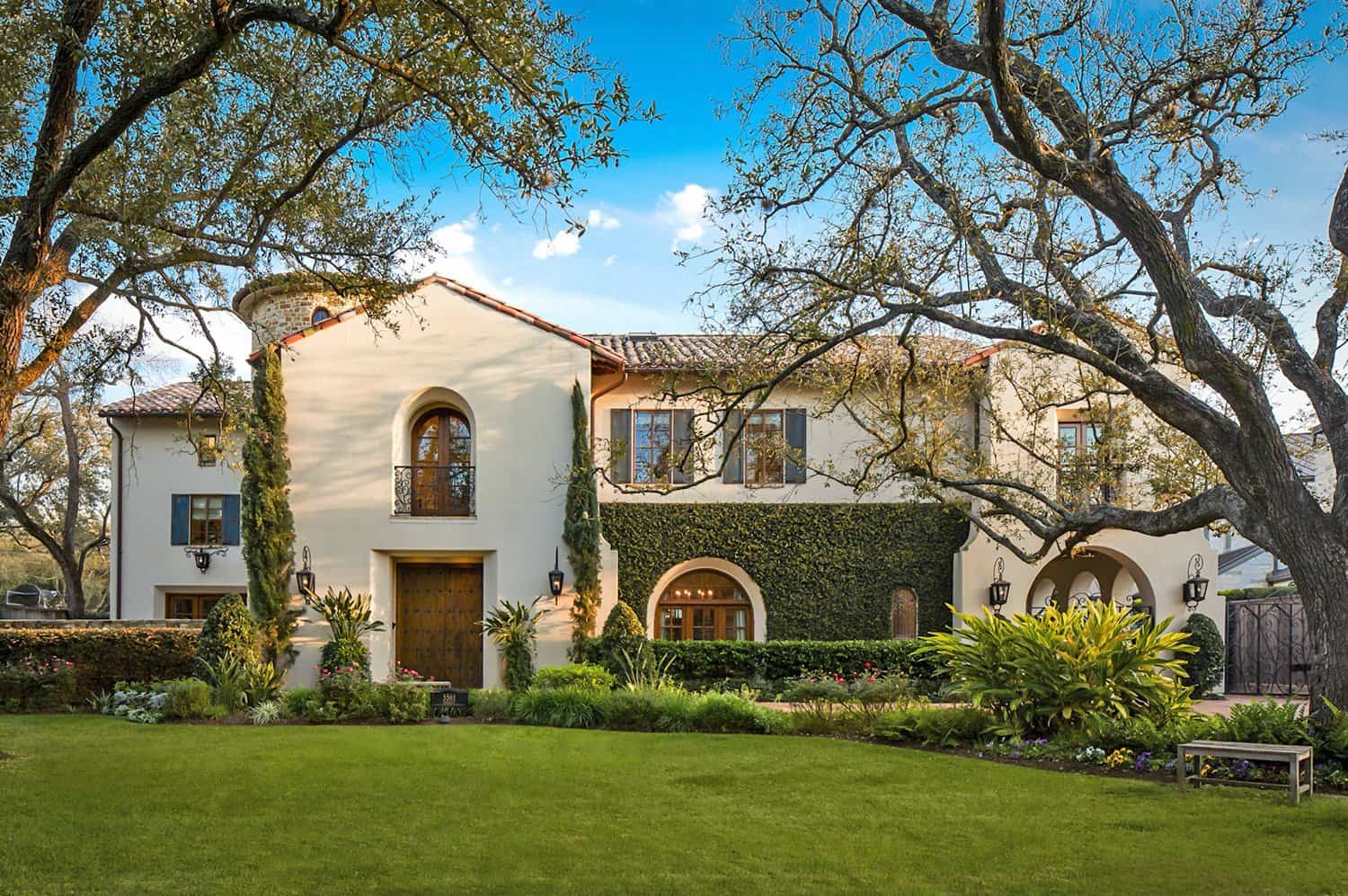
Remodeling a home in Dallas-Fort Worth in 2026 comes with a simple reality: prices vary far more than most homeowners expect.
Two projects that look similar on the surface can differ by tens of thousands of dollars once you factor in layout changes, material quality, labor demand, and the condition of the home itself. A kitchen update that keeps the existing layout may stay within a predictable budget, while a project that moves plumbing, removes walls, or upgrades electrical systems can quickly shift into a completely different cost tier.
This variability is especially pronounced in North Texas. The Dallas-Fort Worth metroplex continues to experience strong population growth and housing demand, which directly impacts both construction pricing and contractor availability. Data from the U.S. Census Bureau’s construction spending reports shows sustained increases in residential improvement spending nationwide, while regional insights from the Texas A&M Real Estate Research Center highlight how rapidly growing Texas markets are placing additional pressure on labor and material costs.
As a result, remodeling in DFW is influenced by more than just the project itself. It reflects a combination of market forces, home-specific conditions, and homeowner decisions.
The same remodel scope can produce very different costs depending on how the project is executed, not just what is being built.
Before diving into numbers, it’s important to understand the three broad categories that most remodeling projects fall into:
- Cosmetic updates: surface-level improvements such as paint, fixtures, or flooring that improve appearance without major construction
- Partial remodels: replacing key components like cabinets, countertops, or showers while keeping the existing layout intact
- Full renovations: extensive projects involving demolition, structural changes, or reconfiguration of plumbing and electrical systems
Each category carries a different cost structure, timeline, and level of complexity. Understanding where your project falls on this spectrum is the first step toward estimating a realistic budget.
This guide is designed to give you a clear, data-backed understanding of what home remodeling actually costs in DFW today. Instead of relying on broad averages or outdated estimates, you’ll see:
- Realistic price ranges based on project type and scope
- Detailed cost breakdowns showing where the money goes
- The biggest factors that drive price increases
- Common hidden costs that homeowners often overlook
- Practical frameworks for estimating your own project
To ground expectations early, here is a high-level snapshot of what homeowners are typically spending in Dallas-Fort Worth:
| Remodel Type | Typical Cost Range (DFW 2026) |
|---|---|
| Cosmetic updates | $5,000 – $20,000 |
| Mid-range remodel | $25,000 – $75,000 |
| Major renovation | $80,000 – $200,000+ |
| Whole-home remodel | $150,000 – $400,000+ |
For a more detailed, real-world breakdown of building and remodeling costs in DFW, including full project examples and pricing ranges, see our complete Fin Home Building & Remodeling in DFW cost guide.
These ranges reflect real-world conditions in the DFW market, where labor demand, material selection, and project complexity all play a role in shaping final costs.
As you move through this guide, the goal is simple: replace uncertainty with clarity. By the end, you should be able to look at your own home, define your project scope, and estimate a realistic budget range with confidence.
If you’re looking for a national perspective on home remodeling costs, check out our 2026 Home Remodeling Cost Guide.

Average Home Remodeling Cost in DFW (2026)
Home remodeling costs in Dallas-Fort Worth vary widely depending on the size of the home, the scope of work, and the level of finishes selected. While national averages provide a baseline, local conditions in North Texas push many projects into higher ranges due to labor demand and larger home sizes.
According to national remodeling data from the Remodeling Magazine Cost vs Value Report, mid-range renovation projects across the U.S. often fall between $20,000 and $80,000 depending on scope. In DFW, those same projects frequently trend higher due to rapid population growth, contractor demand, and the prevalence of larger suburban homes. Regional housing and construction insights from the Texas A&M Real Estate Research Center reinforce that North Texas remains one of the most active construction markets in the country, which directly impacts remodeling pricing.
At a high level, most remodeling projects in DFW fall into four cost tiers.
Typical Remodeling Cost Ranges in DFW
| Remodel Level | Typical Cost Range | Scope Description |
|---|---|---|
| Cosmetic updates | $5,000 – $20,000 | Paint, fixtures, flooring, minor upgrades |
| Mid-range remodel | $25,000 – $75,000 | Kitchens, bathrooms, partial renovations |
| Major renovation | $80,000 – $200,000+ | Structural changes, multiple rooms |
| Whole-home remodel | $150,000 – $400,000+ | Full interior transformation |
These ranges reflect real-world project budgets across DFW homes, where both material choices and labor complexity significantly influence total cost.
Most homeowners underestimate remodeling costs because they focus on visible materials and overlook the labor and infrastructure behind them.
Why DFW Remodeling Costs Skew Higher
Several factors push remodeling costs in Dallas-Fort Worth above national averages (see more data on national home remodeling costs here).
First, homes in North Texas tend to be larger than the national median. More square footage increases material quantities, labor hours, and project complexity. Data from the U.S. Census Bureau housing statistics shows that Texas consistently ranks among the states with larger average new home sizes, which carries over into remodeling costs.
Second, contractor demand remains high. Population growth across DFW has created sustained demand for construction services, and labor shortages in skilled trades continue to drive up pricing. Industry reports from the National Association of Home Builders highlight ongoing shortages in trades such as electricians, plumbers, and carpenters, all of which are essential for remodeling projects.
Third, material costs have remained elevated compared to pre-2020 levels. While some categories have stabilized, many materials still reflect higher baseline pricing due to supply chain shifts and inflationary pressure.
Cost Differences by Home Type
Remodeling costs can also vary depending on the type and age of the home.
| Home Type | Typical Cost Impact |
|---|---|
| Newer suburban homes | Lower structural risk, more predictable costs |
| 1990s–2000s homes | Moderate upgrades, common for kitchens and bathrooms |
| Older homes (pre-1980) | Higher costs due to electrical, plumbing, or structural updates |
Older homes often require additional work that is not visible at the start of the project. Electrical systems may need upgrades, plumbing may need replacement, and structural components may require reinforcement once walls are opened.
The Role of Project Scope
The single biggest factor affecting cost is the scope of the remodel. A project that keeps the existing layout will typically stay within a controlled budget range, while a project that involves moving plumbing, removing walls, or reconfiguring spaces can increase costs significantly.
For example:
- A kitchen remodel that replaces cabinets and countertops may fall in the $30,000 to $60,000 range
- The same kitchen with layout changes and structural work can exceed $80,000 to $120,000
This pattern holds across nearly all remodeling projects. The complexity of the work often matters more than the size of the space.
What These Numbers Mean for Homeowners
The wide range of remodeling costs in DFW reflects a simple reality: there is no single “average” remodel price that applies to every home.
Instead, homeowners should think in terms of ranges based on:
- Project type
- Level of finishes
- Structural complexity
- Condition of the home
Understanding these ranges provides a starting point, but accurate budgeting requires breaking costs down further. In the next section, we’ll look at how remodeling costs vary by project type, including kitchens, bathrooms, whole-home renovations, and structural additions.

Remodel Cost by Project Type
Remodeling costs in DFW become much clearer when broken down by project type. While overall home renovation budgets can vary widely, most projects fall into a handful of common categories: kitchens, bathrooms, whole-home remodels, and structural additions.
Each category has its own cost structure, driven by the number of trades involved, the level of materials required, and the complexity of installation. Industry data from the National Association of Home Builders and national benchmarks like the Remodeling Magazine Cost vs Value Report consistently show that kitchens and bathrooms dominate remodeling spending due to their complexity and visibility.
Kitchen Remodel Costs in DFW
Kitchen remodels are typically the most expensive single-room renovation in a home. They involve multiple trades including cabinetry, plumbing, electrical, flooring, and appliance installation. For a broader benchmark beyond DFW pricing, see our national 2026 kitchen remodel cost guide.
| Kitchen Remodel Level | Typical Cost Range (DFW) | Scope |
|---|---|---|
| Minor refresh | $15,000 – $30,000 | Cabinet repainting, new countertops, fixtures |
| Mid-range remodel | $30,000 – $60,000 | New cabinets, countertops, appliances |
| High-end remodel | $70,000 – $120,000+ | Custom cabinetry, layout changes, premium materials |
Cabinets alone can account for 30% to 40% of the total kitchen budget, according to industry data from the National Kitchen & Bath Association. Layout changes, such as moving sinks or gas lines, significantly increase labor costs because they require coordination across multiple trades.
In most DFW kitchen remodels, cabinetry and labor together represent the majority of the total budget.
Bathroom Remodel Costs in DFW
Bathrooms are smaller than kitchens but often involve more technical installation per square foot due to waterproofing, plumbing, and tile work.
| Bathroom Remodel Level | Typical Cost Range (DFW) | Scope |
|---|---|---|
| Cosmetic refresh | $5,000 – $12,000 | Fixtures, paint, minor updates |
| Mid-range remodel | $12,000 – $30,000 | New vanity, tile, shower upgrades |
| Full renovation | $30,000 – $60,000+ | Tile showers, layout changes, custom finishes |
Bathroom remodels often require specialized labor, including waterproofing systems and tile installation, which increases labor intensity. According to cost benchmarks from HomeAdvisor, labor can represent a larger percentage of bathroom budgets compared to other rooms. For a comparison against national pricing benchmarks, see our 2026 bathroom remodel cost guide.
Whole-Home Remodel Costs
Whole-home remodels involve renovating multiple rooms simultaneously, often including kitchens, bathrooms, flooring, and structural updates. These projects are common in older homes or when homeowners want to modernize an entire property.
| Remodel Scope | Typical Cost Range (DFW) |
|---|---|
| Light whole-home update | $75,000 – $150,000 |
| Mid-range full remodel | $150,000 – $300,000 |
| High-end renovation | $300,000 – $500,000+ |
These projects benefit from economies of scale in some areas, such as flooring or painting, but overall costs increase due to the volume of work and coordination required. Data from the U.S. Census Bureau’s residential improvement spending shows that large-scale renovations represent a growing share of total home improvement spending nationwide.
Whole-home remodels also frequently uncover hidden issues, especially in older properties, which can increase total project costs during construction.
Room Additions and Structural Remodels
Structural remodels and additions are among the most complex and expensive types of home renovation. These projects involve engineering, foundation work, framing, and often significant permitting requirements.
| Project Type | Typical Cost Range (DFW) |
|---|---|
| Room addition (bedroom, office) | $80,000 – $200,000+ |
| Second-story addition | $150,000 – $400,000+ |
| Open-concept structural remodel | $20,000 – $80,000 |
Structural changes require careful planning because they affect how the home carries weight and distributes loads. Engineering design, permits, and inspections are often required, which adds both time and cost. Guidance from the International Code Council emphasizes that structural modifications must comply with building codes to ensure safety and long-term durability.
Comparing Project Types Side by Side
| Project Type | Low Range | Mid Range | High-End Range |
|---|---|---|---|
| Kitchen | $15k | $45k | $120k+ |
| Bathroom | $5k | $20k | $60k+ |
| Whole-home | $75k | $200k | $500k+ |
| Additions | $80k | $200k | $400k+ |
This comparison highlights a key pattern: cost increases rapidly as projects involve more trades, more materials, and more structural complexity.
Key Takeaway
Different remodeling projects carry fundamentally different cost structures. Kitchens and bathrooms concentrate spending into smaller areas with high complexity, while whole-home remodels and additions expand both scope and coordination requirements.
Understanding these differences is essential before estimating a budget. In the next section, we’ll break down exactly where the money goes in a remodeling project, including how costs are divided between labor, materials, and contractor overhead.

Remodel Cost Breakdown (Labor vs Materials)
When homeowners start planning a remodel, the first instinct is to focus on visible upgrades like cabinets, countertops, or tile. Those elements matter, yet they only tell part of the story. A large portion of the total budget is tied to the labor required to install those materials and coordinate the entire project.
Across most remodeling projects in DFW, costs are typically split between three core categories: materials, labor, and project overhead. Industry benchmarks from the National Association of Home Builders and remodeling cost studies from HomeAdvisor show that labor consistently represents a significant share of total project costs, especially in complex renovations.
Typical Remodeling Cost Distribution
| Category | Percentage of Budget | What It Includes |
|---|---|---|
| Materials | 50% – 65% | Cabinets, countertops, flooring, fixtures |
| Labor | 30% – 45% | Installation, skilled trades, construction work |
| Overhead & profit | 10% – 20% | Contractor management, insurance, business costs |
These percentages vary depending on the type of remodel. Material-heavy projects with premium finishes may shift more budget toward materials, while labor-intensive remodels with structural work often increase the labor share.
The complexity of the work often determines how much of the budget goes to labor, even more than the materials themselves.
Material Costs: What You’re Paying For
Materials make up the most visible portion of a remodel, and they often drive the initial budget decisions. This category includes everything physically installed in the home.
Common material categories include:
- Cabinetry and built-ins
- Countertops and surfaces
- Flooring materials
- Appliances and fixtures
- Lighting and hardware
- Paint and finishes
The range within this category is enormous. For example, cabinets can vary from a few thousand dollars for stock options to tens of thousands for custom-built designs. According to research from the National Kitchen & Bath Association, cabinetry alone can account for up to 30% to 40% of a kitchen remodel budget.
Material selection has a direct impact on total cost. Upgrading from basic materials to premium finishes across multiple categories can significantly increase the final project price.
Labor Costs: The Hidden Majority
Labor is where much of the real complexity of remodeling lives. Even relatively simple projects require multiple skilled trades working in sequence.
| Trade | Typical Role in Remodel |
|---|---|
| General contractor | Project management and coordination |
| Electrician | Wiring, lighting, panel upgrades |
| Plumber | Water lines, fixtures, drainage |
| Carpenter | Framing, cabinetry, structural work |
| Tile installer | Showers, backsplashes, flooring |
| Painter | Finishing and surface prep |
Each trade operates at a different stage of the project, and delays or errors in one phase can affect the entire timeline. Labor costs also reflect the skill level required. Specialized work like tile installation, custom carpentry, or electrical upgrades typically carries higher rates.
Data from the Bureau of Labor Statistics shows that construction wages have steadily increased over the past several years, driven by demand and shortages in skilled labor. In high-growth areas like DFW, this trend has a direct impact on remodeling costs.
Contractor Overhead and Project Management
In addition to materials and labor, most remodeling projects include contractor overhead and profit. This portion of the budget covers the cost of running a construction business and managing the project from start to finish.
Typical contractor responsibilities include:
- Scheduling subcontractors
- Ordering and managing materials
- Coordinating inspections and permits
- Ensuring quality control
- Managing timelines and communication
General contractors typically charge 10% to 20% of the total project cost, depending on the complexity of the job. While this adds to the upfront cost, it often reduces risk by improving coordination and minimizing costly mistakes.
How Cost Distribution Changes by Project Type
Different types of remodels shift the balance between labor and materials.
| Project Type | Material Share | Labor Share |
|---|---|---|
| Cosmetic updates | Higher (60% – 70%) | Lower (30% – 40%) |
| Kitchen remodel | Balanced (50% – 60%) | Moderate (40% – 50%) |
| Bathroom remodel | Moderate (45% – 55%) | Higher (45% – 55%) |
| Structural remodel | Lower (40% – 50%) | Higher (50% – 60%) |
Bathroom and structural projects tend to have higher labor costs because of the technical work involved, including waterproofing, plumbing, and engineering considerations. Kitchen remodels often balance material and labor costs due to the combination of cabinetry and installation complexity.
Why Labor Costs Continue to Rise in DFW
Labor costs have become one of the fastest-growing components of remodeling budgets. Several factors contribute to this trend:
- Strong population growth increasing demand for construction
- Limited supply of skilled trades
- Rising wages across the construction industry
- Increased regulatory and insurance requirements
Economic analysis from the Federal Reserve Economic Data (FRED) shows sustained growth in construction wages nationwide, reflecting broader market pressures that affect local remodeling costs.
Key Takeaway
Understanding how remodeling costs are distributed provides clarity on where your budget is actually going. Materials shape the look of the project, while labor determines how that vision is executed.
A remodel’s final cost is driven as much by how the work is done as by what is installed.
In the next section, we’ll look at remodeling costs from another perspective: price per square foot, and when that metric is useful for estimating your project.
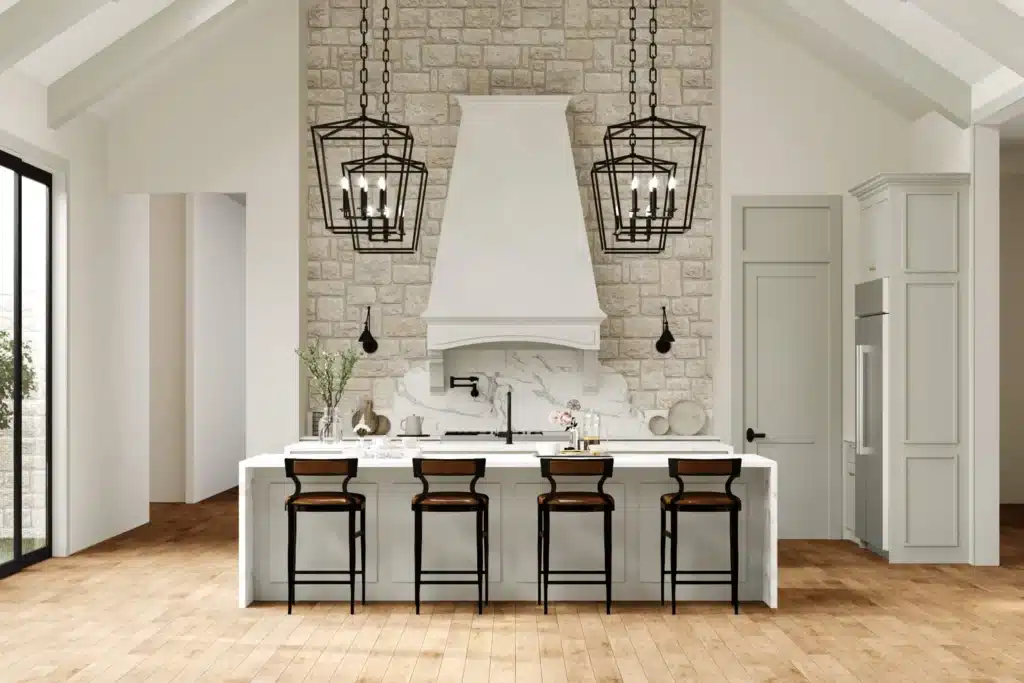
Cost Per Square Foot
Cost per square foot is one of the most commonly used shortcuts for estimating remodeling budgets. It provides a quick way to translate project size into a rough cost range, especially during early planning stages.
In Dallas-Fort Worth, remodeling costs per square foot vary widely depending on the type of project, the level of finishes, and the complexity of the work involved. National cost data from sources like RSMeans construction cost data and consumer benchmarks from HomeAdvisor show that remodeling price ranges can shift significantly even within the same category of project.
Typical Remodeling Cost Per Square Foot in DFW
| Remodel Type | Cost Per Sq Ft (DFW 2026) | Scope |
|---|---|---|
| Cosmetic updates | $25 – $75 | Paint, flooring, minor upgrades |
| Mid-range remodel | $75 – $150 | Kitchens, bathrooms, partial renovations |
| High-end remodel | $150 – $300+ | Structural changes, premium finishes |
These ranges reflect full project costs, including both materials and labor. Higher-end remodels tend to fall toward the upper end due to custom work, specialty materials, and increased labor requirements.
Cost per square foot is useful for estimating scale, though it becomes less precise as project complexity increases.
Why Cost Per Square Foot Varies So Much
Several factors cause remodeling costs per square foot to fluctuate.
First, different areas of the home carry very different cost densities. Kitchens and bathrooms involve plumbing, electrical work, cabinetry, and specialty finishes, which makes them far more expensive per square foot than bedrooms or living areas.
Second, the type of work being performed matters. A project that involves structural changes, such as removing walls or modifying framing, requires engineering and additional labor, increasing the cost per square foot.
Third, material selection has a direct impact. Upgrading finishes across multiple categories can raise the price significantly even if the square footage remains the same.
Finally, the condition of the home plays a role. Older homes often require additional work behind the walls, which increases labor costs without changing the visible footprint of the remodel.
Cost Per Square Foot by Project Type
Breaking the numbers down further highlights how different remodeling categories compare.
| Project Type | Cost Per Sq Ft | Why It Varies |
|---|---|---|
| Kitchen remodel | $150 – $400+ | High material density, multiple trades |
| Bathroom remodel | $200 – $500+ | Waterproofing, plumbing, tile work |
| Whole-home remodel | $75 – $200 | Mixed scope across multiple rooms |
| Room addition | $150 – $350+ | Structural work, foundation, framing |
Kitchen and bathroom remodels consistently rank as the most expensive per square foot because they concentrate labor and materials into smaller spaces. Whole-home remodels tend to average out across different areas, which lowers the overall per-square-foot cost.
Industry analysis from the National Kitchen & Bath Association supports this pattern, showing that kitchens and bathrooms involve the highest concentration of materials and skilled labor of any residential space.
When Cost Per Square Foot Is Useful
Cost per square foot is most helpful during the early planning phase, when homeowners are trying to estimate a general budget range.
For example, a homeowner planning a 2,000 square foot whole-home remodel might use a mid-range estimate:
2,000 sq ft × $100 per sq ft = $200,000 estimated budget
This approach provides a quick starting point for understanding the scale of investment required.
It is also useful when comparing different project scopes. A homeowner deciding between a partial remodel and a full renovation can use square footage estimates to evaluate how costs scale with scope.
When Cost Per Square Foot Breaks Down
While this metric is convenient, it becomes less accurate as projects become more complex.
A 100 square foot bathroom remodel may cost more than a 300 square foot living room update because of the plumbing, waterproofing, and tile work involved. Similarly, moving walls or reconfiguring layouts can dramatically increase costs without changing square footage.
Two projects with identical square footage can have completely different costs depending on the type of work being performed.
This is why contractors rarely rely on square footage alone when providing detailed estimates. Instead, they break projects down by components, materials, and labor requirements.
A More Practical Way to Use Square Foot Estimates
Rather than treating cost per square foot as a precise calculation, it works best as a directional tool.
- Use it to set an initial budget range
- Adjust based on project type and complexity
- Refine estimates with detailed breakdowns
Economic data from the U.S. Census Bureau’s residential improvement reports shows that remodeling spending continues to rise nationwide, reinforcing the importance of starting with realistic cost expectations before moving into detailed planning.
Key Takeaway
Cost per square foot provides a helpful starting point for understanding remodeling budgets in DFW, especially when comparing different project scopes.
At the same time, accurate pricing depends on the details behind the project. The type of work, materials used, and condition of the home all influence the final cost far more than square footage alone.
If you’re still deciding what to remodel, it helps to understand what homeowners are actually upgrading right now.
In the next section, we’ll break down the specific factors that drive remodeling costs in DFW, helping you understand why prices vary so significantly from one project to another.
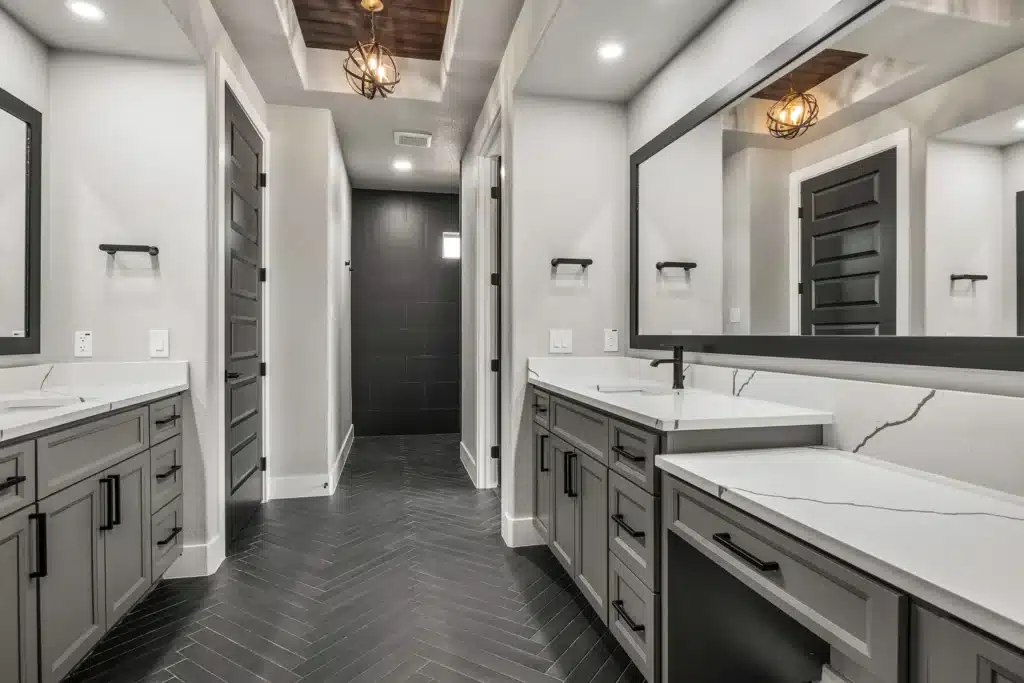
What Drives Costs
Remodeling costs in Dallas-Fort Worth are shaped by a combination of project decisions, home conditions, and broader market forces. Two projects with similar goals can land in very different price ranges once these variables come into play.
Understanding these cost drivers is one of the most important steps in planning a remodel, because it allows homeowners to predict where budgets may expand and where they can stay controlled.
Remodeling costs are driven by layers of decisions and conditions, each one adding or reducing complexity.
Project Scope and Complexity
The scope of work is the single largest factor affecting cost. As projects move from surface-level updates to structural changes, both labor requirements and coordination complexity increase.
| Scope Type | Cost Impact | Examples |
|---|---|---|
| Cosmetic | Low | Paint, fixtures, flooring |
| Partial remodel | Moderate | Cabinets, countertops, shower upgrades |
| Full renovation | High | Layout changes, electrical, plumbing relocation |
| Structural remodel | Very high | Wall removal, additions, framing changes |
Projects that involve demolition, layout reconfiguration, or system upgrades require multiple trades working together, which increases both cost and timeline.
Industry guidance from the International Code Council emphasizes that structural changes must meet building code requirements, adding additional layers of engineering, permitting, and inspection.
Material Quality and Finish Level
Material selection directly influences total project cost. Even within the same category, pricing can vary significantly depending on quality and customization.
| Material Category | Budget Option | Mid-Range | High-End |
|---|---|---|---|
| Cabinets | Stock | Semi-custom | Custom |
| Countertops | Laminate | Quartz | Natural stone |
| Flooring | Vinyl | Engineered wood | Hardwood or tile |
| Fixtures | Basic | Branded | Premium designer |
Higher-end materials increase costs in two ways: they raise the price of the materials themselves and often require more specialized labor for installation.
According to industry insights from the National Kitchen & Bath Association, homeowners increasingly prioritize durability and long-term value when selecting materials, which can shift budgets toward higher-quality finishes.
Layout Changes vs Same Layout
Keeping the existing layout is one of the most effective ways to control remodeling costs. Moving plumbing lines, electrical systems, or walls introduces additional labor and coordination.
| Change Type | Cost Impact |
|---|---|
| Same layout | Lower, predictable |
| Minor adjustments | Moderate increase |
| Full reconfiguration | Significant increase |
For example, relocating a sink or shower requires rerouting plumbing, opening walls or floors, and coordinating inspections. These changes often trigger additional work across multiple trades.
Data from the U.S. Department of Housing and Urban Development highlights that major system modifications are among the most common reasons for cost overruns in residential renovation projects.
Age and Condition of the Home
Older homes often carry hidden complexities that increase remodeling costs. Once walls, floors, or ceilings are opened, underlying issues may require repair or replacement.
Common issues in older homes include:
- Outdated electrical systems
- Aging plumbing lines
- Structural wear or settlement
- Insulation deficiencies
Homes built before modern building codes may require upgrades to meet current standards, which adds both cost and time to the project.
Research from the U.S. Census Bureau housing data shows that a significant portion of U.S. housing stock is decades old, which increases the likelihood of hidden issues during renovation.
Permits, Codes, and Inspections
Permits and inspections are required for many remodeling projects, particularly those involving structural, electrical, or plumbing work. These requirements ensure that renovations meet safety standards and local building codes.
| Requirement | Typical Impact |
|---|---|
| Permits | Added cost and approval time |
| Inspections | Scheduling and compliance requirements |
| Code upgrades | Potential scope expansion |
Local municipalities across DFW enforce building codes based on standards set by organizations like the International Code Council, which ensures safety but can also increase project complexity.
Permitting requirements vary by city, which means the same project may involve different processes depending on location within the metroplex.
Labor Demand and Contractor Availability
Labor availability plays a major role in determining remodeling costs in DFW. High demand for construction services increases pricing and can affect project timelines.
Several factors contribute to rising labor costs:
- Population growth driving housing demand
- Shortages of skilled trades
- Increased wages across the construction industry
Economic data from the Bureau of Labor Statistics shows steady growth in construction employment costs, reflecting broader national trends that impact local markets like Dallas-Fort Worth.
Market Conditions and Regional Growth
Dallas-Fort Worth remains one of the fastest-growing metropolitan areas in the United States, which directly influences remodeling costs. Increased demand for housing, renovations, and construction services creates competitive pressure across the industry.
Insights from the Federal Reserve Economic Data (FRED) indicate that housing-related spending has remained elevated in recent years, supporting continued demand for remodeling services.
In high-growth areas, homeowners often face:
- Longer contractor wait times
- Higher labor rates
- Increased competition for materials and services
Key Takeaway
Remodeling costs in DFW are shaped by a combination of project decisions and external market conditions. Scope, materials, layout changes, home condition, and labor demand all interact to determine final pricing.
The more complexity a project introduces, the more layers of cost it adds across labor, materials, and coordination.
Understanding these cost drivers makes it easier to anticipate where budgets may expand and where they can remain controlled. In the next section, we’ll look at the hidden costs that homeowners often overlook when planning a remodel.

Costs Homeowners Miss
Most remodeling budgets begin with visible upgrades: cabinets, countertops, flooring, and finishes. What often expands the final price are the costs that sit behind those upgrades or emerge during construction.
These hidden costs are common across remodeling projects in DFW and can significantly affect the total budget if they are not accounted for early. Guidance from the U.S. Department of Housing and Urban Development emphasizes that unexpected expenses are one of the most frequent challenges homeowners face during renovations.
Hidden costs rarely appear in the initial estimate, yet they often determine whether a project stays on budget.
Permits and Inspections
Many remodeling projects require permits and inspections, especially when work involves structural changes, electrical systems, or plumbing.
| Permit Type | Typical Cost Range | When Required |
|---|---|---|
| Building permit | $500 – $2,000+ | Structural work, additions |
| Electrical permit | $100 – $500 | Panel upgrades, rewiring |
| Plumbing permit | $100 – $500 | Fixture relocation, pipe changes |
Permit costs vary by city across DFW, and approval timelines can also affect project schedules. According to the International Code Council, permitting ensures that construction meets safety standards, though it adds both cost and administrative steps.
Delays in permit approvals can extend timelines, which may increase labor costs if crews need to be rescheduled.
Demolition and Disposal
Before new work begins, existing materials must often be removed and disposed of. This process can be more expensive than expected, especially in full remodels.
| Demolition Scope | Typical Cost Range |
|---|---|
| Single room demo | $1,000 – $5,000 |
| Kitchen or bathroom demo | $2,000 – $10,000 |
| Whole-home demolition | $10,000 – $30,000+ |
Disposal costs include hauling debris, landfill fees, and labor. Heavier materials such as tile, concrete, or cabinetry increase both time and cost.
Environmental regulations and waste management practices outlined by the Environmental Protection Agency also influence how construction debris must be handled and disposed of.
Structural Repairs and Upgrades
Once walls, floors, or ceilings are opened, hidden issues often come to light. These can include structural damage, outdated framing, or foundation concerns.
Common unexpected repairs include:
- Reinforcing load-bearing structures
- Repairing water damage or rot
- Addressing foundation movement
- Upgrading outdated framing
These issues are difficult to detect before demolition, which is why they frequently appear as change orders during construction.
Electrical and Plumbing Updates
Older homes in DFW often require system upgrades to support modern appliances and building standards.
| System Upgrade | Typical Cost Range |
|---|---|
| Electrical panel upgrade | $2,000 – $5,000 |
| Full rewiring (partial areas) | $3,000 – $10,000 |
| Plumbing line replacement | $2,000 – $8,000 |
Homes built decades ago may not have the capacity to handle current electrical loads or modern plumbing requirements. Data from the U.S. Consumer Product Safety Commission highlights that outdated electrical systems can pose safety risks, which is why upgrades are often required during renovations.
Temporary Living Costs
Depending on the scope of the remodel, homeowners may need to temporarily adjust their living arrangements.
| Situation | Potential Cost Impact |
|---|---|
| Limited kitchen access | Dining out, food expenses |
| Bathroom renovations | Temporary accommodations |
| Whole-home remodel | Short-term rental or hotel stays |
Large-scale renovations can make parts of the home unusable for extended periods. These indirect costs are rarely included in contractor estimates but can add up over time.
Change Orders and Mid-Project Decisions
Change orders are one of the most common sources of budget increases. They occur when the project scope changes after construction has already begun.
Examples include:
- Upgrading materials mid-project
- Adding new features or design elements
- Adjusting layout decisions
- Addressing unexpected issues
Even small changes can have a ripple effect, requiring additional labor, materials, and scheduling adjustments.
Each change order introduces new costs, often compounding across multiple parts of the project.
Design, Engineering, and Professional Fees
Professional services are often required for larger or more complex remodels.
| Service | Typical Cost Range |
|---|---|
| Architectural plans | $2,000 – $10,000+ |
| Structural engineering | $1,000 – $5,000 |
| Interior design services | $1,500 – $8,000+ |
These services help ensure that projects are functional, safe, and compliant with local codes. According to the American Institute of Architects, professional design and planning can reduce long-term risks, even though they add upfront costs.
Contingency Costs
Many experts recommend setting aside a contingency budget to account for unexpected expenses. Industry guidance from sources like Consumer Financial Protection Bureau suggests allocating an additional percentage of the project budget for unforeseen costs.
| Project Type | Recommended Contingency |
|---|---|
| Cosmetic remodel | 5% – 10% |
| Mid-range remodel | 10% – 15% |
| Major renovation | 15% – 25% |
This buffer provides flexibility when unexpected issues arise, helping homeowners avoid delays or compromises in quality.
Key Takeaway
Hidden costs are a normal part of remodeling, especially in projects that involve demolition, structural changes, or older homes. Permits, repairs, system upgrades, and change orders all contribute to the final price.
The most accurate remodeling budgets account for both visible upgrades and the unseen work required to support them.
Planning for these costs early makes it easier to stay within budget and avoid surprises as the project progresses. In the next section, we’ll walk through real remodeling cost scenarios in DFW to show how these numbers come together in actual projects.

Real Cost Examples
Understanding averages and ranges is helpful, though most homeowners want to know what a real project looks like in practice. The way costs come together in an actual remodel reveals how scope, materials, and labor interact.
The following scenarios reflect common remodeling budgets in Dallas-Fort Worth. Each example shows how money is allocated across categories, based on typical pricing patterns supported by national cost data from HomeAdvisor and remodeling benchmarks from the Remodeling Magazine Cost vs Value Report.
The difference between budgets is less about square footage and more about the level of work being performed.
Scenario 1: $15,000 Cosmetic Refresh
This type of project focuses on improving appearance without major construction. It is common in homes that are structurally sound and only need visual updates.
Typical scope:
- Interior painting
- New lighting fixtures
- Updated flooring (vinyl or laminate)
- Minor bathroom or kitchen updates
- Hardware and fixture replacements
| Category | Estimated Cost |
|---|---|
| Paint and finishing | $3,000 |
| Flooring | $4,000 |
| Fixtures and lighting | $2,000 |
| Minor kitchen/bath updates | $3,000 |
| Labor | $3,000 |
| Total | ~$15,000 |
These projects tend to stay within budget because they avoid demolition, structural work, and system upgrades.
Cosmetic remodels deliver strong visual impact with relatively low complexity.
Scenario 2: $40,000 Mid-Range Remodel
This budget reflects a partial renovation, often focused on one or two key areas such as a kitchen or bathroom, while keeping the existing layout intact.
Typical scope:
- Kitchen cabinet replacement or refacing
- New countertops (quartz or similar)
- Appliance upgrades
- Bathroom vanity and shower improvements
- Updated flooring and lighting
| Category | Estimated Cost |
|---|---|
| Cabinetry | $12,000 |
| Countertops | $6,000 |
| Appliances | $5,000 |
| Bathroom upgrades | $7,000 |
| Flooring and finishes | $5,000 |
| Labor | $5,000 |
| Total | ~$40,000 |
At this level, labor becomes a larger portion of the budget due to installation complexity. According to cost data from HomeAdvisor, mid-range remodels often involve multiple trades working together, which increases coordination and cost.
Scenario 3: $100,000+ Major Renovation
This level of investment typically involves multiple rooms, layout changes, and higher-end finishes. It is common in older homes or when homeowners want a more significant transformation.
Typical scope:
- Full kitchen remodel with layout changes
- Two bathroom renovations
- Flooring replacement throughout the home
- Electrical and plumbing updates
- Structural modifications (partial wall removal)
| Category | Estimated Cost |
|---|---|
| Kitchen remodel | $40,000 |
| Bathrooms (2) | $30,000 |
| Flooring | $12,000 |
| Electrical and plumbing | $8,000 |
| Structural work | $5,000 |
| Labor and overhead | $10,000+ |
| Total | $100,000+ |
These projects require extensive coordination between trades and often involve permits and inspections. Research from the U.S. Census Bureau’s residential improvement data shows that large-scale renovations account for a growing share of total remodeling spending.
At this level, remodeling becomes a systems-level project rather than a series of isolated upgrades.
Side-by-Side Comparison of Remodeling Scenarios
| Feature | Cosmetic Refresh | Mid-Range Remodel | Major Renovation |
|---|---|---|---|
| Budget | ~$15k | ~$40k | $100k+ |
| Scope | Surface-level updates | Partial renovation | Multi-room transformation |
| Layout changes | None | Minimal | Moderate |
| Labor complexity | Low | Moderate | High |
| Timeline | 1–3 weeks | 3–8 weeks | 2–6+ months |
This comparison highlights how quickly costs increase as projects move from cosmetic updates to full renovations. The addition of structural work, system upgrades, and multiple trades expands both the budget and the timeline.
How These Scenarios Translate to Real Homes
These examples represent typical patterns across DFW homes, though actual costs vary depending on:
- Home size and condition
- Material selections
- Contractor pricing and availability
- City-specific permitting requirements
The key takeaway is that remodeling budgets scale with both scope and complexity. Two projects with similar budgets may look very different depending on how the money is allocated.
A well-planned remodel aligns budget with priorities, focusing spending where it delivers the most impact.
In the next section, we’ll compare remodeling costs to building a new home in DFW, helping you understand when renovation makes financial sense and when starting from scratch may be the better option.

Remodeling vs Building New
One of the biggest decisions homeowners face is whether to remodel their existing home or build a new one. In Dallas-Fort Worth, both options can fall into overlapping price ranges depending on the scope of work, land value, and construction quality.
The financial comparison is rarely straightforward. Remodeling leverages an existing structure, while new construction starts from the ground up. Each path carries different cost drivers, timelines, and long-term implications.
Data from the National Association of Home Builders shows that new home construction costs have steadily increased due to labor shortages and material pricing, while renovation spending tracked by the U.S. Census Bureau continues to rise as homeowners choose to improve existing properties.
The decision between remodeling and building often comes down to how much of the existing home can be reused efficiently.
Cost Comparison: Remodeling vs New Construction
At a high level, remodeling and new construction can fall into similar ranges, especially for large-scale projects.
| Project Type | Typical Cost Range (DFW) |
|---|---|
| Mid-range remodel | $50,000 – $150,000 |
| Major renovation | $100,000 – $300,000+ |
| Whole-home remodel | $150,000 – $400,000+ |
| New construction (per sq ft) | $150 – $300+ |
| New home (2,500 sq ft) | $375,000 – $750,000+ (excluding land) |
New construction costs are typically calculated per square foot, while remodeling costs depend more heavily on scope and complexity. According to cost data from RSMeans, residential construction pricing varies widely based on materials, labor, and location, which is why both remodeling and building can overlap in total cost.
When Remodeling Makes Financial Sense
Remodeling is often the more practical option when the existing home has a solid structure and a desirable location.
Common scenarios where remodeling is favorable:
- The home’s foundation and framing are in good condition
- The layout can be improved without major structural changes
- The property is in a high-value neighborhood
- The cost of land acquisition would be high
In these cases, remodeling allows homeowners to upgrade functionality and aesthetics while avoiding the costs associated with purchasing land and building from scratch.
Research from the Federal Reserve Economic Data (FRED) indicates that rising interest rates and housing prices have made staying in place and improving existing homes a more common strategy among homeowners.
When Building New Becomes Competitive
There are situations where building a new home becomes a more logical financial decision.
| Condition | Why Building May Be Preferred |
|---|---|
| Extensive structural issues | Repair costs approach rebuild cost |
| Outdated layout across entire home | Full redesign required |
| Major system replacements needed | Electrical, plumbing, HVAC overhaul |
| Desire for full customization | Easier to achieve in new build |
When a remodel involves gutting most of the home, replacing major systems, and reconfiguring the layout, costs can approach those of new construction. In these cases, starting fresh can offer more control over design and long-term efficiency. For homeowners weighing this path, our 2026 home building cost guide breaks down typical new construction pricing nationally.
The Role of Land and Location
One of the biggest differences between remodeling and building is land cost. Remodeling uses land that is already owned, while new construction often requires purchasing a lot.
| Factor | Remodeling | New Construction |
|---|---|---|
| Land cost | Already owned | Must be purchased |
| Location flexibility | Fixed | Can choose location |
| Infrastructure | Existing | Built from scratch |
In DFW, land prices vary significantly depending on the area. Urban and suburban locations with strong demand can make land acquisition a major portion of the total cost of building new.
Insights from the Texas A&M Real Estate Research Center show that land values in high-growth regions of Texas have increased steadily, which directly impacts the feasibility of new construction.
Timeline Comparison
Time is another important factor when comparing remodeling and building.
| Project Type | Typical Timeline |
|---|---|
| Mid-range remodel | 1–3 months |
| Major renovation | 3–6 months |
| Whole-home remodel | 4–8+ months |
| New construction | 8–14+ months |
Remodeling projects are generally shorter because they build on an existing structure. New construction involves site preparation, foundation work, framing, and full system installation, which extends the timeline.
Cost Efficiency vs Customization
Remodeling and building each offer different advantages.
- Remodeling focuses on improving what already exists
- New construction allows full control over layout, materials, and systems
Remodeling prioritizes efficiency, while new construction prioritizes flexibility.
The choice often depends on whether the existing home can be adapted to meet the homeowner’s goals without excessive cost.
Key Takeaway
Remodeling and building new can fall into similar cost ranges in DFW, especially for large projects. The right decision depends on the condition of the home, the desired level of customization, and the cost of land.
For many homeowners, remodeling provides a practical way to upgrade their space without starting over. In other cases, the scale of required changes makes new construction a more efficient path.
In the next section, we’ll look at how to reduce remodeling costs while maintaining quality, helping you get the most value from your budget.
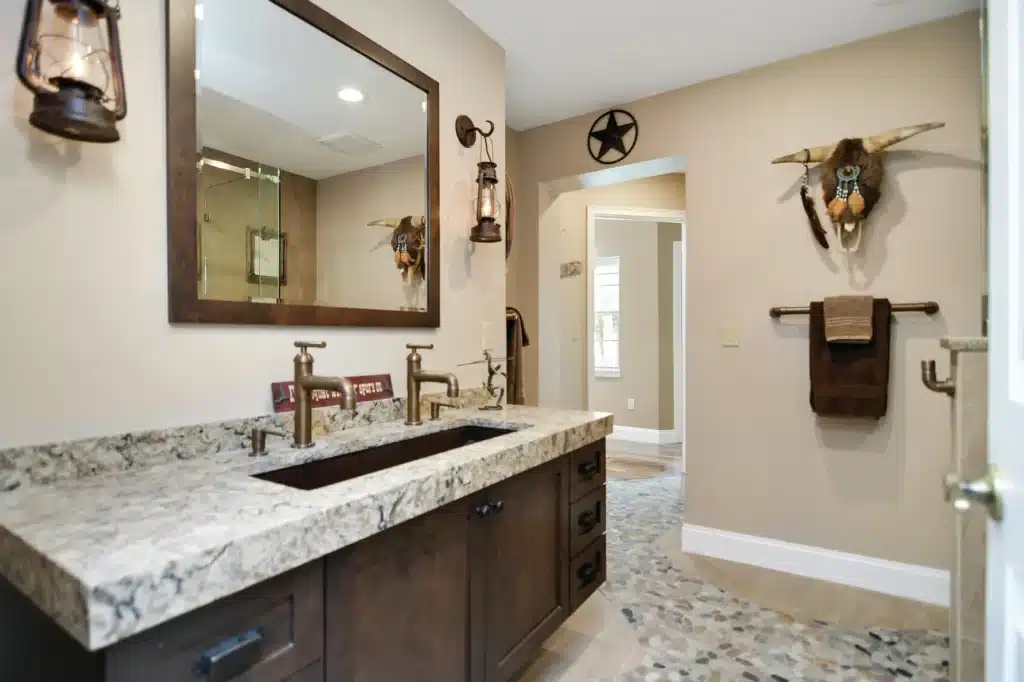
How to Reduce Costs Without Sacrificing Quality
Reducing remodeling costs does not require cutting corners. The most effective strategies focus on controlling complexity, making intentional material choices, and planning the project in a way that avoids unnecessary labor.
In DFW, where labor and material costs remain elevated, small decisions can have a large impact on the total budget. Guidance from Energy.gov’s home improvement resources and efficiency recommendations from the Environmental Protection Agency both emphasize that thoughtful planning and material selection can improve long-term value while managing upfront costs.
The goal is to spend where it matters most and reduce cost where it has the least impact on performance and value.
Keep the Existing Layout
One of the most effective ways to control costs is to maintain the current layout of the space.
Moving plumbing lines, electrical systems, or walls introduces additional labor, materials, and coordination across trades.
| Decision | Cost Impact |
|---|---|
| Keep layout | Lower, more predictable |
| Minor adjustments | Moderate increase |
| Full reconfiguration | Significant increase |
For example, keeping a sink, shower, or stove in its original location avoids rerouting utilities, which can add thousands of dollars to a project.
Choose Materials Strategically
Material selection plays a major role in total cost, though the relationship between price and performance is not always linear. Many mid-range materials offer durability and appearance comparable to higher-end options.
| Category | Cost-Saving Alternative | Benefit |
|---|---|---|
| Countertops | Quartz vs natural stone | Lower cost, similar durability |
| Flooring | Luxury vinyl vs hardwood | Durable, water-resistant |
| Cabinets | Semi-custom vs fully custom | Lower price with flexibility |
| Tile | Standard sizes vs custom cuts | Reduced labor cost |
According to insights from the National Kitchen & Bath Association, homeowners increasingly prioritize materials that balance durability, maintenance, and cost, especially in high-use areas like kitchens and bathrooms.
Focus on High-Impact Upgrades
Certain upgrades deliver more visible and functional value than others. Prioritizing these areas allows homeowners to allocate budget where it will be most noticeable.
High-impact areas include:
- Kitchens and bathrooms
- Flooring throughout main living areas
- Lighting and fixtures
- Paint and finishes
Spending strategically in these areas improves both daily use and resale appeal, as supported by remodeling data from the National Association of Realtors, which shows that visible upgrades tend to influence buyer perception.
Phase the Project When Needed
Large remodels can be divided into phases to spread out costs over time. This approach allows homeowners to complete essential upgrades first and plan additional improvements later.
| Phase | Example Work |
|---|---|
| Phase 1 | Structural repairs, essential systems |
| Phase 2 | Kitchens and bathrooms |
| Phase 3 | Cosmetic updates and finishes |
Phasing can reduce financial strain and provide flexibility, especially when working within a fixed budget.
Avoid Over-Customization
Custom features can increase costs significantly, especially when they require specialized fabrication or installation.
Examples include:
- Custom cabinetry with unique dimensions
- Specialty materials or imported finishes
- Complex design elements requiring additional labor
While customization can enhance design, it often adds cost without proportionally increasing long-term value. Industry reports from the Remodeling Magazine Cost vs Value Report indicate that moderate, broadly appealing upgrades tend to perform more consistently in terms of return.
Plan Thoroughly Before Construction Begins
Detailed planning is one of the most effective ways to control costs. Changes made during construction are typically more expensive than decisions made during the planning phase.
Key planning steps include:
- Finalizing design decisions before work begins
- Selecting materials early
- Confirming scope and layout
- Reviewing contractor estimates carefully
Every decision made before construction reduces the likelihood of costly changes during the project.
Compare Contractor Bids Carefully
Obtaining multiple bids helps homeowners understand pricing differences and identify potential gaps in scope.
| Factor to Compare | Why It Matters |
|---|---|
| Scope of work | Ensures all bids cover the same tasks |
| Material allowances | Affects total cost and quality |
| Timeline | Impacts labor scheduling and delays |
| Contractor experience | Influences execution quality |
Choosing the lowest bid without understanding scope can lead to higher costs later if important elements are excluded.
Invest in Efficiency Where It Pays Off
Some upgrades reduce long-term operating costs, even if they increase upfront investment.
Examples include:
- Energy-efficient windows and insulation
- LED lighting systems
- Water-efficient fixtures
Recommendations from Energy.gov show that energy-efficient upgrades can lower utility costs over time, improving overall value.
Key Takeaway
Reducing remodeling costs is about controlling complexity, making informed material choices, and planning carefully before construction begins.
Smart cost control focuses on eliminating unnecessary expenses while preserving quality where it matters most.
By keeping layouts consistent, prioritizing high-impact upgrades, and avoiding mid-project changes, homeowners can achieve strong results without exceeding their budget. In the next section, we’ll explore which remodels add the most value, helping you align spending with long-term returns.

Highest ROI Remodels
Not every remodeling project increases a home’s value in the same way. Some upgrades consistently influence resale price, while others improve livability without producing measurable financial returns.
Understanding this difference helps homeowners allocate their budget more effectively. Market data from the Remodeling Magazine Cost vs Value Report and behavioral insights from the National Association of Realtors Remodeling Impact Report show that value is driven by how buyers perceive and price specific features, rather than how much was spent on them.
Value is created when a remodel aligns with what buyers expect to see in comparable homes.
High-ROI Remodels: Kitchens and Bathrooms
Kitchens and bathrooms consistently rank as the most valuable remodeling projects. These spaces are central to daily life and expensive to replace, which makes them highly visible to buyers.
| Remodel Type | Typical ROI Range | Why It Adds Value |
|---|---|---|
| Kitchen remodel | 50% – 80% | High visibility, functional importance |
| Bathroom remodel | 50% – 75% | Daily use, perceived cleanliness and comfort |
Updated kitchens signal that a home is modern and move-in ready. Even moderate upgrades, such as new countertops, cabinets, or appliances, can influence buyer perception.
Bathrooms follow a similar pattern. Improvements like updated vanities, tile showers, and modern fixtures enhance both usability and presentation.
According to the National Association of Realtors, homeowners also report high satisfaction with these projects, which adds another layer of value beyond resale.
Functional Improvements That Support Value
Some upgrades improve how a home performs and feels, even if they do not always produce direct increases in appraised value.
| Upgrade Type | Impact |
|---|---|
| HVAC replacement | Improves comfort and efficiency |
| Roof replacement | Protects structure, reduces buyer concerns |
| Electrical upgrades | Supports modern appliances and safety |
| Plumbing updates | Reduces risk of future issues |
These improvements often make a home easier to sell and reduce negotiation friction, though they may not always increase sale price in a measurable way.
Functional upgrades protect value by removing objections that could affect a sale.
Guidance from the U.S. Department of Energy highlights that efficiency upgrades can also reduce operating costs, which can appeal to buyers evaluating long-term affordability.
Open-Concept and Layout Changes
Changes that improve flow and usability can have a meaningful impact on perceived value, especially in older homes with segmented layouts.
| Upgrade | Typical Effect |
|---|---|
| Removing walls | Creates open living space |
| Expanding kitchens | Improves usability and social function |
| Adding storage | Increases practicality |
Open-concept designs remain popular because they align with how many buyers expect modern homes to feel. These changes often involve structural work, which increases cost, though they can significantly improve the home’s appeal.
Exterior and Curb Appeal Improvements
Exterior upgrades influence first impressions, which can affect how buyers perceive the home before they even enter.
| Upgrade | Impact |
|---|---|
| New siding or paint | Improves appearance and condition |
| Entry door replacement | Enhances visual appeal |
| Landscaping | Increases perceived maintenance level |
According to the Remodeling Magazine Cost vs Value Report, exterior improvements such as garage door replacements and entry upgrades often rank among the highest-return projects.
These upgrades may not change the structure of the home, though they play a key role in attracting buyers and improving listing performance.
Remodels That Add Enjoyment More Than Value
Some projects are highly valuable from a lifestyle perspective but have less consistent impact on resale pricing.
| Upgrade Type | Primary Benefit |
|---|---|
| Home offices | Personal productivity |
| Outdoor kitchens | Entertainment and lifestyle |
| Luxury features | Personal preference and comfort |
| Smart home technology | Convenience |
These improvements can enhance daily living, especially for homeowners planning to stay long-term. Their financial return depends on whether future buyers place similar value on those features.
The Role of Neighborhood Expectations
One of the most important factors in determining value is how a remodel compares to other homes in the area.
If a home is upgraded beyond what is typical for the neighborhood, it may be difficult to recover the full cost of the improvements. Buyers tend to evaluate homes relative to comparable properties rather than absolute quality.
Research from the Federal Housing Finance Agency shows that home values are strongly influenced by comparable sales, reinforcing the importance of aligning remodels with neighborhood standards.
The surrounding market sets the ceiling for how much value a remodel can add.
Key Takeaway
The remodels that add the most value are those that improve functionality, align with buyer expectations, and match the standards of the surrounding market.
Kitchens, bathrooms, and well-executed layout improvements consistently deliver strong returns, while functional upgrades protect value and reduce buyer concerns. Lifestyle-driven upgrades can still be worthwhile, especially when they enhance how the home is used on a daily basis.
In the next section, we’ll look at remodeling timelines in DFW and how project duration affects both cost and planning.

Remodel Timeline in DFW
Remodeling timelines in Dallas-Fort Worth vary based on project scope, contractor availability, permitting requirements, and the condition of the home. While cost is often the primary focus during planning, timeline plays an equally important role because delays can increase labor costs and disrupt daily life.
Construction timeline data from the National Association of Home Builders and project sequencing guidance from the Consumer Financial Protection Bureau show that remodeling projects follow predictable phases, though actual durations depend heavily on coordination between trades and decision-making during the project.
Time is one of the hidden variables in remodeling, influencing both cost and overall project experience.
Typical Remodeling Timelines by Project Type
Different types of remodels require different levels of coordination and labor, which directly affects how long they take to complete.
| Project Type | Typical Timeline |
|---|---|
| Cosmetic updates | 1 – 3 weeks |
| Kitchen remodel | 4 – 8 weeks |
| Bathroom remodel | 3 – 6 weeks |
| Major renovation | 2 – 4 months |
| Whole-home remodel | 4 – 8+ months |
Cosmetic updates are typically the fastest because they involve minimal demolition and fewer trades. Larger projects take longer due to the need for sequencing, inspections, and coordination between multiple contractors.
Phases of a Remodeling Project
Most remodeling projects follow a series of stages, each with its own timeline and dependencies.
| Phase | Description | Typical Duration |
|---|---|---|
| Planning and design | Finalizing scope, selecting materials | 2 – 6 weeks |
| Permits and approvals | Submitting plans, waiting for approval | 1 – 4 weeks |
| Demolition | Removing existing materials | 1 – 2 weeks |
| Rough construction | Plumbing, electrical, framing | 2 – 6 weeks |
| Finishing work | Cabinets, flooring, fixtures | 2 – 6 weeks |
The planning phase is often overlooked in timeline estimates, though it plays a critical role in preventing delays later in the project.
Projects that invest more time in planning tend to move more efficiently during construction.
What Causes Remodeling Delays
Even well-planned projects can experience delays. Understanding the most common causes helps homeowners anticipate potential timeline changes.
| Delay Factor | Impact on Timeline |
|---|---|
| Permit approval delays | Can add weeks before construction begins |
| Material availability | Backorders can pause progress |
| Change orders | Adds time for redesign and rework |
| Contractor scheduling | Delays between project phases |
| Hidden issues | Repairs required after demolition |
Material availability has been a particularly important factor in recent years. Supply chain disruptions have affected certain materials, though availability has improved compared to earlier periods. Data from the U.S. Census Bureau construction reports reflects how supply and demand shifts continue to influence construction activity.
How Timeline Affects Cost
Longer timelines can increase total remodeling costs, especially when labor is involved.
- Extended projects may require additional labor hours
- Delays can increase contractor overhead
- Temporary living costs may rise
- Scheduling gaps between trades can add inefficiencies
For example, a project that is delayed by several weeks due to material shortages may require rescheduling subcontractors, which can increase labor costs.
Remodeling While Living in the Home
Many homeowners remain in their homes during remodeling, which can affect both timeline and workflow.
| Scenario | Impact |
|---|---|
| Living in home during remodel | Slower progress due to limited access |
| Vacating during construction | Faster workflow, fewer interruptions |
Working around occupied spaces often requires contractors to adjust schedules, which can extend the timeline. Safety and accessibility also become additional considerations.
DFW-Specific Timeline Factors
Local conditions in Dallas-Fort Worth also influence remodeling timelines.
- High demand for contractors can lead to longer scheduling lead times
- City-specific permitting processes vary across municipalities
- Weather conditions, especially extreme heat, can affect outdoor or structural work
Insights from the Texas A&M Real Estate Research Center highlight how rapid population growth in North Texas continues to drive demand for construction services, which impacts both pricing and availability.
Planning for Timeline Flexibility
Because remodeling timelines can shift, many homeowners plan for flexibility in both schedule and expectations.
| Project Type | Recommended Buffer |
|---|---|
| Cosmetic remodel | 1 additional week |
| Mid-range remodel | 2 – 3 weeks |
| Major renovation | 1 – 2 months |
Adding a buffer helps account for delays without disrupting overall plans.
A realistic timeline includes room for adjustments, especially in complex projects.
Key Takeaway
Remodeling timelines in DFW depend on project scope, planning quality, and external factors such as permits and contractor availability. Smaller projects can be completed in weeks, while larger renovations may take several months.
Understanding how timelines are structured makes it easier to plan effectively and avoid unexpected delays. In the next section, we’ll explore how remodeling costs vary across different cities within the DFW metroplex and why location plays a role in pricing.

How Costs Vary Across DFW
Remodeling costs in Dallas-Fort Worth are not uniform across the metroplex. While the overall market follows similar trends, pricing can shift depending on the city, neighborhood, and local demand for construction services.
Differences in home values, property sizes, permitting requirements, and contractor availability all contribute to variation in remodeling costs. Regional housing data from the Texas A&M Real Estate Research Center and demographic insights from the U.S. Census Bureau show that DFW’s rapid growth has created distinct submarkets within the metro area, each with its own pricing dynamics.
Remodeling costs are influenced by local conditions, even within the same metropolitan region.
Cost Differences by Major DFW Cities
Some cities consistently trend higher due to larger homes, higher property values, and demand for premium finishes.
| City | Typical Cost Level | Key Factors |
|---|---|---|
| Dallas | High | Older homes, higher-end neighborhoods, complex remodels |
| Frisco | High | Newer homes, larger square footage, premium upgrades |
| Plano | Moderate to high | Established neighborhoods, mid-to-high-end remodels |
| Fort Worth | Moderate | Wider range of home types and pricing |
| Arlington | Moderate | Balanced mix of older and newer homes |
Dallas often sees higher remodeling costs due to the presence of older homes that require structural updates and system upgrades. In contrast, cities like Frisco and Plano tend to have newer homes, though larger square footage and higher-end finishes can increase project costs.
Impact of Home Size and Property Value
Home size and neighborhood value play a major role in determining remodeling budgets. Larger homes require more materials and labor, while higher-value neighborhoods often set expectations for finish quality.
| Factor | Cost Impact |
|---|---|
| Larger homes | Higher total cost due to scale |
| High-value neighborhoods | Higher material and design expectations |
| Smaller homes | Lower total cost, higher cost per sq ft |
Homes in higher-value areas often justify larger remodeling investments because the surrounding market supports higher resale prices. This relationship between home value and renovation spending is supported by housing research from the Federal Housing Finance Agency, which shows that property values influence how much homeowners invest in improvements.
Labor and Contractor Availability
Labor availability varies across different parts of DFW, which can affect both pricing and project timelines.
| Area Type | Labor Impact |
|---|---|
| High-growth suburbs | Higher demand, higher labor rates |
| Established urban areas | More competition, variable pricing |
| Outlying areas | Lower demand, potential travel costs |
In fast-growing suburbs such as Frisco and Prosper, contractor demand is often higher due to ongoing development and population growth. This can lead to increased labor costs and longer scheduling lead times.
Economic data from the Bureau of Labor Statistics reflects ongoing increases in construction wages, which contribute to regional pricing differences across the metroplex.
Permitting and Local Regulations
Each city within DFW has its own permitting processes and building requirements. These differences can affect both cost and timeline.
| City Factor | Impact on Remodeling |
|---|---|
| Permit fees | Vary by municipality |
| Inspection requirements | Affect scheduling |
| Code enforcement | May require upgrades |
Some cities have more streamlined processes, while others may require additional documentation or approvals. These variations can influence project timelines and administrative costs.
Guidelines from the International Code Council establish baseline building standards, though local municipalities implement and enforce these codes differently.
Neighborhood Expectations and Design Standards
Remodeling decisions are often influenced by the surrounding neighborhood. Homes in higher-end areas typically require finishes and design choices that align with nearby properties.
| Neighborhood Type | Remodeling Expectation |
|---|---|
| Entry-level areas | Functional upgrades, cost-conscious |
| Mid-range neighborhoods | Balanced design and quality |
| High-end communities | Premium materials, custom features |
Spending significantly above neighborhood norms can limit return on investment, while staying aligned with local expectations helps maintain value. This pattern reflects broader housing market behavior documented by the National Association of Realtors.
Distance and Accessibility
Location within the metroplex can also affect logistics and cost.
| Location Factor | Cost Impact |
|---|---|
| Distance from contractor base | Travel time and labor adjustments |
| Site accessibility | Easier access reduces labor time |
| Urban vs suburban settings | Differences in parking, staging, and delivery |
Projects in areas with limited access or longer travel distances may incur additional costs related to logistics and scheduling.
Key Takeaway
Remodeling costs across DFW vary based on city, neighborhood, home size, and local market conditions. High-growth areas and higher-value neighborhoods tend to see higher pricing, while more moderate areas offer a wider range of budget options.
Location shapes both the cost of remodeling and the level of investment that makes sense for a home.
Understanding these regional differences helps homeowners set realistic expectations and align their remodeling plans with the market around them. In the next section, we’ll walk through how to estimate your remodeling budget step by step, using practical frameworks you can apply to your own project.
Estimating Your Budget
Estimating a remodeling budget becomes much easier when you break the process into clear steps. While exact pricing requires contractor bids, homeowners can develop a realistic range by combining project scope, square footage, and finish level.
Financial planning guidance from the Consumer Financial Protection Bureau and renovation resources from the U.S. Department of Housing and Urban Development both emphasize the importance of structured budgeting before starting any major home improvement project.
A reliable estimate comes from defining scope first, then layering cost based on complexity and materials.
Step 1: Define the Scope of Your Remodel
The first step is identifying what type of project you are planning. This determines the overall cost category.
| Scope Type | Description | Budget Range |
|---|---|---|
| Cosmetic update | Surface-level improvements | $5k – $20k |
| Partial remodel | Replacing key components | $25k – $75k |
| Full renovation | Layout changes, system upgrades | $80k – $200k+ |
Clearly defining scope prevents underestimating costs and helps align expectations early.
Step 2: Estimate Based on Square Footage
Once the scope is defined, you can use cost per square foot to estimate a rough budget range.
| Remodel Level | Cost Per Sq Ft |
|---|---|
| Basic | $50 – $100 |
| Mid-range | $100 – $200 |
| High-end | $200 – $300+ |
Example calculation:
- 2,000 sq ft home
- Mid-range remodel at $125 per sq ft
Estimated budget:
2,000 × $125 = $250,000
This method provides a starting point, though adjustments are needed based on project type.
Step 3: Adjust for High-Cost Areas
Certain parts of the home cost significantly more per square foot than others. Kitchens and bathrooms require more labor, materials, and technical work.
| Area | Cost Multiplier |
|---|---|
| Kitchen | 1.5x – 2x |
| Bathroom | 2x – 3x |
| Living areas | Baseline |
If your project includes multiple kitchens or bathrooms, the total budget should reflect these higher-cost zones.
According to the National Kitchen & Bath Association, kitchens and bathrooms consistently represent the highest concentration of remodeling spending due to their complexity and material density.
Step 4: Factor in Material Level
Material selection can shift the budget significantly. Choosing between budget, mid-range, and high-end finishes affects both material cost and labor requirements.
| Finish Level | Budget Impact |
|---|---|
| Budget materials | Lower upfront cost |
| Mid-range materials | Balanced cost and durability |
| High-end materials | Significant cost increase |
For example, upgrading from stock cabinets to custom cabinetry can increase costs by tens of thousands of dollars, even within the same project scope.
Step 5: Add Labor and Contractor Costs
Labor and contractor fees are a major part of the total budget. Most projects include a combination of skilled trades and project management.
| Cost Category | Typical Percentage |
|---|---|
| Labor | 30% – 50% |
| Materials | 40% – 60% |
| Contractor overhead | 10% – 20% |
Construction wage data from the Bureau of Labor Statistics shows that labor costs continue to rise, which reinforces the importance of including these expenses in early estimates.
Step 6: Include Hidden Costs and Contingency
A complete budget should account for hidden costs and unexpected expenses.
| Cost Type | Recommended Allowance |
|---|---|
| Permits and fees | $1k – $5k+ |
| Demolition and disposal | $2k – $15k+ |
| Contingency | 10% – 20% of total budget |
The Consumer Financial Protection Bureau recommends maintaining a contingency reserve to handle unforeseen costs without disrupting the project.
A contingency budget provides flexibility when unexpected issues arise during construction.
Step 7: Build a Simple Budget Framework
Combining all of these elements creates a practical way to estimate a remodeling budget.
| Step | Action |
|---|---|
| 1 | Define project scope |
| 2 | Estimate cost per sq ft |
| 3 | Adjust for kitchens and bathrooms |
| 4 | Select material level |
| 5 | Add labor and contractor costs |
| 6 | Include contingency |
This framework allows homeowners to move from a rough idea to a structured estimate.
Example Budget Calculation
For a mid-range whole-home remodel:
- Home size: 2,500 sq ft
- Base cost: $120 per sq ft → $300,000
- Kitchen and bathroom adjustments: +$40,000
- Contingency (15%): +$51,000
Estimated total budget: ~$390,000
This example shows how quickly costs can scale when multiple factors are combined.
Key Takeaway
Estimating a remodeling budget involves combining scope, square footage, material choices, and labor costs into a structured framework. Each step refines the estimate and reduces uncertainty.
The more detailed the planning process, the more accurate the budget becomes.
With a clear estimate in place, homeowners can move forward with confidence and begin comparing contractor bids. In the next section, we’ll answer common questions about remodeling costs in DFW to address the most important concerns homeowners have before starting a project.

Frequently Asked Questions
Homeowners planning a remodel in Dallas-Fort Worth tend to have similar questions around pricing, timelines, and what to expect during the process. Clear answers help reduce uncertainty and make it easier to plan a realistic project.
The responses below are based on widely observed remodeling patterns and supported by national housing and renovation data from sources like the National Association of Home Builders and consumer cost benchmarks from HomeAdvisor.
Most remodeling questions come down to scope, complexity, and expectations around cost versus outcome.
How much should I budget for a home remodel in DFW?
Most homeowners in DFW fall into one of three broad budget ranges depending on the scope of their project.
| Project Scope | Typical Budget Range |
|---|---|
| Cosmetic updates | $5,000 – $20,000 |
| Mid-range remodel | $25,000 – $75,000 |
| Major renovation | $80,000 – $200,000+ |
Whole-home remodels and structural changes can exceed these ranges, especially in larger homes or higher-end neighborhoods. Budgeting becomes more accurate once scope, materials, and layout decisions are clearly defined.
What is the most expensive part of a remodel?
The most expensive part of a remodel depends on the type of project, though kitchens and bathrooms consistently rank highest due to their complexity.
| Component | Why It Costs More |
|---|---|
| Cabinets | Large portion of material cost |
| Labor | Multiple trades required |
| Plumbing and electrical | Technical work and coordination |
| Tile and finishes | Labor-intensive installation |
According to the National Kitchen & Bath Association, cabinetry alone can represent a significant share of kitchen remodeling budgets, while labor often becomes the largest single category in bathroom renovations.
Why do remodeling costs vary so much?
Remodeling costs vary due to differences in scope, materials, labor requirements, and home conditions.
Key factors include:
- Project complexity
- Material quality
- Layout changes
- Age of the home
- Contractor pricing
Two projects with similar goals can differ significantly in cost depending on how much structural work or system upgrades are required.
How accurate are contractor estimates?
Contractor estimates are typically accurate when the scope of work is clearly defined and materials are selected in advance. Estimates become less predictable when projects include unknown conditions or evolving design decisions.
| Estimate Type | Accuracy Level |
|---|---|
| Preliminary estimate | Broad range |
| Detailed estimate | More precise |
| Final contract | Most accurate |
Unexpected issues discovered during demolition can still affect final pricing. This is why many professionals recommend including a contingency budget.
Is remodeling worth it in 2026?
Remodeling continues to be a common investment for homeowners, especially in markets like DFW where housing demand remains strong.
Data from the Remodeling Magazine Cost vs Value Report shows that many projects recover a portion of their cost in resale value, while also improving daily functionality and comfort.
Remodeling is often worth it when:
- The home is in a desirable location
- The structure is sound
- The upgrades align with market expectations
How long does a remodel typically take?
Remodel timelines vary based on project scope and complexity.
| Project Type | Typical Timeline |
|---|---|
| Cosmetic updates | 1 – 3 weeks |
| Kitchen remodel | 4 – 8 weeks |
| Bathroom remodel | 3 – 6 weeks |
| Whole-home remodel | 4 – 8+ months |
Delays can occur due to permitting, material availability, or change orders. Planning ahead and finalizing decisions early can help keep projects on schedule.
How can I avoid going over budget?
Staying within budget requires planning, discipline, and clear decision-making before construction begins.
Key strategies include:
- Finalizing design and materials early
- Keeping the existing layout when possible
- Including a contingency budget
- Avoiding mid-project changes
Most budget overruns occur when scope changes after construction has already started.
Guidance from the Consumer Financial Protection Bureau emphasizes that detailed planning and realistic budgeting are essential for managing large home improvement projects.
Should I remodel all at once or in phases?
The decision depends on budget, timeline, and how disruptive the project will be.
| Approach | Advantages |
|---|---|
| Full remodel | Faster completion, cohesive design |
| Phased remodel | Lower upfront cost, more flexibility |
Phasing can be useful when working within a fixed budget, while full remodels may be more efficient for large-scale projects.
How do I choose the right remodeling contractor?
Choosing the right remodeling contractor has a direct impact on both the cost and outcome of your project. While pricing is important, the way a contractor plans, communicates, and executes the work often determines whether the project stays on budget and on schedule.
Start by comparing multiple bids to understand how different contractors approach the same scope. Each proposal should clearly outline materials, labor, timeline, and what is included in the project. Differences in these details often explain price variations.
| Factor to Evaluate | Why It Matters |
|---|---|
| Scope clarity | Prevents missing items and surprise costs |
| Experience | Reduces execution risk |
| Communication | Keeps project aligned and on schedule |
| References | Confirms past performance |
| Licensing and insurance | Protects against liability |
It’s also important to understand how contractors handle unexpected issues, change orders, and timeline adjustments. Projects often evolve once construction begins, and clear processes help avoid confusion and delays.
Guidance from the Federal Trade Commission recommends verifying credentials, reviewing contracts carefully, and avoiding large upfront payments before work begins.
The best contractor is the one who provides clarity, consistency, and a well-defined plan from the start.
If you want a complete breakdown of what to ask before hiring, including red flags and detailed evaluation criteria, see our guide on questions to ask a remodeler before hiring one in DFW.
Key Takeaway
Most questions about remodeling costs in DFW come back to the same core principles: scope, materials, labor, and planning. Understanding these factors makes it easier to set expectations and avoid surprises.
Clear planning and realistic budgeting are the foundation of a successful remodeling project.
In the final section, we’ll summarize the key takeaways from this guide and outline what homeowners should do next when planning a remodel in DFW.

Conclusion
Remodeling a home in Dallas-Fort Worth in 2026 requires a clear understanding of how costs are structured, what drives pricing, and how different decisions affect the final outcome. From cosmetic updates to full-scale renovations, the range of possible budgets is wide, and each project reflects a unique combination of scope, materials, labor, and home conditions.
Across all remodeling projects, a few consistent patterns emerge.
- Costs increase as projects become more complex and involve more trades
- Kitchens and bathrooms remain the most expensive and impactful areas
- Labor and coordination play a major role in total pricing
- Hidden costs and change orders often determine whether a project stays on budget
These patterns are consistent with national remodeling trends documented by the National Association of Home Builders and renovation spending data tracked by the U.S. Census Bureau, both of which show sustained demand for home improvements as homeowners invest in existing properties.
The most successful remodeling projects are the ones where expectations, budget, and scope are aligned from the start.
What Homeowners Should Focus On
Planning a remodel becomes significantly more manageable when you focus on a few key priorities.
| Priority | Why It Matters |
|---|---|
| Define scope clearly | Prevents underestimating cost |
| Set a realistic budget | Aligns expectations with market pricing |
| Choose materials intentionally | Controls cost and long-term performance |
| Plan before construction | Reduces delays and change orders |
| Include contingency | Protects against unexpected expenses |
Each of these steps reduces uncertainty and improves the likelihood of staying on budget and on schedule.
The Role of Market Conditions
Remodeling costs in DFW are shaped by broader market forces, including population growth, labor demand, and material pricing. Insights from the Texas A&M Real Estate Research Center highlight how rapid growth in North Texas continues to influence construction activity and pricing trends.
This means that remodeling is influenced by both individual project decisions and the overall environment in which those projects take place.
Cost vs Value Perspective
Remodeling is both a financial and lifestyle decision. Some projects deliver measurable returns in resale value, while others improve how a home functions and feels on a daily basis.
Data from the Remodeling Magazine Cost vs Value Report shows that many projects recover a portion of their cost, especially when they align with buyer expectations and neighborhood standards.
The value of a remodel comes from how well it improves both the home and the experience of living in it.
Moving Forward with Confidence
By understanding cost ranges, project types, and the factors that drive pricing, homeowners can approach remodeling with greater clarity and confidence. Instead of relying on rough guesses or outdated assumptions, a structured approach to budgeting and planning provides a more reliable path forward. Working with an experienced DFW home remodeler ensures your project reflects local pricing, codes, and market expectations.
Whether the goal is updating a single room or transforming an entire home, the key is to align scope, budget, and priorities before construction begins.
A well-planned remodel turns uncertainty into a defined process, making both cost and outcome more predictable.
With the right preparation, remodeling becomes a controlled investment rather than an unpredictable expense, allowing homeowners to create spaces that reflect both their needs and the realities of the DFW market.