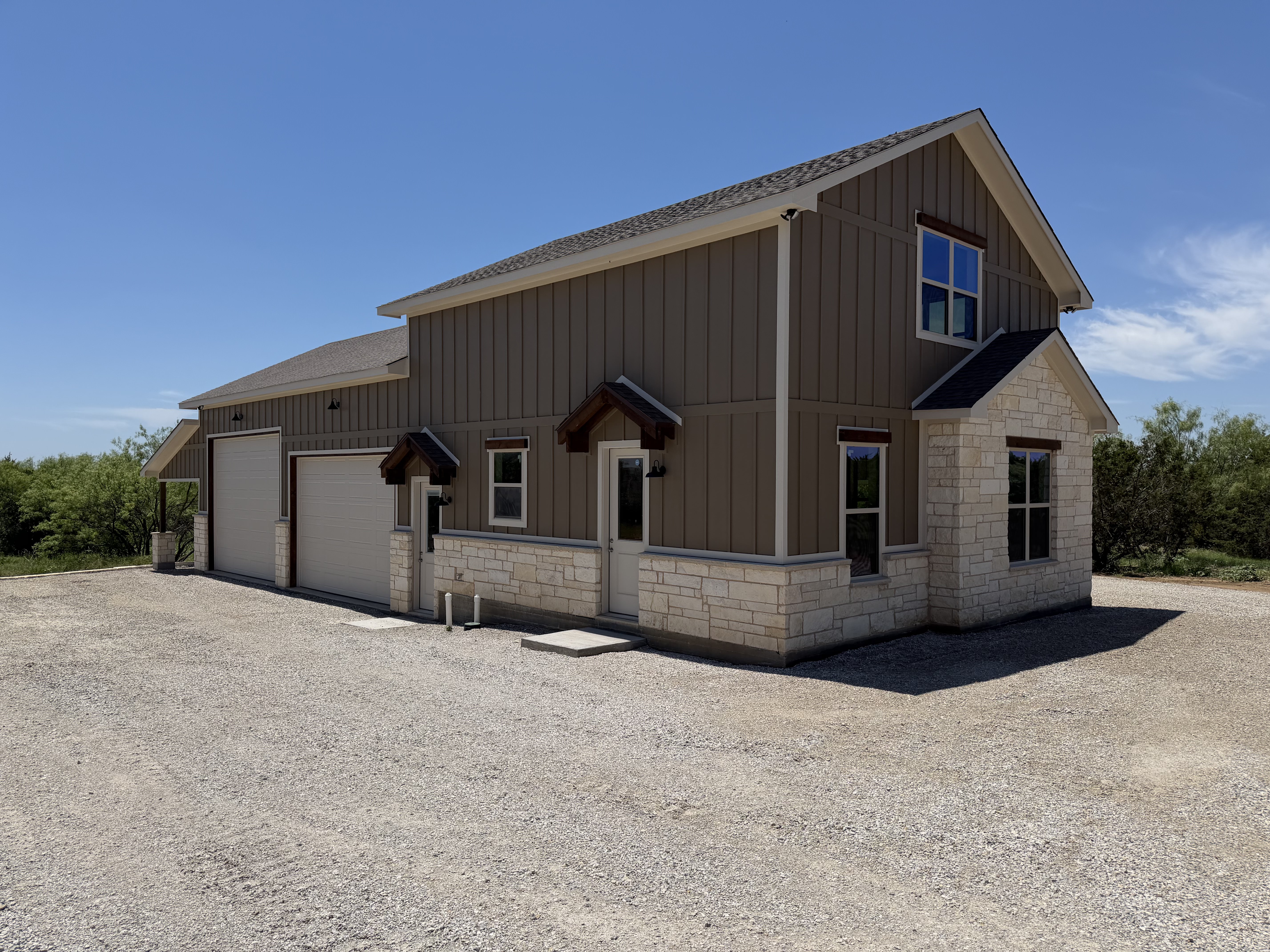
Average Cost to Remodel a Home in 2026
National Average Remodeling Costs
Home remodeling costs in 2026 continue to reflect a mix of elevated labor rates, stabilized material pricing, and sustained homeowner demand. Based on aggregated industry data, the average full home remodel cost in the U.S. typically falls between $100,000 and $350,000, depending on size, scope, and finish level. Smaller projects can land far below that range, while luxury renovations can easily exceed $500,000.
According to data compiled by the U.S. Census Bureau and industry cost benchmarks from HomeAdvisor, most homeowners spend $15 to $60 per square foot for light renovations, and significantly more for full-scale remodels involving structural changes or high-end finishes.
Key Insight: Remodeling costs are no longer just driven by materials—labor and project complexity now account for the majority of total spend.
Here’s a simplified snapshot of national averages in 2026:
| Project Type | Average Cost Range |
|---|---|
| Minor Remodel | $20,000 – $80,000 |
| Mid-Range Remodel | $80,000 – $200,000 |
| Full Home Remodel | $150,000 – $350,000+ |
| Luxury / High-End Remodel | $300,000 – $750,000+ |
These numbers reflect total project cost, including labor, materials, design, and contractor overhead.
Typical Price Ranges by Home Size
Home size plays a major role in determining overall remodeling cost. Larger homes require more materials, more labor hours, and often more complex planning.
Below is a realistic cost range breakdown based on home size:
| Home Size | Low-End Remodel | Mid-Range Remodel | High-End Remodel |
|---|---|---|---|
| 1,000 sq ft | $20K – $60K | $60K – $120K | $120K – $250K+ |
| 1,500 sq ft | $30K – $90K | $90K – $180K | $180K – $350K+ |
| 2,000 sq ft | $40K – $120K | $120K – $250K | $250K – $500K+ |
| 3,000+ sq ft | $75K – $200K | $200K – $400K | $400K – $750K+ |
These estimates align with cost-per-square-foot benchmarks outlined by the National Association of Home Builders and reflect current contractor pricing trends.
Larger homes also tend to include more “high-cost zones” like kitchens, bathrooms, and custom living spaces, which can disproportionately increase the total budget.
Cost Trends Compared to Previous Years
Remodeling costs have shifted noticeably over the past few years, driven by inflation, supply chain disruptions, and labor shortages. While material prices surged between 2020 and 2022, they have since stabilized in many categories. Labor, however, continues to trend upward.
Data from the Bureau of Labor Statistics shows steady increases in construction wages, which directly impacts remodeling pricing. At the same time, reports from Harvard’s Joint Center for Housing Studies indicate that home improvement spending remains historically high, keeping demand strong across most markets.
Here’s how costs have evolved:
| Year | Avg Cost per Sq Ft (Full Remodel) |
|---|---|
| 2020 | $100 – $200 |
| 2022 | $150 – $300 |
| 2024 | $175 – $325 |
| 2026 | $200 – $400+ |
Several patterns define the 2026 market:
- Labor is the dominant cost driver, often accounting for 40–60% of total project cost
- Material pricing has leveled out, though premium products remain expensive
- Demand is still strong, especially in suburban and high-growth metro areas
- Project timelines are longer, which increases carrying and overhead costs
Quote: “Home improvement expenditures are expected to remain elevated as homeowners continue to invest in aging housing stock and adapt homes to new lifestyle needs.” — Harvard Joint Center for Housing Studies
The result is a remodeling environment where planning, scope control, and contractor selection have a direct impact on final cost.

Cost Per Square Foot to Remodel a Home
Average Cost Per Square Foot in 2026
In 2026, cost per square foot remains one of the clearest ways to estimate a remodeling budget early in the planning process. Across the U.S., most full home remodels fall between $200 and $400+ per square foot, depending on the level of renovation and finish quality.
Light updates—such as paint, flooring, and fixture replacements—can come in closer to $50 to $150 per square foot, while full-scale renovations involving structural changes, layout modifications, or premium materials push well beyond $300 per square foot. These ranges align with national cost benchmarks published by HomeAdvisor and construction cost data tracked by RSMeans. For a deeper look at how square footage drives budget, see our cost-to-renovate per square foot guide.
Key Insight: Cost per square foot increases as project complexity rises, especially when multiple systems (plumbing, electrical, HVAC) are modified.
Here’s a general breakdown for 2026:
| Remodel Type | Cost Per Sq Ft |
|---|---|
| Cosmetic Remodel | $50 – $150 |
| Partial Remodel | $100 – $250 |
| Full Remodel | $200 – $400+ |
| High-End Remodel | $300 – $600+ |
These numbers reflect total project costs, including labor, materials, and contractor overhead.
Cost Per Square Foot by Remodel Type
Different remodeling scopes produce very different cost-per-square-foot ranges. The biggest factor is how much of the home is being touched and how invasive the work is.
Full Home Remodel
A full home remodel typically involves reworking multiple rooms, updating major systems, and sometimes altering the home’s layout. This level of work usually ranges from $200 to $400+ per square foot, with high-end projects exceeding that range. For a dedicated cost breakdown by scope and finish level, see our whole-house remodel cost guide.
Projects that include structural changes, additions, or complete system replacements tend to land at the upper end. According to the National Association of Home Builders, labor and compliance requirements significantly increase costs in these scenarios.
Partial Remodel
Partial remodels focus on specific areas—such as kitchens, bathrooms, or living spaces—while leaving the rest of the home unchanged. These projects typically fall between $100 and $250 per square foot.
Because work is concentrated in fewer areas, costs can spike in those zones while remaining lower overall. Kitchens and bathrooms, for example, consistently rank among the most expensive spaces per square foot due to plumbing, electrical, and fixture density, as outlined in reports from the Joint Center for Housing Studies of Harvard University. For a deeper standalone breakdown, see our standalone kitchen remodel benchmarks.
Room-by-Room Updates
Room-level updates—like remodeling a single bathroom or upgrading a kitchen—often carry the highest cost per square foot within the home. It’s common to see $250 to $600+ per square foot in these cases. For a standalone bathroom budgeting breakdown, see our bathroom-specific budgeting breakdown.
This happens because smaller spaces still require full system integration, permitting, and specialized labor, even though the total square footage is limited.
| Room Type | Cost Per Sq Ft |
|---|---|
| Kitchen | $300 – $600+ |
| Bathroom | $250 – $500+ |
| Living Area | $100 – $250 |
| Bedroom | $75 – $200 |
Regional Cost Variations
Location plays a major role in determining cost per square foot. Labor rates, permitting requirements, and local demand all influence pricing.
In high-cost urban areas, remodeling can exceed $400–$600 per square foot, while more affordable regions may stay closer to $150–$300 per square foot for similar scopes. Wage data from the Bureau of Labor Statistics shows significant regional differences in construction labor costs, which directly impact project pricing.
Material transportation, local building codes, and climate-specific requirements also contribute to regional variation. For example, coastal areas often require stricter structural standards, while fast-growing metro areas experience higher contractor demand and pricing pressure.
Quote: “Remodeling costs vary widely by region due to differences in labor markets, regulatory environments, and housing demand.” — Harvard Joint Center for Housing Studies
Understanding cost per square foot in your specific market provides a more accurate baseline than relying on national averages alone, especially for larger or more complex projects.

What Affects Remodeling Cost the Most
Labor Costs and Availability
Labor consistently represents the largest share of a remodeling budget in 2026, often accounting for 40% to 60% of total project cost. Skilled trades—such as electricians, plumbers, and carpenters—remain in high demand, and shortages in these fields continue to push wages upward.
According to wage data from the Bureau of Labor Statistics, construction labor rates have steadily increased over the past several years, with specialized trades commanding premium pricing. This directly impacts remodeling costs, especially for projects requiring multiple licensed professionals.
Contractor availability also affects pricing. In markets where demand is high, homeowners may pay more to secure a reputable contractor within a reasonable timeframe.
Key Insight: The more specialized the labor required, the higher the cost—and delays can increase total project expenses through extended timelines.
Material Costs and Supply Chain Trends
Material costs have stabilized compared to the volatility seen earlier in the decade, though they still represent a major portion of remodeling expenses. Items like lumber, steel, cabinetry, and fixtures vary widely in price depending on quality, sourcing, and demand.
The U.S. Bureau of Labor Statistics Producer Price Index tracks changes in construction material costs and shows that while some categories have leveled off, others—such as specialty finishes and imported products—continue to fluctuate.
Premium materials can significantly increase total project cost. For example, natural stone countertops, custom cabinetry, and high-end flooring materials often carry both higher material and installation costs.
| Material Category | Cost Impact Level |
|---|---|
| Basic Finishes | Low |
| Mid-Range Materials | Moderate |
| Premium/Luxury | High |
| Imported/Specialty | Very High |
Material selection decisions compound quickly, especially in kitchens, bathrooms, and custom living spaces.
Scope of Work and Project Complexity
The scope of a remodel plays a defining role in overall cost. Projects that involve structural changes, layout modifications, or system upgrades require more labor, more materials, and more coordination.
Simple cosmetic updates—like repainting or replacing fixtures—stay on the lower end of the cost spectrum. Projects that include moving walls, adding square footage, or reconfiguring floor plans increase costs substantially due to engineering, permitting, and additional labor requirements.
Data from the National Association of Home Builders highlights that structural modifications and system upgrades are among the most expensive components of residential construction and remodeling.
Quote: “Complex projects involving structural changes or system upgrades require more time, specialized labor, and regulatory approval, all of which increase overall cost.” — National Association of Home Builders
Age and Condition of the Home
Older homes often come with hidden challenges that increase remodeling costs. Outdated electrical systems, aging plumbing, and structural wear can require significant upgrades before cosmetic improvements even begin.
Homes built before modern building codes may need to be brought up to current standards, which adds both labor and material costs. The U.S. Department of Housing and Urban Development notes that older housing stock frequently requires modernization to meet safety and efficiency requirements.
Common cost drivers in older homes include:
- Electrical panel upgrades
- Plumbing replacements
- Foundation or framing repairs
- Hazardous material remediation (e.g., asbestos, lead paint)
These issues often emerge after demolition begins, making them difficult to fully predict during initial budgeting.
Location and Local Regulations
Where a home is located has a direct impact on remodeling cost. Local labor markets, permit requirements, and building codes all influence pricing.
Permit costs alone can range from a few hundred to several thousand dollars depending on the project scope and municipality. Regulatory requirements—such as inspections, energy efficiency standards, and zoning rules—can also add time and expense.
The International Code Council sets widely adopted building standards that local jurisdictions enforce, and compliance with these codes is required for most remodeling projects.
| Factor | Cost Impact |
|---|---|
| High-cost labor market | High |
| Strict permitting rules | Moderate–High |
| Complex zoning laws | Moderate |
| Minimal regulation | Low |
In high-growth areas, increased demand for contractors combined with stricter regulations often leads to higher overall project costs.
Key Insight: Location influences every layer of a remodel—from labor pricing to permit fees—making it one of the most important cost variables to account for early.

Cost Breakdown by Remodeling Phase
Demolition and Prep Work
Every remodel begins with demolition and site preparation. This phase includes tearing out existing materials, removing debris, and preparing the space for new construction. Costs here typically range from $5 to $15 per square foot, depending on the extent of removal and accessibility.
Older homes or projects involving hazardous materials—such as asbestos or lead paint—can significantly increase costs due to required safety protocols outlined by the Environmental Protection Agency and the Centers for Disease Control and Prevention.
| Task | Typical Cost Range |
|---|---|
| Basic demolition | $5 – $10 / sq ft |
| Selective demolition | $10 – $15 / sq ft |
| Hazardous material removal | $2,000 – $10,000+ |
Key Insight: Unexpected conditions discovered during demolition often trigger cost increases later in the project.
Structural and Framing Changes
Structural work includes modifying load-bearing walls, reinforcing framing, and making layout changes. This is one of the most technically complex and expensive phases, often requiring engineering plans and inspections.
Costs vary widely but typically fall between $10,000 and $50,000+ depending on the extent of changes. Engineering requirements and safety standards set by organizations like the American Society of Civil Engineers play a major role in determining scope and cost.
Structural modifications also increase project timelines, which adds indirect costs through extended labor and project management.
| Structural Work Type | Cost Range |
|---|---|
| Removing non-load wall | $1,000 – $5,000 |
| Removing load-bearing wall | $5,000 – $20,000+ |
| Major framing changes | $20,000 – $50,000+ |
Mechanical Systems (Plumbing, Electrical, HVAC)
Updating or relocating mechanical systems is a major cost driver in most remodels. These systems must meet current code requirements and often require licensed professionals.
According to guidance from the U.S. Department of Energy, HVAC upgrades can significantly improve efficiency, though they come with upfront costs. Electrical and plumbing updates are similarly essential, especially in older homes.
| System | Typical Cost Range |
|---|---|
| Electrical | $8,000 – $25,000 |
| Plumbing | $5,000 – $20,000 |
| HVAC | $7,000 – $20,000+ |
These costs increase when systems are relocated or expanded rather than simply replaced.
Quote: “Modernizing building systems is one of the most impactful upgrades homeowners can make for safety, efficiency, and long-term performance.” — U.S. Department of Energy
Interior Finishes
Interior finishes represent the most visible part of a remodel and often account for a large share of total spending. Costs vary dramatically based on material quality and design choices.
Flooring
Flooring costs range from $5 to $25+ per square foot, depending on material type and installation complexity. Hardwood, tile, and luxury materials drive higher costs.
Cabinets and Countertops
Cabinetry and countertops are major expenses, especially in kitchens and bathrooms. According to cost data from Remodeling Magazine, cabinetry alone can account for a significant portion of kitchen remodeling budgets.
| Component | Cost Range |
|---|---|
| Cabinets | $10,000 – $50,000+ |
| Countertops | $3,000 – $15,000+ |
Paint and Trim
Painting and trim work provide the finishing touches and typically cost $3 to $10 per square foot depending on detail and materials.
| Finish Type | Cost Range |
|---|---|
| Interior Paint | $3 – $7 / sq ft |
| Trim & Molding | $1,000 – $5,000+ |
Final Inspections and Punch List
The final phase includes inspections, corrections, and completing remaining tasks before project closeout. This stage ensures all work meets local building codes and quality standards.
Inspection requirements are typically governed by local jurisdictions following standards from the International Code Council, and fees can range from $500 to $3,000+ depending on project size.
The punch list phase may also include minor repairs, touch-ups, and final adjustments, often costing 1% to 3% of the total project budget.
| Final Phase Item | Cost Range |
|---|---|
| Inspections | $500 – $3,000+ |
| Punch list work | 1% – 3% of total |
Key Insight: Even small final-phase costs can add up, especially when projects run over schedule or require multiple inspections.

Design, Permits, and Pre-Construction Costs
Architectural and Design Fees
Before any physical work begins, design and planning set the foundation for the entire project. Architectural and design fees typically range from 5% to 15% of total construction cost, depending on the complexity of the remodel and the level of customization involved.
For smaller projects, homeowners may work with a designer charging hourly rates between $100 and $250 per hour. Larger, full-home remodels often require architectural plans, 3D renderings, and detailed construction documents. These services ensure accuracy, reduce costly mistakes, and help align expectations between homeowner and contractor.
According to the American Institute of Architects, thorough design planning improves project efficiency and reduces the likelihood of mid-project changes, which are a major source of cost overruns.
| Design Service Type | Typical Cost Range |
|---|---|
| Interior Designer | $100 – $250 per hour |
| Architect (full service) | 5% – 15% of project cost |
| Drafting / Plans | $2,000 – $10,000+ |
Key Insight: Investing in detailed design upfront often leads to more predictable costs and smoother construction phases.
Engineering and Site Evaluations
Engineering assessments and site evaluations are often required for structural changes, additions, or major system upgrades. Structural engineers evaluate load-bearing elements, foundation integrity, and framing requirements, while other specialists may assess soil conditions or drainage.
Engineering fees typically range from $1,000 to $5,000+, depending on the scope of analysis. For more complex projects, costs can increase significantly.
The American Society of Civil Engineers emphasizes that engineering oversight is critical for ensuring structural safety and compliance, particularly in projects involving modifications to load-bearing components.
| Evaluation Type | Cost Range |
|---|---|
| Structural Engineer | $1,000 – $3,500 |
| Foundation Inspection | $500 – $2,000 |
| Soil/Drainage Testing | $1,000 – $5,000+ |
These evaluations often occur early in the process and directly influence design decisions and permitting requirements.
Permit Costs and City Fees
Permits are required for most remodeling projects that involve structural, electrical, plumbing, or mechanical work. Costs vary widely depending on location, project size, and local regulations.
Typical permit costs range from $500 to $5,000+, with larger or more complex projects requiring multiple permits and inspections. Local governments enforce building codes based on standards developed by organizations like the International Code Council, ensuring safety and compliance.
The U.S. Department of Housing and Urban Development highlights that permitting is essential for maintaining housing quality and safety, even though it adds upfront cost and time to the project.
| Permit Type | Cost Range |
|---|---|
| Basic Remodel | $500 – $1,500 |
| Major Renovation | $1,500 – $5,000+ |
| Multiple Permits | $3,000 – $10,000+ |
Permit timelines can also impact overall project cost by extending the pre-construction phase.
Quote: “Building permits help ensure that construction meets minimum safety standards and protects both homeowners and communities.” — U.S. Department of Housing and Urban Development
Pre-Construction Planning and Project Management
Pre-construction planning includes budgeting, scheduling, contractor coordination, and procurement of materials. This phase ensures that all elements of the project are aligned before construction begins.
Project management fees typically range from 10% to 20% of total project cost, depending on the level of oversight and complexity. These fees cover coordination between trades, timeline management, quality control, and problem-solving throughout the project.
Construction management practices recommended by organizations like the Construction Management Association of America emphasize that structured planning and oversight reduce delays and improve cost predictability.
| Pre-Construction Element | Cost Range |
|---|---|
| Project Management | 10% – 20% of total cost |
| Scheduling & Planning | Included or $1,000–$5,000 |
| Procurement Coordination | Included in PM fees |
Effective pre-construction planning minimizes surprises during construction and helps maintain control over both budget and timeline.
Key Insight: Pre-construction costs can feel front-loaded, though they play a critical role in preventing expensive issues later in the project.

Low-End vs Mid-Range vs High-End Home Remodel Costs
Low-End Remodel Cost Range and What’s Included
Low-end remodels focus on essential updates and cosmetic improvements while keeping costs as controlled as possible. In 2026, these projects typically range from $20,000 to $100,000, or about $50 to $150 per square foot depending on home size and scope.
These remodels often include:
- Basic flooring replacement
- Interior and exterior paint
- Stock cabinetry or refacing
- Standard fixtures and appliances
- Minimal layout changes
Homeowners pursuing this level of remodel usually prioritize functionality and affordability over customization. According to cost data from HomeAdvisor, entry-level renovations tend to focus on visible upgrades that deliver immediate livability improvements.
| Feature Type | Typical Selection |
|---|---|
| Cabinets | Stock or refaced |
| Countertops | Laminate or basic quartz |
| Flooring | Vinyl, laminate |
| Appliances | Standard-grade |
Key Insight: Low-end remodels offer the fastest path to improving a home’s appearance with minimal disruption and lower financial commitment.
Mid-Range Remodel Cost Range and Upgrades
Mid-range remodels strike a balance between cost and quality, with more durable materials and moderate customization. These projects generally fall between $100,000 and $300,000, or about $150 to $300 per square foot.
Common upgrades at this level include:
- Semi-custom cabinetry
- Quartz or granite countertops
- Upgraded flooring such as hardwood or tile
- Modernized kitchens and bathrooms
- Limited layout changes
Mid-range remodels often deliver the strongest return on investment. The annual Cost vs. Value Report by Remodeling Magazine shows that many mid-range projects recover a significant portion of their cost in home value. To see which specific projects pay back the most, read our home remodel ROI breakdown by project type.
| Feature Type | Typical Selection |
|---|---|
| Cabinets | Semi-custom |
| Countertops | Quartz, granite |
| Flooring | Hardwood, tile |
| Appliances | Mid-tier brands |
Quote: “Midrange projects tend to deliver strong value because they balance cost with broad buyer appeal.” — Remodeling Magazine
High-End Remodel Cost Range and Luxury Features
High-end remodels involve premium materials, extensive customization, and often major structural changes. In 2026, these projects typically start around $300,000 and can exceed $750,000+, with costs reaching $300 to $600+ per square foot.
Luxury remodels frequently include:
- Custom cabinetry and millwork
- High-end appliances and smart home integration
- Designer lighting and fixtures
- Natural stone and specialty materials
- Major layout reconfigurations or additions
These projects often require collaboration between architects, designers, and specialized contractors. According to research from the Joint Center for Housing Studies of Harvard University, higher-end renovations are increasingly common as homeowners invest more into long-term property value and lifestyle upgrades.
| Feature Type | Typical Selection |
|---|---|
| Cabinets | Fully custom |
| Countertops | Marble, exotic stone |
| Flooring | Premium hardwood, stone |
| Appliances | Professional-grade |
Key Insight: High-end remodels are driven by customization and performance, often resulting in significantly higher costs per square foot.
Cost Comparison Table by Tier
To better visualize the differences, here’s a side-by-side comparison of remodeling tiers in 2026:
| Remodel Tier | Total Cost Range | Cost Per Sq Ft | Scope Level |
|---|---|---|---|
| Low-End | $20K – $100K | $50 – $150 | Cosmetic updates |
| Mid-Range | $100K – $300K | $150 – $300 | Moderate upgrades |
| High-End | $300K – $750K+ | $300 – $600+ | Full customization |
Each tier reflects a different combination of materials, labor intensity, and project complexity. Selecting the right level depends on budget, goals, and how long the homeowner plans to stay in the property.
Key Insight: The difference between tiers comes down to material quality, level of customization, and the extent of structural or system changes involved.

Hidden Costs Most Homeowners Miss
Temporary Housing and Living Expenses
One of the most overlooked costs in a home remodel is the expense of living elsewhere during construction. For major renovations—especially full home remodels—temporary relocation is often necessary for safety and convenience.
Short-term housing costs can range from $1,500 to $5,000+ per month, depending on location and rental type. Additional expenses such as storage units, moving services, and increased transportation costs can quickly add up.
According to housing data from the U.S. Census Bureau, rental costs have remained elevated in many markets, which directly impacts homeowners needing temporary accommodations during renovations.
| Expense Type | Typical Monthly Cost |
|---|---|
| Short-term rental | $1,500 – $5,000+ |
| Storage unit | $100 – $500 |
| Moving services | $500 – $3,000 |
Key Insight: Extended project timelines can significantly increase total living expenses, especially when delays occur.
Unexpected Structural Repairs
Hidden issues often surface once demolition begins. These can include foundation problems, water damage, mold, or outdated structural components that need immediate attention.
Repair costs vary widely but can easily reach $5,000 to $50,000+ depending on severity. The Federal Emergency Management Agency highlights that structural integrity issues, especially those related to water damage or foundation movement, require prompt remediation to maintain safety.
| Issue Type | Cost Range |
|---|---|
| Foundation repair | $5,000 – $30,000+ |
| Water damage repair | $2,000 – $15,000+ |
| Mold remediation | $1,500 – $10,000+ |
These repairs are rarely visible during initial inspections, which makes them difficult to budget for in advance.
Quote: “Hidden damage discovered during renovation can significantly increase project costs and timelines.” — Federal Emergency Management Agency
Code Compliance Upgrades
Many older homes require upgrades to meet current building codes once remodeling begins. This can include electrical rewiring, plumbing updates, or structural reinforcements.
Local building codes are typically based on standards from organizations like the International Code Council, and compliance is required before work can pass inspection.
Common upgrades include:
- Electrical panel replacements
- GFCI/AFCI outlet installations
- Updated plumbing systems
- Energy efficiency improvements
| Upgrade Type | Cost Range |
|---|---|
| Electrical upgrades | $3,000 – $15,000 |
| Plumbing updates | $2,000 – $10,000 |
| Insulation upgrades | $1,500 – $8,000 |
These costs are often triggered automatically once a project reaches a certain scope or permit threshold.
Change Orders and Scope Creep
Changes made during construction—known as change orders—are a major source of unexpected costs. Even small adjustments to materials, layouts, or finishes can increase both labor and material expenses.
Industry research from the Construction Industry Institute shows that change orders can increase total project cost by 5% to 20% or more, depending on frequency and scale.
| Change Type | Cost Impact |
|---|---|
| Minor material change | $500 – $2,000 |
| Layout modification | $2,000 – $10,000+ |
| Major redesign | 10% – 20%+ increase |
These costs also extend timelines, which can create additional indirect expenses.
Key Insight: Frequent mid-project changes compound quickly, affecting both budget and schedule.
Waste Removal and Cleanup Costs
Debris removal, dumpster rentals, and post-construction cleaning are often underestimated. These services are essential for maintaining a safe and efficient job site.
Dumpster rental alone can cost $300 to $1,000+ per load, depending on size and location. Disposal fees may increase for certain materials, especially hazardous or regulated waste.
Guidelines from the Environmental Protection Agency emphasize proper handling and disposal of construction debris to minimize environmental impact.
| Cleanup Item | Cost Range |
|---|---|
| Dumpster rental | $300 – $1,000+ |
| Debris hauling | $500 – $2,000 |
| Final cleaning | $300 – $1,500 |
Key Insight: Cleanup and disposal costs scale with project size and can increase further when multiple dumpsters or specialized disposal methods are required.

How to Keep Home Remodeling Costs Under Control
Planning and Budgeting Strategies
The most effective way to control remodeling costs starts before construction begins. A clearly defined scope, detailed budget, and realistic contingency plan reduce the risk of overruns.
Industry guidance from the Consumer Financial Protection Bureau recommends setting a contingency budget of 10% to 20% for unexpected expenses. This buffer accounts for hidden issues, price fluctuations, and minor scope changes.
A strong budget should include:
- Itemized material and labor estimates
- Permit and design costs
- Contingency allocation
- Timeline-based cost projections
| Budget Component | Recommended Allocation |
|---|---|
| Construction | 70% – 85% |
| Design & Permits | 5% – 15% |
| Contingency | 10% – 20% |
Key Insight: Detailed planning reduces uncertainty, which directly lowers the likelihood of costly mid-project decisions.
Choosing the Right Contractor
Contractor selection has a direct impact on both cost and project outcome. Experienced contractors provide accurate estimates, manage timelines effectively, and reduce the risk of costly mistakes.
The Federal Trade Commission advises homeowners to verify licensing, insurance, and references before hiring. Transparent contracts and clear communication expectations also help prevent disputes and unexpected charges.
Key factors to evaluate include:
- Experience with similar projects
- Quality of past work
- Communication and responsiveness
- Clarity of contract terms
| Contractor Factor | Cost Impact |
|---|---|
| Inexperienced | High risk of overruns |
| Poor communication | Increased change orders |
| Strong project management | Better cost control |
Quote: “A reliable contractor can help you avoid delays, manage costs, and ensure quality work.” — Federal Trade Commission
Value Engineering Without Sacrificing Quality
Value engineering focuses on optimizing cost without reducing performance or durability. This involves selecting materials and methods that deliver similar results at a lower price point.
For example, engineered wood flooring can provide a similar appearance to solid hardwood at a lower cost, while quartz countertops offer durability comparable to natural stone with more consistent pricing.
Research from the National Institute of Building Sciences emphasizes that cost-effective material selection plays a major role in maintaining budget control across construction projects.
| Upgrade Category | Cost-Effective Alternative |
|---|---|
| Hardwood flooring | Engineered wood |
| Natural stone | Quartz |
| Custom cabinetry | Semi-custom |
Key Insight: Strategic material substitutions can significantly reduce total cost while maintaining long-term performance.
Timing Your Remodel for Cost Efficiency
Timing affects both labor availability and material pricing. Scheduling a remodel during slower seasons—typically late fall or winter—can sometimes result in better contractor availability and more competitive pricing.
Construction demand trends tracked by the U.S. Census Bureau show seasonal fluctuations in building activity, which influence contractor schedules and pricing.
Material pricing can also vary throughout the year based on supply and demand cycles.
| Timing Factor | Potential Impact |
|---|---|
| Peak season | Higher labor costs |
| Off-season | Better availability |
| Material demand spikes | Price increases |
Planning ahead allows homeowners to align their project with favorable market conditions.
Tracking Expenses During the Project
Ongoing cost tracking ensures that spending stays aligned with the original budget. Regularly reviewing invoices, change orders, and progress payments helps identify issues early.
The Government Accountability Office highlights the importance of financial tracking in large construction projects to prevent cost overruns and maintain accountability.
Best practices include:
- Reviewing weekly or biweekly cost reports
- Approving change orders in writing
- Comparing actual costs to budget projections
| Tracking Method | Benefit |
|---|---|
| Regular cost reviews | Early issue detection |
| Written approvals | Prevents disputes |
| Budget comparisons | Maintains financial control |
Key Insight: Active cost tracking throughout the project provides visibility and control, reducing the risk of unexpected financial surprises.

Is 2026 a Good Time to Remodel Your Home?
Current Economic and Housing Market Conditions
In 2026, the remodeling market remains strong, driven by aging housing stock and continued homeowner investment. Many homes across the U.S. were built decades ago and now require updates to meet modern standards, which sustains demand for renovation projects.
According to research from the Joint Center for Housing Studies of Harvard University, home improvement spending has stayed elevated even as broader housing activity fluctuates. This trend reflects a growing preference among homeowners to improve existing properties rather than relocate.
The broader housing market also plays a role. Limited housing inventory in many regions encourages homeowners to remodel instead of purchasing new homes, especially when moving costs and home prices remain high.
Key Insight: Strong demand for remodeling services continues to support the market, even during periods of economic uncertainty.
Interest Rates and Financing Considerations
Financing costs are a critical factor when deciding whether to remodel. Interest rates in 2026 remain higher than the historic lows seen earlier in the decade, which affects loans such as home equity lines of credit (HELOCs) and cash-out refinancing.
Data from the Federal Reserve shows that borrowing costs directly influence homeowner spending decisions, particularly for large renovation projects. Higher rates increase monthly payments, which can limit project scope or delay plans.
Common financing options include:
- Home equity loans
- HELOCs
- Personal loans
- Cash savings
| Financing Method | Typical Use Case |
|---|---|
| HELOC | Flexible, ongoing projects |
| Home equity loan | Fixed-cost remodels |
| Cash | Smaller or phased remodels |
Quote: “Changes in interest rates can significantly affect household borrowing and spending decisions.” — Federal Reserve
Homeowners who plan carefully and evaluate financing options can still move forward effectively, even in a higher-rate environment. For a full comparison of loans, HELOCs, and cash-out options, see our guide to financing a home remodel in 2026.
Material Price Outlook
Material prices have stabilized compared to earlier volatility, though certain categories remain sensitive to supply chain disruptions and global demand.
The U.S. Bureau of Labor Statistics tracks construction material pricing and shows that while core materials like lumber and steel have leveled out, specialty and imported materials continue to fluctuate.
This creates a more predictable environment for budgeting, especially for standard remodels using widely available materials.
| Material Category | 2026 Trend |
|---|---|
| Lumber | Stabilized |
| Steel | Moderately stable |
| Imported finishes | Variable |
| Specialty items | Higher volatility |
Key Insight: Material cost predictability has improved, which helps homeowners plan more accurate budgets compared to earlier years.
Contractor Availability and Scheduling
Contractor availability remains a key consideration in 2026. High demand for remodeling services means that experienced contractors often have full schedules, leading to longer wait times before projects can begin.
Construction activity data from the U.S. Census Bureau indicates continued strength in residential construction and renovation, which contributes to ongoing labor demand.
Scheduling challenges can affect both timeline and cost, particularly if delays extend project duration or require premium pricing to secure faster availability.
| Availability Factor | Impact |
|---|---|
| High demand | Longer wait times |
| Limited skilled labor | Higher labor costs |
| Flexible scheduling | Better pricing options |
Key Insight: Planning ahead and securing a contractor early can help avoid delays and potential cost increases.
Overall, 2026 presents a stable environment for remodeling, with predictable material costs and sustained demand. Homeowners who approach projects with clear planning, realistic budgets, and flexible timelines are well-positioned to move forward successfully.

FAQ About Home Remodeling Costs
How much does a full home remodel cost in 2026?
A full home remodel in 2026 typically costs between $150,000 and $350,000+, with high-end projects exceeding $500,000 depending on size, location, and finishes. On a per-square-foot basis, most full remodels fall between $200 and $400+ per square foot.
These estimates align with national data from HomeAdvisor and broader housing improvement trends tracked by the Joint Center for Housing Studies of Harvard University.
Key Insight: The total cost depends heavily on scope, with structural changes and system upgrades driving the highest increases.
What is a realistic budget for a home remodel?
A realistic remodeling budget depends on the homeowner’s goals, but most projects fall into three tiers:
- Basic remodel: $20,000 – $100,000
- Mid-range remodel: $100,000 – $300,000
- High-end remodel: $300,000 – $750,000+
Financial guidance from the Consumer Financial Protection Bureau recommends setting a clear budget with a 10%–20% contingency to handle unexpected costs.
| Budget Tier | Typical Range | Project Scope |
|---|---|---|
| Low-End | $20K – $100K | Cosmetic updates |
| Mid-Range | $100K – $300K | Moderate upgrades |
| High-End | $300K – $750K+ | Full customization |
Is it cheaper to remodel or rebuild?
In many cases, remodeling is less expensive than rebuilding, especially when the home’s structure is sound. Full rebuilds often cost $150 to $300+ per square foot, which can exceed remodeling costs depending on the project scope.
However, rebuilding may become more cost-effective when extensive structural repairs are required. The National Association of Home Builders notes that new construction allows for greater efficiency and modern design, though it comes with higher upfront costs. For a full breakdown of new construction pricing, see our 2026 home building cost guide.
Quote: “The decision between remodeling and rebuilding depends on structural condition, budget, and long-term goals.” — National Association of Home Builders
How long does a full home remodel take?
A full home remodel typically takes 4 to 12 months, depending on project complexity, permitting timelines, and contractor availability. For a phase-by-phase breakdown of what happens when, see our home renovation timeline guide.
Factors that affect timeline include:
- Scope of work
- Size of the home
- Permit approval speed
- Availability of materials and labor
Data from the U.S. Census Bureau shows that construction timelines have extended in recent years due to labor demand and supply chain factors.
| Project Type | Typical Timeline |
|---|---|
| Minor remodel | 1 – 3 months |
| Mid-range remodel | 3 – 6 months |
| Full remodel | 6 – 12 months |
What adds the most cost to a remodel?
The biggest cost drivers in a home remodel include:
- Labor costs, which often make up the largest portion of the budget
- Kitchens and bathrooms, due to high material and system density
- Structural changes, such as removing walls or adding space
- Mechanical system upgrades, including plumbing, electrical, and HVAC
According to the Bureau of Labor Statistics, rising construction wages continue to influence overall project costs, while data from the International Code Council highlights the role of building codes in driving necessary upgrades.
| Cost Driver | Impact Level |
|---|---|
| Labor | Very High |
| Kitchens/Bathrooms | High |
| Structural changes | Very High |
| System upgrades | High |
Key Insight: Projects that combine multiple high-cost factors—such as structural work and premium finishes—tend to experience the largest budget increases.

Home Remodeling Costs in Dallas–Fort Worth (DFW) in 2026
Average Remodeling Costs in the DFW Market
Remodeling costs in the Dallas–Fort Worth area tend to fall slightly below national averages in some categories, primarily due to relatively lower labor costs compared to coastal markets. In 2026, most full home remodels in DFW range from $120,000 to $300,000+, with high-end projects exceeding $500,000 depending on location and scope.
On a per-square-foot basis, homeowners in DFW can expect:
| Remodel Type | Cost Per Sq Ft |
|---|---|
| Cosmetic Remodel | $40 – $120 |
| Mid-Range Remodel | $120 – $250 |
| Full Remodel | $180 – $350+ |
| High-End Remodel | $300 – $500+ |
These figures reflect regional labor rates and material availability, consistent with construction cost trends reported by the Bureau of Labor Statistics and housing demand insights from the Texas Real Estate Research Center.
Key Insight: DFW offers a strong balance of affordability and quality, though costs rise quickly in high-demand suburbs and luxury neighborhoods.
How Location Within DFW Affects Cost
Remodeling costs vary significantly across the metroplex. High-demand areas with newer development and higher home values tend to support higher remodeling budgets and contractor pricing.
| Area Type | Cost Trend |
|---|---|
| North Dallas / Plano | Higher |
| Frisco / Prosper | Higher |
| Central Dallas | Moderate–High |
| Arlington / Grand Prairie | Moderate |
| Outer suburbs / rural | Lower |
Rapid population growth in areas like Frisco and Prosper has increased demand for skilled labor, which can push project pricing higher. Data from the U.S. Census Bureau shows continued population growth across North Texas, contributing to sustained construction activity.
Older neighborhoods closer to central Dallas may also require additional upgrades to meet modern building standards, increasing total project costs.
Labor and Material Considerations in North Texas
Labor availability remains one of the biggest cost drivers in DFW. While rates are generally lower than in coastal cities, strong demand for remodeling and new construction keeps contractors busy year-round.
Construction employment data from the Texas Workforce Commission indicates steady growth in the construction sector, which supports availability while maintaining competitive pricing.
Material costs in DFW benefit from strong regional supply chains and distribution networks. However, specialty materials and custom finishes still carry premium pricing, particularly when sourced from out of state or internationally.
| Cost Factor | DFW Impact |
|---|---|
| Labor rates | Moderate |
| Material availability | Strong |
| Specialty materials | Higher cost |
| Contractor demand | High |
Quote: “Texas continues to see strong demand for residential construction and remodeling, supported by population growth and economic expansion.” — Texas Real Estate Research Center
Permits, Codes, and Climate-Specific Factors
Remodeling projects in DFW must comply with local building codes, which are based on standards from the International Code Council and enforced at the city level.
Permit costs typically range from $500 to $3,000+, depending on the scope of work and municipality. Larger cities like Dallas and Fort Worth may have more detailed permitting processes compared to smaller suburbs.
Climate also plays a role in remodeling decisions. North Texas homes often require:
- HVAC upgrades to handle extreme summer heat
- Insulation improvements for energy efficiency
- Roofing and exterior materials designed for hail and storm resistance
Energy efficiency guidelines from the U.S. Department of Energy highlight the importance of proper insulation and HVAC performance in hot climates like Texas.
| Climate Factor | Cost Impact |
|---|---|
| HVAC upgrades | Moderate–High |
| Insulation | Moderate |
| Storm-resistant materials | Higher upfront |
Key Insight: Climate-driven upgrades in DFW often increase upfront cost while improving long-term durability and energy savings.
Is Remodeling in DFW Worth It in 2026?
Strong population growth, rising home values, and continued demand for updated housing make DFW a favorable market for remodeling in 2026.
Home value trends tracked by the Federal Housing Finance Agency show long-term appreciation across Texas metro areas, supporting the financial case for investing in home improvements.
Remodeling can enhance both livability and resale value, especially when focused on high-impact areas like kitchens, bathrooms, and energy-efficient upgrades.
Key Insight: In a high-growth market like DFW, well-planned remodels align with both lifestyle goals and long-term property value trends.
If you’re interested in learning more about 2026 home remodeling costs in DFW, check out our DFW 2026 Home Remodeling Cost Guide.