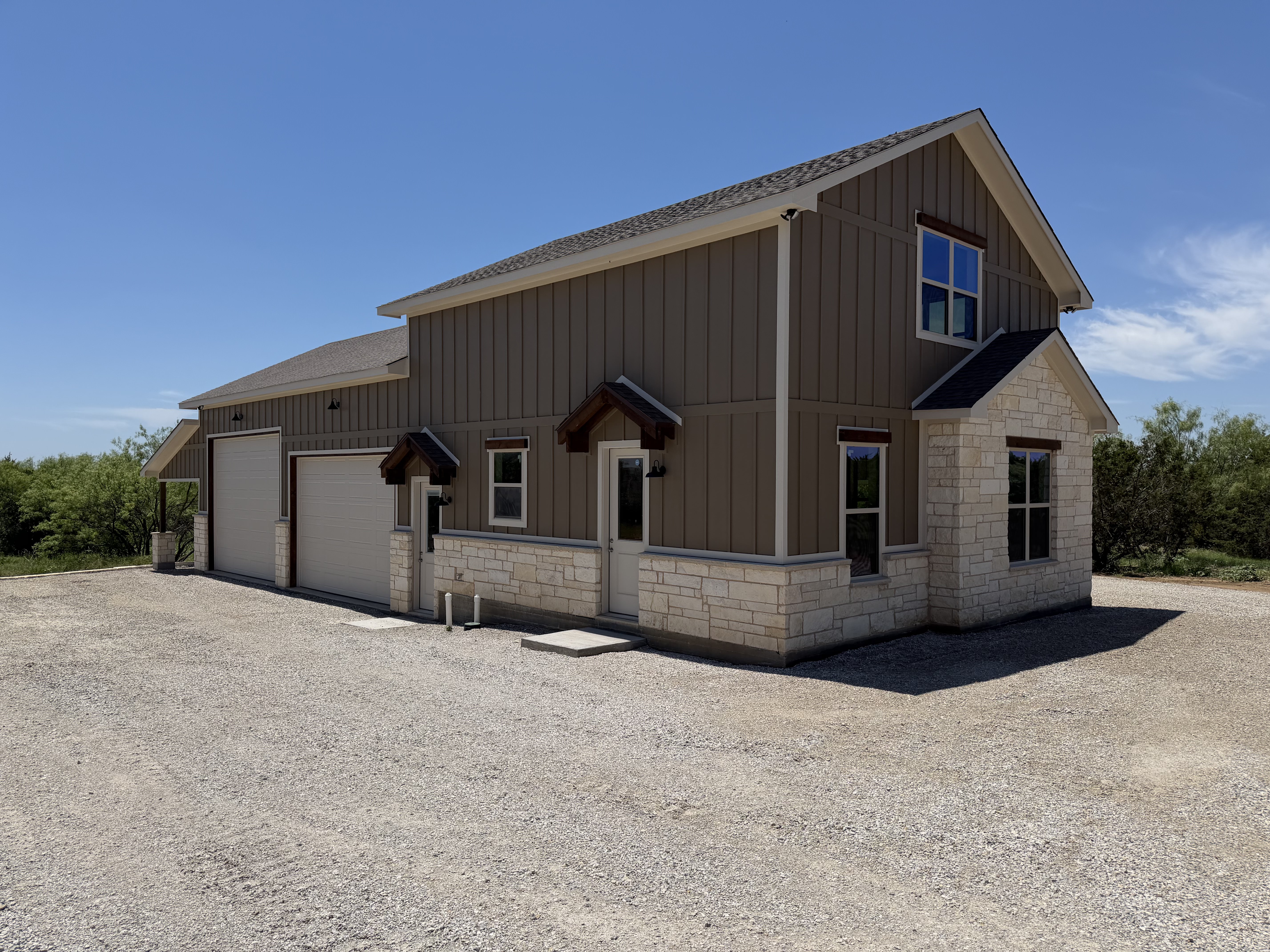
Average Cost to Build a Home in 2026
Building a home in 2026 comes with a wide range of costs, shaped by inflation, labor shortages, material pricing, and regional demand. Across the United States, most homeowners can expect total build costs to fall between $300,000 and $800,000+, with luxury projects extending well beyond that range. If you’re planning to upgrade an existing home rather than build new, see our home renovation pricing breakdown for that pricing breakdown.
According to recent data from the U.S. Census Bureau and construction cost benchmarks published by the National Association of Home Builders, the average newly built single-family home has steadily increased in both size and cost, driven by higher input prices and evolving buyer expectations.
National averages vs regional variation
At a national level, the average cost to build a home in 2026 typically lands around:
| Home Type | Average Total Cost |
|---|---|
| Entry-level build | $250,000 – $400,000 |
| Mid-range home | $400,000 – $700,000 |
| High-end custom home | $700,000 – $1,500,000+ |
These numbers shift significantly depending on location. High-demand metro areas with stricter regulations and higher labor costs tend to push prices upward, while rural or lower-cost regions offer more affordable builds.
For example, construction cost data from the Bureau of Labor Statistics shows that regional differences in labor and materials can create 20–50% swings in total project cost between markets. Areas with rapid population growth or limited housing supply often see the highest increases.
In practical terms, the same 2,500 sq ft home could cost $450,000 in one region and $750,000 in another, purely due to location-driven factors.
Typical total price ranges by home size
Square footage remains one of the strongest drivers of total cost, even as price per square foot varies. In 2026, typical ranges look like this:
| Home Size | Low-End Cost | Mid-Range Cost | High-End Cost |
|---|---|---|---|
| 1,500 sq ft | $225,000 | $375,000 | $600,000+ |
| 2,000 sq ft | $300,000 | $500,000 | $800,000+ |
| 2,500 sq ft | $375,000 | $625,000 | $1,000,000+ |
| 3,500+ sq ft | $525,000+ | $875,000+ | $1,500,000+ |
These estimates align with construction cost surveys from sources like RSMeans and broader housing trend analysis reported by the Federal Reserve Economic Data (FRED), which track long-term increases in residential construction expenses. For a closer look at how those numbers break down by home type and region, see our guide to cost per square foot to build a house in 2026.
Larger homes tend to benefit from slight efficiencies in cost per square foot, though total project costs still rise substantially due to added systems, finishes, and structural requirements.
2026 cost trends and inflation impact
The past several years have seen sharp increases in construction costs, and while price growth has moderated, 2026 still reflects elevated baseline pricing.
Material categories like lumber, concrete, and steel remain volatile, influenced by global supply chains and domestic demand. According to price index tracking from the Bureau of Labor Statistics, construction inputs experienced significant spikes between 2020 and 2023, with slower but continued increases into 2026.
Labor is another major factor. Skilled trades are in short supply in many markets, pushing wages higher and extending project timelines. This combination of higher labor rates + longer build times increases total project costs beyond just material pricing.
Even when material prices stabilize, labor shortages alone can keep overall construction costs elevated.
How builder pricing models work
Understanding how builders structure pricing helps explain why total costs vary so widely. In 2026, most projects fall into one of three pricing models:
Fixed-price contracts
Builders provide a set price for the entire project, based on detailed plans and specifications. This offers predictability, though change orders can increase costs later.
Cost-plus contracts
The homeowner pays actual construction costs plus a builder fee, often 10–20%. This model provides flexibility but exposes the project to price fluctuations.
Production or semi-custom pricing
Large builders offer pre-designed homes with limited customization. These builds tend to be more cost-efficient due to standardized processes and bulk purchasing.
Each model carries different risk levels and cost implications, especially in a market where pricing can shift mid-project. Data from the National Association of Home Builders highlights how contract structure plays a meaningful role in final project cost, particularly during periods of price volatility.
Overall, the average cost to build a home in 2026 reflects a complex mix of market forces, design choices, and execution strategy. The next section breaks this down further by looking at cost per square foot, one of the most commonly used benchmarks for estimating a project.
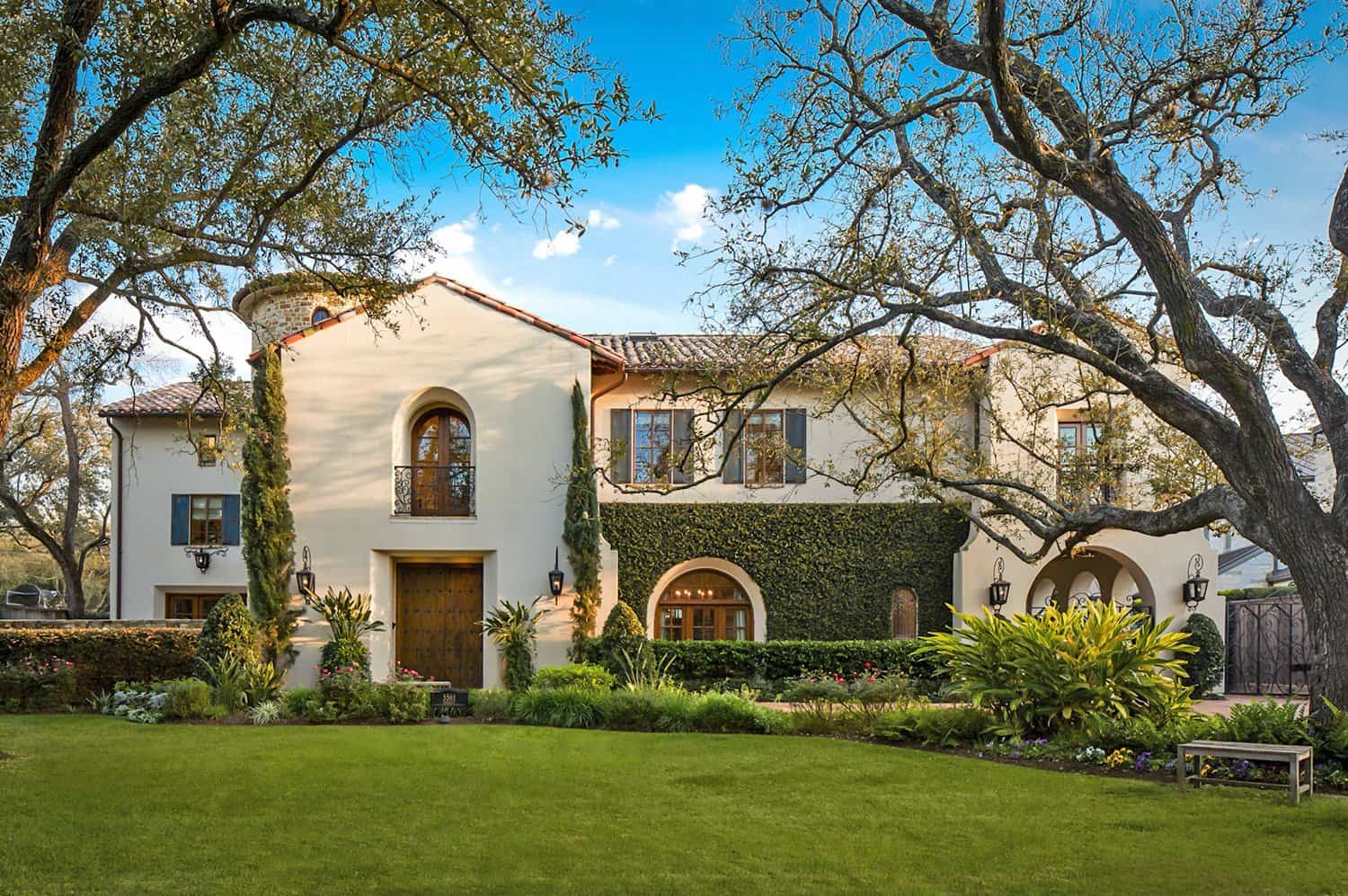
Cost Per Square Foot to Build a Home
Cost per square foot is one of the most widely used benchmarks for estimating home construction costs in 2026. While it simplifies comparisons across projects, the actual number varies significantly depending on location, build quality, and design complexity.
Across the United States, most new homes fall within a range of $150 to $400+ per square foot, with high-end custom homes exceeding that range in premium markets. Data from the National Association of Home Builders shows that construction costs per square foot have increased steadily over time due to rising labor and material expenses.
National cost per square foot benchmarks
In 2026, typical cost ranges by build type look like this:
| Build Type | Cost Per Sq Ft |
|---|---|
| Entry-level / production | $150 – $220 |
| Mid-range / semi-custom | $220 – $300 |
| High-end custom | $300 – $500+ |
These figures align with broader construction cost datasets, including indexes tracked by the Bureau of Labor Statistics, which monitor price changes across construction inputs and help explain upward pressure on per-square-foot pricing.
Cost per square foot serves as a useful starting point, though final project pricing depends heavily on the specific choices made throughout the build.
Differences by home type (production vs custom)
The type of home being built plays a major role in determining cost per square foot.
Production homes, built by large-volume builders, tend to sit at the lower end of the range. These projects benefit from standardized designs, bulk material purchasing, and streamlined construction processes. Builders repeat the same plans across multiple projects, which improves efficiency and reduces waste.
Semi-custom homes fall in the middle. Buyers can modify layouts, finishes, and features within a defined framework, which increases flexibility while maintaining some cost control.
Custom homes typically carry the highest cost per square foot. Every element—from architectural design to material selection—is tailored to the homeowner. This introduces more complexity, more labor hours, and often higher-end materials. Research from the U.S. Census Bureau’s Characteristics of New Housing shows that custom-built homes consistently trend larger and more feature-rich, which contributes to higher per-square-foot costs.
Regional cost differences (urban vs suburban vs rural)
Location has a direct and measurable impact on construction cost per square foot.
Urban areas tend to have the highest costs due to labor rates, land constraints, permitting complexity, and logistical challenges. Suburban areas offer a more balanced cost structure, while rural locations often provide the lowest per-square-foot costs due to cheaper labor and fewer regulatory hurdles.
| Location Type | Typical Cost Per Sq Ft |
|---|---|
| Urban core | $250 – $500+ |
| Suburban | $180 – $300 |
| Rural | $150 – $250 |
According to regional cost comparisons published by RSMeans, construction pricing can vary by more than 30% between major metro areas and smaller markets, even when building the same home design.
How square footage impacts total cost efficiency
As home size increases, cost per square foot often decreases slightly due to economies of scale. Core systems like kitchens, bathrooms, and HVAC equipment do not scale linearly with square footage, which spreads fixed costs across a larger area.
For example:
| Home Size | Avg Cost Per Sq Ft | Total Cost |
|---|---|---|
| 1,500 sq ft | $260 | $390,000 |
| 2,500 sq ft | $240 | $600,000 |
| 3,500 sq ft | $230 | $805,000 |
Larger homes still result in higher total costs, though the marginal cost per additional square foot tends to decrease. This pattern is supported by long-term housing data from sources like Federal Reserve Economic Data (FRED), which tracks trends in home size and construction costs over time.
Smaller homes often have a higher cost per square foot because fixed elements like kitchens and bathrooms make up a larger percentage of the total space.
At the same time, highly complex designs—such as multi-story layouts, custom rooflines, or luxury finishes—can reverse this trend and increase the cost per square foot even in larger homes.
Understanding cost per square foot provides a strong foundation for estimating your project, though it works best when combined with a detailed breakdown of what actually drives those costs. The next section dives into the factors that have the biggest impact on total construction pricing.

What Affects the Cost the Most
Home building costs in 2026 are shaped by a handful of high-impact variables. While many smaller decisions influence pricing, a few core factors consistently account for the largest swings in total project cost.
Data from the National Association of Home Builders and cost trend tracking by the Bureau of Labor Statistics show that labor, materials, and design complexity remain the dominant drivers across nearly every residential project.
Labor and material price volatility
Labor and materials typically make up the majority of construction costs, often accounting for 60–75% of the total project budget.
Material costs fluctuate based on supply chains, global demand, and production capacity. Lumber, concrete, and steel are especially sensitive to market conditions. Price index data from the Bureau of Labor Statistics shows that construction inputs have experienced sustained volatility over the past several years, with periodic spikes that directly impact build costs.
Labor adds another layer of variability. Skilled trades such as electricians, plumbers, and framers remain in high demand, with limited supply in many regions. This drives up wages and can extend project timelines. For a phase-by-phase look at how custom home construction timelines actually unfold, see our custom home building timeline guide.
| Cost Component | Typical % of Total Cost |
|---|---|
| Materials | 40% – 50% |
| Labor | 20% – 30% |
| Other (permits, fees, etc.) | 20% – 30% |
Labor shortages can increase both cost and timeline, creating a compounding effect on the overall budget.
Even small shifts in material pricing or labor availability can translate into tens of thousands of dollars in total cost changes on a typical home build.
Location and local regulations
Where you build plays a major role in determining cost. Local building codes, zoning requirements, permitting processes, and inspection standards all influence pricing.
For example, areas with stricter energy codes or environmental regulations may require higher-performance materials or additional engineering work. Guidance from the U.S. Department of Energy highlights how evolving building codes are increasing construction standards, which can raise upfront costs while improving long-term efficiency.
Permitting fees and timelines also vary widely by jurisdiction. Some municipalities have streamlined processes, while others involve multiple approvals, impact fees, and extended review periods.
| Factor | Cost Impact |
|---|---|
| Permitting fees | $5,000 – $30,000+ |
| Impact fees | $10,000 – $50,000+ |
| Code compliance upgrades | Varies widely |
These regulatory differences can significantly alter the total project cost even when the home design remains the same.
Home size, layout, and complexity
The size and design of the home directly influence both material usage and labor requirements.
Larger homes require more materials and labor overall, though cost per square foot may decrease slightly at higher sizes. Layout complexity adds another layer. Features like vaulted ceilings, custom staircases, multi-story structures, and intricate rooflines increase framing difficulty and labor time.
Simple, efficient designs tend to reduce costs by minimizing waste and labor hours. Homes with compact layouts, fewer corners, and standard ceiling heights are generally more cost-efficient to build.
| Design Element | Cost Impact |
|---|---|
| Single-story layout | Lower |
| Multi-story design | Moderate |
| Custom architectural features | High |
| Complex rooflines | High |
Research from the U.S. Census Bureau shows that newer homes have trended toward larger sizes and more complex layouts, which contributes to rising construction costs over time.
Every additional design detail introduces incremental cost through added labor, materials, and coordination.
Builder selection and contract structure
The builder you choose and the contract structure you use can significantly affect final pricing.
Different builders operate with varying overhead, supplier relationships, and efficiency levels. Large production builders often achieve lower costs through volume purchasing and standardized processes, while smaller custom builders may offer more flexibility at a higher price point.
Contract structure also plays a role:
| Contract Type | Cost Behavior |
|---|---|
| Fixed-price | Predictable, with defined scope |
| Cost-plus | Variable, tied to actual expenses |
| Time and materials | Flexible, often less predictable |
Industry guidance from the Federal Trade Commission emphasizes the importance of clear contracts and detailed scopes of work to avoid unexpected cost increases during construction.
Builder communication, project management quality, and change order handling also influence final cost. Projects with frequent design changes or unclear specifications tend to experience budget overruns. Before signing with any builder, review the key questions to ask your custom home builder to protect your budget and timeline.
A well-structured contract with a clear scope and contingency planning can significantly reduce financial risk during the build.
Understanding these major cost drivers provides a clearer picture of why home construction pricing varies so widely. The next section breaks down how these costs are distributed across each phase of the construction process.

Cost Breakdown by Construction Phase
Understanding how costs are distributed across each phase of construction gives a clearer picture of where your budget actually goes. While total pricing varies by project, the underlying structure tends to follow a consistent pattern.
Data from the National Association of Home Builders shows that construction costs can be broken into major categories such as site work, framing, systems, and finishes, each representing a defined percentage of the overall budget.
Pre-construction and planning
Before any physical construction begins, a portion of the budget is allocated to planning, design, and approvals. This phase includes architectural drawings, engineering, surveys, and initial permitting.
Typical costs in this stage range from 5% to 10% of the total project cost, depending on the level of customization and complexity. Custom homes with unique designs or structural requirements tend to sit at the higher end of this range.
According to guidance from the American Institute of Architects, architectural fees alone can range from 8% to 15% of construction cost, particularly for fully custom designs.
| Pre-Construction Item | Typical Cost Range |
|---|---|
| Architectural design | $15,000 – $100,000+ |
| Engineering | $5,000 – $25,000 |
| Surveys & soil tests | $2,000 – $10,000 |
| Permits (initial) | $3,000 – $15,000 |
Early planning decisions set the foundation for cost control, as design choices directly influence every downstream phase.
Foundation and framing
The structural phase represents one of the largest portions of the budget. This includes excavation, foundation work, framing, and structural components such as walls, floors, and roof systems.
Typically, this phase accounts for 25% to 35% of total construction cost.
Foundation costs vary based on soil conditions, home size, and foundation type (slab, crawl space, or basement). Framing costs are driven by lumber pricing, labor availability, and design complexity. If you are weighing foundation options, our detailed breakdown of slab vs. pier-and-beam vs. basement foundation costs covers what each type runs in 2026.
| Structural Component | Typical % of Total Cost |
|---|---|
| Site work & excavation | 5% – 10% |
| Foundation | 10% – 15% |
| Framing & structure | 15% – 20% |
Construction cost data tracked by the Bureau of Labor Statistics shows that framing materials like lumber remain one of the most volatile cost components, making this phase particularly sensitive to market conditions.
Structural work forms the backbone of the home and is one of the least flexible areas for cost reduction once construction begins.
Mechanical systems (HVAC, plumbing, electrical)
Once the structure is in place, the focus shifts to installing the core systems that make the home functional. This includes HVAC systems, plumbing lines, electrical wiring, insulation, and sometimes smart home infrastructure.
This phase typically accounts for 15% to 25% of the total budget.
| System | Typical Cost Range |
|---|---|
| HVAC | $10,000 – $30,000+ |
| Plumbing | $8,000 – $25,000+ |
| Electrical | $10,000 – $30,000+ |
| Insulation | $5,000 – $15,000 |
Energy efficiency standards and system complexity can significantly affect costs. The U.S. Department of Energy notes that higher-efficiency HVAC systems and improved insulation increase upfront costs while reducing long-term operating expenses. Bathroom remodels are particularly plumbing-intensive — for standalone bathroom renovation pricing, see our bathroom remodel cost benchmarks.
Mechanical systems are critical to long-term performance, making quality installation a priority even when budgets are tight.
Interior finishes and final build-out
Interior finishes represent one of the most variable cost categories, as they are heavily influenced by personal preferences and material selection.
This phase includes drywall, flooring, cabinetry, countertops, fixtures, paint, and appliances. It often accounts for 25% to 40% of total construction cost, making it one of the largest budget segments.
| Finish Category | Cost Variability |
|---|---|
| Flooring | Moderate to high |
| Cabinets & countertops | High |
| Fixtures & lighting | Moderate |
| Appliances | Moderate to high |
Higher-end finishes can dramatically increase costs, especially in kitchens and bathrooms. Market data from sources like RSMeans highlights how finish selections are one of the biggest drivers of budget variability between otherwise similar homes. For standalone kitchen renovation pricing, see our kitchen renovation budget tiers.
Finish choices have a disproportionate impact on total cost, even when structural elements remain the same.
Typical percentage allocation by phase
To visualize how costs are distributed across the entire project, the following table summarizes typical allocations:
| Construction Phase | % of Total Cost |
|---|---|
| Pre-construction | 5% – 10% |
| Site work & foundation | 15% – 25% |
| Framing & structure | 15% – 20% |
| Mechanical systems | 15% – 25% |
| Interior finishes | 25% – 40% |
These percentages align with industry-wide cost breakdowns reported by organizations like the National Association of Home Builders, which analyze construction expenses across thousands of projects.
Most of the budget is concentrated in a few major phases, with finishes and structure typically accounting for the largest share.
Breaking costs down by phase makes it easier to identify where adjustments can be made and where spending is more fixed. The next section focuses on one of the most overlooked cost categories: land, site preparation, and permitting.

Lot, Site Prep, and Permit Costs
Before construction even begins, a significant portion of your budget goes toward acquiring land, preparing the site, and securing approvals. These costs are often underestimated, yet they can account for 15% to 30% of the total project cost depending on location and site conditions.
According to housing data from the U.S. Census Bureau and land value trends tracked by the Federal Reserve Economic Data (FRED), land and pre-construction costs have increased steadily in recent years, especially in high-growth markets.
Land acquisition costs by market
Land prices vary dramatically based on region, proximity to urban centers, and local demand. In 2026, buildable lots in desirable areas often represent one of the largest upfront expenses.
| Location Type | Typical Lot Cost |
|---|---|
| Rural areas | $10,000 – $100,000 |
| Suburban markets | $75,000 – $300,000 |
| High-demand metro areas | $300,000 – $1,000,000+ |
Factors that influence land cost include zoning restrictions, access to utilities, school districts, and nearby development activity. Data from the Lincoln Institute of Land Policy shows that land values tend to rise fastest in areas with strong population growth and limited supply.
In many markets, land alone can account for 20% or more of the total project budget.
Site preparation and grading
Once land is acquired, the site must be prepared for construction. This process includes clearing vegetation, grading the land, addressing drainage, and stabilizing soil conditions.
Site prep costs vary widely depending on terrain and soil quality. Flat, cleared lots are significantly less expensive to prepare than sloped or heavily wooded properties.
| Site Condition | Typical Prep Cost |
|---|---|
| Flat, cleared lot | $5,000 – $15,000 |
| Moderate grading required | $15,000 – $40,000 |
| Complex terrain or poor soil | $40,000 – $100,000+ |
Soil quality plays a major role. Expansive clay, rocky ground, or high water tables may require additional engineering solutions such as soil stabilization or specialized foundations. Guidance from the U.S. Geological Survey highlights how soil composition directly impacts construction feasibility and cost.
Site conditions are one of the least predictable cost factors and can significantly affect the total budget.
Utility connections and infrastructure
Connecting the home to essential utilities is another major cost category. This includes water, sewer, electricity, gas, and sometimes internet infrastructure.
Costs depend heavily on proximity to existing utility lines. Lots in established neighborhoods typically have lower connection costs, while rural properties may require extensive infrastructure work.
| Utility Type | Typical Cost Range |
|---|---|
| Water & sewer connection | $5,000 – $25,000+ |
| Septic system (if required) | $10,000 – $30,000+ |
| Electrical hookup | $5,000 – $20,000+ |
| Gas line installation | $2,000 – $10,000+ |
In some cases, extending utilities over long distances can push costs significantly higher. The U.S. Department of Energy notes that rural infrastructure projects often involve additional planning and higher installation costs due to distance and terrain.
Utility access can quickly become a major expense when building outside established developments.
Permits, fees, and regulatory costs
Permits and regulatory fees are required at multiple stages of the construction process. These costs vary by jurisdiction and can include building permits, impact fees, inspection fees, and development charges.
| Permit Type | Typical Cost Range |
|---|---|
| Building permit | $3,000 – $15,000 |
| Impact fees | $10,000 – $50,000+ |
| Inspection fees | $1,000 – $5,000 |
| Development fees | Varies widely |
Impact fees are particularly significant in growing areas, where municipalities charge builders to offset the cost of expanding infrastructure such as roads, schools, and utilities. Information from the Urban Land Institute shows that these fees have increased in many regions as cities manage rapid growth.
Regulatory costs can add tens of thousands of dollars before construction even begins, making them a critical part of early budgeting.
Combined cost overview
When combined, land, site preparation, utilities, and permitting create a substantial upfront investment:
| Category | Typical Cost Range |
|---|---|
| Land | $75,000 – $500,000+ |
| Site preparation | $5,000 – $100,000+ |
| Utilities | $10,000 – $50,000+ |
| Permits & fees | $10,000 – $60,000+ |
These early-stage costs often determine whether a project remains financially feasible. Even small changes in land conditions or regulatory requirements can shift the total budget significantly.
The upfront phase of a home build sets the financial baseline for the entire project, making careful evaluation essential before moving forward.
With these foundational costs understood, the next section compares how total budgets differ across low-end, mid-range, and high-end home builds.

Low-End vs Mid-Range vs High-End Home Costs
Home building costs in 2026 fall into three broad tiers: low-end, mid-range, and high-end. Each tier reflects a combination of materials, design complexity, customization level, and finish quality. Understanding these differences helps set realistic expectations for both budget and final outcome.
Industry cost surveys from the National Association of Home Builders and construction benchmarks from RSMeans show that the gap between these tiers has widened in recent years due to increasing material costs and buyer demand for higher-end features.
Cost ranges by build quality tier
In 2026, the following ranges represent typical total construction costs by tier:
| Build Tier | Cost Per Sq Ft | Total Cost (2,500 sq ft example) |
|---|---|---|
| Low-end | $150 – $220 | $375,000 – $550,000 |
| Mid-range | $220 – $300 | $550,000 – $750,000 |
| High-end | $300 – $500+ | $750,000 – $1,250,000+ |
These estimates align with long-term housing cost trends tracked by the U.S. Census Bureau, which show increasing investment in larger homes and higher-quality finishes.
The largest cost jumps occur when moving from standard materials to premium finishes and custom design elements.
What defines each tier (materials, finishes, features)
Each pricing tier reflects a different level of quality, customization, and overall build complexity.
| Feature Category | Low-End | Mid-Range | High-End |
|---|---|---|---|
| Design | Standard plans | Semi-custom | Fully custom |
| Materials | Builder-grade | Upgraded standard | Premium/luxury |
| Flooring | Carpet, basic LVP | Hardwood, tile mix | Wide-plank hardwood, stone |
| Cabinets | Stock | Semi-custom | Custom-built |
| Countertops | Laminate | Quartz/granite | High-end stone |
| Appliances | Basic | Mid-tier brands | Luxury brands |
| Architectural detail | Minimal | Moderate | Extensive |
Low-end homes focus on efficiency and cost control, often using standardized layouts and builder-grade materials. Mid-range homes introduce upgraded finishes and more flexibility in design. High-end homes emphasize customization, premium materials, and architectural detail.
Data from the U.S. Department of Housing and Urban Development shows that higher-end homes also tend to include more square footage, additional rooms, and advanced systems, which contribute to increased costs.
Every upgrade category compounds the total price, especially when multiple high-end selections are combined.
Real-world pricing examples by home size
To better understand how these tiers translate into real budgets, the following table compares estimated costs across different home sizes:
| Home Size | Low-End | Mid-Range | High-End |
|---|---|---|---|
| 1,800 sq ft | $270,000 – $396,000 | $396,000 – $540,000 | $540,000 – $900,000+ |
| 2,500 sq ft | $375,000 – $550,000 | $550,000 – $750,000 | $750,000 – $1,250,000+ |
| 3,500 sq ft | $525,000 – $770,000 | $770,000 – $1,050,000 | $1,050,000 – $1,750,000+ |
These ranges reflect construction cost patterns observed in national datasets such as Federal Reserve Economic Data (FRED), which track changes in residential investment and building costs over time.
Larger homes increase total cost significantly, while the chosen quality tier determines how steep that increase becomes.
Cost differences between spec and custom builds
Another major distinction within these tiers is whether the home is built as a spec (production) home or a custom build.
Spec homes are built using pre-designed plans with limited customization. Builders optimize costs through repetition, bulk purchasing, and streamlined construction processes. This typically places spec homes at the lower end of the pricing spectrum within each tier.
Custom homes involve individualized design, unique layouts, and tailored material selections. These projects require more coordination, specialized labor, and longer timelines, which increases costs.
| Build Type | Cost Impact | Flexibility |
|---|---|---|
| Spec / production | Lower | Limited |
| Semi-custom | Moderate | Medium |
| Fully custom | Higher | High |
Research from the National Association of Home Builders shows that custom homes consistently carry higher per-square-foot costs due to design complexity and reduced economies of scale.
The decision between spec and custom building has a direct impact on both cost and control over the final product.
Summary of tier differences
Each tier represents a different balance between cost, quality, and customization:
| Tier | Best For | Key Tradeoff |
|---|---|---|
| Low-end | Budget-conscious builds | Limited customization |
| Mid-range | Balanced quality and cost | Moderate upgrades |
| High-end | Fully personalized homes | Higher total investment |
Choosing the right tier depends on priorities, budget constraints, and long-term goals. The next section explores the hidden costs that often catch homeowners off guard during the building process.

Hidden Costs Most Homeowners Miss
Even with a detailed estimate, many homebuilding projects exceed the original budget due to costs that are overlooked or underestimated early on. These “hidden” expenses often emerge during construction or right after move-in, and they can add 10% to 25%+ to the total project cost.
Guidance from the Federal Trade Commission and housing research from the U.S. Department of Housing and Urban Development emphasize that incomplete budgeting and scope changes are among the most common reasons for cost overruns.
Design changes and change orders
One of the biggest hidden cost drivers comes from mid-project changes. Once construction begins, any modification—whether it’s moving a wall, upgrading materials, or altering layouts—typically results in a change order.
Change orders can be expensive because they often involve rework, delays, and additional labor. Even small adjustments can compound quickly.
| Type of Change | Typical Cost Impact |
|---|---|
| Minor finish upgrade | $1,000 – $5,000 |
| Layout modification | $5,000 – $20,000+ |
| Structural change | $10,000 – $50,000+ |
According to industry data from the National Association of Home Builders, changes made after construction starts tend to cost significantly more than decisions finalized during the planning phase.
Every change made during construction introduces additional labor, material waste, and scheduling adjustments.
Financing costs and interest carry
Financing expenses are frequently underestimated, especially for longer build timelines. Construction loans, interest payments, and carrying costs can add a substantial amount to the total investment.
These costs depend on loan terms, interest rates, and build duration.
| Financing Cost Type | Typical Range |
|---|---|
| Construction loan interest | 5% – 10% annually |
| Loan fees & closing costs | 2% – 5% of loan amount |
| Extended timeline cost | Varies |
Data from the Federal Reserve shows that interest rates directly affect the cost of borrowing, making financing a key variable in total build cost.
Longer construction timelines increase total interest paid, even if the build price itself remains unchanged.
Landscaping, driveways, and exterior work
Many initial estimates focus on the home itself and exclude exterior work. Landscaping, driveways, fencing, and outdoor living spaces are often treated as separate costs, even though they are essential for a finished property.
| Exterior Feature | Typical Cost Range |
|---|---|
| Basic landscaping | $5,000 – $20,000 |
| Driveway (concrete/asphalt) | $5,000 – $15,000+ |
| Fencing | $3,000 – $15,000+ |
| Outdoor living (patios, decks) | $10,000 – $50,000+ |
The American Society of Landscape Architects highlights how outdoor improvements significantly enhance both usability and property value, though they often require a separate budget.
Exterior work is essential for functionality and curb appeal, yet it is frequently excluded from initial construction estimates.
Furniture, appliances, and move-in costs
Move-in expenses represent another commonly overlooked category. Even when appliances are included in the build, many additional costs arise once the home is complete.
| Item | Typical Cost Range |
|---|---|
| Furniture | $10,000 – $100,000+ |
| Window treatments | $2,000 – $10,000+ |
| Appliances (if not included) | $5,000 – $25,000+ |
| Moving expenses | $1,000 – $5,000 |
These costs vary widely based on lifestyle and preferences. Data from the Bureau of Labor Statistics shows that household spending on furnishings and equipment represents a significant portion of post-move expenses for homeowners.
A newly built home often requires a substantial additional investment to become fully livable and furnished.
Utility setup and ongoing costs
Initial utility setup fees and early usage costs can also catch homeowners off guard. These include deposits, activation fees, and the first few months of service.
| Utility Expense | Typical Cost |
|---|---|
| Setup fees & deposits | $500 – $2,000 |
| Initial utility bills | Varies |
| HOA initiation fees (if applicable) | $500 – $5,000+ |
The U.S. Energy Information Administration provides data on residential energy use, showing how ongoing utility costs can vary based on home size, efficiency, and location.
Contingency and unexpected costs
Even with careful planning, unexpected expenses are almost inevitable. Weather delays, material shortages, inspection issues, and subcontractor scheduling conflicts can all increase costs.
Most industry professionals recommend setting aside a contingency budget of 10% to 20% of the total project cost.
| Project Budget | Recommended Contingency |
|---|---|
| $400,000 | $40,000 – $80,000 |
| $600,000 | $60,000 – $120,000 |
| $1,000,000 | $100,000 – $200,000 |
A contingency fund provides financial flexibility and helps prevent disruptions when unexpected costs arise.
Summary of hidden costs
These often-overlooked categories can significantly impact the final budget:
| Hidden Cost Category | Potential Impact |
|---|---|
| Change orders | High |
| Financing costs | Moderate to high |
| Exterior work | Moderate |
| Move-in expenses | Moderate |
| Contingency | Critical |
Accounting for these hidden costs early in the planning process leads to a more accurate budget and a smoother building experience. The next section focuses on practical strategies for keeping building costs under control without compromising overall quality.

How to Keep Building Costs Under Control
Keeping construction costs under control in 2026 requires a combination of planning, discipline, and informed decision-making. While market conditions influence pricing, homeowners still have significant control over how efficiently their budget is used.
Guidance from the Federal Trade Commission and cost management insights from the National Institute of Building Sciences emphasize that early planning and clear scope definition are among the most effective ways to prevent overruns.
Budget planning and contingency strategies
A well-defined budget is the foundation of cost control. This includes setting realistic expectations for each phase of construction and allocating funds appropriately across categories.
One of the most important components is a contingency reserve, typically 10% to 20% of the total project cost, which provides flexibility when unexpected expenses arise.
| Total Budget | Recommended Contingency |
|---|---|
| $400,000 | $40,000 – $80,000 |
| $600,000 | $60,000 – $120,000 |
| $1,000,000 | $100,000 – $200,000 |
Financial planning resources from the Consumer Financial Protection Bureau highlight the importance of accounting for both expected and unexpected costs when budgeting for home construction.
Projects with a clearly defined budget and contingency plan are far less likely to experience financial strain during construction.
Value engineering and material selection
Value engineering focuses on optimizing cost without sacrificing performance. This involves selecting materials and design elements that provide strong durability and function at a reasonable price point.
For example, choosing standard-sized materials, simplifying structural elements, and selecting widely available finishes can reduce costs without compromising overall quality.
| Cost Strategy | Potential Savings Impact |
|---|---|
| Standardized dimensions | Moderate |
| Simplified rooflines | High |
| Alternative materials | Moderate to high |
| Bulk material purchasing | Moderate |
The U.S. Department of Energy notes that strategic material choices can also improve energy efficiency, which reduces long-term operating costs.
Small design and material decisions, when repeated across the entire home, create meaningful cost savings.
Choosing the right builder and contract type
Builder selection plays a major role in cost control. Experienced builders with strong project management systems can reduce delays, minimize waste, and maintain tighter budget control.
Contract type also affects financial predictability:
| Contract Type | Cost Control Level |
|---|---|
| Fixed-price | High |
| Cost-plus | Moderate |
| Time and materials | Lower |
Clear contracts with detailed scopes of work help prevent misunderstandings and reduce the likelihood of unexpected costs. The Federal Trade Commission recommends reviewing contracts carefully and ensuring all specifications are clearly documented before construction begins.
Transparency and communication between homeowner and builder are key drivers of cost control throughout the project.
Timing the market and locking in prices
Market timing can influence construction costs, particularly when it comes to materials and labor availability.
In some cases, builders can lock in pricing for materials or subcontractors early in the process, reducing exposure to future price increases. This is especially relevant in periods of volatility, as tracked by construction price indexes from the Bureau of Labor Statistics.
| Timing Strategy | Cost Impact |
|---|---|
| Early material purchasing | Reduces volatility risk |
| Flexible build schedule | May reduce labor costs |
| Off-peak construction | Potential savings |
Seasonality can also play a role. In certain regions, building during slower periods may offer cost advantages due to lower demand for labor and materials.
Minimizing design complexity
Simplifying the home’s design is one of the most effective ways to control costs. Complex layouts, multiple rooflines, and custom architectural features increase both material usage and labor time.
| Design Choice | Cost Impact |
|---|---|
| Rectangular footprint | Lower |
| Multiple corners and angles | Higher |
| Standard ceiling heights | Lower |
| Custom features | Higher |
Research from the National Institute of Building Sciences highlights how efficient design directly reduces construction costs while maintaining functionality.
Simpler designs tend to be faster to build, require fewer materials, and reduce the likelihood of costly errors.
Reducing change orders during construction
Change orders are one of the most common causes of budget overruns. Finalizing decisions before construction begins significantly reduces the need for mid-project adjustments.
| Stage | Cost Impact of Changes |
|---|---|
| Pre-construction | Low |
| During construction | High |
Careful planning, detailed specifications, and early decision-making help minimize disruptions. The National Association of Home Builders emphasizes that projects with fewer change orders tend to stay closer to their original budget.
Locking in decisions early prevents costly rework and keeps the project moving efficiently.
Summary of cost control strategies
The most effective ways to keep building costs under control include:
| Strategy | Impact Level |
|---|---|
| Detailed budgeting | High |
| Value engineering | High |
| Experienced builder selection | High |
| Design simplification | High |
| Limiting change orders | Critical |
Cost control comes down to making informed decisions at every stage of the process. With the right approach, homeowners can manage expenses effectively while still achieving a high-quality final result.
The next section evaluates whether 2026 is a good time to build, based on market conditions, interest rates, and construction trends.

Is 2026 a Good Time to Build?
Deciding whether to build a home in 2026 depends on a combination of market conditions, financing costs, and long-term housing demand. While construction costs remain elevated compared to previous years, several factors influence whether building makes financial and practical sense.
Economic data from the Federal Reserve and housing supply insights from the U.S. Census Bureau show that the housing market continues to face supply constraints, which affects both home prices and construction demand.
Current housing supply and demand trends
The United States continues to experience a housing shortage in many regions, particularly in growing metropolitan areas. Limited inventory has kept home prices relatively high, even as interest rates have fluctuated.
| Market Factor | 2026 Trend |
|---|---|
| Housing inventory | Low in many regions |
| Population growth areas | Increasing demand |
| New construction starts | Moderate growth |
| Existing home supply | Constrained |
According to housing analysis from the National Association of Realtors, low inventory levels continue to support higher home prices, which can make building a more attractive option for buyers seeking specific features or locations.
Limited supply in the resale market often pushes buyers toward new construction as an alternative.
Interest rates and financing conditions
Interest rates play a critical role in determining affordability. Higher rates increase monthly payments and total borrowing costs, which can influence the decision to build.
| Interest Rate Range | Impact on Buyers |
|---|---|
| 4% – 5% | Lower borrowing cost |
| 5% – 7% | Moderate affordability pressure |
| 7%+ | Higher monthly payments |
The Federal Reserve continues to adjust monetary policy in response to inflation and economic conditions, which directly affects mortgage and construction loan rates.
Even small changes in interest rates can significantly affect total project cost over the life of a loan.
Construction loans are particularly sensitive, as they often carry variable rates during the build phase before converting to a traditional mortgage.
Material and labor outlook
Construction costs remain influenced by material pricing and labor availability. While some material costs have stabilized compared to earlier volatility, overall pricing remains higher than historical averages.
| Cost Factor | 2026 Outlook |
|---|---|
| Lumber | Moderately stable with fluctuations |
| Concrete & steel | Elevated pricing |
| Labor availability | Tight in many regions |
| Build timelines | Longer than pre-2020 averages |
Price index data from the Bureau of Labor Statistics shows that construction inputs continue to experience gradual increases, even as volatility has decreased.
Labor shortages remain a constraint, particularly for skilled trades, which can extend timelines and increase costs.
Stable pricing conditions improve predictability, even when overall costs remain elevated.
Build vs buy comparison
One of the most important considerations is whether building offers better value compared to buying an existing home.
| Factor | Building | Buying |
|---|---|---|
| Customization | High | Limited |
| Timeline | Longer | Immediate |
| Cost predictability | Variable | Fixed purchase price |
| Upfront effort | Higher | Lower |
In markets where existing home prices remain high due to limited inventory, building can provide a competitive alternative. However, building typically requires more time, planning, and involvement. For a full financial comparison, our cost to build vs. buy a house in 2026 guide walks through the numbers side by side.
Research from the U.S. Department of Housing and Urban Development indicates that new construction plays a key role in addressing housing shortages, especially in high-growth regions.
Building offers greater control over design and features, while buying provides speed and simplicity.
Market timing considerations
Timing a build involves evaluating both short-term conditions and long-term goals. Some buyers choose to build during periods of lower demand to take advantage of reduced competition for labor and materials.
| Timing Factor | Potential Impact |
|---|---|
| High demand periods | Higher costs, longer timelines |
| Slower market periods | Potential cost savings |
| Interest rate trends | Affects affordability |
| Local growth trends | Influences long-term value |
While market conditions fluctuate, long-term housing demand remains strong in many areas due to population growth and limited supply.
Final perspective on 2026
Building in 2026 offers both opportunities and challenges. Costs remain elevated compared to historical norms, yet supply constraints and ongoing demand continue to support new construction as a viable option.
The decision to build depends less on short-term market timing and more on long-term goals, financial readiness, and the need for customization.
For homeowners planning to stay long-term, building can provide value through tailored design and potential appreciation. The next section answers the most common questions homeowners have about building costs and timelines.

FAQ About Home Building Costs
Building a home involves dozens of decisions, and most homeowners have similar questions when planning their project. The answers below address the most common concerns around cost, timelines, and expectations in 2026.
How long does it take to build a home?
In 2026, most homes take 6 to 12 months to build once construction begins, though timelines vary based on size, complexity, and location.
| Home Type | Typical Timeline |
|---|---|
| Production home | 5 – 8 months |
| Semi-custom home | 7 – 10 months |
| Fully custom home | 9 – 14+ months |
Pre-construction phases such as design, permitting, and approvals can add another 2 to 6 months before building starts. According to the U.S. Census Bureau, average construction completion times have increased in recent years due to labor shortages and supply chain factors. For a phase-by-phase look at what to expect, see our custom home building timeline guide.
Delays are most commonly caused by permitting, weather, and subcontractor scheduling.
Is building cheaper than buying in 2026?
Whether building is cheaper than buying depends on local market conditions, home specifications, and timing.
| Scenario | Likely Outcome |
|---|---|
| High-demand market with low inventory | Building may offer better value |
| Stable market with balanced supply | Costs are often similar |
| Slower market with price reductions | Buying may be more affordable |
Housing data from the National Association of Realtors shows that limited inventory continues to support higher home prices in many areas, which can make building more competitive.
Building offers more control over features and layout, while buying provides immediate availability and a fixed purchase price.
The cost comparison often comes down to customization needs and local supply conditions.
How much should I budget for overruns?
Most experts recommend budgeting an additional 10% to 20% of the total project cost for overruns.
| Project Budget | Suggested Overrun Buffer |
|---|---|
| $400,000 | $40,000 – $80,000 |
| $600,000 | $60,000 – $120,000 |
| $1,000,000 | $100,000 – $200,000 |
Unexpected costs can come from material price changes, design modifications, or site conditions. Guidance from the Consumer Financial Protection Bureau highlights the importance of maintaining a financial cushion to avoid disruptions during construction.
A contingency reserve is one of the most effective ways to maintain financial stability during a build.
What is the most expensive part of building a home?
The most expensive portions of a home build typically include structural work and interior finishes.
| Cost Category | Typical % of Total Cost |
|---|---|
| Framing & structure | 15% – 20% |
| Interior finishes | 25% – 40% |
| Mechanical systems | 15% – 25% |
Interior finishes often represent the largest share due to the wide range of material options and customization levels. Data from the National Association of Home Builders shows that finish selections have a major impact on overall project cost.
Kitchens, bathrooms, and finish materials tend to drive the largest budget increases.
Can I reduce costs without sacrificing quality?
Yes, cost savings can be achieved through strategic decisions that maintain durability and performance.
| Strategy | Impact |
|---|---|
| Simplifying design | Reduces labor and material costs |
| Choosing standard sizes | Minimizes waste |
| Selecting mid-range finishes | Balances cost and quality |
| Finalizing plans early | Prevents change orders |
The National Institute of Building Sciences emphasizes that efficient design and planning are key to controlling costs while maintaining long-term value.
High-quality outcomes are often achieved through smart planning rather than higher spending alone.
How accurate are initial construction estimates?
Initial estimates provide a baseline, though final costs often vary depending on project execution and market conditions.
| Estimate Type | Accuracy Range |
|---|---|
| Early rough estimate | ±20% |
| Detailed builder quote | ±10% |
| Final contract price | Most accurate |
Construction cost variability is influenced by factors such as material pricing, labor availability, and design changes. Data from the Bureau of Labor Statistics shows how pricing fluctuations can affect estimates over time.
The more detailed and finalized the plans, the more accurate the estimate becomes.
Do larger homes always cost more per square foot?
Larger homes generally have a slightly lower cost per square foot due to economies of scale, though total cost increases significantly.
| Home Size | Cost Per Sq Ft Trend |
|---|---|
| Smaller homes | Higher |
| Mid-size homes | Moderate |
| Larger homes | Slightly lower |
This pattern is supported by housing data from the U.S. Census Bureau, which tracks home size and cost relationships over time.
Fixed elements like kitchens and bathrooms have a larger impact on smaller homes, increasing their cost per square foot.
Final takeaway
Building a home in 2026 involves a wide range of costs, variables, and decisions. Understanding the most common questions and their answers helps set realistic expectations and prepares homeowners for the process ahead.
With the right planning, budgeting, and decision-making, it is possible to navigate the complexities of home construction while staying aligned with both financial goals and long-term needs.

What It Costs to Build a Home in the Dallas–Fort Worth Area
Building a home in the Dallas–Fort Worth (DFW) area in 2026 follows national trends, though local factors like rapid population growth, land availability, and labor demand create a distinct pricing environment.
The Dallas–Fort Worth metroplex remains one of the fastest-growing regions in the United States. Population and housing data from the U.S. Census Bureau shows sustained growth across North Texas, which continues to drive demand for new construction and influence pricing.
Average cost to build in DFW
In 2026, most homes built in DFW fall within the following ranges:
| Build Tier | Cost Per Sq Ft | Total Cost (2,500 sq ft example) |
|---|---|---|
| Entry-level / production | $140 – $200 | $350,000 – $500,000 |
| Mid-range / semi-custom | $200 – $280 | $500,000 – $700,000 |
| High-end custom | $280 – $450+ | $700,000 – $1,100,000+ |
These costs are generally lower than high-cost coastal markets, though they have increased in recent years due to material pricing and labor demand. Construction cost data from the Bureau of Labor Statistics reflects similar upward trends across major metro areas, including Texas.
DFW offers a balance between affordability and growth, which continues to attract both homeowners and builders.
Land and development trends in North Texas
Land availability plays a major role in keeping DFW construction costs relatively competitive compared to other large metro areas. Suburban expansion in cities like Frisco, McKinney, Prosper, and Fort Worth continues to create new opportunities for residential development.
| Area Type | Typical Lot Cost |
|---|---|
| Outer suburbs (expanding areas) | $60,000 – $150,000 |
| Established suburbs | $150,000 – $350,000 |
| Premium locations | $350,000 – $800,000+ |
Research from the Texas Real Estate Research Center highlights how strong population growth and job expansion have increased land demand across the region, particularly in high-performing school districts and newer developments.
As development moves outward, land costs remain manageable, though prime locations continue to see significant price increases.
Labor and construction demand in DFW
The construction labor market in DFW remains tight due to ongoing demand for both residential and commercial projects. This affects both pricing and build timelines.
| Factor | Impact in DFW |
|---|---|
| Labor availability | Moderate to tight |
| Build timelines | 6 – 10 months typical |
| Subcontractor demand | High |
| Project scheduling | Can vary seasonally |
According to regional economic insights from the Federal Reserve Bank of Dallas, strong economic growth in North Texas continues to drive construction activity, which keeps demand for skilled trades elevated.
High construction demand can lead to longer timelines and increased labor costs, especially during peak building seasons.
Permits, fees, and local regulations
Permitting and development costs vary across DFW cities, though they are generally more streamlined compared to coastal markets.
| Cost Category | Typical Range |
|---|---|
| Building permits | $3,000 – $12,000 |
| Impact fees (varies by city) | $5,000 – $25,000+ |
| Utility connections | $5,000 – $20,000+ |
Some cities have faster approval processes and lower fees, while others require more extensive reviews. Local regulations and development fees can vary significantly between municipalities such as Dallas, Plano, and Fort Worth.
Choosing the right city within DFW can meaningfully impact both cost and timeline.
Why many homeowners choose to build in DFW
Several factors make DFW one of the most attractive regions for new construction in 2026:
| Advantage | Impact |
|---|---|
| Strong population growth | Sustained housing demand |
| Expanding suburbs | More land availability |
| Business-friendly environment | Economic stability |
| Relative affordability | Lower costs vs coastal markets |
Economic and demographic data from the U.S. Bureau of Economic Analysis shows continued growth in Texas, supporting long-term housing demand and property values.
DFW remains a high-growth market where new construction plays a key role in meeting housing demand.
Final perspective on building in DFW
Building a home in the Dallas–Fort Worth area in 2026 offers a strong combination of relative affordability, economic growth, and development opportunity. Costs have risen alongside national trends, though the region continues to provide more accessible pricing than many other major metros.
For homeowners planning a build, understanding local conditions—especially land availability, city-specific regulations, and labor demand—can make a meaningful difference in both cost and overall experience.
If you’re interested in learning more about 2026 home building costs in DFW, check out our DFW 2026 Home Building Cost Guide.