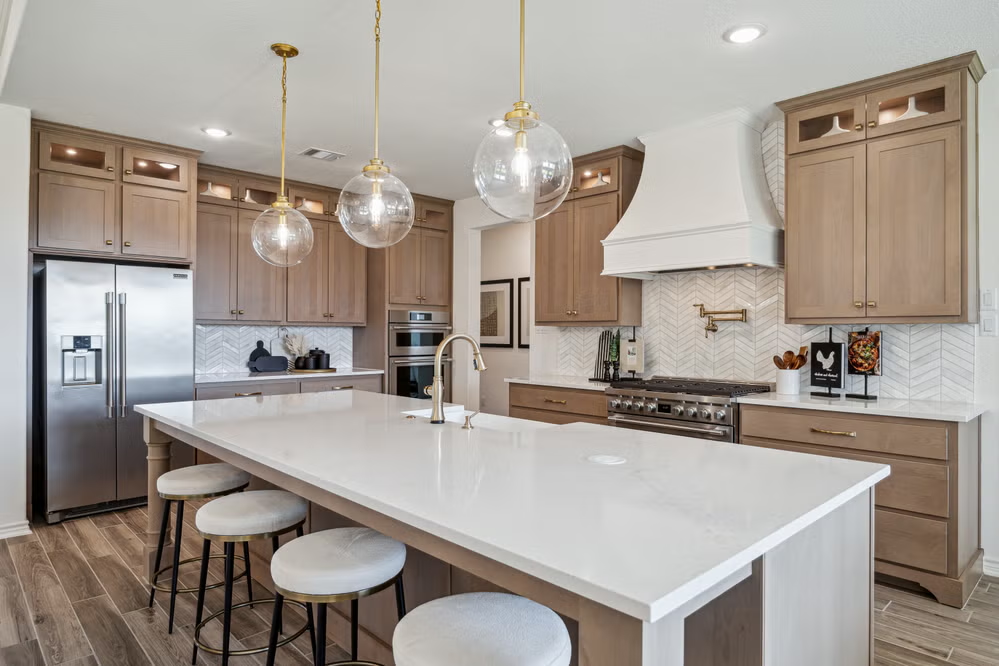
Remodeling Homes in Tarrant County, TX
At Fin Home, we believe every remodel should honor the way you live. By combining durable materials, expert craftsmanship, and a clear, collaborative process, we transform existing spaces into ones that feel fresh, functional, and inspiring for years to come.
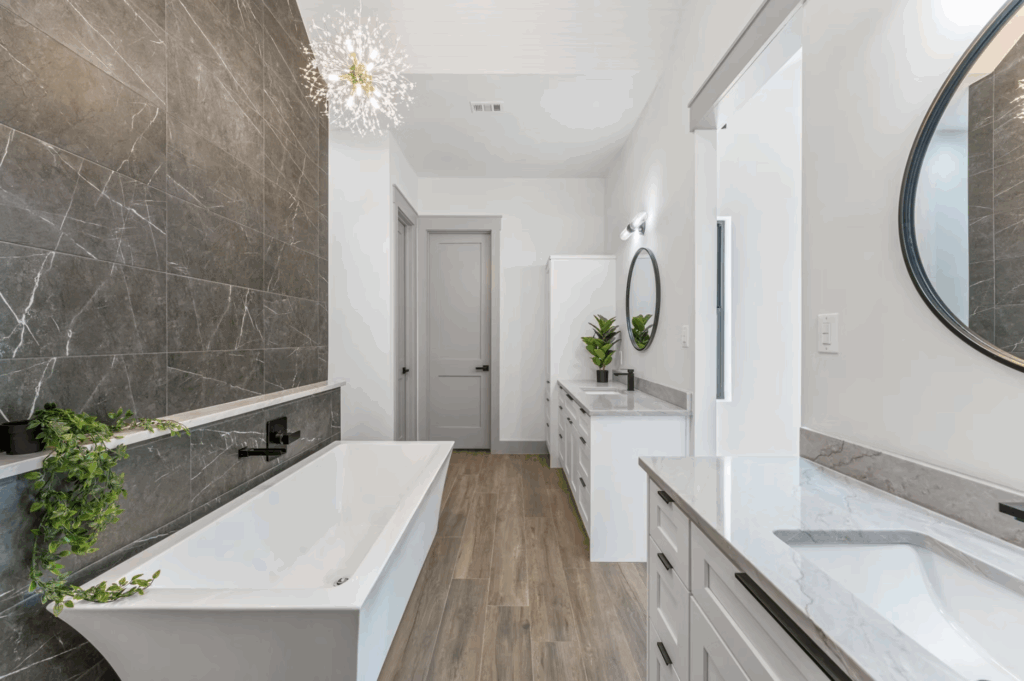
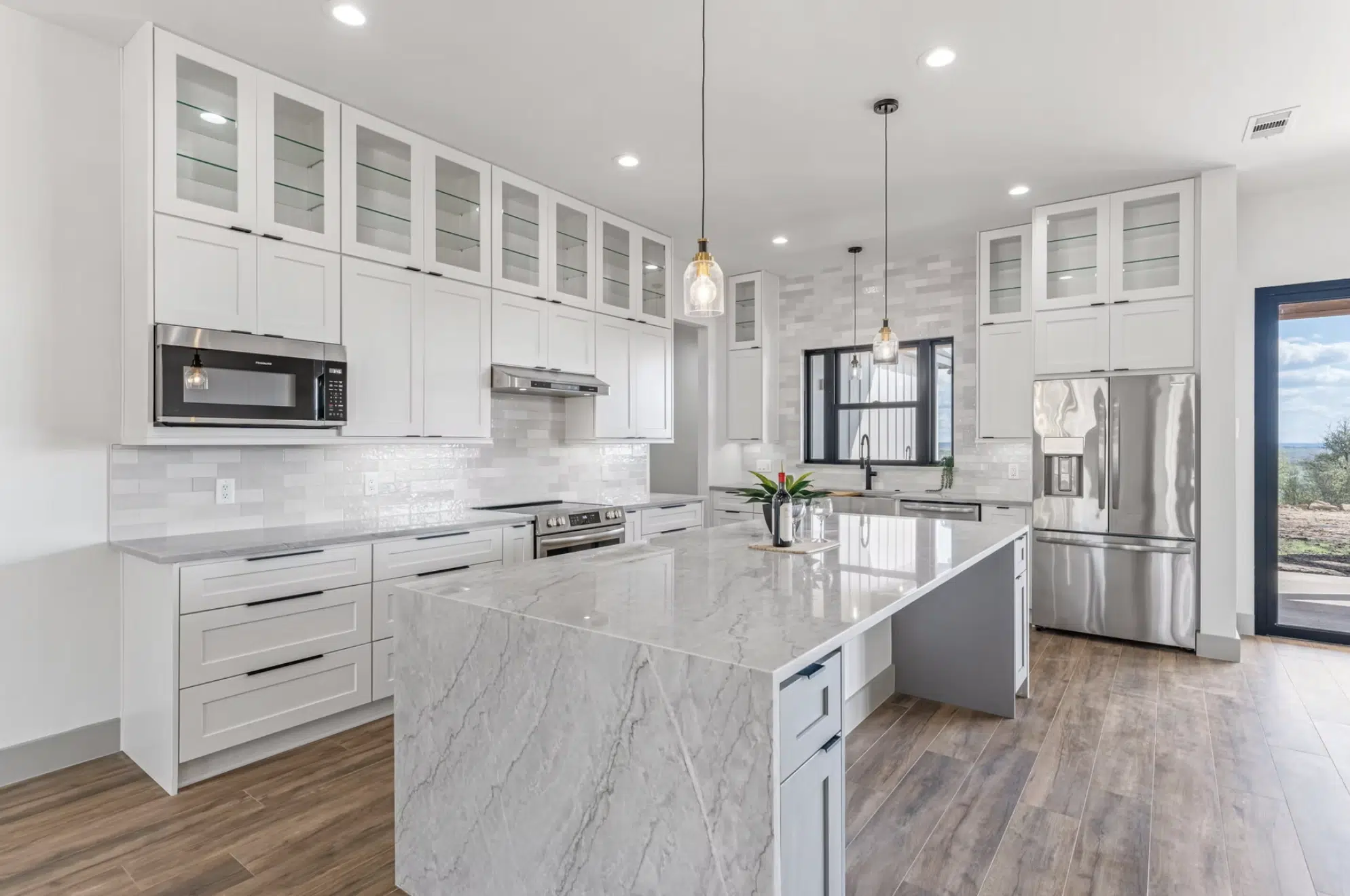
Why Remodel Your Home in Tarrant County
Doing home remodeling in Tarrant County is worth it because Tarrant County is a broad county spanning urban neighborhoods, inner-ring suburbs, and newer fringe development, and many owners can unlock more value by improving the house they already have instead of moving. A broader remodel makes sense when the home has multiple friction points at once and fixing them together creates a more coherent result than isolated updates. In Tarrant County, there is no single Tarrant County housing formula, which is exactly why well-targeted improvements matter here, and the right project is usually the one that fits the specific city and neighborhood, not the county average; that is exactly why the local housing context in Tarrant County QuickFacts matters. When the scope is planned well and checked against requirements like Fort Worth residential permitting, the result is usually a house that lives better, presents better, and fits its submarket more convincingly.
Watch Testimonials →
Gallery
A Few of Our Remodels...
Our Remodeling Philosophy
How We Remodel In Tarrant County
Craftsmanship That Lasts
Built with premium materials and expert hands, your home is designed to stand strong for generations, blending timeless quality with modern construction standards.
Transparent Process
No surprises, no hidden steps. We keep you informed at every stage so you always know what’s happening and what comes next in your build.
Personalized To You
Every detail reflects your lifestyle. From layout to finishes, we tailor your home to match the way you live, not the other way around.
How Much Does It Cost to Remodel a Home in Tarrant County?
Get a detailed breakdown of home remodeling costs in Tarrant County and across the Dallas-Forth Worth Metroplex, including price per square foot, labor vs materials, and real budget ranges for 2026. Browse online or download the full guide.

FAQs about Tarrant County
How does the age, layout, and price range of homes in Tarrant County affect the way a home remodel is approached?
What tradeoffs do homeowners in Tarrant County usually face when planning a home remodel?
How do homeowner goals, home style, and neighborhood expectations in Tarrant County influence the best approach to home remodeling?
What are the biggest decision points homeowners in Tarrant County face when planning a home remodel?
How do the homes in Tarrant County influence what a successful home remodel project should include?
General FAQs
Do you remodel homes in Tarrant County, TX?
Absolutely. If you’re interested in remodeling your home, feel free to speak with one of our consultants. We’re happy to help you explore your remodeling options.
How long does a home remodel take in Tarrant County?
Most remodels take several weeks to a few months, depending on the scope of work, existing conditions, and material selections. We guide you through every phase with clear timelines, upfront expectations, and consistent communication.
How much does a remodel usually cost?
Every project is different depending on scope, materials, and finishes. To help you plan, we created a detailed DFW Home Remodeling Cost Guide with typical price ranges and what factors drive costs up or down.
Do you offer a warranty on your work?
Yes. Every Fin Home Custom Contracting project comes with a comprehensive warranty: 1 year on all work, 2 years on major systems, and 10 years on structural components. We also remain available after move-in to answer questions and provide support, so you can feel confident in your investment. Check out our financing page for more details.
What types of remodels do you handle?
We take on full home renovations, kitchen and bathroom remodels, additions, and outdoor living projects. Whether it’s one room or the entire home, we approach every remodel with the same care and craftsmanship.