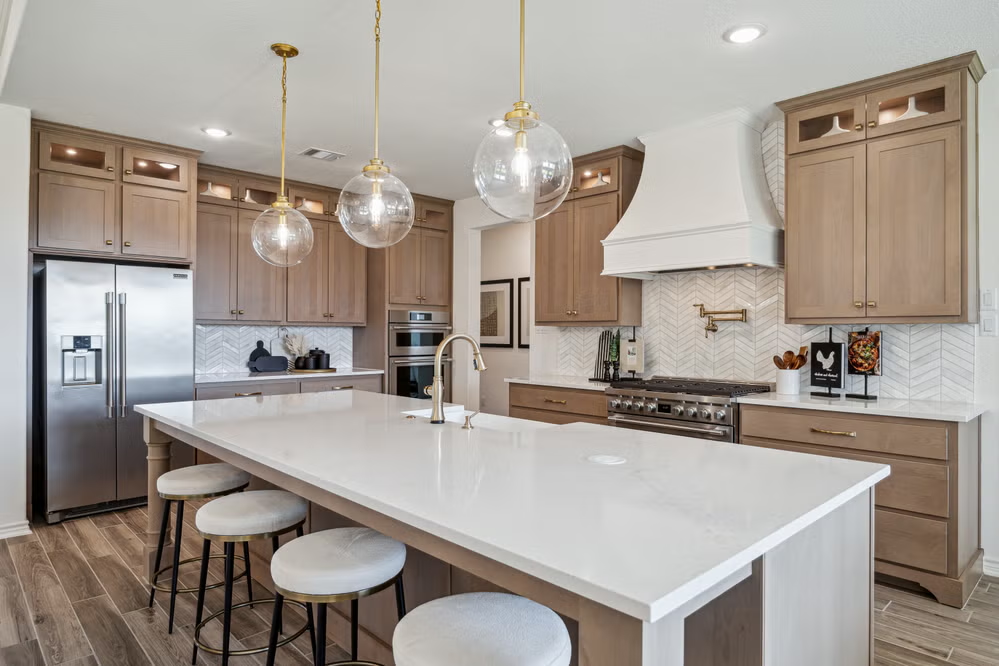
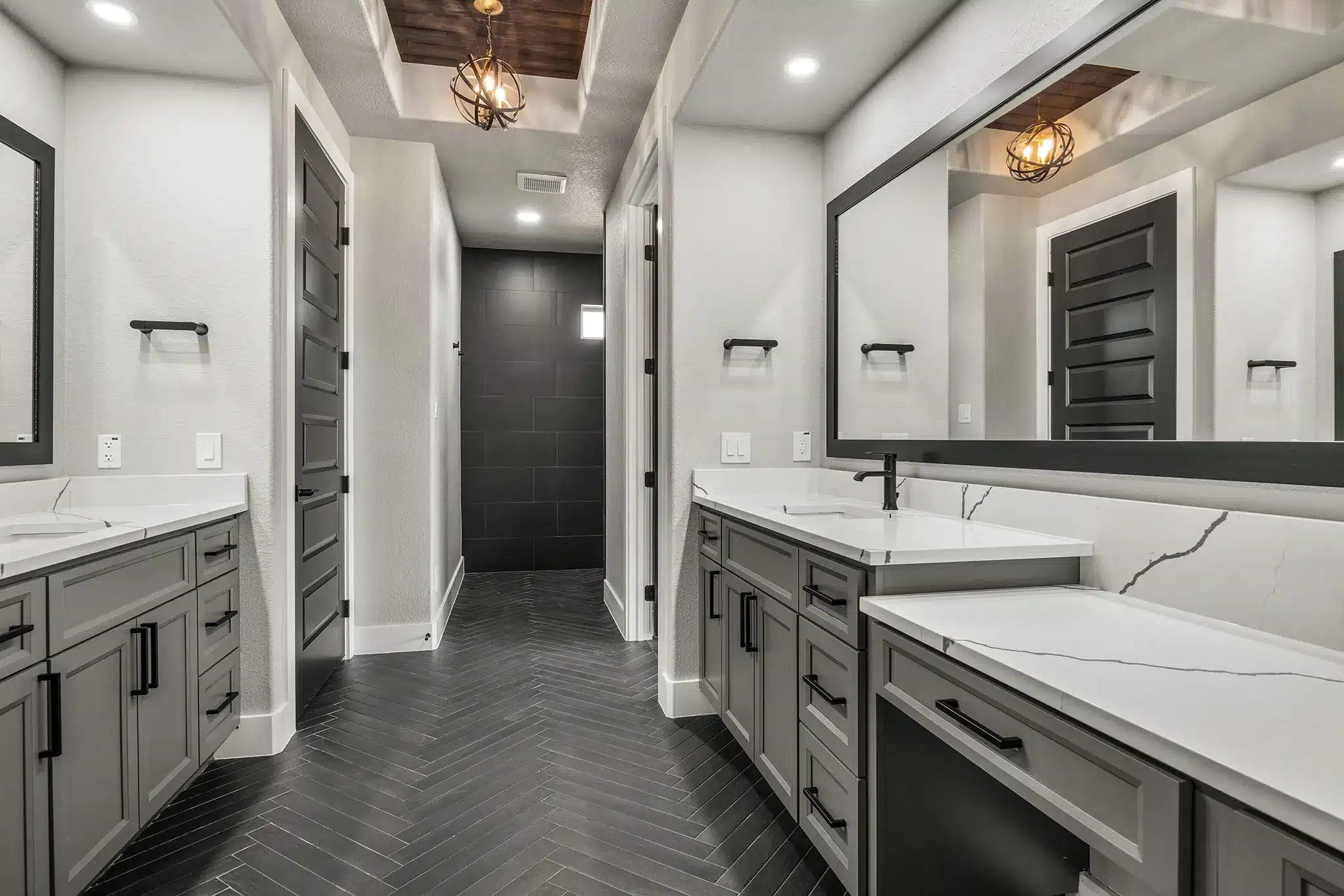
Cost to Remodel Your Home in Tarrant County (2026 Guide)
Home remodeling in Tarrant County can be as modest as a $25,000 cosmetic refresh or as substantial as a $250,000+ full-home transformation. Most homeowners planning a whole-house remodel in 2026 should think in terms of planning ranges rather than fixed prices, because age of the home, structural surprises, finish selection, and city-specific permitting can push totals up or down quickly.
At a high level, many remodels land somewhere between $20 and $200+ per square foot, with the low end covering lighter updates and the high end covering major layout changes, custom finishes, and mechanical upgrades. For a 2,000-square-foot home, that can mean anything from roughly $40,000 on the low side to $400,000+ for a premium, highly customized project.
Here is a simple planning table for common remodel scope levels:
| Project Scope | Typical Planning Range | Approx. Cost Per Sq. Ft. | What It Usually Covers |
|---|---|---|---|
| Cosmetic refresh | $20,000–$60,000 | $20–$50 | Paint, flooring, trim, lighting, surface updates |
| Midrange remodel | $60,000–$150,000 | $50–$120 | Kitchen/bath updates, layout adjustments, select system work |
| Major whole-home remodel | $150,000–$350,000+ | $120–$200+ | Structural changes, multiple rooms, full mechanical and finish upgrades |
If you want a broader context for how Tarrant County fits into the metro market, our DFW remodeling cost guide provides the regional baseline, while this article focuses on the county-level details that change the final number. For homeowners who already know they want contractor support, the right Tarrant County home remodeler can help translate a general budget into a realistic scope.

Why Building in Tarrant County Is Different
Tarrant County is not one uniform remodeling market. It includes older Fort Worth neighborhoods, dense inner-ring suburbs, and newer suburban homes, and those housing types behave very differently once walls are opened. An older house may need electrical panel work, new insulation, plumbing corrections, or framing repair that does not show up until demolition starts. A newer home may have cleaner systems but cost more to upgrade because homeowners often expect higher-end finishes and more complex design details.
Permitting and inspections also vary by city. Fort Worth, Arlington, and smaller municipalities each manage plan review, permit issuance, and inspection scheduling on their own timelines. That means two similar projects can have different start dates, different wait times, and different carrying costs depending on where the home sits.
Weather matters too. North Texas heat can make exterior-adjacent, roofing-adjacent, or envelope work more schedule-sensitive, and storm-related repairs can create follow-on scope that affects a remodel budget. That local mix of aging homes, newer subdivisions, and city-by-city review is why early budgeting in Tarrant County needs a wider contingency than many homeowners expect. For comparison, readers in nearby markets often see different permitting and condition risks in Dallas County and Parker County.

Typical Project Cost Ranges
A good way to budget a remodel is to think in scope bands rather than in one total number. The same house can cost dramatically different amounts depending on whether the job is cosmetic, midrange, or a full gut renovation.
Cosmetic remodels: $20,000–$60,000
These projects usually focus on visual and functional improvements without major structural changes. Common examples include:
- Interior repainting throughout the home
- New flooring in selected rooms
- Light fixture and trim upgrades
- Cabinet refacing or hardware replacement
- Minor bathroom refreshes
- Basic countertop replacement
For a smaller home or a focused area, costs may stay near the low end of this range. Once you expand into multiple rooms, upgrade finishes, or add electrical and drywall corrections, totals can move quickly toward $50,000 or more.
Midrange remodels: $60,000–$150,000
This is where many Tarrant County homeowners land when they want noticeable transformation without a complete tear-out. Typical scope might include:
- A kitchen remodel with semi-custom cabinets and new countertops
- One or two bathroom remodels
- New flooring across the main living areas
- Updated lighting and electrical changes
- Some drywall, framing, or layout adjustments
- Partial plumbing or HVAC improvements
A midrange whole-home remodel often starts to reveal hidden issues in older homes, especially in older Fort Worth neighborhoods where electrical, plumbing, or insulation work may be needed to bring the home up to current expectations.
Major whole-home remodels: $150,000–$350,000+
When a project involves moving walls, reworking the layout, replacing major systems, or upgrading nearly every finish, the budget can move well into six figures. This tier often includes:
- Structural changes
- Full kitchen and bath rebuilds
- New flooring throughout
- New HVAC, plumbing, or electrical components
- Window and door replacement
- Significant custom millwork or built-ins
If the project includes a roof-adjacent repair, envelope work, or storm-damage follow-up, contingency needs may be even higher. Major remodels are also more sensitive to design revisions and material lead times, which can shift the final number by tens of thousands of dollars.

Cost Per Square Foot and What It Includes
Square-foot pricing can help homeowners compare project scales, but it should never be treated as a fixed bid. In Tarrant County, a remodel might land anywhere from about $20 per square foot for a light refresh to $200+ per square foot for a deep, high-end renovation.
What drives the difference?
Lower end: about $20–$50 per square foot
This range usually reflects projects with limited structural work and modest finish choices. It might include:
- Paint
- LVP or basic hardwood-style flooring
- Standard lighting
- Simple trim work
- Surface-level updates to kitchens or baths
At this level, the work is often mostly cosmetic, and labor is concentrated in fewer trades.
Midrange: about $50–$120 per square foot
This is the zone where many interior remodels spend most of their budget. It often includes:
- Better cabinet and countertop selections
- Tile work
- Plumbing fixture upgrades
- Some electrical reconfiguration
- Select wall removal or opening up spaces
- Improved insulation or drywall repair
This cost band reflects more coordination between trades and more finish detail. It also begins to absorb planning time, site protection, cleanup, and schedule management.
Higher end: about $120–$200+ per square foot
Once the remodel becomes highly customized or structurally complex, square-foot pricing rises quickly. This range may include:
- Layout redesign
- Custom cabinetry
- Premium stone and tile
- Recessed or specialty lighting
- Structural engineering
- Mechanical relocations
- Higher-grade millwork and finish carpentry
It is common for homeowners to underestimate how much “non-visible” work is included in this price. The wall finishes are only one part of the total; labor, sequencing, and correction work often take a large share of the budget.
If you are comparing a remodel to starting fresh, a useful next read is this guide to building a house in Tarrant County, which helps frame where renovation costs may approach new-construction levels.

Main Factors That Change Total Price
The biggest remodeling cost swings in Tarrant County usually come from a handful of predictable variables. Understanding them early can prevent surprises later.
1. Age and condition of the home
Older homes often require more behind-the-walls correction. In older Fort Worth and inner-ring neighborhoods, hidden scope can include:
- Rewiring or panel upgrades
- Plumbing line replacement
- Uneven framing or settling repairs
- Insulation improvements
- Drywall, plaster, or subfloor repair
Even if the visible remodel is simple, the underlying condition can add $10,000, $25,000, or more to the total.
2. Layout changes
Keeping the existing floor plan is generally cheaper than moving walls, doors, or utility locations. Once you start relocating a kitchen sink, moving a bathroom, or opening load-bearing walls, the job may require engineering, rerouted mechanicals, and more inspection steps.
A simple finish-only update may stay near the low end of the budget band, while a layout redesign can add $15,000 to $50,000 or more.
3. Finish level
Cabinetry, tile, countertops, fixtures, and flooring can move the budget quickly. For example:
- Standard laminate or entry-level stone is usually much less expensive than premium quartzite or custom stone fabrication
- Stock cabinets cost less than semi-custom or custom cabinets
- Basic tile installs cost less than intricate patterns, large-format tile, or specialty trim details
A finish upgrade across a whole home can shift the total by 20% to 40% even if the footprint stays the same.
4. Permit and inspection complexity
Because Tarrant County cities handle permitting individually, some projects move smoothly while others need multiple review cycles. A project with straightforward finish work may need limited permitting, while one that involves structural changes, electrical reconfiguration, or plumbing relocation can take longer to approve and inspect.
Delays do not just affect the calendar. They also affect labor scheduling, temporary housing costs, and material holding costs.
5. Access and site constraints
Tight lots, limited staging space, parking restrictions, and older home layouts all influence labor productivity. A crew that can move materials directly into a newer suburban home may work faster than one dealing with narrow access or an occupied house with limited storage.
That difference can show up as longer timelines, more labor hours, and higher overhead.

Labor, Materials, and Trade-Level Costs
Labor is typically the largest share of a remodeling budget, and that is especially true when a project involves multiple trades. A whole-home remodel may require carpenters, electricians, plumbers, HVAC technicians, drywall crews, tile setters, painters, and finish carpenters all working in sequence.
In Tarrant County, a licensed electrician may run about $90 to $150 per hour, while plumbing labor often lands around $95 to $175 per hour depending on the repair or fixture move. Finish carpentry commonly ranges from about $75 to $140 per hour, and drywall or painting crews may be billed by the job or at effective rates that work out to roughly $50 to $90 per hour per worker. On a typical kitchen or bath update, electrical and plumbing rough-ins alone can add $5,000 to $20,000 before finishes are installed.
Typical trade cost pressure points
- Electrical: Panel upgrades, new circuits, recessed lighting, and code-related corrections can add several thousand dollars quickly.
- Plumbing: Moving fixtures, repiping, valve replacements, and drain work can be expensive, especially in older homes.
- Drywall and framing: Opened walls often reveal repairs that were not in the original plan.
- Tile: Labor-intensive tile patterns, shower builds, and backsplash details drive both time and cost.
- Finish carpentry: Trim, built-ins, and custom details can raise labor and material totals at the same time.
Materials versus labor
In a straightforward remodel, materials may account for a substantial share of the visible budget, but labor remains the biggest driver in many projects because skilled coordination is difficult to compress. Even when material selections are modest, the labor needed to tear out, protect occupied spaces, prep surfaces, and sequence the trades can be significant.
A practical way to think about it is this: choosing midrange materials may keep the project manageable, while upgrading every finish choice can make the labor and installation side more expensive too. For example, custom cabinets require more measurement, coordination, and installation time than stock options, and large-format tile often demands more careful subfloor prep and layout planning.
That coordination challenge is a normal part of remodeling, and it is one reason experienced remodelers matter. Trade coordination is also a major theme for organizations like NAHB Remodelers, which highlights how many moving parts are involved in residential renovation work.

Permit, Design, and Planning Costs
A remodel budget should include more than demolition and finish installation. Soft costs often decide whether the project feels controlled or chaotic.
Design and preconstruction
Design work may include:
- Measurements and site verification
- Concept drawings
- Cabinet and layout planning
- Finish selection
- Structural or engineering input
- Scope clarification before pricing
For a basic remodel, design and planning may stay relatively modest. For a whole-home renovation, especially one involving layout changes, design can become a meaningful budget line. In Tarrant County, homeowners commonly see planning and design fees of about $2,000 to $8,000 for smaller remodels and $8,000 to $20,000+ for larger projects that require layout revisions, drawings, and coordination with multiple trades.
Permitting and reviews
Because city-by-city review is the norm in Tarrant County, permit costs and timing vary. A project in Fort Worth may have a different sequence than one in Arlington or a smaller nearby city. The permit itself is only part of the cost; the bigger issue is time. Plan review, permit fees, and inspection-related charges can easily total $500 to $3,500 for a straightforward interior remodel, while projects with structural, electrical, or plumbing changes may run $3,500 to $10,000+ once engineering and reinspection fees are included. Every review cycle can affect start dates, subcontractor availability, and carrying costs.
The City of Fort Worth’s development services process is a good example of how local review and inspection systems shape remodeling work, as reflected by Fort Worth Development Services.
Planning allowances
A realistic budget should include at least:
- Permit fees and city charges
- Design or drafting costs
- Engineering, if needed
- Material takeoff and selection time
- Temporary protection and site setup
- Demo disposal and hauling
If you are working in an older home, planning for correction work is just as important as planning for the visible finish package.
Timeline and Process Expectations
Most homeowners want to know not only how much a remodel will cost, but also how long it will disrupt daily life. In Tarrant County, timeline expectations depend heavily on the size of the project and the local permit path.
Typical timing by project size
- Small cosmetic remodels: often a few weeks
- Midrange room or partial whole-home projects: often 6 to 12 weeks
- Major whole-home remodels: often several months
Before construction begins, design and permitting can take several weeks on their own. That means a project that appears to be a 10-week remodel may actually require 12 to 16 weeks from first planning meeting to completion.
Common phases
- Initial planning and scope definition
- Design and selections
- Permit submission and review
- Demolition
- Rough mechanical and structural work
- Inspections
- Drywall, trim, flooring, and finish installation
- Punch list and closeout
Where schedules slip
Most schedule delays come from one of three places:
- Hidden conditions after demolition
- Change orders from design revisions
- Material delays, especially specialty finishes
Weather can also influence exterior-adjacent work. North Texas heat and storm-related repairs can push outdoor work around more than homeowners expect. If the remodel touches rooflines, windows, siding, or moisture-prone areas, schedule risk increases.
A well-run schedule should include both inspection windows and material lead times. It should also account for the fact that design and permitting can take several weeks before construction even starts, a pattern commonly noted in broader remodeling planning guidance such as Houzz remodeling cost guidance.

How to Budget the Project Realistically
The safest remodel budget is not the lowest one. It is the one that can absorb the usual surprises without derailing the project.
Build in contingency
A contingency allowance of 10% to 20% is commonly used for remodels, and older homes often justify the higher end of that range. If your planned budget is $100,000, a realistic total may be closer to $110,000 to $120,000 once hidden repairs and small scope changes appear.
For older Tarrant County homes, especially those with outdated wiring, plumbing, or insulation, a larger contingency is wise.
Separate must-haves from wish list items
A good budgeting strategy is to divide the scope into three buckets:
- Must-haves: structural corrections, safety fixes, required mechanical updates
- Should-haves: the core design and function goals
- Nice-to-haves: premium finishes, upgraded extras, aesthetic additions
This approach helps keep the project moving even if the hidden conditions consume part of the contingency.
Use allowances carefully
Allowance items are useful when final selections are not locked in, but they can hide true pricing if they are set too low. Cabinets, tile, plumbing fixtures, appliances, and lighting often need realistic allowances, not placeholder numbers that will later be replaced by change orders.
Think in phases if needed
If the entire remodel is too large to handle at once, sequencing can preserve cash flow. Many homeowners choose to complete the kitchen first, then bathrooms, then flooring or primary bedroom areas later. That can reduce disruption and make financing easier.
Consider financing and carrying costs
A remodel financed over time should account for interest, temporary living costs if you move out, and the possibility of longer-than-expected construction. Even a well-planned project can stretch if inspections, hidden conditions, or material availability change the schedule.
If you are comparing options across counties or deciding where to start, it can help to review sibling market guides like Dallas County and Parker County to see how remodeling budgets shift across nearby areas.

When to Choose a Home Remodeling Project in Tarrant County
A remodel makes the most sense when the home has good bones, the location works for your life, and the upgrade will solve a real problem rather than just create a new one. In Tarrant County, that often means choosing remodeling when:
- You like your neighborhood but the interior no longer fits your needs
- The home has older finishes but strong structure
- You want to improve function without the cost of moving
- The property has equity that can support renovation
- The floor plan can be improved without major expansion
Remodeling is also a smart choice when you want to preserve the character of an older Fort Worth or inner-ring home while updating the systems and surfaces that make it comfortable to live in today. On the other hand, if the house needs major structural correction, extensive foundation work, or a near-total replacement of systems, the budget may begin to resemble the cost of rebuilding or starting over.
For homeowners who are still deciding between renovating and new construction, a side-by-side review with building costs in Tarrant County can clarify where the value really sits.

Final Thoughts on Home Remodeling in Tarrant County
Home remodeling in Tarrant County is highly achievable, but the budget should reflect local realities. Older housing stock, city-specific permits, varied neighborhood conditions, and North Texas weather all influence the final cost. A simple cosmetic refresh may stay in the low five figures, a midrange remodel often falls in the middle five figures to low six figures, and a major whole-home project can reach well beyond that.
The best way to protect your budget is to start with a realistic scope, include a 10% to 20% contingency, and plan for the city, schedule, and hidden-condition variables that come with real houses. If you are ready to turn a rough estimate into a concrete plan, a qualified local team can help you define scope, set allowances, and build a sequence that fits your home and your timeline.
If you are considering a remodel in Tarrant County, the next step is usually a detailed conversation about your home, your goals, and the trade-offs that matter most.
For broader DFW pricing context, see the full DFW cost guide.
For service details specific to Fin Home, review our Tarrant County Home Remodeling page.
For added local reference, review U.S. Census Bureau QuickFacts: Tarrant County, Texas for Support county population, housing stock, and market scale context.