How Much Does a Bathroom Remodel Cost in Richardson? (2026 Guide)
A bathroom remodel in Richardson usually costs about $12,000 to $30,000 for a basic-to-midrange update, $30,000 to $55,000 for a more complete remodel, and $55,000+ for a high-end custom bathroom. The final number depends heavily on whether you are keeping the existing layout or changing plumbing, electrical, tile, lighting, or the shower footprint.
For many Richardson homes, the biggest cost swing is not the room size itself. It is whether the project stays cosmetic or turns into a full gut-and-rebuild with code-sensitive trade work. If you want a broader regional cost baseline, you can compare these numbers with the DFW bathroom cost guide and then narrow the estimate to your home’s age, layout, and finish level.
| Project type | Typical Richardson cost range | What is usually included |
|---|---|---|
| Cosmetic refresh | $8,000–$18,000 | New vanity, top, faucet, toilet, paint, basic lighting, limited tile work |
| Midrange full remodel | $18,000–$40,000 | New shower or tub surround, upgraded tile, fixtures, lighting, trim, moderate plumbing changes |
| High-end custom remodel | $40,000–$75,000+ | Custom tile, frameless glass, layout changes, premium finishes, designer selections, multiple trade changes |
A useful rule of thumb in Richardson is that small bathrooms can still become expensive if they need plumbing relocation, subfloor repair, or electrical upgrades. A simple cosmetic change may land below $15,000, while a full primary-bath transformation often moves into the $25,000 to $45,000 range once labor, tile, and code-related work are included.

Why Building in Richardson Is Different
Richardson is an established suburb, so many bathroom projects happen in older homes rather than brand-new construction. That matters because older walls often hide plumbing surprises, outdated wiring, nonstandard framing, or water damage around tubs and showers. A bathroom that looks straightforward on day one can need extra demo, repair, and inspection coordination once the walls open up.
The other local difference is permitting. Once a project moves fixtures, adds circuits, changes the shower layout, or affects structural elements, the job becomes more than a cosmetic refresh. Richardson’s permit and inspection process can add time and administrative cost, especially when plumbing and electrical work must be sequenced carefully. City permit and inspection guidance makes clear that this is part of the planning process for more involved remodels, not an afterthought. For projects with plumbing changes, the city’s plumbing permit rules matter early in the estimate, and any work involving wiring or new circuits should be performed by appropriately licensed trades under Texas rules.
That is why Richardson pricing usually comes down to scope more than square footage. A smaller bathroom with wall moves, new circuits, and tile replacement can cost more than a larger room that keeps everything in place. If you are trying to understand where the quote is coming from, a conversation with a local remodeler like a Richardson bathroom remodeling contractor is often the fastest way to separate cosmetic costs from structural or trade-driven costs.

Typical Project Cost Ranges
Most Richardson bathroom remodels fit into one of three practical ranges. These are not hard caps, but they are useful for budgeting before design is finalized.
1. Cosmetic refresh: $8,000 to $18,000
This is the lightest scope and usually focuses on visual updates instead of structural change. Common items include:
- New vanity and countertop
- Updated sink and faucet
- New toilet
- Fresh paint and trim touch-ups
- Basic lighting replacement
- Limited drywall repair
- Minor tile patching or a new backsplash area
A cosmetic refresh is most likely to stay on budget when the shower or tub stays in place and the plumbing rough-in remains untouched. Labor and demolition costs are lower, inspections are usually minimal, and the project may move faster. In many cases, homeowners use this range to modernize a hall bath or guest bath without fully rebuilding the room.
2. Midrange full remodel: $18,000 to $40,000
This is the most common category for a primary bathroom or a heavily used family bath. The room may get a new shower surround or tub, new tile, upgraded lighting, a better vanity, and more durable finishes. A midrange project often includes at least some plumbing or electrical work, even if the layout stays mostly the same.
Typical midrange work includes:
- Replacing the tub with a new tub/shower combination or walk-in shower
- Tile on floors and shower walls
- New vanity, mirrors, and accessories
- Improved ventilation
- Recessed lighting or updated sconces
- Reworked plumbing for new fixtures
- Possible subfloor repair in older homes
In Richardson, this range is where old-home conditions begin to matter more. If demo reveals water damage, corrosion, or undersized electrical service, the project can push above the planned budget quickly.
3. High-end custom remodel: $40,000 to $75,000+
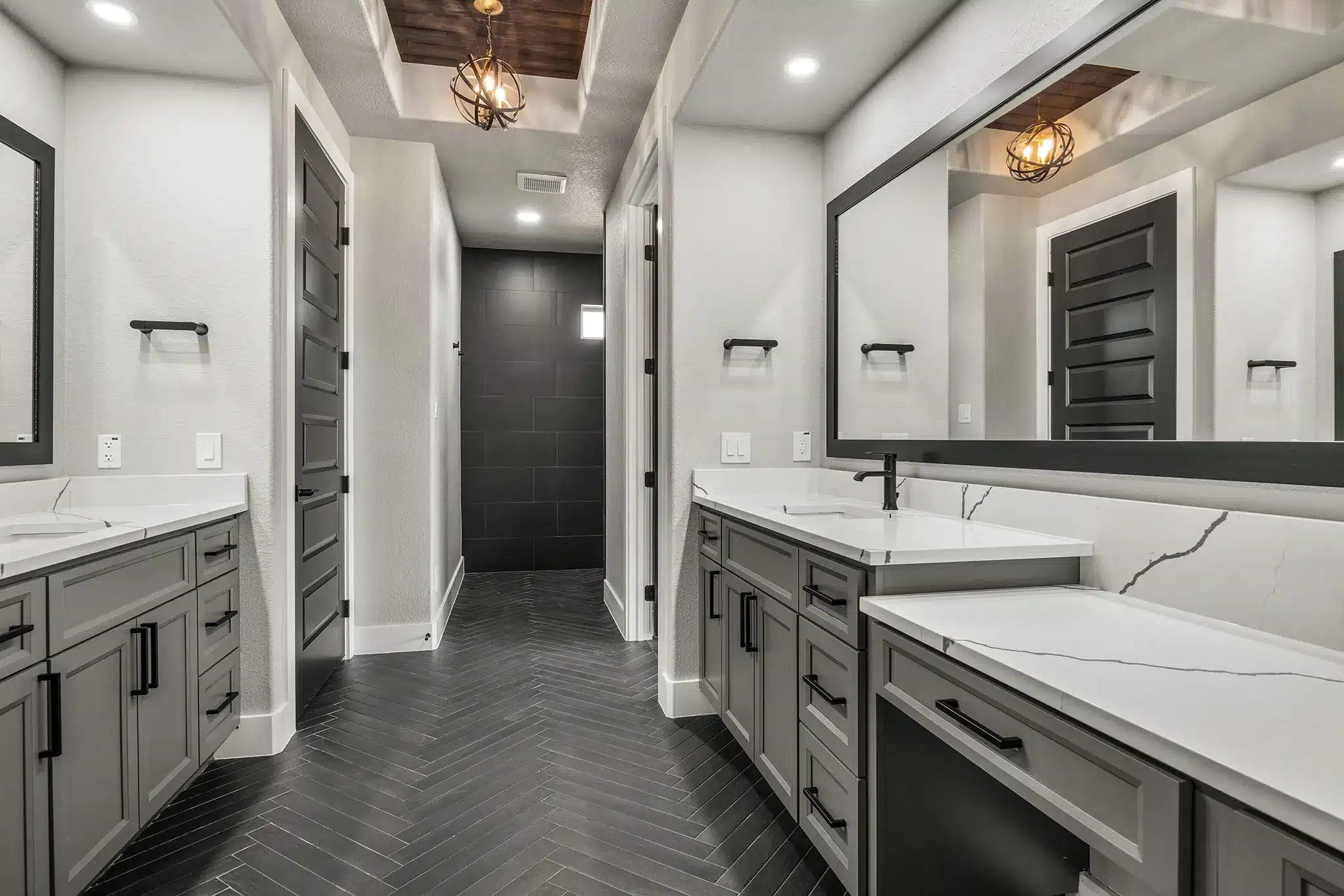
High-end bathrooms involve premium finishes, more customization, and often more complex construction. The design may include a larger shower, custom tile patterns, a freestanding tub, heated floors, upgraded lighting scenes, and custom cabinetry or built-ins. Layout changes are also more common in this range.
Costs rise because of:
- Custom tile labor
- Framed or frameless glass shower systems
- Designer fixtures
- Multiple plumbing moves
- Dedicated electrical upgrades
- Specialty waterproofing systems
- Longer design and selection time
For luxury projects, Richardson homeowners often want the bathroom to function like a spa while still fitting the house’s age and footprint. That means the renovation becomes a blend of design, code compliance, and trade coordination rather than a simple refresh.
Cost Per Square Foot and What It Includes
Bathroom remodels are often discussed in terms of cost per square foot, but that metric can be misleading if you do not know what is included. In Richardson, a rough planning range is often $300 to $600 per square foot for midrange work and $600 to $1,000+ per square foot for high-end custom work. Smaller rooms can land above those ranges on a per-square-foot basis because plumbing, shower waterproofing, and finish labor do not shrink proportionally with the room size.
For example:
- A 35-square-foot hall bath at $18,000 works out to about $514 per square foot.
- A 60-square-foot primary bath at $30,000 works out to about $500 per square foot.
- A luxury 80-square-foot bath at $70,000 works out to $875 per square foot.
That does not mean the larger bath is always more expensive per square foot because of size alone. It usually reflects the kind of work included. A room with a new custom shower, upgraded fixtures, heated floor, and premium tile needs more labor hours and higher material allowances.
When a contractor prices a bathroom by square foot, the estimate should still be broken into categories such as:
- Demolition
- Framing or carpentry
- Plumbing
- Electrical
- Drywall and paint
- Tile and waterproofing
- Cabinetry and countertops
- Fixtures and accessories
- Glass and specialty finishes
This matters because a square-foot number without scope detail can hide major differences. Two bathrooms of identical size can land $20,000 apart if one keeps the layout and the other moves the shower, toilet, and vanity.
If you are comparing a bathroom estimate to a larger home update, it can help to read the broader Richardson remodeling cost guide as well. Bathroom pricing often follows the same logic as other renovation work: the more the project touches structure, utilities, and finish quality, the more expensive it becomes.

Main Factors That Change Total Price
The total cost of a bathroom remodel in Richardson is driven by several variables that matter more than size alone.
Age and condition of the home
Older Richardson homes may have original plumbing, prior repairs hidden behind tile, or subfloors that have seen water exposure over time. Once the walls or floors open up, repairs can add hundreds or thousands of dollars. A small hidden leak might turn into new framing, insulation, or subfloor replacement.
Layout changes
Keeping the toilet, shower, and vanity in place is one of the easiest ways to control cost. Moving any fixture can require new supply lines, drain changes, venting adjustments, patching, and additional inspection steps. A simple layout change can add $2,000 to $8,000 or more depending on complexity.
Finish level
A basic laminate vanity and standard ceramic tile are much cheaper than custom cabinetry, stone countertops, porcelain slabs, or specialty hardware. Finish choices can easily change the total by $5,000 to $20,000.
Shower and waterproofing scope
The shower is one of the most expensive parts of the bathroom because it combines labor, waterproofing, tile, glass, and plumbing. A prefabricated shower base is far less expensive than a fully custom walk-in shower with niche shelving, bench seating, multiple shower heads, and frameless glass.
Electrical changes
If the remodel adds recessed lighting, heated floors, new outlets, a better exhaust fan, or dedicated circuits, cost rises. Electrical work in Texas must be handled through the right licensing and code framework, which is why lighting and circuit changes should be built into the schedule and budget early.
Plumbing changes
Plumbing is often one of the biggest hidden cost drivers. Replacing fixtures in place is one thing; moving them is another. New valves, drains, venting, or upgraded supply lines can materially affect both price and duration.
Permitting and inspection needs
The more the project changes plumbing, electrical, or structure, the more likely it is to require permit coordination. In Richardson, that can affect the project calendar even if the finish selections are already made. You are not just paying for materials—you are paying for coordination, verification, and rework protection.

Labor, Materials, and Trade-Level Costs
Bathroom remodel pricing is usually built from three big buckets: labor, materials, and trade work. In most Richardson projects, labor and trades account for a substantial share of the budget because bathrooms are compact spaces with a lot of coordination packed into a small footprint.
Labor
Labor often includes demolition, carpentry, drywall, tile installation, trim, paint, and project management. Because bathrooms require precise waterproofing and careful finish work, labor can be expensive relative to the room size. Even a modest bathroom can require multiple skilled workers over several days.
A realistic labor share for many remodels is 35% to 50% of the total project cost, depending on whether the job is cosmetic or full-gut. On a $25,000 project, that could mean roughly $8,750 to $12,500 in labor-related costs before major trade allowances.
Materials
Materials can vary widely:
- Basic vanity and top: $800 to $2,500
- Midrange vanity and top: $2,500 to $5,500
- Premium custom vanity: $5,500 to $12,000+
- Standard toilet: $250 to $600
- Upgrade toilet: $600 to $1,200+
- Tile materials: $3 to $20+ per square foot
- Shower glass: $1,200 to $4,000+
- Fixtures and trim: $1,000 to $5,000+
- Lighting: $300 to $2,500+
Once you move into premium stone, large-format tile, or specialty fixtures, materials can rival labor in cost.
Trade-level allowances
Two trades drive many bathroom budgets more than homeowners expect:
- Plumbing
- Electrical
A simple fixture swap might be modest, but once valves, drains, venting, or circuits change, trade allowances can increase quickly. In older Richardson homes, these allowances should be built with a cushion because hidden conditions are common after demolition. If you are comparing trade-driven bathroom pricing across nearby markets, the cost structure in Allen and Lewisville shows how similar scope can still vary with home age, layout, and inspection needs.
For a fully managed project, it is smart to ask your contractor to separate:
- General labor
- Plumbing allowance
- Electrical allowance
- Tile allowance
- Fixture allowance
- Glass allowance
- Finish allowance
That makes it easier to see where cost overruns are likely before work starts.

Permit, Design, and Planning Costs
Soft costs matter in bathroom remodeling, especially in a city where plumbing and electrical changes may require coordination. In Richardson, permit and inspection timing can affect both the schedule and the budget when the scope includes more than cosmetic replacement.
Permit-related costs
Permit fees are usually not the largest line item, but they are important because they can delay start dates and require plan revisions if the scope changes. You may need permits for:
- Plumbing changes
- Electrical changes
- Structural changes
- Layout modifications
- Certain mechanical or ventilation upgrades
A straightforward cosmetic project may need little or no permit work. A full remodel with moved fixtures, new lights, or wall changes is more likely to require review and inspection steps. The city’s permit and inspection pages, along with plumbing-specific guidance, exist for exactly these kinds of projects.
Design and selection costs
Design fees vary widely. Some homeowners only need basic guidance and finish selection support, while others pay for detailed drawings, material coordination, and layout planning. Typical design/planning ranges might look like this:
- Basic selection support: $500 to $1,500
- More detailed design and layout planning: $1,500 to $4,000
- Full custom design package: $4,000 to $8,000+
These numbers are not mandatory spend, but they help explain why remodel quotes differ even when the visible finishes look similar.
Planning time as a cost factor
Planning does not always show up as a separate invoice, but it affects real project cost. If the layout needs revisions, material lead times extend, or permit approval takes longer than expected, your renovation can require extra site visits, coordination, and storage time. For homeowners living through the remodel, that can also mean a longer period of inconvenience.
A good planning budget recognizes that the cheapest estimate is not always the cheapest finished project if it underestimates design, permitting, or revision time.
Timeline and Process Expectations
A bathroom remodel in Richardson can move quickly on paper and still stretch out in practice because of sequencing. The average timeline depends on scope and whether hidden conditions appear after demolition.
Typical duration ranges
- Cosmetic refresh: 1 to 3 weeks
- Midrange remodel: 3 to 6 weeks
- High-end custom remodel: 6 to 10+ weeks
These ranges assume materials are available and the project does not uncover major repair needs. If the room needs structural, plumbing, or electrical corrections, the schedule can extend.
Phase-by-phase view
1. Preconstruction and selections: 1 to 4 weeks
This stage includes design, measurements, estimates, finish selections, and permit preparation if needed. It is often the most important phase for controlling cost because final material choices lock in a large share of the budget.
2. Demolition: 1 to 3 days
Demo is usually quick, but it is the point when hidden issues become visible. In older Richardson homes, this is where water damage, old wiring, or uneven framing may appear.
3. Rough-in work: 3 to 7 days
Plumbing, electrical, and any framing changes happen here. If the job requires inspections, this phase can pause until approvals are complete.
4. Waterproofing and tile: 4 to 10 days
Tile work takes time because waterproofing systems need proper installation and cure time. This stage can be one of the biggest schedule variables in the entire project.
5. Finish installation: 2 to 5 days
Cabinets, countertops, fixtures, mirrors, glass, and accessories go in near the end. If a specialty item is delayed, the whole final finish sequence can slide.
Schedule risk factors
The biggest delays usually come from:
- Hidden plumbing damage
- Subfloor replacement
- Permit or inspection timing
- Special-order tile or glass
- Late design changes
- Availability of licensed trades
If your remodel is tied to a deadline, such as a move-in date or guest arrival, build in extra cushion. Bathrooms almost always run smoother when the plan includes buffer time.

How to Budget the Project Realistically
The best bathroom budget is the one that expects a few surprises and still protects the finish quality you care about.
Start with the right contingency
For older Richardson bathrooms, a 10% to 20% contingency is a sensible planning reserve. That means:
- On a $15,000 budget, set aside $1,500 to $3,000
- On a $30,000 budget, set aside $3,000 to $6,000
- On a $50,000 budget, set aside $5,000 to $10,000
That contingency is especially useful when demolition exposes issues with plumbing, subfloors, mold, or framing.
Separate must-haves from nice-to-haves
A better budget starts with the items that affect function:
- Safe plumbing
- Proper ventilation
- Waterproof shower construction
- Reliable electrical work
- Durable flooring
Then add upgrades such as heated flooring, upgraded lighting, premium tile patterns, or custom cabinetry. If the budget gets tight, you can scale back the extras without sacrificing the essentials.
Use allowances carefully
If a quote includes allowances, make sure they are realistic. Low allowances can make an estimate look affordable even when the finished project will cost more. Ask how much has been allotted for:
- Tile
- Vanity
- Countertop
- Fixtures
- Shower glass
- Lighting
- Hardware
A transparent allowance structure makes it easier to compare bids fairly.
Think about sequencing
If your home may need multiple renovations, sequence them strategically. For example, if a bathroom remodel and kitchen remodel are both planned, you may save money by organizing design and trade scheduling together. In some cases, homeowners also bundle bathroom work with broader updates from home remodeling instead of tackling every room separately. That decision should depend on budget, disruption tolerance, and how much utility work is being touched.
Financing and cash flow
Many homeowners finance all or part of a bathroom remodel because the project can produce a large upfront materials cost, especially for tile, glass, and cabinetry. If you finance, compare the interest cost against the value of getting a safer, more functional bathroom sooner rather than later. The right choice depends on urgency, available cash, and how long you plan to stay in the home.

When to Choose a Bathroom Remodeling Project in Richardson
A bathroom remodel makes the most sense in Richardson when the current room is beginning to create daily friction or maintenance risk. If the shower leaks, the layout feels cramped, the lighting is poor, or the finishes are failing, the remodel is not just aesthetic—it is functional.
You should strongly consider the project if:
- The bathroom has repeated moisture problems
- Fixtures are outdated or inefficient
- The tile, vanity, or floor is beyond repair
- Plumbing updates are overdue
- You want a safer, more accessible layout
- You plan to sell soon and want the home to feel current
It also makes sense if the room is part of a larger plan to update an older home. Bathroom work often pairs well with broader home improvements because the same underlying issues—aging plumbing, electrical updates, and finish replacement—can appear in more than one room. If you are comparing priorities, it may help to look at how a bath remodel fits into larger projects like new-home cost planning or a broader whole-home renovation strategy.
For homeowners who simply want a more comfortable, more attractive daily routine, the question is less “Should I remodel?” and more “What level of remodel fits the home?” That choice determines whether the project should be a cosmetic refresh, a midrange update, or a full custom renovation.

Final Thoughts on Bathroom Remodeling in Richardson
Bathroom remodel costs in Richardson are best understood as a range, not a single number. The room size matters, but the bigger drivers are age, layout changes, plumbing, electrical work, finish level, and how much hidden damage appears once demolition starts. A smaller bathroom can still be expensive if it needs new rough-ins and code-related work, while a larger room can stay relatively affordable if the footprint stays intact.
If you are planning a remodel in 2026, start with a realistic budget range, include a 10% to 20% contingency, and treat permits, design, and trade coordination as part of the real cost of the job. That is the safest way to avoid surprises and end up with a bathroom that feels finished, durable, and appropriate for the home.
For a local scope review, finish plan, and budget conversation, a Richardson homeowner can begin with a bathroom remodeling consultation and then refine the numbers based on the actual room condition. If you want a broader pricing benchmark first, the regional bathroom cost guide is a useful companion before you finalize your project plan.