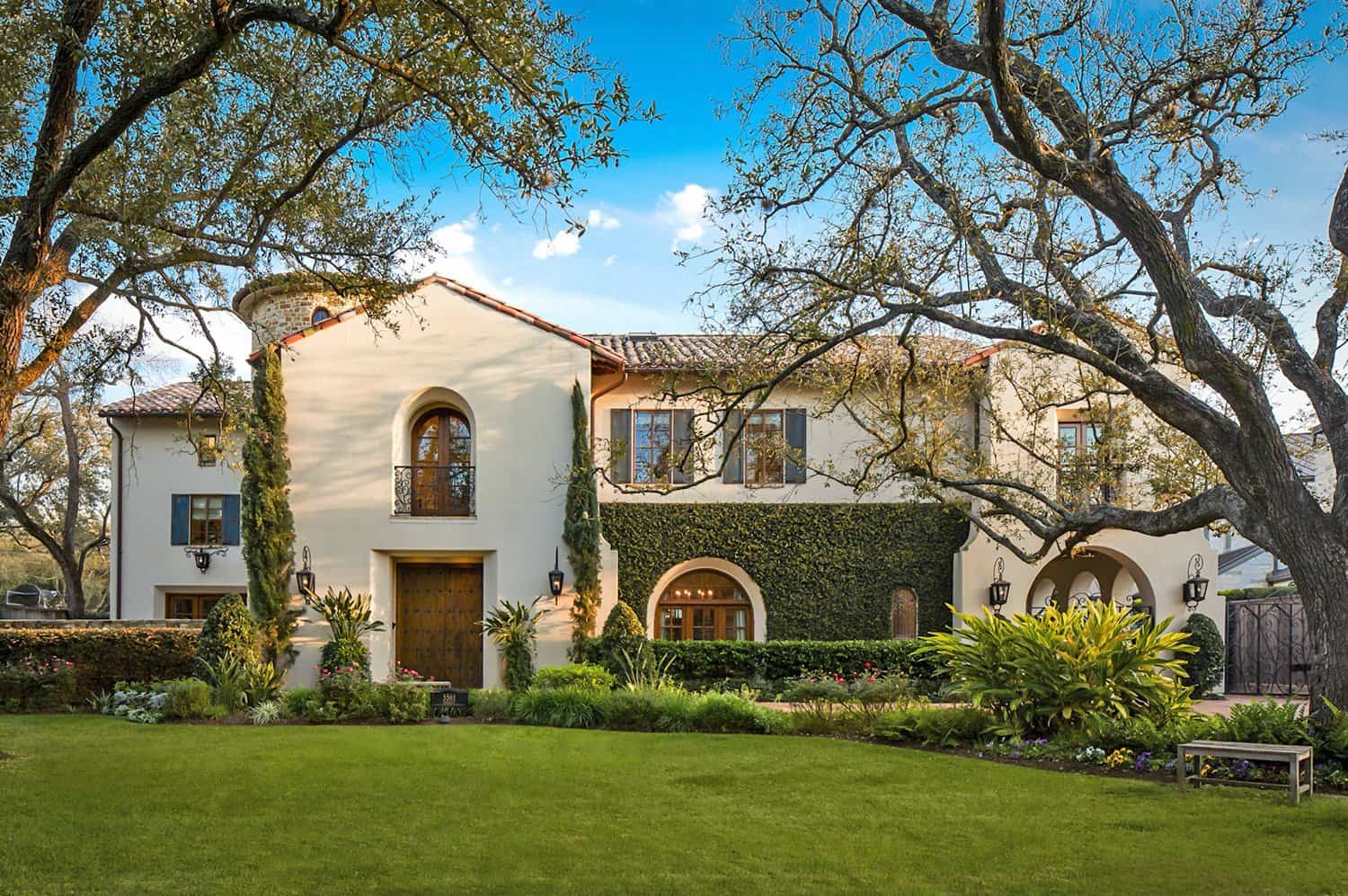
$15k vs $40k vs $100k Kitchen Remodel Breakdown
Understanding kitchen remodel pricing in Dallas-Fort Worth starts with a simple truth: most projects fall into three distinct tiers. The difference between them is driven less by square footage and more by scope, material quality, and how much of the kitchen is being rebuilt.
Across Texas, industry data from sources like HomeAdvisor’s kitchen remodel cost guide and the Remodeling Magazine Cost vs Value Report consistently shows that kitchens cluster into budget, mid-range, and high-end categories. Each tier represents a fundamentally different type of project.
Side-by-Side Cost Comparison
| Remodel Tier | Total Cost (DFW) | Cost per Sq Ft | Scope Level | Timeline |
|---|---|---|---|---|
| Budget | $10,000 – $20,000 | $100 – $200 | Cosmetic refresh | 2 – 4 weeks |
| Mid-Range | $30,000 – $55,000 | $150 – $300 | Full remodel (same layout) | 4 – 8 weeks |
| Luxury | $70,000 – $120,000+ | $300 – $600+ | Full redesign + structural changes | 8 – 16+ weeks |
These ranges reflect typical Texas kitchen sizes, which tend to be larger than the national average. More square footage means more cabinetry, more countertop surface, and higher labor time across every trade.
Budget Kitchen Remodel ($10k–$20k)
At this level, the goal is improvement, not transformation.
Most projects in this range focus on surface-level updates while keeping the existing kitchen structure intact. According to national remodeling benchmarks, avoiding demolition and layout changes is one of the most effective ways to control costs.
Typical budget allocation:
| Category | Estimated Spend |
|---|---|
| Cabinets (refinish or repaint) | $2,000 – $6,000 |
| Countertops (laminate or entry-level) | $1,500 – $3,000 |
| Appliances (basic replacements) | $2,000 – $5,000 |
| Labor | $3,000 – $6,000 |
| Misc. (lighting, hardware, paint) | $1,000 – $3,000 |
What defines this tier is constraint. Existing cabinet boxes are usually reused, plumbing stays in place, and electrical work is minimal.
Insight: The fastest way to stay within a $15k budget is keeping the layout exactly as-is, since moving plumbing or electrical can add thousands immediately.
Mid-Range Kitchen Remodel ($30k–$55k)
This is where most homeowners in DFW land. It represents a complete rebuild of the kitchen without changing its footprint.
Industry data shows this tier delivers the strongest balance between cost and functionality, which is why it dominates remodeling volume across Texas
Typical budget allocation:
| Category | Estimated Spend |
|---|---|
| Cabinets (semi-custom) | $10,000 – $18,000 |
| Countertops (quartz or granite) | $3,500 – $7,000 |
| Appliances (mid-range package) | $4,000 – $8,000 |
| Labor & contractor | $8,000 – $15,000 |
| Flooring, backsplash, lighting | $4,000 – $10,000 |
At this level, homeowners replace all major components: cabinets, countertops, appliances, flooring, and lighting. The layout typically stays the same, which keeps labor costs predictable.
Insight: Most mid-range remodels succeed by upgrading every visible surface while avoiding structural changes that trigger exponential cost increases.
Luxury Kitchen Remodel ($70k–$120k+)
Once a remodel crosses into the $70k+ range, it shifts from replacement to reinvention.
Luxury kitchens often involve removing walls, expanding the footprint, relocating plumbing, and introducing fully custom elements. According to National Kitchen & Bath Association design standards, these projects also incorporate higher-end materials and more complex installations.
Typical budget allocation:
| Category | Estimated Spend |
|---|---|
| Custom cabinetry | $25,000 – $50,000+ |
| Premium countertops (quartzite, marble) | $6,000 – $12,000 |
| Appliances (professional-grade) | $10,000 – $25,000 |
| Labor & structural work | $15,000 – $35,000 |
| Design, lighting, specialty features | $10,000 – $25,000 |
These kitchens often include large islands, integrated appliances, custom storage systems, and architectural features like ceiling treatments or expanded openings.
Insight: At the luxury level, labor and design complexity often grow faster than material costs, especially when structural changes are involved.
Cost Per Square Foot Perspective
Looking at cost per square foot helps normalize kitchens of different sizes:
| Remodel Tier | Cost per Sq Ft (DFW) |
|---|---|
| Budget | $100 – $200 |
| Mid-Range | $150 – $300 |
| Luxury | $300 – $600+ |
Because Texas kitchens are typically larger, even small upgrades in material quality scale quickly across total surface area. A countertop upgrade that adds $50 per square foot can translate into several thousand dollars across a full kitchen.
Why Costs Scale So Quickly
Three variables explain nearly all cost differences between tiers:
- Cabinet scope – the single largest cost driver in most kitchens
- Layout changes – plumbing and electrical relocation increase labor dramatically
- Material quality – finishes scale across the entire kitchen surface area
According to broader remodeling cost data, materials typically account for 60% to 70% of a kitchen remodel budget, while labor makes up the remaining 30% to 40%.
“Most homeowners don’t jump from $15k to $100k because of one decision. The cost climbs through dozens of small upgrades that compound across the entire kitchen.”
Understanding these tiers sets the foundation for everything that follows. The next step is seeing exactly what each budget level delivers in terms of real features, finishes, and functionality.
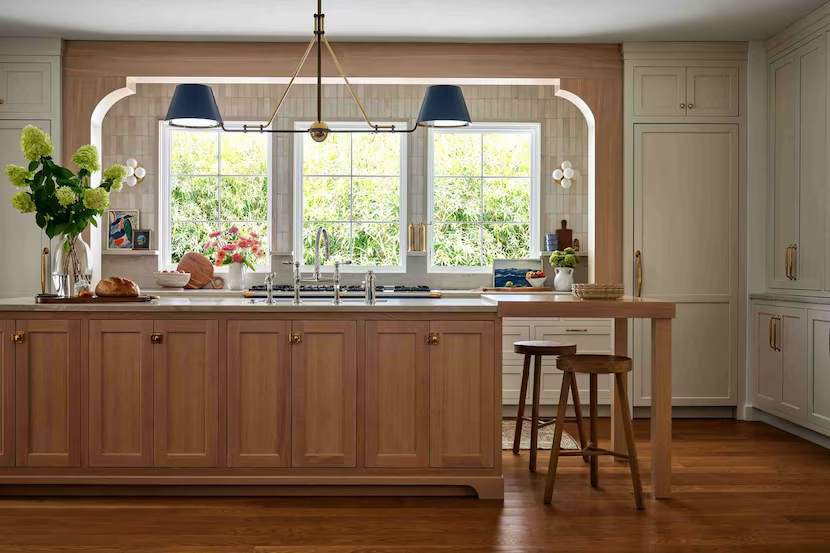
What You Get at Each Budget Level
Once you understand the price tiers, the next question becomes practical: what does each budget actually deliver inside the kitchen?
The difference between a $15k refresh and a $100k remodel shows up in three areas – scope of work, material quality, and how much of the kitchen is rebuilt. Industry standards from organizations like the National Kitchen & Bath Association and cost benchmarks from HomeAdvisor show consistent patterns across all three tiers.
Feature Comparison by Budget Level
| Feature | $15k Budget | $40k Budget | $100k Budget |
|---|---|---|---|
| Cabinets | Repaint or reface existing | New semi-custom cabinets | Fully custom cabinetry |
| Countertops | Laminate or entry-level | Quartz or granite | Quartzite, marble, or premium slabs |
| Appliances | Basic replacements | Mid-range stainless package | Professional-grade appliances |
| Layout Changes | None | Rare | Common (walls, plumbing, electrical) |
| Flooring | Vinyl or basic tile | Tile or engineered wood | Hardwood, large-format tile |
| Lighting | Fixture swaps | Recessed + pendant lighting | Layered lighting design |
| Backsplash | Basic tile | Full backsplash upgrade | Designer tile or slab backsplash |
| Island | Existing or minor update | New or upgraded island | Large custom island with features |
This table reflects a fundamental shift in how the kitchen is treated at each level. Lower budgets improve what exists. Higher budgets rebuild the space around how the homeowner wants to live.
Budget Level One: Functional Refresh
At the entry level, the kitchen becomes cleaner, brighter, and more usable without changing its structure.
Most updates focus on visible surfaces:
- Cabinet repainting or refacing
- New countertops in affordable materials
- Updated lighting fixtures
- Basic appliance replacements
Because plumbing, electrical, and layout remain unchanged, labor stays relatively controlled. According to remodeling cost studies, avoiding layout changes is one of the most reliable ways to keep a project under $20k.
“A budget remodel improves how the kitchen looks and feels day to day, while keeping the bones of the space intact.”
The result is a kitchen that feels updated, though it still reflects its original layout and limitations.
Budget Level Two: Full Remodel Without Structural Change
At the mid-range level, the kitchen is rebuilt from the ground up within the existing footprint.
This is where most homeowners see a true transformation. Cabinets, countertops, flooring, appliances, and lighting are all replaced. The kitchen functions differently because storage improves, workflow becomes more efficient, and materials feel more cohesive.
Typical upgrades include:
- Semi-custom cabinets with better storage solutions
- Quartz or granite countertops
- Full backsplash installation
- New flooring throughout the kitchen
- Coordinated lighting (recessed, task, and decorative)
According to Remodeling Magazine’s Cost vs Value Report, this level consistently represents the most common remodeling scope because it balances cost with visible impact.
“Most mid-range remodels succeed by upgrading every major surface at once, creating a kitchen that feels entirely new without changing its footprint.”
This tier delivers what many homeowners picture when they think of a “new kitchen.”
Budget Level Three: Full Redesign and Custom Build
At the high-end level, the kitchen becomes a design project rather than a replacement project.
The scope expands beyond finishes into structure and layout:
- Walls may be removed to open the space
- Plumbing and electrical systems are relocated
- Large islands or multiple work zones are introduced
- Custom cabinetry is designed specifically for the space
Material selection also shifts into premium territory:
- Custom cabinets built to exact dimensions
- Natural stone slabs or high-end engineered surfaces
- Integrated appliances and built-in refrigeration
- Advanced lighting design with layered controls
High-end kitchens also incorporate design cohesion across the entire space. Finishes, colors, textures, and lighting are planned together rather than selected individually.
Guidelines from the NKBA kitchen planning standards emphasize workflow, spacing, and ergonomics at this level, which is why luxury kitchens often feel more intuitive to use.
“At the luxury tier, the kitchen is shaped around lifestyle – cooking, hosting, storage, and movement all influence the design.”
The Role of Labor and Scope
One of the biggest differences across these tiers comes from labor intensity.
- Budget projects involve minimal trades and short timelines
- Mid-range remodels require coordinated trades working in sequence
- Luxury remodels introduce structural work, engineering considerations, and extended timelines
As construction complexity increases, labor becomes a larger portion of the total cost. Data from remodeling studies consistently shows that adding plumbing, electrical, or structural changes introduces exponential cost growth due to coordination across multiple trades.
Why the Jump Feels So Large
The gap between $40k and $100k often surprises homeowners. The difference comes from compounding upgrades across every category.
A cabinet upgrade adds cost. A countertop upgrade adds more. Layout changes add labor. Premium appliances add another layer. When these decisions stack together, the total project cost accelerates quickly.
“Kitchen remodel pricing scales through accumulation. Each upgrade may feel incremental on its own, but across an entire kitchen, those increments multiply.”
Understanding what each level delivers makes it easier to align expectations with budget. The next step is breaking down how materials and design choices drive those differences even further.
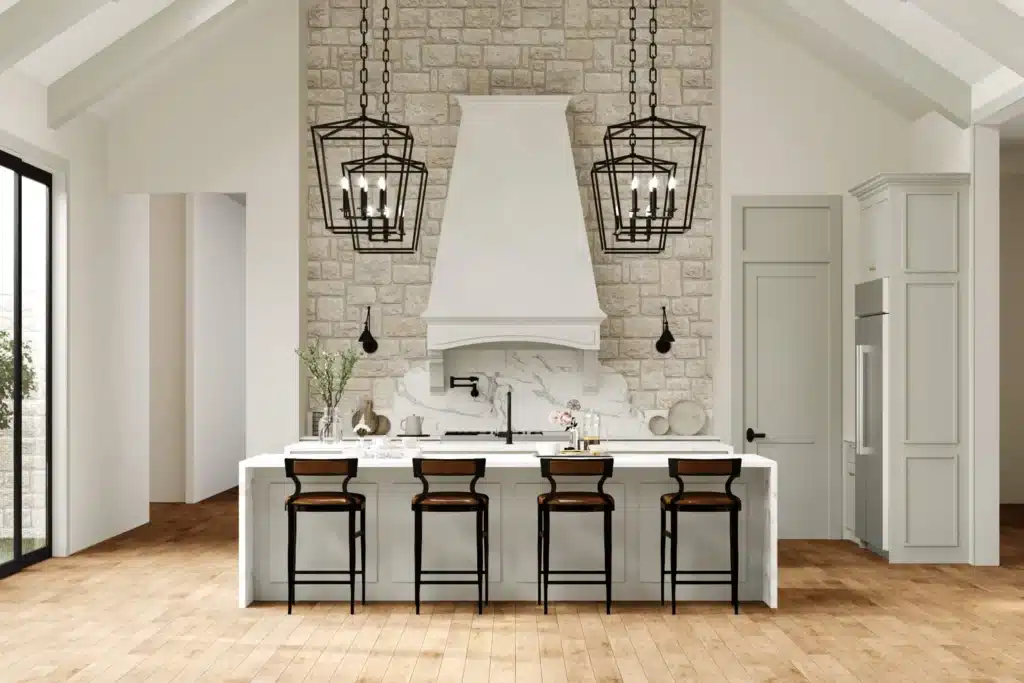
Material and Design Differences
Material selection is where kitchen remodel budgets truly separate. Two kitchens can share the same layout and square footage, yet feel completely different based on cabinetry, surfaces, and design cohesion. Industry data from sources like the National Association of Home Builders and Remodeling Magazine consistently shows that materials drive both cost and long-term durability.
Material Comparison Across Budget Levels
| Category | Budget Kitchen ($15k) | Mid-Range Kitchen ($40k) | Luxury Kitchen ($100k+) |
|---|---|---|---|
| Cabinets | Stock or refinished | Semi-custom | Fully custom |
| Countertops | Laminate | Quartz or granite | Quartzite, marble, or premium quartz |
| Appliances | Basic package | Mid-range stainless | Professional-grade built-in |
| Flooring | Vinyl or basic tile | Tile or engineered wood | Hardwood or large-format tile |
| Backsplash | Standard tile | Full-height tile | Designer tile or slab backsplash |
| Hardware | Basic finishes | Coordinated finishes | Designer hardware and integrated pulls |
Each upgrade in material category scales across the entire kitchen. Because cabinets and countertops cover the largest surface areas, even small price increases per unit multiply quickly across the total project.
Cabinets: The Dominant Cost Driver
Cabinets consistently represent the largest portion of a kitchen remodel budget, often accounting for 30% to 40% of total cost according to industry studies like the NKBA kitchen design guidelines.
The difference between cabinet types is structural as much as visual:
- Stock cabinets use standardized sizes and materials, limiting layout flexibility
- Semi-custom cabinets allow adjustments in dimensions, finishes, and storage features
- Custom cabinets are built specifically for the space, maximizing every inch
Higher-end cabinetry introduces features that reshape how the kitchen functions:
- Deep drawers instead of standard shelves
- Built-in organizers and pull-out storage
- Full-height cabinetry that increases vertical storage
- Integrated appliance panels for a seamless look
“Cabinet upgrades change both how the kitchen looks and how it works. Storage, accessibility, and layout all improve at the same time.”
Countertops: Performance Meets Aesthetics
Countertops represent the second major cost category and one of the most visible design elements.
| Material | Typical Cost Range | Key Characteristics |
|---|---|---|
| Laminate | Low | Affordable, wide styles, lower durability |
| Quartz | Mid | Durable, low maintenance, consistent patterns |
| Granite | Mid-high | Natural stone, heat resistant, unique patterns |
| Marble / Quartzite | High | Premium appearance, higher maintenance |
According to HomeAdvisor, upgrading from laminate to quartz or natural stone can add several thousand dollars to a remodel due to fabrication and installation complexity.
Beyond material, design choices also influence cost:
- Thicker slabs increase durability and visual weight
- Waterfall edges extend material vertically down island sides
- Full-height backsplashes create a continuous surface
These details elevate the kitchen visually while increasing fabrication labor and material usage.
“Countertops act as the visual anchor of the kitchen, often setting the tone for every other finish.”
Appliances: Utility vs Statement
Appliance selection shifts from functional to expressive as budgets increase.
- Entry-level kitchens prioritize reliability and cost efficiency
- Mid-range kitchens emphasize stainless steel consistency and modern features
- Luxury kitchens incorporate professional-grade brands with built-in integration
According to Energy.gov appliance efficiency data, higher-end appliances often deliver better energy performance, though the primary driver at the luxury level is design integration and cooking capability.
Key differences at higher tiers include:
- Built-in refrigerators that align with cabinetry
- Larger cooktops or range systems
- Advanced ventilation systems
- Smart controls and connectivity
These upgrades contribute to both performance and the overall visual cohesion of the space.
Design Complexity and Layout Evolution
Material upgrades alone do not define higher-end kitchens. Design complexity plays an equally important role.
| Design Element | Budget | Mid-Range | Luxury |
|---|---|---|---|
| Layout | Fixed | Same layout, improved flow | Reconfigured or expanded |
| Island | Small or existing | Standard island | Oversized or multi-functional |
| Lighting | Basic fixtures | Layered lighting | Fully designed lighting plan |
| Storage | Standard shelves | Improved organization | Custom integrated systems |
Higher-end kitchens often incorporate architectural changes:
- Removing walls to create open-concept layouts
- Expanding islands to include seating, storage, and appliances
- Introducing multiple work zones for cooking, prep, and entertaining
Guidelines from the NKBA planning standards emphasize spacing, workflow, and ergonomics, which become more refined as design complexity increases.
Finish Coordination and Cohesion
One of the most noticeable differences between mid-range and luxury kitchens is cohesion.
Lower-budget kitchens often combine finishes based on availability and cost. Higher-end kitchens are designed as a unified system:
- Cabinet color aligns with flooring undertones
- Countertop veining complements cabinetry
- Hardware finishes match lighting fixtures
- Backsplash ties together all materials visually
This level of coordination creates a cleaner, more intentional appearance.
“As budgets increase, kitchens shift from a collection of components into a single, cohesive design.”
Durability and Lifespan Differences
Material quality also affects how long the kitchen performs well.
| Component | Budget Lifespan | Mid-Range Lifespan | Luxury Lifespan |
|---|---|---|---|
| Cabinets | 10–15 years | 15–25 years | 25+ years |
| Countertops | 5–10 years | 15–25 years | 25+ years |
| Flooring | 10–15 years | 15–25 years | 25+ years |
Higher-end materials resist wear, moisture, and heat more effectively, which reduces long-term maintenance and replacement costs.
Why Material Choices Drive Cost
Material differences explain a large portion of the price gap between kitchen tiers. Cabinets, countertops, and appliances scale across the entire space, and design complexity adds additional labor.
“Most of the jump from mid-range to luxury happens through material upgrades applied across every surface, combined with more complex design and installation.”
Understanding these differences makes it easier to decide where upgrades create meaningful impact and where simpler options still perform well. The next step is identifying exactly where to allocate budget for the strongest return.

Where to Save vs Where to Splurge
Every kitchen remodel forces tradeoffs. The goal is to spend where it changes daily experience and long-term value, while controlling costs in areas with limited impact. Research from sources like the Remodeling Magazine Cost vs Value Report and guidance from the National Kitchen & Bath Association show consistent patterns in how homeowners allocate budgets effectively.
Save vs Splurge Breakdown
| Category | Save or Splurge | Why It Matters | Cost Impact |
|---|---|---|---|
| Cabinets | Splurge | Largest visual and functional component | High |
| Countertops | Splurge | High visibility and durability | High |
| Layout Changes | Selective | Impacts flow and usability | Very high |
| Appliances | Moderate splurge | Daily use and resale appeal | Medium-high |
| Flooring | Moderate | Large surface area but flexible options | Medium |
| Lighting | Splurge | Impacts usability and ambiance | Medium |
| Hardware | Save | Low cost, easy to upgrade later | Low |
| Paint | Save | High impact per dollar | Low |
This framework reflects how buyers perceive kitchens as well. Studies tied to resale performance show that kitchens influence purchasing decisions more than almost any other interior space.
Where to Splurge
Certain upgrades consistently deliver both functional and resale benefits.
Cabinets
Cabinets anchor the entire kitchen. They define storage, layout, and visual structure. Upgrading to semi-custom or custom cabinets improves:
- Storage efficiency
- Durability over time
- Overall kitchen layout usability
Because cabinets occupy the most visual space, they shape first impressions during both daily use and resale.
“Cabinets are the backbone of the kitchen. When they feel solid, everything else feels higher quality.”
Countertops
Countertops sit at eye level and are used constantly. Durable materials like quartz and granite perform better over time and create a cleaner, more modern look.
According to HomeAdvisor cost data, upgrading countertops is one of the most common mid-range improvements because it delivers strong visual impact relative to cost.
High-impact upgrades include:
- Quartz or natural stone surfaces
- Larger island surfaces
- Integrated or full-height backsplashes
These changes improve both aesthetics and functionality.
Lighting
Lighting often gets overlooked early in planning, yet it transforms how the kitchen feels.
Higher-end kitchens use layered lighting:
- Ambient lighting for overall brightness
- Task lighting for cooking areas
- Accent lighting for design emphasis
Guidelines from the U.S. Department of Energy emphasize efficient lighting design as both a functional and energy-saving upgrade.
“Lighting determines whether a kitchen feels flat or dimensional. It changes how every surface is perceived.”
Where to Be Strategic
Some upgrades deliver value when used intentionally.
Layout Changes
Altering the kitchen layout can dramatically improve usability, though it introduces significant cost. Moving plumbing, gas lines, or electrical systems requires multiple trades and permits.
Layout changes make sense when they solve major functional problems:
- Poor workflow between sink, stove, and refrigerator
- Lack of counter space
- Inefficient island placement
When the existing layout already functions well, keeping it intact preserves budget for higher-impact finishes.
Appliances
Appliances fall into a middle category. Higher-end options improve performance and design cohesion, though the return varies depending on the home’s price range.
Typical upgrade path:
- Entry-level → mid-range stainless
- Mid-range → built-in or professional-grade
Energy efficiency improvements, supported by Energy.gov appliance guidance, can also reduce long-term operating costs.
Where to Save
Some elements deliver strong visual improvement without requiring large investments.
Hardware
Cabinet handles and knobs influence style, though they are inexpensive and easy to replace later.
Common cost-effective upgrades:
- Modern pulls or brushed finishes
- Consistent hardware across cabinets
- Matching finishes with lighting fixtures
Because hardware is modular, it offers flexibility without long-term commitment.
Paint
Paint remains one of the highest-impact, lowest-cost upgrades in any remodel.
Benefits include:
- Brightening the entire space
- Modernizing older color schemes
- Improving listing photos and buyer perception
Industry data consistently shows that neutral paint colors appeal to the widest range of buyers, especially in competitive markets.
“Paint can shift the entire perception of a kitchen in a matter of days, without requiring structural work.”
Backsplash and Decorative Elements
While backsplashes contribute to design, cost can be controlled by selecting simpler tile patterns or limiting coverage to key areas.
Budget-conscious approaches:
- Standard subway tile
- Partial-height backsplash
- Focusing detail around focal areas like the range
These decisions maintain visual appeal while reducing material and labor costs.
The Compounding Effect of Decisions
Kitchen budgets grow through accumulation. Each upgrade adds incremental cost, and across multiple categories, those increments multiply.
A cabinet upgrade increases cost. A countertop upgrade adds more. Appliance upgrades, lighting changes, and layout adjustments continue the pattern. When these decisions align, the final number rises quickly.
“The most effective remodels prioritize a few high-impact upgrades and keep the rest controlled. Balance creates a kitchen that feels elevated without overspending.”
Aligning Budget With Goals
The right allocation depends on priorities:
- For resale: focus on cabinets, countertops, and cohesive finishes
- For daily use: prioritize layout, storage, and lighting
- For long-term durability: invest in materials that resist wear
Research from the Cost vs Value Report consistently shows that kitchens perform best when upgrades align with what buyers expect in the local market.
Understanding where to spend and where to save turns a remodel from a collection of upgrades into a deliberate investment. The final step is seeing how all of these decisions fit into a complete cost picture for DFW kitchens.
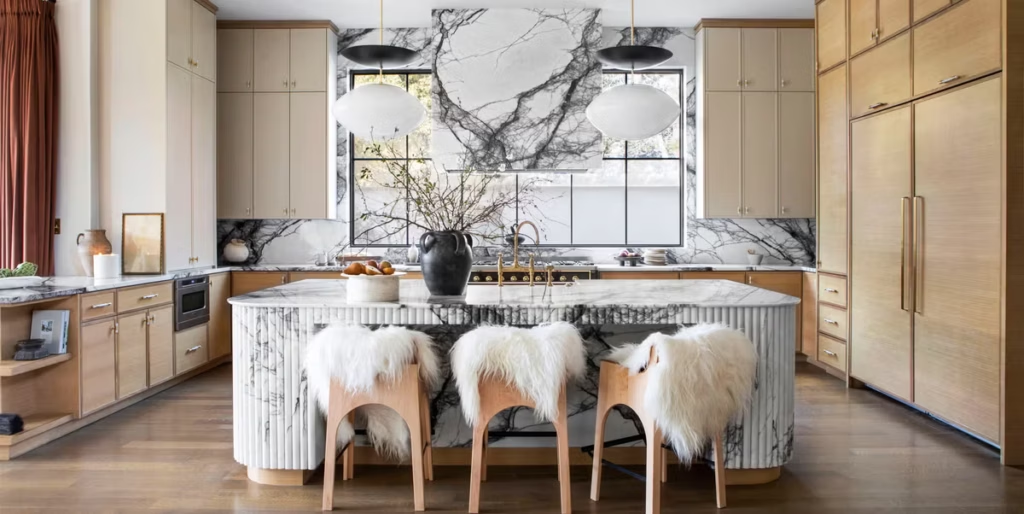
See the Full Kitchen Remodel Cost Guide (DFW 2026)
Understanding price tiers, materials, and tradeoffs gives you a strong foundation. The next step is zooming out and seeing how everything fits together in a complete cost picture.
Kitchen remodeling involves dozens of moving parts, and each one contributes to the final number. National data from sources like HomeAdvisor and the National Kitchen & Bath Association shows that homeowners often underestimate how these components combine, especially in larger markets like Dallas-Fort Worth where kitchen sizes and labor demand are higher.
Typical Kitchen Remodel Ranges in Texas
| Remodel Level | Typical Cost Range | Scope Overview |
|---|---|---|
| Minor Refresh | $12,000 – $25,000 | Surface updates, minimal construction |
| Mid-Range Remodel | $30,000 – $65,000 | Full replacement within existing layout |
| High-End Remodel | $70,000 – $120,000+ | Custom design, structural changes |
These ranges align with broader national remodeling benchmarks, though DFW projects often trend higher due to larger kitchens and increased contractor demand.
Where the Money Goes
A full kitchen remodel budget is typically distributed across several major categories.
| Category | Percentage of Budget |
|---|---|
| Cabinets | 30% – 40% |
| Labor & Contractor | 20% – 30% |
| Countertops | 10% – 15% |
| Appliances | 10% – 15% |
| Flooring | 5% – 10% |
| Lighting, Plumbing, Electrical | 5% – 10% |
According to industry data from Remodeling Magazine, cabinetry consistently remains the largest single expense because it combines materials, manufacturing, and installation labor.
“Most homeowners focus on visible materials, though the structure of the budget is driven by cabinetry and labor coordination.”
Key Factors That Influence Final Cost
Even within the same price range, two kitchens can end up with very different total costs. Several variables drive those differences.
Kitchen Size
Larger kitchens require more cabinetry, countertop material, flooring, and lighting. Since most costs scale with square footage, even modest increases in size can significantly raise the total budget.
Layout Changes
Moving plumbing, electrical, or gas lines increases labor complexity. Guidelines from the U.S. Department of Energy and construction best practices highlight how system changes require coordination across multiple trades, which adds both time and cost.
Material Selections
Material upgrades compound across the entire kitchen. A higher-end countertop or cabinet choice affects every square foot of the space.
Home Age
Older homes may require electrical updates, plumbing adjustments, or structural corrections once demolition begins. These factors introduce additional costs that are difficult to predict upfront.
A Realistic Planning Framework
A practical way to approach a kitchen remodel is to think in layers:
- Base structure – layout, plumbing, and electrical
- Core components – cabinets, countertops, appliances
- Finishes – flooring, backsplash, lighting, hardware
Each layer builds on the previous one. Changes at the structural level influence every decision that follows.
“The most accurate budgets come from understanding how each layer of the kitchen builds on the one before it.”
Why Most Budgets Shift Mid-Project
One consistent pattern across remodeling projects is budget expansion after the initial estimate.
Common reasons include:
- Upgrading materials during selection
- Discovering issues during demolition
- Adding features like islands, storage upgrades, or lighting layers
- Extending project scope beyond the original plan
Research from the Cost vs Value Report shows that homeowners often increase investment once they see how different choices affect the final outcome.
Planning With Clarity
A well-planned kitchen remodel balances three elements:
- Function – how the space works daily
- Aesthetics – how the kitchen looks and feels
- Budget – how resources are allocated
When these elements align, the remodel delivers both immediate enjoyment and long-term value.
“Clarity in planning leads to better decisions. Better decisions lead to a kitchen that performs well for years.”
With a clear understanding of cost tiers, material differences, and strategic spending, you can approach a kitchen remodel with realistic expectations and a plan that fits your goals.