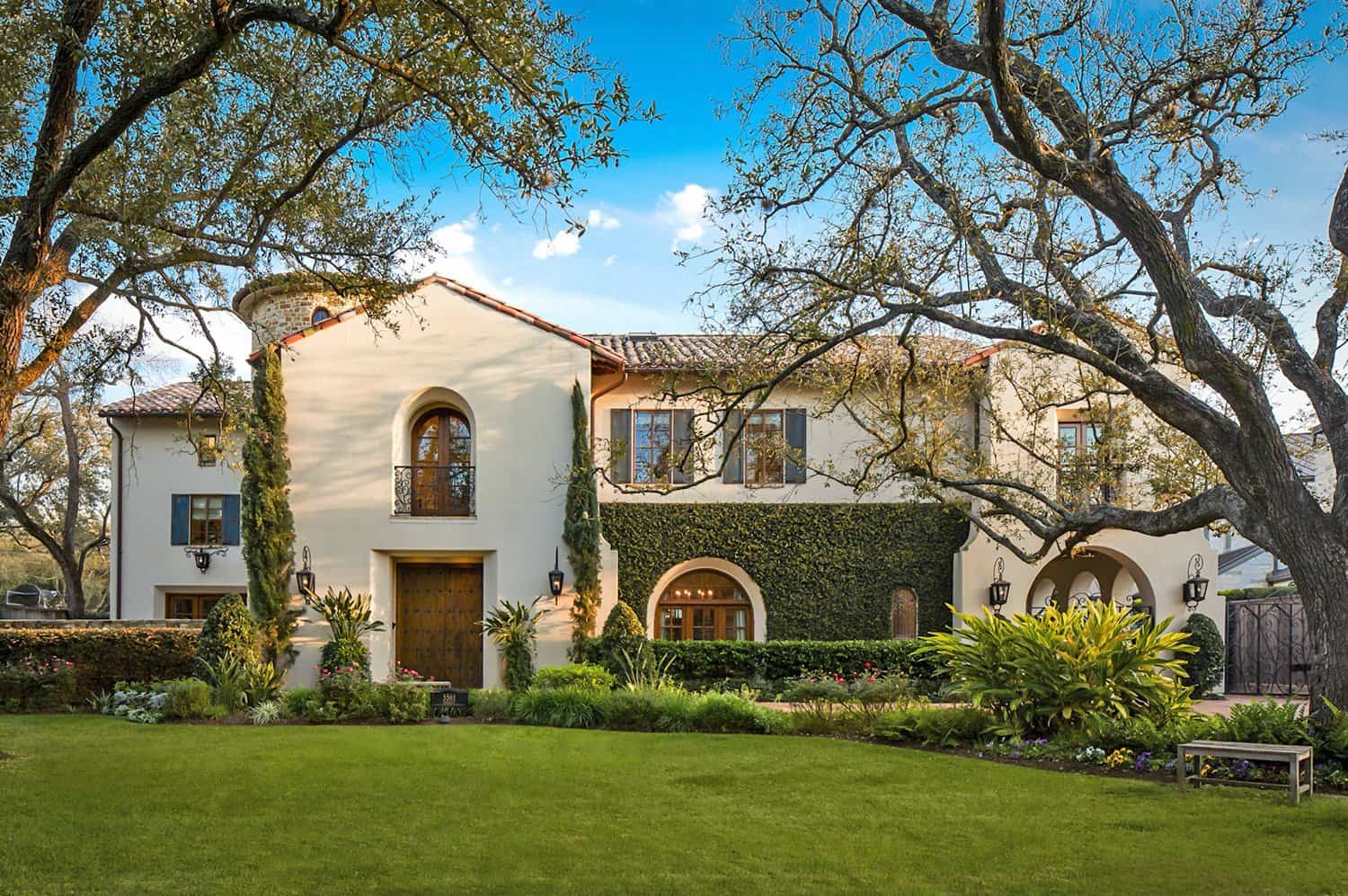
A kitchen island can be one of the best investments in your home, or one of the biggest budget surprises. The kitchen island cost in 2026 spans a wide range depending on size, construction type, countertop material, and whether you add plumbing or appliances. A modest freestanding cart starts around $300. A mid-range built-in cabinet box with a quartz top typically lands between $3,000 and $7,000. A fully custom island with a prep sink, cooktop, and seating overhang can reach $12,000 to $20,000 or more once installation labor and permit fees are included.
Understanding where your project lands on that spectrum requires breaking the island into its component costs: the cabinet structure, the countertop, the plumbing rough-in (if any), the ventilation (if you add a cooktop), the seating configuration, and the installation labor. Each of those buckets has its own pricing logic. This guide addresses every one of them.
According to the historical context of kitchens, the kitchen island concept evolved from the central workstation of professional kitchens. Today it is a defining feature in modern residential kitchen design. For a full picture of what a kitchen island fits into, see the complete cost to remodel a kitchen in 2026.
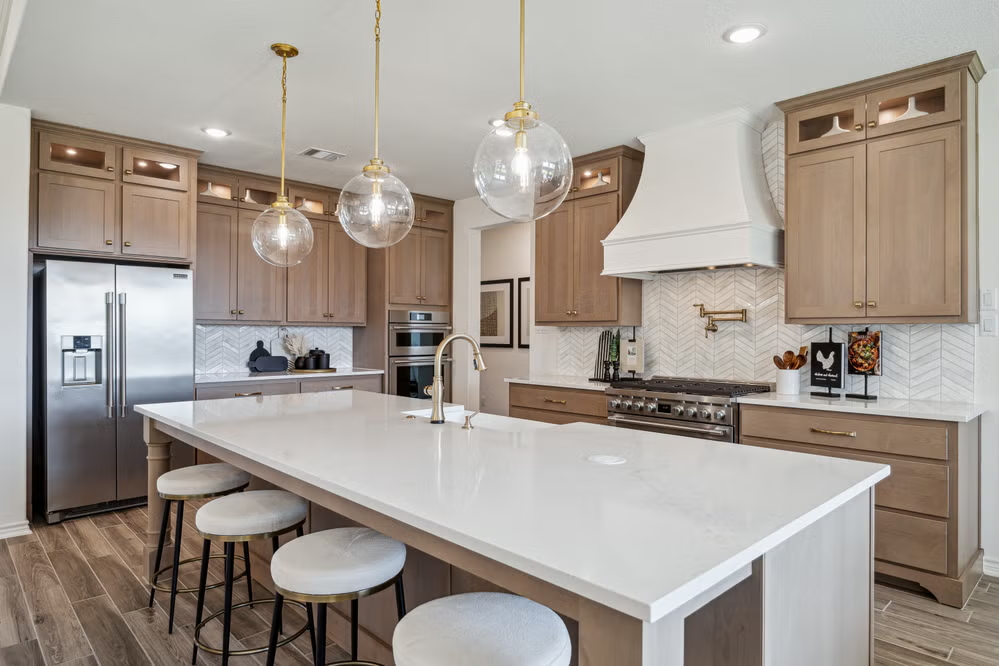
Kitchen Island Cost at a Glance (2026)
The table below captures the most common kitchen island scenarios and what they realistically cost in 2026, fully installed and finished.
| Island Type | Typical Total Cost | What’s Included |
|---|---|---|
| Freestanding / rolling cart | $300–$1,200 | Pre-built unit, no installation required |
| Basic built-in, stock cabinets, laminate top | $1,500–$3,500 | Cabinet box, laminate countertop, basic trim |
| Mid-range built-in, semi-custom, quartz top | $3,500–$7,000 | Semi-custom cabinets, quartz top, standard hardware |
| Built-in with prep sink and plumbing | $5,500–$10,000 | Above, plus plumbing rough-in and faucet |
| Built-in with cooktop and ventilation | $7,000–$14,000 | Above, plus appliance, ductwork or vent hood |
| Fully custom, all features | $12,000–$20,000+ | Custom millwork, premium stone, sink, appliances, seating |
These ranges assume a standard-sized island (roughly 4 feet by 2 feet to 6 feet by 3 feet). Larger footprints, unusual shapes, and high-end material upgrades push numbers toward the top of each band or above it.
What Drives Cost the Most
Three variables account for the majority of kitchen island cost variance: construction type (stock versus custom cabinet boxes), countertop material, and whether you add plumbing or mechanical systems. Most homeowners can identify their tier quickly by asking: Will this island have a sink? Will it have a cooktop? Both of those items add $1,500 to $5,000 each in rough order of magnitude when you include labor.
Where Labor Fits In
Labor is typically 30% to 40% of the total project cost on a built-in island. On a $6,000 island, you might pay $3,600 for materials and $2,400 for labor covering delivery, cabinet installation, countertop templating and setting, and any finish carpentry. Adding plumbing or electrical work introduces licensed-trade labor that is billed differently than general carpentry, which is covered in section 10.
Regional Variation in 2026 Pricing
Labor rates vary meaningfully by market. Coastal metro markets (San Francisco, New York, Seattle) tend to run 20% to 40% above national averages for kitchen installation labor. Interior metro markets and smaller cities generally land at or below national averages. The material costs in this guide are national averages; expect to adjust labor components for your local market.
This Old House kitchen guides regularly cover how regional labor markets affect project budgets, and their project trackers are a useful benchmark when you are comparing contractor bids.

Standard Kitchen Island Sizes and Their Cost Impact
Size is one of the most controllable cost variables in a kitchen island project. A larger footprint means more cabinet boxes, a larger countertop slab, more linear feet of trim, and if you add seating, a longer overhang to fabricate. Every dimension you add costs money in proportion.
Common Island Dimensions and Their Price Effect
The industry standard range for a functional kitchen island runs from about 36 inches deep by 48 inches wide (3×4 feet) on the small end, up to 48 inches deep by 96 inches wide (4×8 feet) on the large end. The National Kitchen and Bath Association recommends a minimum of 42 inches of clearance between the island and any surrounding cabinet run, with 48 inches preferred for households with multiple cooks.
| Island Size | Cabinet Boxes Needed | Approx. Countertop Sq. Ft. | Relative Cost Multiplier |
|---|---|---|---|
| 3 ft x 4 ft (small) | 2–3 base cabinets | 12–16 sq ft | 1.0x (baseline) |
| 3 ft x 5 ft (medium-small) | 3–4 base cabinets | 15–20 sq ft | 1.2x |
| 3 ft x 6 ft (medium) | 4–5 base cabinets | 18–24 sq ft | 1.4x |
| 4 ft x 6 ft (large) | 6–8 base cabinets | 28–36 sq ft | 1.8x |
| 4 ft x 8 ft (extra-large) | 8–12 base cabinets | 36–48 sq ft | 2.2x+ |
Minimum Kitchen Size for a Built-In Island
A kitchen needs at least 10 feet of width (wall to wall) to accommodate an island with 42-inch clearance on both sides, assuming the island is 24 to 30 inches deep. Kitchens under 10 feet wide are typically better served by a peninsula or a compact freestanding cart. When the kitchen has the right proportions, the island adds both storage and prep space. When it does not, a built-in island creates a circulation problem that reduces the kitchen’s practical value regardless of what it costs.
How Shape Changes the Price
Standard rectangular islands are the most cost-efficient shape because cabinet boxes are modular rectangles. L-shaped, waterfall-edge, curved, or irregular islands require custom millwork or filler pieces, adding $500 to $2,500 in labor and material depending on complexity. Waterfall edges on quartz or stone countertops alone add $400 to $1,200 for the mitered corner fabrication.
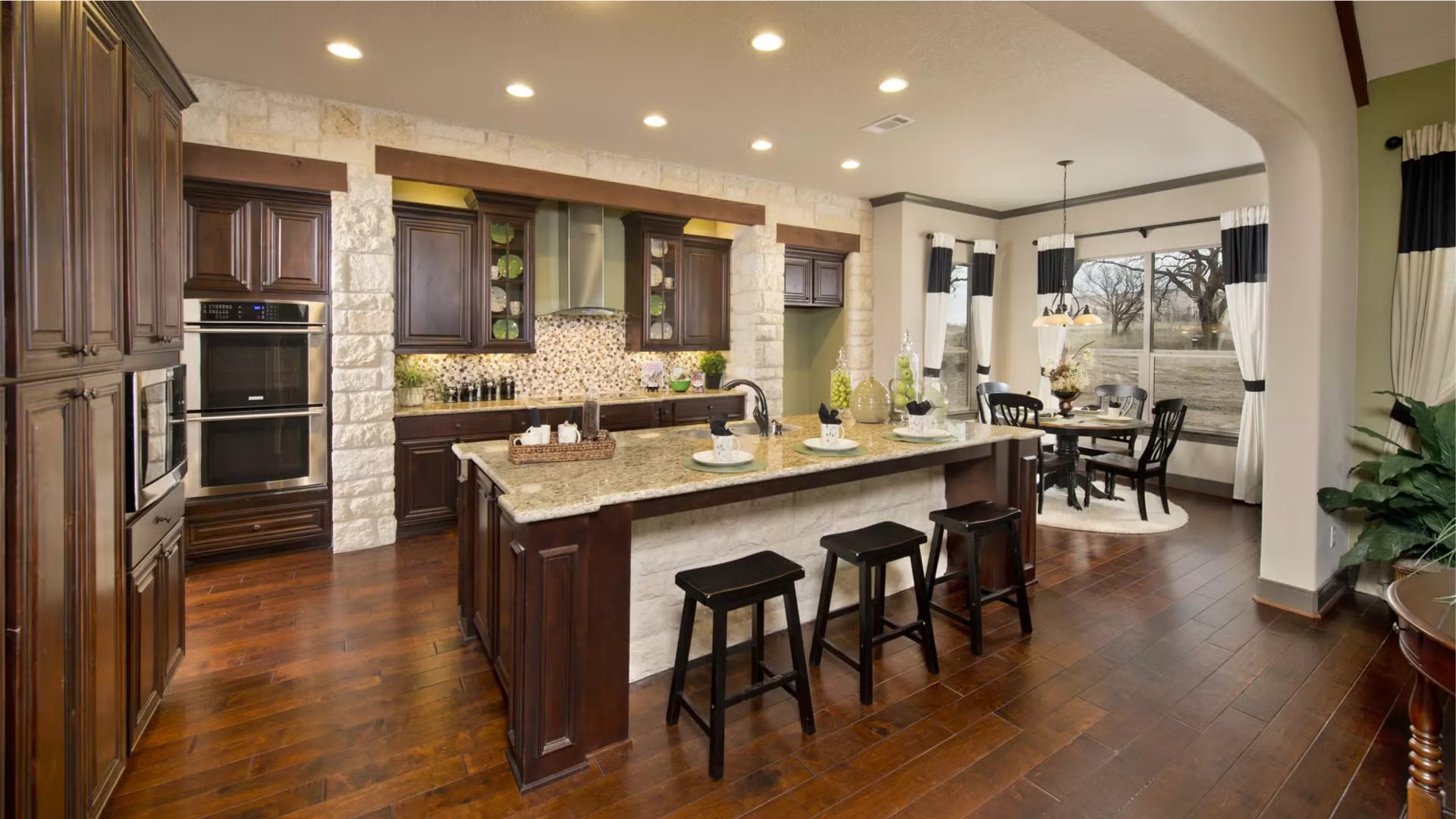
Base Cost: Cabinet Box Construction for Islands
The cabinet box is the structural foundation of a built-in island. Most islands are assembled from standard base cabinet boxes, which are available in stock, semi-custom, and fully custom grades. Each grade has a different price point and a different lead time.
Stock Cabinet Boxes
Stock cabinets are manufactured in fixed sizes (typically 3-inch width increments from 9 to 36 inches wide) and are sold off-shelf or with minimal lead time at big-box retailers and cabinet distributors. They are the most affordable option. Stock cabinet boxes suitable for an island base run $80 to $250 per linear foot installed. A 5-foot island using stock cabinets might cost $600 to $900 in cabinet material alone, before countertop or hardware.
The trade-off is inflexibility. If your island dimensions do not align with stock cabinet widths, you will need filler strips or odd-sized custom panels to close gaps. That adds labor and can look unpolished if the carpenter is not experienced with the fix.
Semi-Custom Cabinet Boxes
Semi-custom cabinets offer more size and finish options than stock, with lead times of 2 to 6 weeks. They run $150 to $400 per linear foot installed for the cabinet boxes themselves. On a 5-foot island, semi-custom cabinet material might cost $900 to $2,400, with better joinery, more finish options, and the ability to specify non-standard widths.
Family Handyman kitchen guidance breaks down the difference between stock and semi-custom in practical terms for homeowners. For islands where the exact dimension matters for traffic flow or appliance placement, semi-custom is usually worth the premium.
Fully Custom Cabinet Boxes
Custom island cabinets are built to your exact specifications by a cabinet shop. They cost $350 to $800 per linear foot installed or more, and lead times run 6 to 14 weeks. The advantage is exact sizing, construction quality, and finish-matching to existing kitchen cabinetry. On a 5-foot island, custom cabinet material alone might run $2,500 to $5,000 before any countertop or hardware.
Custom cabinetry makes the most sense when the kitchen has unusual dimensions, when you want dovetail drawer boxes and full-overlay doors that match existing millwork precisely, or when the island design involves features that stock boxes cannot accommodate (such as curved faces or integrated appliance panels).
For a deeper dive into cabinet cost tiers, see the full cost of kitchen cabinets guide for 2026.
Island Base Construction Details That Affect Cost
Several construction details within the cabinet box category affect total cost:
- Toe kick finish: Solid wood toe kicks add $100 to $300 over vinyl or MDF options
- Decorative end panels: Finished panels on exposed cabinet sides run $150 to $400 per panel
- Rollout trays and drawer organizers: $60 to $200 each, and islands typically benefit from 2 to 4 of them
- Soft-close hinges and slides: Add $5 to $15 per door and drawer; standard on semi-custom and custom, often optional on stock

Countertop Cost on a Kitchen Island
The countertop is usually the second-largest cost component of a kitchen island, and it is the surface you will interact with every day. Material selection drives both the up-front cost and the long-term maintenance requirement.
Laminate Countertops
Laminate is the entry-level option. Modern high-pressure laminate (HPL) is more durable than its reputation suggests, and printed patterns can closely mimic stone or wood grain. Laminate island tops cost $20 to $50 per square foot installed, including fabrication and edge treatment. A 20-square-foot island top in laminate runs roughly $400 to $1,000.
The limitations are real: laminate can be damaged by direct heat, is not repairable if deeply scratched or chipped, and does not carry the same perceived value premium as stone. For rental properties, starter homes, or budgets where cost control is paramount, laminate is defensible. For a kitchen where the island is a focal point, most homeowners move up.
Quartz Countertops
Quartz is the most popular countertop material in kitchen remodels today, and island applications are no exception. Engineered quartz costs $65 to $150 per square foot installed, including templating, fabrication, and setting. A 24-square-foot island top in mid-range quartz runs roughly $1,560 to $3,600.
The appeal is low maintenance (no sealing required), consistent appearance, and a wide range of colors and patterns. High-end quartz lines with book-matched or marble-look veining approach $130 to $160 per square foot installed. For more detail on the full countertop cost spectrum, see the kitchen countertop cost guide comparing quartz, granite, and marble.
Industry surveys consistently show quartz as the top material choice for kitchen islands, selected by roughly 40% of remodeling homeowners according to data from Houzz kitchen design research. Its combination of durability and easy care fits the high-use nature of an island surface.
Granite and Natural Stone
Granite island tops run $55 to $130 per square foot installed for most slabs, with exotic or rare stones reaching $150 to $250 per square foot. Natural stone requires annual sealing and can be stained by acidic liquids if not promptly cleaned. Many homeowners accept those trade-offs for the visual depth and uniqueness that comes with natural stone. No two granite slabs are identical, and that one-of-a-kind quality is part of what buyers pay for.
Marble is the premium natural stone choice for islands. It costs $75 to $200 per square foot installed and requires more diligent maintenance than granite. Marble etches (surface dull spots from acid) more easily and stains more readily, which is worth understanding before specifying it for a high-use island surface.
Wood and Butcher Block
Butcher block tops cost $40 to $100 per square foot installed. They are warm, renewable (they can be sanded and re-oiled), and practical for prep work. The downsides are sensitivity to standing water (warping risk), the need for periodic oiling, and the fact that knives will mark the surface over time. Many kitchens use butcher block on part of the island (the prep zone) and stone on the rest, which is a functional and cost-effective hybrid approach.

Sink, Faucet, and Plumbing Add-Ons for an Island
Adding a sink to a kitchen island is one of the most significant cost decisions in an island project. It requires extending water supply lines and a drain line to the island location, which involves opening the subfloor or ceiling below (or both), routing pipe, and connecting to the existing drain stack. On a finished floor, the cost of that rough-in alone can be substantial.
Plumbing Rough-In Cost
Plumbing rough-in for an island sink typically costs $500 to $2,000, depending on how far the island sits from the nearest supply and drain connections, whether the floor needs to be opened, and local labor rates for licensed plumbers. Islands positioned directly over a basement or crawl space access point are easier (and cheaper) to plumb than islands over a concrete slab with no basement.
Drain lines must slope at 1/4 inch per foot toward the drain stack to function correctly. On a slab foundation, achieving that slope sometimes requires a raised platform or specially routed plumbing, which adds cost. The BLS data on carpenters gives context on trade labor rates that affect this work, though plumbing is billed at plumber rates (typically $75 to $150 per hour nationally in 2026, not carpentry rates).
Sink and Faucet Material Cost
The sink and faucet themselves are a separate line from the rough-in labor:
- Undermount stainless sink (prep size, 15″x15″): $80 to $300
- Undermount stainless sink (standard 30″ single basin): $150 to $600
- Undermount composite or cast iron sink: $300 to $1,200
- Farmhouse apron sink: $400 to $2,500+
- Faucet (single-handle, quality mid-range): $120 to $400
- Faucet (semi-pro pull-down, high-end): $400 to $1,500
For water-efficient faucet selection, the EPA WaterSense program certifies faucets that use no more than 1.5 gallons per minute, a meaningful efficiency gain over older 2.2 gpm fixtures with no functional trade-off.
Total Sink Add-On Budget
When you add rough-in labor, the sink, faucet, and a garbage disposal (optional, $150 to $400 installed), the total sink package on a kitchen island typically runs $1,200 to $3,500. On a slab foundation with long pipe runs, it can reach $4,000 to $5,000.
What to Consider Before Adding a Sink
Not every island needs a sink. A second sink is most valuable when the kitchen has a single primary cleanup zone that creates a bottleneck (two cooks, prep and cleanup happening simultaneously). It is less valuable in a kitchen where one cook uses the island primarily for prep and there is no real workflow conflict at the primary sink. The plumbing cost is one-time and permanent, so it is worth thinking through the actual workflow before committing.
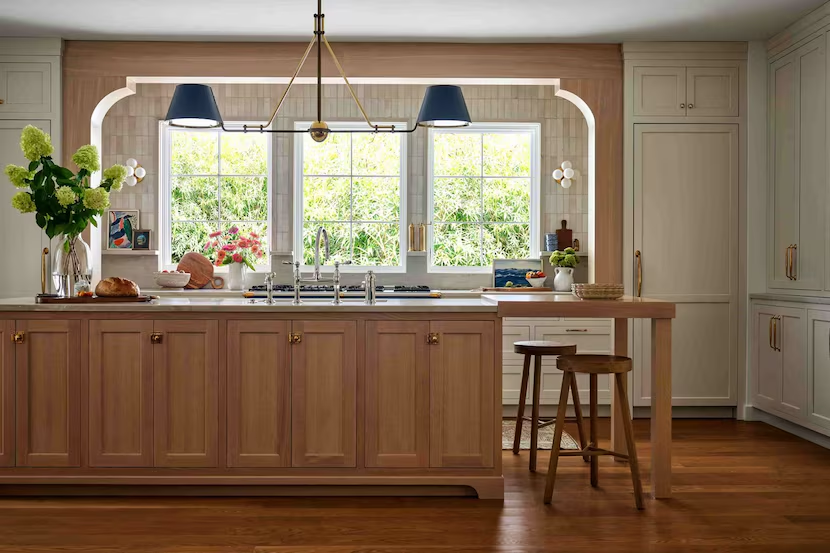
Cooktop, Range, and Ventilation Cost on an Island
Installing a cooktop in a kitchen island adds both the appliance cost and a ventilation cost that is often more expensive than the cooktop itself. Ventilation is the most underestimated cost in this section.
Cooktop Options and Pricing
Island cooktops are available in three primary types in 2026:
- Electric coil cooktop (basic, drop-in): $200 to $500 for the appliance
- Smooth-top electric or radiant cooktop: $300 to $900 for the appliance
- Induction cooktop (mid-range): $500 to $1,500 for the appliance
- Gas cooktop: $400 to $1,500 for the appliance, plus gas line extension if not already present
- Dual-fuel or pro-grade induction/gas: $1,200 to $4,000+
ENERGY STAR certified appliances include induction cooktops from major manufacturers. Induction is the most energy-efficient cooking surface option, and its precise temperature control makes it popular in new kitchen installations. Induction also creates a flat, easy-to-clean island surface when not in use.
Gas Line Extension Cost
If the island location requires a new gas line run, budget an additional $300 to $1,200 for the rough-in depending on distance and access. A licensed plumber or gas fitter must perform this work in most jurisdictions.
Ventilation: The Overlooked Cost
Every cooking surface in an island requires ventilation. An island is in the center of the room, so there is no wall to attach a standard range hood. The options are:
- Ceiling-mount island hood: $400 to $2,500 for the hood, plus $500 to $2,000 for ductwork installation to an exterior vent. Total installed: $1,000 to $4,500.
- Downdraft ventilation (integrated or pop-up): $600 to $2,500 for the unit, plus $400 to $1,500 for ductwork. Downdraft is less effective than overhead hoods for high-BTU cooking but requires no ceiling-mount structure.
- Recirculating (ductless) island hood: $400 to $1,800 for the hood, minimal ductwork cost. Filters and recirculates air rather than exhausting outside. Adequate for lighter cooking; less effective for heavy sauteing or frying.
Ventilation is frequently where island kitchen projects come in over budget. A homeowner plans for a $600 cooktop and discovers the ceiling-mounted duct run requires cutting through two floors, adding $2,500 in unplanned duct work. Getting a ventilation quote before finalizing the island design is one of the most practical steps you can take to protect your budget.
Total Cooktop Add-On Budget
For a mid-range induction cooktop with a ceiling-mount island hood and proper ductwork, budget $3,000 to $7,000 total for the cooktop package. Premium pro-grade appliances with custom hood fabrication can push this number to $10,000 or more.
Electrical work for induction cooktops (typically a 240V dedicated circuit) adds $200 to $600 in electrician labor if a new circuit is required. Bob Vila project guidance covers the electrical requirements for induction cooktops in accessible terms for homeowners planning a project.

Seating, Overhangs, and Bar-Height Configurations
Seating overhang is one of the most popular features requested in kitchen island design, and it has a direct cost impact on the countertop and the structural design of the cabinet base.
Overhang Dimensions for Seating
Standard counter-height seating (on stools at 24 to 26 inches) requires a countertop overhang of 12 to 15 inches beyond the cabinet face. Bar-height seating (stools at 28 to 30 inches) typically requires an overhang of 10 to 12 inches at a raised surface height of 42 inches. Both work. The choice comes down to the height of the people using the island and the visual aesthetic of the kitchen.
A 15-inch overhang on a 4-foot-wide island adds roughly 5 square feet of countertop area. At $100 per square foot for quartz, that is $500 in added countertop cost, plus any support brackets or corbels needed to structurally support the extension.
Countertop Support Brackets and Corbels
Overhangs beyond 12 inches on stone countertops typically require support. Options include:
- Metal support brackets (hidden): $30 to $80 each; 2 to 4 typically needed on a seating overhang
- Decorative wood or metal corbels (visible): $50 to $300 each depending on material and profile
- Full-height leg supports: $100 to $500 per leg in solid wood or steel; most commonly used on contemporary or industrial-style islands
Corbels and leg supports are visible design elements, so material and finish should match or intentionally contrast the island style. On a painted cabinet island, wood corbels painted to match are a common and cost-effective choice.
Two-Tier Islands
Some islands are built with a raised counter section (42 inches, bar height) for seating and a standard working surface (36 inches) for prep. This two-tier configuration requires additional framing and a second countertop section, adding $800 to $2,500 to the project depending on the materials and the size of each tier.
The visual trade-off is that a two-tier island can feel segmenting in an open kitchen. Many designers now prefer a single-height island at 36 inches with appropriate overhang and taller stools, which creates a cleaner, more open visual line. This is largely a design preference question rather than a functional one.
Seating Count and Island Length
Architectural Digest kitchen coverage notes that each seated person at an island needs 24 to 26 inches of linear overhang space. A 4-person seating configuration requires at least 8 feet of linear overhang. That means a 4-seat island must be at least 8 feet long, which is a large island footprint and implies a proportionately large kitchen. Many households realistically seat 2 to 3 people at an island, which requires 4 to 6 feet of overhang length.

Custom vs Stock Kitchen Island Cost Comparison
The choice between stock, semi-custom, and fully custom cabinet boxes for an island is the single biggest lever on total cost. Understanding what each tier delivers helps align your expectations with your budget.
What Stock Delivers at the Low End
A stock cabinet island is a legitimate, finished product. Brands like IKEA (SEKTION line), Home Depot (Hampton Bay), and Lowes (Diamond Now) offer base cabinet boxes that can be configured into a functional island for $600 to $2,000 in cabinet materials. With a laminate or butcher block top and basic hardware, a complete stock island can be installed for $1,500 to $3,500.
The limitations are narrower size increments (which may require fillers), lighter box construction, and fewer door and drawer front options. For a rental property, a laundry room conversion, or a first home on a tight budget, stock cabinets are a sound choice.
What Semi-Custom Adds
Semi-custom cabinets from brands like Kraftmaid, Merillat, or Aristokraft offer more width increments (often in 1.5-inch steps), better plywood box construction, full-extension drawer slides, and a wider finish palette. The price premium over stock is roughly 50% to 100% more for the cabinet material, but the result looks noticeably more refined and will hold up better to the heavy use an island sees.
| Feature | Stock | Semi-Custom | Fully Custom |
|---|---|---|---|
| Width increments | 3-inch steps | 1.5-inch steps | Any dimension |
| Box material | Particleboard common | Plywood standard | Plywood or solid wood |
| Finish options | 8–20 options | 30–60 options | Unlimited |
| Lead time | In stock | 2–6 weeks | 6–14 weeks |
| Cost per linear foot (cabinets only) | $80–$200 | $150–$400 | $350–$800+ |
When Custom Is Worth It
Fully custom cabinetry makes clear financial sense when you are matching existing custom kitchen cabinetry (mismatched cabinets lower the overall kitchen quality), when your island dimensions are unusual, or when the design includes features that stock boxes cannot accommodate. Custom millwork also typically carries stronger warranties and better long-term serviceability.
Consumer Reports appliance testing notes that kitchen durability and ease-of-repair matter over a 10-to-20-year ownership window, a principle that applies equally to cabinet quality. Investing in better construction up front tends to reduce replacement costs over time.
For homeowners deciding between refacing existing cabinets or replacing them entirely for an island project, the cost to replace vs reface kitchen cabinets guide offers a structured decision framework.

Mobile vs Built-In Kitchen Island: Cost Differences
Not every island needs to be a permanent installation. Mobile (freestanding, rolling) islands are a legitimate option for kitchens where permanent installation is impractical, cost is a constraint, or flexibility is a priority.
Mobile Island Cost Range
Freestanding kitchen islands cost $300 to $1,500 for a quality unit. IKEA’s STENSTORP island, butcher block carts from John Boos, and stainless units marketed to serious home cooks all fall in this range. The best freestanding units include drawer storage, a lower shelf, casters with locking wheels, and a countertop surface that is functional for prep work.
The ceiling for freestanding units is roughly $2,000 to $2,500 for premium commercial-grade rolling prep tables. Above that, you are into built-in territory where the permanence and customization justify the cost.
What Freestanding Gives Up
A rolling island cannot have a sink or a cooktop connected to home systems. It cannot be built to an exact dimension that fits your kitchen’s specific clearance geometry. It will not have finished end panels, custom door fronts, or the design integration of a built-in. And it typically offers less storage than a built-in because it is smaller and shallower.
For many households, these limitations are acceptable trade-offs for the cost savings. A $800 butcher block cart in a small kitchen is more useful than no island at all, and it costs a fraction of a built-in project.
When Built-In Is the Right Choice
Built-in islands make sense when:
- The kitchen has the right dimensions to accommodate proper clearance
- You plan to stay in the home long enough to recoup the investment (typically 5 years or more)
- You want to add plumbing, electrical, or appliance infrastructure that requires a permanent structure
- The design calls for a finished, integrated look that matches the existing cabinetry
A rough rule: if you are spending $3,000 or more on a kitchen island, it should be a permanent built-in. The cost of a semi-custom freestanding solution at that price point does not exist because freestanding units max out well below $3,000. Every dollar above $2,500 is buying features that only a built-in can deliver.

Installation Cost and Why It Varies
Installation is the labor component of the kitchen island project, and it is the part that varies most from contractor to contractor and market to market. Understanding what drives installation cost prevents surprises on the final invoice.
General Contractor vs Specialty Trades
A kitchen island installation often involves multiple trades:
- Finish carpenter or cabinet installer: Sets the cabinet boxes, scribes to the floor, installs doors and drawers, adds trim and panels. Rates: $50 to $120 per hour, or $400 to $1,200 for a one-day island installation.
- Licensed plumber: Rough-in for sink supply and drain lines. Rates: $75 to $150 per hour nationally; the rough-in for an island sink typically runs $400 to $1,500 in labor alone.
- Licensed electrician: New circuits for cooktop, under-cabinet lighting, or outlets. Rates: $75 to $140 per hour; a new 240V circuit runs $200 to $600 in labor.
- HVAC or duct installer: Ductwork for a ventilation hood. Rates vary widely; budget $500 to $2,000 in labor for a ceiling-mount island hood duct run.
A general contractor overseeing all of these trades adds 10% to 20% in management markup but takes on scheduling coordination and quality oversight, which has real value on complex projects.
Countertop Installation Details
Countertop installation is typically included in the countertop fabrication quote rather than billed separately. The templating visit (where a fabricator measures the exact cabinet box dimensions and creates a precise template for cutting the slab) is sometimes billed as a separate $100 to $200 fee, then credited toward the fabrication invoice on project completion.
Countertop weight matters for island installations. A 3-centimeter quartz slab on a 24-square-foot island top weighs approximately 200 to 250 pounds. The cabinet boxes must be level and structurally sound before the top is set, or the stone may crack. Leveling the cabinet boxes is part of the cabinet installer’s scope, and it is a detail that should be confirmed before the countertop installation day.
Permit Requirements
Whether your island project requires a building permit depends on your municipality and what you are doing. A simple built-in island with no plumbing or electrical work often does not require a permit. Adding a sink or cooktop typically triggers permit requirements for the plumbing and electrical work. Ventilation ductwork may trigger a mechanical permit.
Pulling the required permits adds $50 to $300 in permit fees and the scheduling time for inspections, but it also ensures the work is inspected and complies with local code. Unpermitted plumbing and electrical work can create problems at the time of home sale, so it is worth doing correctly. The kitchen remodel timeline guide addresses permit scheduling and how it fits into a broader project timeline.
Common Cost Surprises in Installation
Many homeowners encounter unexpected costs during island installation:
- Out-of-level floors: If the floor is not level, cabinet installation requires shimming and scribing, adding 1 to 2 hours of labor.
- Subfloor soft spots: Discovered when cabinet installers set the boxes; repairing subfloor rot or damage adds $200 to $800.
- Plumbing clearance conflicts: If the planned drain route conflicts with existing joists or other systems, re-routing adds $300 to $1,000.
- Undersized electrical panel: If adding a 240V cooktop circuit would exceed the panel’s capacity, a panel upgrade costs $1,500 to $3,500.
Getting a thorough pre-project walkthrough from a contractor before finalizing the design reduces the frequency and severity of these surprises. The BLS carpenter wage data gives a baseline for evaluating whether hourly labor quotes are reasonable for your market.
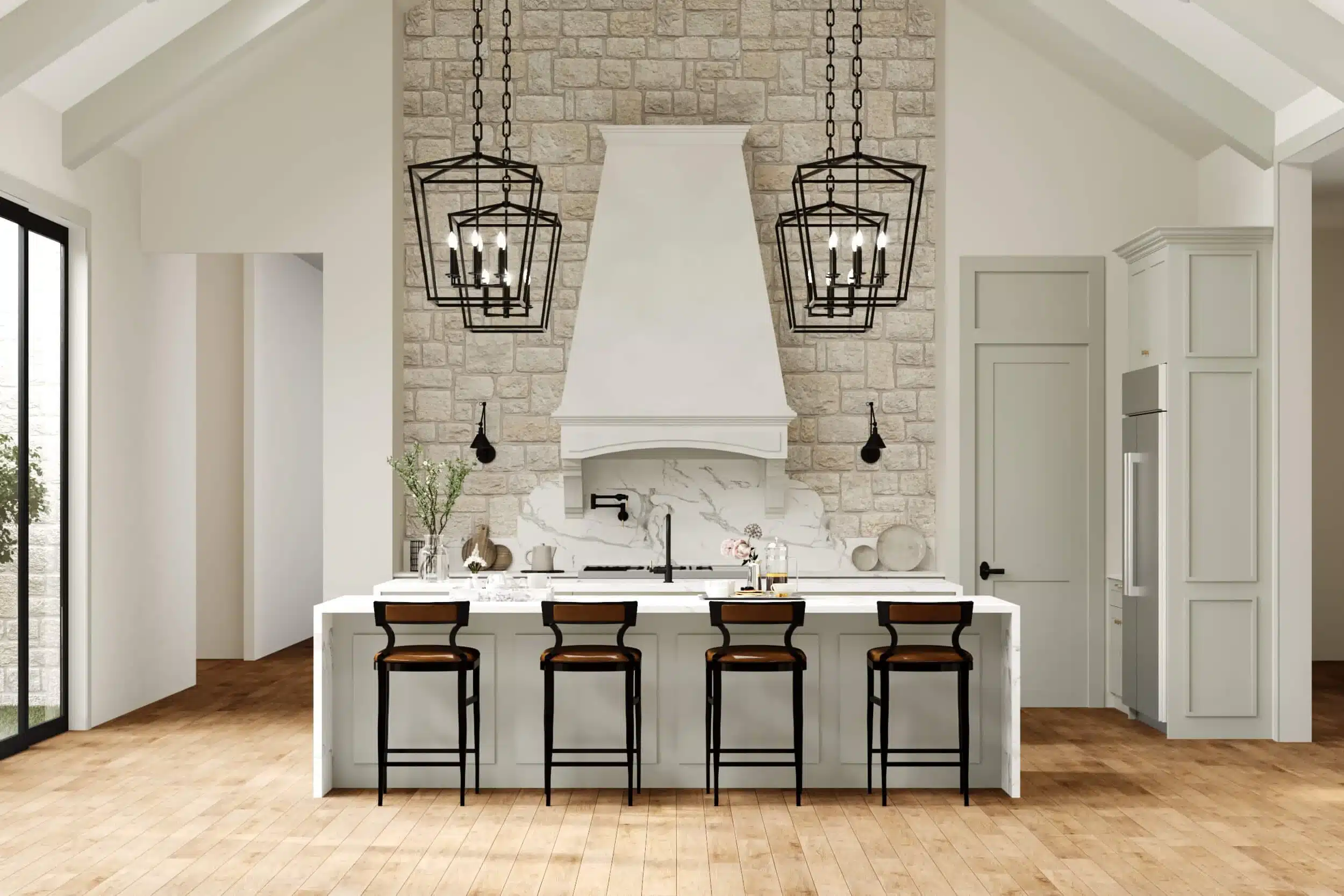
How to Choose the Right Island for Your Budget
Choosing the right kitchen island is ultimately a budgeting exercise that starts with four questions: How much physical space does the kitchen have? What functions do you need the island to serve? What is the total project budget? How long do you plan to own the home?
Matching Function to Budget
If the primary use case is additional counter prep space and seating for two, a built-in island using semi-custom cabinets and a quartz top, without plumbing or appliances, delivers the most function per dollar. That configuration typically runs $3,500 to $7,000 installed and is appropriate for most kitchens and most budgets.
Adding a prep sink pushes the budget to $5,500 to $10,000 but creates a genuinely more functional kitchen if the workflow justifies it. Adding a cooktop pushes to $7,000 to $14,000 and is appropriate only when the kitchen has one cooking station that creates a genuine workflow constraint.
For homeowners who are not ready to commit to a full built-in project, a quality freestanding island at $600 to $1,500 is a reasonable intermediate step. It delivers prep space and storage without a permanent investment, and it can be sold or moved if priorities change.
Phasing the Investment
Many homeowners phase island projects: start with the cabinet box and countertop (the less disruptive and less expensive portion), then add the sink rough-in in a subsequent remodel when budget allows. Plumbing can always be added later if the cabinet configuration leaves access, though it is less disruptive and sometimes cheaper to do it in a single project.
The one feature that is hardest to add later is a cooktop, because ventilation ductwork is the most invasive part and is substantially cheaper to install when other construction work is already open. If a cooktop is on the long-term wish list, roughing in the ductwork sleeve (even without the appliance) during the initial island installation is worth the modest added cost.
Budgeting for the Full Project
When developing a budget, add 10% to 15% as a contingency reserve for the unexpected items described in section 10. On a $7,000 island project, that is $700 to $1,050 held in reserve. Most projects do not exhaust the contingency, but having it avoids the uncomfortable situation of being out of budget with work unfinished.
A well-designed kitchen island increases home resale value, and research from Realtor.com’s home improvement guidance consistently identifies the kitchen as the highest-ROI room for remodel investment. The island is often the centerpiece of that investment.
For context on the full scope of what a kitchen island fits into, revisit the full kitchen remodel cost guide for 2026, which covers every other component of a kitchen renovation alongside the island.
Final Budget Reference by Tier
Use this as your planning starting point. Add the plumbing, appliance, and ventilation add-ons as separate line items based on your specific requirements:
- Entry-level freestanding: $300 to $1,500 total
- Basic built-in (stock cabinets, laminate top): $1,500 to $3,500 total
- Mid-range built-in (semi-custom, quartz): $3,500 to $7,000 total
- Built-in with prep sink: Add $1,200 to $3,500 to the above
- Built-in with cooktop and ventilation: Add $3,000 to $7,000 to the above
- Fully custom with all features: $12,000 to $20,000+
The ADA accessibility guidelines are also worth consulting if the island will be used by someone with a mobility consideration, as accessible island design (lower counter height at one end, knee clearance below) affects both dimension planning and cost.
Working with a qualified kitchen remodeler who can walk through your specific space, confirm plumbing and electrical access points, and provide a firm project budget is the most reliable way to turn these national averages into a number you can actually plan around.