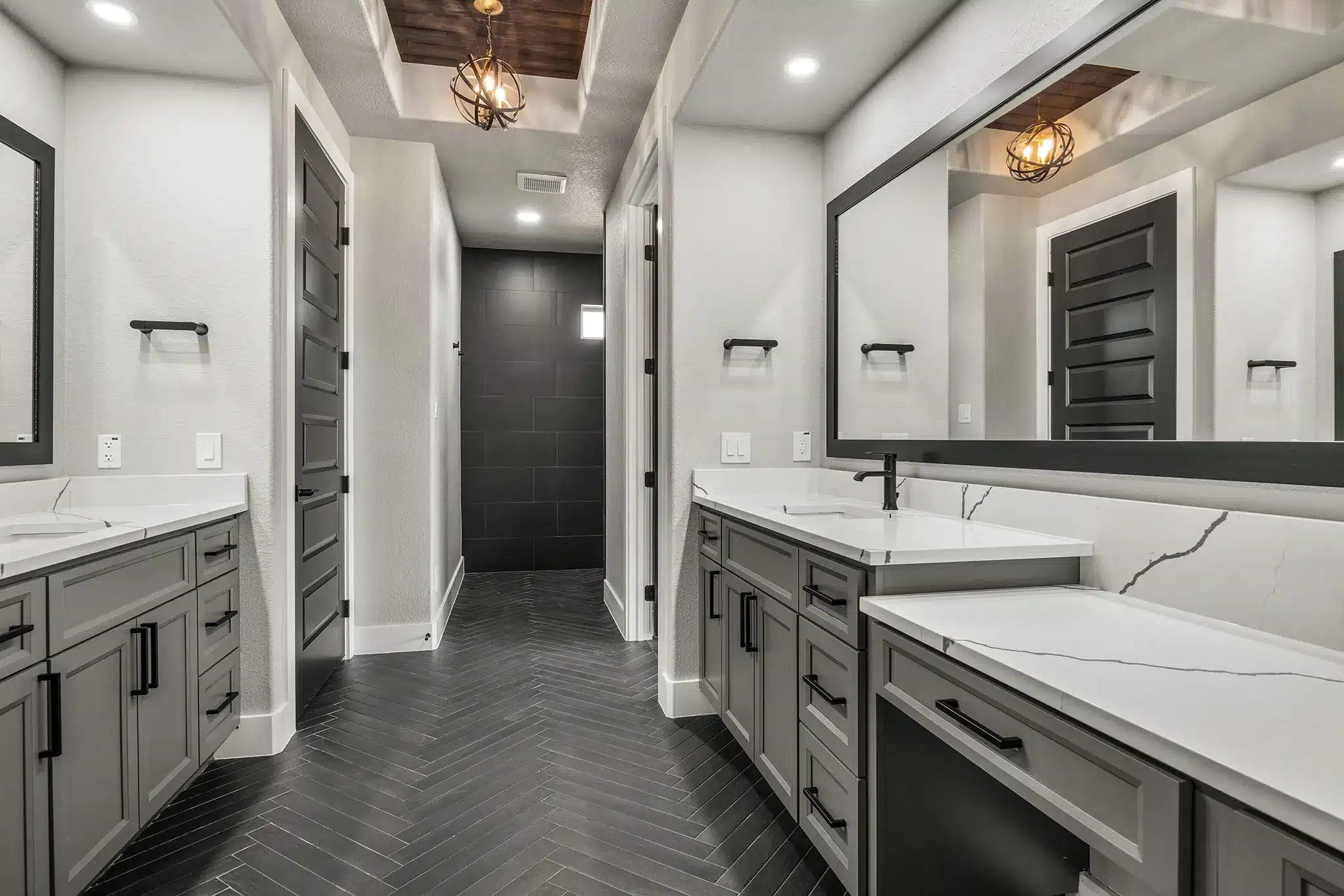
How Much Does a Kitchen Remodel Cost in Grand Prairie? (2026 Guide)
Kitchen remodeling in Grand Prairie usually falls into one of three budget bands: a cosmetic refresh, a midrange remodel, or a full-gut custom renovation. In 2026, a practical local planning range is about $25,000 to $45,000 for a lighter update, $45,000 to $90,000 for a solid midrange project, and $90,000 to $180,000+ for a high-end remodel with layout changes, custom cabinetry, premium tops, and more trade coordination. Those ranges shift with cabinet quality, countertop material, plumbing and electrical changes, and how much of the kitchen footprint is changing.
| Project scope | Typical Grand Prairie budget | What it usually includes |
|---|---|---|
| Cosmetic refresh | $25,000–$45,000 | Paint, hardware, lighting updates, partial cabinet work, basic surface replacement, minimal layout change |
| Midrange remodel | $45,000–$90,000 | New cabinets or refacing, quartz or similar tops, flooring, backsplash, lighting, sink/faucet, moderate trade work |
| Full-gut / custom remodel | $90,000–$180,000+ | Layout changes, custom cabinetry, premium stone, upgraded appliances, plumbing/electrical revisions, trim and finish carpentry |
If you want to compare this budget to broader DFW expectations, start with the local pricing context in our DFW kitchen remodel cost guide and then narrow it based on your house, scope, and finishes. If you already know you need a contractor, you can also review our Grand Prairie kitchen remodeling services.
For a kitchen with a standard footprint, the final number is often driven by the same handful of line items: cabinets, counters, flooring, tile, lighting, plumbing, electrical, and labor. In Grand Prairie, those items are priced through the broader DFW market, so a home that looks “suburban standard” on paper can still land in a fairly high range once hidden conditions, permit steps, and finish upgrades are included.
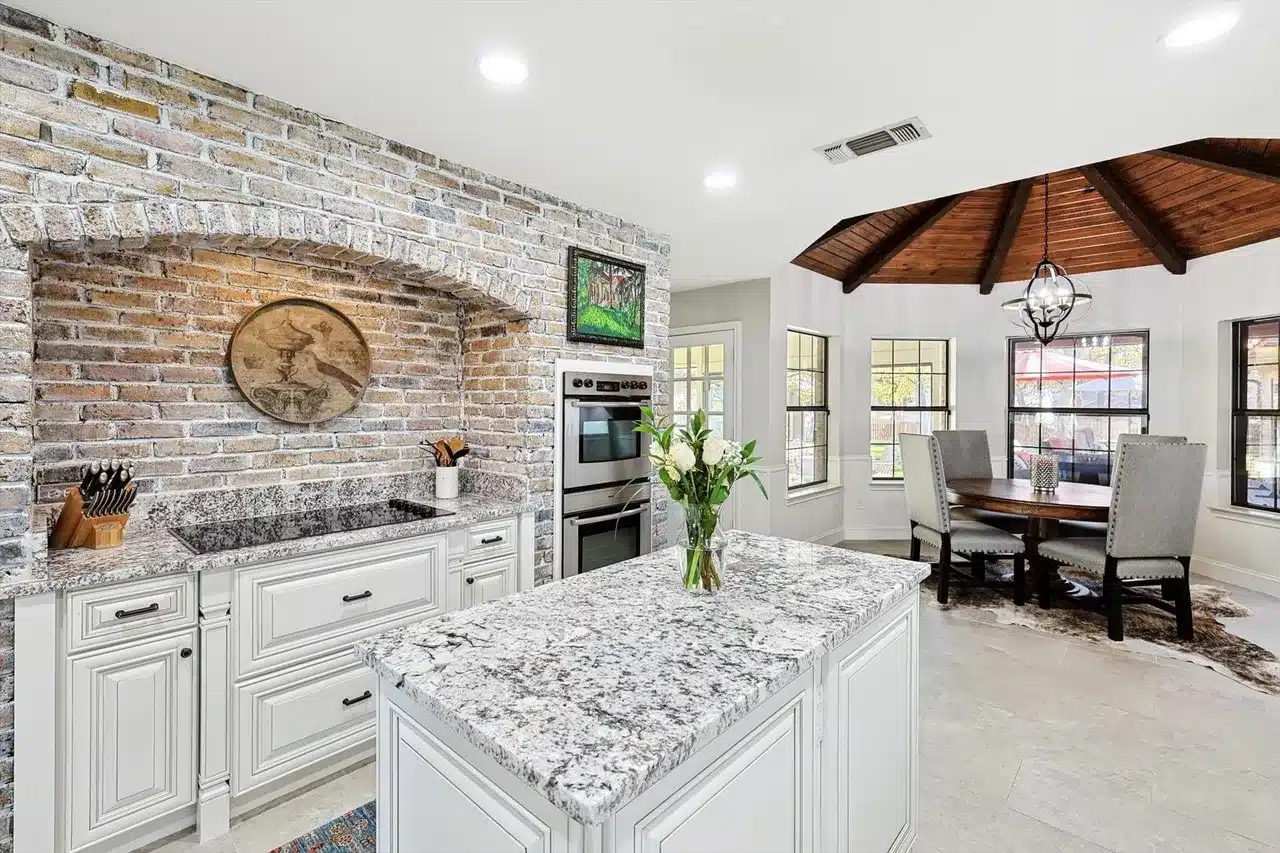
Why Building in Grand Prairie Is Different
Grand Prairie sits between Dallas and Fort Worth, so kitchen remodeling is influenced by a larger metro labor market instead of a small isolated suburb. That matters because contractor availability, trade pricing, and material lead times can move faster or slower depending on the broader DFW schedule.
The other local factor is housing mix. Some Grand Prairie neighborhoods have older homes with more unpredictable framing, venting, and utility layouts, while others have newer builds with more predictable cabinetry and appliance placement. That combination can make two kitchens of the same size feel very different in cost.
In practice, Grand Prairie remodels tend to price like DFW projects, not like a smaller-town kitchen swap. That means you should budget for both the visible finish choices and the less visible work that often appears after cabinets and walls come out.
Another difference is how often homeowners are balancing a remodel with daily life in a busy commuter area. Many Grand Prairie families rely heavily on the kitchen for quick breakfasts, meal prep, and homework time, which makes temporary kitchen setup and phasing more important than in a second-home project. If you are trying to keep the household functioning during construction, you may need to budget a little extra for a temporary sink, microwave setup, or storage solution.
Access can also matter. Tight driveways, side yards, older additions, and limited staging space can affect labor efficiency and demo logistics. Those items are not always obvious when you first compare quotes, but they can influence how a contractor sequences the job and how much time the crew spends moving materials in and out of the house. Small inefficiencies can add up, especially on projects that already involve multiple trades.

Typical Project Cost Ranges
A useful way to budget a kitchen remodel is by scope, not just by size. Here is how many projects tend to break down in Grand Prairie.
Cosmetic refresh: $25,000 to $45,000
This range usually covers a kitchen that keeps the existing layout mostly intact. You may be repainting cabinets, replacing hardware, upgrading lighting, swapping out a sink and faucet, and installing a new backsplash or countertop without moving major utilities.
Typical choices in this range often include:
- stock or semi-custom cabinet updates rather than fully custom boxes
- laminate, entry-level quartz, or modest stone tops
- basic tile backsplash
- vinyl plank or refinished flooring
- limited plumbing and electrical changes
This is the best-fit budget when the kitchen functions well but looks dated. It is also common for homeowners who want a cleaner finish without opening up the whole room.
A cosmetic refresh can still make a meaningful visual difference if the layout already works. For example, brighter lighting, a fresh backsplash, and updated cabinet fronts can make a compact kitchen feel much larger and cleaner without the cost of moving walls or utilities. That is often the smartest path when the structure is sound and the existing storage plan is acceptable.
Midrange remodel: $45,000 to $90,000
This is the most common “serious remodel” range for many Grand Prairie homes. It usually includes new cabinets or cabinet replacement, quartz countertops, improved lighting, a better backsplash, new flooring, and at least some electrical or plumbing updates.
In this tier, you may also see:
- better storage solutions
- upgraded sink and faucet packages
- appliance coordination
- some wall repairs after demo
- minor changes to cabinet sizing or layout
A midrange remodel is where homeowners start paying for convenience and durability, not just appearance. The budget often expands when the existing kitchen has awkward corners, poor ventilation, or older utilities.
It is also common for homeowners in this range to improve workflow rather than chase luxury finishes. A better pantry cabinet, wider drawers, and a more efficient appliance triangle can change how the kitchen feels every day. If the project is planned well, the result can look high-end without pushing into full custom pricing.
Full-gut/custom remodel: $90,000 to $180,000+
This is the category for projects that change the kitchen in a major way. If you are removing walls, relocating plumbing, upgrading electrical circuits, or installing premium custom cabinetry, the budget can climb quickly.
Common features in this tier include:
- full demo to studs or near-studs
- custom cabinetry
- large-format or slab backsplash details
- high-end quartzite, marble, or premium quartz
- panel-ready appliance integration
- new lighting plans with multiple circuits
- trim carpentry and detailed finish work
Once the kitchen becomes a custom design project, the total price becomes much more sensitive to selections and field conditions. A few premium upgrades can add five figures without changing the footprint much.
Projects in this range often include more design coordination because the room is no longer just being refreshed. Instead, the kitchen becomes part of a larger architectural plan for the home, especially when the owner wants an open-concept connection to dining or living areas. That design ambition is part of why the top end can climb so fast, even in homes that started with a straightforward layout.

Cost Per Square Foot and What It Includes
Many homeowners ask about cost per square foot, but kitchen remodeling is not priced as neatly as flooring or paint. Still, a square-foot framework can help with early planning.
For Grand Prairie, a rough planning range is:
- $150 to $250 per square foot for a basic refresh
- $250 to $450 per square foot for a midrange remodel
- $450 to $700+ per square foot for a custom or structural project
These numbers are not a quote method by themselves. They are a planning shortcut.
What that square-foot price often includes:
- demo and debris removal
- cabinets and installation
- countertops
- sink and faucet
- flooring
- backsplash
- paint and trim touch-ups
- electrical and plumbing adjustments
- project management and coordination
What it may not include:
- appliance packages
- major structural changes
- asbestos or mold remediation
- extensive drywall repair
- utility relocation beyond normal scope
- specialty finishes or imported materials
A small kitchen can still cost more per square foot than a larger one because fixed costs do not shrink much. Design work, permit steps, mobilization, and trade coordination often make compact kitchens relatively expensive on a square-foot basis.
That is especially true if the project requires careful matching between existing and new finishes. Older Grand Prairie homes may have floors, trim, or wall conditions that are harder to blend seamlessly than new construction would be. When that happens, the square-foot figure can understate the real complexity of getting everything to look intentional.
If you are using square-foot pricing to compare multiple bids, make sure each proposal includes the same assumptions. One contractor may include cabinet installation, appliance adjustments, and finish carpentry, while another may leave those items as allowances or exclusions. Comparing only the headline number can be misleading if the scopes are not aligned.

Main Factors That Change Total Price
A kitchen remodel in Grand Prairie is rarely priced by one factor alone. Several variables work together, and the project total can swing by tens of thousands of dollars depending on how they stack up.
1. Layout changes
Keeping the sink, stove, and refrigerator in place is usually cheaper than moving them. Once plumbing, gas, or venting has to move, the job becomes more complex. Removing a wall or widening a doorway can also trigger framing, electrical rerouting, and finish repair.
A layout-preserving remodel may stay closer to the lower end of the range, while a reconfigured kitchen can jump $10,000 to $30,000 or more depending on the scope.
Layout changes also affect planning because the kitchen usually has to be remeasured and redrawn before anything can be ordered. That extra design time is worth it when the new layout solves a real problem, such as a tight work aisle or a poor refrigerator location. If the change is mostly aesthetic, the cost may not justify the gain.
2. Age and condition of the home
Older Grand Prairie homes may hide issues behind walls and under floors. Once demo begins, contractors sometimes find outdated wiring, undersized plumbing, uneven subfloors, or venting problems. Those issues are not always obvious during a walkthrough.
This is one reason a contingency reserve matters. In older homes, hidden repairs can add several thousand dollars quickly, especially if the project uncovers code-related corrections or worn materials that need replacement.
Homes that have had piecemeal updates over the years can be especially unpredictable. A kitchen that looks like a simple update on the surface may actually contain mixed electrical eras, patched drywall, or previous do-it-yourself modifications. Those conditions can slow the job and increase labor because crews have to correct the underlying work before the new finishes can be installed.
3. Cabinet quality
Cabinets are often the single biggest cost driver in a kitchen remodel. Stock cabinets may keep costs down, semi-custom cabinets offer more flexibility, and fully custom cabinets can push the budget much higher.
A cabinet package can vary by:
- door style
- paint grade versus stained finish
- full-extension drawers
- soft-close hardware
- pantry design
- island configuration
- filler panels and trim details
A cabinet decision that changes from “good enough” to “premium” can easily add $8,000 to $25,000.
Cabinet price also changes based on how much storage you want the design to solve. Deep drawers, rollout trays, built-in trash pullouts, and tall pantry systems all improve function, but they are not free. If you are trying to maximize value, focus first on cabinet layout and durability, then add decorative upgrades only after the core design is right.
4. Countertop and backsplash material
Quartz is a common middle ground, but premium quartz, quartzite, marble, and specialty slabs move the budget up. Backsplash cost also varies based on tile size, pattern complexity, and labor.
A simple subway tile backsplash may be relatively affordable, while a full-height slab backsplash or custom pattern can become a significant design expense.
Countertops are also one of the most visible places where homeowners feel the budget difference between good, better, and best. A modest material can still look excellent if the edges, seams, and installation are clean. On the other hand, a premium stone installed poorly will not feel premium for long, which is why fabrication and set quality matter as much as the material itself.
5. Appliance package
If you are replacing appliances, the budget must account for the whole package rather than one item. A standard appliance set might cost several thousand dollars, while pro-style equipment can multiply that number.
Even when the appliances are owner-supplied, the project still needs proper electrical, plumbing, and spacing coordination, which can affect the total cost.
Many kitchen remodels also require a rethink of venting, outlet placement, or cabinet clearances once appliance sizes are confirmed. That is one reason it helps to choose appliances before final cabinet drawings are locked. The earlier the specs are known, the easier it is to avoid expensive last-minute revisions.
6. Finish level
The more custom the finish package, the more the budget tends to stretch. Hardware, under-cabinet lighting, decorative hood design, upgraded flooring, and detailed trim all sound small individually, but they stack up.
A realistic finish allowance is often 15% to 30% of the total budget if selections are not locked in early.
The finish level also affects the emotional feel of the room. A kitchen with simple materials can still feel elevated if the proportions, lighting, and color palette are consistent. But when homeowners want a statement island, designer lighting, or a layered trim package, the project quickly moves beyond a basic remodel and into a more curated interior build.
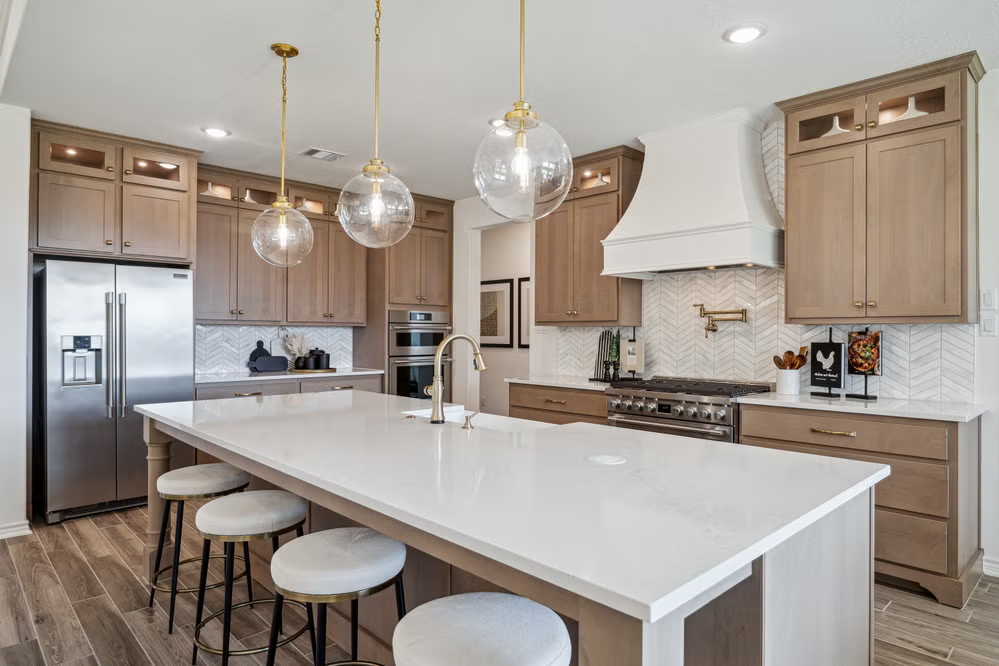
Labor, Materials, and Trade-Level Costs
A kitchen remodel budget is usually a mix of labor, materials, and trade work. It helps to think in buckets so you can see where the money is going.
Common budget buckets
- Cabinets: often the largest single line item
- Countertops: material plus templating and installation
- Flooring: removal, subfloor prep, and installation
- Plumbing: sink, faucet, drain, supply line, and possible moves
- Electrical: outlets, lighting, circuits, and appliance requirements
- Drywall and paint: repair after demo and finish work
- Tile and backsplash: material plus setting labor
- Trim and carpentry: finish details, paneling, and adjustments
In a typical midrange remodel, cabinets and countertops together can consume a very large share of the total budget. Labor can also be higher than homeowners expect, especially when multiple trades have to work in sequence.
Trade-level realities
Kitchen work is not usually a one-trade job. It may involve:
- a demolition crew
- a carpenter or cabinet installer
- a plumber
- an electrician
- a drywaller
- a tile setter
- a painter
- a countertop fabricator
The more trades involved, the more coordination matters. If the kitchen has to be rebuilt in a particular order, any delay can create idle time and increase cost pressure.
Labor pricing in Grand Prairie also tends to follow wider DFW conditions, which means busy seasons can affect both availability and speed. When multiple projects are competing for the same skilled trades, lead times may stretch and some crews will charge more for rush scheduling or complex sequencing. Planning ahead is one of the best ways to keep labor from becoming unnecessarily expensive.
For broader planning on how remodeling value is typically framed, see the industry guidance in Remodeling Magazine’s Cost vs. Value report and planning principles from NKBA design guidance.

Permit, Design, and Planning Costs
Permit and planning costs are often overlooked because they are not as visible as cabinets or quartz, but they can affect both budget and schedule.
If the remodel includes electrical, plumbing, mechanical, or structural changes, permit and inspection steps may apply. You should verify the scope early through City of Grand Prairie permits and inspections rather than assuming the project is cosmetic only.
What soft costs can include
- design consultation or kitchen layout planning
- measurement and field verification
- permit fees
- plan revisions
- engineering if a wall or opening changes
- inspection coordination
- material takeoff and ordering support
For a more straightforward kitchen, design and planning may feel like a smaller percentage of the job. For a custom or reconfigured kitchen, planning can become one of the best investments because it reduces ordering mistakes and field changes.
A realistic planning reserve for preconstruction tasks can be 3% to 8% of the project total, depending on how much design work is needed.
If you are comparing this with other local remodels, the planning logic is similar to what you would see in a full-home project or a bath renovation, though kitchen projects usually carry more cabinet and appliance coordination. You can compare the budget structure with the Denton kitchen remodel guide and the McKinney kitchen remodel guide.
It can also help to think of planning as risk management. Good drawings, accurate measurements, and clear selections reduce the chance that the wrong cabinet depth, appliance size, or tile layout gets ordered. In a remodel with several moving parts, those small mistakes can create expensive delays that are much harder to fix after demolition has started.
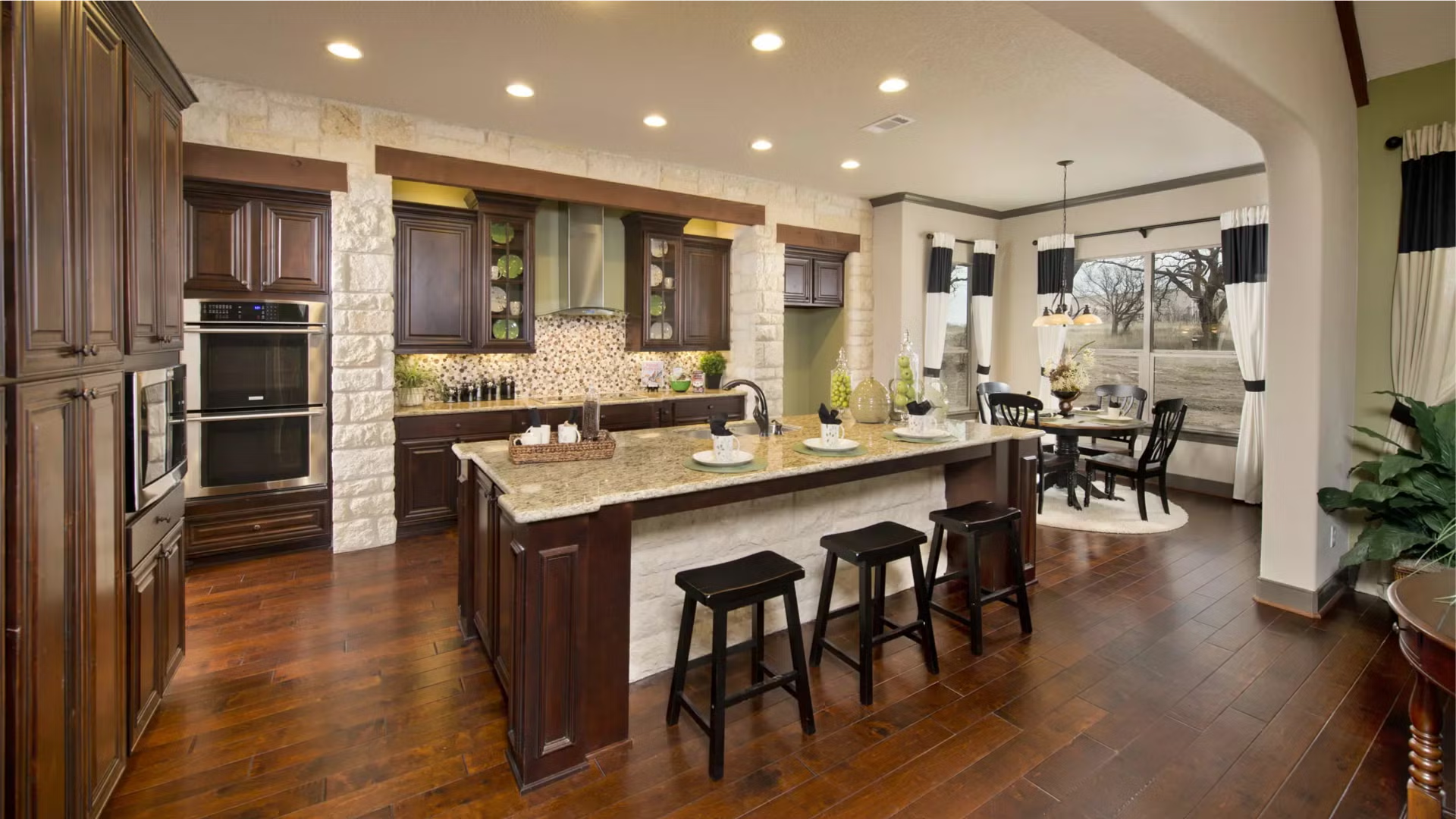
Timeline and Process Expectations
A Grand Prairie kitchen remodel usually unfolds in phases, and each phase has its own cost and schedule effect.
Typical timeline
For a cosmetic update, the work may take about 2 to 4 weeks on site once materials are ready.
For a midrange remodel, expect about 4 to 8 weeks of construction time, with additional preconstruction time for design, selections, and ordering.
For a full-gut or custom kitchen, the process can run 8 to 16 weeks or longer on site, especially if walls are moving, specialty items are backordered, or inspections create pauses.
Common phases
- Discovery and estimate
- review goals, scope, and budget
- inspect existing conditions
- determine whether layout changes are needed
- Design and selection
- choose cabinets, tops, fixtures, flooring, and lighting
- confirm dimensions and appliance specifications
- Permitting and preconstruction
- submit plans if required
- order materials with lead times
- schedule the trade sequence
- Demolition
- remove old cabinets, tops, tile, and finishes
- uncover hidden conditions
- Rough-in work
- plumbing, electrical, and framing changes
- inspections if applicable
- Install and finish
- cabinets, counters, backsplash, flooring, trim, and paint
- final fixture and appliance tie-ins
Where schedules slip
The biggest timeline risks are usually:
- late material selections
- backordered cabinets or specialty tops
- hidden repair work after demo
- permit or inspection delays
- change orders after construction begins
This is why even a well-planned project should have time and budget cushions. A remodel that looks simple on paper can stretch if the kitchen’s actual conditions are more complicated than expected.
One practical way to reduce delays is to finalize long-lead items before demo begins. Cabinets, specialty sinks, custom hood components, and some stone selections can all affect the critical path. If those pieces are not confirmed early, the rest of the job may be forced to wait.

How to Budget the Project Realistically
A realistic budget is not just the lowest number you hope to pay. It is the number that can absorb normal surprises without stopping the project.
Build in contingency
Plan for a contingency of 10% to 20% of the remodel budget. If the home is older, if the layout is changing, or if you suspect hidden issues, lean toward the higher end.
Examples:
- A $50,000 remodel should carry about $5,000 to $10,000 in contingency
- A $75,000 remodel should carry about $7,500 to $15,000
- A $120,000 remodel should carry about $12,000 to $24,000
That cushion helps absorb:
- hidden framing or wiring issues
- plumbing surprises
- drywall repair
- material substitutions
- change orders
- finish upgrades you decide to add once the project is underway
Separate “must-haves” from “nice-to-haves”
Before work begins, identify the items you will not compromise on:
- cabinet quality
- countertop material
- layout function
- lighting performance
- storage needs
Then list optional upgrades:
- decorative hood
- beverage center
- specialty tile
- upgraded hardware
- premium faucet finish
This makes it easier to protect the parts of the budget that matter most.
Use allowances wisely
If you are not making every selection upfront, build allowances into the estimate. A good allowance structure keeps you from underestimating the true finish level. For example, one allowance can cover cabinets, another can cover countertops, and a separate one can cover flooring or tile.
Financing and sequencing
If you plan to finance the remodel, it is smart to understand the payment schedule before the project starts. Some costs happen early, such as design, cabinets, and material deposits. Others arrive later, such as labor completion, tile work, and final punch items.
A remodel is easier to manage when the budget is organized by phase rather than by a single lump sum.
It is also worth asking how selections will be handled if the actual product price comes in above the allowance. That conversation matters because many kitchen surprises are not true overages so much as selection changes. When you know the difference between scope growth and allowance adjustments, it is much easier to keep the project financially on track.

When to Choose a Kitchen Remodeling Project in Grand Prairie
A kitchen remodel makes the most sense when the room is costing you function, not just style. In Grand Prairie, that often means the home has a dated layout, tired surfaces, poor storage, or systems that no longer fit the way the family uses the space.
You are likely ready for a remodel if:
- the cabinets are failing or the storage plan is frustrating
- the layout feels closed off or inefficient
- the kitchen lacks enough lighting
- the flooring, counters, and backsplash all feel worn at the same time
- appliances are being replaced anyway
- electrical or plumbing updates are needed
- the kitchen no longer matches the rest of the home
If the rest of the house is already being updated, the kitchen often becomes the project that ties everything together. In that case, it can also make sense to compare the kitchen budget against broader home updates with a whole-home remodel guide or, if you are considering a larger long-term plan, even a new-build budget with a Grand Prairie home-building guide.
For homeowners who are still debating whether a remodel or a smaller update is the better move, a kitchen project can often be staged. You do not always need to do everything at once. Sometimes the right choice is to fix the layout and finishes now, then save a few premium items for a later phase.
Staging can be especially helpful if you plan to live in the home for several more years but do not want to overspend before you know how long the current kitchen configuration will serve you. In that case, it may make sense to concentrate on the most painful issues first: storage, workflow, lighting, and any worn or failing surfaces. Decorative upgrades can always be added later once the room is functioning properly.
Final Thoughts on Kitchen Remodeling in Grand Prairie
A kitchen remodel in Grand Prairie can be a smart investment when the scope is planned carefully and the budget reflects real DFW pricing. Most projects fall somewhere between a modest refresh and a major custom renovation, and the final number depends on cabinets, countertops, trade work, permit steps, and how much the existing kitchen has to change.
If you want a smooth result, start with a realistic range, protect a contingency, and make the design decisions early. That approach helps keep the job moving and reduces the chance that hidden issues turn into expensive surprises.
If your kitchen is outdated, awkward, or simply no longer working for your household, the next step is a professional walkthrough and a clear scope review. From there, you can decide whether a lighter update or a full remodel makes the most sense for your Grand Prairie home.
For broader DFW pricing context, see the full DFW cost guide.
For service details specific to Fin Home, review our Grand Prairie Kitchen Remodeling page.
For added local reference, review Texas Department of Licensing and Regulation for Support contractor/licensing context and the need to use properly licensed trades where applicable.