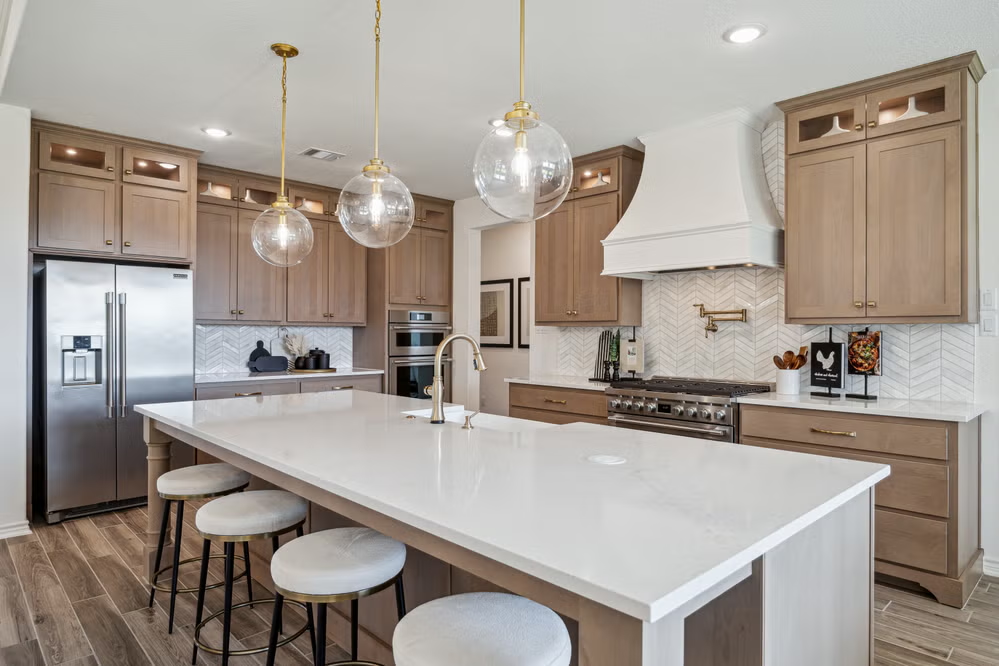
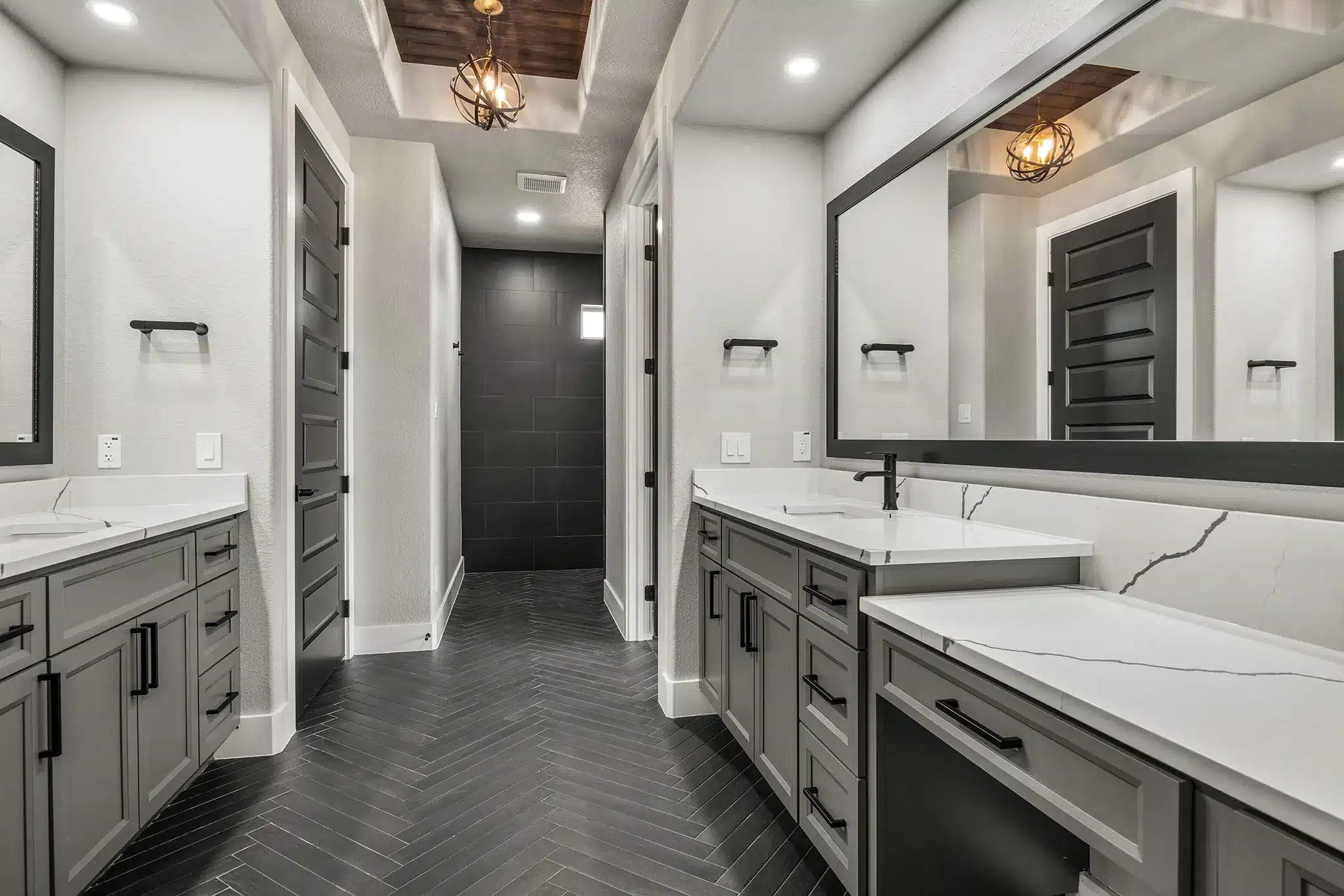
Grand Prairie sits in the middle of one of the most active housing markets in North Texas, so the question is not just whether building new is possible, but what kind of budget you should plan for. For most custom home projects in the city, a realistic 2026 budget usually starts with a per-square-foot range, then expands based on site work, design complexity, and the finish level you choose. In practical terms, the cost to build a house in Grand Prairie often lands in the same broad band as the rest of DFW, but lot conditions and utility work can push the total up or down faster than many homeowners expect.
If you are trying to compare new construction against a remodel, it helps to look at the decision from a bigger planning angle. A full rebuild may offer better long-term value when you want a tailored layout, modern systems, and fewer compromises. If your current home already works structurally, a project like a Grand Prairie home remodeling project may be a more efficient use of budget. Either way, the right answer starts with a clear understanding of the numbers.
The short version is this: a modest custom home can be built for far less than a luxury property, but the range is wide because the land, the plan, and the materials all matter. If you want a market-level benchmark before you start planning, this guide sits alongside our broader DFW home building cost guide so you can see how Grand Prairie fits into the regional picture. For homeowners weighing a larger move, the same planning logic applies when you compare Grand Prairie to another North Texas market.

What it typically costs per square foot in Grand Prairie
The most common starting point for a custom home budget is a square-foot estimate, but that number only becomes useful when you understand what is inside it. In Grand Prairie, a practical 2026 planning range for a custom build often begins in the mid-range and can climb sharply once you move into premium cabinetry, upgraded roofing, large-span structural features, or high-end finishes. Rather than treating one number as universal, it is better to think in bands.
A helpful way to frame the cost is:
- Entry-level custom build: lower finish package, simpler plan, fewer design changes
- Mid-range custom build: balanced selections, standard but quality finishes, some custom details
- High-end custom build: larger footprint, elevated materials, specialty rooms, and more complex site work
The range matters because many homeowners compare only the base price and overlook what is already included. Foundation type, insulation level, window quality, HVAC sizing, appliance allowances, and trim detail can all change the final figure. A home with the same square footage can differ by hundreds of thousands of dollars once those choices are accounted for.
Grand Prairie also follows the same broader DFW pattern where labor availability, material pricing, and project timing influence your estimate. For example, if your plan requires a more complicated roofline or custom exterior finish, the quote can rise even if the floor plan is not dramatically larger. That is why the best estimate is not just a price-per-foot number; it is a scope-based budget built from your actual plans.
When you compare estimates, ask each builder whether the number includes plan review, site prep, utility allowances, permits, and contingency. Those line items can be the difference between a realistic budget and a number that looks good on paper but fails once construction starts. If you want a local benchmark tied to this city rather than a generic regional estimate, this is where the matching Grand Prairie custom home builder page becomes useful.

Why the square-foot number changes so much
Two homes with identical square footage can have very different costs because square footage is only one piece of the puzzle. A simple rectangular footprint is easier to frame, roof, and insulate than a design with wings, cut-ins, vaults, and complicated roof transitions. In the same way, a one-story plan may need more foundation and roof area than a two-story layout, which can shift the budget structure.
The same is true for material selections. Basic finishes keep the budget controlled, but the minute you move into custom millwork, designer fixtures, or built-in features, the price starts to climb. In Grand Prairie, where many buyers want a home that feels updated and durable without overbuilding, the most successful projects are usually the ones that match the finish level to the intended resale or long-term use of the home.
The main cost buckets that shape your total
A detailed home-building estimate is easier to understand when it is broken into pieces. Instead of one big number, think about the project in terms of the systems and trades that make the house complete. Those buckets usually include site work, foundation, framing, mechanical systems, exterior envelope, interior finishes, and final detailing. Each bucket can flex if the plan changes.
Here is a practical way to think about the budget structure:
| Cost bucket | What it covers | Budget impact |
|---|---|---|
| Site prep | clearing, grading, excavation, drainage adjustments | can be modest or significant depending on lot conditions |
| Foundation | slab, stem wall, or other foundation system | highly sensitive to soil and engineering needs |
| Framing | lumber, labor, trusses, sheathing | depends on size, complexity, and roof structure |
| Mechanical systems | plumbing, electrical, HVAC | rises with square footage and equipment upgrades |
| Exterior | windows, doors, siding, masonry, roofing | premium envelope choices add durable value but increase cost |
| Interior finishes | drywall, paint, cabinets, flooring, tile, trim | often one of the largest budget swing areas |
| Fixtures and appliances | lighting, plumbing fixtures, appliances | selection-driven and easy to overspend on |
| Final closeout | punch list, final inspections, cleanup | smaller percentage, but critical to quality |
A thoughtful budget treats these categories as interconnected. A larger open-concept living area may require more structural support. Premium windows can improve efficiency but affect the envelope budget. A spa-style bathroom or an oversized kitchen can be justified, but each custom feature pulls resources from somewhere else. If you are also comparing local upgrade paths, our related Grand Prairie bathroom remodeling guide and Grand Prairie kitchen remodeling guide show how finish decisions influence costs in a smaller project too.
For homeowners who are deciding between different North Texas markets, it can help to compare nearby examples. A Denton home-building cost guide often highlights similar regional labor and material issues, while another market such as McKinney can show how lot expectations and build standards shift the budget profile. For a wider baseline, the DFW home building cost guide is the most useful regional starting point.

Site work deserves more attention than many owners give it
Site work is where a lot of first-time builders are surprised. A clean, flat lot is not the same as a lot that needs aggressive grading, drainage redesign, or utility coordination. If your property has access challenges, tree removal, retaining walls, or foundation prep issues, the site budget can increase before any framing begins.
In Grand Prairie, lot characteristics vary enough that you should never assume your site prep will be minor. Even when the overall neighborhood feels straightforward, the actual build pad can reveal soil or slope conditions that require extra engineering. This is one of the most important reasons to involve a builder early instead of waiting until after you have chosen finishes.
Grand Prairie-specific factors that affect pricing
Grand Prairie has a strong local identity inside the DFW metro, but it also shares the same construction realities as nearby suburbs: competition for labor, schedule pressure, and a steady flow of demand for new residential work. That means your quote may reflect both the local city context and the broader North Texas market.
One of the most important local considerations is permitting and plan approval. The City of Grand Prairie’s planning and building functions can affect your timeline, especially when your project needs foundation-related review, subdivision compliance, or other preconstruction checks. A good builder should know how to sequence these tasks so the project does not stall. The city’s own planning and building inspections updates and related development materials, including Article 12 of the Unified Development Code, are examples of the type of official references that can matter when you are mapping out the process.
Population and household growth also matter because housing demand affects subcontractor availability and the pace at which new homes are being planned across the metro. The U.S. Census Bureau’s population estimates release is not a pricing sheet, but it is a useful reminder that fast-growing cities tend to keep construction activity elevated.
A few Grand Prairie-specific budget factors to keep in mind:
- Lot size and whether the site is already prepared for construction
- Utility access and the cost to connect or extend services
- Neighborhood design standards or architectural expectations
- The level of finish the owner wants compared with surrounding homes
- Schedule timing, especially if subcontractor availability is tight
- Whether the design requires custom engineering or structural adjustments
The best builders do not just quote a structure; they also anticipate the city and site conditions that can change the final total. That is why a city-specific page such as the Grand Prairie custom home builder page is part of a realistic budgeting process, not just a sales step.

Example budget scenarios for common home sizes
A useful way to estimate your total is to combine square footage with the finish level you want. The table below is not a promise or a quote; it is a planning tool that helps you understand how quickly the numbers move once you add space and detail.
| Home size | Basic custom finish | Mid-range custom finish | Higher-end custom finish |
|---|---|---|---|
| 1,800 sq. ft. | lower overall budget | moderate overall budget | premium overall budget |
| 2,400 sq. ft. | moderate budget increase | stronger mid-range total | high-end total begins to climb quickly |
| 3,000 sq. ft. | larger budget but still manageable with disciplined scope | typical family-custom range | luxury range with more design tradeoffs |
| 4,000+ sq. ft. | substantial total investment | very substantial total investment | custom luxury pricing with major finish and site variables |
A small home can still cost a lot if it includes custom millwork, premium appliances, and a complicated roof or foundation package. Likewise, a larger home can be surprisingly efficient per square foot if the design is simple and the material selections stay disciplined. The important thing is to budget by scope, not just by size.
If you are planning a home that needs a more restrained budget, prioritize the structural choices that are hardest to change later: foundation, framing, roof, insulation, and mechanical systems. If there is money left in the budget, use it on visual upgrades that deliver the most day-to-day value, such as kitchen layout, primary bath quality, and storage. That approach often produces a better end result than spreading upgrades evenly across every room.
For people comparing a new build against other major project types, it can help to note how renovation priorities differ. A new build gives you a clean slate, while a remodel may preserve part of the existing house and reduce some hard-cost categories. If you are still undecided, the local guides for bathroom remodeling and kitchen remodeling can help you compare where your money goes in a smaller project before committing to a full build.
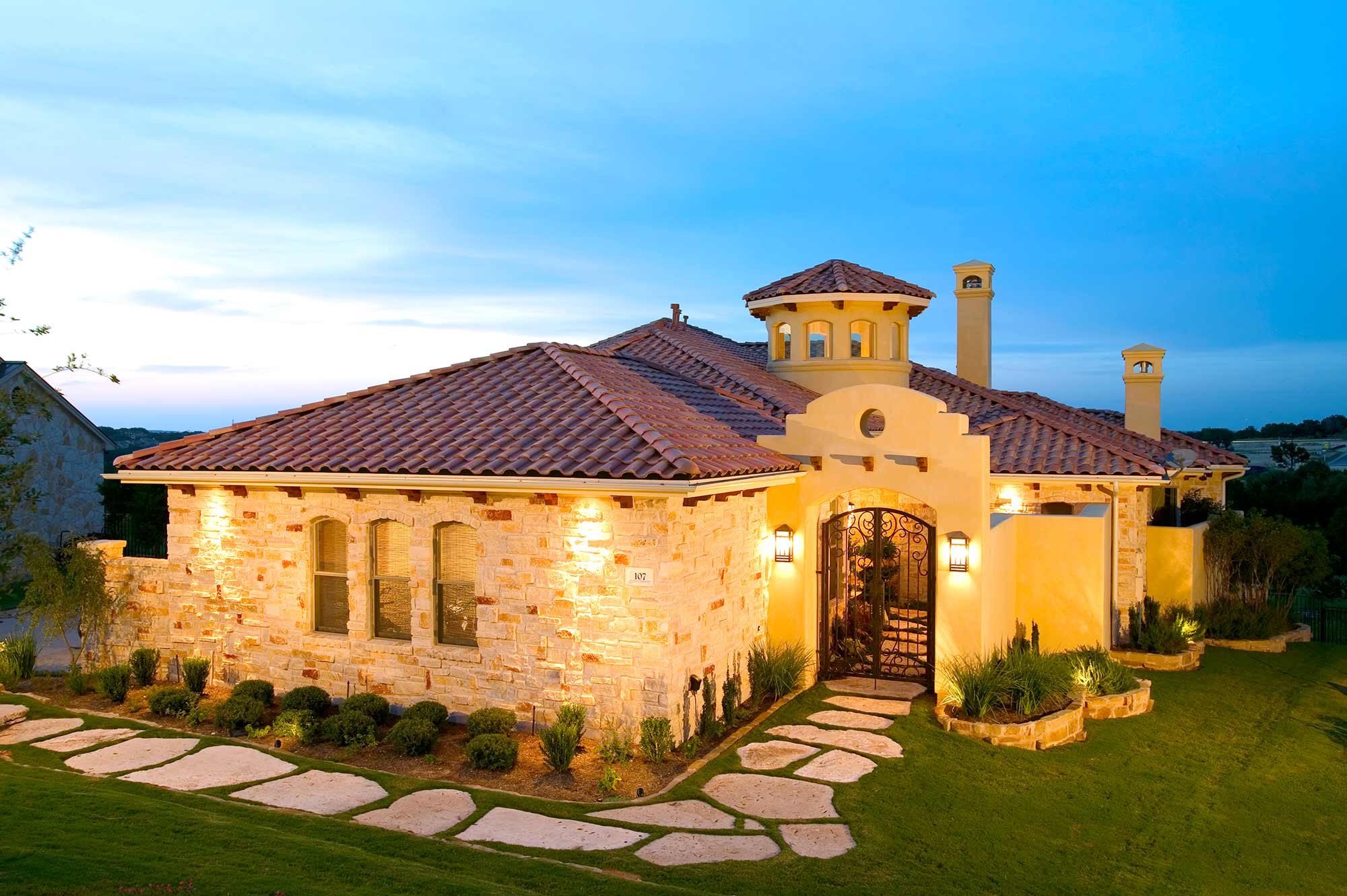
How to read estimates the smart way
When comparing bids, do not stop at the total. Look at what each number includes and what it excludes. One estimate may appear cheaper simply because it assumes a lower-end allowance for flooring or fixtures. Another may look higher because it includes more realistic contingencies or a stronger scope definition.
Ask each builder to identify the allowances for cabinets, countertops, tile, flooring, and appliances. Then compare them line by line. If one proposal has a more detailed scope and fewer assumptions, it may actually be the safer budget choice even if it is not the lowest price.
How the permitting and schedule process can change the budget
Time affects cost in home building. Delays can lead to extended temporary conditions, rescheduling fees, material price changes, and subcontractor rebooking. That is why the permit and inspection process deserves attention from the beginning, especially in a city where planning reviews and building inspections are part of the normal workflow.
In Grand Prairie, a smooth project often depends on preparing documents early and keeping the plan package clean. If engineering, plat review, or utility coordination is incomplete, the schedule can slow down before the site is even ready. Good builders manage those dependencies so the owner is not paying avoidable holding costs or absorbing preventable schedule drift.
A simplified sequence usually looks like this:
- Preconstruction planning and scope development
- Site review and budgeting
- Plan preparation and revisions
- Permit and approval submission
- Site preparation and foundation work
- Framing and building envelope installation
- Rough mechanicals, inspections, and insulation
- Drywall, finishes, fixtures, and final trim
- Final inspections and closeout
Some homes move quickly through those stages; others hit pauses when selections are not finalized or approvals take longer than expected. A project with custom features, specialty materials, or complicated site conditions naturally needs a larger contingency. That contingency should be planned up front rather than treated as a surprise.
The important point is that schedule and budget are linked. If you compress the schedule too hard, you may spend more to get the same quality. If you try to save money by delaying critical decisions, you may end up paying for it later in the form of change orders or lost momentum.

How to keep your home-building budget under control
The easiest way to protect your budget is to make high-impact decisions early and hold the line on scope creep. A well-run custom build starts with a realistic target and a clear understanding of what matters most to your family. If you know where you want to spend and where you are willing to simplify, the estimate becomes much more useful.
A few practical budget-control strategies:
- Keep the floor plan efficient instead of adding square footage only because it seems attractive
- Limit major layout changes after the design has been priced
- Choose one or two “splurge” areas and keep the rest consistent
- Ask for allowances before you fall in love with premium selections
- Compare apples to apples across bids
- Reserve contingency for site conditions or unavoidable plan changes
The cheapest home is not always the best value. Cutting too aggressively on the structure, envelope, or mechanical systems can create higher maintenance costs later. On the other hand, overspending on decorative upgrades that do not add everyday function can make the project feel expensive without improving long-term satisfaction.
That balance is why a builder’s job is not only construction, but also guidance. Fin Home can help owners decide which features deserve investment and which ones can be simplified without hurting the final home. If you are still comparing options in the area, the city-specific service page for Grand Prairie custom home building is the best place to connect your budget goals to a real project conversation.

So what should you expect to pay in Grand Prairie?
For most homeowners, the honest answer is that the total depends on size, land, finish level, and complexity. A smaller custom home with straightforward site conditions and restrained finishes will sit at the lower end of the range. A larger home with premium materials, custom detailing, and more complicated prep work will move much higher.
The useful takeaway is not a single number but a framework:
- Start with a realistic square-foot range
- Add site and utility assumptions
- Adjust for finish level
- Include permit and approval timing
- Hold contingency for the surprises that always appear in custom construction
Grand Prairie is a strong place to build if you want access to the DFW market without losing the local neighborhood feel that makes suburban home ownership attractive. The key is hiring a team that knows how to price the work honestly and keep the project moving. If you want a second look at how this city compares to other DFW markets, our guides for Denton and McKinney are helpful side-by-side references.
For homeowners ready to move from planning to action, the next step is a local conversation about your lot, your plan, and your budget. When those three pieces are aligned, the cost to build a house in Grand Prairie becomes much easier to control, and the finished home is more likely to match both your expectations and your long-term goals.