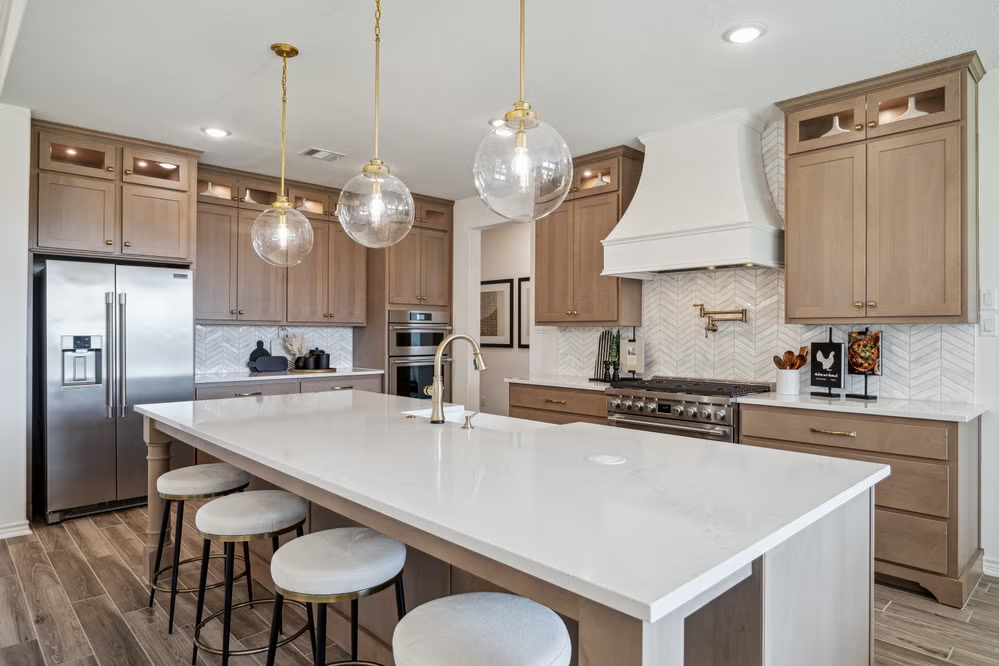
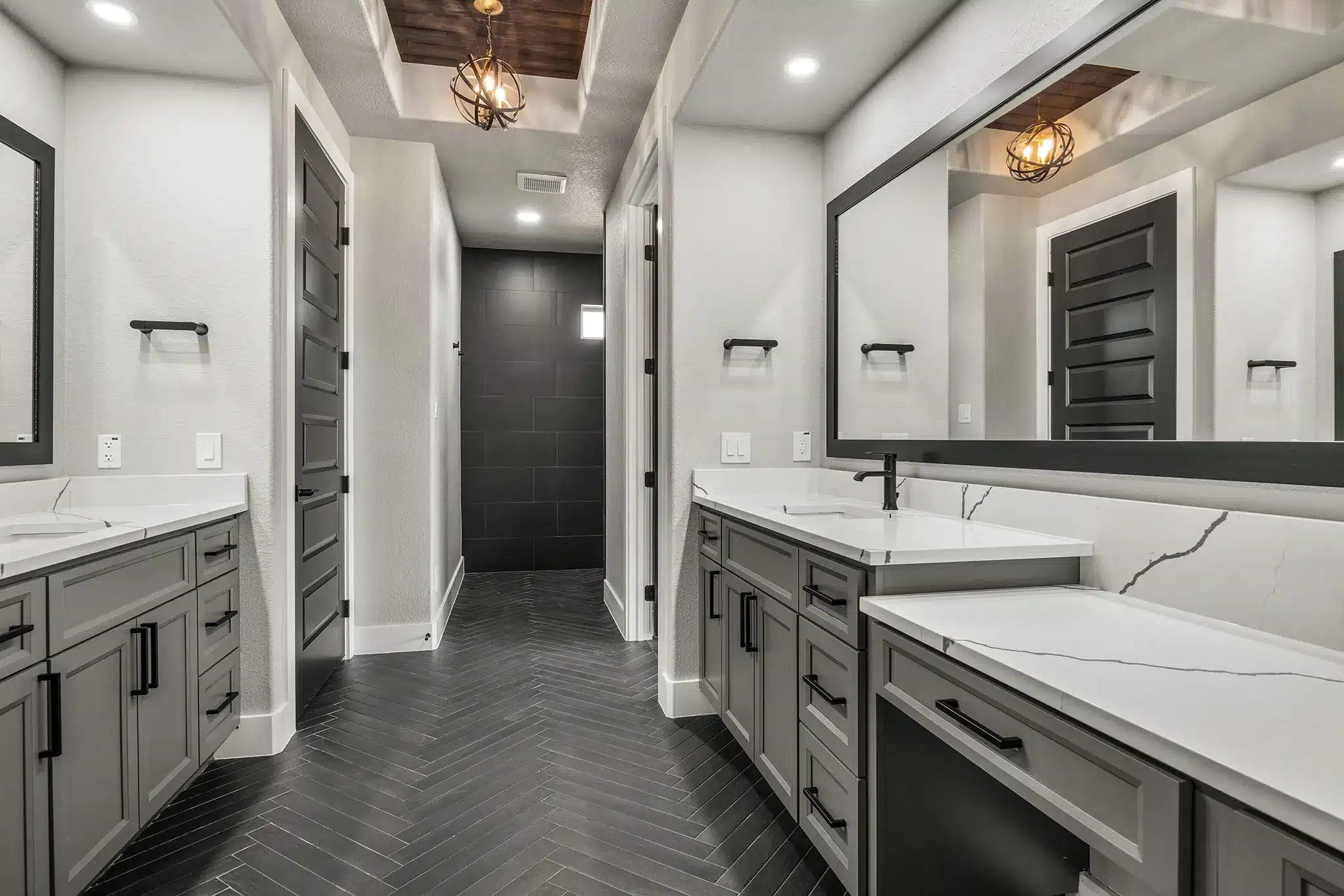
Mesquite is a practical place to plan a custom home if you want east-side DFW access and a neighborhood feel that still sits close to the larger metro. The real question most homeowners ask is straightforward: how much does it cost to build a house in Mesquite in 2026? The honest answer is that there is no single number that fits every lot or plan, but there are very usable pricing bands that can guide your first budget conversation.
A custom build usually starts with a square-foot estimate, then shifts based on site prep, foundation needs, mechanical systems, and finish level. A simple layout with modest selections will land much lower than a larger home with premium materials or more complex roof and exterior work. If you are comparing Mesquite to the wider market, this guide sits alongside our DFW home building cost guide so you can understand the city in a regional context.
If you are still deciding whether a new build or a renovation makes more sense, it is worth looking at the big-picture scope first. A remodel may preserve more of the original structure and keep the project smaller, while a new build gives you a fresh start. In some cases, a Mesquite home remodeling project may be the more efficient choice if your current house already fits the lot and the location works for your family.
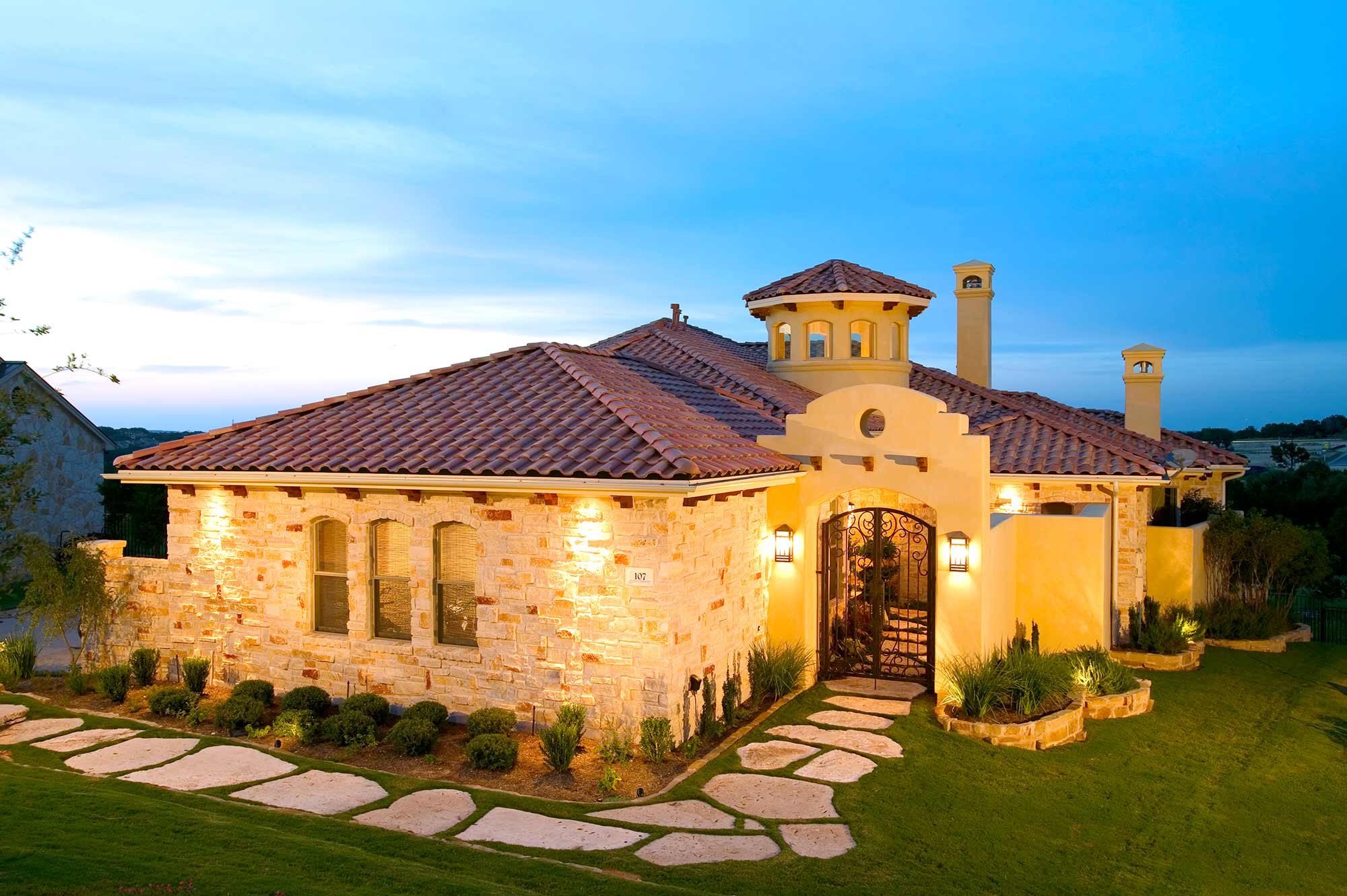
What Mesquite home-building prices usually start with
The easiest way to think about the cost of a custom home is by category rather than by one fixed price. In Mesquite, the planning range often begins with a lower-cost custom option and rises from there depending on how large the home is and how much finish quality you want to build in from the start.
A useful framework looks like this:
- Lower-cost custom build: smaller footprint, straightforward plan, standard-grade finishes
- Mid-range custom build: balanced square footage, better finishes, some custom details
- Higher-end custom build: larger home, premium materials, more structure and detail
Square footage matters, but it is only one part of the estimate. Two homes with the same size can still cost very different amounts if one needs more engineering, better windows, upgraded cabinets, or a more complex exterior. That is why a line-item scope is always more useful than a single headline number.
Mesquite also follows the broader DFW pattern where labor availability and material pricing can affect your budget. If the design is complicated, or if the lot requires a little more work before building can even start, the price can rise quickly. That is true even when the home itself is not oversized.
A local reference point like the Mesquite custom home builder page is helpful because it connects the general numbers to a real project process. The more you understand the local build path, the easier it is to spot unrealistic estimates.

Why the square-foot number changes so much
A square-foot estimate is useful for first-pass budgeting, but it hides a lot of details. A clean rectangular plan is usually easier and cheaper to build than a design with multiple offsets, complicated rooflines, or a lot of custom structure. A one-story house may also cost differently from a two-story house, depending on how the foundation and roof area work out.
Materials make a big difference too. Basic finishes keep the project grounded, while custom millwork, specialty tile, premium flooring, and upgraded fixtures can move the total much higher. Mesquite homeowners often want a home that feels comfortable and durable without overbuilding, and that usually means being careful about where the premium dollars go.
The main cost buckets in a Mesquite build
A custom home estimate becomes much easier to read when it is broken into the main categories that actually drive the budget. Instead of focusing only on the bottom line, look at site work, foundation, framing, mechanical systems, exterior envelope, and interior finishes. Each piece plays a role in the final cost.
Here is a practical breakdown:
| Cost bucket | What it usually includes | Why it matters |
|---|---|---|
| Site prep | clearing, grading, drainage correction, excavation | can change sharply with lot condition |
| Foundation | slab, engineering, soil work | one of the most important early budget items |
| Framing | lumber, labor, roof structure, sheathing | rises with size and complexity |
| Mechanical systems | HVAC, electrical, plumbing | scales with square footage and equipment |
| Exterior shell | windows, doors, roofing, siding, masonry | affects durability, efficiency, and appearance |
| Interior finishes | drywall, paint, flooring, cabinets, tile | usually a major swing area |
| Fixtures and appliances | lighting, plumbing fixtures, appliances | easy to overspend without clear allowances |
| Closeout | punch list, final checks, cleanup | smaller in dollars but still important |
These categories are connected. A bigger open-concept living room can require extra structural support. Better windows and insulation improve the envelope but may reduce budget flexibility elsewhere. A nicer kitchen or primary bath can be worth it, but only if you know where the tradeoffs are coming from.
If you are comparing other local project types, the related Mesquite bathroom remodeling guide and Mesquite kitchen remodeling guide show how finish decisions affect costs on a smaller scale too.
For broader comparison across nearby North Texas cities, the Carrollton build guide and Denton build guide are helpful reference points because they show how local conditions can shift the final number even within the same metro.

Site work deserves a close look
Site work is one of the easiest places for a budget to drift. A lot that is already cleared and level is much simpler than a site that needs significant grading, drainage work, or utility coordination. Soil conditions and access also matter.
If the lot needs additional engineering or more site preparation than expected, those costs can appear before the framing even begins. That is why the lot review should happen early and why a builder’s local experience is so important. A good estimate is not just about the house itself; it is also about the ground the house sits on.
Mesquite-specific factors that affect price
Mesquite has its own local context, even though it is part of the larger DFW housing market. The city’s permitting and code requirements can influence schedule and cost, especially if the site package is not fully ready when the project starts. Mesquite ordinance and fee references, such as the city’s permit-related fire code ordinance and other municipal code documents, are the kind of official materials that help shape the process.
The broader regional context matters too. The U.S. Census Bureau’s population statistics show why North Texas continues to feel active and competitive from a housing standpoint. More demand tends to keep labor and scheduling tight, which can affect pricing and timing.
Here are a few Mesquite-specific factors worth keeping in mind:
- Whether the lot is already prepared for construction
- How much utility work is needed before building starts
- Neighborhood standards or design expectations
- The level of finish compared with nearby homes
- The complexity of the floor plan and roofline
- Whether the site needs extra engineering or drainage work
A local Mesquite custom home builder can help you interpret those conditions before you get too far into selections. That early clarity often saves money later.
Because Mesquite sits in the same broader market as the rest of east DFW, it is smart to compare your plan not only against the numbers for this city, but against the way the whole region behaves. Some neighborhoods will have easier lot conditions, while others will require more careful grading or drainage planning. Some plans will be cost-efficient because they stay compact and rectangular, while others will be more expensive even at the same square footage because they introduce extra corners, larger spans, or more demanding roof geometry. A real estimate should account for both the local site and the design itself. If you treat the first number as a working estimate rather than a final answer, you will usually make better decisions when it comes time to choose finishes and allowances.
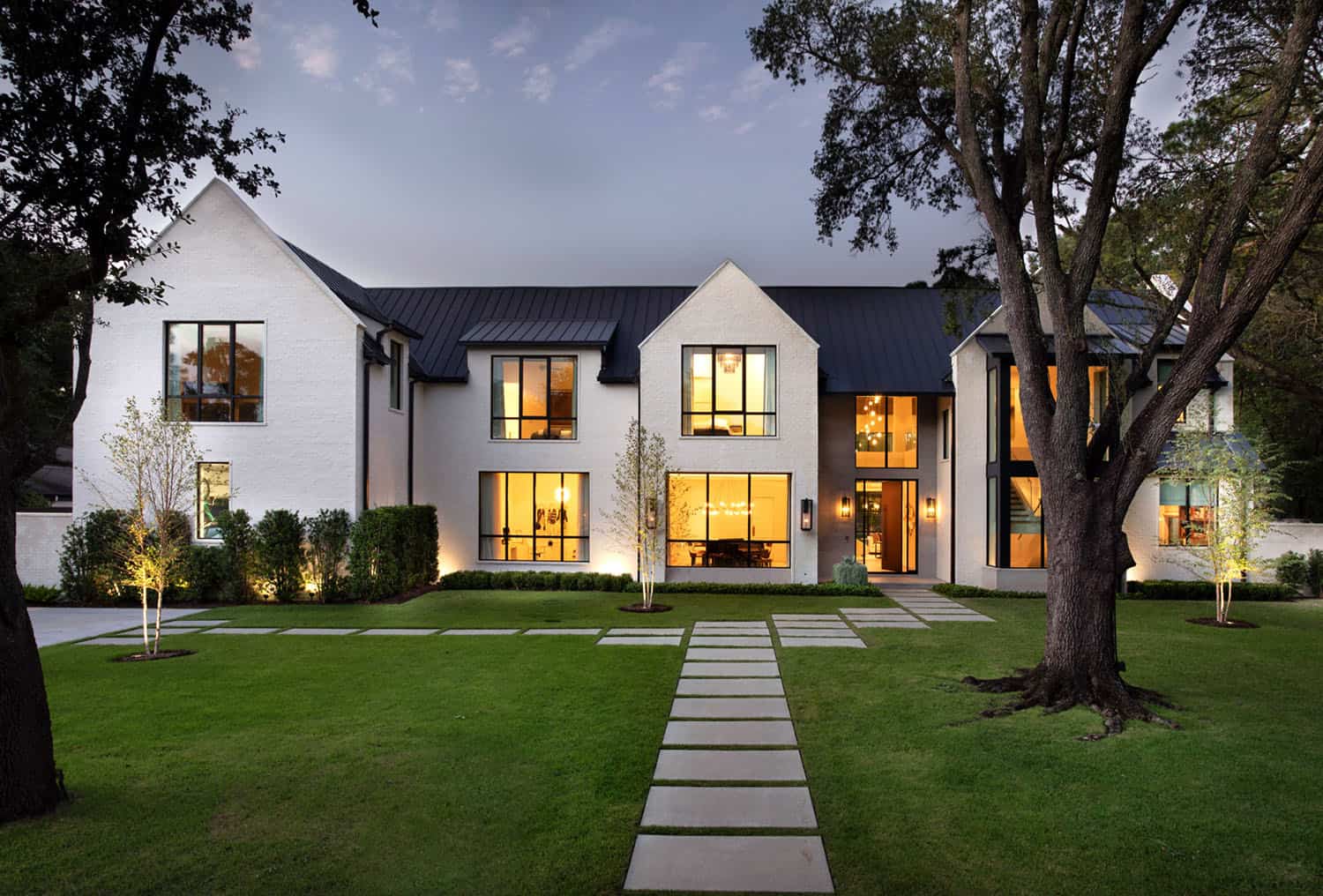
Example budget scenarios by home size
A size-and-finish table is one of the best ways to see how quickly costs can change. These are planning ranges, not quotes, but they help you understand the relative jump between a smaller, simpler project and a larger, more customized one.
| Home size | Basic custom finish | Mid-range custom finish | Higher-end custom finish |
|---|---|---|---|
| 1,800 sq. ft. | lower total | moderate total | premium total |
| 2,400 sq. ft. | modest increase | common family-home range | luxury territory begins |
| 3,000 sq. ft. | larger total but still manageable | typical custom range | high-end pricing becomes more visible |
| 4,000+ sq. ft. | substantial total | very substantial total | major custom-luxury investment |
A smaller home can still be expensive if the selections are high-end or the site is difficult. A larger home can also be efficient if the plan is straightforward and the finish level is controlled. The goal is not to build the biggest house possible; the goal is to build the right house for the site and the budget.
If you are still comparing a new build with a remodel, it can help to look at what your existing structure already gives you. A Mesquite bathroom remodeling project or Mesquite kitchen remodeling project may be a better fit if the location is ideal but the house just needs improvement rather than replacement.

How to read the numbers the smart way
When you compare estimates, look beyond the total. Ask what the allowances are for cabinets, counters, flooring, appliances, and fixtures. One proposal may look lower simply because it assumes a thinner finish package. Another may appear higher because it includes a more realistic scope.
It also helps to ask about contingencies and exclusions. The goal is not just a low number; it is a number that holds up once the project starts.
How approvals and timing can affect your budget
Time costs money in home building. If approvals, selections, or site prep take longer than expected, the project can pick up extra cost from scheduling changes, material changes, or resubmittals. That is why the permit and planning stage deserves real attention.
In Mesquite, the local code and permit environment can influence how soon the work starts. If the package is clean and the site is ready, the project generally has a better chance of staying on schedule. If key pieces are missing, the budget can grow even if the design itself stays the same.
A typical sequence looks like this:
- Initial planning and budget setting
- Site review and design alignment
- Permit submission and approval
- Site prep and foundation work
- Framing and enclosure
- Rough mechanicals and inspections
- Drywall, finishes, and fixture installation
- Punch list and closeout
A more complex home, or a site that needs extra attention, can stretch that timeline. The more changes you make after pricing, the greater the chance of added cost. That is why clear decisions early in the process are so valuable.

How to keep your Mesquite budget under control
The best way to protect your budget is to make the important decisions early and avoid letting the project drift. If you know your target, your builder can help shape the home around it instead of trying to force the budget around a changing wish list.
A few practical strategies help a lot:
- Keep the plan efficient instead of adding square footage for its own sake
- Decide early where you want to spend more and where you can simplify
- Ask for allowances before choosing premium finishes
- Compare estimates line by line instead of only looking at totals
- Reserve contingency for site surprises and selection changes
- Avoid major redesigns once the project is already priced
The right home is usually the one that balances structure, function, and finish quality. That means protecting the core systems and the spaces you use every day while being realistic about where luxury features are truly worth the cost. A builder’s role is to help you make those choices clearly.
The Mesquite custom home builder page is a useful place to start if you want to talk through the lot, the plan, and the budget in a more practical way.

If you are comparing estimates, another helpful habit is to write down what you care about most before you ever ask for a final price. Do you want the most efficient floor plan possible, or do you want a more open living area? Are you trying to keep the house compact, or are you planning for future family growth? Do you care more about exterior presence, or are you putting more of the budget into the kitchen and primary suite? These decisions matter because they tell the builder where to protect the budget and where to keep flexibility. In a market like Mesquite, that kind of prioritization often separates a comfortable project from one that feels like a series of compromises. The cleaner the priorities, the cleaner the estimate, and the better the project tends to feel once construction begins.
For homeowners who like to compare the bigger picture, the DFW home building cost guide is still the best regional reference point. It helps you understand whether your local estimate is tracking with the broader market or drifting above it because of finish level, lot conditions, or other scope differences.
What should you expect to pay in Mesquite?
There is no one-size-fits-all number, but there is a good planning framework. A smaller home with a simple plan and standard finishes will stay toward the lower end of the range. A larger, more customized home with better materials and more complex site work will rise significantly.
The most useful way to think about it is this:
- Start with a square-foot range
- Add site and utility assumptions
- Adjust for finish level
- Include timing and approval risk
- Hold contingency for the unknowns that show up during construction
Mesquite can be a strong place to build when you want a home that fits your life and your lot rather than forcing yourself into an existing house that does not quite work. If you want a broader comparison point, our Denton build guide is a useful nearby reference. And if your existing home is already in the right place, a Mesquite home remodeling project may make more sense than starting from scratch.
Before you commit to a direction, it helps to think through three questions: how much space you truly need, how much customization is worth paying for, and how much uncertainty your budget can absorb. Those questions sound simple, but they force the project back toward priorities instead of wishful thinking. If the answer is that you want a highly specific layout, durable materials, and a home that is tailored to your long-term plans, then new construction can be a very strong fit. If the answer is that the house already has a good structure and only needs strategic updates, a remodel may protect your budget better. The right choice is the one that gives you the best balance of function, cost, and future flexibility. A builder who understands the local market can help you decide where custom value is worth paying for and where efficiency will serve you better.
It also pays to remember that a good budget is not just about the initial build number. The best plans leave room for the everyday realities of construction: small design adjustments, weather interruptions, a material substitution if something is unavailable, or a layout tweak that improves how the home lives once it is finished. Those little items can be easy to ignore during the excitement phase, but they are part of why experienced builders talk about contingency so often. The projects that feel smooth later are usually the ones that respected that reality from day one.
For homeowners ready to move forward, the next step is a real conversation about the lot, the plan, and the budget. Once those are aligned, the cost to build a house in Mesquite becomes much easier to manage, and the final home has a much better chance of matching your goals.