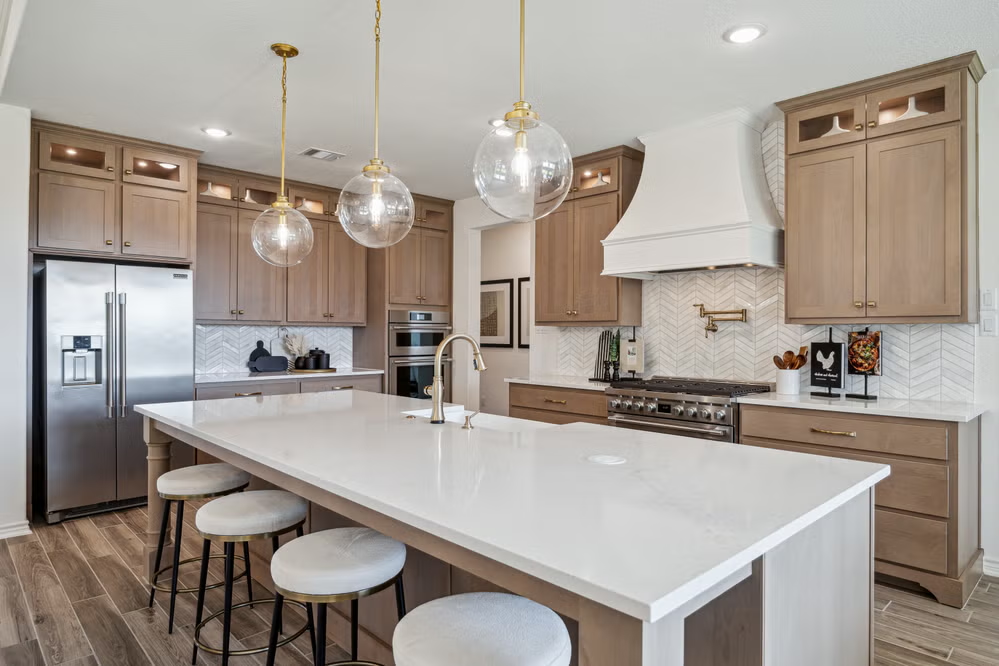
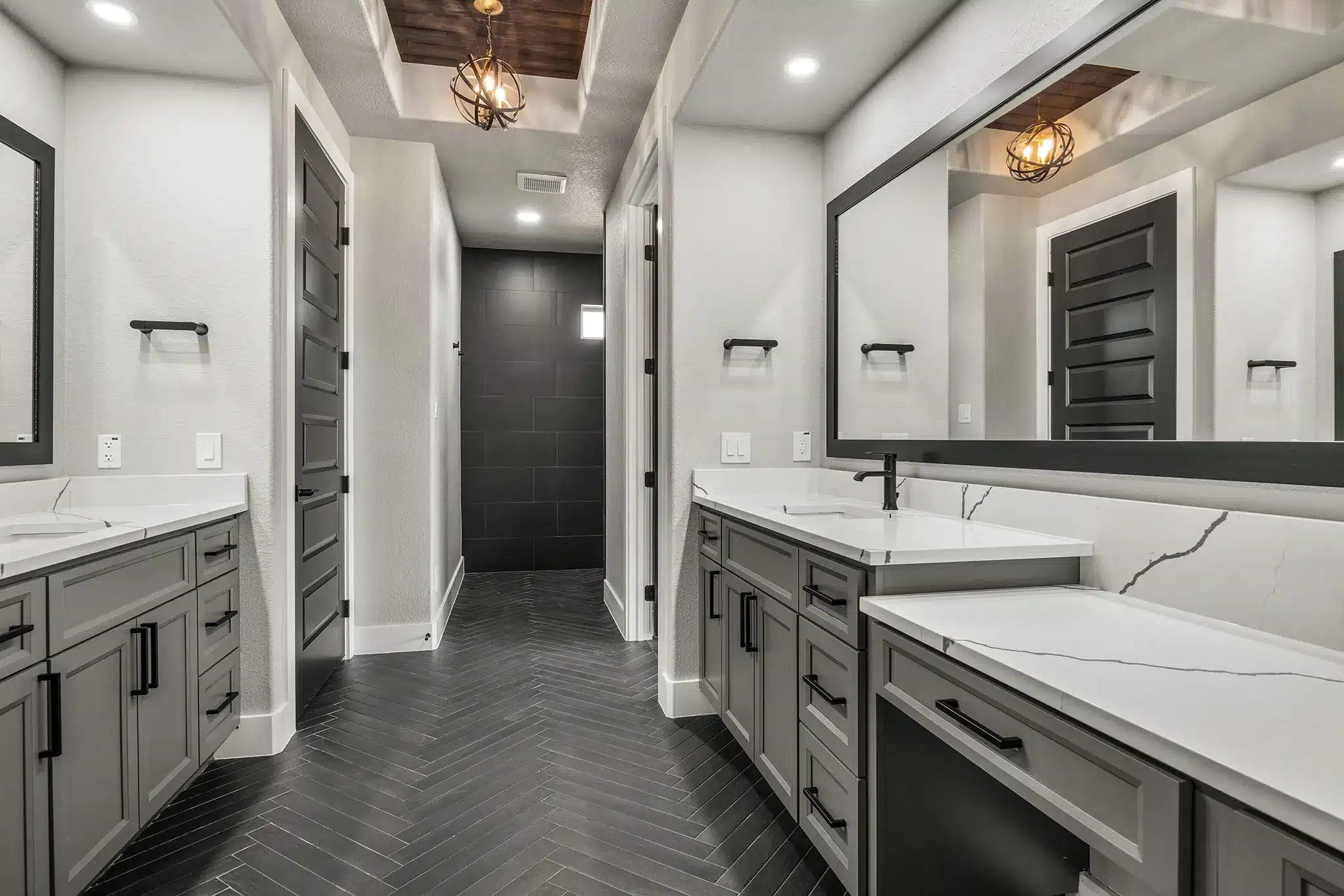
How Much Does It Cost to Build a House in Carrollton?
Building a house in Carrollton is a budgeting exercise with a lot of moving parts: land cost, site prep, permits, labor, materials, and the finish level you want to live with for years. For a typical custom home in Carrollton, a realistic planning range often starts in the mid six figures and can climb quickly when the lot is tight, the design is more complex, or the finish package moves into premium territory.
If you are trying to make sense of the numbers, the best approach is to break the total into parts instead of looking only at the final contract price. That means understanding what goes into the lot, what goes into the structure, and what goes into the interior finishes. It also means comparing your Carrollton budget against the broader DFW market so you can see what is local cost pressure and what is simply normal construction inflation.
The smartest Carrollton budgets start with a realistic square-foot estimate and then add the pieces that many homeowners forget. Sitework, permits, and finish upgrades can all shift the total by a meaningful amount, so it helps to treat the early estimate as a planning tool rather than a final promise.
This guide walks through the main cost drivers, likely price ranges, local permitting considerations, and the choices that have the biggest effect on your final build total.
Why Building in Carrollton Is Different
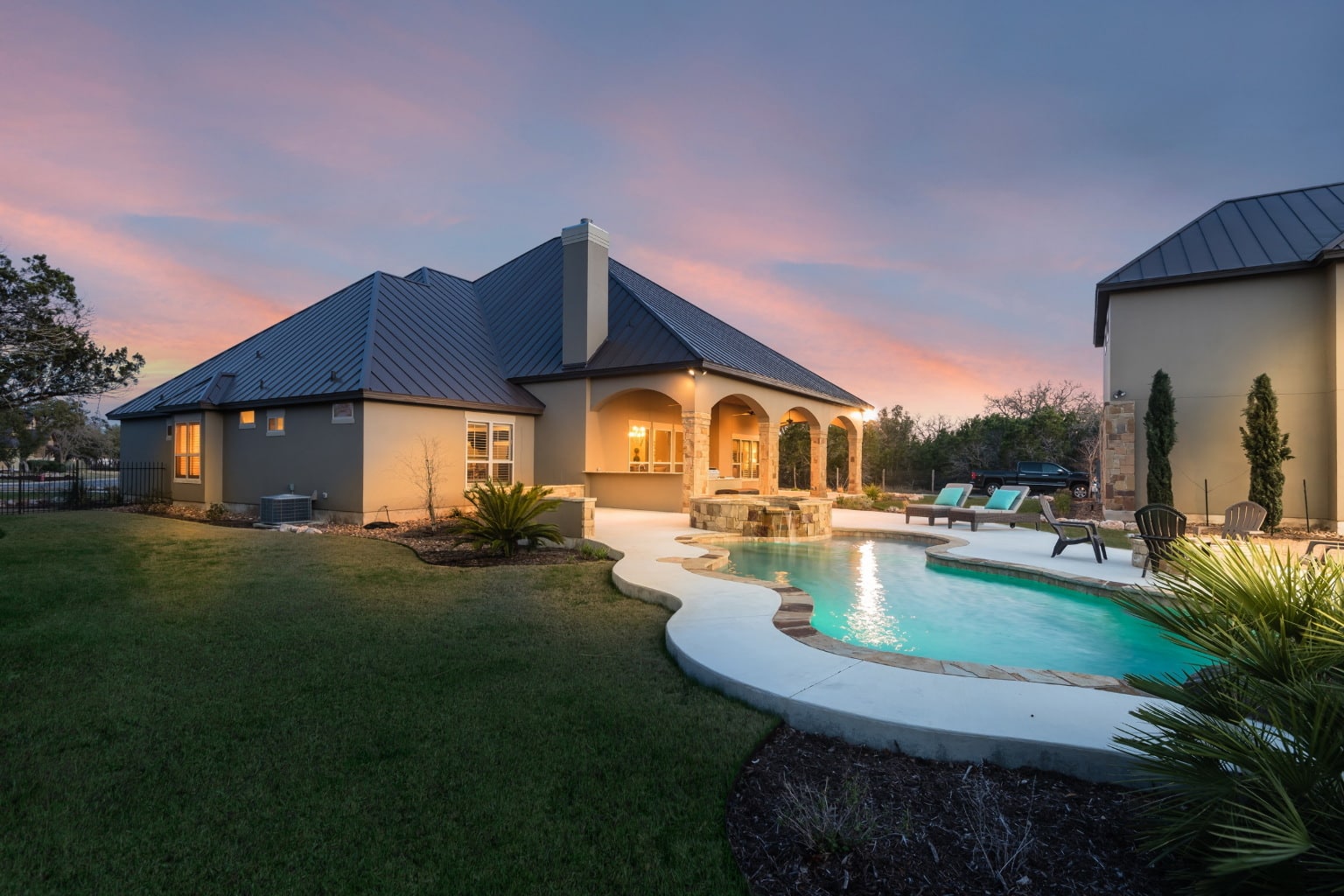
Carrollton sits inside a busy North Texas corridor, and that matters. You are not just pricing lumber and labor; you are also working through city review, inspections, utility coordination, and the kind of scheduling pressure that comes with an active DFW market. The city’s Inspections and Permits workflow means plan review and field inspections are part of the budget and timeline picture from the start.
Carrollton also tends to feel the same subcontractor and material demand as the rest of the metroplex. That means framing crews, HVAC teams, electricians, and finish trades may price more aggressively when calendars are packed. On top of that, lot conditions can vary widely, especially when a build involves infill-style constraints rather than a wide-open rural tract.
So even if two homes share the same square footage, the Carrollton version may cost more or less depending on access, utility work, and how much coordination the project needs.
Carrollton Home Building Cost Ranges
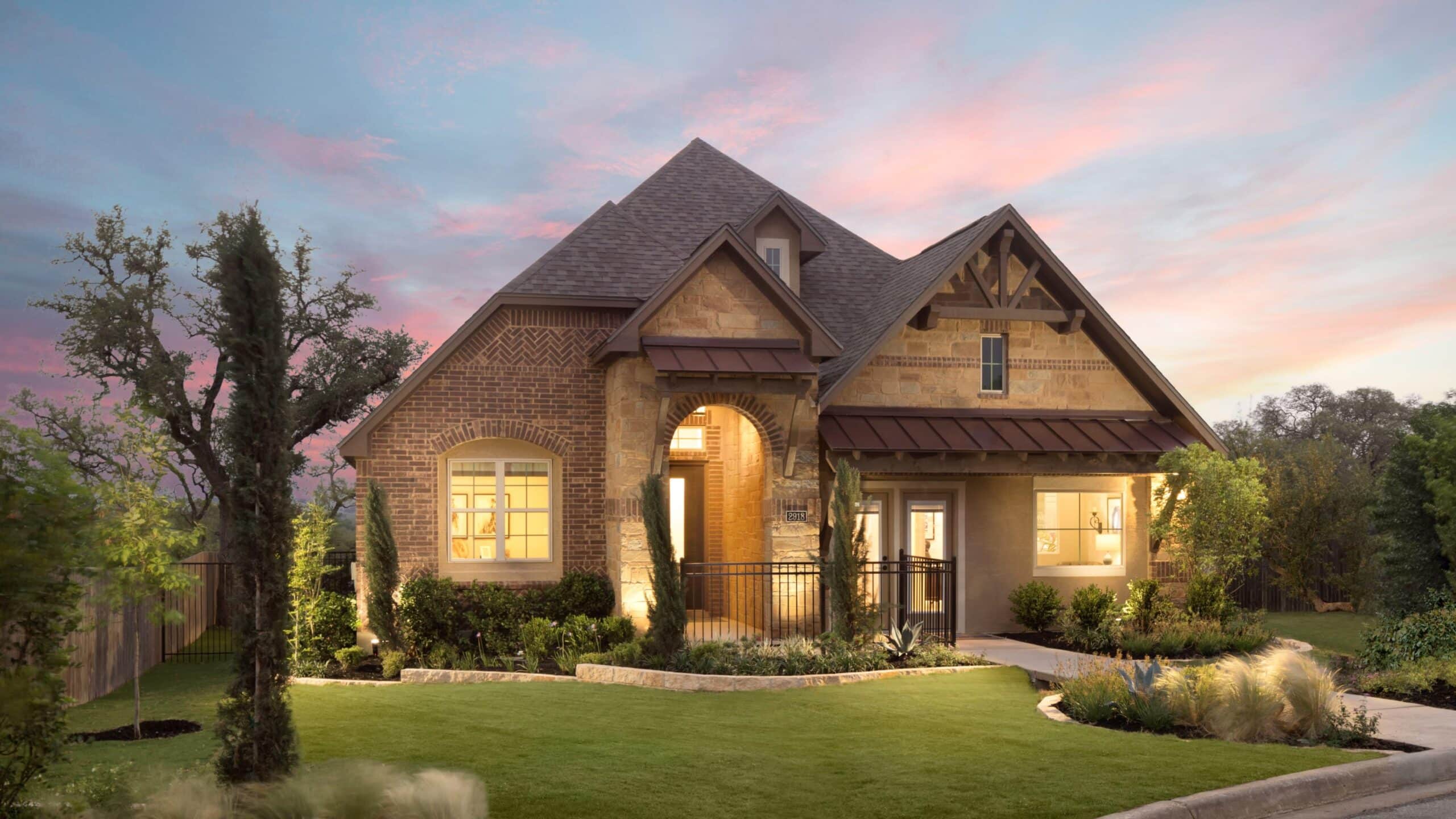
A practical way to budget a Carrollton new build is to think in cost bands per square foot and then translate those bands into total project ranges.
| Build level | Approx. cost per sq. ft. | Example 2,000 sq. ft. total | What it usually includes |
|---|---|---|---|
| Basic custom build | $180–$230 | $360,000–$460,000 | Straightforward plan, standard finishes, limited structural complexity |
| Mid-range custom build | $230–$300 | $460,000–$600,000 | Better cabinetry, upgraded flooring, improved fixtures, more design flexibility |
| High-end custom build | $300–$425+ | $600,000–$850,000+ | Premium materials, larger spans, more detailed architecture, higher-end systems |
Those numbers are planning ranges, not quotes. The real total depends on the lot, the foundation, the design, the finish package, and whether the build includes site challenges that are easy to overlook early on.
Two homes with the same square footage can end up far apart in price if one uses a compact plan and the other uses more complex rooflines, larger window packages, or upgraded exterior materials. That is why cost per square foot should be treated as a budgeting tool, not the whole story. It helps you compare options quickly, but it does not replace a detailed scope sheet.
A lot of Carrollton homeowners start by focusing on the interior budget and forget the carry costs that happen before drywall ever goes up. If you want the clearest apples-to-apples comparison, use the same scope assumptions across every estimate and ask each builder to separate base construction, sitework, and allowances. It is also worth asking which features are included in the base price and which are allowances, because that single distinction can change the final number by tens of thousands of dollars.
For a broader DFW context, it helps to compare your local plan against the DFW home building cost guide so you can see whether your Carrollton numbers are landing in the expected range. That comparison is especially useful when two bids look similar on the surface but hide different assumptions about allowances, sitework, or finish level.
Land, Lot Prep, and Sitework Costs
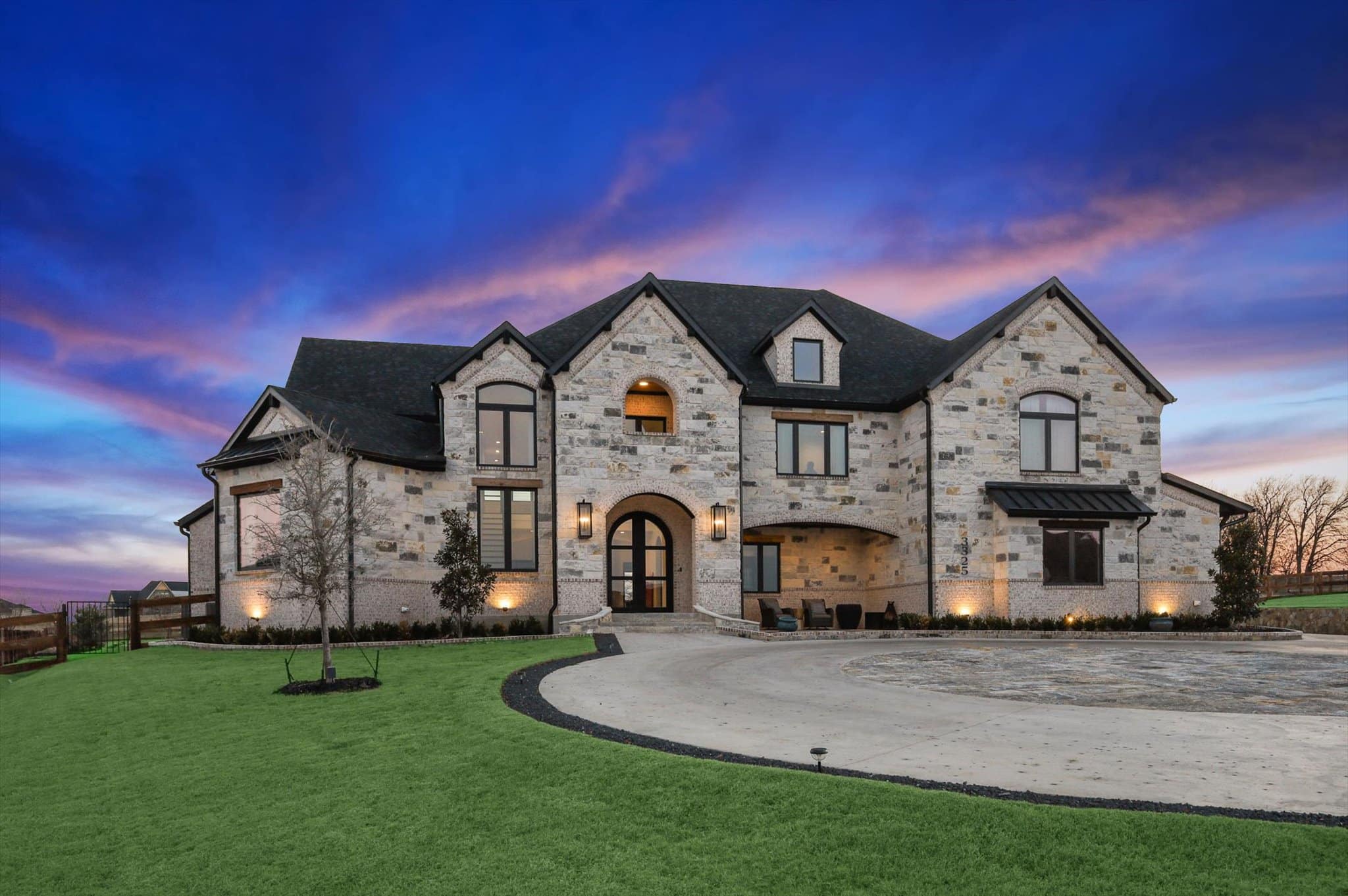
Sitework can quietly become one of the biggest variables in a Carrollton build. Even when the house plan is simple, the land may need grading, clearing, utility trenching, drainage solutions, driveway work, or extra prep for the foundation.
Here are common site-related cost buckets:
| Sitework item | Typical range | Notes |
|---|---|---|
| Survey and staking | $1,000–$4,000 | Higher if the site needs clarification or extra layout work |
| Clearing and grading | $5,000–$25,000+ | Depends on vegetation, slope, drainage, and access |
| Utility taps and trenching | $8,000–$30,000+ | Can rise fast with longer runs or difficult utility access |
| Driveway and hardscape tie-ins | $6,000–$20,000+ | More if you want larger or decorative surfaces |
| Drainage improvements | $3,000–$18,000+ | Important when water management needs attention early |
The most important thing to understand is that lot prep is not a one-size-fits-all line item. A lot that looks affordable on paper can become expensive once you account for access, utility distance, and site balancing. That is why Carrollton builders often insist on a more detailed site review before locking in an exact number.
It is also smart to ask whether the lot needs extra protection for excavation, temporary access, or drainage control while work is underway. Those small items rarely show up in a basic headline estimate, but they matter once equipment arrives and the project starts moving dirt. If the site is tight or the existing grade is awkward, the budget should reflect that from the beginning instead of treating it like an afterthought.
If you are also comparing the cost of building versus upgrading an existing property, you may find it useful to look at how local remodeling budgets compare in a Carrollton home remodeling guide. That context can help you decide whether a new build or a major renovation gives you better value for the property you already own.
Foundation, Framing, and Exterior Shell Costs
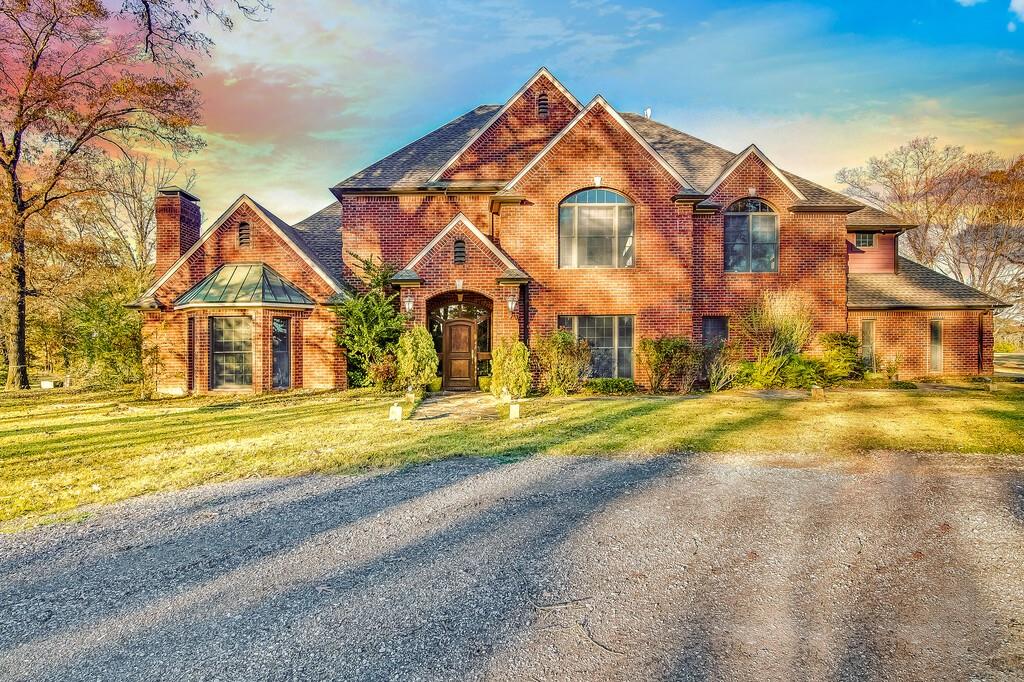
Once sitework is underway, the next major budget layer is the structure itself. This is where framing, foundation, roof, windows, exterior cladding, and weather protection start to define the project.
Foundation choices
In North Texas, foundation design is a major cost driver. Soil conditions, engineering requirements, and slab design details all influence the price. A conventional slab may be the most economical option, but engineering or soil-related design adjustments can raise the total quickly.
Framing and roof structure
Framing costs usually scale with the size and complexity of the house. A simple rectangular layout with a straightforward roofline is usually cheaper than a plan with multiple gables, vaulted spaces, or custom spans. Roof complexity matters because every extra ridge, valley, or transition adds labor and material.
Exterior envelope
The shell includes exterior walls, sheathing, housewrap, windows, doors, trim, and siding or masonry. This package protects the home and shapes its curb appeal, so it is both a functional and aesthetic cost center. Window count and window quality can swing totals more than many homeowners expect.
A rough budget split for shell construction often looks like this:
The shell stage is where a homeowner can see the home start to take shape, so it is easy to focus on progress and underestimate cost. But this is also the stage where design choices begin to compound. A slightly larger window package, a more complex roof, or a better exterior finish can each raise the total by a noticeable amount. If you want to keep the budget under control, it helps to review those upgrades while the home is still on paper rather than after framing begins.
| Shell category | Share of overall build budget | What drives cost |
|---|---|---|
| Foundation | 8%–15% | Soil, engineering, slab complexity |
| Framing | 12%–20% | Square footage, rooflines, ceiling heights |
| Roofing | 4%–8% | Material type, slope, complexity |
| Windows and exterior doors | 6%–12% | Quantity, size, energy efficiency |
| Exterior finishes | 8%–15% | Brick, stone, stucco, siding, trim |
If you want to stay near the lower end of the range, keep the shape efficient. If you want a more architecturally distinct Carrollton home, plan on a higher shell budget and a longer build schedule.
Interior Finishes and Fixture Levels
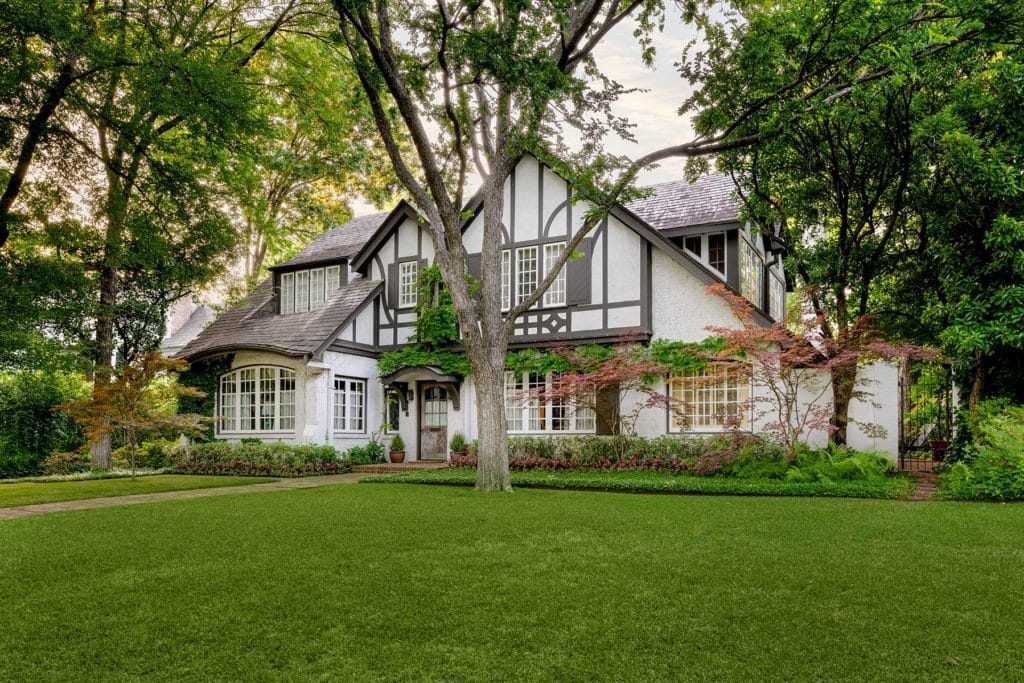
Interior finish level is where two otherwise similar homes can end up with very different total prices. Flooring, cabinets, countertops, tile, paint, lighting, plumbing fixtures, and appliance selections all stack up quickly.
A simplified cost breakdown for a 2,000-square-foot custom home might look like this:
| Interior category | Typical range | Budget note |
|---|---|---|
| Cabinets and built-ins | $20,000–$60,000+ | Custom detailing and material quality drive the spread |
| Countertops | $6,000–$25,000+ | Quartz and stone choices can shift the total quickly |
| Flooring | $12,000–$35,000+ | Wood, tile, and premium LVP all price differently |
| Tile and shower surrounds | $8,000–$30,000+ | Larger tile formats and detailed layouts cost more |
| Plumbing fixtures | $5,000–$20,000+ | Finish quality and brand matter a lot |
| Lighting | $4,000–$18,000+ | Decorative fixtures and recessed plans add up |
| Paint and trim | $8,000–$22,000+ | More detail means more labor |
You can control a surprising amount of the final number by making decisions early. Delayed finish selection often leads to change orders, and change orders almost always cost more than front-loaded planning.
This is also where a custom builder should help you compare “nice to have” features against true budget priorities. For example, a high-end kitchen package may deliver more daily value than a decorative feature wall in a secondary room. That kind of value ranking is one reason homeowners use a dedicated home builder service page rather than trying to manage every choice alone.
Permits, Inspections, and Timeline Pressure
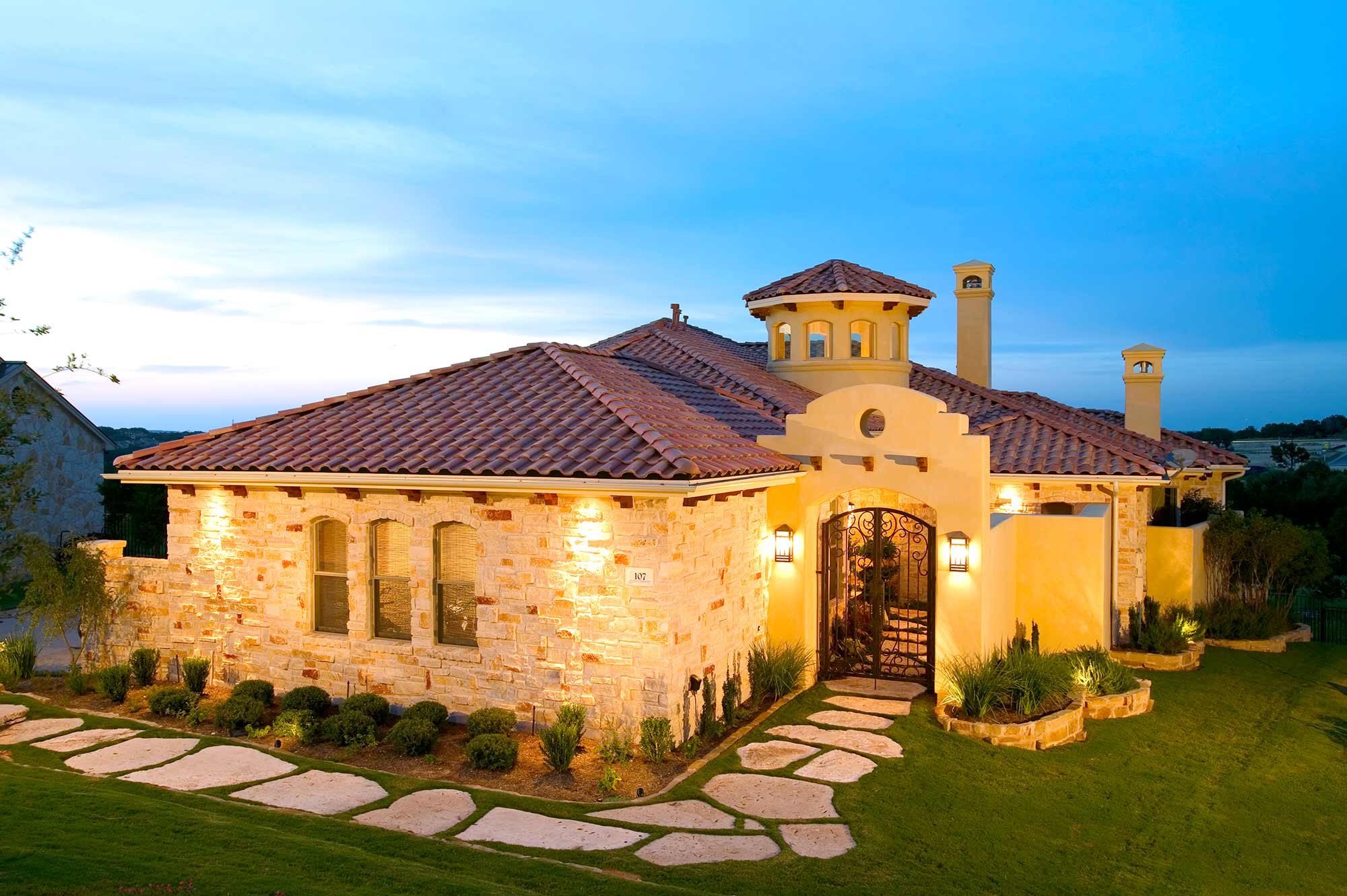
Permits and inspections do not usually dominate the budget by themselves, but they can influence total project cost through timing, coordination, and rework. In Carrollton, plan review and inspection status are handled through the city’s permitting process, and the city’s portal makes it clear that fees and inspection scheduling are part of the workflow.
That matters for three reasons.
First, permitting delays can extend the project schedule and increase carrying costs if financing is involved. Second, inspection timing can affect when trades can move to the next phase. Third, code-driven corrections can create small but annoying cost bumps if a detail does not pass the first time.
Typical permit-related budgeting items may include:
- plan review and permit fees
- engineering or design documents
- inspection coordination time
- possible revision fees if documents need correction
- schedule protection for weather or review delays
A build in Carrollton usually benefits from a contractor who already understands local submittal habits and inspection sequencing. The smoother the paperwork, the less likely the job is to absorb avoidable labor downtime.
There is also a practical scheduling reason to account for permit time early. If trades are lined up before approvals are ready, they may have to be rescheduled, and that can create extra mobilization costs or idle days. Even a small slip in the front end can ripple into framing, mechanical rough-ins, and finish work later in the job.
When you are building a custom home, it helps to think of the permit process as part of the production calendar rather than an administrative afterthought. A well-organized set of documents can shorten the path from plan to permit, which usually improves both cost control and peace of mind.
If you are comparing new construction with a major update to an existing house, it can help to see how local renovation pricing works in the same market. For instance, a bathroom remodeling guide for Carrollton can show how incremental improvements compare to ground-up construction.
How to Keep a Carrollton Build on Budget
The cheapest way to build is not always the smartest way to build. A better goal is to make the project predictable. Predictability reduces change orders, schedule slips, and the kind of “surprise” cost that tends to show up late in the job.
1) Lock the scope before the first shovel hits dirt
Decide on square footage, bedroom count, bath count, layout style, and finish target early. Every midstream change can cause ripple effects in framing, mechanicals, and finishes.
2) Keep the floor plan efficient
Simple geometry usually wins on cost. Fewer corners, fewer roof transitions, and fewer custom structural features help keep labor in check.
3) Use allowances carefully
Allowances are useful, but they can hide a large price gap if they are set too low. Ask for realistic allowances on cabinets, tile, fixtures, and flooring so the estimate reflects what you actually want.
4) Separate needs from upgrades
Make a list of must-haves and nice-to-haves. That lets you protect the essentials while deciding which upgrades can wait.
5) Get sitework reviewed early
If the lot is the wild card, inspect it early. Utilities, drainage, grading, and access issues should be understood before construction begins.
One more tip: compare your Carrollton concept with nearby cost references like the Lewisville home building guide and the Mesquite home building guide if you want a sense of how neighboring DFW markets stack up. That comparison is often useful when a homeowner is deciding where to build or how aggressive a budget should be.
What a Carrollton Home Building Budget Should Include
A complete budget should cover more than the visible construction work. If you want a number that is actually useful, make sure it includes all of these pieces:
| Budget line | Should be included? | Why it matters |
|---|---|---|
| Land purchase | Yes | Often the biggest non-construction cost |
| Surveys and tests | Yes | Helps confirm what the lot really needs |
| Sitework | Yes | One of the most variable cost buckets |
| Permits and fees | Yes | Required to stay compliant |
| Base construction | Yes | The core house structure |
| Mechanical systems | Yes | HVAC, plumbing, electrical |
| Interior finishes | Yes | The biggest lifestyle-driven spend |
| Landscaping and exterior improvements | Usually | Can be deferred, but often desired at completion |
| Contingency reserve | Yes | Protects against real-world surprises |
A smart contingency range is often 10% to 15% for a custom build, and sometimes more if the lot or design is unusually complex. That reserve gives you flexibility without derailing the project if one or two assumptions change.
If you are planning a build in Carrollton because you want a long-term home, think in terms of total value rather than just upfront price. The right build should fit your land, your lifestyle, and your target resale expectations. A well-structured build plan can also make future maintenance easier, especially if you choose durable materials and efficient systems from the start.
A good final budget discussion should also include a contingency for real-world adjustments. Even careful plans can run into small redesigns, upgraded finish choices, or utility surprises. If you set aside a realistic reserve, those changes feel manageable instead of disruptive.
For many Carrollton homeowners, the budget conversation is really a decision about priorities. Some buyers want the largest possible footprint they can afford, while others would rather keep the home slightly smaller and invest more heavily in cabinetry, windows, insulation, or a more polished exterior. Neither approach is wrong, but it does change the finished price. The right answer is the one that matches how you plan to live in the house every day.
That is also why a Carrollton project is easier to manage when the contractor is comfortable explaining tradeoffs in plain language. A builder should be able to show where the money is going, what each allowance covers, and which options are truly worth the upgrade. Once that clarity is in place, the project becomes much easier to budget and much less stressful to steer.
For homeowners still weighing options, the broader DFW home building cost guide is a helpful benchmark, and the Carrollton-specific custom home builder page is the next step once you are ready to discuss scope.
Final Thoughts on Building in Carrollton
Building a house in Carrollton can be a strong long-term move, but the final price depends on much more than square footage. Lot prep, foundation design, finish level, permit workflow, and schedule pressure all shape the number you end up with. If you keep the plan efficient and build from a realistic scope, you can make the budget far more predictable.
The best next step is usually to get a detailed estimate that separates land, sitework, base construction, and finishes. That makes it easier to compare options and avoid surprises later. If you are ready to talk through a Carrollton custom home plan, Fin Home can help you turn the numbers into a build strategy that actually fits your goals.