Average Small Kitchen Remodel Cost in DFW
A “small kitchen” in the Dallas-Fort Worth market typically falls between 70 and 150 square feet, often found in older homes, townhomes, condos, or secondary kitchen spaces. While the footprint is smaller, the cost does not scale down proportionally. In many cases, small kitchens are more expensive per square foot because they pack the same systems – plumbing, electrical, cabinetry, and appliances – into a tighter space.
Across DFW in 2026, most small kitchen remodels fall into a range of $15,000 to $60,000+, depending on scope, materials, and whether the layout changes.
According to national benchmarks from the Remodeling Magazine Cost vs. Value Report and labor data from the National Association of Home Builders, kitchen remodel costs continue to rise due to sustained demand for skilled trades and material pricing volatility. The Dallas-Fort Worth market trends slightly above national averages due to population growth and construction demand.
Typical Small Kitchen Remodel Cost Ranges in DFW (2026)
| Remodel Level | Typical Cost (DFW) | Scope of Work |
|---|---|---|
| Cosmetic Refresh | $10,000 – $20,000 | Paint, cabinet repainting, hardware, minor upgrades |
| Budget Remodel | $15,000 – $30,000 | Stock cabinets, laminate or entry-level countertops, basic appliances |
| Mid-Range Remodel | $30,000 – $50,000 | Semi-custom cabinets, quartz countertops, upgraded appliances |
| High-End Small Kitchen | $50,000 – $80,000+ | Custom cabinetry, premium stone, layout adjustments, luxury finishes |
These ranges assume a full kitchen update within the existing footprint. Once plumbing or walls are moved, costs can increase quickly due to additional labor, permits, and potential structural considerations.
Quick takeaway: Most homeowners in DFW spend $25,000 to $45,000 for a well-executed small kitchen remodel with modern finishes and durable materials.
Cost Per Square Foot for Small Kitchens
Looking at cost per square foot provides a useful baseline, though small kitchens tend to sit on the higher end of these ranges due to density of work.
| Remodel Quality | Cost per Sq Ft (DFW Estimate) |
|---|---|
| Budget | $200 – $350 |
| Mid-Range | $350 – $550 |
| High-End | $550 – $800+ |
For example:
- 100 sq ft kitchen × $400 per sq ft = $40,000 total project cost
This aligns closely with mid-range remodel pricing across North Texas.
Why Small Kitchens Cost More Per Square Foot
At first glance, a smaller kitchen should cost less. The total price is lower, but the efficiency of space drives cost upward on a per-square-foot basis.
Every kitchen, regardless of size, requires:
- Cabinet systems (which are priced per linear foot, not square foot)
- Electrical circuits and lighting
- Plumbing connections for sinks and appliances
- Appliance integration
- Countertops and backsplash installation
In a small kitchen, these elements are compressed into a tighter footprint. That increases labor complexity, slows installation, and reduces economies of scale.
A contractor installing cabinets in a 100 sq ft kitchen still performs nearly the same steps required in a 250 sq ft kitchen, just in a more confined space. This is one reason why kitchen remodeling consistently ranks among the most labor-intensive home upgrades, as supported by construction cost data from the National Association of Home Builders.
Key Insight for DFW Homeowners
Small kitchen remodels sit in a unique category:
- Lower total project cost than large kitchens
- Higher cost intensity per square foot
- Greater sensitivity to layout changes
Understanding these dynamics early helps set realistic expectations and prevents underestimating the budget required for a high-quality result.
In the next section, we’ll break down how kitchen layout and size variations – galley, L-shaped, and one-wall kitchens – directly impact remodeling costs in DFW.

Cost by Kitchen Size and Layout Type
In small kitchens, layout has a stronger influence on cost than square footage alone. Two kitchens with the same size can vary by tens of thousands of dollars depending on how cabinets, appliances, and utilities are arranged.
Design standards from the National Kitchen and Bath Association emphasize workflow efficiency, clearances, and appliance spacing. In practice, those constraints directly impact labor complexity, cabinet requirements, and installation time, all of which shape total remodel cost.
Common Small Kitchen Layouts in DFW
Small kitchens in the Dallas-Fort Worth area typically fall into four layout types. Each comes with different cost implications based on cabinet linear footage, plumbing access, and installation difficulty.
Galley Kitchen
A galley kitchen features two parallel runs of cabinets with a walkway in between.
- Typical size: 80 – 120 sq ft
- Cabinet density: High
- Workflow: Efficient, compact
Because cabinets exist on both sides, galley kitchens often require more linear cabinetry per square foot, increasing both material and labor costs.
L-Shaped Kitchen
An L-shaped kitchen uses two adjoining walls, leaving one side open to a living or dining area.
- Typical size: 90 – 140 sq ft
- Cabinet density: Moderate
- Workflow: Open and flexible
This layout is common in DFW homes because it allows for better flow and potential seating. Costs vary depending on whether the open side includes an island or remains clear.
One-Wall Kitchen
All cabinets, appliances, and countertops are installed along a single wall.
- Typical size: 70 – 110 sq ft
- Cabinet density: Lower
- Workflow: Linear and simple
This is typically the most cost-efficient layout because it minimizes plumbing and electrical distribution. However, storage limitations often lead homeowners to upgrade cabinetry, which can offset initial savings.
Small U-Shaped Kitchen
A U-shaped kitchen wraps cabinetry around three walls.
- Typical size: 100 – 150 sq ft
- Cabinet density: Very high
- Workflow: Maximum storage and counter space
This layout maximizes function within a small footprint but requires the most cabinetry and detailed installation work.
Cost by Layout Type (DFW Estimates)
| Layout Type | Typical Size | Estimated Cost Range | Complexity Level |
|---|---|---|---|
| One-Wall Kitchen | 70 – 110 sq ft | $15,000 – $35,000 | Low |
| Galley Kitchen | 80 – 120 sq ft | $25,000 – $50,000 | Medium |
| L-Shaped Kitchen | 90 – 140 sq ft | $25,000 – $55,000 | Medium |
| U-Shaped Kitchen | 100 – 150 sq ft | $35,000 – $70,000+ | High |
These ranges assume mid-range to full remodel scopes within existing layouts. Adding structural changes or relocating plumbing can push costs higher.
Why Layout Changes Increase Costs Quickly
The most expensive decisions in a small kitchen remodel often come from altering the layout. Moving key elements like sinks, stoves, or refrigerators triggers additional work across multiple trades.
According to building system guidelines outlined by the U.S. Department of Energy, relocating plumbing and electrical systems requires opening walls, rerouting lines, and ensuring code compliance, which significantly increases labor time.
Here’s how layout changes typically impact cost:
- Moving a sink or dishwasher: +$1,500 – $5,000
- Relocating a range or adding ventilation: +$2,000 – $6,000
- Rewiring for new appliance positions: +$1,000 – $3,500
These costs stack quickly because each change involves plumbers, electricians, and often inspections or permits.
Key insight: Layout stability is one of the strongest cost controls in a small kitchen remodel. Keeping plumbing and appliances in place allows more of the budget to go toward visible upgrades like cabinets, countertops, and finishes.
Cabinet Linear Footage: The Hidden Cost Driver
Unlike flooring or paint, kitchen cabinets are priced by linear foot, meaning layout directly determines material cost.
| Layout Type | Avg Linear Feet of Cabinets |
|---|---|
| One-Wall | 8 – 12 ft |
| Galley | 16 – 24 ft |
| L-Shaped | 12 – 20 ft |
| U-Shaped | 18 – 28+ ft |
Even in a small kitchen, increasing cabinet runs by just a few feet can add thousands of dollars depending on whether you choose stock, semi-custom, or custom cabinetry.
The U.S. Census Bureau notes that modern homes increasingly prioritize kitchen storage and functionality, which drives higher cabinet demand even in smaller layouts.
What This Means for Your Budget
Small kitchens reward efficient design. The same square footage can produce very different budgets depending on how space is used.
- Simpler layouts reduce labor and infrastructure costs
- Higher cabinet density increases material costs
- Layout changes introduce exponential cost increases
Understanding your kitchen’s layout early allows you to make high-impact decisions before construction begins, avoiding costly mid-project changes.
In the next section, we’ll break down how these layout choices translate into budget, mid-range, and luxury remodel tiers, and what you actually get at each level.

Budget vs Mid-Range vs Luxury Small Kitchen Remodel
Small kitchen remodels in DFW generally fall into three clear tiers: budget, mid-range, and luxury. Each tier reflects a different combination of materials, labor intensity, and design complexity.
While square footage stays relatively constant, the quality of materials and level of customization drives most of the price difference. National remodeling benchmarks from the Remodeling Magazine Cost vs. Value Report show that kitchens consistently rank among the highest-cost interior projects due to cabinetry, appliances, and skilled labor requirements.
What Each Remodel Tier Includes
The table below breaks down what homeowners typically get at each price level in a small kitchen remodel.
| Category | Budget Remodel ($15K – $30K) | Mid-Range Remodel ($30K – $50K) | Luxury Remodel ($50K – $80K+) |
|---|---|---|---|
| Cabinets | Stock cabinets (RTA or big-box) | Semi-custom cabinets | Fully custom cabinetry |
| Countertops | Laminate or entry-level quartz | Quartz or mid-tier stone | Premium quartzite, marble, or exotic stone |
| Appliances | Basic appliance packages | Upgraded stainless appliances | High-end brands with advanced features |
| Flooring | LVP or basic tile | Porcelain tile or upgraded LVP | Large-format tile or hardwood |
| Backsplash | Simple tile (subway, ceramic) | Decorative tile patterns | Full-height slab or designer tile |
| Lighting | Standard fixtures | Recessed + under-cabinet lighting | Layered lighting with design accents |
| Layout Changes | Rare | Occasional minor adjustments | Possible structural or layout redesign |
Budget Small Kitchen Remodel
A budget remodel focuses on function and visual refresh while minimizing structural work.
Typical features include:
- Stock cabinets or cabinet refacing
- Laminate or entry-level quartz countertops
- Basic appliance replacements
- Minimal electrical or plumbing changes
These projects often stay within the existing layout to avoid added labor costs.
Typical range: $15,000 – $30,000
Budget remodels are common in rental properties, starter homes, or situations where the goal is improving usability without major investment.
According to cost data from HomeAdvisor, lower-tier remodels maintain tighter budgets by limiting demolition, specialty labor, and custom fabrication.
Mid-Range Small Kitchen Remodel
Mid-range remodels represent the most common investment level in DFW. These projects balance durability, aesthetics, and resale value.
Typical upgrades include:
- Semi-custom cabinetry with better storage solutions
- Quartz countertops
- New appliance packages
- Tile backsplash and upgraded flooring
- Improved lighting and electrical
Typical range: $30,000 – $50,000
At this level, homeowners start prioritizing materials that hold up over time while also improving the overall look of the space.
The National Association of Home Builders notes that mid-range renovations often provide the best balance between cost and long-term value, especially in kitchens where daily use is high.
Luxury Small Kitchen Remodel
Luxury remodels focus on customization, design detail, and premium materials, even within a limited footprint.
Typical features include:
- Fully custom cabinetry with integrated storage systems
- High-end stone countertops (quartzite, marble)
- Professional-grade appliances
- Designer lighting and fixtures
- Full-height backsplash or slab installations
- Possible layout adjustments or structural changes
Typical range: $50,000 – $80,000+
Luxury kitchens emphasize craftsmanship and visual impact. In smaller kitchens, this often results in higher cost concentration per square foot, since premium materials are applied across the entire space.
According to remodeling trend data from the U.S. Census Bureau, higher-end kitchen upgrades are increasingly driven by long-term homeownership and a focus on personalization.
Cost Distribution by Tier
Regardless of tier, small kitchen remodels tend to follow a similar cost structure, with labor playing a significant role.
| Cost Category | Budget | Mid-Range | Luxury |
|---|---|---|---|
| Labor | 40% – 50% | 45% – 55% | 50% – 60% |
| Materials | 45% – 55% | 40% – 50% | 35% – 45% |
| Design / Overhead | 5% – 10% | 5% – 10% | 5% – 10% |
Labor becomes more dominant as complexity increases, especially with custom installations and specialty finishes.
Choosing the Right Tier
Selecting the right tier depends on how the kitchen will be used and how long the homeowner plans to stay in the property.
- Budget remodels prioritize short-term improvement
- Mid-range remodels balance cost and long-term usability
- Luxury remodels emphasize personalization and design detail
Key insight: In small kitchens, upgrading materials has an immediate visual impact because every surface is visible and closely spaced. This makes material selection one of the most influential decisions in the entire remodel.
In the next section, we’ll break down the specific cost drivers unique to small kitchens, including why confined spaces increase labor complexity and how structural considerations can affect pricing.
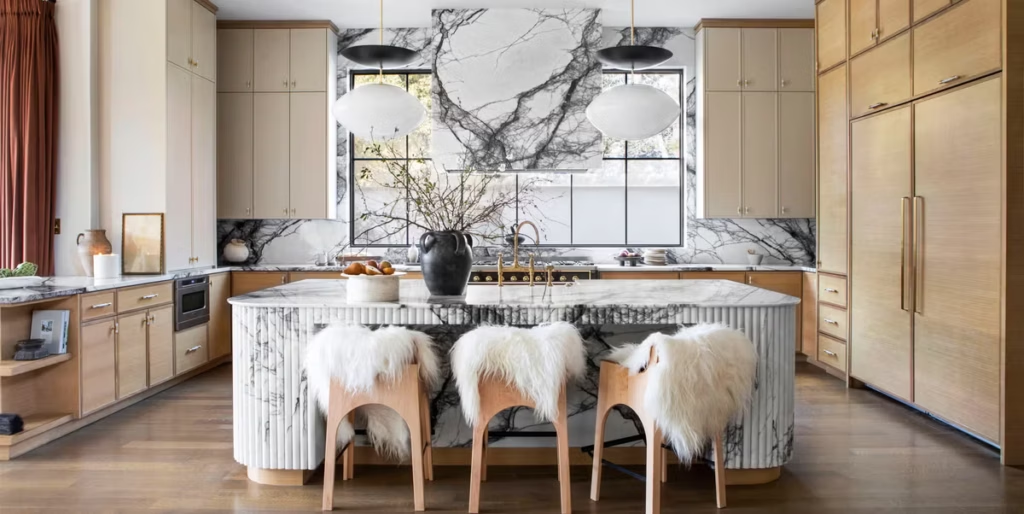
Space Constraints and Cost Drivers in Small Kitchens
Small kitchens concentrate nearly every major building system into a tight footprint. That density changes how contractors work, how long installations take, and how costs accumulate.
Even when the total square footage is low, the complexity per square foot is significantly higher, especially when multiple trades need to operate in the same limited space. According to construction labor insights from the National Association of Home Builders, projects that require tighter coordination between trades tend to see higher labor costs due to sequencing and access limitations.
Why Tight Spaces Increase Labor Costs
In a small kitchen, trades cannot work in parallel as easily as they can in larger spaces. A tile installer, electrician, and cabinet installer often need to work sequentially instead of simultaneously.
This leads to:
- More scheduling gaps between trades
- Slower installation timelines
- Increased labor hours for setup and adjustments
A contractor installing cabinets in a compact kitchen may spend additional time making precise cuts, navigating tight corners, and protecting finished surfaces.
Key insight: Labor inefficiency is one of the biggest hidden costs in small kitchen remodels. The tighter the space, the more time each task requires.
High System Density in a Small Footprint
Every kitchen contains core systems:
- Plumbing (sink, dishwasher, sometimes refrigerator)
- Electrical (outlets, lighting, appliances)
- Ventilation (range hood or microwave vent)
- Cabinetry and storage systems
In a small kitchen, these systems are compressed into fewer square feet, which increases installation complexity.
The U.S. Department of Energy notes that upgrading or modifying these systems often requires opening walls, rerouting connections, and ensuring compliance with current building standards, all of which add labor and inspection requirements.
Top Cost Drivers in Small Kitchen Remodels
| Cost Driver | Impact Level | Why It Matters |
|---|---|---|
| Cabinet Density | Very High | Cabinets are priced per linear foot and dominate material cost |
| Layout Changes | Very High | Moving plumbing or appliances triggers multiple trades |
| Electrical Upgrades | High | Modern code requires more outlets and dedicated circuits |
| Plumbing Modifications | High | Requires wall/floor access and rerouting lines |
| Countertop Fabrication | Medium | Small spaces still require full fabrication and installation |
| Demo and Disposal | Medium | Tight access increases labor time for removal |
| Permits and Inspections | Medium | Required for structural, electrical, and plumbing changes |
Each of these factors compounds when combined. For example, moving a sink requires plumbing work, countertop modifications, and cabinet adjustments, all within a confined workspace.
Structural Considerations in Small Kitchens
Some small kitchen remodels involve opening up the space by removing walls or expanding into adjacent rooms. These changes introduce structural complexity.
Key structural cost drivers include:
- Identifying load-bearing walls
- Installing beams or headers
- Reinforcing load paths
- Coordinating permits and inspections
Guidelines from the International Code Council emphasize that structural modifications must maintain proper load transfer through the building. Any disruption to that system requires engineered solutions and inspections.
Even minor structural adjustments can significantly increase costs due to engineering requirements and added labor.
Important: Structural changes often require permits, engineering review, and multiple inspections, all of which add time and cost to a project.
Code Requirements and Permits in DFW
Modern kitchen remodels must comply with updated building codes, especially for electrical and ventilation systems.
Common requirements include:
- GFCI and AFCI protected outlets
- Dedicated circuits for major appliances
- Proper ventilation for cooking areas
- Clearance and spacing standards
The National Fire Protection Association highlights that updated electrical standards are designed to reduce fire risk, which is why older kitchens often require upgrades during remodeling.
Permits are typically required when:
- Electrical or plumbing systems are modified
- Structural elements are altered
- Major appliances are relocated
While permits add upfront cost, they provide oversight and ensure the work meets safety standards.
The Compounding Effect of Small Decisions
Small kitchens amplify the impact of decisions. A single change can ripple across multiple parts of the project.
For example:
- Upgrading cabinets may require electrical relocation
- Changing appliance size can affect cabinet layout
- Moving a wall impacts flooring, lighting, and ventilation
Key insight: In small kitchens, decisions are tightly interconnected. Planning ahead reduces the risk of cascading costs during construction.
Understanding these cost drivers helps homeowners prioritize where to invest and where to simplify. In the next section, we’ll walk through real small kitchen remodel budgets in DFW, showing exactly how these factors translate into actual project costs.

Real Example Small Kitchen Budgets (DFW)
Understanding cost ranges becomes much clearer when you see how real budgets break down. Small kitchen remodels in DFW follow consistent patterns in how money is allocated across labor, materials, and project scope.
Industry-wide data from sources like HomeAdvisor and labor benchmarks from the National Association of Home Builders show that kitchens are among the most labor-intensive interior renovations, which is why labor often represents the largest share of the budget.
Below are realistic small kitchen scenarios based on common project scopes in North Texas.
Example 1: $15,000 Cosmetic Small Kitchen Update
This level focuses on improving appearance while keeping all major systems in place.
Scope of work:
- Cabinet repainting or refacing
- New hardware (handles, pulls)
- Laminate or entry-level countertop replacement
- Basic lighting upgrades
- Fresh paint
Budget breakdown:
| Category | Estimated Cost |
|---|---|
| Labor | $6,000 – $8,000 |
| Materials | $6,000 – $7,000 |
| Misc / Overhead | $1,000 – $2,000 |
Key insight: Most of the savings comes from avoiding demolition and keeping plumbing and electrical systems unchanged.
This type of remodel is common for homeowners preparing a property for sale or improving a dated kitchen without committing to a full renovation.
Example 2: $30,000 Mid-Range Small Kitchen Remodel
This represents a typical full upgrade within the existing layout.
Scope of work:
- Stock or semi-custom cabinets
- Quartz countertops
- Tile backsplash
- New appliance package
- Updated lighting and electrical
Budget breakdown:
| Category | Estimated Cost |
|---|---|
| Labor | $13,000 – $16,000 |
| Materials | $11,000 – $14,000 |
| Misc / Overhead | $2,000 – $3,000 |
At this level, homeowners begin investing in materials that improve both durability and long-term value.
According to the Remodeling Magazine Cost vs. Value Report, mid-range kitchen remodels consistently deliver strong resale performance compared to their cost, especially when layouts remain efficient.
Example 3: $50,000 Full Small Kitchen Remodel
This scenario includes higher-quality materials and more extensive upgrades, still within a relatively compact footprint.
Scope of work:
- Semi-custom or upgraded cabinets
- Premium quartz or stone countertops
- Full tile backsplash
- New appliances and ventilation
- Flooring replacement
- Minor layout adjustments
Budget breakdown:
| Category | Estimated Cost |
|---|---|
| Labor | $22,000 – $27,000 |
| Materials | $18,000 – $22,000 |
| Misc / Overhead | $3,000 – $5,000 |
Key insight: Labor costs increase significantly at this level due to more detailed installations, tighter tolerances, and coordination between trades.
Projects in this range often include improved storage solutions, better lighting design, and upgraded finishes throughout the kitchen.
Example 4: $70,000+ High-End Small Kitchen Remodel
High-end remodels focus on craftsmanship, customization, and premium materials, even within limited square footage.
Scope of work:
- Fully custom cabinetry
- High-end stone countertops (quartzite, marble)
- Professional-grade appliances
- Designer lighting and fixtures
- Possible layout reconfiguration
- Structural or ventilation upgrades
Budget breakdown:
| Category | Estimated Cost |
|---|---|
| Labor | $35,000 – $45,000 |
| Materials | $25,000 – $35,000 |
| Misc / Overhead | $5,000 – $8,000 |
At this level, precision installation and design detail drive costs higher. Small kitchens amplify this effect because every element is highly visible and tightly integrated.
The U.S. Census Bureau notes that higher-end remodeling projects have increased in recent years as homeowners choose to invest more into existing homes rather than relocate.
Comparing the Budgets Side by Side
| Project Level | Total Cost | Labor % | Materials % | Complexity |
|---|---|---|---|---|
| Cosmetic | $15K | ~45% | ~45% | Low |
| Mid-Range | $30K | ~50% | ~45% | Medium |
| Full Remodel | $50K | ~50-55% | ~40-45% | Medium-High |
| High-End | $70K+ | ~55-60% | ~35-40% | High |
What These Examples Reveal
Several patterns show up consistently across all budget levels:
- Labor becomes a larger share as complexity increases
- Cabinetry and countertops dominate material costs
- Layout stability keeps budgets predictable
- Customization drives rapid cost increases
Key insight: In small kitchens, every upgrade is concentrated into a compact space, which means each decision carries more weight in the final budget.
These examples provide a practical framework for estimating your own remodel. In the next section, we’ll connect this guide to a full kitchen remodel cost breakdown for DFW, helping you understand how small kitchens compare to larger projects and when broader planning becomes necessary.
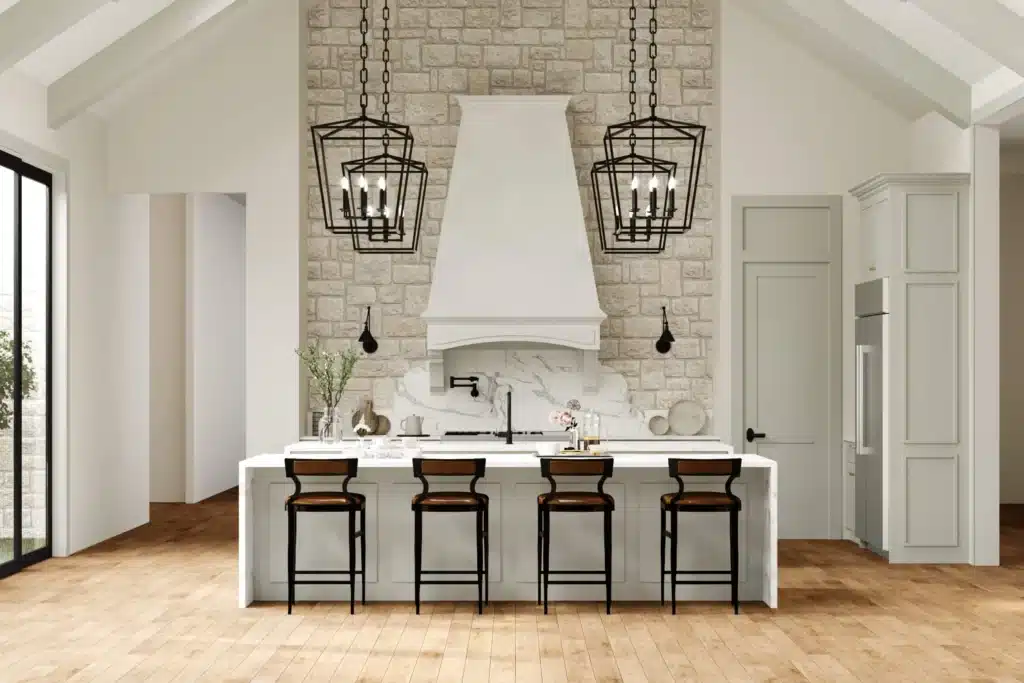
See the Full Kitchen Remodel Cost Guide (DFW 2026)
A small kitchen remodel gives you a focused view of pricing, but many homeowners quickly realize their project touches more than just a compact footprint. Expanding into adjacent rooms, upgrading multiple systems, or coordinating finishes across the home introduces variables that extend beyond small-kitchen-specific cost patterns.
At that point, it helps to step back and understand how kitchen remodeling fits into the broader cost structure of residential construction. Industry data from the National Association of Home Builders shows that kitchens consistently rank among the most complex and highest-investment interior projects because they combine cabinetry, electrical, plumbing, appliances, and finish work in a single space.
When a Small Kitchen Guide Stops Being Enough
There are clear signals that a project is moving beyond a “small kitchen remodel”:
- The kitchen expands past ~150 square feet
- Walls are removed to create open-concept layouts
- Plumbing or gas lines are relocated across the home
- Structural modifications are required
- The remodel is part of a larger renovation project
When these factors enter the scope, costs begin to align more closely with full kitchen remodel benchmarks rather than small-space pricing.
According to remodeling benchmarks from the Remodeling Magazine Cost vs. Value Report, larger kitchen projects introduce additional cost layers tied to structural work, permitting, and extended labor timelines.
How Small Kitchens Compare to Full Kitchen Remodels
| Factor | Small Kitchen Remodel | Full Kitchen Remodel |
|---|---|---|
| Typical Size | 70 – 150 sq ft | 150 – 300+ sq ft |
| Cost Range | $15K – $80K+ | $30K – $120K+ |
| Layout Changes | Limited | Common |
| Structural Work | Occasional | More frequent |
| Labor Complexity | High (tight space) | High (larger scope) |
| Material Volume | Lower | Higher |
Small kitchens concentrate cost into a tight footprint, while larger kitchens distribute cost across more space and systems. Both require careful planning, though the decision-making process expands significantly as project size increases.
Why Broader Planning Matters
Kitchen remodels often connect to other parts of the home:
- Flooring transitions into living spaces
- Electrical upgrades affect adjacent rooms
- Cabinet and finish choices influence overall design cohesion
- HVAC and ventilation changes may extend beyond the kitchen
The U.S. Department of Energy notes that whole-home remodeling decisions often overlap across systems, meaning isolated planning can lead to inefficiencies or rework later.
Key insight: The more your project interacts with surrounding spaces or systems, the more important it becomes to view the kitchen as part of a larger renovation strategy.
How to Use This Guide Moving Forward
Use this small kitchen cost guide when:
- Your kitchen is compact and self-contained
- You plan to keep the layout largely intact
- The project focuses on upgrading finishes and functionality
Expand into a broader cost framework when:
- The remodel affects multiple rooms
- Structural or layout changes are involved
- You are evaluating long-term investment across the home
This approach keeps planning aligned with the true scope of work, helping avoid underestimating costs or overlooking key decisions early in the process.
With a clear understanding of both small kitchen pricing and full remodel dynamics, you can move forward with a budget and scope that accurately reflect the outcome you want.