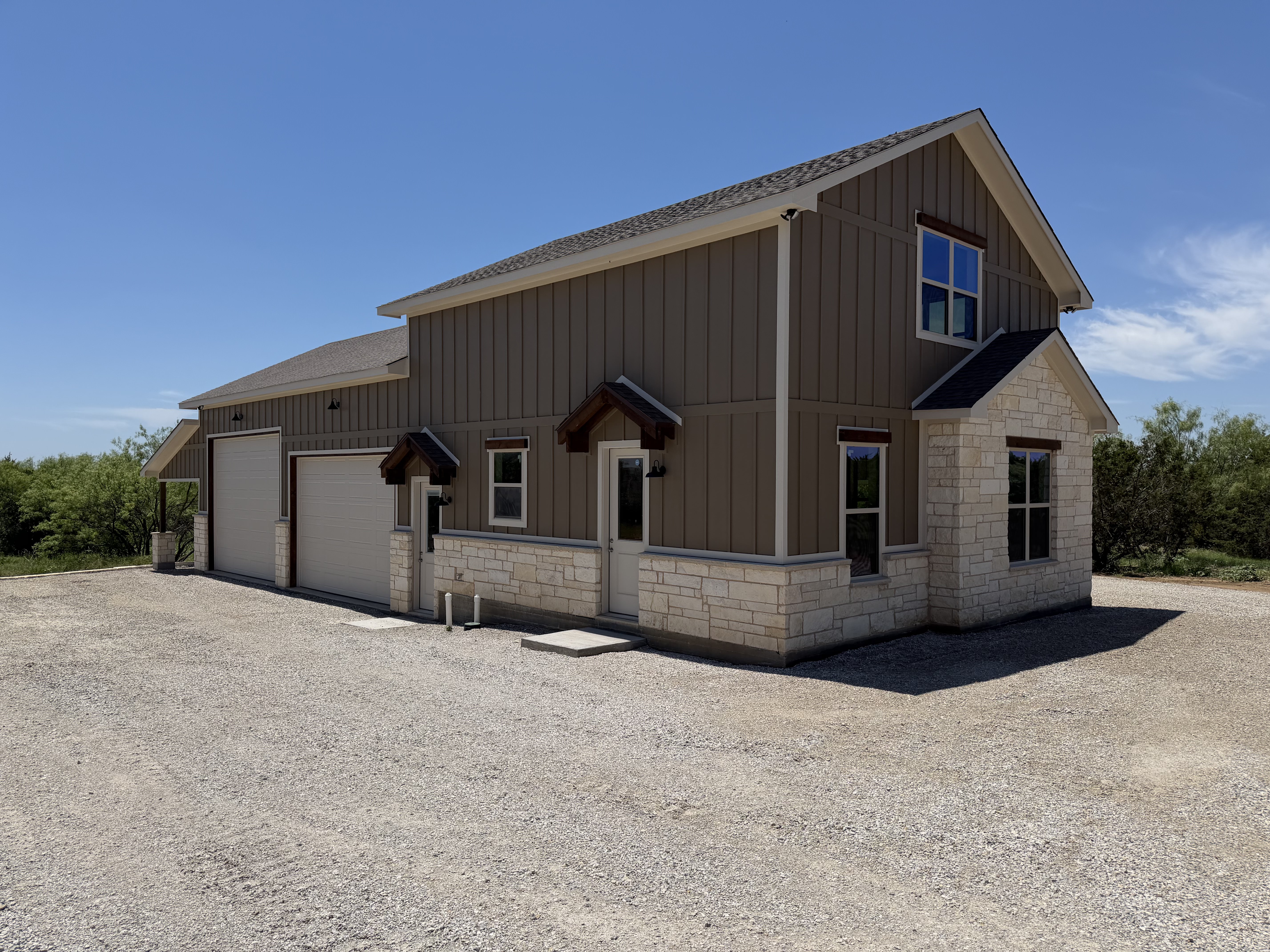
For many Texans thinking about their next home, one question comes up again and again:
Is it cheaper to build a custom home or buy an existing one?
At first glance, buying seems like the obvious choice. Existing homes are already built, available immediately, and often priced lower than new construction. But in many parts of Texas – especially in rapidly growing areas – the math is not always that simple.
Home prices across the state have increased dramatically over the past decade as population growth and limited housing supply have pushed demand higher. According to the Texas A&M Real Estate Research Center, Texas has experienced some of the fastest housing growth in the United States, with millions of new residents moving to the state in recent years.
At the same time, building a home has also become more expensive due to rising labor costs, land prices, and construction materials. Data from the National Association of Home Builders shows that construction costs have increased significantly since 2020, largely due to supply chain disruptions and labor shortages in the building industry.
Because of these competing forces, the decision between building vs buying has become more complicated than it used to be.
In some situations, building a custom home can actually be financially competitive with buying – particularly when:
- resale inventory is limited
- buyers want larger homes or acreage
- buyers plan to stay long-term
- land prices are reasonable
In other situations, buying an existing home is still clearly the cheaper option, especially in dense urban areas where land prices are extremely high.
“The cost difference between building and buying often comes down to three variables: land prices, construction costs, and local housing demand.”
This guide breaks down the real numbers behind both options across Texas. Instead of relying on general advice, we will examine the actual costs involved in building a home versus buying one, including land prices, construction costs, hidden expenses, and long-term financial considerations.
In this article, you will learn:
- The average cost to build a home in Texas
- The average cost to buy an existing home
- A detailed cost-per-square-foot comparison
- Real examples of land + build scenarios
- Hidden costs many buyers overlook
- Situations where building may actually make financial sense
By the end, you should have a much clearer picture of whether building a custom home in Texas is truly cheaper than buying one.

Average Cost to Build vs Buy in Texas
Before deciding whether building or buying is cheaper, it helps to look at the typical numbers across Texas today. While prices vary dramatically depending on location, these averages give a realistic starting point for comparison.
Texas remains one of the more affordable housing markets in the United States, but prices have risen significantly over the past decade as population growth and migration increased demand.
According to housing data from Texas A&M Real Estate Research Center and major listing platforms like Redfin and Zillow, the median home price across Texas is now roughly $330,000 – $400,000 depending on the metro area.
However, larger homes in desirable suburbs often sell for significantly more.
Median Home Prices Across Major Texas Cities
Home prices vary widely depending on the city. Areas experiencing strong population growth – particularly Dallas-Fort Worth and Austin – tend to have the highest prices.
| Metro Area | Median Home Price |
|---|---|
| Dallas-Fort Worth | $390,000 – $410,000 |
| Austin | $450,000 – $480,000 |
| Houston | $330,000 – $350,000 |
| San Antonio | $300,000 – $320,000 |
| Texas Statewide Average | ~$340,000 |
These numbers include homes of all sizes and ages. Newer homes or houses in desirable suburbs often cost far more than the median.
For example, many newer homes in growing suburbs like Frisco, Prosper, or Celina can easily exceed $700,000 to $1,000,000.
“Median home price statistics include smaller and older homes, which is why many buyers are surprised when homes in desirable neighborhoods cost far above the state average.”
This price gap is one of the reasons many buyers start exploring the possibility of building instead.
Average Cost to Build a Home in Texas
The cost to build a home depends on several factors, including the builder, design complexity, materials, and location. Across Texas, construction costs typically fall into three general categories.
| Home Type | Cost Per Square Foot |
|---|---|
| Production Builder | $120 – $180 |
| Semi-Custom Home | $180 – $250 |
| Fully Custom Home | $250 – $400+ |
Production homes are the least expensive because builders use standardized floor plans and build homes in large developments.
Fully custom homes are more expensive because every element is designed specifically for the homeowner.
To understand how this translates to total cost, consider the following examples.
| Home Size | Estimated Build Cost |
|---|---|
| 2,000 sq ft home | $360,000 – $800,000 |
| 3,000 sq ft home | $540,000 – $1,200,000 |
| 4,000 sq ft home | $720,000 – $1,600,000 |
These figures represent construction cost only and do not include land, site preparation, or utilities.
According to construction surveys from the National Association of Home Builders, building materials and labor typically account for the majority of these costs.
Why the Comparison Is Not Always Straightforward
At first glance, it may appear that buying is cheaper than building. Many resale homes cost less than what it would take to construct a similar home from scratch.
However, several factors complicate this comparison.
First, existing homes are often older and may require renovations or repairs. Major upgrades such as kitchens, roofs, or HVAC systems can add tens of thousands of dollars after purchase.
Second, new homes are often larger and more energy efficient, which can change long-term operating costs.
Third, land prices vary dramatically across Texas. In rural areas, land may cost only a few thousand dollars per acre. In suburban or urban locations, land can easily exceed several hundred thousand dollars.
Because of these variables, the true cost difference between building and buying often depends less on construction cost alone and more on location, land availability, and the type of home being considered.
In the next section, we will break down the numbers even further by comparing the cost per square foot of building versus buying across Texas.

Cost Per Square Foot Breakdown
Looking only at total home prices can be misleading. A more accurate way to compare building and buying is to look at cost per square foot, which standardizes homes of different sizes.
In Texas, the price per square foot varies widely depending on location, home age, and construction quality. Understanding these differences helps explain why some buyers find building competitive with buying – while others find it much more expensive.
Cost Per Square Foot When Buying an Existing Home
For resale homes, price per square foot depends heavily on the local housing market. Major metro areas and high-demand suburbs typically have the highest prices.
Data from platforms such as Zillow and Realtor.com shows the following average price ranges across parts of North Texas.
| City | Avg Price Per Sq Ft |
|---|---|
| Dallas | $230 – $260 |
| Plano | $240 – $270 |
| Frisco | $260 – $290 |
| Fort Worth | $200 – $230 |
| Texas statewide average | ~$210 |
For example, a 3,000 square foot home in Frisco selling at $275 per square foot would cost roughly:
3,000 × $275 = $825,000
However, resale homes include a mix of both older properties and newer construction. Older homes often sell for less per square foot because they may require updates or repairs.
“Price per square foot tends to rise dramatically in high-growth suburbs where demand outpaces available housing inventory.”
This is one of the reasons buyers sometimes explore building a home instead of competing in the resale market.
Cost Per Square Foot When Building a Home
When building a custom home, the price per square foot usually reflects construction costs only, not land.
Typical building costs across Texas look like this:
| Construction Category | Cost Per Sq Ft |
|---|---|
| Basic production construction | $120 – $160 |
| Semi-custom home | $160 – $220 |
| Fully custom home | $220 – $400+ |
However, building also involves additional expenses that are rarely included in advertised builder prices.
These can include land, utilities, site preparation, permits, and landscaping.
When these costs are included, the true effective price per square foot of a custom home increases significantly.
| Cost Category | Typical Added Cost |
|---|---|
| Land purchase | $50 – $200+ per sq ft equivalent |
| Site preparation | $10 – $25 |
| Utilities and connections | $10 – $30 |
| Permits and fees | $3 – $10 |
Once these additional costs are included, many custom homes in Texas end up costing $250 to $450 per square foot all-in, depending heavily on land prices.
Example Cost Comparison
Consider a buyer deciding between buying an existing home or building a similar one.
| Scenario | Price |
|---|---|
| Buy 3,000 sq ft home at $260/sq ft | $780,000 |
| Build 3,000 sq ft home at $220/sq ft construction | $660,000 |
| Add land, site work, utilities | + $150,000 |
| Total build cost | $810,000 |
In this example, the total cost of building ends up very close to the cost of buying a comparable home.
However, the buyer receives a brand-new home designed specifically for their needs, rather than an older resale property.
This example illustrates why the decision between building and buying often comes down to land prices and construction complexity, rather than construction cost alone.
Next, we will look at a realistic land + construction scenario to show exactly how the full cost of building a custom home adds up in Texas.

Land + Build Cost Example
To understand the real cost of building a home in Texas, it helps to look at a complete land + construction scenario.
Many buyers focus only on the construction cost quoted by builders. However, building a home requires far more than just the house itself. Land purchase, site preparation, utilities, permits, and landscaping can all add significant costs.
When these expenses are included, the total price of building a home often becomes much closer to the cost of buying an existing property.
Example: Building a 3,000 Square Foot Custom Home
Let’s walk through a realistic example of what building a home might cost in Texas.
Imagine a homeowner purchasing land in a growing suburban area and building a 3,000 square foot custom home.
| Cost Category | Example Cost |
|---|---|
| Land purchase (1 acre) | $150,000 |
| Site preparation | $40,000 |
| Construction (3,000 sq ft at $200/sq ft) | $600,000 |
| Permits and fees | $8,000 |
| Utilities connections | $25,000 |
| Landscaping and driveway | $20,000 |
Total Estimated Cost
Total project cost: $843,000
This example illustrates an important reality: construction is usually the largest expense, but land and site work still make up a substantial portion of the budget.
“For many custom homes in Texas, land and site development can account for 15-30% of the total project cost.”
Because these costs vary dramatically by location, two identical homes can have very different total prices depending on where they are built.
How Land Prices Affect the Total Cost
Land prices across Texas range widely depending on proximity to major cities.
According to land market reports from the Texas A&M Real Estate Research Center, rural land can be relatively inexpensive, while suburban and urban land can cost hundreds of thousands of dollars per acre.
| Location Type | Typical Land Price |
|---|---|
| Rural Texas | $10,000 – $60,000 per acre |
| Small towns | $40,000 – $120,000 per acre |
| Suburban areas | $100,000 – $300,000 per acre |
| Major cities | $300,000 – $1M+ per acre |
This means that land alone can sometimes cost as much as the house itself, particularly in highly desirable neighborhoods.
Suburban vs Rural Building Example
To see how dramatically land prices can change the math, consider these two scenarios.
| Scenario | Total Cost |
|---|---|
| Rural build (cheap land) | $650,000 – $750,000 |
| Suburban build | $800,000 – $950,000 |
In rural areas where land is inexpensive, building can sometimes be significantly cheaper than buying a comparable home in a city or suburb.
However, in expensive suburban neighborhoods, the cost of land often eliminates most of the potential savings from building.
Why Builders Rarely Advertise the Full Cost
Another reason buyers underestimate the cost of building is that builders often advertise construction cost only, not the full project cost.
For example, a builder might advertise homes starting at $180 per square foot, which sounds relatively affordable.
However, that number may not include:
- land purchase
- utility hookups
- driveway installation
- septic systems or wells
- landscaping
- permit fees
Once these additional expenses are included, the true cost of building is often much higher than the advertised construction price.
In the next section, we will examine the hidden costs of building a custom home that many homeowners overlook when comparing building versus buying.

Hidden Costs of Building
When people compare building a custom home to buying an existing one, they often focus only on the construction price quoted by the builder. However, building a home involves many additional costs that are easy to overlook.
Some of these costs are small individually, but together they can add tens of thousands – sometimes even hundreds of thousands – of dollars to the total project budget.
Understanding these hidden costs is critical for accurately comparing building vs buying in Texas.
Site Preparation
Before construction can begin, the land must be prepared for the home. Depending on the condition of the property, this work can be surprisingly expensive.
Typical site preparation tasks include:
- clearing trees and vegetation
- grading and leveling the land
- soil testing
- drainage preparation
| Site Prep Item | Typical Cost |
|---|---|
| Soil testing | $1,000 – $3,000 |
| Tree clearing | $5,000 – $20,000 |
| Grading and leveling | $5,000 – $15,000 |
| Drainage work | $2,000 – $10,000 |
If the land has steep slopes, heavy tree coverage, or unstable soil, costs can increase significantly.
“Site preparation costs vary widely depending on terrain, soil conditions, and accessibility.”
In some cases, preparing the land can cost $30,000 to $80,000 or more before construction even begins.
Utilities and Infrastructure
Many properties in Texas – particularly rural land – do not have existing utility connections. Homeowners may need to install these systems from scratch.
| Utility | Typical Cost |
|---|---|
| Septic system | $8,000 – $20,000 |
| Water well | $8,000 – $25,000 |
| Electric connection | $5,000 – $15,000 |
| Internet installation | $500 – $2,000 |
For properties located farther from existing infrastructure, the cost of extending utilities can increase dramatically.
In some cases, electrical service alone can cost tens of thousands of dollars if power lines must be extended long distances.
Construction Loan Costs
Most people building a custom home use a construction loan rather than a traditional mortgage.
Construction loans function differently from standard home loans:
- money is released in stages (called draws)
- interest is paid during construction
- rates are often higher than standard mortgages
Guidelines from the Consumer Financial Protection Bureau explain that construction loans often carry higher interest rates and additional fees compared with conventional home financing.
Some common costs include:
| Financing Cost | Typical Range |
|---|---|
| Loan origination fees | 1% – 3% of loan |
| Interest during construction | varies by timeline |
| Inspection fees | $500 – $2,000 |
If construction takes longer than expected, the interest paid during the build can increase substantially.
Timeline Delays
Another hidden cost of building is the potential for construction delays.
Many factors can slow down a build:
- weather conditions
- labor shortages
- supply chain delays
- permit issues
Each delay extends the construction timeline and may increase financing costs or temporary housing expenses.
For example, if a homeowner must continue renting while their house is being built, they may pay several months of additional rent beyond their original estimate.
Upgrades and Change Orders
Another major hidden expense occurs when homeowners decide to make changes during construction.
Builders often include basic finishes in their base price, but upgrades can quickly increase costs.
Common upgrade expenses include:
| Upgrade | Typical Cost Increase |
|---|---|
| Premium flooring | $5,000 – $20,000 |
| Custom cabinetry | $10,000 – $40,000 |
| High-end appliances | $5,000 – $25,000 |
| Smart home systems | $2,000 – $10,000 |
Even small upgrades across multiple rooms can add tens of thousands of dollars to the final price.
“Many homeowners underestimate how quickly upgrades can increase the cost of building a home.”
Because of these factors, the final price of building a home often ends up significantly higher than the original estimate.
In the next section, we will examine the hidden costs of buying an existing home, which can also add substantial expenses after purchase.

Hidden Costs of Buying Older Homes
While building a custom home comes with its own unexpected expenses, buying an existing home also carries hidden costs that many buyers overlook.
Older homes may appear cheaper upfront, but repairs, renovations, and ongoing maintenance can add substantial costs after purchase. In some cases, these expenses can significantly reduce the price advantage of buying compared to building.
Understanding these potential costs helps buyers make a more accurate comparison between buying an existing home and building a new one.
Renovation Costs
Many homes on the resale market were built decades ago and may require updates to meet modern preferences. Kitchens, bathrooms, flooring, and lighting are among the most common renovation projects homeowners take on shortly after purchasing a home.
Even relatively modest upgrades can become expensive.
| Renovation Project | Typical Cost |
|---|---|
| Kitchen remodel | $25,000 – $75,000 |
| Bathroom remodel | $10,000 – $35,000 |
| New flooring | $8,000 – $25,000 |
| Interior repainting | $5,000 – $12,000 |
Large renovations involving structural changes, layout adjustments, or high-end materials can cost significantly more.
According to remodeling cost data from HomeAdvisor, kitchens and bathrooms consistently rank among the most expensive rooms to renovate due to plumbing, cabinetry, and appliance costs.
“Many buyers underestimate the cost of modernizing older homes, especially when multiple rooms need updating.”
Even a few renovations can quickly add $50,000 to $100,000 or more after purchasing a home.
Maintenance and System Replacements
Another major hidden cost of older homes is the replacement of major systems that naturally wear out over time.
Most major home components have a limited lifespan. If these systems are already near the end of their life when the home is purchased, the buyer may need to replace them sooner than expected.
| Home System | Typical Replacement Cost |
|---|---|
| HVAC system | $7,000 – $15,000 |
| Roof replacement | $8,000 – $25,000 |
| Water heater | $1,000 – $3,000 |
| Windows replacement | $8,000 – $25,000 |
While home inspections can identify obvious issues, they cannot always predict when systems will fail.
For example, an HVAC system might technically still be functioning during inspection but may require replacement within the next few years.
Energy Efficiency Differences
New homes are generally built with modern energy efficiency standards, including better insulation, newer windows, and more efficient HVAC systems.
Older homes often lack these features, which can lead to higher utility bills over time.
The U.S. Department of Energy reports that energy-efficient construction can reduce heating and cooling costs by 20% or more compared with older homes.
While this may not seem significant at first, energy savings accumulate over the life of the home.
Unexpected Structural Issues
Perhaps the most expensive hidden costs in older homes involve structural problems that were not obvious during purchase.
In Texas, foundation problems are one of the most common structural issues due to expansive clay soils.
| Structural Issue | Typical Cost |
|---|---|
| Minor foundation repair | $5,000 – $10,000 |
| Major foundation repair | $15,000 – $40,000 |
| Structural beam repair | $5,000 – $20,000 |
Even small foundation issues can escalate quickly if not addressed early.
“Foundation movement is one of the most common structural challenges homeowners face in many parts of Texas.”
Because these issues often appear years after construction, older homes may carry a greater risk of unexpected structural repair costs.
In the next section, we will examine when building a custom home actually makes financial sense, and in what situations it may be the smarter long-term investment.

When Building a Custom Home Makes Financial Sense
Although building a custom home is often more expensive upfront than buying an existing one, there are certain situations where building can actually make strong financial sense.
The key factor is that home prices and construction costs do not always rise at the same rate. In some markets, the resale housing supply becomes so limited that buying an existing home becomes nearly as expensive as building a new one.
When this happens, the cost difference between building and buying can narrow significantly.
When Land Is Affordable
One of the biggest variables in the cost of building a home is the price of land. In areas where land prices remain relatively low, building a home can be much more affordable.
Many parts of Texas still have relatively inexpensive land outside major metropolitan areas. Reports from the Texas A&M Real Estate Research Center show that land prices can vary dramatically depending on location.
| Location Type | Typical Land Price |
|---|---|
| Rural Texas | $10,000 – $60,000 per acre |
| Small towns | $40,000 – $120,000 per acre |
| Suburban areas | $100,000 – $300,000 per acre |
| Major city lots | $300,000 – $1M+ per acre |
In rural areas or smaller communities, land may represent a relatively small portion of the total project cost. This can make building a custom home financially competitive with buying a resale property in a more expensive area.
When You Plan to Stay Long-Term
Building a custom home tends to make the most financial sense for homeowners planning to stay in the home for many years.
The reason is that building often involves higher upfront costs, including design, permits, and site preparation. These costs become easier to justify when they are spread over a longer period of ownership.
Buyers who move frequently may not recover these upfront costs when selling the home.
Many real estate professionals suggest that building makes the most financial sense when homeowners plan to stay in the property for at least 7 to 10 years.
When You Want Features That Are Hard to Find
In some cases, buyers struggle to find homes that meet their needs in the existing housing market.
Examples include:
- homes with acreage
- large garages or workshops
- specific architectural styles
- energy-efficient designs
- custom layouts
When these features are difficult to find in existing homes, buyers often end up paying a premium for the few available properties that meet their criteria.
In these situations, building can sometimes provide better value because homeowners can design exactly what they want rather than paying extra for a rare resale property.
“In markets with limited inventory, buyers may pay a significant premium for homes that meet specific needs.”
When the Local Market Is Overheated
In fast-growing areas, resale home prices sometimes rise faster than construction costs.
When this happens, building may actually be comparable in price – or occasionally even cheaper – than buying an existing home.
Consider a simplified example:
| Scenario | Cost |
|---|---|
| Buy resale home | $900,000 |
| Build comparable custom home | $800,000 – $850,000 |
In this scenario, building becomes financially attractive because the resale market has become extremely competitive.
This situation is not uncommon in rapidly growing parts of Texas where housing supply has struggled to keep up with demand.
Data from the U.S. Census Bureau shows that Texas remains one of the fastest-growing states in the country, which continues to place pressure on housing markets across the state.
In the next section, we will look at the opposite side of the equation: when buying an existing home is usually the cheaper option.

When Buying Is Usually Cheaper
Although building a custom home can make financial sense in certain situations, buying an existing home is still the cheaper option in many cases. Several factors make resale homes more affordable for most buyers, particularly in high-demand housing markets.
Understanding when buying is typically cheaper can help homeowners make a more informed decision about whether building is truly worth the additional time and cost.
In High Land-Cost Areas
One of the biggest reasons buying is often cheaper is the cost of land in major cities and high-demand suburbs.
In many parts of Texas, buildable land inside established neighborhoods is extremely limited. When land does become available, it can cost hundreds of thousands of dollars for a single lot.
In desirable suburban areas around Dallas, Austin, and Houston, residential lots frequently sell for $200,000 to $500,000 or more, depending on the neighborhood.
When land prices are this high, building a home often becomes significantly more expensive than buying an existing house that already includes the land.
“In urban and high-demand suburban markets, land costs often eliminate any potential savings from building.”
Because existing homes were built when land prices were lower, resale homes often represent better value in these locations.
When You Need a Home Quickly
Another major advantage of buying is speed.
Building a custom home takes significantly longer than purchasing an existing home. Even under ideal conditions, the design, permitting, and construction process can take many months.
| Option | Typical Timeline |
|---|---|
| Buying an existing home | 30 – 45 days |
| Building a custom home | 8 – 18 months |
The buying process typically involves:
- finding a home
- negotiating the purchase
- completing inspections
- closing the mortgage
In contrast, building requires multiple stages before construction even begins, including architectural design, permitting, and contractor scheduling.
For buyers who need to relocate quickly for work, school, or family reasons, waiting many months for a new home may not be practical.
When Builders Are Booked Out
Construction demand can also affect whether building is financially competitive.
During periods of strong housing demand, many builders operate with full project pipelines. When builders are booked months in advance, labor shortages can increase construction prices.
Higher demand can also lead to rising material costs, longer construction timelines, and higher project bids.
According to the National Association of Home Builders, labor shortages and rising material costs have been among the biggest challenges facing home builders in recent years.
These factors can make building significantly more expensive than buying, particularly in fast-growing housing markets.
When You Want a Predictable Price
Buying an existing home often provides a more predictable final cost.
Once a purchase price is agreed upon, the buyer typically knows the total cost of the home aside from minor closing expenses.
Building a home, however, can involve numerous variables that affect the final price:
- material price changes
- upgrade selections
- site preparation surprises
- design modifications
Even small changes during construction can increase costs.
For buyers who want a clear, predictable budget, purchasing an existing home can often be the simpler and more financially stable option.
In the next section, we will examine housing market trends across Texas that continue to influence the decision between building and buying.

Texas Housing Market Trends Affecting the Decision
The question of whether it is cheaper to build or buy a home in Texas cannot be answered without looking at broader housing market trends. Population growth, labor shortages, and material costs all influence how affordable building or buying a home will be in a given year.
Over the past decade, several major trends have reshaped the Texas housing market and changed how buyers approach this decision.
Rapid Population Growth
Texas has been one of the fastest-growing states in the United States for many years. Millions of people have moved to Texas due to strong job markets, relatively affordable housing, and lower taxes compared with many other states.
Data from the U.S. Census Bureau shows that Texas has consistently led the nation in population growth in recent years.
This growth has placed enormous pressure on housing supply across the state, particularly in large metro areas like Dallas-Fort Worth, Austin, and Houston.
| Metro Area | Estimated Population Growth (Recent Years) |
|---|---|
| Dallas-Fort Worth | Rapid growth |
| Austin | Among the fastest-growing in the U.S. |
| Houston | Consistent population expansion |
| San Antonio | Steady growth |
When population increases faster than new homes can be built, housing prices typically rise.
“Rapid population growth often leads to housing shortages, which increases both home prices and construction demand.”
This trend has made many buyers consider building a home when resale inventory becomes limited.
Construction Labor Shortages
Another major factor affecting home building costs is the availability of skilled construction labor.
The building industry across the United States has struggled with labor shortages for many years. Many experienced workers retired or left the industry during previous economic downturns, and fewer young workers have entered construction trades.
According to reports from the National Association of Home Builders, labor shortages remain one of the biggest challenges facing home builders.
When skilled labor is scarce, construction companies must pay higher wages to attract workers. These increased labor costs ultimately raise the price of building a home.
Labor shortages can also extend construction timelines, which increases financing costs for homeowners using construction loans.
Rising Construction Material Costs
Material costs have also fluctuated significantly in recent years.
Certain building materials have experienced dramatic price swings due to global supply chain disruptions, transportation challenges, and demand spikes during periods of high construction activity.
| Building Material | Price Trend |
|---|---|
| Lumber | Highly volatile |
| Concrete | Gradual increases |
| Steel | Periodic spikes |
| Electrical components | Increasing costs |
These changes can affect the total cost of building a home depending on when the project begins and how long construction takes.
Because construction costs change frequently, the financial comparison between building and buying may look very different from year to year.
Housing Inventory Shortages
Another important factor is the availability of homes on the resale market.
In many parts of Texas, the number of homes for sale has remained lower than historical averages. Limited housing inventory often creates competition among buyers, driving prices higher.
When resale inventory becomes tight, building a home becomes a more attractive option because buyers have fewer choices in the existing housing market.
However, if housing supply increases significantly, resale prices may stabilize or decline, making buying more financially attractive again.
Understanding these trends helps explain why the answer to the question “Is building cheaper than buying in Texas?” can change depending on economic conditions and local housing markets.
In the next section, we will summarize the key differences between building and buying with a simple cost comparison overview.

Key Cost Comparison Summary
After examining the costs of construction, land, hidden expenses, and housing market trends, the comparison between building and buying becomes clearer.
In most situations, buying an existing home has a lower upfront cost, but building offers advantages such as customization, newer materials, and fewer immediate maintenance issues.
The real financial difference often comes down to three major factors:
- land prices
- construction costs
- resale market conditions
When land is inexpensive and resale homes are scarce, building can be financially competitive. In expensive urban areas where land prices are extremely high, buying is often the cheaper option.
Side-by-Side Cost Comparison
The following table summarizes the major financial differences between building a custom home and buying an existing one.
| Category | Building a Home | Buying a Home |
|---|---|---|
| Upfront cost | Often higher | Usually lower |
| Land cost | Must be purchased separately | Included in purchase price |
| Customization | Fully customizable | Limited to existing layout |
| Maintenance | Lower initially | Higher depending on home age |
| Energy efficiency | Typically higher | Varies by home age |
| Hidden costs | Site prep, utilities, upgrades | Renovations, repairs |
| Timeline | 8 – 18 months | 30 – 45 days |
While this table simplifies the comparison, the true decision usually depends on local conditions and individual priorities.
For example, in fast-growing suburbs where resale homes are scarce, buyers may find themselves bidding well above asking price for existing homes. In these markets, the price difference between buying and building may shrink considerably.
Conversely, in neighborhoods with many resale homes available, buyers may be able to purchase a property for significantly less than the cost of constructing a new home from scratch.
“The true cost comparison between building and buying depends heavily on location, land availability, and housing demand.”
Because of these variables, buyers should carefully evaluate both options before making a decision.
In the final section, we will summarize the key takeaway: whether building a custom home in Texas is actually cheaper than buying one.

Final Verdict
So, is building a custom home in Texas actually cheaper than buying an existing one?
In most cases, buying an existing home is still cheaper upfront. The resale market typically offers lower total prices because the home already exists, the land cost is included, and the construction risk has already been absorbed by the original builder.
However, that does not mean building is always the more expensive option.
In certain situations, the total cost of building a custom home can be very close to – or sometimes even lower than – buying a comparable property, particularly when land is affordable and the resale housing market is competitive.
Several factors ultimately determine which option is cheaper.
The Biggest Cost Variables
Across Texas, the three biggest factors affecting the cost comparison are:
1. Land Prices
Land costs vary dramatically depending on location. Rural land can be relatively inexpensive, while residential lots in major metropolitan areas can cost hundreds of thousands of dollars.
If land prices are low, building becomes much more financially competitive.
2. Construction Costs
Labor availability, builder demand, and material prices all affect construction costs. These factors can change from year to year depending on economic conditions.
Data from the National Association of Home Builders shows that labor and materials make up the majority of new construction costs.
3. Housing Market Conditions
In highly competitive housing markets with limited resale inventory, buyers may end up paying significant premiums for existing homes. In these situations, building may offer similar or even better value.
Population growth data from the U.S. Census Bureau shows that Texas continues to attract new residents each year, which helps explain why housing demand remains strong across many parts of the state.
Build vs Buy: Quick Summary
| Category | Building | Buying |
|---|---|---|
| Upfront cost | Often higher | Usually lower |
| Customization | Fully customizable | Limited |
| Maintenance | Lower initially | Higher depending on home age |
| Timeline | 8 – 18 months | 30 – 45 days |
| Risk | Construction delays and price changes | Potential repairs or renovations |
Ultimately, the decision between building and buying is not just about price.
It is also about priorities, timeline, and long-term goals.
Buyers who want a home quickly and at the lowest upfront price will often find that purchasing an existing home is the best option.
Buyers who want a home tailored specifically to their needs – and who are willing to invest more time in the process – may find that building provides greater long-term value.
“The cheapest option is not always the best option – the right choice depends on your priorities, timeline, and long-term plans.”
For many Texans, the decision ultimately comes down to whether they value speed and convenience or customization and long-term control over their home design.
Understanding the real costs behind both options allows buyers to make a more informed decision when choosing between building a custom home or buying an existing one.
Frequently Asked Questions
Is it cheaper to build a house or buy one in Texas?
In most situations, buying an existing home is cheaper upfront than building a new one. Resale homes already include the land and construction costs, which were often completed years earlier when prices were lower.
However, the cost difference can shrink in areas where resale inventory is limited or home prices have increased rapidly. In those cases, building a custom home may cost roughly the same as buying a comparable property.
The final answer usually depends on three major factors:
- land prices
- construction costs
- the local housing market
If land is relatively affordable and resale homes are expensive, building can become financially competitive.
How much does it cost to build a house per square foot in Texas?
The cost to build a home in Texas varies depending on the builder, materials, and level of customization.
Typical construction cost ranges are:
| Home Type | Cost Per Square Foot |
|---|---|
| Production home | $120 – $180 |
| Semi-custom home | $180 – $250 |
| Fully custom home | $250 – $400+ |
These figures usually represent construction costs only and do not include land, site preparation, or utilities.
When those additional expenses are included, the total cost of building a home in Texas often falls between $250 and $450 per square foot, depending heavily on land prices and design complexity.
How much land do you need to build a home in Texas?
The amount of land needed to build a home depends on local zoning regulations and the type of property you want.
In many suburban neighborhoods, residential lots are typically 0.15 to 0.30 acres.
In rural areas, buyers often purchase 1 acre or more to provide additional privacy and space.
According to land market data from the Texas A&M Real Estate Research Center, land prices vary significantly across Texas depending on location, with rural land often costing far less than lots in major cities.
What is the biggest hidden cost of building a home?
One of the biggest hidden costs of building a home is site preparation and infrastructure.
Many buyers assume the builder’s quoted construction price reflects the full project cost. However, several additional expenses may be required before construction can begin.
These may include:
- clearing trees and vegetation
- grading the land
- installing septic systems or wells
- connecting electricity and utilities
Depending on the property, these costs can easily add $20,000 to $80,000 or more to the total project budget.
How long does it take to build a custom home in Texas?
Building a custom home typically takes 8 to 18 months from start to finish.
The timeline usually includes several phases:
| Phase | Typical Timeline |
|---|---|
| Design and planning | 1 – 3 months |
| Permits and approvals | 1 – 2 months |
| Construction | 6 – 12 months |
Weather delays, labor shortages, and material availability can sometimes extend the construction timeline.
By comparison, purchasing an existing home usually takes 30 to 45 days once a buyer enters contract.
Do new homes appreciate faster than older homes?
Both new and older homes can appreciate in value depending on the local housing market.
However, new homes often have advantages that can help maintain their value over time:
- modern floor plans
- energy-efficient construction
- new appliances and systems
- fewer immediate maintenance issues
Older homes may appreciate more slowly if they require significant renovations or repairs.
At the same time, homes in desirable neighborhoods with limited housing supply – regardless of age – may experience strong appreciation due to high demand.
Because of these factors, appreciation potential depends more on location and market conditions than whether the home is newly built or older.
See the Full Home Building Cost Guide (DFW 2026)
By now, the answer is clear: building is sometimes competitive, buying is often cheaper, and the real difference comes down to a handful of variables that shift depending on location and timing.
What this article shows at a high level, the full cost guide breaks down in detail.
Across Texas, most comparisons fall apart for one reason: buyers compare resale prices to construction-only quotes. That gap hides the true cost of building. Once land, site work, utilities, permits, and upgrades are included, many custom homes land in a similar price range as high-demand resale properties
A more accurate way to evaluate the decision is to look at total project cost:
- Construction cost per square foot
- Land cost based on location
- Site preparation and utility installation
- Upgrade selections and finish level
- Financing costs during the build
When all of these are combined, many custom homes in Texas fall into an all-in range of roughly $250 to $450 per square foot depending on land and design complexity
This is why two buyers can reach completely different conclusions. One may find building significantly cheaper on rural land. Another may find it far more expensive in a high-demand suburb where lot prices are elevated.
The key insight is that building vs buying is not a fixed answer. It is a moving equation driven by land, construction, and market conditions at the exact moment you make the decision.
If you want to see real DFW examples, full cost breakdowns, and how pricing changes across different home types, explore the full guide: