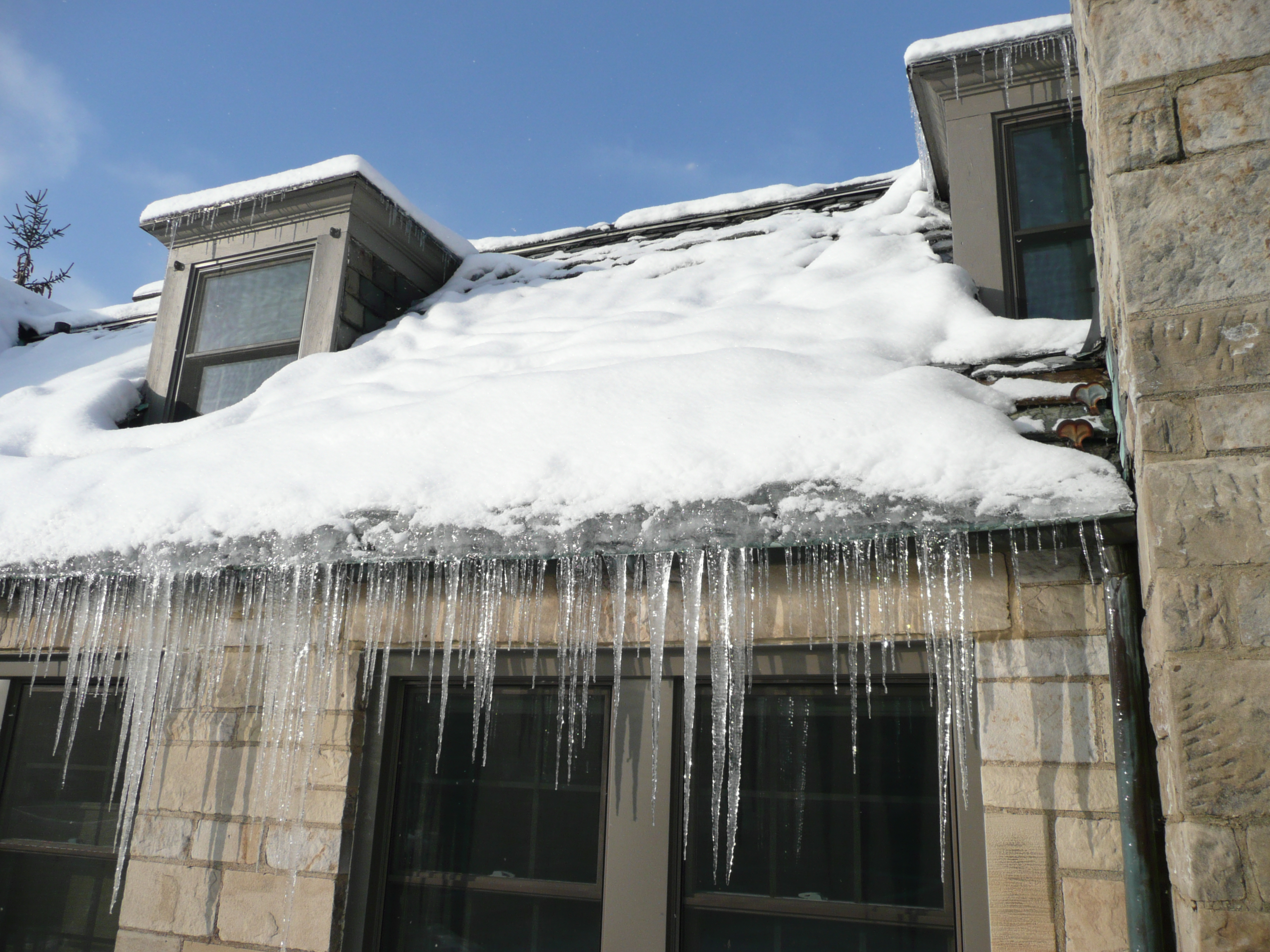

Ice dams are usually associated with northern states, which is why many Texans are caught off guard when they happen here. But after the recent winter storm, ice dams are a very real risk across North Texas and other cold-hit regions of the state. In fact, they can be more damaging in Texas homes precisely because most houses are not designed for prolonged freezing conditions.
If you have snow sitting on your roof right now, or you noticed heavy melt-and-refreeze over the last few days, this is the exact window when ice dam damage tends to show up.
What an Ice Dam Is (in Plain Terms)
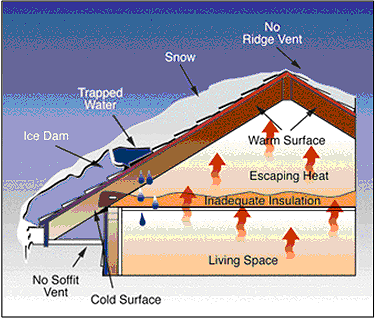
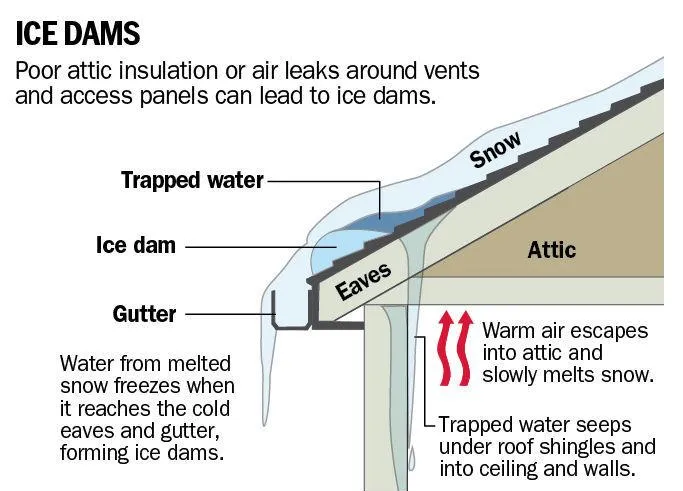
An ice dam is a ridge of ice that forms along the edge of a roof, usually near the gutters. It blocks melting snow from draining off the roof. When water has nowhere to go, it backs up underneath shingles and leaks into the roof structure.
Roofs are built to shed water downward. They are not built to hold standing water or resist water flowing uphill. Once that happens, leaks are no longer a question of if, but when.
Why Ice Dams Are Especially Dangerous in Texas
Texas homes are built for heat, not cold. That difference matters.
Most Texas houses have:
- Lower attic insulation levels than northern homes
- More air leakage into the attic
- Roof systems not designed for repeated freeze-thaw cycles
During this recent storm, snow sat on roofs while daytime temperatures rose just enough to cause partial melting. Warm air leaking from inside the house melted snow higher up the roof, while the roof edges remained freezing cold. That is the perfect recipe for ice dams.
Because Texas roofs rarely include ice-and-water shield at the eaves, water has very little protection once it backs up under the shingles.
Why Ice Dams Often Appear After the Storm
One of the most confusing parts of ice dams is timing. Homeowners expect damage during the storm itself. In reality, problems usually appear days later.
As temperatures fluctuate, snow melts during the day and refreezes at night. Each cycle adds more ice at the roof edge and more trapped water behind it. Interior leaks often show up only after the ice has already done its work.
If you experienced snow followed by sunny but cold days, your home is still in the danger window right now.
Common Signs Texas Homeowners Should Watch For
In Texas, ice dam damage often goes unnoticed until it becomes obvious indoors. Watch for:
- Water stains on ceilings or walls
- Bubbling or peeling paint
- Dripping near exterior walls
- Sagging gutters or thick ice buildup along the roof edge
These are late warning signs. By the time they appear, moisture has usually been present for a while.
What to Do Right Now After a Texas Snowstorm
If snow is still on your roof, the short-term goal is to limit melting near the roof edge. Carefully removing snow from the lower few feet of the roof can reduce the amount of water feeding an ice dam. Roof rakes can help if used gently.
If ice has already formed, do not chip at it. Chisels, hammers, and salt products often cause more roof damage than the ice itself. Professional steam removal is the safest option when intervention is necessary.
Most importantly, monitor the inside of your home over the next week. In Texas, leaks from ice dams often appear after temperatures rise again.
The Real Fix: Why Ice Dams Are a Building Problem, Not a Weather Problem
Ice dams are not caused by snow alone. They are caused by heat escaping into the attic.
In Texas homes, the biggest culprits are usually:
- Air leaks around attic access points and recessed lights
- Inadequate attic insulation
- Poorly sealed ductwork running through the attic
When heat loss is controlled, the roof stays cold and snow melts evenly. Without uneven melting, ice dams do not form.
Long-Term Prevention for Texas Homes
Preventing ice dams in Texas does not mean rebuilding your house for Minnesota winters. It means correcting weak points that storms expose.
Effective long-term solutions include sealing attic air leaks, improving insulation to modern standards, and ensuring proper attic ventilation. For homes that are reroofed, adding ice-and-water shield along roof edges provides critical protection during rare but severe winter events.
These upgrades also reduce summer cooling costs, making them a year-round win in Texas.
The Bottom Line for Texans
Ice dams are rare in Texas, but when they happen, they hit hard. The recent winter storm created ideal conditions for damage, especially in homes that were never designed for snow and prolonged freezing.
If you are dealing with ice buildup now, focus on minimizing immediate damage. If this becomes a recurring issue, the real solution is inside the attic, not on the roof. Texas winters may be unpredictable, but ice dam damage does not have to be.