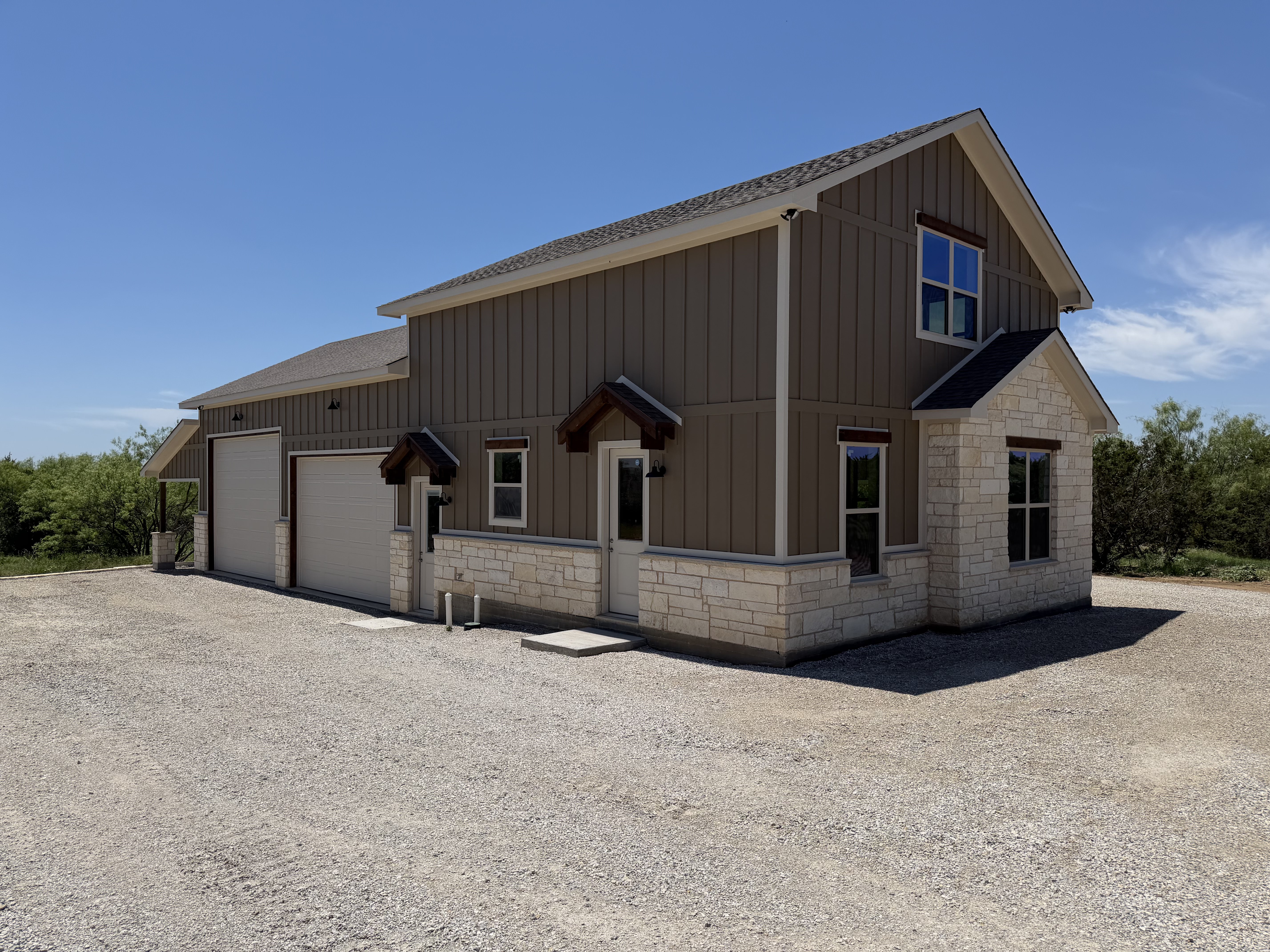
A custom home in Dallas can cost a lot less or a lot more than the number most people start with in their head. The range is wide because Dallas builds are shaped by lot value, foundation type, utility tie-ins, finish level, plan complexity, and the local permitting path. If you want the broad DFW context behind this topic, the DFW Home Building Cost Guide 2026 gives the metro-level picture, while this page stays focused on Dallas specifically. For a national perspective on new construction pricing, see our 2026 home building cost guide.
For planning purposes, a reasonable Dallas custom build budget in 2026 often starts around the high $300,000s for a smaller, simpler home and can move well past $1 million for a larger or higher-finish project. A practical per-square-foot planning range is often somewhere near $180 to $450+ depending on the scope. That does not mean every build will land there exactly. It does mean Dallas homeowners should budget for more than just framing and drywall. The land, the utilities, the architectural choices, and the city approval process all matter.
If you are comparing builders, the right question is not just, “What is the cheapest price per square foot?” It is, “What does that price include, what site assumptions does it rely on, and what can push it up once the project starts?” That is where many first-time custom buyers get surprised.
This guide breaks the cost down in plain English so you can compare bids, set a realistic budget, and understand where the money actually goes when you build a house in Dallas.
Dallas custom home cost ranges in 2026

Dallas is not a one-price market. A simple one-story plan on a flat lot in an established neighborhood is a different financial animal than a larger two-story home with custom finishes, specialty glazing, a complicated roofline, and a foundation that has to be engineered for soil movement. The Dallas market also sits inside the broader Dallas-Fort Worth-Arlington economy, so metro-wide housing activity and construction demand influence pricing at the local level. You can see the regional backdrop in the FRED building permits series for DFW-Arlington and in the Texas Real Estate Research Center’s building permits data.
A useful planning framework looks like this:
| Build type | Typical size | Planning range per sq. ft. | Rough total budget |
|---|---|---|---|
| Entry-level custom | 1,600-2,000 sq. ft. | $180-$240 | $288,000-$480,000 |
| Mid-range custom | 2,100-2,800 sq. ft. | $230-$320 | $483,000-$896,000 |
| Higher-end custom | 3,000-4,500 sq. ft. | $320-$450+ | $960,000-$2,025,000+ |
Those numbers are best used as a starting point, not a promise. They are most helpful when you compare them against the actual scope of your lot and your finish goals. A 2,400-square-foot home can land near the lower end of the mid-range if the lot is straightforward and the finish package is disciplined. The same house can climb fast if you add custom cabinetry, upgraded windows, elaborate tile work, more complex structural spans, or a long utility run from the street.
Dallas homeowners should also plan for soft costs and site costs outside the basic house shell. Those extras can include design, surveys, engineering, permit fees, energy compliance, utility connection work, and contingency. In many projects, that layer adds a meaningful percentage to the headline construction number.
The best takeaway is simple: Dallas custom homes are budget-sensitive at every step, and the more custom the house becomes, the more important it is to lock in scope before you lock in price.
What drives the cost of building in Dallas

The final price of a Dallas custom home is usually built from several major buckets rather than one line item. A builder who quotes only the house price without clarifying site work and allowances is leaving out the part that often causes budget stress later.
Here are the biggest cost drivers.
1) Lot conditions
A flat, cleared lot is easier to price than a sloped site, a tight infill lot, or a parcel that needs demolition first. Soil conditions matter too. North Texas clay soils can require more careful foundation design, and that can change the budget before the first wall goes up. If the lot needs demolition, grading, retaining work, or extensive drainage correction, costs rise quickly.
2) Foundation type
Foundation selection is not cosmetic. It is structural, and it affects both upfront cost and long-term performance. In Dallas, slab-on-grade is common, but the exact design depends on soil, drainage, and engineering requirements. A more complex foundation or deeper preparation can add cost, especially if the builder needs more rebar, thicker sections, or additional site work.
3) Structure and layout complexity
A compact floor plan is cheaper to build than one with many corners, large spans, or custom roof geometry. Every jog in the footprint increases labor, framing complexity, and detailing. Second stories, high ceilings, and open-concept spaces can look great, but they also affect framing, HVAC design, and insulation strategy.
4) Mechanical, electrical, and plumbing systems
Systems are the hidden engine of the house. HVAC size, electrical panel capacity, plumbing route length, water heater placement, and smart-home wiring can all affect the final number. A home with a larger square footage or more bathrooms will naturally need more system capacity.
5) Finish level
This is where many budgets drift. Builder-grade finishes and carefully selected standard upgrades are much cheaper than custom cabinets, high-end appliances, premium stone, wide-plank flooring, decorative lighting, and designer tile. Finishes are also the easiest area for a homeowner to over-upgrade without noticing how fast the total grows.
6) Permit and inspection requirements
Dallas residential new construction must go through the city’s permit process, and the approval path affects both schedule and soft costs. The City of Dallas describes residential new construction permit steps in its residential new-construction permit guidance, and the city’s construction-code documents help explain why code compliance and fee structure need to be built into the budget.
A good rule is to think of the project in percentages rather than only in absolute dollar amounts. When the lot is easy, the design is simple, and the finishes are disciplined, the budget stays more predictable. When any one of those variables turns complicated, the cost usually moves up in more than one category at once.
Dallas permits, zoning, and approval path
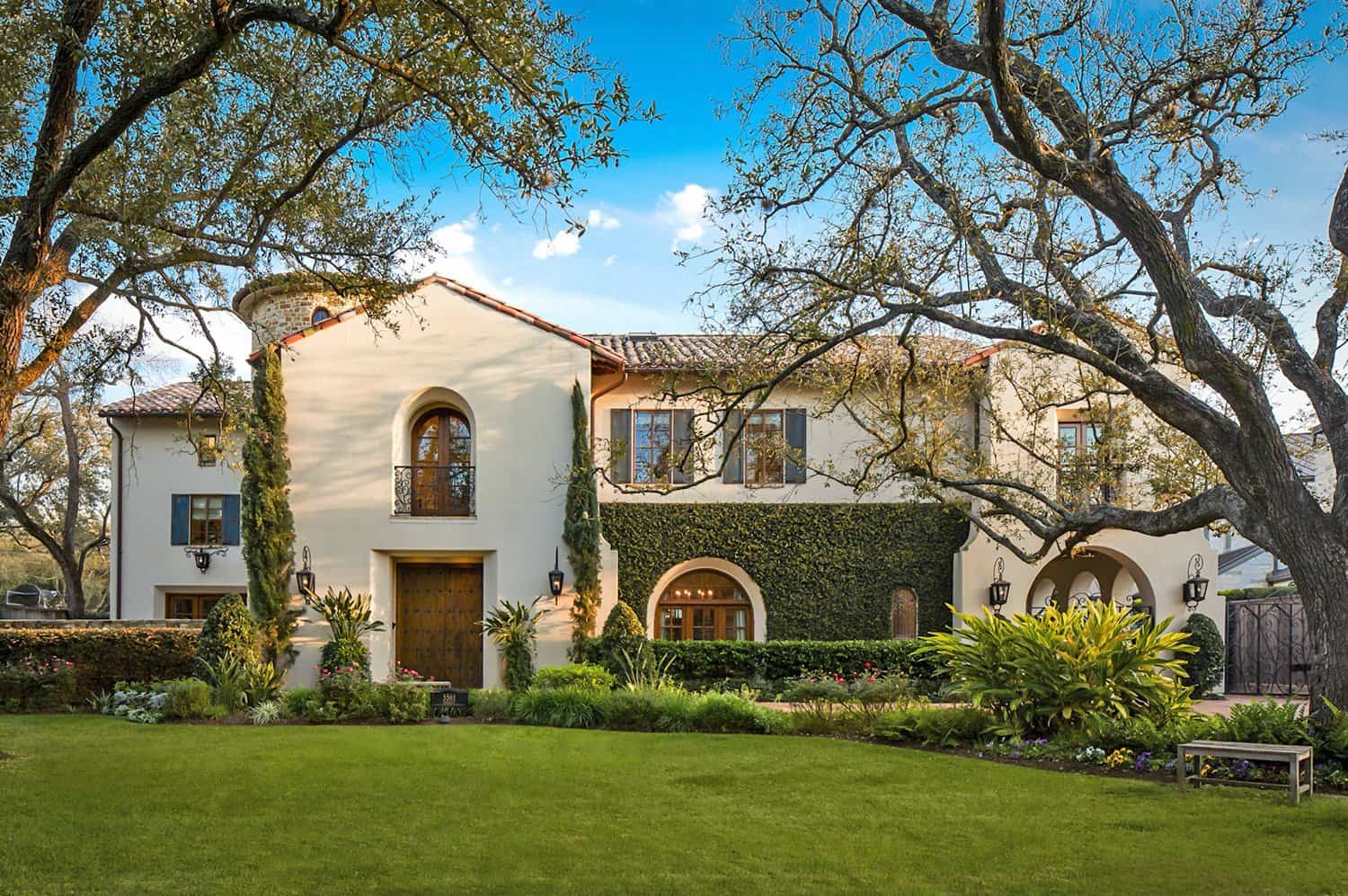
A Dallas home build is not just a construction project. It is also an approval process. The city permit path affects when you can start, what documents you need, and how much coordination is required before site work is cleared. If you are budgeting accurately, the permit process belongs in the same conversation as framing and roofing, not in a separate administrative bucket.
The City of Dallas’ residential new-construction permit guidance outlines the expectation that applicants prepare the proper documents and route the project through the building inspection and development process. That means homeowners usually need to account for site plans, construction documents, engineering where required, trade permits, and inspection coordination. For Dallas homeowners, this is one reason a builder who has local permitting experience can save time as well as stress.
Permit fees themselves may not be the biggest line item in the build, but they are only part of the story. The larger cost comes from the time and professional input required to get to approval. If a plan needs revisions because of setback issues, drainage concerns, utility coordination, or code compliance adjustments, the cost is not just the filing fee. It is the design time, redraw time, and potential schedule delay.
Dallas also sits in a region where construction activity has been significant for years. Tracking permit activity through sources like FRED’s DFW-Arlington permit data helps explain why local builders, trades, and inspectors can stay busy, especially in growth periods. More activity can mean more competition for labor and a longer wait for some trades.
For a homeowner, the best way to think about permitting is this: every requirement that is solved on paper before construction starts is usually cheaper than solving it in the field after work is underway. That is why survey work, engineering, and plan coordination are worth budgeting for even when they do not feel as visible as countertops or flooring.
If you are trying to compare builders in Dallas, ask how they handle permit submittals, what is included in their allowances, and how they manage revisions. A clear answer here is worth more than a polished brochure.
Site prep, utilities, and foundation work
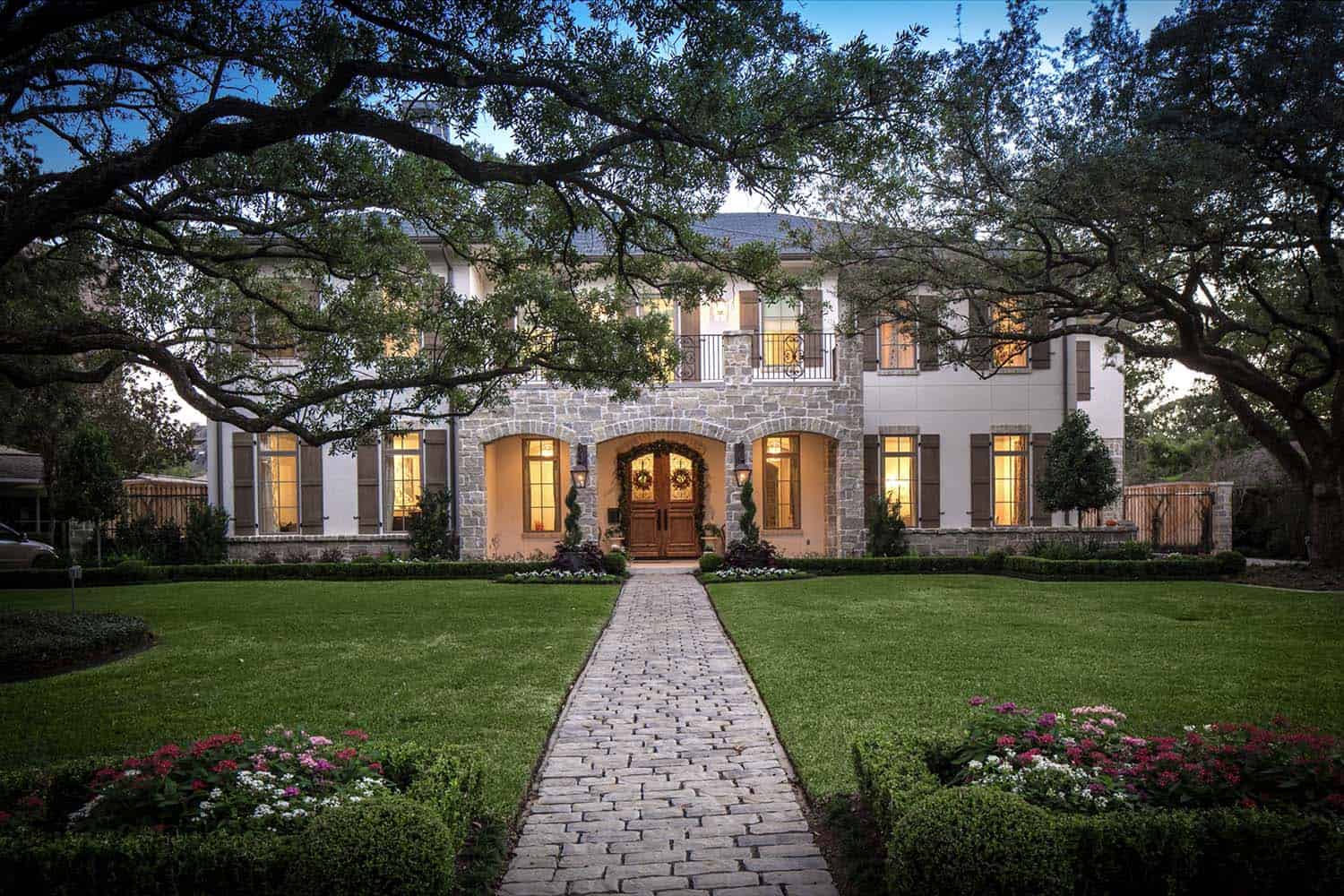
Dallas site work is often where a project becomes either pleasantly ordinary or unexpectedly expensive. Homebuyers sometimes focus on the house design and underestimate what it takes to make the lot ready for construction. That is a mistake because the site can absorb a big chunk of the budget before vertical construction even begins.
A basic site-prep budget may be modest on a cleared lot, but several common issues can change that fast:
- tree removal and stump grinding
- demolition of an existing structure
- grading and drainage correction
- soil stabilization
- retaining walls
- utility trenching
- water, sewer, electric, and gas tie-ins
- driveway and temporary access work
- erosion control and restoration
Dallas and the larger North Texas region also have weather patterns and soil behavior that make drainage planning worth serious attention. Heavy rain events can expose poor grading very quickly, and a builder who ignores water management is creating a future repair bill. A solid site plan usually costs less than repeated fixes later.
Foundation work deserves separate attention because it can shift the budget by thousands or tens of thousands of dollars. In many Dallas builds, the foundation system must be matched to the site’s conditions rather than picked from a generic menu. If the engineering report recommends a thicker slab, extra reinforcement, or special design details, the cost is real and unavoidable.
Utility tie-ins are another hidden line item. If the lot is ready and the service connections are nearby, the job is easier. If the house needs longer runs or more coordination with providers, the budget goes up. That is especially true when lot configuration or easements complicate access.
A smart homeowner should treat site work as a front-end risk category. It is usually better to spend more time getting the lot assessed properly than to discover a pile of “small” site issues after the contract is signed. On a custom home, the site is part of the house whether anyone likes it or not.
Labor and market context in Dallas

Labor costs do not exist in a vacuum. They reflect local wage conditions, contractor availability, trade demand, and the pace of new construction. That is why Dallas pricing needs a local economic lens instead of a national one. The U.S. Bureau of Labor Statistics Dallas metro compensation data is a useful reminder that wages in the region move with the broader labor market, and the construction labor force is not separate from that reality.
When wages rise, builders feel it in framing, electrical, HVAC, plumbing, finish carpentry, and supervisory labor. When demand is strong, the best trades can get scheduled out further, which can also affect project timing and cash flow. Even if the labor line item does not jump dramatically in a single month, the cumulative effect across many trades can be significant by the end of the build.
This is one reason Dallas homeowners should avoid treating the lowest bid as the safest bid. A lower quote may simply mean the builder has assumed thinner labor margins, lighter allowances, or less room for change orders. That is not always bad, but it needs to be understood.
The market context also matters because a healthy metro with steady housing activity tends to keep material and labor demand elevated. FRED’s DFW permit series and the Texas Real Estate Research Center’s permit data both help show the broader pace of construction in the region. A busy market can be good for resale confidence, but it can also mean more competition for crews.
In practical terms, labor context affects three things most:
- Your bid level — what the builder has to charge to keep crews employed.
- Your schedule — whether the job starts when you want it to start.
- Your change-order exposure — how expensive modifications become once the project is already moving.
Dallas homeowners planning a custom build should therefore budget not only for materials and design, but also for the reality that local labor is part of the cost of speed, quality, and coordination.
Sample Dallas home-building budget scenarios
A sample budget is often the fastest way to understand how the pieces fit together. The table below is not a quote. It is a planning model that helps Dallas homeowners see how square footage, finish level, and site assumptions can change the total.
| Scenario | House size | Base build range | Site + soft costs estimate | Planning total |
|---|---|---|---|---|
| Smaller, simple custom | 1,800 sq. ft. | $324,000-$432,000 | $45,000-$90,000 | $369,000-$522,000 |
| Comfortable mid-range custom | 2,400 sq. ft. | $552,000-$768,000 | $65,000-$140,000 | $617,000-$908,000 |
| Larger higher-end custom | 3,500 sq. ft. | $1,120,000-$1,575,000 | $100,000-$225,000+ | $1,220,000-$1,800,000+ |
Several details matter when you look at a table like this.
Base build range
This is the core structure, systems, and finishes in the home itself. It is not always inclusive of every outside item that happens before or after vertical construction.
Site and soft costs
This bucket can include land-related prep, surveys, engineering, permits, design fees, utility work, inspections, and contingency. On a straightforward lot, these costs may stay relatively controlled. On a more difficult site, they can balloon.
Planning total
This is the number that matters most when a homeowner asks, “Can I really afford this?” It is easy to look at the base build and forget that the project has a broader cost footprint. Dallas homeowners should always keep a contingency reserve because unknowns appear in almost every custom project.
A useful budgeting habit is to sort your priorities before you ever finalize the contract. Put the must-haves in one column, the nice-to-haves in another, and the optional upgrades in a third. That makes it easier to cut scope intelligently if the estimate comes in above target.
If you already know you want to compare design and pricing options with a local professional, start with the Dallas custom home builder page so you can frame the conversation around your lot, your timeline, and your budget ceiling.
Timeline and process for building a house in Dallas
A Dallas home build is usually a sequence of decisions, approvals, and inspections rather than one big construction event. Timelines vary, but many custom homes follow a pattern that looks roughly like this:
| Phase | Typical duration | What happens |
|---|---|---|
| Design and budgeting | 4-10 weeks | Plan refinement, budgeting, and scope decisions |
| Survey, engineering, and permits | 4-12+ weeks | Site analysis, documents, permit submittal, and review |
| Site prep and foundation | 2-6 weeks | Clearing, grading, utilities, and foundation work |
| Framing and dry-in | 4-8 weeks | Structure, roof, windows, and weather protection |
| Rough-ins | 4-8 weeks | Plumbing, electrical, HVAC, and inspections |
| Insulation and drywall | 2-5 weeks | Energy package, close-in work, wall finishing |
| Finishes | 6-14 weeks | Cabinets, tile, paint, flooring, fixtures, trim |
| Final inspections and closeout | 2-4 weeks | Punch list, finals, and turnover |
The schedule can move faster on a simple project and slower on a complicated one. Permitting, inspections, and trade availability can create bottlenecks even when the field work is going smoothly. The point is not to pick the exact number of weeks before the plan is complete. The point is to understand where the waiting happens.
Dallas homeowners should pay close attention to the permit and inspection stages because they often affect the critical path. If the city needs revisions, the project stalls until the paperwork is corrected. If a trade is booked out, the job can sit between phases longer than expected.
The best builders manage the schedule by front-loading decisions. They want the selections, plan revisions, and structural details sorted early because late changes are expensive. This is where homeowners can help themselves by making finish selections sooner rather than later.
A realistic Dallas timeline also includes decision fatigue. That may sound soft, but it matters. A family that keeps changing the cabinet layout or appliance package after the contract is signed will almost always see the schedule slip and the budget rise. The cleanest builds are the ones where the scope stays stable.
If you want your build to finish with fewer surprises, the best habit is simple: decide early, document clearly, and keep the approval chain moving.
How to control costs without cutting the wrong corners
Cost control is not about making the house cheap. It is about spending money where it matters and staying disciplined where it does not. A good Dallas custom build should feel intentional, not stripped down.
Here are the moves that usually help the most.
Simplify the footprint
A cleaner rectangular or near-rectangular footprint usually costs less than a highly articulated plan. Fewer corners, fewer roof valleys, and fewer structural transitions often mean lower framing and roofing costs.
Keep the first-floor plan efficient
If you can stack plumbing areas, shorten mechanical runs, and reduce unnecessary hallways, the budget becomes easier to manage. Efficiency is often invisible to guests, which is why it is such a good value.
Make finish choices in tiers
Pick your big-ticket finish items first. Then decide where standard-grade items are perfectly fine. You do not need every surface to be a showcase surface. That is how budgets get away from people.
Lock selections early
Late changes cost money because they ripple into labor, ordering, and scheduling. The sooner the cabinet, tile, lighting, and fixture choices are finalized, the easier it is to stay close to the contract amount.
Build in contingency
Every custom project needs room for the unexpected. A contingency is not a sign of poor planning; it is a sign that the homeowner understands construction reality.
Use a builder who understands local process
Dallas permit coordination, inspections, and lot-specific issues can all affect the total. A builder with local experience can often spot risk earlier and help you avoid expensive rework. The city’s permit process and local construction documents make it clear that compliance is part of the job, not an afterthought.
A strong cost-control strategy is not to slash the budget everywhere. It is to protect the parts of the house that are hardest to change later: structure, envelope, and systems. Once those are right, you can be much more selective about finishes.
When a custom builder makes sense in Dallas
A custom builder makes the most sense when your site, your design goals, or your schedule require more coordination than a standard production-home process can comfortably handle. Dallas is full of neighborhoods and lots that are not one-size-fits-all, so custom construction is often the better fit than trying to force a generic plan onto a unique property.
A custom approach is usually worth it when:
- the lot is unusual, narrow, sloped, or infill-oriented
- you need a specific floor plan to fit family needs
- you care about exact finish selections and quality control
- the foundation or site conditions need careful planning
- you want a home designed around long-term use, not just resale trends
A custom builder is also valuable when budget transparency matters. If you want to understand where every dollar is going, a good builder should be able to explain allowance structure, site assumptions, and the order of operations in plain language. That clarity is often more valuable than a low headline price.
Dallas homeowners should also think about future resale. The goal is not simply to build the most expensive house possible. The goal is to build a house that fits the lot, fits the neighborhood, and fits your life without overspending on features that will never pay you back.
The more unique the property, the more custom building makes sense. That is especially true in parts of Dallas where lot constraints, infill conditions, or neighborhood character make standard plans awkward. In those cases, a builder who works through the site, the city process, and the pricing in a disciplined way can make the difference between a stressful project and a manageable one.
If you are at the stage where you are comparing builders, asking budget questions, and trying to decide whether to build or buy, the right move is to get local pricing tied to your exact lot and scope. That is where a Dallas custom builder conversation becomes useful instead of abstract.
Bottom line on Dallas home-building costs
So, how much does it cost to build a house in Dallas? In practical terms, many custom projects start in the high $300,000s for smaller, simpler homes and can easily climb above $1 million as size, finish level, and site complexity increase. The true cost depends on the lot, the foundation, the design, the utilities, the permits, and the finish choices.
If you want a clean budget, focus on three things first:
- Know the lot conditions. Site prep can change the budget more than people expect.
- Define the finish level early. Upgrades add up quickly.
- Plan for permits and soft costs. Dallas approval work belongs in the budget from day one.
The Dallas market is active, the permitting path is real, and labor costs reflect the wider metro economy. That means the smartest build strategy is not guessing low. It is building a clear scope, pricing it correctly, and choosing a builder who understands how Dallas projects actually move.
If you want to talk through a Dallas custom home project with a local team, start with the Dallas custom home builder page and compare your lot, your timeline, and your target budget against a realistic plan.
If you want the broader regional context again, the DFW Home Building Cost Guide 2026 is the next stop.