Fin Home Contracting · Flower Mound, TX
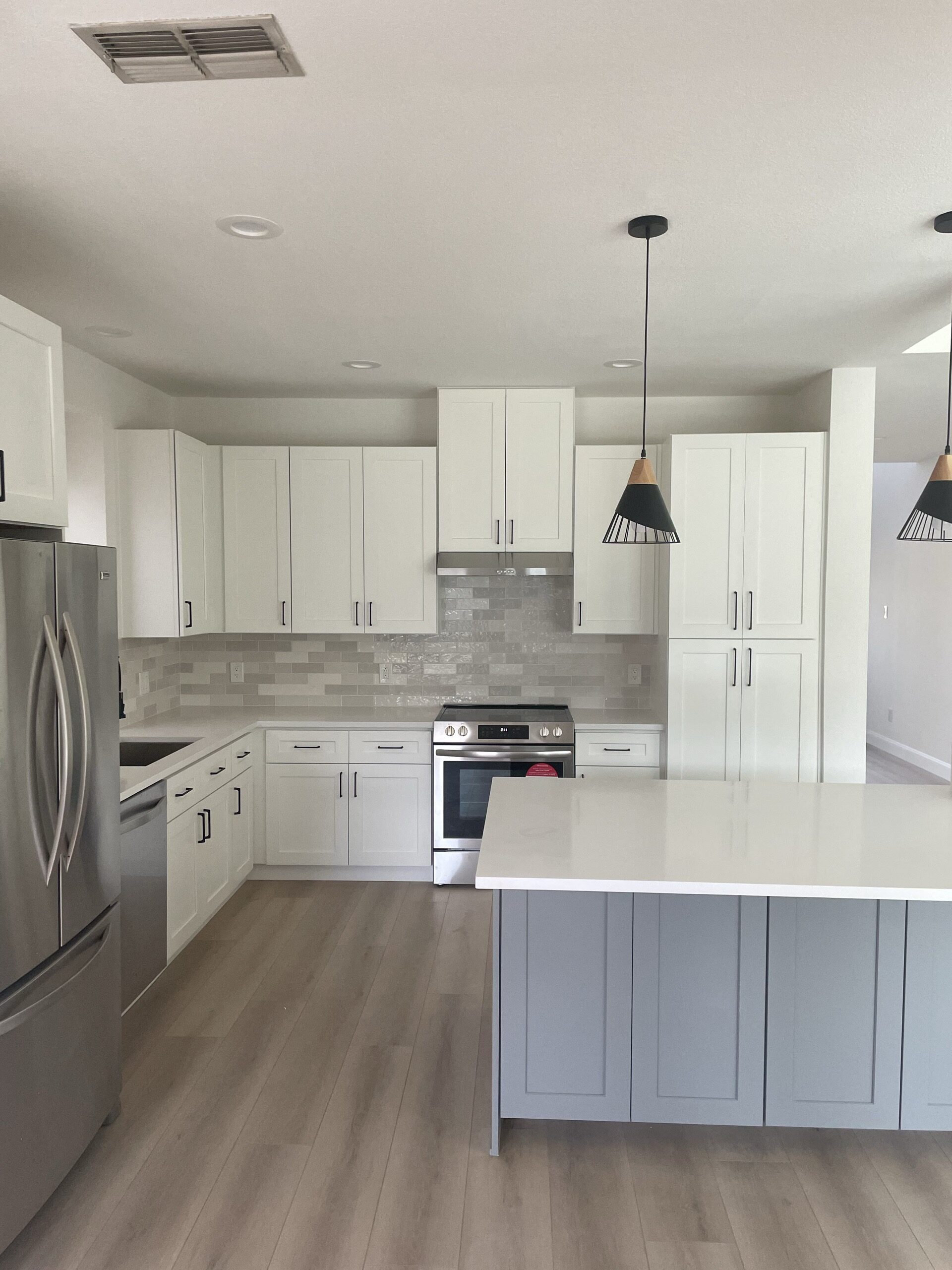
Flower Mound Kitchen Remodeling
We're the general contractor Flower Mound homeowners call when they want a kitchen done right — local crews, transparent pricing, and a process built around the way this city actually works.
5-STAR RATED
Google · Houzz





LICENSED & INSURED
TX Residential Contractor
WHY FIN HOME
Why Hire Fin Home for Kitchen Remodeling in Flower Mound
Flower Mound kitchen remodels usually start with a homeowner who likes the house but is tired of living with a builder-grade kitchen that never really matched the rest of it. In Bridlewood, Wellington, and River Walk, that is a common story. The square footage is there, the home value is there, but the finishes, storage, and layout decisions are stuck in an earlier version of the house. We run the remodel under one coordinated process from estimate through closeout, rather than selling the job and outsourcing the hard part.
Kitchen remodels in Flower Mound start at $28k. That is typically where a serious upgrade begins here, especially once cabinet scope, countertop selections, lighting, and finish work are all combined into one plan. In the 28,000–38,000 range, most homeowners are buying a meaningful transformation instead of a few visible substitutions. We provide a written, itemized quote so the budget is transparent before the project starts.
In parts of Flower Mound, projects located in historic or design-district conditions may need additional approvals before permits move forward. That is the kind of detail that matters early, because it affects planning and timing long before materials arrive on site.
A local project manager will get back to you within 24 business hours and tell you quickly how your project should be approached.
Responds within 24 business hours
Neighborhoods we've worked in
Bridlewood · Wellington · Canyon Falls · Flower Mound Farms · Timber Creek · Lake Forest · Creekwood · River Walk · The Peninsula · Tour 18
150+
Kitchen remodels across DFW – including Flower Mound.
$28k
Starting price for a meaningful Flower Mound kitchen refresh.
24 hrs
Response time from a Flower Mound-based project manager.
15+
Years serving the Flower Mound residential market.
What's Unique About Flower Mound
Growth pressure in Flower Mound is real — the town reported an estimated 2025 population of 82,197. That kind of expansion affects scheduling, trade demand, and project timing, so we build realistic lead times into the plan.
RECENT PROJECT
Recent Kitchen Projects Near Irving
Carrollton
RECENT PROJECT
Recent Kitchen Projects Near Coppell
Carrollton · Coppell · Keller
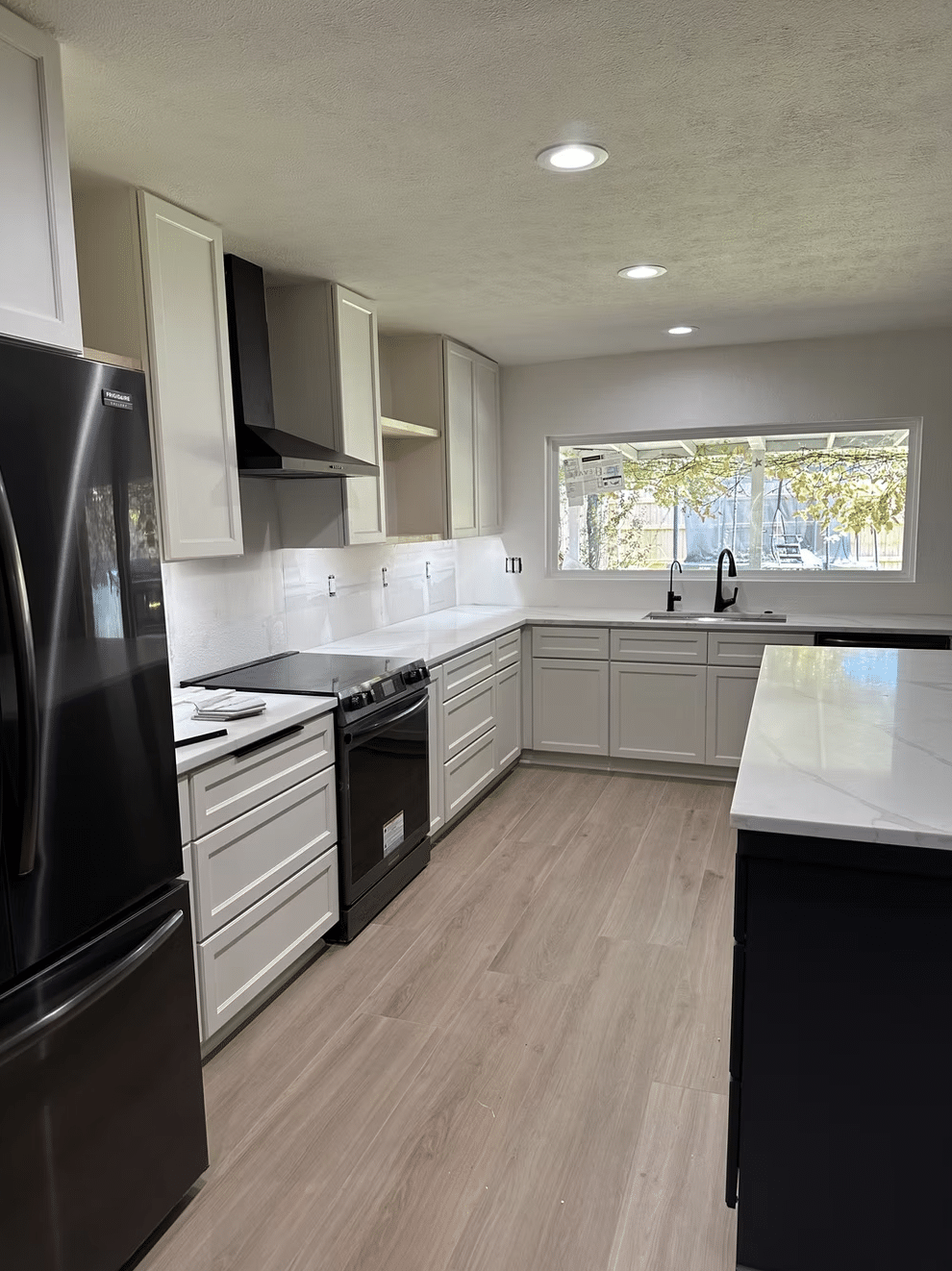
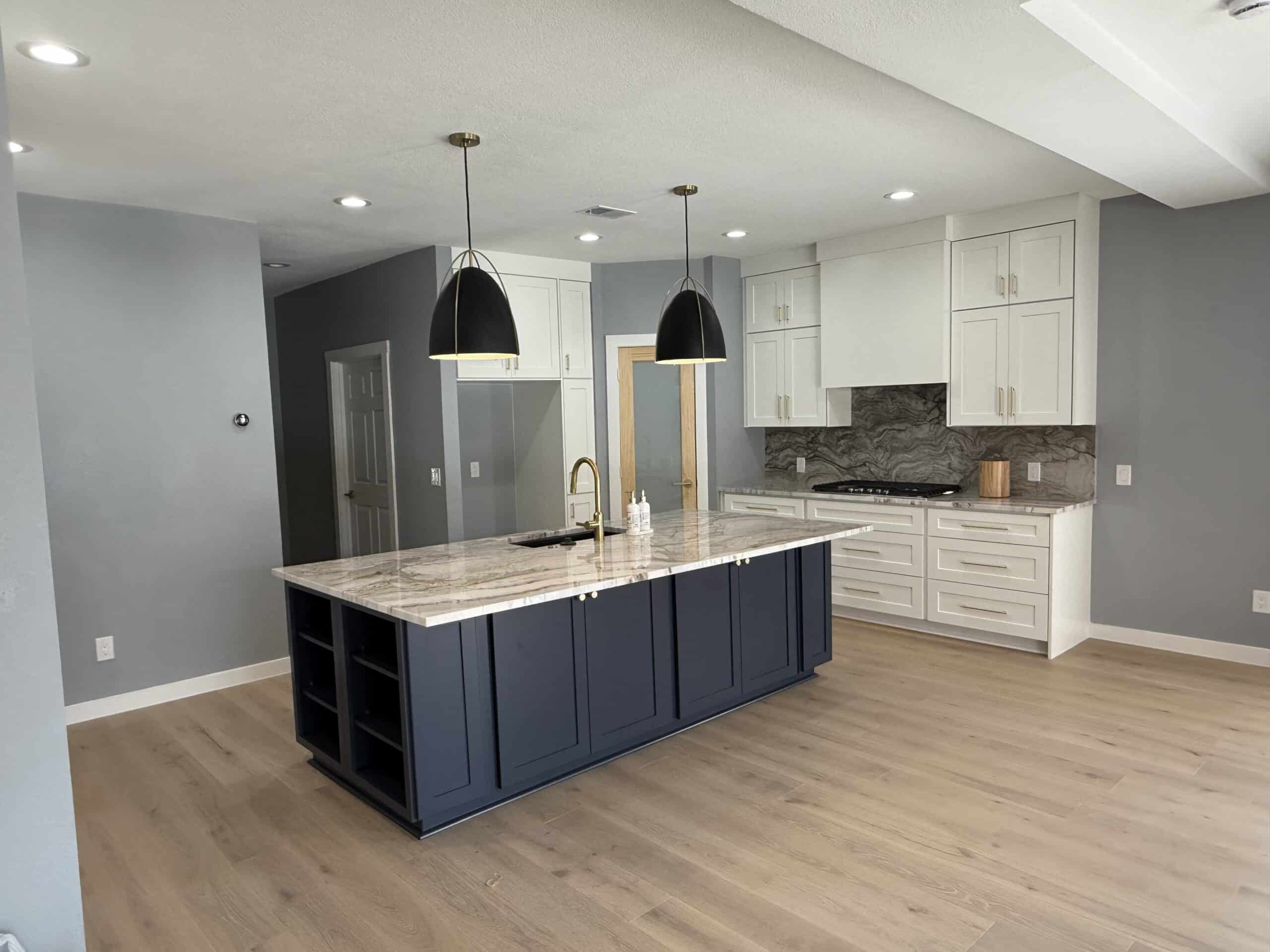
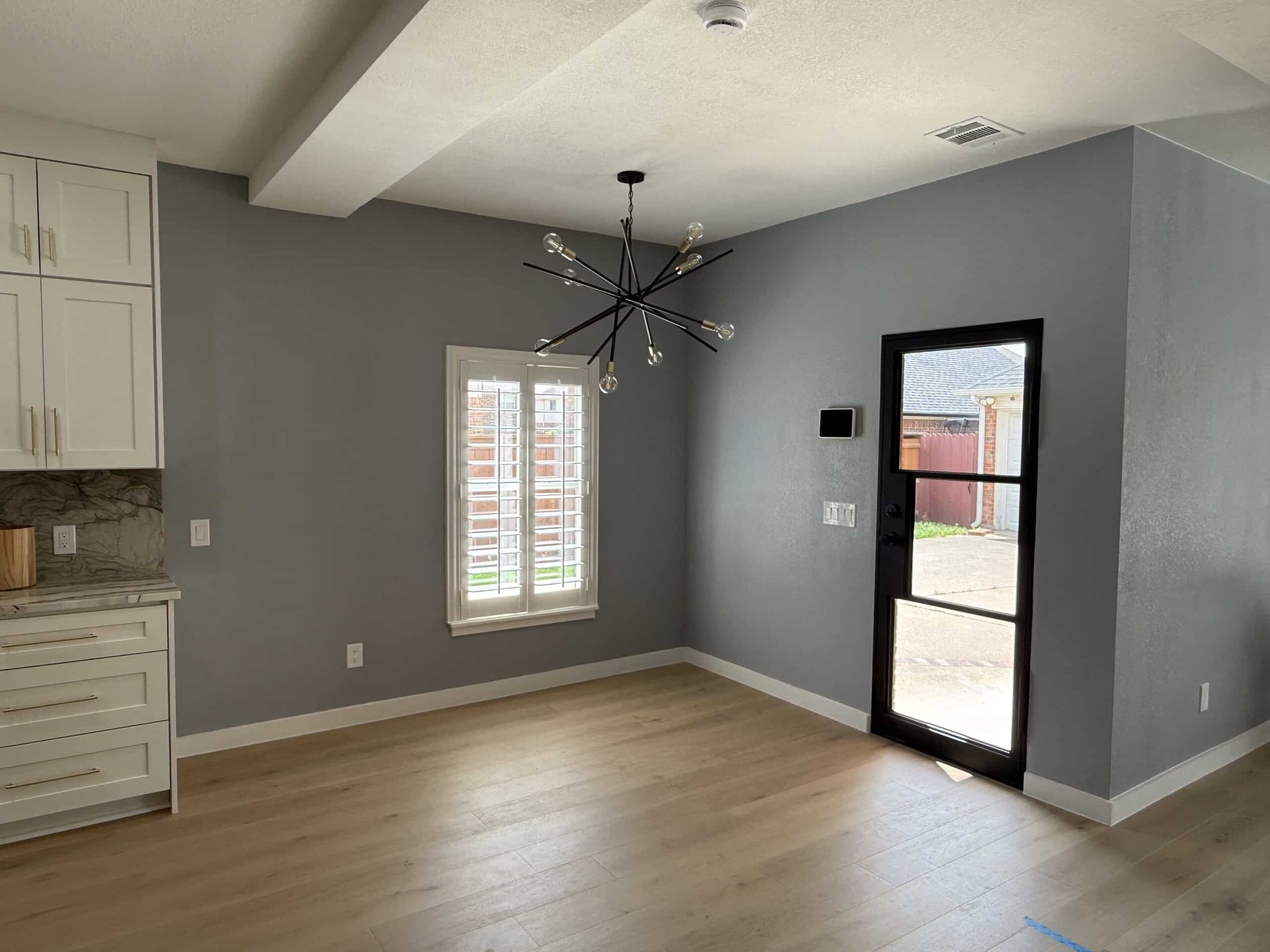
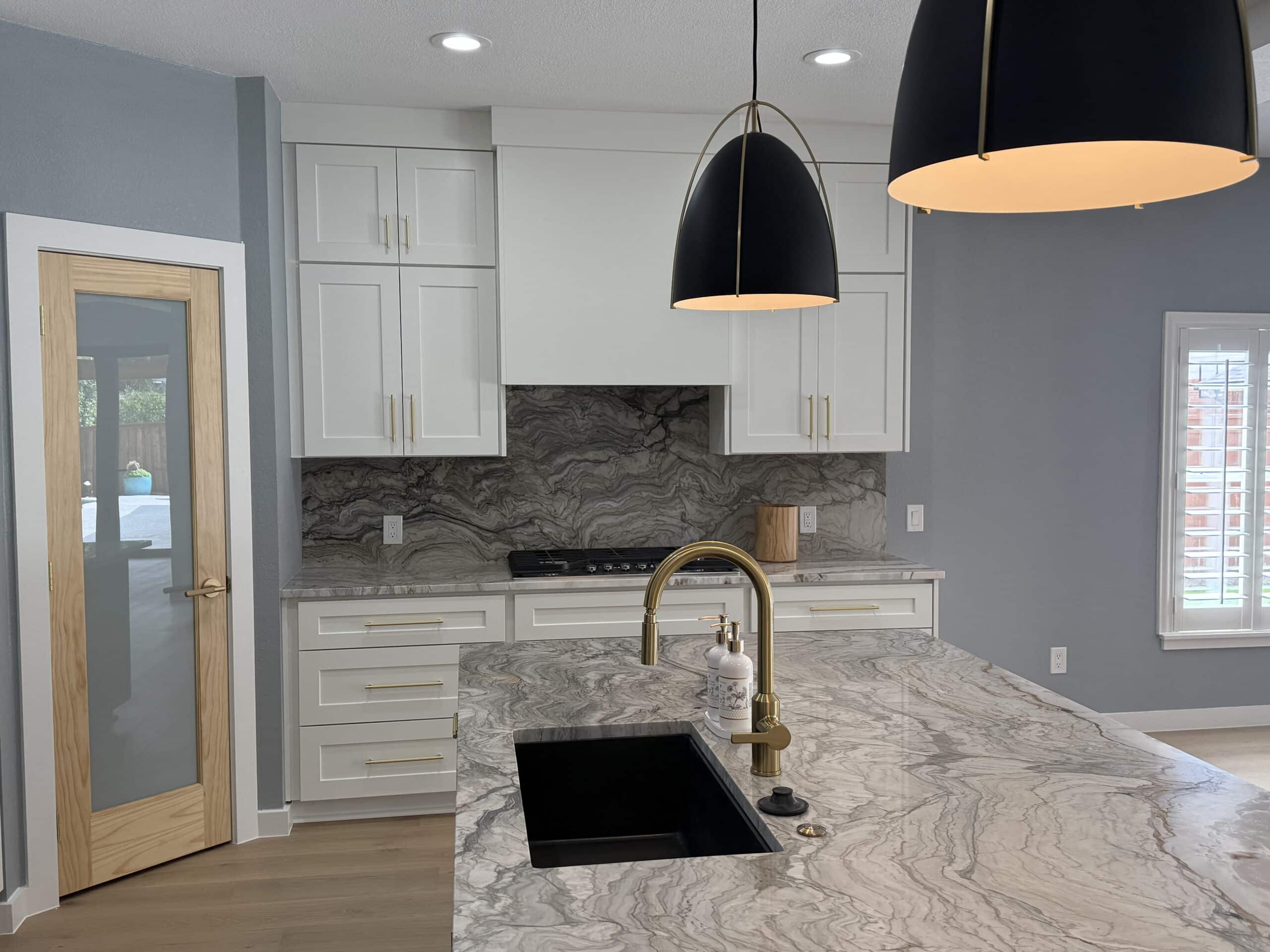
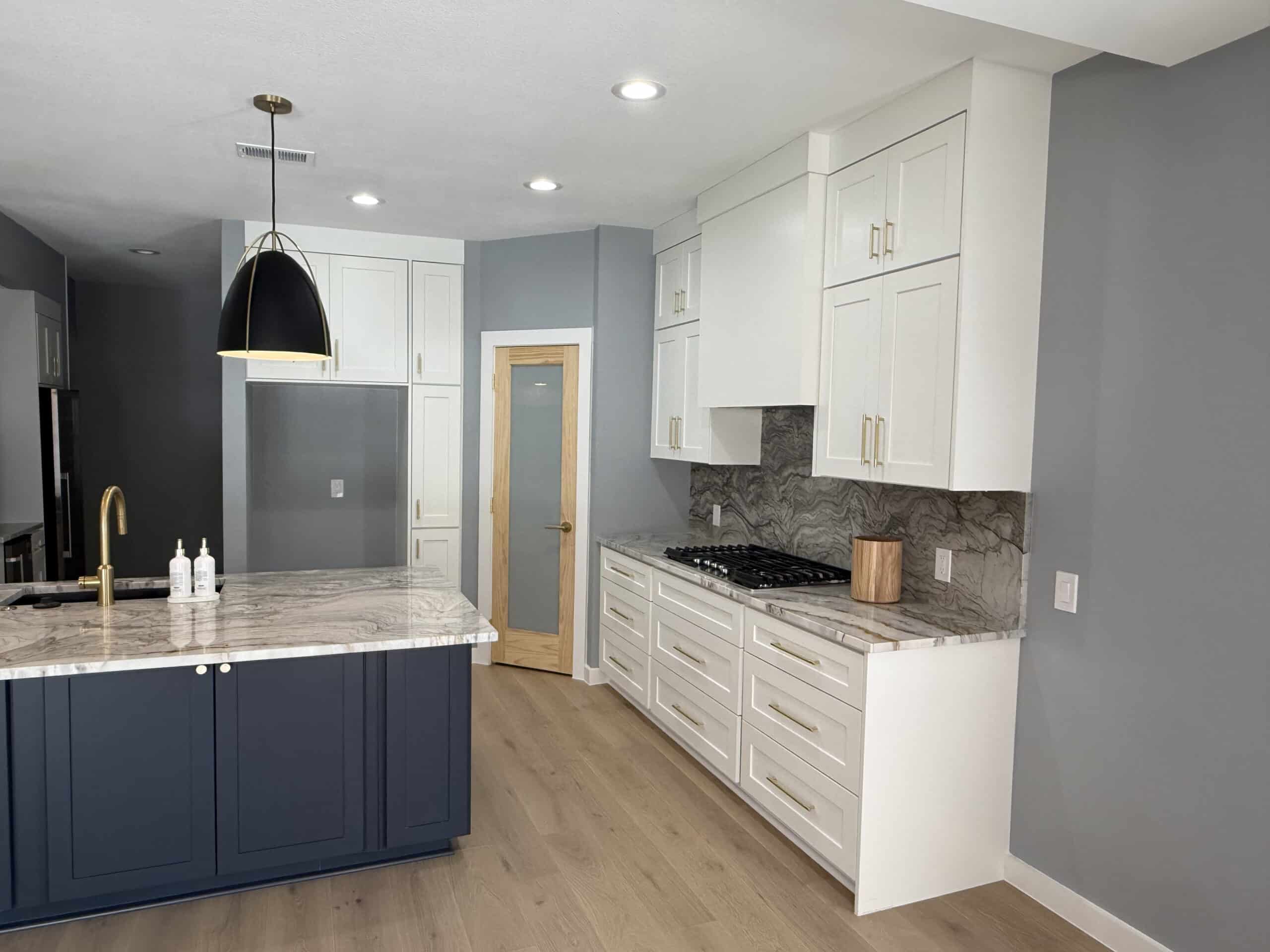
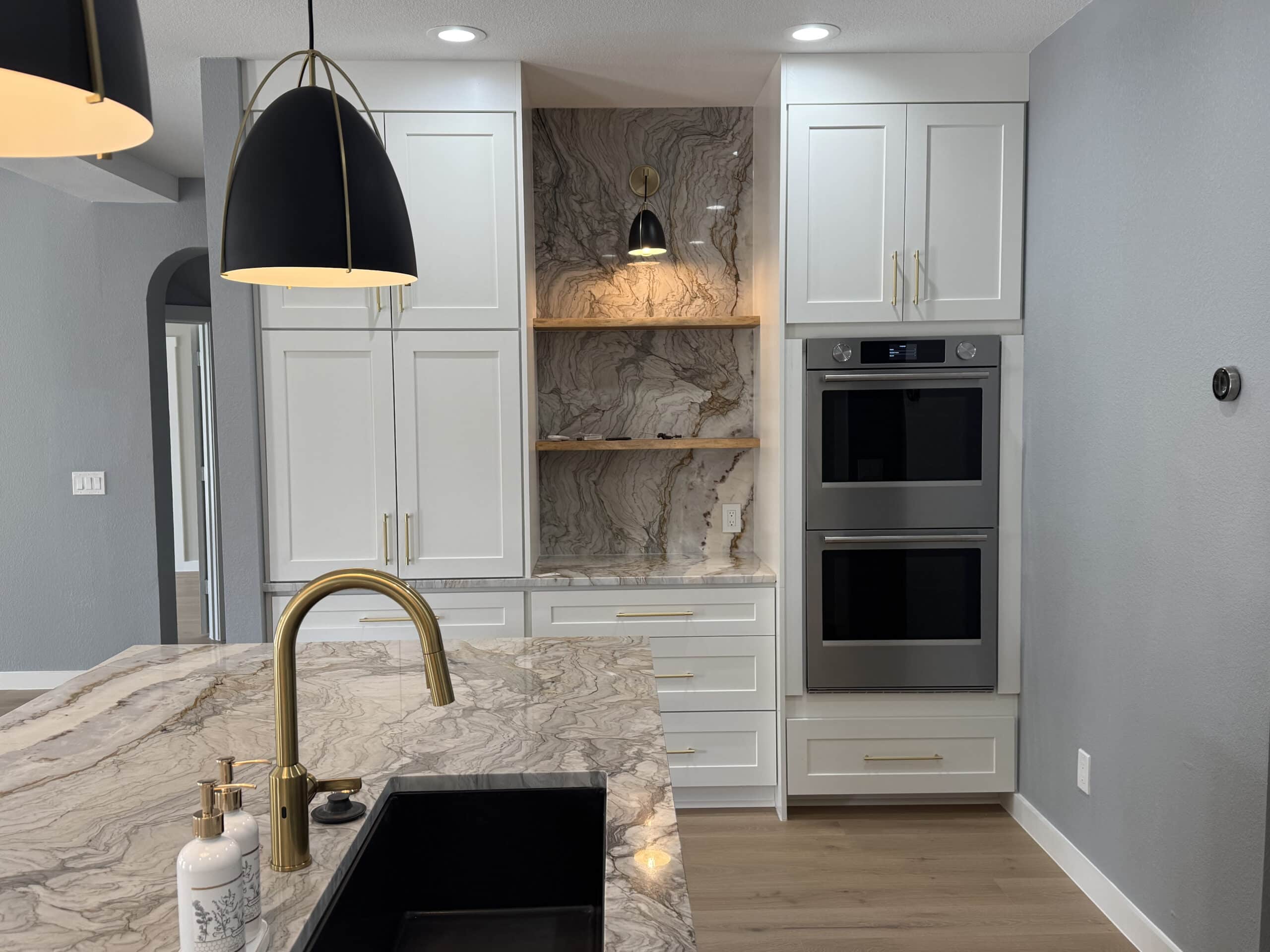
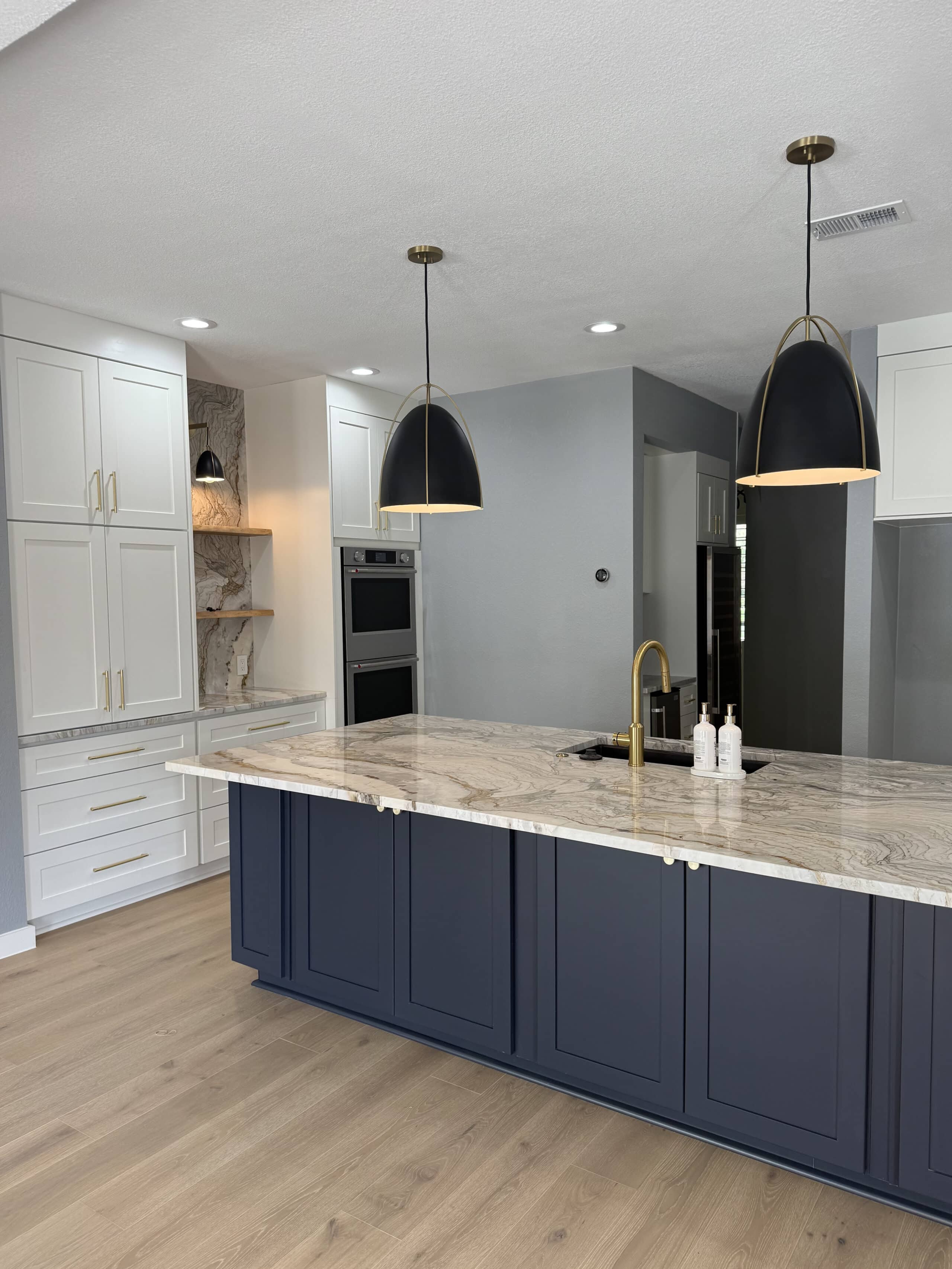
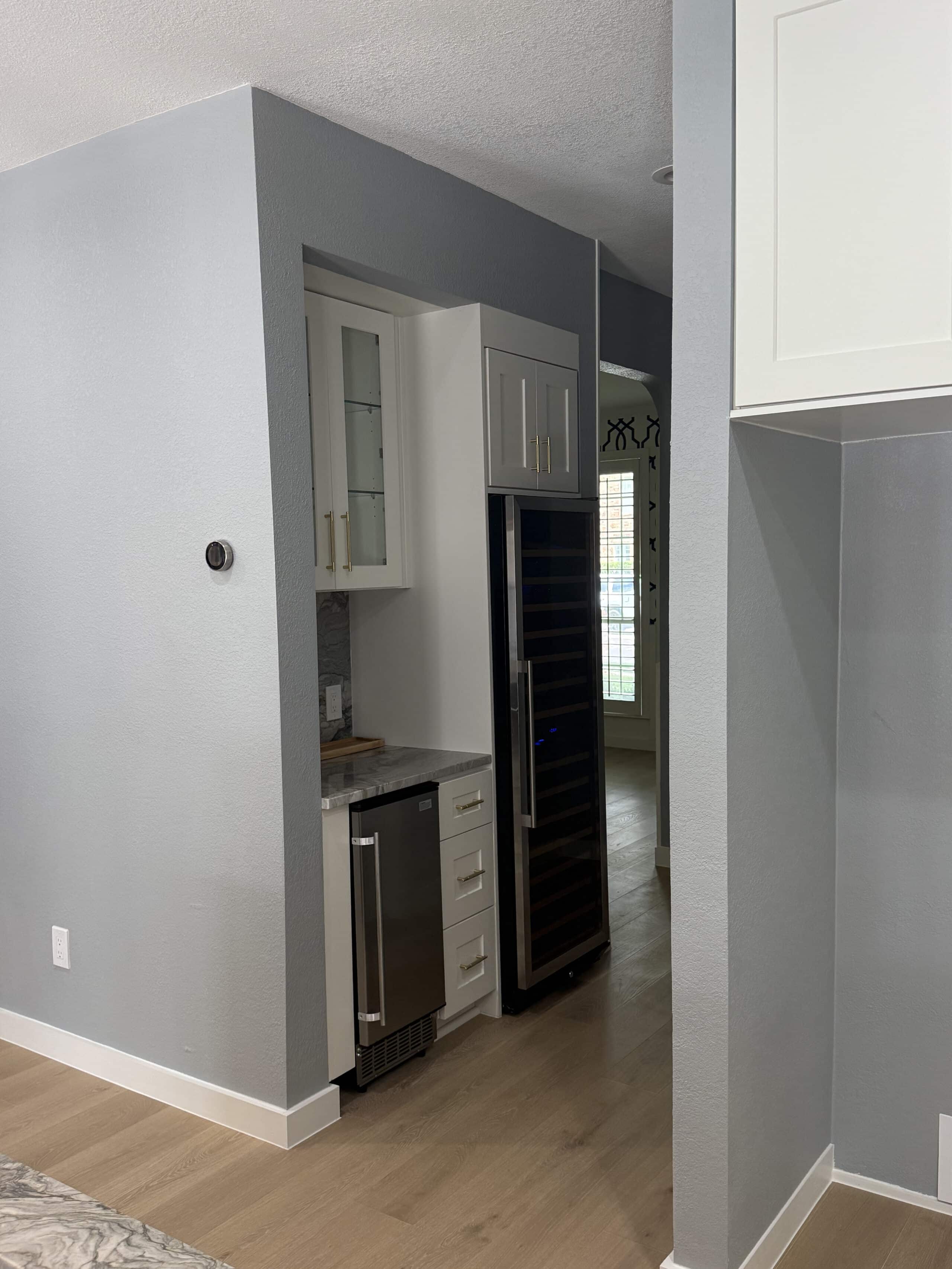
RECENT PROJECT
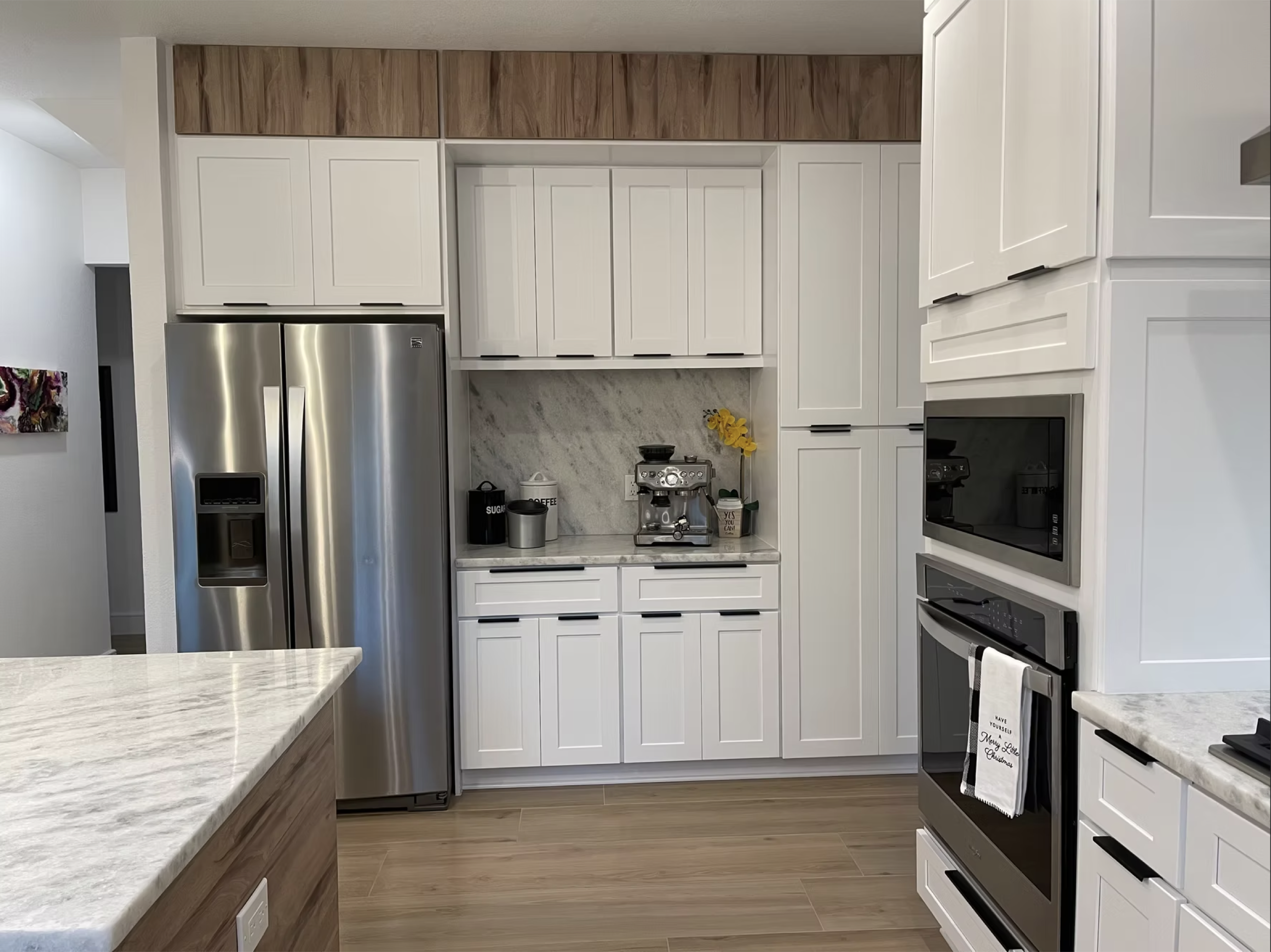
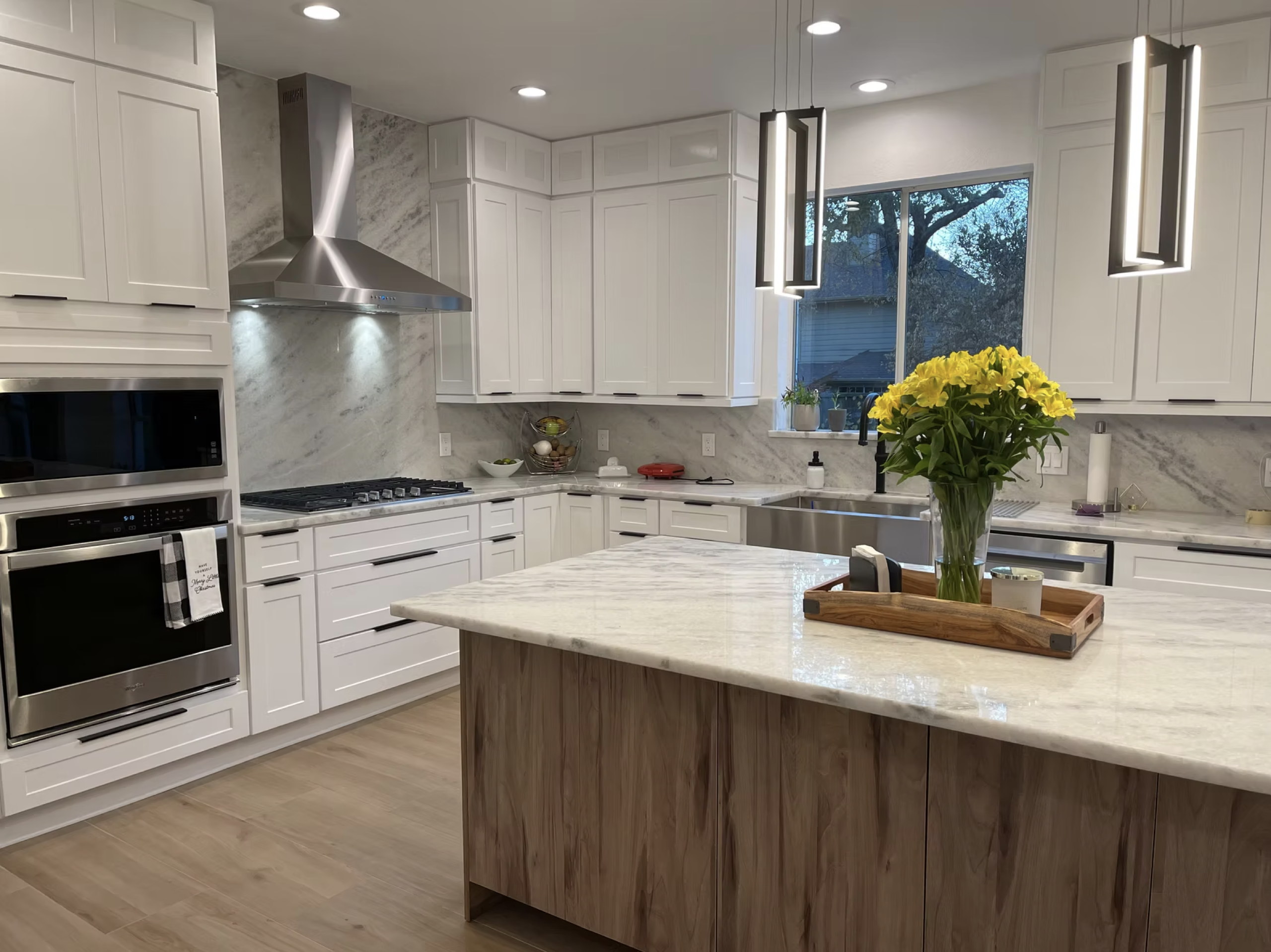
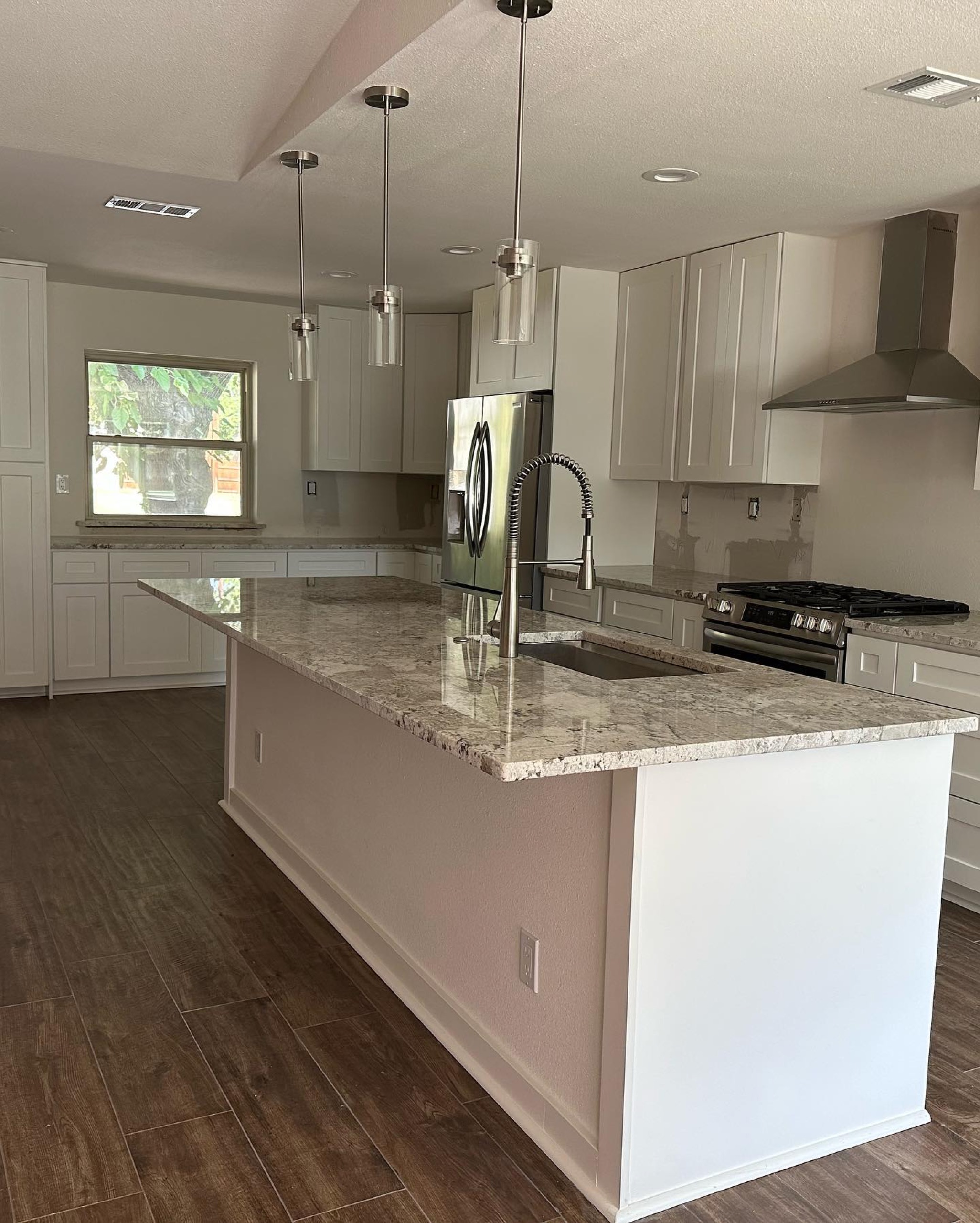
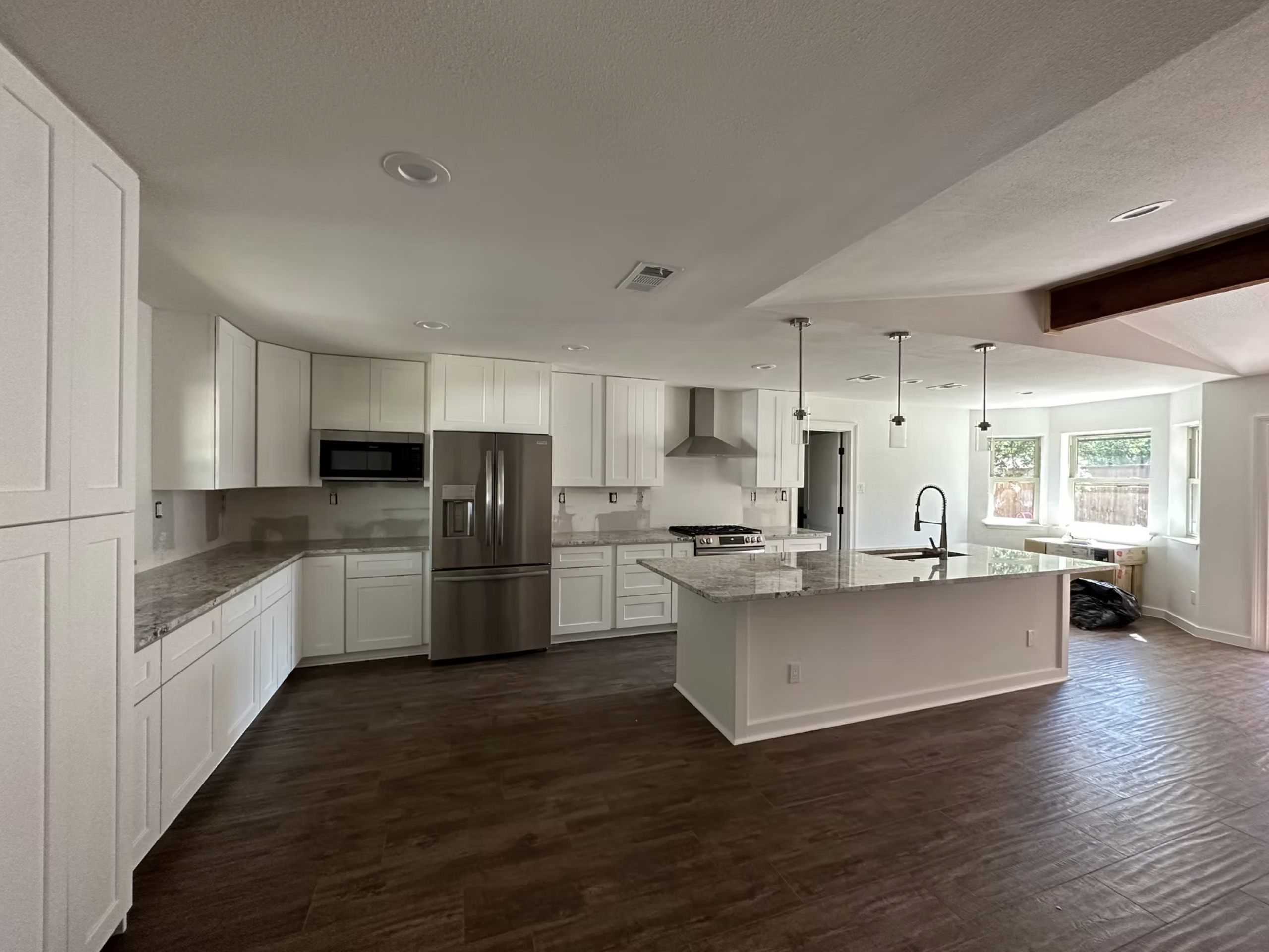
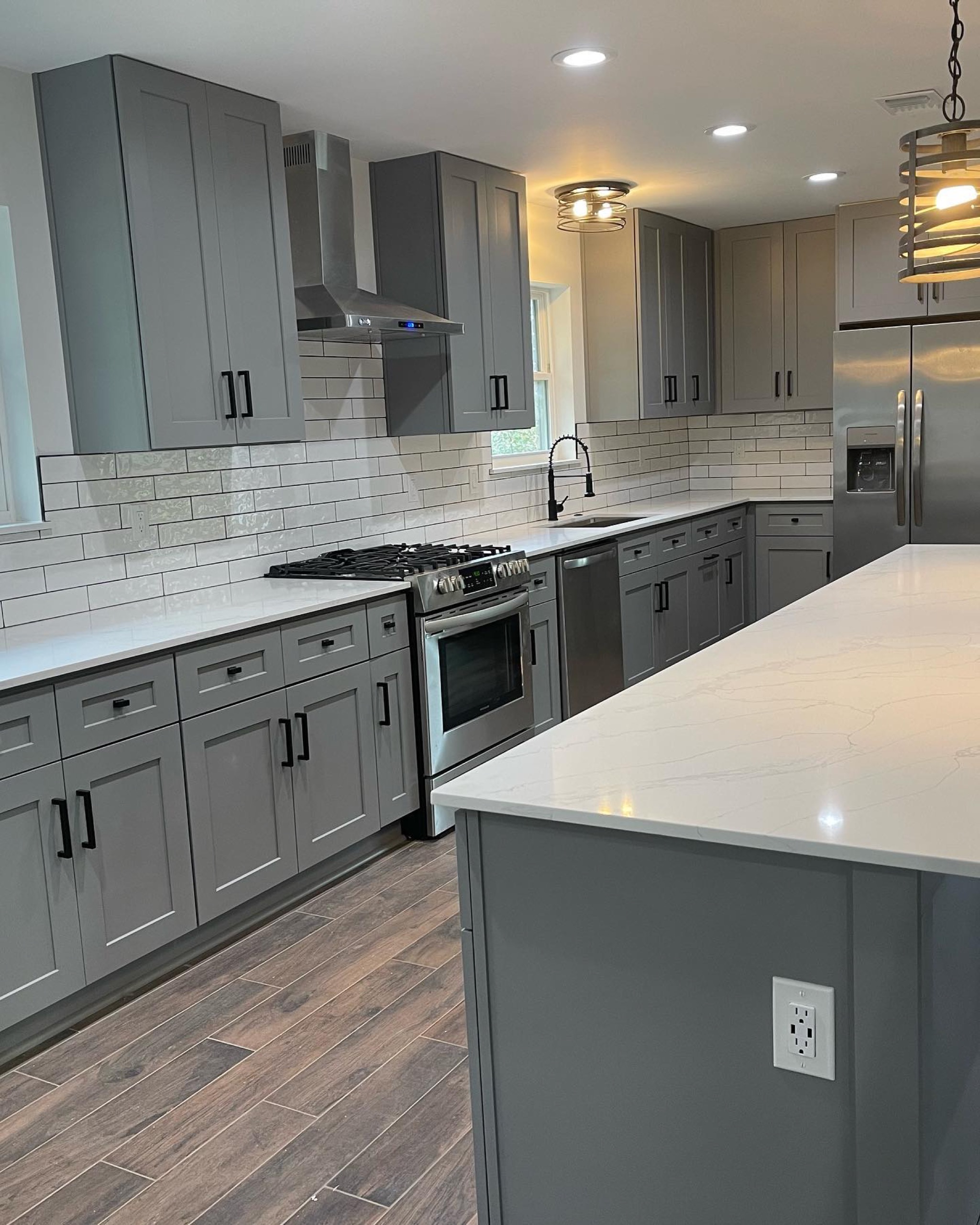
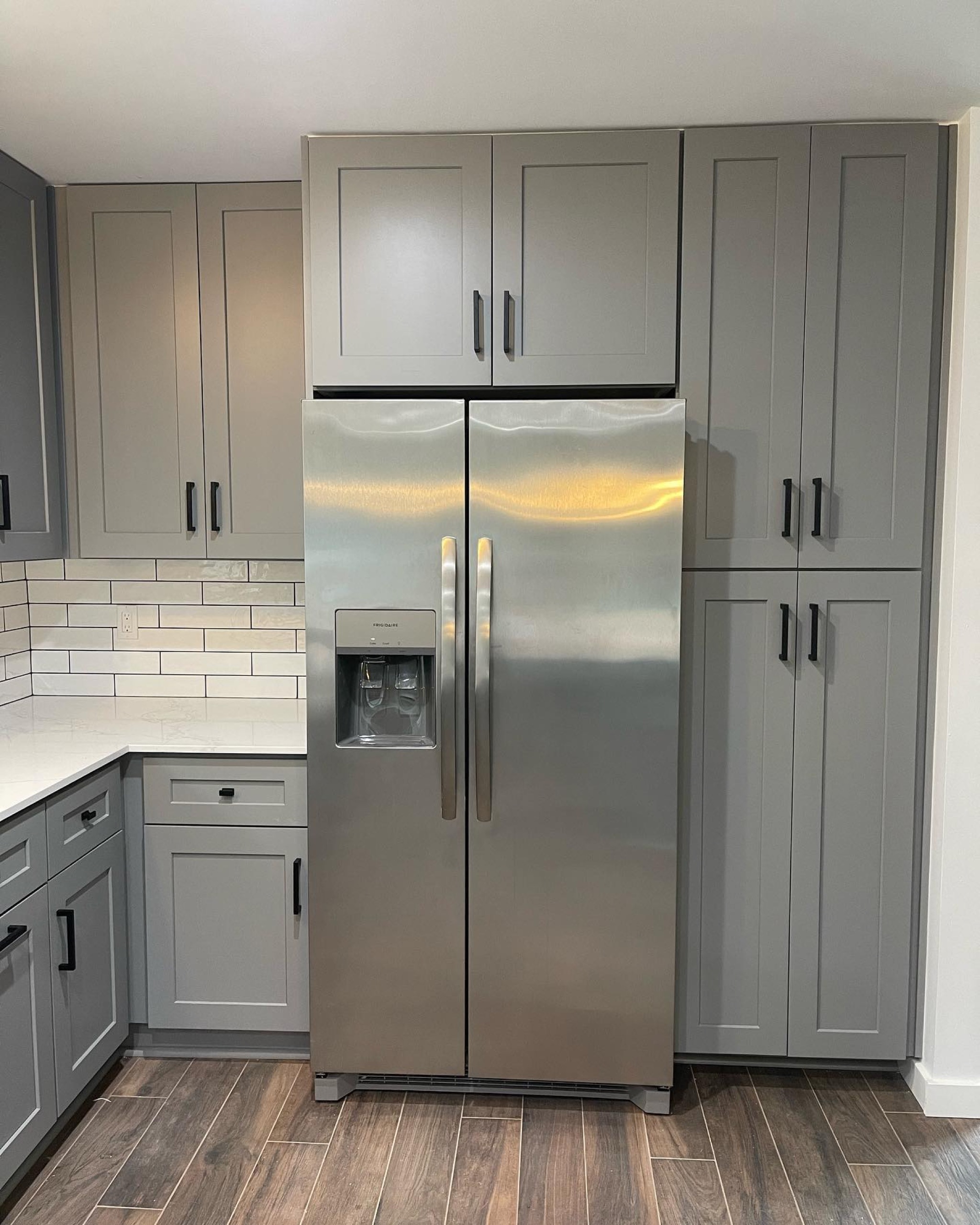
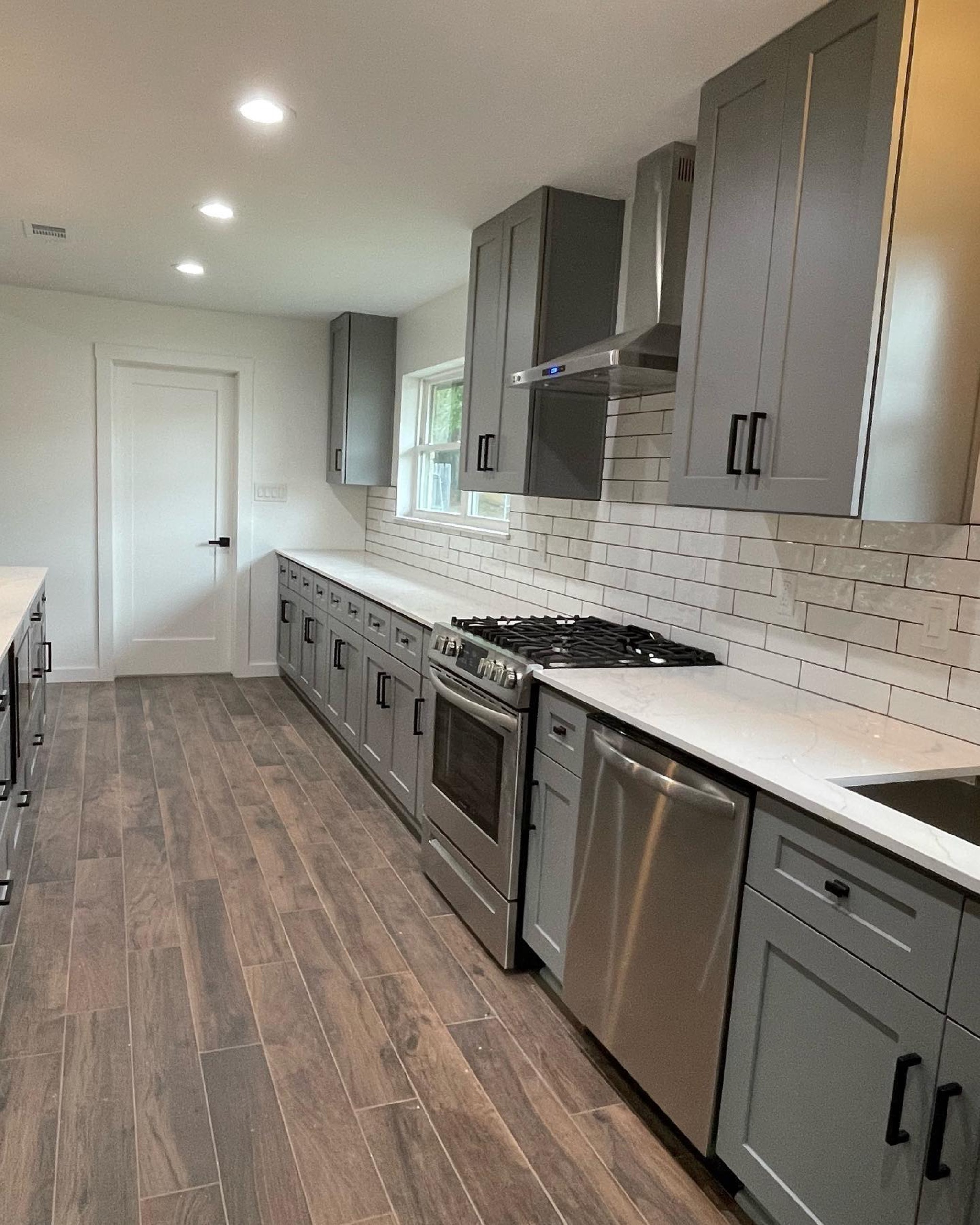
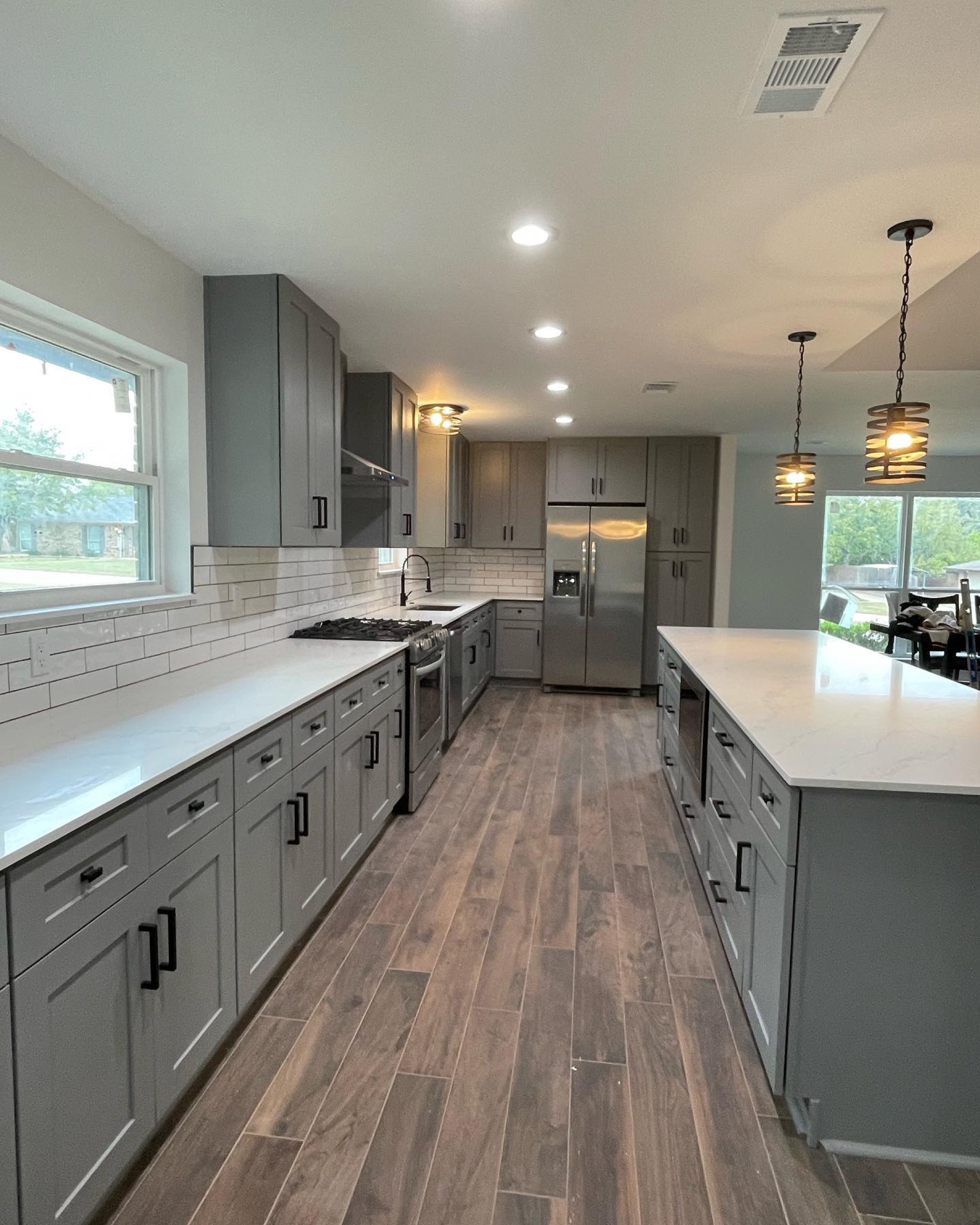
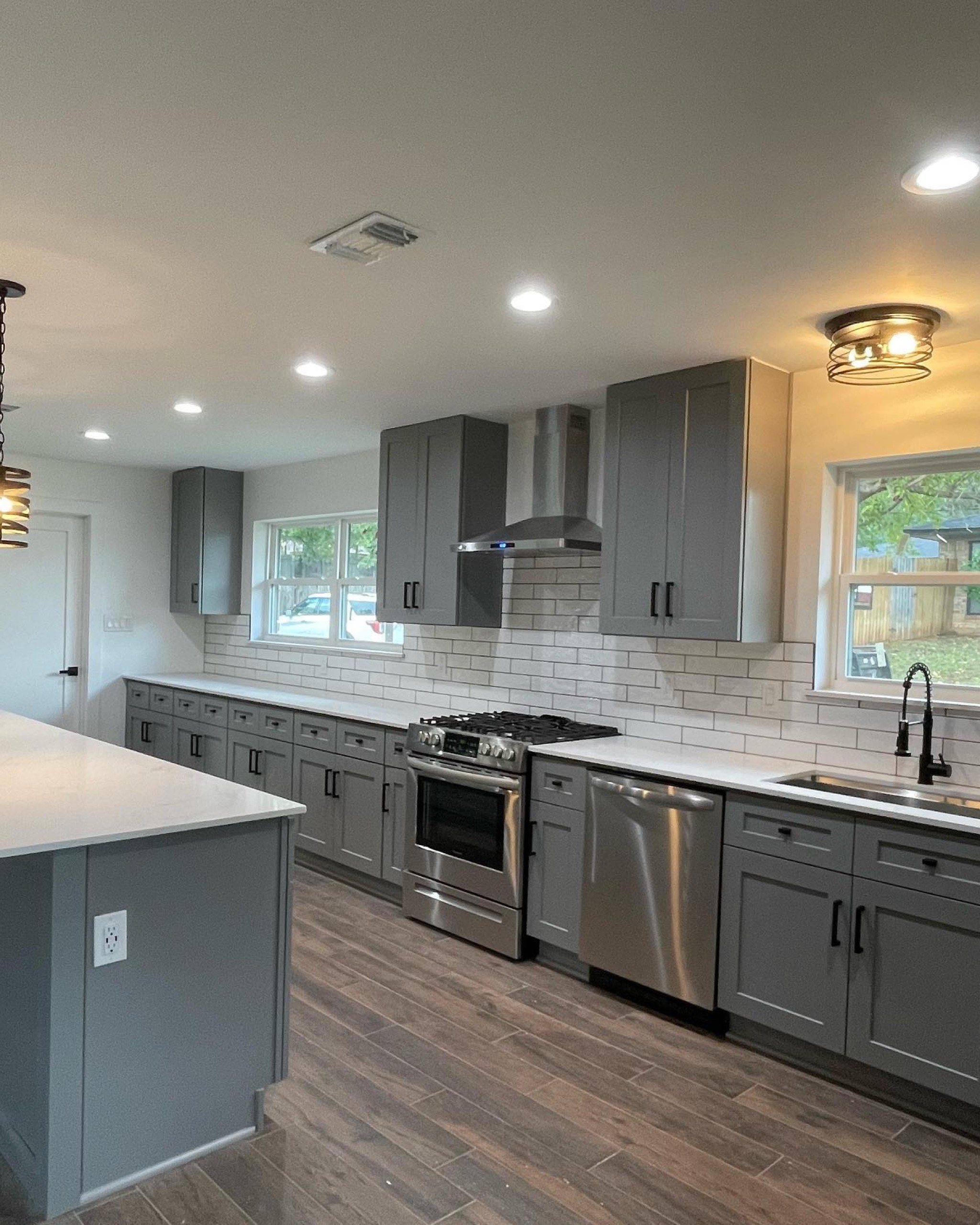
Recent Kitchen Projects Near Flower Mound
Flower Mound · Highland Village
RECENT PROJECT
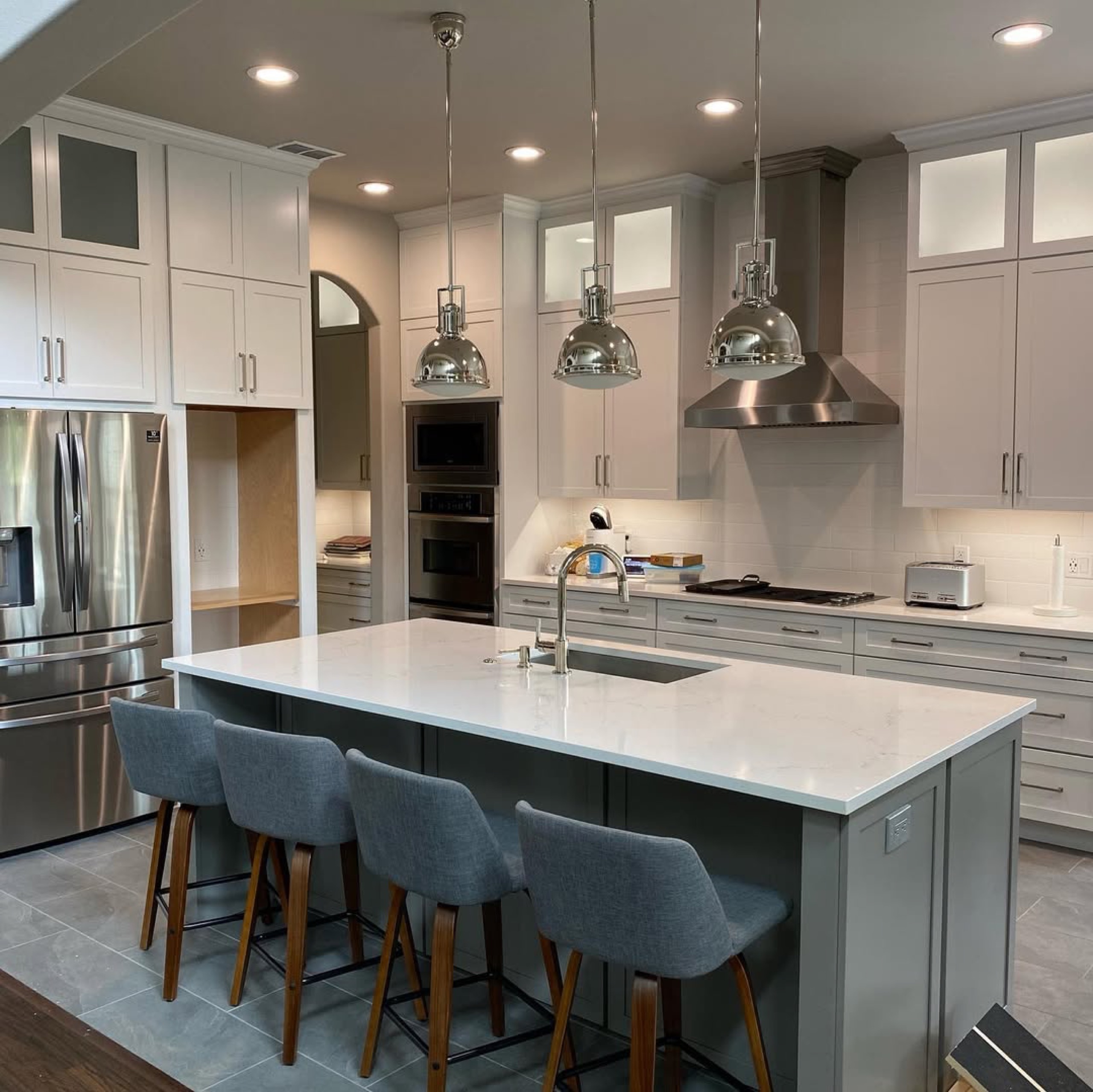
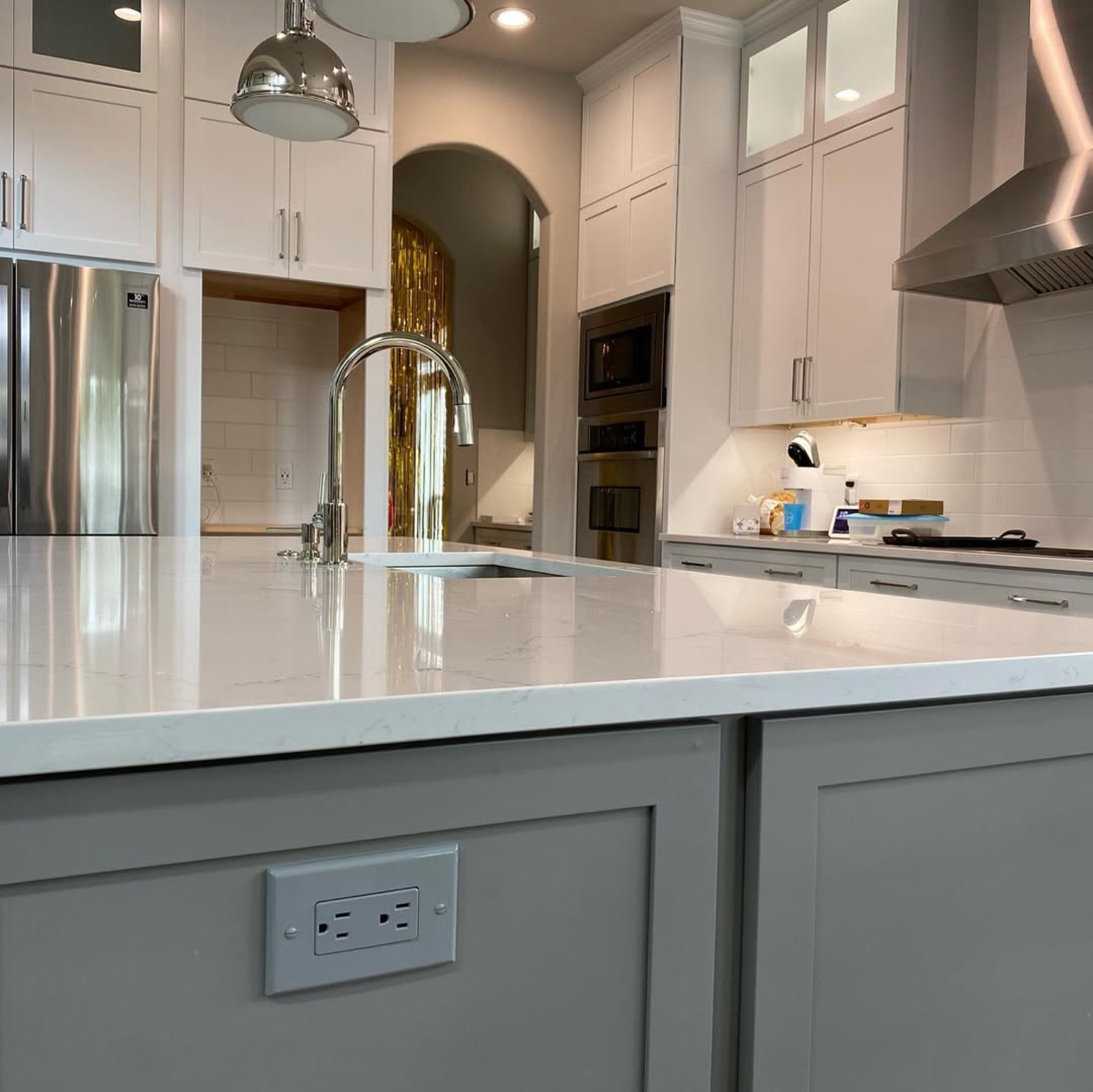
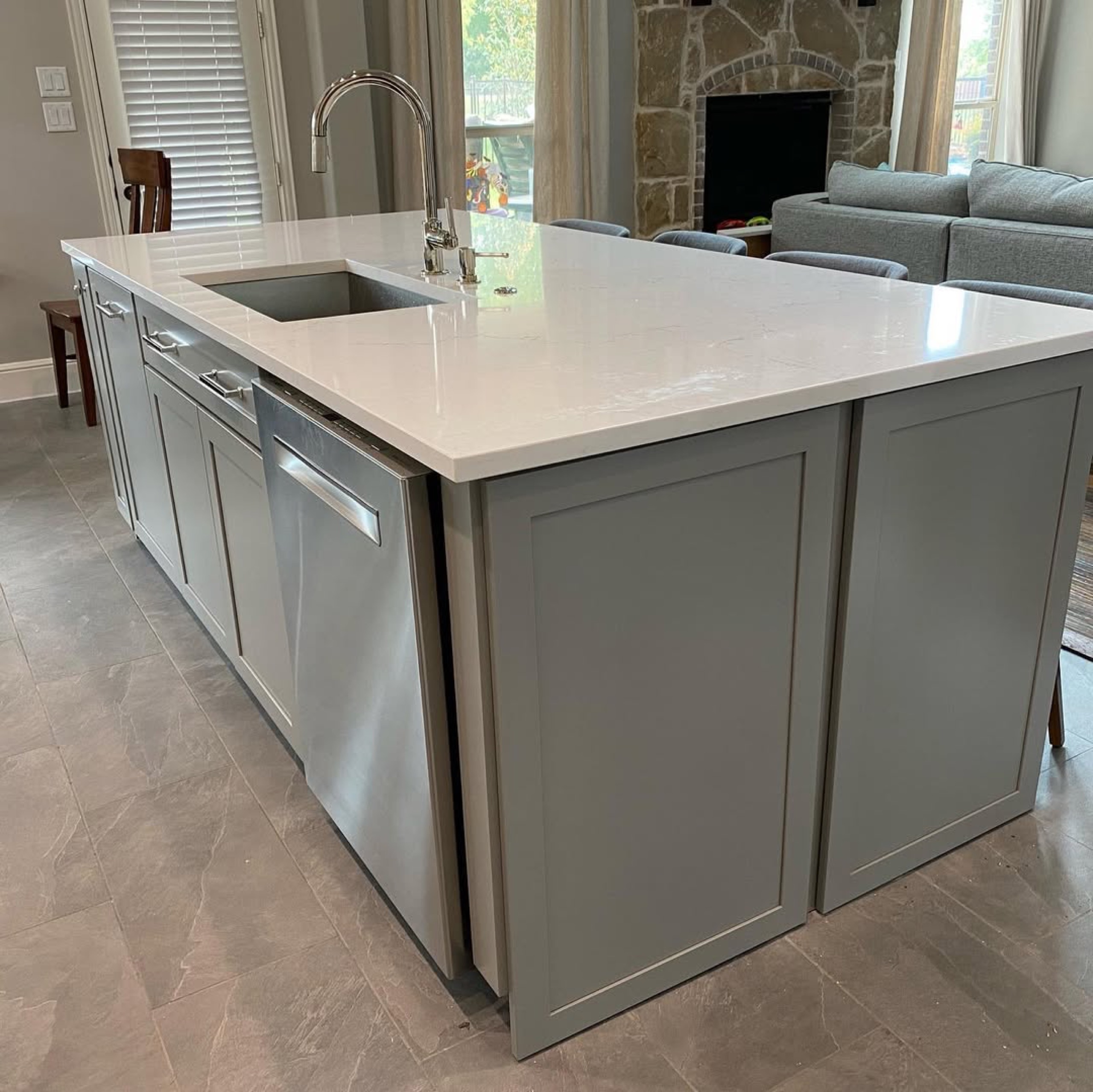
Recent Kitchen Projects Near Plano
Frisco
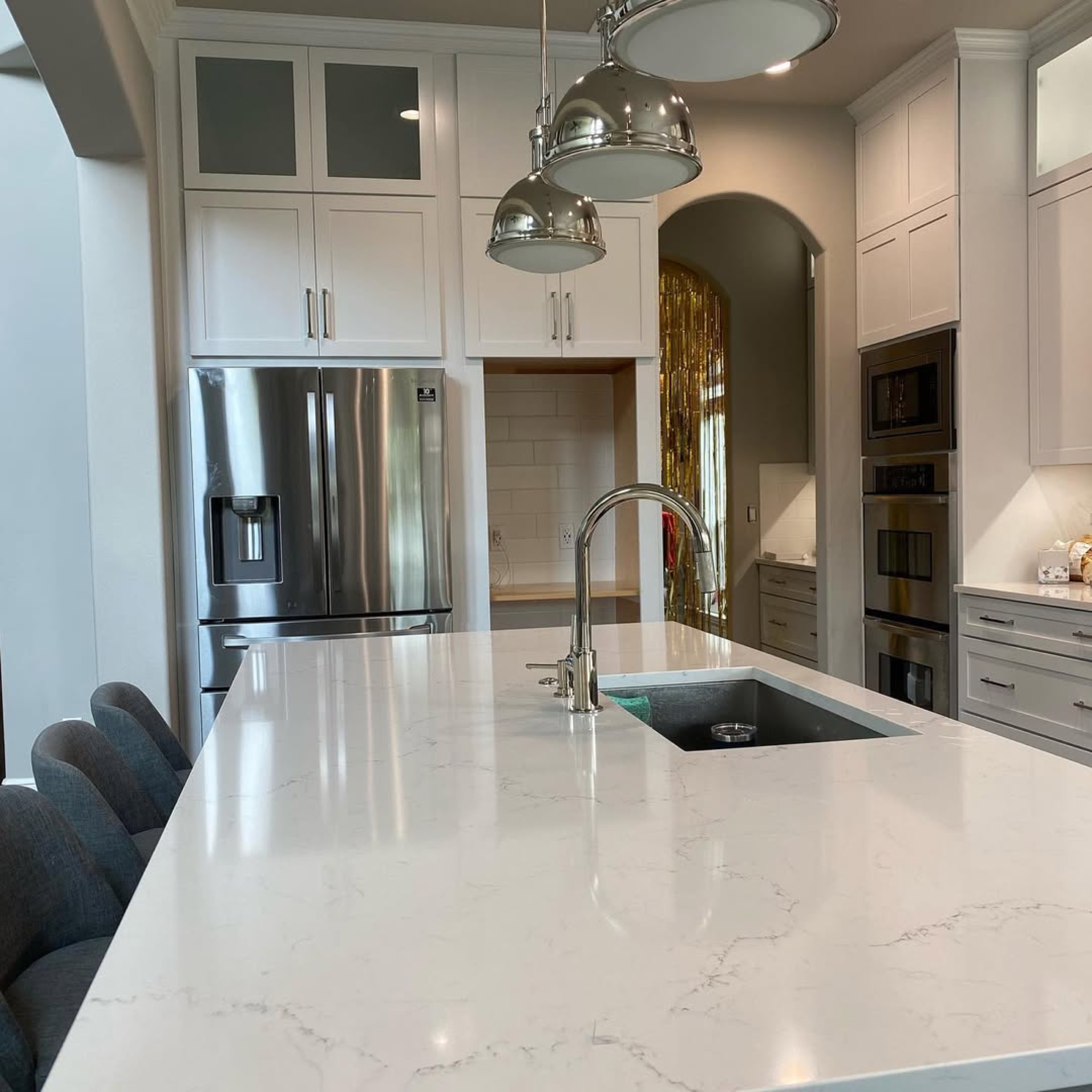
RECENT PROJECT
Recent Kitchen Projects Near Dallas
Dallas · Addison
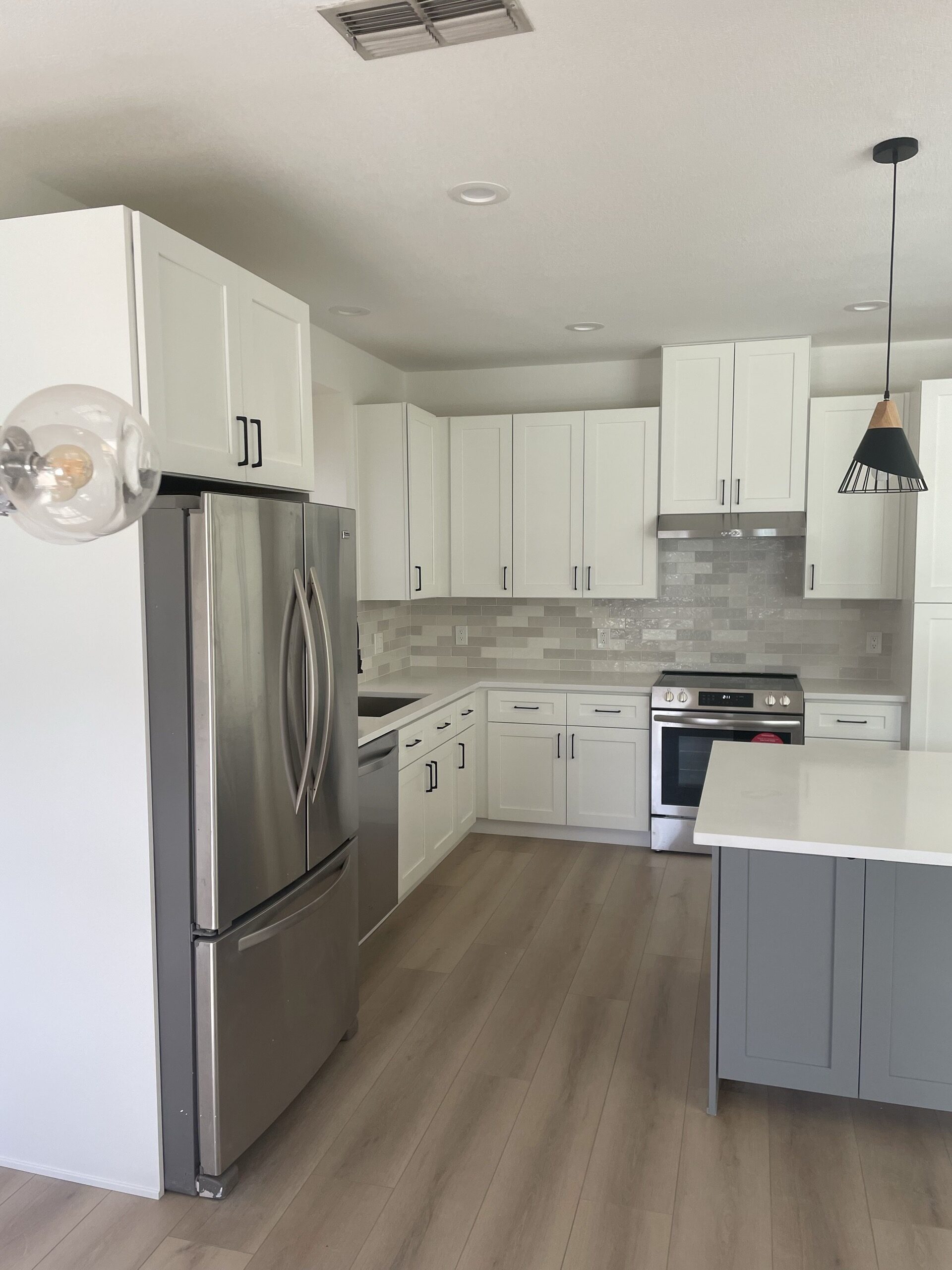
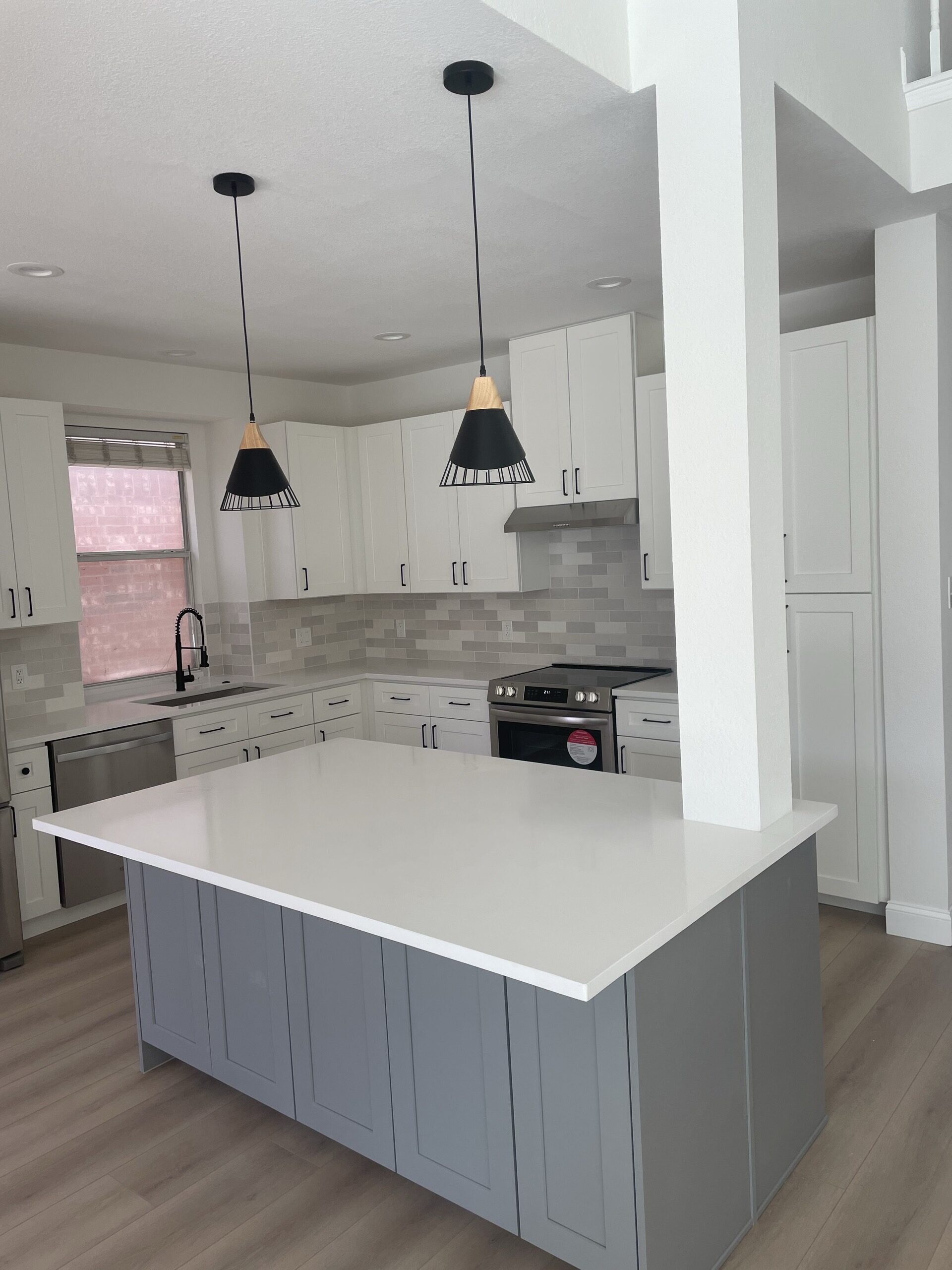
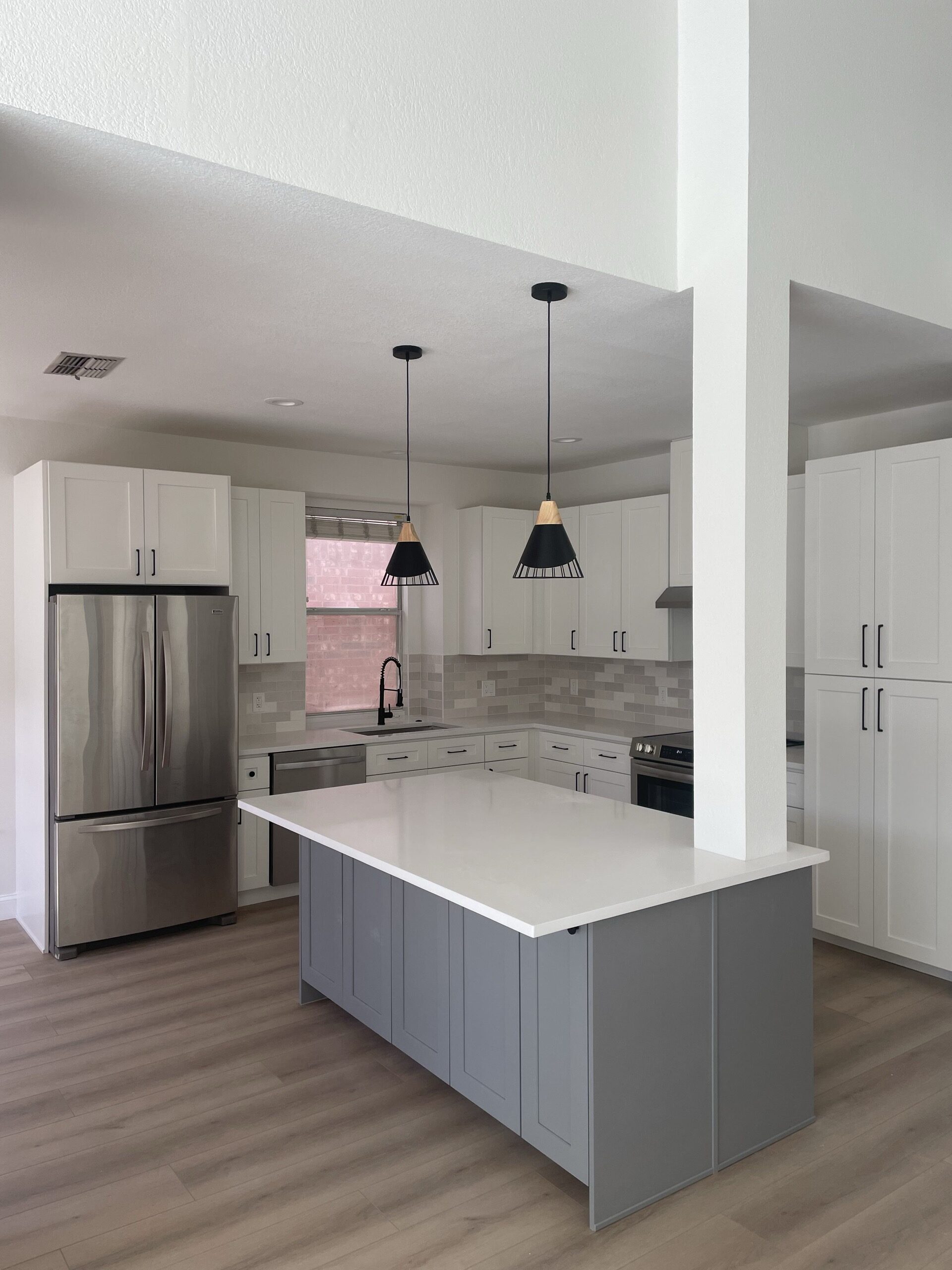
NEAR IRVING CLIENT TESTIMONIALS
Fin Home Stories Near Irving
Irving · Arlington
NEAR COPPELL CLIENT TESTIMONIALS
Fin Home Stories Near Coppell
Grapevine
NEAR FLOWER MOUND CLIENT TESTIMONIALS
Fin Home Stories Near Flower Mound
Flower Mound · Double Oak
NEAR PLANO CLIENT TESTIMONIALS
Fin Home Stories Near Plano
Little Elm · Richardson
NEAR DALLAS CLIENT TESTIMONIALS
Fin Home Stories Near Dallas
Dallas
NEIGHBORHOODS WE KNOW
Common Kitchen Remodeling Patterns Across Flower Mound
In Bridlewood, Wellington, and other established Flower Mound subdivisions, kitchen remodeling often begins with 1990s and early-2000s layouts that were large for their time but not especially efficient. Raised bars, angled islands, basic granite, built-in desks, and dark cabinet finishes show up often. The homes usually have enough room to create a much stronger kitchen, but the original layout may interrupt traffic between the living room, breakfast area, and backyard. Remodel scopes often include lowering the bar, rebuilding the island, adding drawer storage, improving lighting, and coordinating appliance placement with the way families actually cook and entertain.
Around Lake Forest, Cross Timbers, and older Flower Mound pockets, some kitchens sit in homes with more traditional room divisions. A formal dining room or front living room may be close by, but the kitchen itself can feel boxed in by partial walls and narrow openings. In these projects, selective wall removal is common, but it has to be balanced with structural realities and the scale of the house. Homeowners often want a more open kitchen without losing cabinet storage, so the design may shift storage to a pantry wall, extend cabinets to the ceiling, or use a larger island to replace lost wall cabinetry.
Near Lakeside, newer west Flower Mound development, and homes closer to Grapevine Lake, the kitchen is often more open and already positioned as part of the main living space. The remodel pattern here is usually about refinement: upgrading builder-grade cabinet details, improving the island, adding better lighting controls, and choosing counters and backsplash materials that fit a more polished home. Ventilation and appliance planning matter because these kitchens are visible from the living room and often support hosting.
On acreage-style properties and larger custom homes around the edges of Flower Mound, kitchens tend to support bigger households, outdoor living, and more frequent entertaining. These projects often involve working pantries, secondary refrigeration, oversized islands, beverage storage, and durable surfaces that can handle heavy use. The challenge is keeping the room warm and usable rather than simply making everything larger. Good kitchen remodeling in these homes is about proportion, storage logic, and making the connection to outdoor space feel natural. Because Flower Mound homes often connect kitchens to large family rooms and outdoor spaces, the plan also has to control scale: oversized fixtures, undersized islands, or too little storage can make an expensive remodel feel unresolved even when the materials are good.
WHAT TO EXPECT TO PAY
Kitchen Remodeling Pricing in Flower Mound
These are real ranges drawn from projects we've completed in Flower Mound. Material costs, permit fees, and labor are reflected here.
Essential
Cosmetic refresh for kitchens with good bones. No layout changes.
$
28,000–38,000
Typical Flower Mound range
-
Stock or semi-custom cabinets
-
Laminate or entry-level quartz countertops
-
New sink, faucet, hardware
-
Basic tile backsplash
-
Lighting update
Mid-Range
The most common scope for Flower Mound homeowners. Full replacement with quality finishes.
$
45,000–70,000
Typical Flower Mound range
-
Semi-custom cabinetry with soft-close
-
Quartz or granite countertops
-
Tile backsplash, full coverage
-
Mid-range appliance package
-
Flooring replacement
-
Permit-required electrical & plumbing updates
Popular
Full Renovation
Layout changes, premium materials, high-spec appliances.
$
75,000–120,000+
Typical Flower Mound range
-
Custom or full-custom cabinetry
-
Waterfall island or layout reconfiguration
-
Premium stone countertops
-
High-end appliance suite
-
Custom lighting & vent hood
-
Structural modifications if needed
Flower Mound vs Nearby Cities
-
Flower Mound $45,000–70,000
WHAT DRIVES COST UP
Kitchen costs in Flower Mound usually move with appliance selection, which can swing $8,000–$20,000, layout changes at $5,000–$15,000, and cabinet tier, which ranges $6,000–$25,000 from stock to full custom. We surface those cost drivers at the estimate stage so there are no late surprises.
Why Flower Mound Pricing Works This Way
What Shapes Kitchen Remodeling Costs in Flower Mound
In the older housing stock around Timber Creek, older Flower Mound neighborhoods, and homes near Morriss Road, kitchen cost is usually tied to correction before improvement. The homes may have good bones, but many 1980s and 1990s traditional homes with formal rooms still carry shallow cabinets, laminate or early granite counters, fluorescent boxes, and circulation patterns built around a breakfast room, formal dining room, or two-story living area. The expensive part is often making the new plan fit the old shell: leveling floors enough for stone, removing soffits, extending circuits for modern appliances, and deciding whether a wall opening is worth the structural and finish repair it triggers. Countertop material matters, but it is rarely the only swing. Cabinet construction, drawer storage, pantry redesign, venting, and how far the remodel reaches into adjoining rooms usually do more to move the final number.
Bridlewood, Wellington, Canyon Falls, and Lakeside DFW tend to produce a different cost profile. The homes are newer, but many kitchens still have builder-grade cabinets, raised bars, short islands, basic granite, and lighting plans that do not support how the room is used now. In these projects, the budget is shaped by how far the owner takes the cabinet package. Refacing existing boxes, replacing doors, and changing hardware is one level; rebuilding the island, adding deep drawer banks, creating a pantry wall, and moving from stock to semi-custom cabinetry is another. Countertops create a second swing because standard quartz, quartzite, waterfall ends, and full-height slab backsplashes are different jobs. Appliance planning matters early because a wider range, drawer microwave, built-in refrigerator, or undercounter beverage unit changes cabinet dimensions, electrical work, and sometimes ventilation.
For west Flower Mound acreage and Lake Grapevine-influenced properties, the budget also has to account for staging, access, and how much of the surrounding home gets disturbed. Costs climb when owners want the kitchen to match a larger home: bigger islands, walk-in pantry changes, integrated appliances, layered lighting, and cabinetry that looks intentional from the living spaces. A kitchen floor that stops at the old cabinet toe-kick may require patching or a larger flooring run once the layout changes. Moving a sink or island can add several thousand dollars because the slab, plumbing, electrical, and cabinet base all change together. Ventilation is similar: a recirculating hood is a different scope than a properly ducted range hood, especially when the route crosses joists, second-floor framing, or exterior masonry. The finish choices still matter, but the more important question is how many trades the remodel pulls into the kitchen before the cabinets arrive.
Ready to Remodel Your Flower Mound Kitchen?
Get a written estimate from a local project manager — within 48 hours, on-site.
Flower Mound Cost Guide
How Much Does It Cost to Remodel a Kitchen in Flower Mound?
Get a detailed breakdown of kitchen remodeling costs in Flower Mound including price per square foot, labor vs materials, and real budget ranges for 2026. Browse online or download the full guide.

WHEN TO REMODEL
Signs Your Flower Mound Kitchen Is Ready for a Remodel
For many Flower Mound homeowners, the remodel signal shows up when the kitchen becomes the weak link in an otherwise solid home. You see it in Wellington, Bridlewood, Lakeside, Timber Creek, older Flower Mound neighborhoods, and larger homes near the Cross Timbers area: some kitchens reflect 1990s and early 2000s homes with big footprints, angled islands, raised bars, built-in desks, and cabinet layouts that were impressive at the time but now waste space, while others are newer but still held back by newer or higher-value homes where expectations are shaped by open living, better storage, larger appliances, and a kitchen that supports hosting without feeling crowded. When the island shape interrupts movement, the refrigerator sits too far from the sink, or the raised bar cuts off prep space while doing little for seating, the room is no longer just dated. It is costing time every day and creating traffic problems that a surface-level refresh cannot solve.
Surfaces and storage tell the truth faster than a staged photo ever will. Common examples are stained cabinets with worn finishes, failing drawer slides, short uppers, corner cabinets that trap items, and oversized decorative pieces that reduce usable storage. Once cabinetry stops closing, carrying weight, or storing items logically, the kitchen has crossed from old-looking into underperforming. Surfaces add another layer to the decision. Dated granite, tumbled-stone backsplash, cracked grout, heavy tile floors, and counters that make the room look older than the rest of the home make the room feel worn at close range and create cleaning problems that never fully go away. At that point, the kitchen is not just behind trend; it is behind use.
Once the layout and cabinets are showing age, the supporting systems usually deserve a hard look too. In practical terms, that can mean decorative pendants with weak output, can lights that miss the prep zones, poor under-cabinet lighting, and ventilation that does not match larger cooktops. A kitchen that cannot handle modern appliances, clear prep light, and cooking odors is ready for more than a decorative update. The best test is whether the kitchen supports the home’s real value and routine. Flower Mound kitchens are often part of otherwise substantial homes; a remodel becomes practical when the kitchen has the square footage to be excellent but the original layout keeps it from performing. If the answer is no, then worn finishes are only one symptom of a larger remodeling need.
LOCAL PROJECT PLANNING
What to Plan For Before a Kitchen Remodel in Flower Mound
A kitchen remodel in Flower Mound runs smoother when the hard choices are made before demo, not after the room is already opened up. That means deciding the appliance package, sink location, island size, pantry strategy, cabinet layout, lighting plan, and ventilation route early enough for the contractor to build around real dimensions. In Bridlewood, Wellington, Lakeside, Canyon Falls, older acreage pockets, and neighborhoods near Lake Grapevine, that planning has to reflect the actual housing stock: large 1990s and 2000s homes, newer planned communities, and custom or acreage properties where the kitchen is often central to daily living and resale expectations. A homeowner should know before construction whether the kitchen is staying in the same footprint, gaining an island, opening to a living room, or being rebuilt around a different sink, range, refrigerator, and pantry relationship. Clearances matter here. A 30-inch walkway that felt acceptable in an old layout can become a daily frustration once a larger refrigerator, deeper base cabinets, or island seating is added. The same is true for a pantry that opens into the work aisle or a refrigerator that blocks the main traffic path when the door is open. Before cabinets are ordered, the plan should show how groceries enter the room, where prep happens, where dirty dishes land, where small appliances live, and how two people move through the space without competing for the same 3 feet of floor.
Once the layout is chosen, the mechanical plan needs to catch up. Range fuel, hood discharge, refrigerator width, sink base size, dishwasher location, disposal wiring, cabinet lighting, and outlet placement all have to be coordinated before rough-in. A kitchen can be beautiful on drawings and still fail in construction if the cabinet shop, electrician, plumber, and appliance specs are not working from the same set of decisions. In Flower Mound, the risk is that many kitchens have enough square footage but the wrong organization: oversized islands without useful prep zones, dated cabinet interiors, weak lighting, and pantries that do not match the size of the home. This is where a written scope matters. It should identify what is cosmetic, what requires licensed trades, what might require inspection, and what is still an allowance rather than a fixed selection. HOA review is common in master-planned neighborhoods, and town permits are part of the plan when electrical, plumbing, gas, ventilation, or structural work is included. Appliance specifications should be gathered before the cabinet drawings are finalized, not after. A 36-inch range, counter-depth refrigerator, panel-ready dishwasher, apron-front sink, microwave drawer, or built-in coffee station can change cabinet widths, electrical locations, trim details, and countertop cutouts. Planning those details late usually does not save money; it just moves the cost into change orders, delays, or compromises.
The last planning item is logistics. Decide where cabinets will be stored, where appliances will wait, how slabs will be delivered, how demolition debris will leave the house, and whether the contractor has enough access for multiple trades without damaging finished areas. Large garages help, but high-end appliances, oversized slabs, custom cabinetry, and long finish lists require careful sequencing so the project does not stall between trades. In most kitchens, the homeowners who have the least disruption are not the ones who chose the fastest finishes; they are the ones who made the cabinet, appliance, plumbing, electrical, and staging decisions before construction forced the issue.
HOW IT WORKS
Our Flower Mound Process
Every step is handled locally in Flower Mound — no handoffs to a national office, no subcontracted project management.
01
Free On-Site Estimate
We measure your kitchen, review layout, appliances, and existing plumbing and electrical, and walk through your goals. You’ll get a clear written estimate with scope and pricing within 48 hours.
02
Design & Material Selection
We finalize your layout and confirm cabinet and appliance placement. Then you select cabinets, countertops, backsplash, and fixtures with clear pricing before we move forward.
03
Permitting
We submit to Flower Mound Building Inspections and track status through final approval. Once approved, we schedule all required inspections so you do not have to coordinate anything with the city.
04
Construction & Inspections
Demo, rough-in, inspections, cabinet install, finishes, and final walkthrough. We coordinate plumbing and electrical inspections and keep the schedule moving to avoid delays.
Flower Mound Permit Office
All residential permits in Flower Mound are processed through Flower Mound Building Inspections at 2121 Cross Timbers Rd., Flower Mound, TX 75028. We submit on your behalf, track status, and coordinate required inspections through final approval. We handle the process directly through Flower Mound Building Inspections. →
COMMON QUESTIONS
Flower Mound Kitchen Remodeling FAQs
Questions specific to Flower Mound — permits, warranties, and pricing.
How long does a remodel take in Flower Mound?
Remodel timelines in Flower Mound vary by scope. A bathroom remodel usually takes 3–8 weeks, a kitchen remodel takes 6–12 weeks, and a whole-home remodel can run 3–9 months from demo to final walkthrough.
Projects in historic or design-review districts can add 2–6 weeks of approval time before construction starts. We flag that early so the schedule reflects the real approval path.
Projects in historic or design-review districts can add 2–6 weeks of approval time before construction starts. We flag that early so the schedule reflects the real approval path.
What does a mid-range kitchen remodel actually get me in Flower Mound?
A $45,000–70,000 Flower Mound kitchen is usually a full mid-range remodel with semi-custom cabinets, quartz or mid-grade natural stone surfaces, a full tile backsplash, updated lighting and fixtures, and often part of a stronger appliance package. This is also the level where minor layout adjustments can sometimes happen without rebuilding the entire room.
Layout reconfigurations, luxury appliance brands, custom range hoods, or full custom millwork typically push the project past this budget into $75,000–120,000+.
Layout reconfigurations, luxury appliance brands, custom range hoods, or full custom millwork typically push the project past this budget into $75,000–120,000+.
Do I need a permit for a kitchen remodel in Flower Mound?
Permits are required for nearly every remodel in Flower Mound involving electrical, plumbing, or mechanical work. Cosmetic-only updates typically do not require one, but most kitchen, bathroom, and home remodels do.
We pull permits through Flower Mound Building Inspections and schedule inspections. If the property also needs historic or design district approval, we catch that before construction starts.
We pull permits through Flower Mound Building Inspections and schedule inspections. If the property also needs historic or design district approval, we catch that before construction starts.
How does your pricing compare to hiring separate subcontractors?
Going direct to subs can save 8–12% on labor in some cases — but that’s before you factor in your time coordinating schedules, re-inspecting failed rough-ins, and managing material deliveries. Most homeowners who’ve done it both ways tell us the “savings” evaporated by week three.
As a general contractor, we carry full liability and workers’ comp insurance, and our subcontractors are bonded. If something goes wrong, there’s one call to make — not six.
Do you offer a warranty on your work?
Yes. Every Fin Home Custom Contracting project comes with a comprehensive warranty: 1 year on all work, 2 years on major systems, and 10 years on structural components. We also remain available after move-in to answer questions and provide support, so you can feel confident in your investment.