Cost to Remodel Your Home in Wise County (2026 Guide)
Home remodeling in Wise County can be a smart way to improve comfort, update an older house, and increase long-term usability without starting from scratch. In 2026, the biggest question for most homeowners is not whether remodeling is possible, but what it will realistically cost once local labor, material choices, access conditions, and scope changes are added up.
For a rough starting point, small refreshes often land in the low five figures, while larger whole-home remodels can move into the mid-six figures when layout changes and system upgrades are involved. A practical budgeting range for many Wise County projects is about $15,000 to $50,000 for minor cosmetic updates, $50,000 to $150,000 for midrange kitchen, bath, and partial-home remodels, and $150,000 to $300,000+ for full-home or high-finish projects. If you want to compare this with a broader metro benchmark, see our DFW home remodeling cost guide for context.
| Remodel Scope | Typical 2026 Cost Range | What It Usually Includes |
|---|---|---|
| Cosmetic refresh | $15,000-$50,000 | Paint, trim, flooring in select rooms, fixture swaps, minor carpentry |
| Midrange partial remodel | $50,000-$150,000 | Kitchen or bath remodels, flooring throughout, cabinetry, counters, lighting, moderate layout changes |
| Whole-home remodel | $150,000-$300,000+ | Multiple rooms, walls moved, electrical/plumbing updates, major finishes, some structural work |
| High-end custom remodel | $300,000+ | Premium finishes, substantial reconfiguration, extensive trade work, custom cabinetry and detailed millwork |
If you are considering a renovation and want a local team to help define the scope, allowances, and build sequence, our Wise County home remodeling services page is a good place to start.

Why Building in Wise County Is Different
Wise County sits on the outer northwestern edge of DFW, and that distance affects remodeling in ways that are easy to underestimate. Crew travel, material delivery timing, and coordination with local jurisdictions can all influence price and schedule more than they would in a tighter inner-metro county.
That matters because some projects in Wise County are on suburban lots, while others are on acreage or semi-rural properties with access, septic, driveway, or utility considerations. Older homes can also reveal hidden issues once walls are opened, especially when electrical, plumbing, or drainage systems have been modified over time. Permitting and inspection requirements can vary by municipality or ETJ, so the same kind of remodel may need different preparation depending on where the house sits.
In short, Wise County remodeling pricing is not just about finishes. It is also about logistics, travel, and how much unknown condition work is likely to appear once construction starts.

Typical Project Cost Ranges
The best way to understand remodeling cost is by project size, because the numbers change quickly as the work expands from cosmetic updates to structural reconfiguration.
A small project usually means limited demolition, no major layout changes, and fewer trade partners on site. A midrange project often brings in multiple trades and more material coordination. A high-end remodel can require careful sequencing of carpentry, electrical, plumbing, HVAC, tile, and finish work over a longer period.
Small cosmetic remodels: $15,000 to $50,000
This range often covers projects such as:
- Interior painting for several rooms
- New flooring in selected areas
- Trim, baseboards, and door updates
- Light fixture and hardware replacement
- Minor drywall repair
- Basic cabinet refacing or vanity replacement
In Wise County, this budget can go further if the home has good bones and the work stays away from major systems. It can also stretch less than expected if access is difficult or if the home needs hidden-condition repairs after demolition.
Midrange remodels: $50,000 to $150,000
This is a common range for homeowners who want visible transformation without rebuilding the whole house. It often includes:
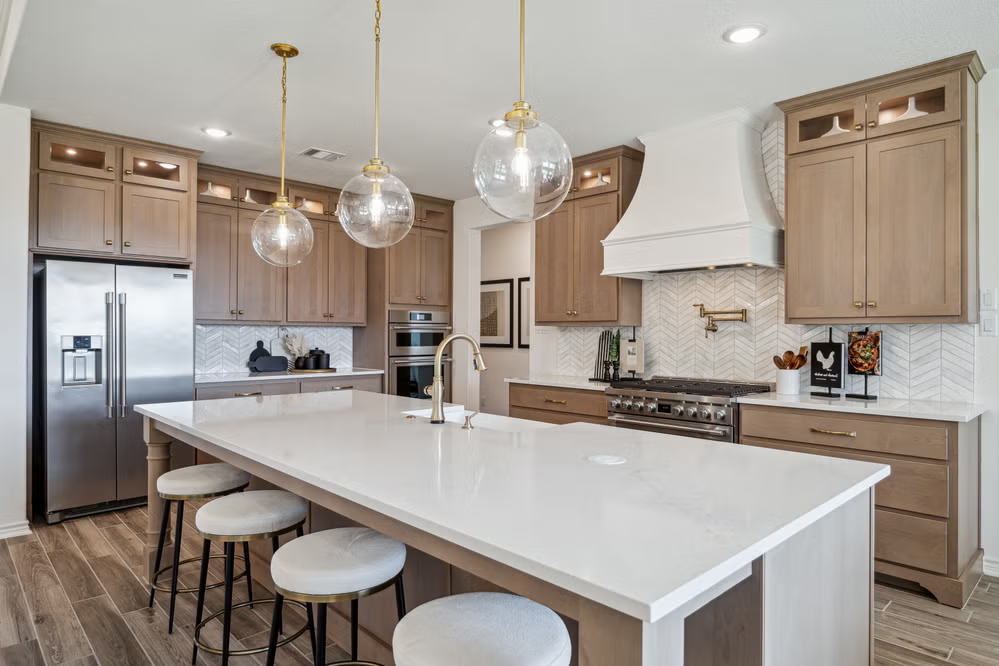
- A kitchen remodel with new cabinetry, countertops, lighting, and appliances
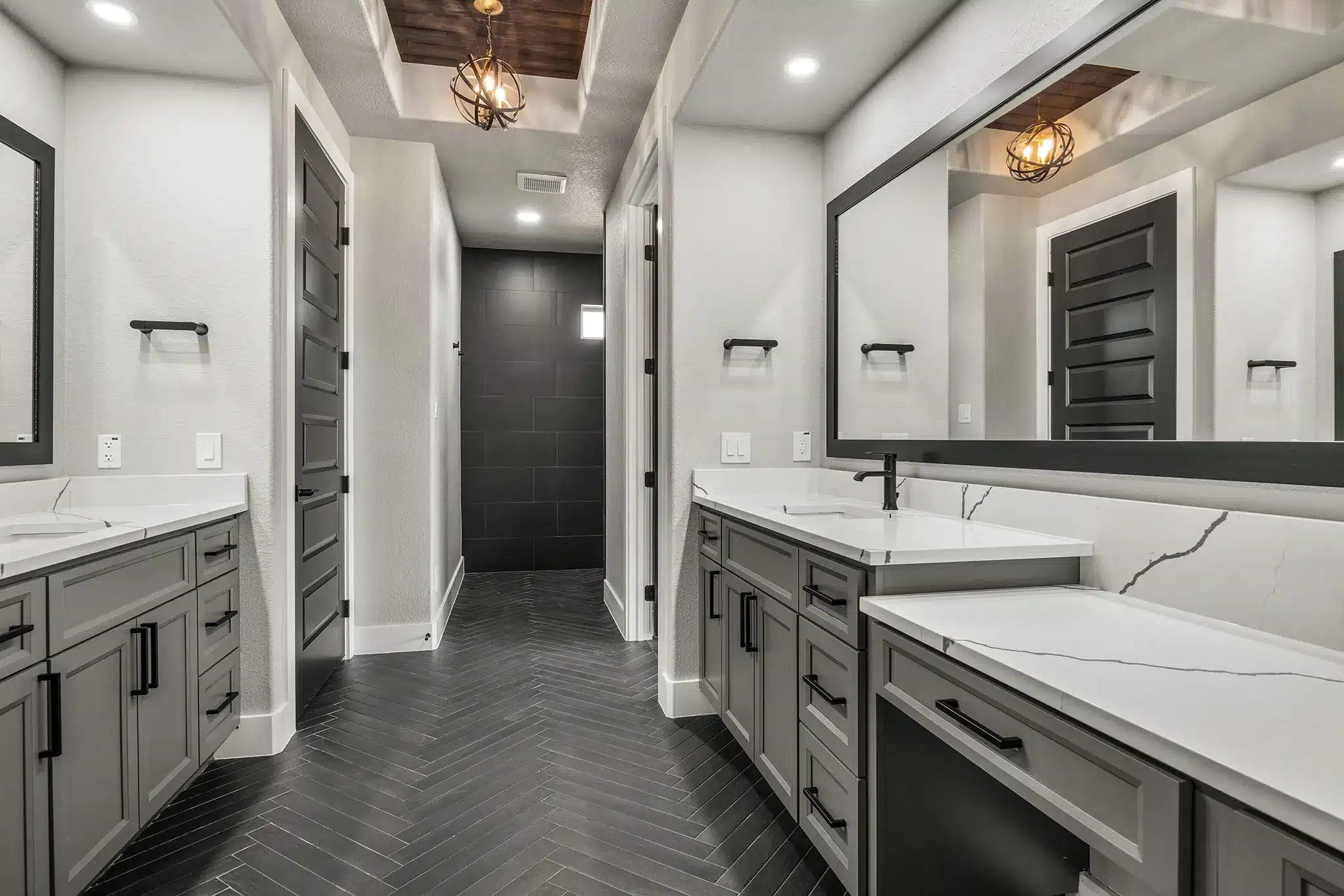
- A bathroom remodel with tile, fixtures, plumbing updates, and vanity replacement
- Flooring across larger portions of the home
- Partial wall changes or opening up a floor plan
- Electrical upgrades for new lighting or appliance loads
Midrange projects often create the most decision pressure because the owner must balance wants and budget carefully. This is where material selection and labor sequencing can swing final cost by tens of thousands of dollars.
Whole-home or high-end remodels: $150,000 to $300,000+
Once the scope expands across most of the house, costs rise because multiple trades must work in sequence and because the project begins to carry more risk. Common drivers include:
- Moving walls or changing circulation
- Reworking kitchen and bath layouts
- Upgrading plumbing, electrical, and HVAC components
- Custom cabinetry
- Premium counters, tile, and fixtures
- More extensive insulation, framing, and finish carpentry
For larger homes or projects with substantial design upgrades, it is not unusual for total cost to climb beyond $300,000, especially when hidden issues are uncovered or when premium selections are used throughout. If your project is focused on wet areas, compare the range with a dedicated bathroom remodeling cost guide or a kitchen remodeling cost guide for more specific line-item expectations.

Cost Per Square Foot and What It Includes
Per-square-foot pricing can help when you are comparing one possible remodel against another, but it only works if you understand what is included. A low square-foot number often assumes simple cosmetic work, while a higher number reflects more trade work, design coordination, and finish complexity.
For Wise County home remodeling, many homeowners can use a rough planning range of:
- $25 to $75 per square foot for cosmetic updates
- $75 to $150 per square foot for midrange remodels
- $150 to $300+ per square foot for major whole-home renovations
These are planning figures, not fixed quotes. A 1,500-square-foot home with modest updates might not cost anywhere near a 1,500-square-foot home with custom cabinetry, luxury tile, and multiple layout changes.
Square-foot pricing usually includes some mix of:
- Demolition and disposal
- Framing or drywall repair
- Flooring and finishes
- Painting
- Cabinetry and countertops
- Plumbing fixture updates
- Electrical fixture updates
- General contractor management and trade coordination
It may not include:
- Engineering or architectural design
- Permit and inspection fees
- Utility upgrades
- Septic or site work
- High-end appliances
- Specialty tile, custom woodwork, or imported materials
The more the project shifts from surface updates to structural or system work, the less useful a simple square-foot number becomes. In those cases, a detailed scope and line-item estimate is the better way to compare bids.

Main Factors That Change Total Price
Several variables can push a remodeling project well above or below the initial estimate. In Wise County, the most important factor is not just the size of the house, but how much unknown work the home may hide and how difficult the site is to access.
1. Home age and hidden conditions
Older houses are more likely to reveal outdated wiring, plumbing issues, uneven framing, poor insulation, or prior patchwork repairs. Once walls are opened, the contractor may discover conditions that were not visible during the initial walkthrough. That is why a contingency is so important on remodels involving older homes.
2. Site access and property layout
A house on a larger lot may seem easier to work on, but access can add cost if equipment, materials, or crews need extra coordination. Long driveways, soft ground, septic considerations, and storage limitations can all affect labor efficiency. These issues are not guaranteed, but when they exist they can extend both setup and cleanup time.
3. Layout changes
Keeping the kitchen, bath, and major plumbing points in the same place is usually less expensive than moving them. Once you start shifting walls, relocating fixtures, or changing traffic flow, costs increase because framing, electrical, plumbing, HVAC, and finish work must be redone in a new configuration.
4. Finish level
The difference between builder-grade materials and premium finishes can be dramatic. Two kitchens with the same footprint may vary by $25,000 or more simply because one uses stock cabinets, laminate surfaces, and standard fixtures, while the other uses custom cabinetry, stone tops, designer tile, and upgraded appliances.
5. Permitting and jurisdiction
County-level or municipality-level checks may vary by property. Some remodels need only basic approvals, while others require more formal review depending on scope and location. That is why property-specific verification is essential before construction begins. The official county site is a good place to confirm local service and jurisdiction context at Wise County, Texas.
6. Project complexity and trade count
A simple paint-and-flooring job may involve one or two trades, while a whole-home remodel can involve carpenters, electricians, plumbers, HVAC technicians, drywall crews, tile installers, and painters. More trades usually mean more coordination, more time, and more chances for schedule adjustments.
Labor, Materials, and Trade-Level Costs
A remodeling budget is usually a blend of labor, materials, and management overhead. In Wise County, the labor side can shift when crews travel farther, when the schedule is compressed, or when the project requires multiple skilled trades to work in a tight sequence.
Labor generally becomes more expensive when the work involves:
- Demolition and debris removal
- Framing changes
- Electrical rewiring or new circuits
- Plumbing relocations
- HVAC modifications
- Tile installation
- Custom trim and finish carpentry
- Painting after complex patching
The state licensing and regulatory environment also matters because homeowners should verify that trade work is handled by properly qualified professionals. For statewide context, review the Texas Department of Licensing and Regulation guidance when evaluating trade scope.
Material costs can vary just as much as labor. A simple bathroom vanity may cost a few hundred dollars, while a custom cabinet package can run into the tens of thousands. Tile can range from modest ceramic to premium porcelain or natural stone. Countertops may stay affordable with standard quartz or become much more expensive when you move to specialty stone or custom fabrication.
As a rule of thumb, finish-heavy projects should keep about 15% to 30% of the budget in allowances if selections are not finalized early. That allowance can cover cabinets, countertops, fixtures, tile, flooring, and appliances. The tighter your selections are before bidding, the more accurate the estimate will be.
For a project with multiple trade packages, a realistic budget should assume that carpentry, electrical, plumbing, HVAC, and finish work will be sequenced rather than done all at once. The schedule and cost both depend on that sequence, especially on homes that require opening walls or making structural corrections.

Permit, Design, and Planning Costs
Homeowners often focus on construction costs and forget the soft costs that make the project possible. In a remodel, design and planning can consume a meaningful share of the budget before the first hammer swings.
Common soft costs include:
- Initial consultation and scope definition
- Measurements and field verification
- Design drawings or plan development
- Permit submissions and review time
- Engineering if structural changes are involved
- Preconstruction meetings and pricing revisions
- Material selection appointments
- Procurement coordination for long-lead items
For a smaller cosmetic project, design and planning may only be a minor cost. For a kitchen or whole-home remodel, they can become a serious budget line, especially if the owner wants detailed drawings before construction starts.
In Wise County, these steps matter because local jurisdiction and inspection expectations may differ depending on the property. Even if the work is straightforward, it is smart to confirm what needs approval before demolition begins. On a complicated project, the design and planning phase may take as much effort as the build itself.
Concrete budgeting helps here. A simple cosmetic remodel may only need about $500 to $1,500 for measurements, basic planning, and permit coordination, while a kitchen or bath remodel can easily require $2,000 to $6,000 in design and preconstruction work. If structural changes are involved, engineering may add another $1,500 to $5,000, and permit and inspection fees can run from roughly $250 to $1,500 depending on the scope and jurisdiction. On a larger whole-home remodel, soft costs can total $8,000 to $20,000 or more before construction even starts.
If walls are being removed or large systems are changing, engineering and plan review can add several thousand dollars. If the layout is staying mostly intact, those costs may remain lower, but you should still budget for proper documentation and coordination.

Timeline and Process Expectations
A remodeling project rarely moves in a straight line. The cost is tied to the schedule because delays in design, permits, or materials can add labor inefficiency and extend temporary living disruption.
A typical remodeling timeline often looks like this:
- Design and estimating: 1 to 4 weeks
- Permitting or preconstruction: 2 to 8 weeks
- Active construction: 4 to 16+ weeks depending on scope
A simple cosmetic refresh may be completed in a few weeks once materials are on site. A kitchen remodel can take 6 to 12 weeks of active work, especially if cabinets are custom or appliance delivery is delayed. A whole-home remodel may last several months when multiple rooms, trades, and inspections are involved.
The biggest schedule risks in Wise County are often not the obvious ones. They can include:
- Material lead times
- Weather-related access issues
- Hidden damage after demolition
- Trade stacking conflicts
- Permit review changes
- Utility coordination
- Change orders after selections are made
If your home is occupied during construction, the timeline matters even more because disruption costs are not just financial. There is also the practical cost of living around dust, noise, temporary kitchen setups, or inaccessible rooms. That is one reason careful preconstruction planning usually saves money later.

How to Budget the Project Realistically
A realistic remodeling budget should not be built from the most optimistic estimate. It should account for contingency, allowances, and the cost of making good decisions before work starts.
A strong budgeting approach in Wise County usually includes:
1. Add contingency
For older homes or projects with unknown conditions, a 10% to 20% contingency is prudent. If the home is older, on acreage, or has a history of patchwork repairs, lean toward the higher end of that range. Contingency is not wasted money; it is the buffer that keeps the project moving when hidden conditions appear.
2. Set allowances early
If you have not chosen every finish, set realistic allowances for cabinets, counters, fixtures, flooring, and appliances. Underbudgeting allowances is one of the fastest ways to create change orders. A $20,000 cabinet allowance may sound sufficient until custom storage, tall uppers, or upgraded drawer systems are selected.
3. Separate must-haves from nice-to-haves
List the items that must be included for the project to function, then separate the cosmetic upgrades that can be delayed. This helps protect the core scope if the budget gets tight.
4. Phase if needed
Some homeowners can complete the whole project at once, but others benefit from sequencing the work into phases. For example, a kitchen and primary bath might happen first, while secondary rooms wait until the following year. Phasing can reduce financing pressure, though it may increase total mobilization cost.
5. Keep financing in mind
If you are borrowing, the payment should be calculated against the higher end of the likely cost range, not the lowest quote. Interest, draws, and delays can all affect the true monthly burden. It is better to know the ceiling upfront than to discover it halfway through the project.
A carefully built budget usually feels conservative at first, but it is often the difference between a smooth finish and a stressful one.

When to Choose a Home Remodeling Project in Wise County
A remodeling project makes sense when the structure is sound, the location works for your family, and the improvements will solve real problems rather than only chase trends. In Wise County, that decision often comes down to whether you want to improve an existing home that already fits your lot, commute, and neighborhood better than a new build would.
A remodel may be the better choice if:
- You like your current property and lot
- The house has good structure but outdated finishes
- The existing layout is close to what you want
- Utility or site conditions make new construction less appealing
- You want to improve value without changing address
By contrast, if the home has major structural issues, extensive hidden damage, or a layout that would require almost total reconstruction, the economics can shift. In some cases, comparing a remodel budget to a new build estimate is useful. For those planning a fresh start, our guide on the cost to build a house in Wise County may help frame the decision, and our Denton County remodel guide can provide a nearby county comparison.
The right answer is not always the cheapest one. It is the one that gives you the best long-term result for your property, budget, and timeline.
If you are also comparing broader county-to-county pricing patterns, our Kaufman County remodel guide can help show how local conditions influence the final number.

Final Thoughts on Home Remodeling in Wise County
Home remodeling in Wise County can be highly worthwhile, but the cost depends on more than room count and finish selection. Local access, travel time, property conditions, age of the home, and the need for trade coordination all play a role in the final number. That is why a five-figure refresh and a six-figure whole-home renovation are both normal outcomes in this market, depending on scope.
If you are planning a remodel in 2026, start with a clear scope, realistic allowances, and a contingency that reflects the home’s age and condition. Then build the schedule around design, permitting, and material lead times rather than around the optimistic date on a calendar. A thoughtful plan nearly always saves money compared with making decisions mid-project.
For homeowners who want help turning a rough idea into a buildable plan, working with a local remodeling team can make the difference between guesswork and a project that stays under control. If you are ready to discuss your home, your goals, and your budget, our Wise County home remodeling services team can help you move forward with confidence.
And if you want a wider pricing benchmark before you commit, revisit the DFW home remodeling cost guide for a broader regional comparison.