Cost to Remodel Your Home in Flower Mound (2026 Guide)
If you are planning a remodel in Flower Mound, the first question is usually simple: how much should this actually cost? The honest answer is that home remodeling budgets in 2026 depend on the size of the home, how much layout work is involved, what kind of finishes you want, and how much hidden work turns up after walls or flooring come out. A light refresh can stay relatively controlled, while a whole-home transformation can move quickly into six figures.
This guide breaks the numbers down in a way that is useful for planning. You will see realistic ranges for common remodel types, the cost drivers that matter most in Flower Mound, and the timeline issues that can affect your budget before construction even starts. If you are comparing a larger renovation against a full replacement strategy, this guide also gives you enough context to make a better decision before you call a contractor.
For broader context on local pricing, it helps to compare this guide with our Home Remodeling Cost in DFW – 2026 Full Guide. If you already know you need a local remodeler, you can also review our Flower Mound home remodeler page for service details.
1. Flower Mound home remodeling cost at a glance
A practical 2026 budget for a Flower Mound remodel usually falls into one of three buckets:
| Project type | Typical budget range | Typical timeline | What it usually includes |
|---|---|---|---|
| Cosmetic refresh | $25,000-$60,000 | 3-6 weeks | Paint, flooring, fixtures, trim, selective cabinet work, light carpentry |
| Mid-range remodel | $60,000-$180,000 | 6-12 weeks | Multiple rooms, new cabinetry, layout adjustments, upgraded surfaces, electrical and plumbing changes |
| Major whole-home remodel | $180,000-$350,000+ | 3-6 months | Structural changes, full interior replacement, premium finishes, major systems work, design coordination |
Those are planning ranges, not quotes. A 1,500 sq. ft. home that only needs surface updates will not cost the same as a 2,400 sq. ft. house with a kitchen rework, two bath updates, new flooring, and a laundry relocation. Even within the same square footage, the budget can differ by tens of thousands of dollars depending on finish level and how much demolition is required.
A good rule of thumb is that the more your project changes the home’s layout, the more you should budget for design time, permitting, and contingency. In existing homes, a 10%-20% contingency is still a sensible starting point because of concealed issues like moisture damage, outdated wiring, uneven framing, and unexpected subfloor repairs.
For homeowners comparing multiple service areas, our cost-to-remodel-your-home-in-weatherford-2026-guide and cost-to-remodel-your-home-in-coppell-2026-guide pages can help show how local conditions shift expectations from one market to another.
2. Why Building in Flower Mound Is Different
Flower Mound is not just another Dallas-area suburb with interchangeable pricing. Local remodeling costs are shaped by homeowner expectations, permit timing, and the type of homes people are updating. In many cases, the budget is less about one trade and more about how several trades have to coordinate around a lived-in home.
One reason Flower Mound projects feel different is that homeowners often want the remodel to look complete rather than patched together. That pushes many projects toward better trim, more consistent flooring transitions, upgraded lighting, and higher-quality surface materials. Those choices do not always explode the budget on their own, but they can add up quickly when you multiply them across a whole house.
A second factor is process. When a project needs permits or inspections, the schedule becomes more structured, and that can affect everything from subcontractor availability to material ordering. A slower approval cycle does not necessarily make the remodel more expensive by itself, but it can create delays that extend general conditions, temporary storage, or phased living arrangements.
A third factor is that Flower Mound homeowners frequently try to align renovation spending with future resale value. That means the best remodels are often the ones that improve function, durability, and market appeal at the same time. That is why a planning conversation with a contractor matters before demolition begins.
For a remodeling project that is moving from concept to execution, the Flower Mound home remodeler page is the best place to start. If you are also comparing a construction-vs-remodel decision, our How Much Does It Cost to Build a House in Flower Mound? guide can help frame the alternative.
3. Cost by project type
The fastest way to understand a remodeling budget is to break it down by the kind of work being done. A project that stays inside the existing layout is usually far cheaper than one that moves walls or reworks plumbing stacks.
Cosmetic remodels
A cosmetic remodel typically covers paint, flooring, lighting swaps, new hardware, trim repair, and selective fixture replacement. In Flower Mound, these projects often land in the $25,000-$60,000 range for a whole-house refresh, depending on square footage and finish level.
Here is how that money often gets allocated:
- Interior paint: $4,000-$12,000 for a modest home, depending on wall prep and ceiling work
- Flooring: $6-$14 per square foot for many common materials once labor and prep are included
- Lighting updates: $150-$600 per fixture installed for many common replacements
- Trim and carpentry touch-ups: $2,000-$8,000 depending on scope
- Hardware and accessory replacements: $1,000-$5,000 depending on quantity and quality
If you are updating a 1,500 sq. ft. house with fresh paint, new LVP flooring, and updated lighting, a realistic budget can sit around $35,000-$55,000 before you add specialty work. If you add baseboard replacement, upgraded doors, and custom millwork, that range rises fast.
Mid-range whole-home remodels
A mid-range remodel is where many Flower Mound homeowners start to see real design change. That can include a kitchen update, one or two bathroom remodels, flooring throughout the house, and a few layout improvements. Budgets often run from $60,000 to $180,000.
A sample mid-range budget could look like this:
- Kitchen refresh with new cabinetry and counters: $35,000-$80,000
- Hall bath update: $18,000-$35,000
- Primary bath update: $25,000-$50,000
- Whole-house flooring replacement: $12,000-$30,000
- Paint and trim package: $8,000-$18,000
- Minor electrical and plumbing changes: $5,000-$20,000
This type of remodel works well when the home’s bones are good but the finishes are dated or inconsistent. It is also the category where material lead times matter most because cabinet availability, countertop fabrication, and tile selection can all push the timeline.
Major or premium remodels
Once a project includes wall removal, structural beams, multiple system upgrades, or high-end finishes, the budget can easily move past $180,000 and into the $250,000-$350,000+ range. That is especially true when the work touches the kitchen, living areas, primary suite, and HVAC or electrical systems at the same time.
A high-end remodel may include:
- Custom cabinetry
- Large-format tile and stone surfaces
- Structural opening changes
- Recessed lighting redesign
- Upgraded HVAC zoning or duct modifications
- New windows or insulation improvements
- Built-in storage and finish carpentry
This is often the point where a remodel starts to behave like a small custom-home project. If your project begins to include that many variables, it may be helpful to compare your options against a broader service discussion in the DFW Home Remodeling Cost Guide before finalizing the budget.
4. Kitchen, bathroom, and living-area cost breakdowns
Not every remodel should be priced as a whole-house project. In Flower Mound, many homeowners make better decisions by separating the home into major zones and budgeting them one at a time.
Kitchen remodeling costs
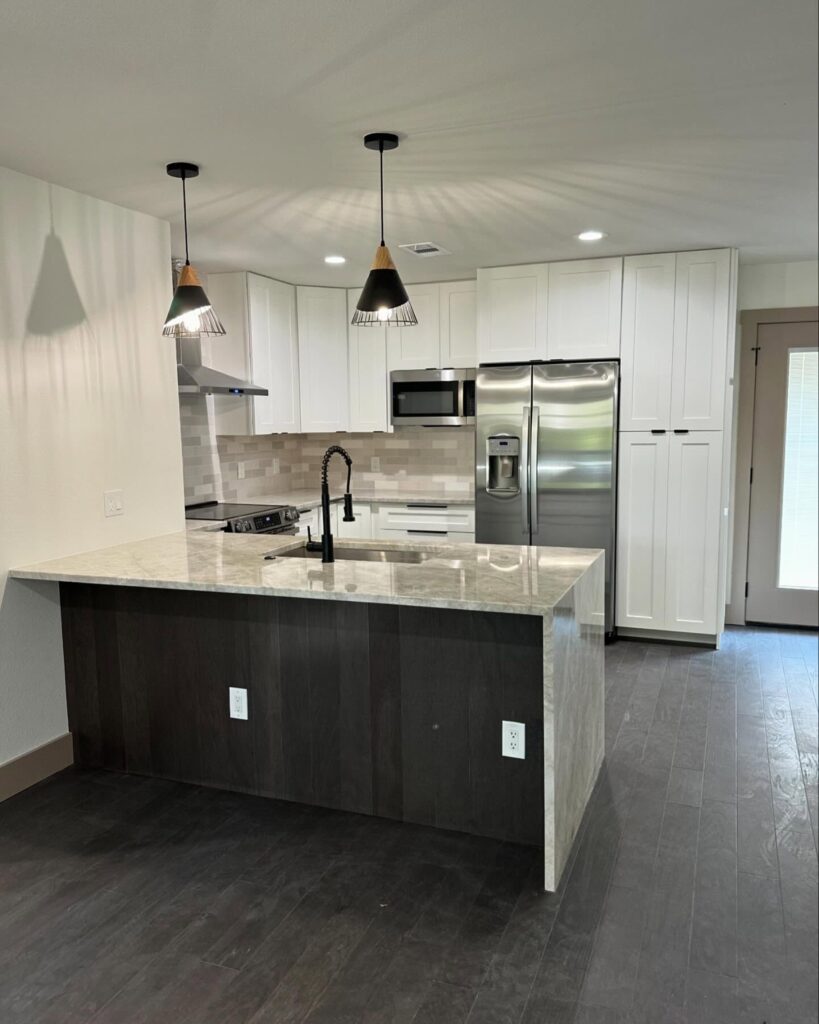
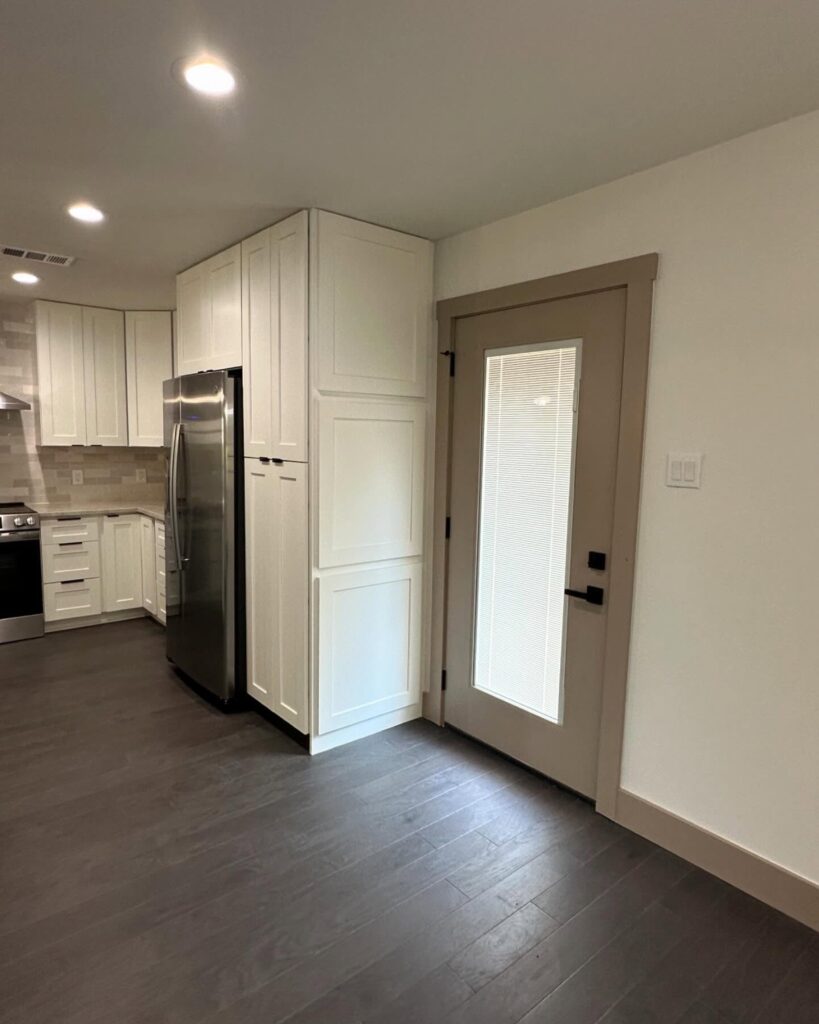
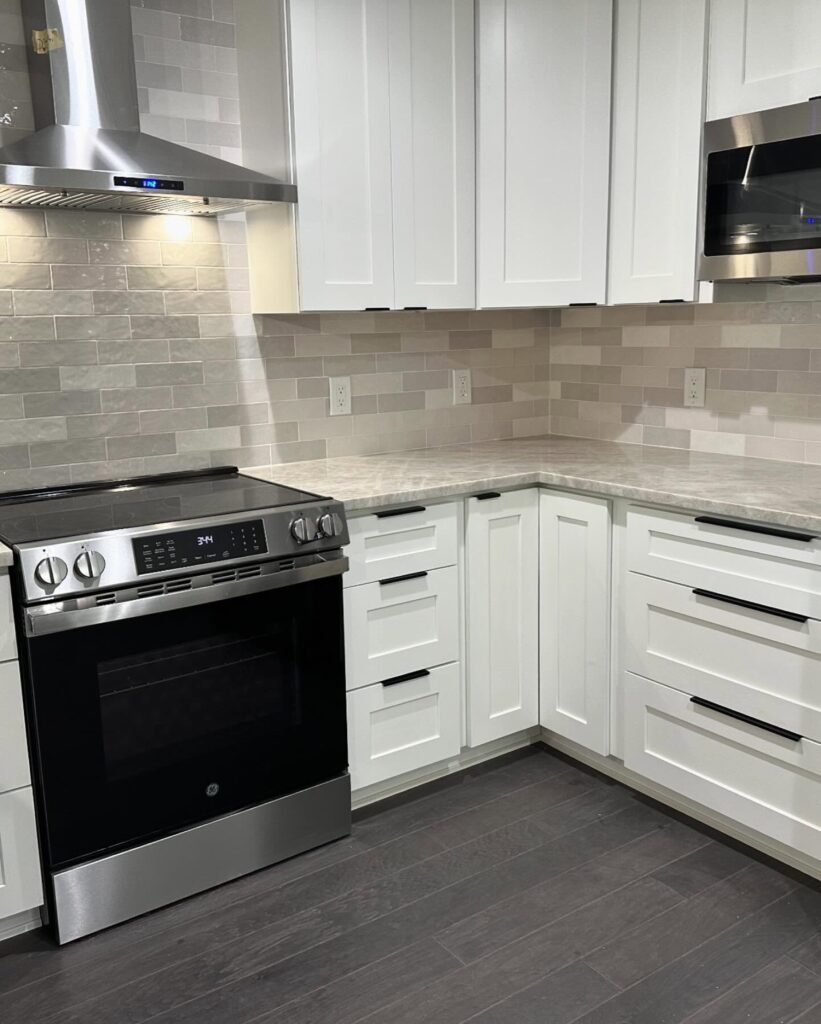
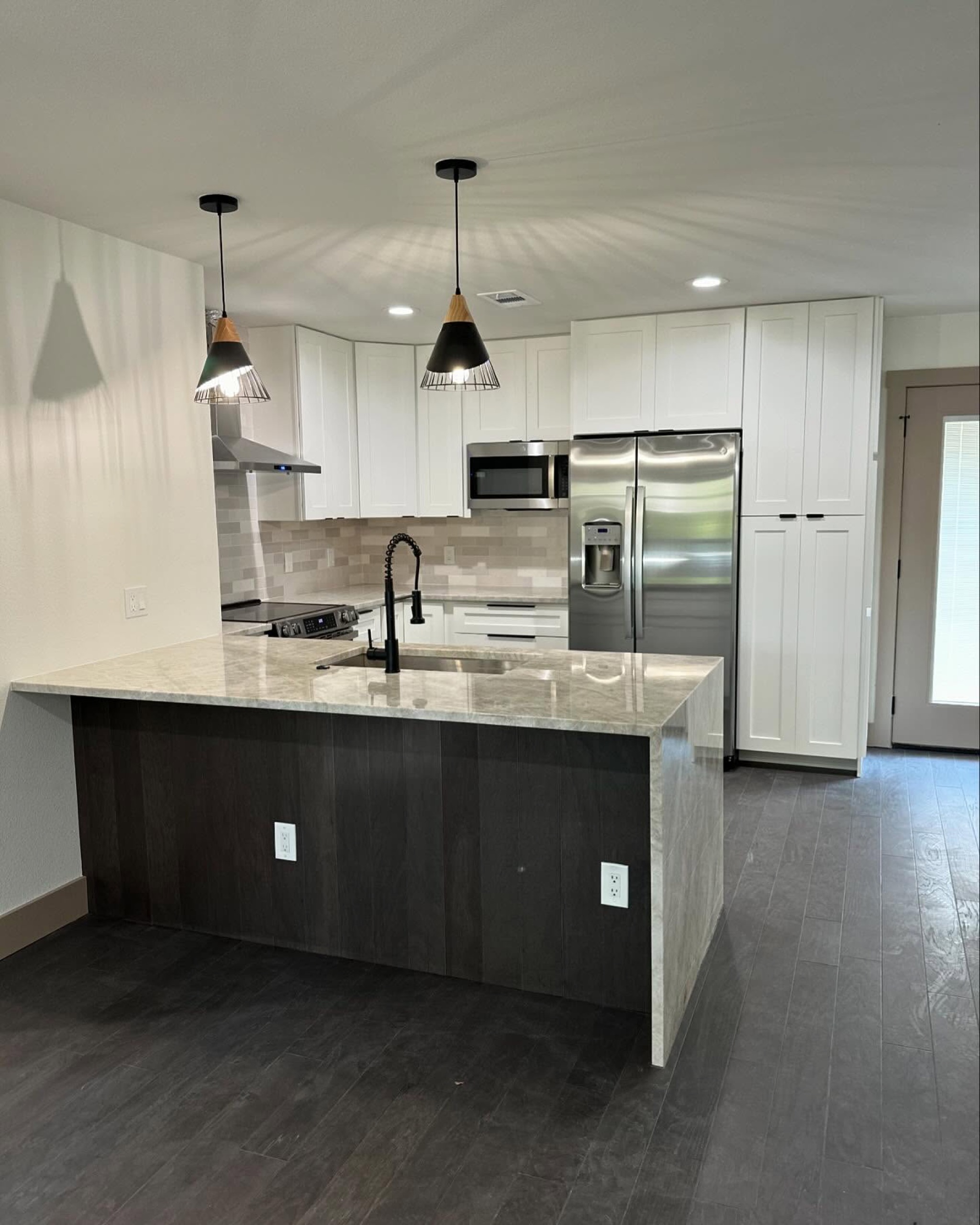
Kitchen remodeling tends to be one of the most expensive parts of a home remodel because it mixes cabinetry, countertops, appliances, plumbing, electrical, and finish carpentry in one room. A mid-range kitchen in Flower Mound often falls between $40,000 and $90,000, while a larger or more custom kitchen can run $100,000-$180,000+.
Common kitchen budget lines include:
- Cabinetry: $12,000-$40,000+
- Countertops: $3,500-$15,000+
- Flooring: $2,500-$8,000
- Electrical and lighting: $3,000-$10,000
- Plumbing and fixture changes: $2,000-$8,000
- Appliance allowance: $6,000-$20,000+
A modest kitchen facelift might only involve cabinet refacing, new counters, a backsplash, and updated fixtures. That can stay closer to the lower end. Full replacement with layout changes, custom cabinets, and upgraded appliances can triple the cost.
Bathroom remodeling costs
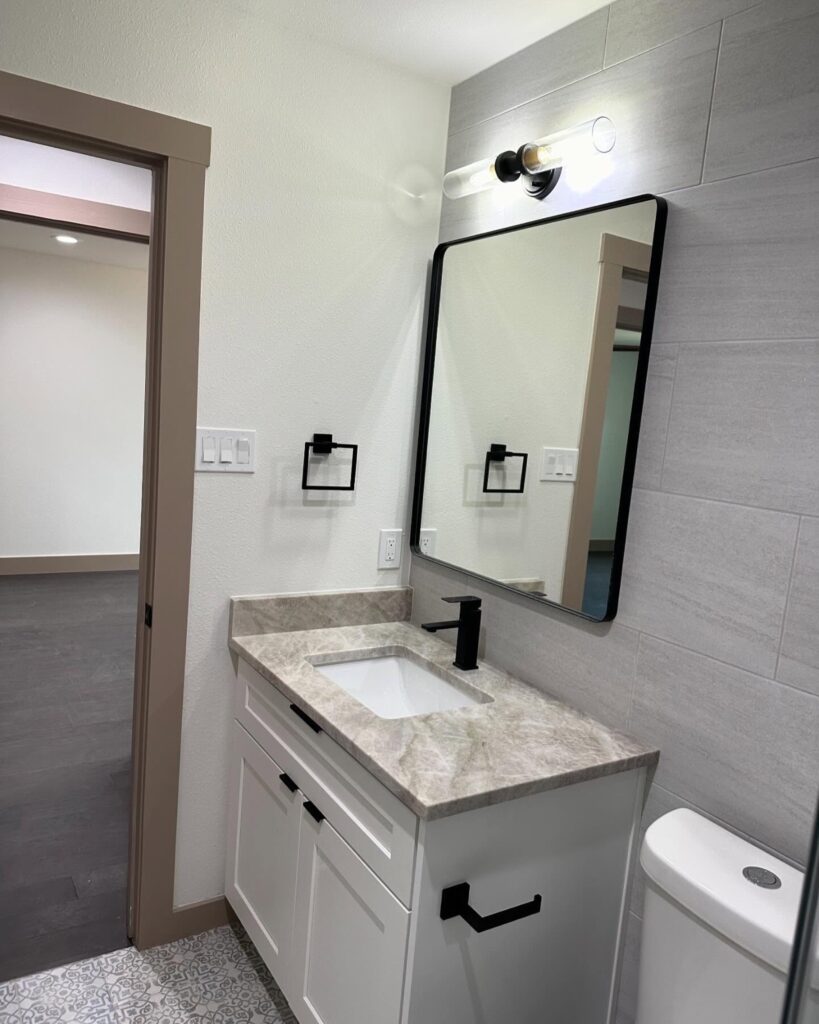
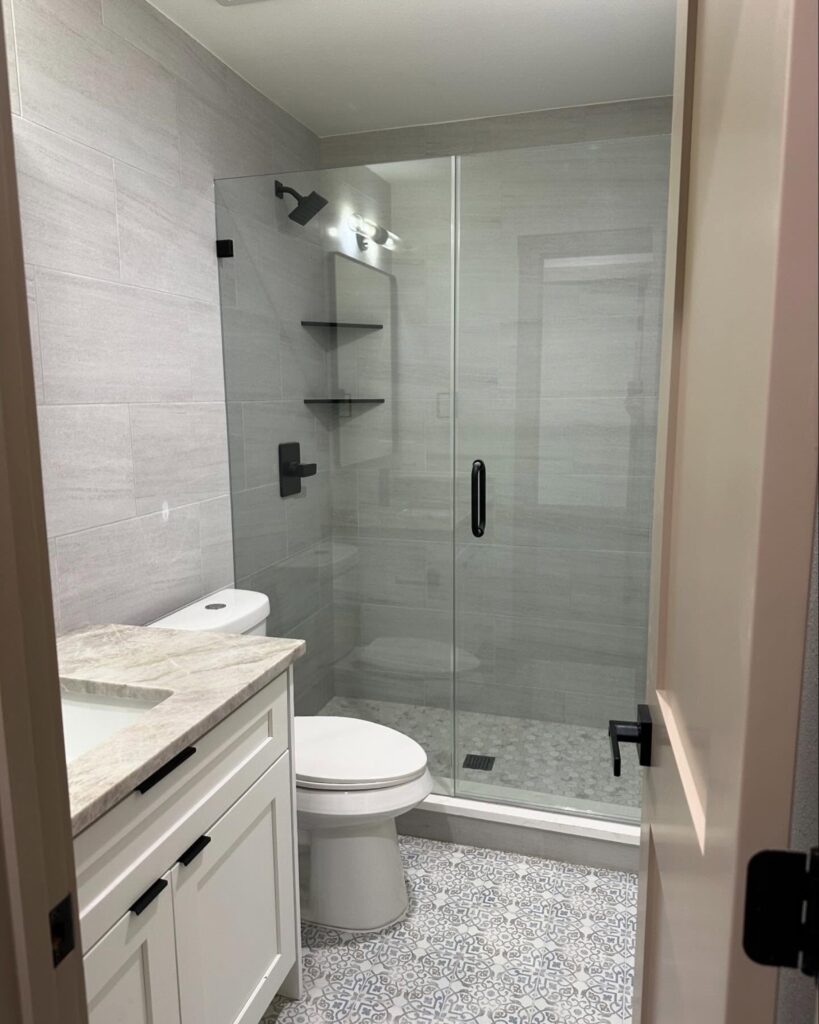
Bathroom remodels are usually smaller in square footage but not always smaller in cost. A hall bath might run $15,000-$30,000, while a primary bath in Flower Mound often falls between $25,000 and $60,000 depending on finish level and plumbing changes.
Typical bathroom costs include:
- Tub or shower replacement: $4,000-$15,000+
- Tile work: $10-$35 per square foot for many installs, higher for premium tile or complex layouts
- Vanity and countertop: $1,500-$8,000+
- Plumbing fixture upgrades: $500-$4,000+
- Electrical and lighting: $1,000-$4,500
- Waterproofing and prep: $1,500-$6,000
Bathrooms are especially sensitive to hidden damage. If you open a shower and discover rot, poor waterproofing, or undersized venting, the price can rise quickly. That is why it is smart to hold a contingency instead of spending every dollar on the visible finish package.
Living spaces, bedrooms, and open-plan updates
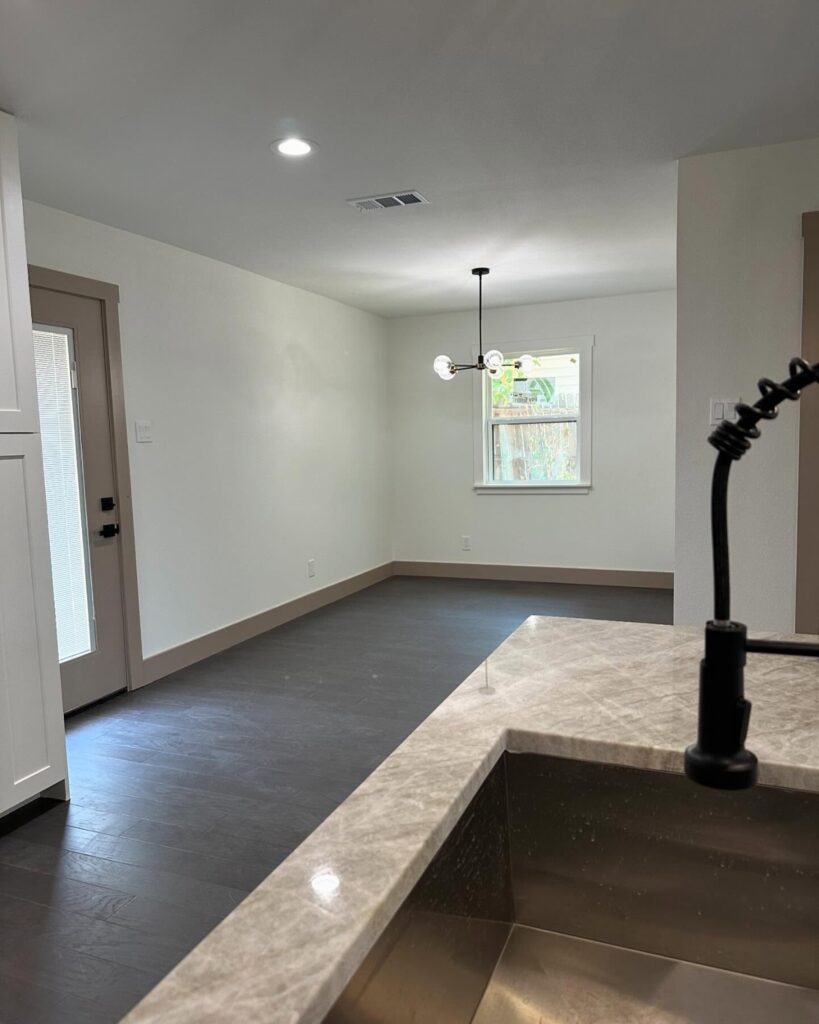
Living room and bedroom remodels tend to be less expensive per room unless they involve built-ins, new flooring, or structural changes. These projects may cost $8,000-$25,000 for a single room or $30,000-$80,000 for multiple connected rooms.
The cost often comes from scope rather than one expensive item. For example, opening a wall between a living room and kitchen can require framing, beam design, HVAC adjustments, drywall repair, paint blending, and flooring transitions. A seemingly simple change can become one of the most expensive parts of the project if the structure has to be reworked.
For homeowners comparing room-specific planning, our Bathroom Remodeling Cost in DFW – 2026 Full Guide and Kitchen Remodel Cost in DFW – 2026 Price Guide pages provide useful deeper context.
5. What drives remodel pricing in Flower Mound
If two remodels look similar on paper and one costs 20% more, the difference usually comes down to a few repeatable factors.
Scope and layout changes
Any work that changes the existing floor plan is more expensive than work that stays in place. Moving a sink is cheaper than moving a sink, plumbing lines, electrical service, and cabinet layout together. Taking down a non-load-bearing wall is easier than removing a load-bearing wall, but both still add design, labor, and finish costs.
Finish level
Finish selection is one of the biggest cost multipliers. The jump from builder-grade materials to mid-grade finishes is noticeable, but the jump from mid-grade to custom or premium often changes the whole budget profile.
Examples:
- Standard LVP vs. hardwood can change flooring cost by several dollars per square foot
- Semi-custom cabinetry can cost significantly less than fully custom cabinetry
- Stock tile layouts are often simpler and cheaper than large-format or handmade tile installations
- Standard fixtures are far less expensive than designer pieces
Existing conditions
Hidden conditions can quietly reshape a budget. In older homes, common surprises include water damage around showers, outdated electrical panels, undersized HVAC returns, and floor leveling issues. Even newer homes can have construction defects or unanticipated issues once demolition starts.
Project management and sequencing
A remodel is not just materials and labor. It also includes scheduling trade partners, coordinating deliveries, managing inspections, protecting the home, and keeping the job moving. The more complicated the project, the more management overhead it tends to carry.
Material lead times
Cabinets, specialty tile, stone countertops, and custom fixtures often require lead time. If a homeowner wants a very specific product and it has a six-to-ten-week delivery window, the contractor may have to sequence the project around that delay. That can affect labor efficiency and total duration.
In practice, many Flower Mound homeowners should think of remodeling as a combination of direct construction costs plus design and coordination costs. If you want to see how those numbers fit into the wider region, compare this guide with the Flower Mound home remodeler page and the broader DFW Home Remodeling Cost Guide.
6. Labor, materials, and allowance planning
A reliable budget separates labor from materials and then adds allowances for items that are not fully selected yet. That approach gives you a much clearer picture than a single lump sum.
Labor costs
Labor usually makes up a large part of the budget because remodeling is detail-heavy work. Carpentry, drywall, tile, plumbing, electrical, painting, and finish installation all require skilled tradespeople. Labor can also vary by the complexity of access. For example, working in a occupied home with limited staging space usually takes longer than working in an empty one.
Material allowances
Allowances help when the design is not completely locked in. A kitchen allowance might cover cabinetry, countertop materials, backsplash tile, and plumbing fixtures. A bathroom allowance might include tile, a vanity, fixtures, and shower glass. The more allowances you keep vague, the more likely you are to experience budget drift later.
Good allowance planning should consider:
- Cabinets and hardware
- Countertops and slab fabrication
- Flooring and underlayment
- Trim and molding
- Plumbing fixtures
- Lighting fixtures
- Paint and consumables
- Appliance packages
Contingency planning
A contingency is not a sign of bad estimating; it is a sign of realistic estimating. For many Flower Mound remodels, 10%-20% is a reasonable contingency target. A $100,000 remodel may therefore need $10,000-$20,000 reserved before the work begins. If the job is highly customized or involves older construction, a larger reserve can be justified.
Allowance example by home size
A 1,500 sq. ft. home that gets a cosmetic refresh may need a smaller allowance pool because the work is surface-level. A 2,400 sq. ft. home with a kitchen, primary bath, and flooring replacement will need much more money tied to selections. Even if the house is not dramatically larger, the cost difference can be substantial because every room creates multiple line items.
When clients compare options, the smart question is not “What is the cheapest version?” It is “Which version is most likely to stay on budget once selections and labor are fully priced?” That framing usually saves money.
7. Permits, inspections, and planning in Flower Mound
Permits do not make every remodel more expensive, but they can absolutely affect total project cost through timing, design effort, and coordination. In Flower Mound, permit and inspection needs should be figured out early rather than discovered after demolition starts.
A project may need permits when it involves structural changes, electrical updates, plumbing work, mechanical modifications, or larger changes to the building envelope. Even when the permit itself is not a major cost line, the process can affect how quickly work can begin and how the project must be scheduled.
That matters because project delays often create indirect costs. If cabinets arrive late, if an inspection has to be rescheduled, or if a trade has to be brought back for a correction, the job may extend beyond the original completion window. In a lived-in home, extended duration can also mean more temporary disruption, storage needs, and coordination overhead.
Flower Mound homeowners should also consider whether the project will include any energy-related updates. When wall cavities are opened, it can be a good time to evaluate insulation, air sealing, bath exhaust performance, and lighting efficiency. The U.S. Department of Energy is a useful starting point for understanding the value of efficiency improvements during a remodel.
For older-home health and safety issues, the EPA Renovation, Repair and Painting program is a relevant reference if lead-safe work practices may be part of the conversation. That is less about adding cost and more about understanding proper process when older materials are involved.
The practical takeaway is simple: before you set a final budget, confirm whether your project needs approvals, what the likely inspection stages are, and how long material delivery may take. That planning step can prevent a lot of budget stress later.
8. Timeline expectations and construction sequencing
A Flower Mound remodel is easier to manage when the schedule is broken into phases instead of treated as one big event.
Phase 1: planning and design
This phase can take 1-4 weeks for a straightforward project or longer for a major remodel. It includes site review, scope definition, materials selection, estimating, and permit planning. If the client has not finished selections, this phase can stretch because cabinetry, tile, and finish choices directly affect final pricing.
Phase 2: ordering and preconstruction
Many remodels require 2-8 weeks of ordering before the physical work really gets moving. Cabinets and specialty items often determine the pace. A well-run job does not start demolition until the contractor knows the rough-in sequence and key materials are either onsite or reliably scheduled.
Phase 3: demolition and rough-in work
Demolition may take only a few days in a small remodel or one to two weeks in a larger project. Rough-in plumbing, electrical, framing, and mechanical changes then follow. This is where scope can expand if hidden conditions appear.
Phase 4: finishes and final details
Drywall, paint, flooring, tile, cabinets, trim, fixtures, and punch-list work usually take the longest because they involve multiple trades and curing or setting times. A project can appear nearly done and still need another week or two of detailed finish work.
Typical timeline by project size
- Cosmetic refresh: 3-6 weeks
- Mid-range multi-room remodel: 6-12 weeks
- Major whole-home remodel: 3-6 months
Those numbers assume a reasonably organized project with materials available on time. They can stretch if the remodel requires a design revision, permit changes, or specialty products with long lead times.
A useful tip: if you are living in the home during the remodel, add a little extra time to your personal plan. Even when construction is on schedule, temporary kitchen access, dust protection, and room-by-room staging can make the project feel longer than the calendar suggests.
9. Budget examples for common Flower Mound homes
Real budget planning gets clearer when you look at actual home sizes and project scopes.
Example 1: 1,500 sq. ft. home, cosmetic refresh
A homeowner wants fresh paint, new flooring in main areas, updated lighting, and a handful of trim repairs. A reasonable budget might look like this:
- Paint: $6,000
- Flooring: $12,000
- Lighting: $4,500
- Trim and carpentry: $3,500
- Miscellaneous repairs and accessories: $2,500
Estimated total: $28,500 before contingency.
With a 15% contingency, that becomes roughly $32,775.
Example 2: 1,500 sq. ft. home, kitchen and bath upgrade
If the same home adds a kitchen remodel and one full bathroom remodel, the budget could look more like this:
- Kitchen: $55,000
- Bathroom: $25,000
- Flooring and paint touch-ups: $10,000
- Electrical/plumbing adjustments: $7,500
Estimated total: $97,500 before contingency.
With a 15% contingency, that becomes about $112,125.
Example 3: 2,400 sq. ft. home, full interior remodel
For a larger home with a kitchen, primary bath, guest bath, flooring throughout, and several layout changes, the range can shift sharply:
- Kitchen: $85,000
- Primary bath: $45,000
- Guest bath: $22,000
- Flooring: $28,000
- Paint and trim: $16,000
- Electrical and lighting: $18,000
- Structural/layout changes: $35,000
Estimated total: $249,000 before contingency.
With a 15% contingency, that becomes about $286,350.
These examples show why square footage alone does not determine price. Two homes with the same size can have dramatically different budgets based on finish level, hidden repair needs, and how much work is happening at once.
If you are weighing whether a broader construction project makes more sense, our How Much Does It Cost to Build a House in Flower Mound? guide may help you compare a remodel against a rebuild strategy.
10. How to keep a remodel on budget
The best way to control remodeling cost is not by cutting every corner. It is by making decisions in the right order.
Start with scope, not finishes
First define what the home needs to function better. Then choose the finish level. If you begin by shopping countertops or tile before you know the full scope, it becomes very easy to overspend.
Protect the budget with a contingency
A contingency reserve should stay untouched unless there is a real condition change. That reserve is what keeps one surprise from derailing the entire project.
Limit scope creep
Small additions can become large budget changes. A “while we are here” request for new trim, extra lighting, and a moved doorway may seem minor, but each item creates labor, materials, and scheduling impacts.
Compare allowances before signing
Two remodel bids may look similar until you notice one has realistic allowances and the other does not. A lower allowance can make a quote look attractive while setting you up for change orders later.
Choose durable, not just trendy
In Flower Mound, many homeowners are better served by durable, timeless finishes in the highest-use areas and more trend-forward choices only where they are easy to update later.
Sequence the work logically
Good sequencing prevents rework. Floors should not be installed before major drywall or paint work is complete. Cabinets should be measured and ordered before demolition in many kitchen projects. Tile and lighting decisions should be locked in early enough to avoid delays.
Use a contractor who can coordinate details
The contractor’s job is not just construction. It is keeping the project moving with clear communication, practical scheduling, and realistic cost control. That is why a well-managed remodel often feels smoother even when the budget is similar to a less organized competitor.
If you want to compare neighboring project types, our local pages for Bathroom Remodeling in Flower Mound and Kitchen Remodeling in Flower Mound can help you narrow the budget by room. A kitchen-only plan can save you from carrying the cost of unrelated spaces, while a bath-only plan can make it easier to schedule work around family routines. That tradeoff matters because the cheapest project on paper is not always the cheapest one to live through.
If you are thinking in phases, it can also help to start with the room that has the highest daily impact. In many homes that is the kitchen, but for others it is the primary bath, laundry area, or main living room. A phased strategy can reduce disruption and let you spread the spend across more than one budget cycle. It can also make it easier to compare bids because the scope is narrower and the allowances are clearer.
11. Final takeaways and next steps
A Flower Mound remodel in 2026 can be a smart investment when the scope is clear, the allowances are realistic, and the schedule is planned before construction begins. The most important budget mistake is usually not the headline price; it is underestimating how much the combination of labor, selections, permits, and hidden conditions can add once the project starts.
For a simple refresh, a budget in the tens of thousands may be enough. For a kitchen-and-bath remodel, six figures is common. For a large, custom, whole-home renovation, costs can move well past that. The more your project changes the floor plan or the home’s systems, the more the price will depend on detailed planning rather than square footage alone.
If you are deciding whether to remodel a few spaces or transform the entire home, the next step is to define the scope clearly and get a realistic construction plan. That is also the best time to compare your project with the broader Home Remodeling Cost in DFW – 2026 Full Guide and the local service page.
For projects that are still in the planning stage, it helps to write down the must-haves, nice-to-haves, and items that can wait. That simple exercise can keep a remodel from expanding before the budget is ready. It also makes contractor conversations sharper because you can separate true scope from future wish-list items.
If you are exploring nearby project comparisons, our current planning set also includes Cost to Remodel Your Home in Weatherford (2026 Guide), Cost to Remodel Your Home in Coppell (2026 Guide), How Much Does It Cost to Build a House in Flower Mound?, How Much Does a Bathroom Remodel Cost in Flower Mound?, and How Much Does a Kitchen Remodel Cost in Flower Mound?. Those comparisons are most useful when you are still deciding whether to phase the work or bundle it into one larger project.
A well-planned remodel should feel like a series of controlled decisions, not a set of surprises. Once the scope is clear, the rest of the project becomes much easier to budget, schedule, and complete. If you want help turning the plan into a real construction sequence, the Flower Mound home remodeler page is the right next step.
If you are exploring nearby project comparisons, our current planning set also includes Cost to Remodel Your Home in Weatherford (2026 Guide), Cost to Remodel Your Home in Coppell (2026 Guide), How Much Does It Cost to Build a House in Flower Mound?, How Much Does a Bathroom Remodel Cost in Flower Mound?, and How Much Does a Kitchen Remodel Cost in Flower Mound?.
The best remodels are the ones that balance cost, function, and long-term value. If you want help turning a rough idea into a workable plan, that is exactly where a local remodeling conversation should begin.