Cost to Remodel Your Home in Allen (2026 Guide)
If you are planning a remodel in Allen, the biggest question is rarely whether the work is worth doing. It is usually how to budget it well enough to get the right scope, the right finish level, and a clean result that fits both the house and the neighborhood. Allen remodel pricing in 2026 can vary widely because one homeowner may be updating paint, flooring, and fixtures, while another is moving walls, replacing systems, and reworking the kitchen and primary bath at the same time.
For many Allen homes, the most useful budgeting approach is to separate the remodel into three layers: the visible finish work, the mechanical or layout work behind the walls, and the contingency for surprises. That makes the numbers easier to understand and keeps the project from drifting after demolition starts. A well-planned remodel can start in the low five figures and move into the mid six figures depending on house size, finish quality, and how much structural work is involved.
This guide breaks down the cost ranges, the local factors that affect Allen pricing, and the budget choices that matter most when you want a remodel that feels intentional rather than pieced together. If you want a broader Dallas-area benchmark, Fin Home’s home remodeling cost guide for DFW is the right starting point, and the Allen home remodeler page shows how local service fits into a real project plan.

Allen home remodeling price ranges
| Remodel type | Typical cost range | What it usually covers | Rough cost per sq. ft. |
|---|---|---|---|
| Cosmetic refresh | $15,000-$45,000 | Paint, flooring, trim, fixtures, minor electrical and bath or kitchen updates | $25-$60 |
| Mid-range remodel | $45,000-$120,000 | Room-by-room updates, better cabinets or counters, flooring replacement, selective plumbing and electrical work | $60-$140 |
| Major whole-home remodel | $120,000-$300,000+ | Layout changes, multiple rooms, systems upgrades, premium finishes, and permit-heavy work | $140-$275+ |
Those ranges are intentionally broad because Allen homes can differ a lot by age, square footage, and how much of the existing layout still works. A 1,600-square-foot home with mostly cosmetic updates will behave very differently from a 3,000-square-foot home with a reworked kitchen, two baths, and new mechanicals.
A practical budgeting rule is to treat the table as a starting point, then add allowances for the items that are most likely to move. Cabinetry, countertops, tile, flooring, and plumbing relocations are the usual drivers. On a mid-range project, a 10% to 15% contingency is often enough if the house is in decent shape. On a major remodel, the contingency may need to be higher because older framing, outdated wiring, or prior modifications can create hidden costs.
If you are comparing Allen to nearby markets, the Coppell remodeling guide is useful for seeing how higher finish expectations change pricing, and the Richardson remodeling guide helps show how different neighborhoods can push the same scope into a different budget band.

Why Building in Allen Is Different
Allen sits in a part of Collin County where many owners are balancing resale value, family functionality, and competition from newer homes nearby. That matters because remodel pricing is not just a labor-and-material calculation. It also reflects what buyers in the area expect from finishes, how quickly comparable homes are moving, and how much upgrade level is needed to make an older interior feel current.
A second local factor is that many Allen projects involve homes that are not old enough to need full replacement of every major system, but are old enough that kitchens, bathrooms, flooring, and lighting no longer match today’s standards. That creates a middle ground where scope can expand quickly if homeowners decide to upgrade one system while the walls are already open.
A third factor is that time matters. In a fast-moving North Texas market, homeowners often want shorter downtime and cleaner sequencing, which can add cost if trades have to be scheduled tightly or if materials need to be ordered earlier to avoid delays. That is one reason Allen remodel budgets should always include a buffer for schedule management, not just physical materials.

Small remodel costs in Allen and what they include
A small remodel in Allen usually means the goal is to improve the feel of the home without changing the footprint or fully reworking the layout. Typical examples include fresh interior paint, new flooring in selected rooms, upgraded light fixtures, minor trim changes, and selective bathroom or kitchen refreshes.
For a light cosmetic update, many homeowners land between $15,000 and $45,000. In a smaller home, that budget can cover paint throughout, new LVP or engineered wood in the main living areas, updated hardware, a few plumbing fixtures, and modest kitchen or bath refresh items. In a larger home, the same budget may only cover the highest-priority rooms.
Here is a practical way to think about line items:
- Interior paint: often one of the best-value updates, especially when walls, ceilings, and trim are all being refreshed at once.
- Flooring: LVP and engineered wood typically cost less than site-finished hardwood, but the prep work and subfloor corrections can still add real dollars.
- Lighting: swapping fixtures, adding recessed lights, or updating fan packages can change the feel of a room quickly.
- Bathrooms and kitchens: even a partial refresh can move the total cost if countertops, sinks, faucets, tile, or cabinetry are replaced.
Cosmetic projects also reward disciplined scope control. If the homeowner adds “just one more room” or decides to replace every hinge, handle, and fixture in the house, the project can move beyond the cosmetic tier faster than expected. That is why it helps to define the must-have items before the first bid is finalized.
If you are trying to stay in a tighter budget band, the best approach is usually to spend where the eye lands first: flooring transitions, kitchen surfaces, bath fixtures, and lighting. Those choices can make a smaller remodel feel more finished without forcing a structural overhaul.

Mid-range remodel costs and the biggest line items
Mid-range remodels are where most Allen homeowners start making strategic tradeoffs. The work may include a kitchen update, one or two full bath remodels, flooring replacement across the main level, and targeted mechanical changes. Budgets in this category often run from about $45,000 to $120,000, though the total can go higher if materials are upgraded or the layout changes.
The biggest line items in this range tend to be cabinets, countertops, tile, plumbing labor, and electrical work. A kitchen remodel alone can absorb a large share of the budget if semi-custom cabinetry is selected. Bath remodels can get expensive quickly when the shower is enlarged, waterproofing is upgraded, or the homeowner wants a frameless glass enclosure and custom tile work.
A common Allen mid-range budget might look like this:
- Kitchen cabinet package: $12,000 to $30,000+
- Countertops: $3,000 to $10,000+
- Flooring package: $8,000 to $20,000+
- Bathroom remodel: $12,000 to $35,000 per bath
- Electrical and lighting: $3,000 to $12,000+
- Plumbing adjustments: $2,000 to $10,000+
Those ranges depend on whether the work is mostly replacement or whether the team is relocating utilities. A sink that stays in place is cheaper than a sink that moves to a different wall. A standard tub replacement is cheaper than a custom walk-in shower with new waterproofing, niche work, and upgraded tile.
For Allen homeowners, this is usually the point where the project starts to feel like a true investment rather than a refresh. That is why it is smart to use a detailed scope sheet and ask each bidder to separate allowance items from fixed labor. The cleaner the bid structure, the easier it is to compare apples to apples.
Major remodel costs and structural changes
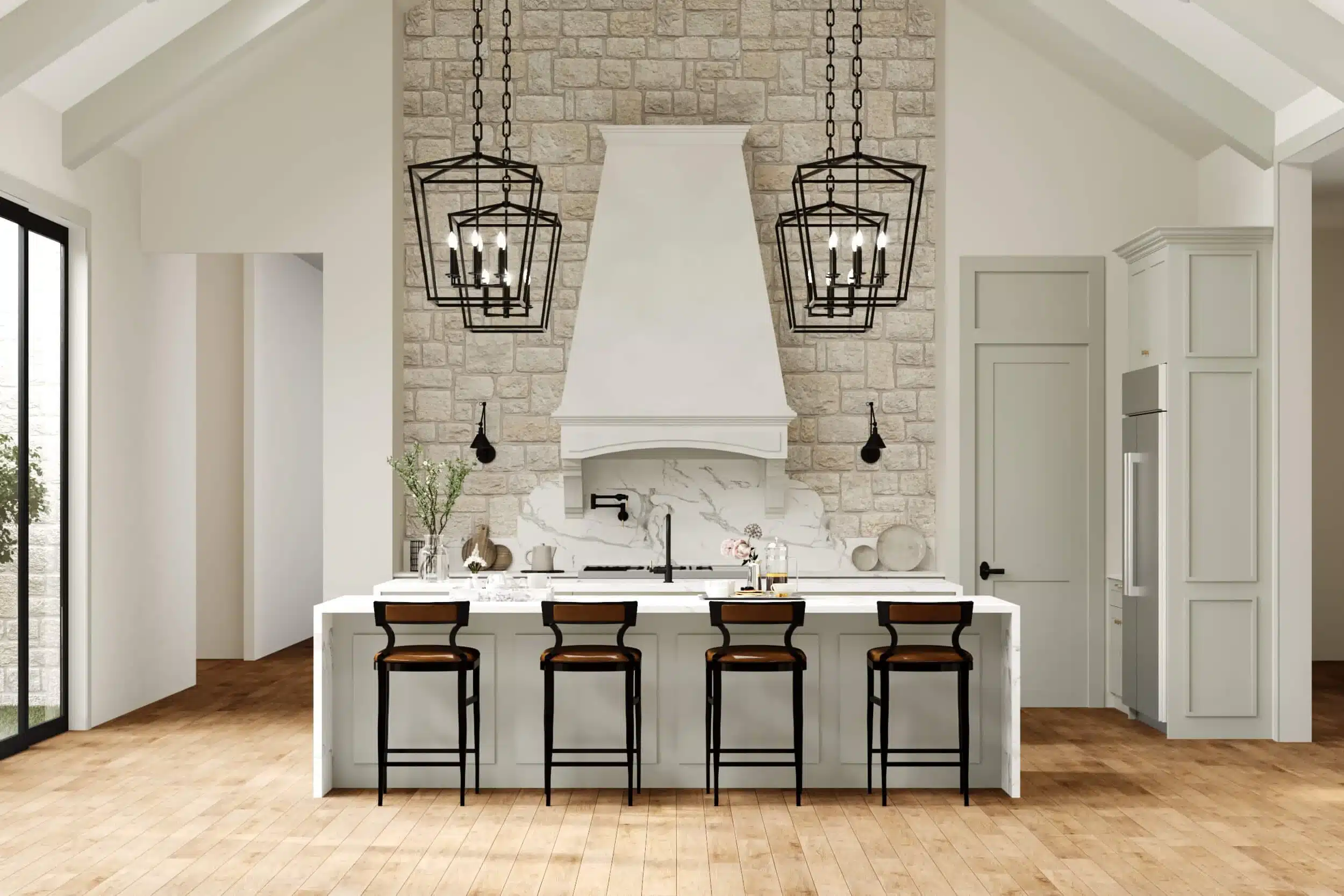
Major remodels in Allen usually begin when the homeowner wants more than room-level updates. They may want an open-concept layout, expanded kitchen footprint, primary suite changes, multiple bath upgrades, or whole-home system replacements. Those projects often start around $120,000 and can move well beyond $300,000 depending on house size and finish level.
The cost jumps because structural and mechanical work is expensive. Moving walls means engineering, framing, drywall, paint, and often electrical rework. Reworking plumbing can involve floor cutting, venting changes, or added labor to get the drains and supply lines where they need to be. Once those items enter the plan, the project is no longer just about finishes.
A major Allen remodel may include:
- Reconfiguring the kitchen for better circulation
- Expanding or reshaping bathrooms
- Updating HVAC components or duct routing
- Replacing substantial portions of electrical or plumbing systems
- Adding built-ins, better storage, or higher-end trim details
- Coordinating permit reviews and inspections across multiple phases
One useful way to control cost at this level is to decide which walls are truly structural before design work goes too far. Every wall that stays put can save several thousand dollars, and every utility that remains in place can avoid layers of labor. That does not mean avoiding good design. It means making sure the design supports the budget instead of fighting it.
On major projects, a contingency of 15% is often more realistic than 10%, especially if the home has older framing, previous remodel work, or hidden water damage. In many cases, the hidden cost is not one big item but a chain of small ones: extra framing, extra drywall, extra trim, and extra finish labor.

Allen labor, materials, and contractor pricing drivers
Allen remodel pricing is heavily influenced by labor quality and trade coordination. A project is rarely expensive simply because one material is high-priced. It is expensive because several trades have to work in sequence, and each one depends on the previous one being done correctly.
Common pricing drivers include:
- Cabinet selection and install complexity
- Countertop material and edge profile
- Tile size, layout, and waterproofing requirements
- Flooring demolition and prep
- Electrical upgrades, panel limitations, and fixture count
- Plumbing relocation and fixture quality
- Drywall repair and texture matching
- Trim and finish carpentry detail level
Material availability also matters. If a homeowner selects custom items with longer lead times, the project may need more preconstruction time and more storage or sequencing control. That can increase soft costs even when the hard costs stay stable. Labor pricing also tends to reflect the amount of coordination required. A straightforward room repaint is not priced like a kitchen with five trades working in the same area.
Allen homeowners should also pay attention to how bids handle allowances. An allowance for countertops, appliances, or fixtures can make a bid look lower than it really is if the allowance is unrealistically tight. Ask whether the allowance represents a mid-grade product or simply the minimum the contractor expects to spend. That one detail can change the final invoice by thousands.

Permits, scheduling, and project sequence
Remodel timelines in Allen depend on both scope and sequencing. A cosmetic project may take 2 to 6 weeks, while a mid-range remodel may run 6 to 16 weeks. Major whole-home projects can take 3 to 6 months or more, especially when design decisions, permitting, and long-lead materials are part of the process.
A clean sequence often looks like this:
- Design and estimating
- Product selection and procurement
- Permitting, if required
- Demo and rough work
- Rough inspection and corrections
- Drywall, trim, and finish work
- Flooring, paint, and final fixtures
- Punch list and closeout
The more rooms involved, the more important sequencing becomes. A project can slow down dramatically if cabinets are delayed, tile shipments arrive late, or rough inspections need a second pass. Allen remodels often run best when the homeowner approves selections early and keeps change orders to a minimum after work begins.
If you want a broader framework for planning the rest of the project, the DFW home remodeling cost guide explains how budget, scope, and timeline interact across the region, while the Allen home remodeler page is the right place to connect service needs to an actual project approach.

Budget protection and allowance planning
The easiest way to protect a remodel budget is to separate fixed costs from variable costs. Fixed costs are the labor and baseline work that should stay mostly predictable. Variable costs are the allowance items that can move depending on selection level or hidden conditions.
Good allowance planning usually covers:
- Cabinet upgrades
- Countertop material choices
- Appliance packages
- Tile selection
- Plumbing fixtures
- Lighting fixtures
- Flooring material
- Disposal and cleanup
In Allen, a strong budget plan often includes a 10% to 15% contingency for projects below the major-remodel tier. For larger remodels, 15% to 20% is not unusual when walls, plumbing, or electrical systems are changing. That reserve can absorb the typical surprises without forcing the homeowner to downgrade finishes late in the project.
Another smart move is to prioritize long-term cost effectiveness over first-cost savings. For example, a slightly better flooring package may last longer and reduce replacement risk. A better shower waterproofing system may cost more upfront but avoid expensive remediation later. In a neighborhood like Allen, that kind of decision can make more sense than chasing the cheapest option on every line item.

Material and finish choices that move the budget
Material selection is one of the most direct ways an Allen remodel changes price. Two projects with the same layout can still land thousands of dollars apart if one uses builder-grade finishes and the other uses custom or premium selections.
The biggest finish upgrades usually show up in:
- Cabinet construction and door style
- Countertop material and edge detail
- Tile size, pattern, and installation complexity
- Flooring species or product grade
- Plumbing and lighting fixture quality
- Trim and interior door upgrades
A practical rule is that the more custom the item, the more likely the price includes fabrication, special ordering, and longer lead times. That is not a bad thing, but it should be budgeted honestly. If the goal is to keep the project in a mid-range tier, it usually helps to choose one or two hero items and keep the rest efficient.

When an Allen remodel makes sense versus moving
There is a point where homeowners begin comparing the remodel budget with the cost of buying a different house. That is a fair comparison, especially in a market like Allen where many families are trying to stay close to schools, commute patterns, or a preferred neighborhood layout.
A remodel often makes more sense when:
- The location is already ideal
- The home has good bones and a workable structure
- The issue is mainly outdated finishes or awkward rooms, not a failed foundation or major system problem
- The needed updates are less expensive than a move plus closing costs plus a price premium on a newer home
Moving can make more sense when the existing house would need major structural changes, a full systems overhaul, and significant finish replacement just to reach the same result. In those cases, the remodel budget can approach a level where the homeowner should pause and compare alternatives carefully.
Allen buyers often value updated interiors, but they also value predictability. If a remodel can deliver a better layout, better storage, and better resale positioning within a controlled budget, staying put is usually the cleaner choice. The decision is less emotional when the numbers are laid out honestly.

Conclusion: planning an Allen remodel with confidence
A successful Allen remodel starts with a realistic scope and a budget that leaves room for contingencies. Cosmetic projects can create a major visual lift for relatively modest money, mid-range remodels can transform day-to-day function, and major remodels can reshape the entire home when the budget and timeline support that level of work. The key is matching the scope to the house, the neighborhood, and the homeowner’s priorities.
If you are ready to compare your ideas with real numbers, Fin Home can help you plan the next step with a local Allen approach. Start with the Allen home remodeler page for service context, and use the DFW remodeling cost guide to anchor the bigger pricing picture. If you are comparing nearby markets, the Coppell remodeling guide and the Richardson remodeling guide can help you see how local conditions shape the budget.
With the right plan, an Allen remodel does not have to feel unpredictable. It can feel organized, local, and worth the investment.