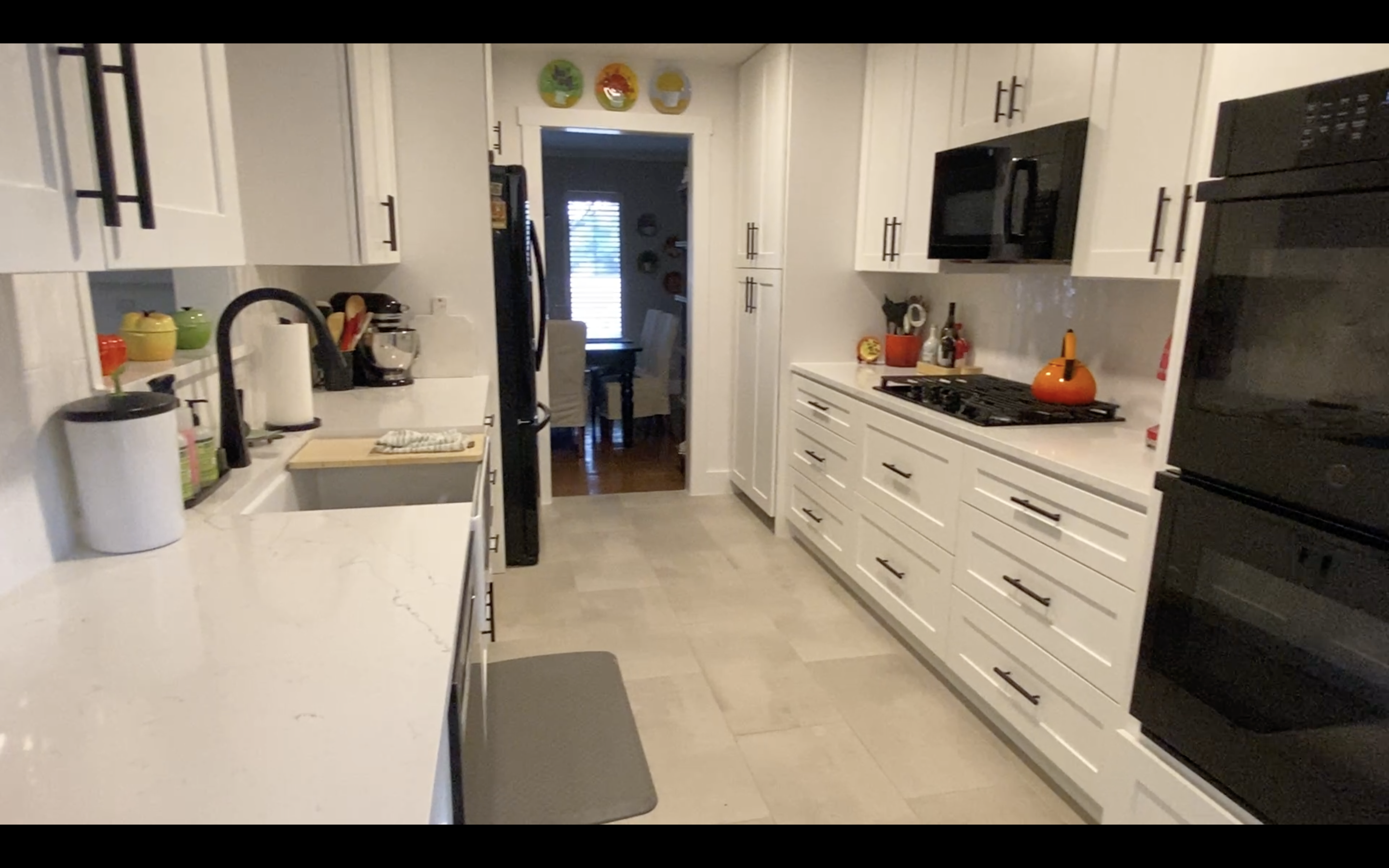



When homeowners begin planning a kitchen remodel, much of the attention naturally goes toward finishes, colors, and inspiration photos. People imagine what the final space will look like – the style of cabinets, the countertop material, the lighting. But according to cabinet designer Brenda Crane of J&K Cabinetry, the most important decisions often happen long before the cabinets are ever ordered.
With more than a decade of experience designing kitchens and an earlier career in high-end custom woodworking, Crane has spent years helping homeowners translate ideas into functional spaces that actually work in everyday life. Her perspective offers a valuable look into how cabinet design really happens and where homeowners most commonly run into problems during the remodeling process.
From Custom Woodworking to Kitchen Design
Before joining J&K Cabinetry, Crane spent years working in a custom wood shop with her husband, building high-end furniture and cabinetry. That hands-on experience gave her a deep understanding of both craftsmanship and functionality, something that continues to influence how she approaches kitchen design today.
“I’ve been designing kitchens like this for over ten years,” she explains. “Before that, my husband and I owned a custom wood shop where we built furniture and cabinets.” That background allows her to see cabinetry not just as a visual feature in the home, but as a structural component of how a kitchen functions.
Working closely with homeowners and contractors has also given her a practical perspective on the challenges people face during remodels. A kitchen may look beautiful in photos, but if the layout is poorly planned or storage is lacking, those issues quickly show up in daily life. Crane approaches each design with the goal of balancing appearance with functionality.
What Happens Before Cabinets Are Ordered
In a successful remodel, cabinet decisions rarely happen overnight. Instead, they follow a structured process that involves coordination between the contractor, the cabinet designer, and the homeowner.
Typically, the contractor begins by measuring the kitchen and sending the dimensions to Crane. From there, she creates a preliminary layout using cabinet design software so the homeowner can visualize the space before anything is ordered.
Once the drawing is ready, homeowners visit the showroom to review the design and explore the available cabinetry options. During that meeting, Crane walks them through storage features like Lazy Susans, drawer systems, door styles, and finishes. The layout is then adjusted and refined based on how the homeowner wants to use the space.
The First Question Homeowners Should Ask Themselves
Before stepping into a showroom, Crane encourages homeowners to spend some time thinking about what they want their kitchen to look and feel like. Many people come in with inspiration photos they have saved from design websites or social media.
Those images help communicate style preferences much more quickly than trying to describe a design from memory. “A lot of people bring pictures of things they’ve seen and liked,” she says. “That helps me understand their vision so I can help bring it to life.”
Having a clear starting point also makes the design process more efficient. Instead of beginning with a blank slate, the conversation can focus on refining a concept and adapting it to the actual dimensions and layout of the kitchen.
Where Cutting Costs Can Backfire
Cabinetry is often one of the largest expenses in a kitchen remodel, which means it is also one of the first areas homeowners try to negotiate when they are trying to stay within budget.
Crane believes that approach can sometimes lead to long-term frustration if homeowners sacrifice functionality for short-term savings. “I try to remind people that they’re going to live with this kitchen every day,” she says. “A hundred dollars here and there won’t matter five years from now.”
What homeowners will notice every day, however, is a layout that doesn’t work for their lifestyle. Missing drawers, inconvenient storage, or awkward cabinet placement can make a kitchen feel frustrating long after the remodel is finished. Crane focuses on helping homeowners stay within their budget while still prioritizing the features that improve daily use.
The Layout Mistakes Designers See Most Often
Some of the biggest kitchen problems come from layout decisions that appear reasonable at first but fail once the kitchen is actually in use.
Modern cabinet design software allows designers to catch many of these issues early by visualizing spacing, appliance placement, and workflow before the cabinets are ordered. Reviewing the layout carefully helps prevent costly mistakes during installation.
One common issue involves placing appliances too tightly into corners. “Sometimes people will put the dishwasher right next to the corner by the sink,” Crane says. “Then when you open the dishwasher, there’s no room to stand.” These types of problems often come from trying to replicate an older kitchen layout without reconsidering how the space could function better.
Kitchen Cabinet Trends Heading into 2026
While kitchen design trends constantly evolve, Crane says some styles remain surprisingly resilient. White shaker cabinets continue to be the most popular choice for many homeowners.
“It’s classic,” she says. “It’s going to be around for a while.” At the same time, the industry is gradually moving away from the all-gray palettes that dominated kitchens for years.
Warmer tones and natural wood finishes have started to gain more attention, and some homeowners are beginning to experiment with adding subtle color into their cabinetry choices. Lighter gray neutrals still remain popular as well because they provide a softer alternative for homeowners who want something different from pure white.
Painted vs Natural Cabinet Finishes
Although natural wood cabinetry has seen renewed interest, painted cabinets still dominate most kitchen projects.
Crane points out that modern cabinet finishes are far more durable than traditional painted wood surfaces. Factory-finished cabinets use a catalyzed lacquer system that is baked onto the surface, creating a finish that holds up well over time.
“It’s a very durable finish,” she explains. Unlike some custom cabinet installations where unfinished cabinets are painted after installation, factory finishes provide a consistent and long-lasting result. Both stained wood cabinets and painted cabinets receive the same protective finish, helping them resist wear in busy kitchens.
Lake Homes vs City Homes
Working with homeowners in different environments has also revealed subtle differences in design preferences. According to Crane, lake homes often lean toward a more relaxed aesthetic.
“They usually want something a little more casual,” she says. The overall atmosphere of lake living tends to influence design decisions, leading homeowners toward styles that feel comfortable and laid-back.
City homes, on the other hand, sometimes lean toward a more sophisticated appearance. However, cabinetry is only one piece of the design puzzle. The final look depends on how cabinets interact with countertops, flooring, lighting, and the overall architecture of the home.
Designing Kitchens That Work for Everyday Life
While trends and finishes will always evolve, Crane believes the foundation of good kitchen design remains the same: thoughtful planning and functionality.
A kitchen should not only look beautiful when the remodel is finished, but continue to work well for the people using it every day. Storage, layout, and accessibility often matter more in the long run than the latest design trend.
By thinking through layout decisions carefully and working closely with designers and contractors, homeowners can avoid many of the frustrations that come from rushed planning. In the end, the most successful kitchens are the ones that balance aesthetics with practicality – something Crane has spent years helping homeowners achieve.
(video had to be cut short due to audio-quality)