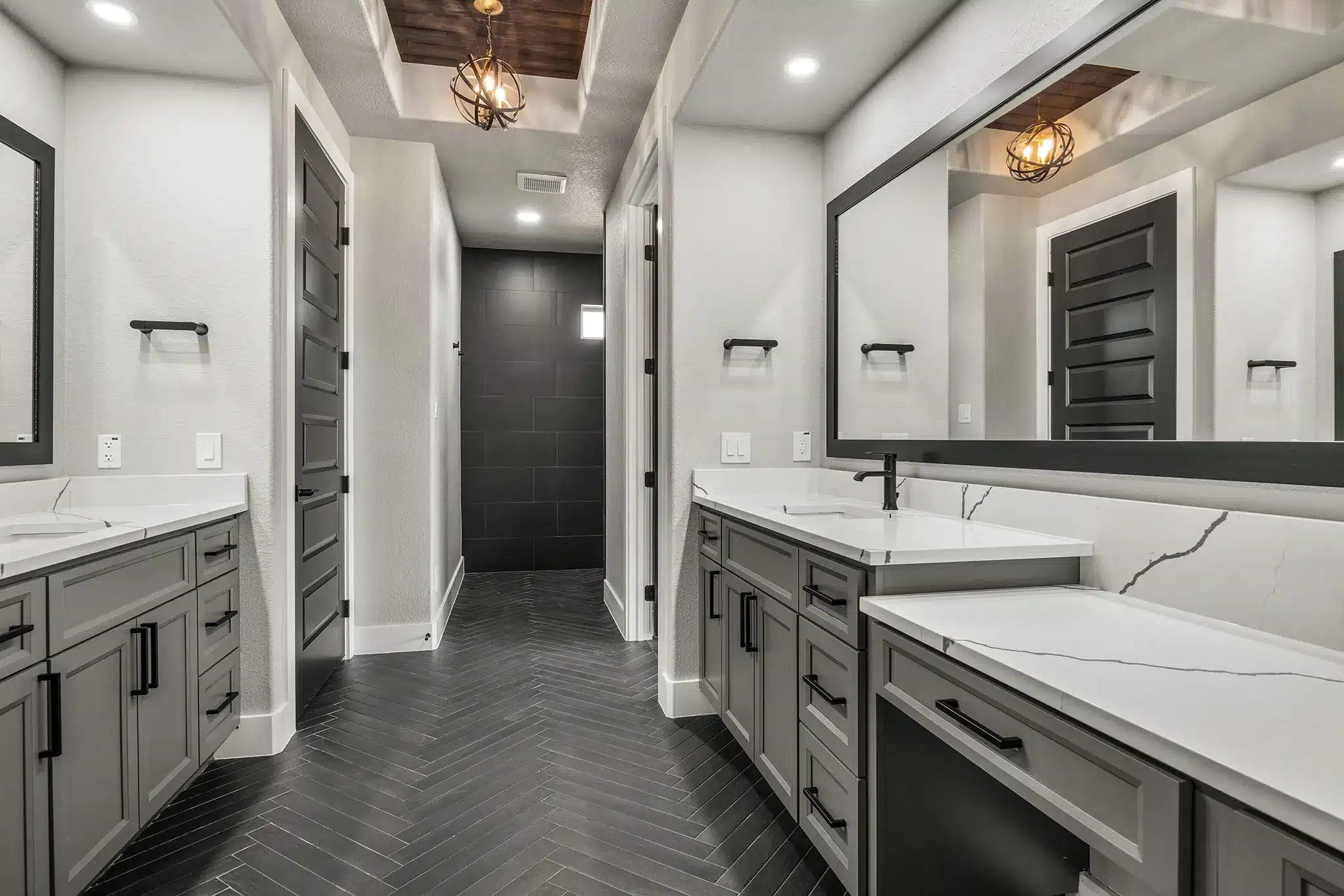
How Much Does a Kitchen Remodel Cost in Allen? (2026 Guide)
If you are planning a kitchen remodel in Allen, the first budgeting question is usually the right one: what should it actually cost? In 2026, many Allen kitchen projects start with a modest refresh in the low five figures, land in the mid-five figures for a typical full renovation, and rise into six figures when the project includes layout changes, premium finishes, custom cabinetry, or major system updates.
A useful way to think about Allen pricing is that the biggest swings usually come from scope, not just size. A kitchen that keeps the same footprint and uses stock or semi-custom finishes can stay comparatively controlled, while a project that opens a wall, relocates plumbing, or adds custom storage can quickly climb. As a rule of thumb, the more you touch electrical, plumbing, framing, and cabinetry at the same time, the more the total budget expands.
| Project type | Typical Allen budget range | What is usually included |
|---|---|---|
| Cosmetic refresh | $15,000–$35,000 | Paint, lighting updates, sink/faucet swap, backsplash, hardware, minor repairs |
| Midrange remodel | $35,000–$75,000 | Cabinet replacement or refacing, counters, flooring, appliance updates, some layout tweaks |
| Major remodel | $75,000–$125,000+ | Full redesign, better finishes, larger cabinet package, structural or system changes |
| Custom / luxury remodel | $125,000–$200,000+ | High-end cabinetry, premium stone, designer details, wall removal, high-spec appliances |
Those ranges are best read as planning benchmarks, not quotes. A straightforward kitchen update can stay near the lower end if the cabinet boxes remain in place and the finish choices are restrained. By contrast, a project with new cabinetry, new counters, new flooring, relocated lighting, and appliance upgrades will usually move into the midrange quickly. For a broader metro comparison, see the full DFW kitchen remodel cost guide.
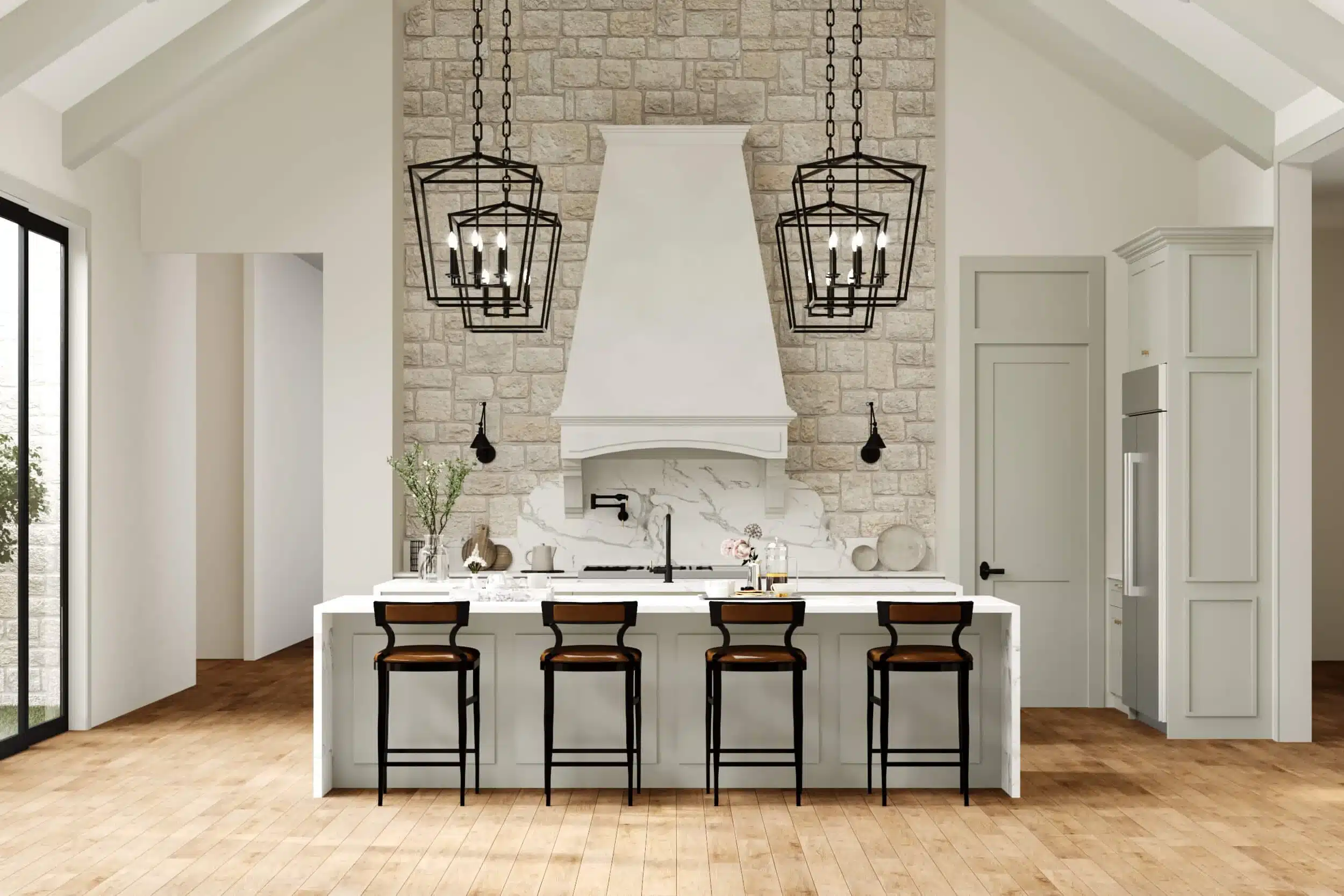
Why Building in Allen Is Different
Allen is not a rural market where labor and scheduling work the same way every time. It sits in the DFW metro area, so pricing tends to reflect metro labor rates, active subcontractor demand, and the realities of coordinating multiple trades on a tight timeline. That matters because a kitchen remodel is rarely just one trade. It often involves carpentry, electrical, plumbing, tile, drywall, paint, and final trim work.
Allen also has city-specific permitting and inspection steps when the project changes electrical, plumbing, mechanical, or structural elements. A kitchen that simply swaps finishes may move quickly, but a kitchen that removes walls or relocates fixtures can trigger plan review and inspections that affect both budget and schedule. That is why two kitchens with similar square footage can have very different totals in Allen.
Another local difference is housing stock. Many Allen homes are relatively new suburban properties, which means remodels often focus on improving function, opening up the layout, or upgrading finishes rather than correcting long-standing damage. In practice, that usually means the budget is shaped more by design ambition and finish level than by basic repair work. If you want a companion example from a nearby market, compare it with the cost structure in Richardson or Coppell.
For homeowners who want help with scope, sequencing, or contractor coordination, our Allen kitchen remodeling service is built around the kinds of projects that are common in this market.
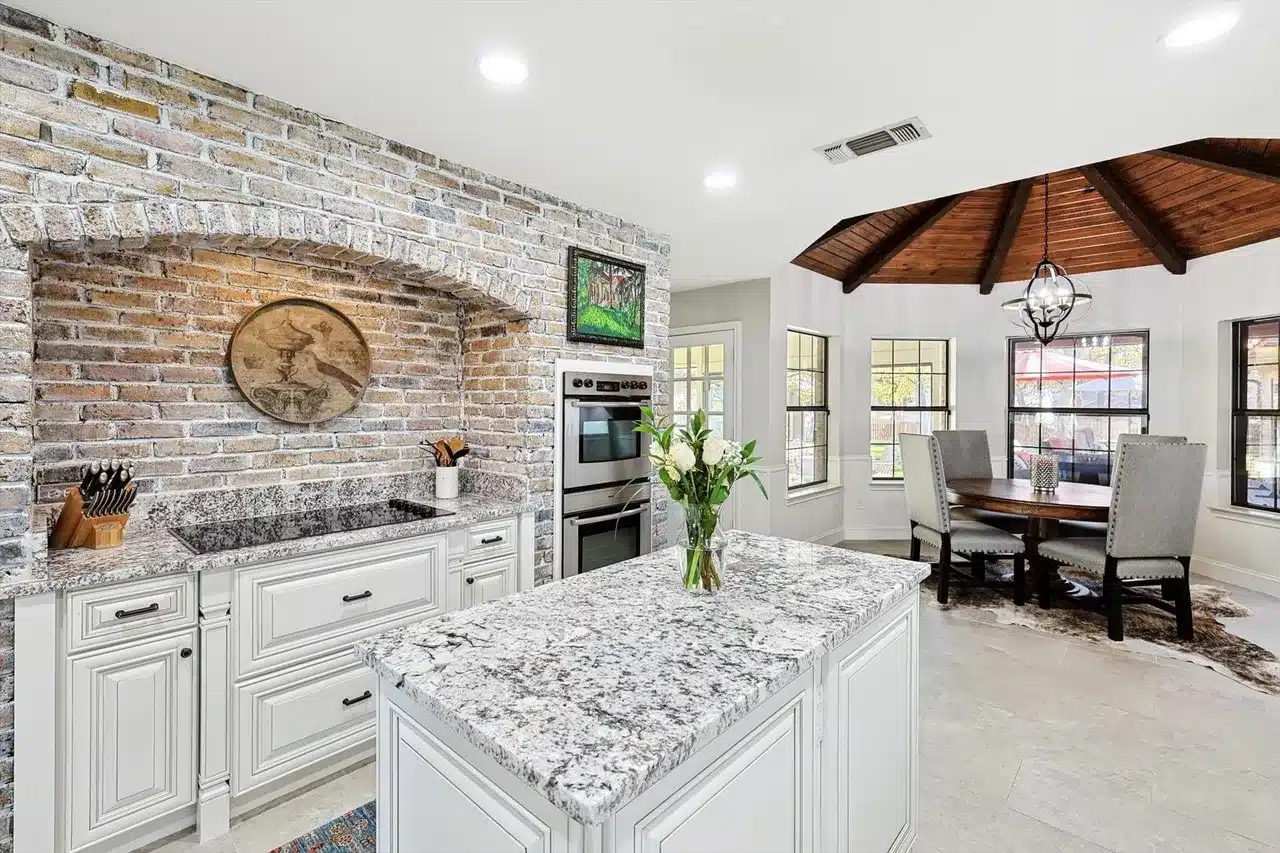
Typical Project Cost Ranges
Most kitchen remodels in Allen fall into one of three practical budget tiers. The specific line items can shift, but these tiers are a helpful way to estimate how far your money will go.
1. Cosmetic update: $15,000–$35,000
This is the best fit when the layout stays the same and the kitchen is structurally sound. A cosmetic update often includes:
- repainting walls and ceilings
- new light fixtures or LED upgrades
- a new backsplash
- new hardware and plumbing fixtures
- minor drywall repairs
- perhaps a new sink and faucet
- selective appliance replacement
This tier is attractive when the cabinets are still in good condition and the room only needs a visual lift. It is also the most schedule-friendly approach, especially if the job avoids opening walls or moving utility lines. In Allen, a cosmetic remodel is often the least disruptive path for homeowners who want a fresher look without reworking the entire kitchen.
2. Midrange remodel: $35,000–$75,000
This is the most common planning range for homeowners who want a meaningful transformation. A midrange project often includes:
- new or semi-custom cabinets
- quartz or granite countertops
- a new backsplash
- upgraded flooring
- new sink, faucet, and garbage disposal
- improved lighting
- appliance upgrades
- modest layout changes, such as widening a walkway or removing a non-load-bearing feature
This tier is where budgets can vary substantially. A more efficient cabinet layout might keep costs in the lower half of the range, while upgraded finishes and better appliances can move the total higher very quickly. In Allen, this is often the sweet spot for families who want to improve function and appearance without going all the way to a full custom renovation.
3. Major or luxury remodel: $75,000–$125,000+
Once a project includes structural changes, premium finishes, or high-end custom cabinetry, the budget often moves into this tier. Typical components may include:
- custom cabinets with specialized storage
- stone slab countertops and full-height backsplashes
- wall removal or layout reconfiguration
- expanded lighting design
- upgraded electrical and plumbing
- premium appliance packages
- engineered supports if structural work is needed
- detailed trim, millwork, and finish carpentry
The upper end can climb much higher if the kitchen becomes part of a broader home transformation. A luxury kitchen with bespoke millwork and top-tier appliances can reach $150,000 or more, especially if the space is being reworked for entertaining, better flow, or a more open-concept plan.
The main point is that Allen homeowners should budget based on the project scope, not just the room size. Two kitchens with similar footprints can easily differ by $40,000 or more once finish level and layout changes are included. For a broader home-wide perspective, you may also find it useful to compare with whole-home remodeling costs in Allen.

Cost Per Square Foot and What It Includes
Cost per square foot can be a helpful shorthand, but it works best as a rough planning tool rather than a final pricing method. For Allen kitchen remodels, a low-complexity refresh may come in at a much lower effective cost per square foot than a full redesign. Once a project includes custom cabinets, premium materials, or utility relocation, the per-square-foot number rises because fixed labor and trade coordination are spread over a smaller room.
A simple way to frame it is:
- Cosmetic refreshes often land around the lowest effective per-square-foot range because they do not rebuild the kitchen.
- Midrange remodels usually increase the per-square-foot cost as cabinetry, counters, and flooring are replaced.
- Major remodels can generate a much higher per-square-foot figure because design time, trade coordination, and specialty materials become a larger share of the budget.
For example, a 200-square-foot kitchen at $25,000 works out to about $125 per square foot. The same room at $65,000 is about $325 per square foot. At $120,000, it becomes $600 per square foot. Those numbers are not rules; they are simply useful planning lenses.
What is included in that number matters just as much as the number itself. A lower per-square-foot figure may reflect a project that keeps existing cabinet boxes and appliance locations. A higher figure may include demolition, new electrical runs, plumbing adjustments, new drywall, high-end finishes, and permit-related coordination. That is why square footage alone rarely explains final price.
Allen homeowners should also be aware that kitchens with similar square footage can still cost very differently depending on ceiling height, cabinet complexity, island size, appliance count, and whether the room connects to dining or living areas. Openings between rooms often create a more expensive scope because they involve more finish work and sometimes engineering.

Main Factors That Change Total Price
Several cost drivers have an outsized effect on Allen kitchen budgets. If you understand these early, it becomes much easier to predict whether your project belongs in the low five figures, the mid-five figures, or well beyond that.
Layout changes and wall removal
The fastest way to raise the budget is to change the kitchen layout. Removing a wall, enlarging a doorway, moving an island, or reworking traffic flow can require framing, drywall, finish carpentry, and sometimes structural engineering. If a wall is load-bearing, the project becomes more complex and usually more expensive. That is why open-concept plans often carry a noticeable premium.
Cabinet scope
Cabinetry is usually one of the largest line items. Keeping existing cabinet boxes and replacing doors, hardware, or finish can be far less expensive than full replacement. Once you move to semi-custom or custom cabinets, the budget can increase substantially. Specialty storage, tall pantry towers, appliance panels, and decorative details all add cost.
Countertop material
Countertops can shift the budget by thousands of dollars. A standard quartz or granite installation is often manageable in a midrange remodel, while premium stone selections, waterfall edges, and full-height backsplashes push the number higher. The larger the island and the more seams or cutouts involved, the higher the fabrication cost.
Appliance package
A basic appliance package and a premium package are not remotely the same budget item. Refrigerators, ranges, built-in microwaves, panel-ready dishwashers, and ventilation systems can produce a major spread in cost. If you are trying to protect the budget, appliance selection is one of the clearest places where homeowners can decide where to save and where to spend.
Finish level
In Allen’s newer housing stock, finish level matters a great deal because many projects are upgrades rather than repairs. Paint grade cabinets, simple tile, and standard fixtures create one budget profile. Custom finishes, decorative lighting, and specialty hardware create another. Finish decisions affect not only material costs but also installation labor and design time.
Existing conditions and hidden issues
Once demolition starts, hidden issues can emerge. Older wiring, outdated plumbing, wall irregularities, subfloor problems, and ventilation limitations may all require unplanned work. This is why contingency is so important. A kitchen that looked straightforward on paper can become more expensive after the walls are opened and the systems are exposed.
Permit and review complexity
If the remodel affects electrical, plumbing, mechanical, or structural work, local permit review and inspections can add both time and cost. The city process itself is not usually the largest expense, but the coordination burden it creates can affect labor scheduling, staging, and downtime. For permit context, Allen homeowners should look to the city’s building and development procedures through the relevant local authority guidance, including City of Allen Building Permits and City of Allen Development Services.

Labor, Materials, and Trade-Level Costs
In a kitchen remodel, the budget is not just cabinets and countertops. A large share of the total is tied to labor, trade coordination, and finish work.
Labor in a full kitchen renovation often includes:
- demolition and haul-off
- carpentry and framing
- cabinet installation
- electrical work
- plumbing adjustments
- HVAC or ventilation changes
- drywall patching
- tile installation
- painting and trim
- flooring installation
- punch-list corrections
In Allen, concrete trade-level pricing commonly falls into these planning ranges: demolition and haul-off at about $1,000–$3,000; cabinet installation at roughly $2,500–$8,000; electrical work at about $1,500–$6,000 for lighting, outlets, and appliance circuits; plumbing adjustments at roughly $1,200–$5,000; tile backsplash labor at about $1,000–$3,500; flooring installation at roughly $2,000–$7,500; and painting/trim work at about $1,000–$4,000. If a project needs wall removal or structural support, framing and structural labor can add another $3,000–$12,000 or more.
Because kitchen work touches multiple systems, general contractor coordination can be a major cost component. A well-run job is not simply a collection of separate tasks; it is the sequencing of trades in the correct order so the kitchen does not stall waiting for one step to finish.
Material pricing is equally important. Depending on the selections, the difference between basic and upgraded materials can be significant:
- Cabinets: stock vs. semi-custom vs. custom can change the cost by many thousands.
- Countertops: laminate, standard quartz, and premium stone occupy very different budget levels.
- Tile: a simple backsplash and a full designer tile feature wall are not the same line item.
- Flooring: durable LVP, hardwood, and tile each have different material and labor costs.
- Fixtures and hardware: these are smaller individually, but they add up.
- Lighting: adding recessed lights, pendants, under-cabinet lighting, and dimmers increases electrical and finish work.
Trade labor also depends on licensing, code compliance, and the complexity of the scope. In Texas, regulated trades and proper coordination matter because a kitchen remodel touches more than one specialty. That is one reason it helps to work with a contractor who routinely handles kitchen remodel sequencing rather than treating the project like a basic cosmetic update. General licensing and trade context can be reviewed through Texas Department of Licensing and Regulation.
If you are comparing kitchen work across projects, keep in mind that trade coordination is often a larger share of a full renovation than many homeowners expect. A simple estimate may focus on visible finishes, but the real budget is often hidden in the work behind the walls.
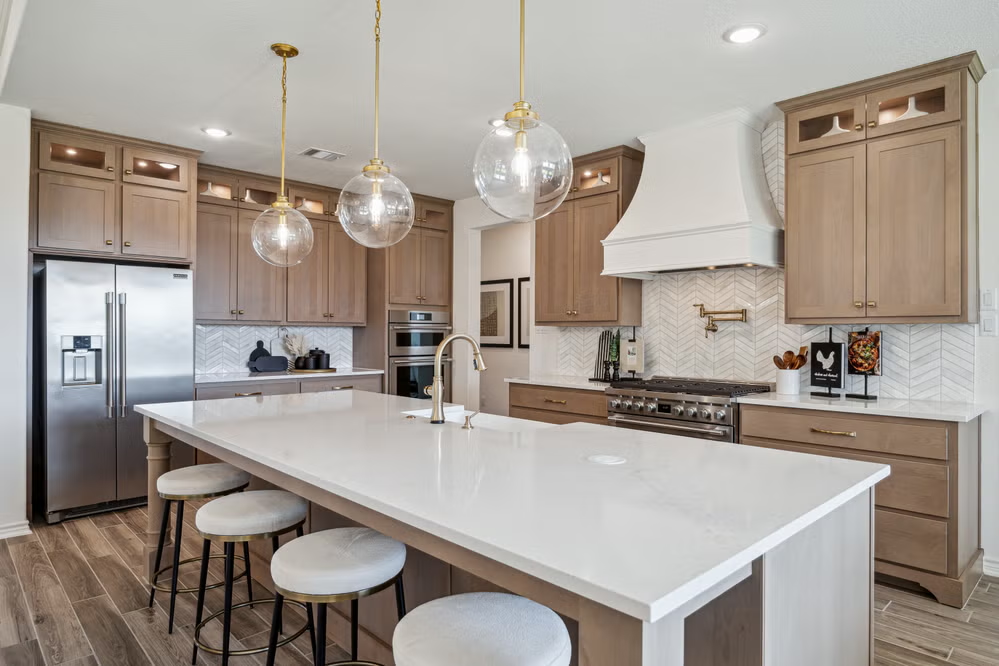
Permit, Design, and Planning Costs
Soft costs are one of the easiest parts of a remodel to underestimate. In Allen, the project may require more than just a construction budget. It may also need design work, permitting, coordination, and preconstruction planning.
Common soft costs can include:
- initial consultation and scope definition
- measured site assessment
- design or layout planning
- cabinet and finish selection
- permit preparation
- plan review time
- engineering if walls or structural elements change
- revisions during preconstruction
- inspection coordination
Not every project needs every one of these items. A simple finish update may only need limited planning. But once the remodel includes new electrical locations, plumbing relocations, or wall changes, the soft-cost portion becomes much more important.
A realistic planning allowance for unknowns is also important. For Allen kitchen remodels, it is smart to reserve about 10% to 20% of the total project budget for contingency, especially when opening walls or upgrading older electrical and plumbing components. That cushion helps cover surprises without stopping the project midstream.
Permits do not necessarily mean a project is expensive by themselves, but they can affect timing and coordination. If the city needs to review plan details or if inspections must happen in phases, the contractor may have to sequence work differently. That is why homeowners should think about permitting as part of the project plan, not just a paperwork step.
If you are planning a kitchen remodel and also thinking about future resale or other home updates, it can help to compare the kitchen scope against broader renovation planning, such as the DFW kitchen remodel cost guide and related local home improvement decisions.

Timeline and Process Expectations
The timeline for an Allen kitchen remodel depends heavily on scope. A cosmetic refresh can move quickly, while a full remodel with layout changes can stretch over several months from design to completion.
A practical timeline often looks like this:
Simple refresh
- Planning and selections: 1 to 3 weeks
- Construction: 1 to 3 weeks
- Total: roughly 2 to 6 weeks
Midrange remodel
- Design and estimating: 2 to 6 weeks
- Permitting if needed: 1 to 4+ weeks
- Construction: 4 to 8 weeks
- Total: roughly 6 to 16 weeks
Major remodel
- Design and engineering: 4 to 8 weeks
- Permit review and revisions: 2 to 6+ weeks
- Construction: 8 to 16+ weeks
- Total: roughly 3 to 6 months or more
Several factors can add time:
- custom cabinet lead times
- backordered appliances
- permit review cycles
- inspection scheduling
- change orders after demolition
- structural work
- special-order finishes
Allen homeowners should also plan for temporary kitchen disruption. Even when the active construction period is short, a kitchen is a high-traffic space, so the real inconvenience is often more about sequencing than raw calendar time. A project that begins smoothly can still slow down if the homeowner changes selections midstream, so design decisions should be finalized before construction starts whenever possible.
The most efficient projects tend to be those where scope, finishes, and permits are resolved early. That is why preconstruction planning is so valuable: it reduces downtime, limits rework, and keeps the contractor and subcontractors aligned.
How to Budget the Project Realistically
The best kitchen budget is not the cheapest one. It is the one that matches your goals and absorbs the predictable surprises.
Start with the scope, then add realistic allowances. If you want a kitchen that only looks better, your budget should reflect a cosmetic update. If you want better storage, an improved workflow, and a more open feel, your number should reflect midrange or major remodel pricing. If you want custom cabinetry and a high-end finish package, budget accordingly from the start.
A solid budgeting framework in Allen includes:
1. Base construction budget
This should cover the visible and hidden construction work: demolition, carpentry, cabinets, counters, flooring, electrical, plumbing, paint, and final finishes.
2. Design and soft costs
Set aside money for layout planning, drawings, permitting, and any structural or engineering support that may be required.
3. Contingency
Keep 10% to 20% reserved. If the home is older, the systems are heavily modified, or the remodel opens walls, lean toward the higher end of that range.
4. Selections allowance
Decide early where you want to spend more. Maybe that means better cabinets and a simpler backsplash, or maybe it means a premium range and more modest flooring. The key is to make those tradeoffs deliberately.
5. Financing cushion
If you are financing part of the project, make sure your monthly payment range is comfortable even if one or two items overrun. Kitchen projects can expand when homeowners see new options during design, so a little extra flexibility helps.
One of the biggest budgeting mistakes is underestimating the cost of upgrades that seem small individually. A better sink, a larger island, a panel-ready refrigerator, and a more complex lighting plan can combine into a significant increase. That is why the total must be tracked from the beginning rather than after the selections are made.
If you are comparing one room update against a larger home renovation, it can also help to benchmark against other local projects like bathroom remodel costs in Allen or even broader exterior planning such as home building costs in Allen.

When to Choose a Kitchen Remodeling Project in Allen
A kitchen remodel is the right choice when the current space no longer fits the way your household actually lives. In Allen, that often means one or more of the following:
- the kitchen feels closed off from the rest of the home
- storage is not efficient enough
- the finishes look dated compared with the rest of the house
- appliances no longer match your cooking habits
- the layout creates bottlenecks
- you want a more open or social kitchen
- resale value could improve with a better-designed space
The best time to remodel is usually when you can make the biggest functional gain for the least amount of disruption. If the kitchen already needs flooring replacement, lighting upgrades, and cabinet changes, it may make sense to bundle those items rather than tackling them separately. Coordinated work usually costs less than repeated partial projects.
In Allen’s housing market, many homeowners are upgrading a kitchen that is already serviceable, not rebuilding one that is failing. That changes the decision-making process. Instead of asking, “Can I fix this problem?” the better question is often, “How much better do I want this room to work, and what is the least expensive way to get there?”
If your goal is to improve flow and comfort without taking on a huge project, a midrange remodel may be the right fit. If you want to reconfigure the room, add better storage, and create a more premium finished space, the higher budget becomes more justified. And if you are considering adjacent market comparisons, it may help to review nearby estimates in Richardson and Coppell.
A final note: not every kitchen project needs to be all or nothing. Sometimes the smartest decision is to phase the work, start with planning, and then complete the highest-value improvements first.

Final Thoughts on Kitchen Remodeling in Allen
Kitchen remodel pricing in Allen is driven by the same fundamentals as the rest of the DFW market: scope, materials, labor, permitting, and scheduling. But Allen homeowners should pay special attention to layout changes, trade coordination, and city review timing because those are the factors that most often push a project from a manageable budget into a larger one.
If you are keeping the same footprint and focusing on finishes, the project may stay in the lower range. If you are replacing cabinets, counters, appliances, and flooring, the budget will usually move into the midrange. If you are opening walls, changing utilities, or investing in custom design, expect the total to rise accordingly. The earlier you define the scope, the easier it is to control the budget.
The most successful Allen kitchen remodels usually start with a clear plan, a realistic contingency, and a contractor who understands how to coordinate design, permits, and trade work efficiently. If you are ready to start shaping your own project, the next step is to compare your wish list against a practical budget and then move into a detailed estimate with a local remodeling team like our Allen kitchen remodeling service.
For a broader regional pricing perspective, revisit the DFW kitchen remodel cost guide and use it to benchmark your Allen project against neighboring markets and scope levels before you commit.