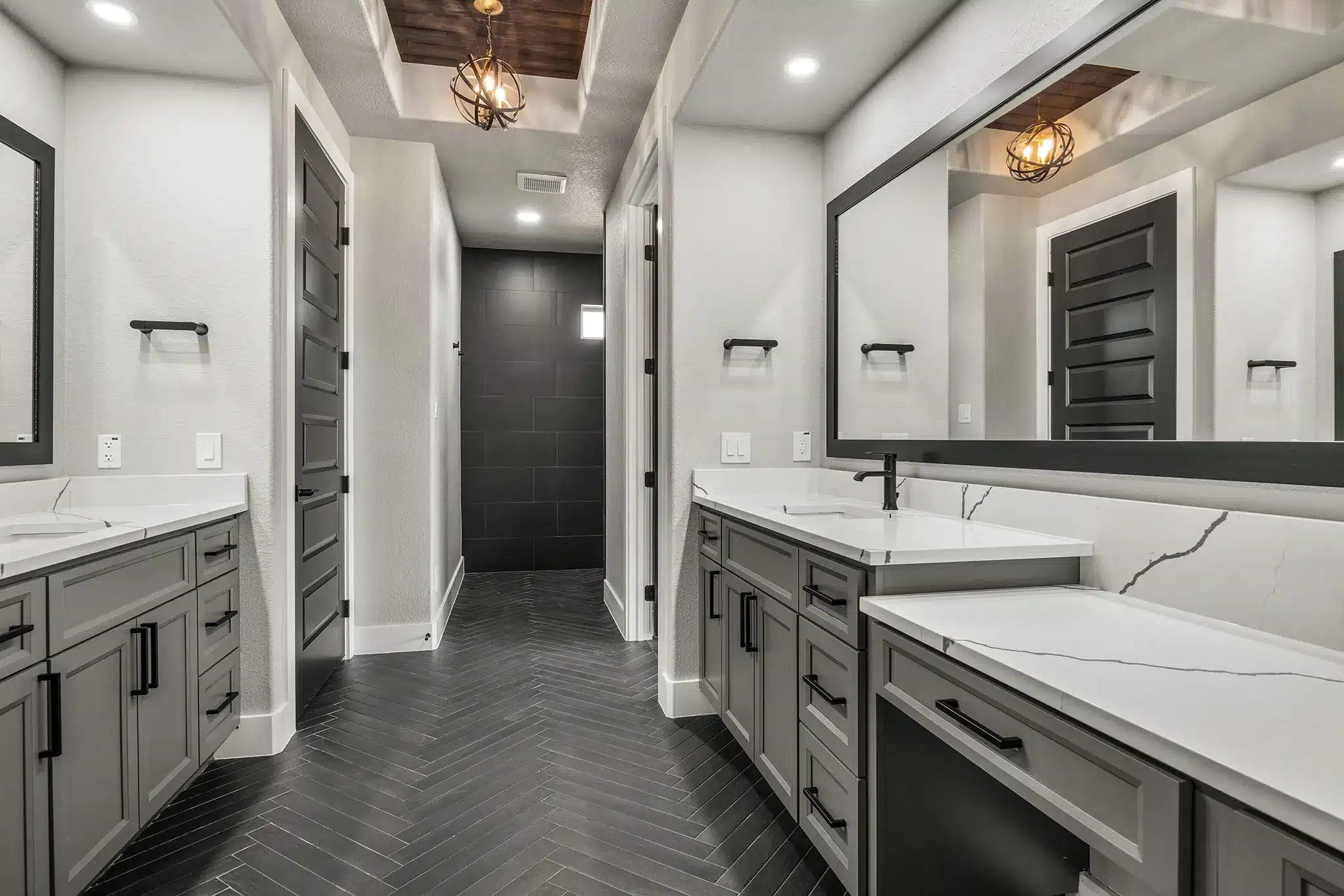
Home remodeling in Broken Bow can range from a modest $25,000 update to a $250,000+ whole-home renovation, depending on the size of the house, the condition of the structure, and the finish level you choose. A light cosmetic refresh may stay near the lower end, while a full kitchen, bath, flooring, electrical, and layout rework can move quickly into six figures. For a broader planning baseline, industry guides commonly place whole-home remodels in a wide band, with smaller projects often near $15 to $75 per square foot and high-end gut work sometimes above $150 per square foot.
| Project type | Typical Broken Bow budget range | Common cost per sq. ft. | What it usually includes |
|---|---|---|---|
| Cosmetic refresh | $25,000–$60,000 | $15–$40 | Paint, flooring updates, fixture swaps, trim, light carpentry |
| Midrange remodel | $60,000–$150,000 | $40–$100 | Kitchen or bath remodels, partial layout changes, new cabinets, better finishes |
| High-end or whole-home remodel | $150,000–$250,000+ | $100–$175+ | Structural changes, custom cabinetry, major mechanical upgrades, full finish replacement |
| Vacation-rental or cabin upgrade | $40,000–$180,000 | $35–$120 | Durable surfaces, moisture-resistant materials, bunk rooms, entertainment spaces |
If you want a more general framework for planning, our DFW remodeling cost guide explains how scope, finishes, and labor structure shape totals across Texas. For local service help, our Broken Bow home remodeling team can help turn those numbers into a real project budget.

What Does Home Remodeling Cost in Broken Bow?
The short answer is that most Broken Bow homeowners should expect remodeling costs to cluster into one of three bands: a smaller update around $25,000 to $60,000, a midrange project around $60,000 to $150,000, or a full-home renovation that can reach $150,000 to $250,000+. Those ranges are broad on purpose because the local market is not a one-size-fits-all metro pricing environment. Homes in and around Broken Bow often serve as primary residences, weekend cabins, or rental properties, and each type of use pushes the budget in a different direction.
A basic cosmetic job may cover interior paint, new flooring in a few rooms, updated lighting, and a handful of trim or drywall repairs. Once you start opening walls, moving plumbing, reworking electrical circuits, or replacing kitchens and bathrooms at the same time, the budget climbs fast. The biggest jumps usually come from labor-heavy work, not just the visible finish materials.
Here is a practical way to think about it:
- $25,000 to $40,000: targeted refreshes, smaller rooms, isolated updates
- $40,000 to $75,000: a more noticeable whole-level update or a single major room plus supporting finishes
- $75,000 to $150,000: multiple rooms, layout adjustments, better-grade cabinetry, tile, and mechanical updates
- $150,000 to $250,000+: large-scale renovation, extensive demolition, premium finishes, or multiple major systems replaced together
The important thing is to budget for the real scope, not the wish list. A project that looks like “just a kitchen and bath” can still carry hidden expenses if the home has older plumbing, older wiring, leveling issues, or moisture damage. If you are comparing projects, it helps to remember that the same room can cost very differently depending on whether you are replacing finishes or rebuilding the space from the studs out.
For homeowners who are still in the planning stage, the best next step is usually a high-level estimate based on room count, square footage, and the extent of structural work. That is exactly why broader cost planning matters before picking finishes. It keeps the budget anchored before you fall in love with upgrades that may not fit the house.

Why Building in Broken Bow Is Different
Broken Bow is not priced like a dense urban market. The local remodeling environment is shaped by lake-area demand, cabin and vacation-rental use, seasonal traffic, and a contractor pool that can be tighter than what you see in larger cities. Around Beavers Bend and Broken Bow Lake, jobs often compete with second-home turnover, visitor-season scheduling, and remote-site logistics, which can affect mobilization and delivery costs.
That matters because a remodel is not only about carpentry. It is also about access, timing, and material handling. If a project site is farther from suppliers, or if subcontractors need to coordinate around tourism traffic and weekend occupancy windows, the schedule can stretch. In a vacation-rental setting, owners also tend to ask for more durable finishes, easier-clean surfaces, and moisture resistance, especially in bathrooms, kitchens, mudrooms, and sleeping areas.
Broken Bow also has a housing mix that leans more cabin-like than many inland towns. That means remodelers often have to think about ventilation, humidity, exterior exposure, and low-maintenance finishes. A standard suburban finish package may not perform as well in a property used heavily by guests or located closer to wooded or lake-adjacent conditions.
The result is simple: two houses with the same square footage can have very different remodeling budgets if one is a straightforward in-town residence and the other is a cabin or short-term rental with access, durability, and logistics issues. If you want a local contractor perspective on how those differences show up in real bids, a Broken Bow remodel consultation is the fastest way to compare assumptions against the actual property.

Typical Project Cost Ranges
Most homeowners do not need a full gut remodel. A lot of projects fit into one of a few common patterns, and each pattern tends to carry a recognizable cost range.
Small remodeling projects: $15,000 to $40,000
Small projects are usually cosmetic or highly targeted. Examples include:
- repainting a few rooms or the whole interior
- replacing carpet or worn flooring in select rooms
- upgrading light fixtures and ceiling fans
- replacing a vanity, toilet, or shower trim
- minor drywall repair and trim replacement
- new countertops without a full kitchen redesign
This tier works well when the house is functionally fine but dated. You can often get a strong visual improvement without touching the major systems. In many cases, homeowners use this tier to prepare a property for sale or rental turnover.
Midrange remodeling projects: $40,000 to $120,000
This is where many Broken Bow jobs land. Midrange remodels often include one or two major rooms plus supporting work. Common examples include:
- a full kitchen remodel with cabinets, countertops, backsplash, and appliances
- a bathroom renovation with new tile, vanity, lighting, and fixtures
- replacing most flooring in the home
- opening a wall or widening a passage
- updating electrical, plumbing, or HVAC components tied to the remodel
- improving storage, laundry areas, or mudroom functionality
A midrange remodel can feel substantial without requiring total reconstruction. If the home is structurally sound, this range often gives the best balance between value and impact.
High-end or whole-home projects: $120,000 to $250,000+
Once you move into a whole-home project, the budget can rise quickly. This range often includes:
- multiple bathrooms and a kitchen
- layout changes that require framing or engineering
- high-end cabinetry and stone surfaces
- custom tile, premium flooring, and upgraded trim
- significant electrical and plumbing replacement
- new windows, doors, insulation, or envelope improvements
- extensive finishes for a rental-ready or luxury cabin look
This tier is common when a property needs more than cosmetic updates. It also becomes more likely when a homeowner wants to align the house with vacation-rental expectations or a higher-end guest experience. For comparison with nearby lake-area markets, you can look at the Possum Kingdom Lake remodeling cost guide and the Palo Pinto County remodeling cost guide to see how similar rural and recreation-driven markets can shape totals.

Cost Per Square Foot and What It Includes
Square-foot pricing can be helpful, but only if you understand what it is actually measuring. In Broken Bow, a rough remodeling rate may fall near $15 to $75 per square foot for simpler work and can exceed $150 per square foot for high-end gut renovations. Those numbers are not exact bids; they are planning tools.
A lower square-foot price usually assumes the following:
- little or no structural change
- limited electrical or plumbing relocation
- standard-grade finishes
- minimal custom carpentry
- straightforward access to the project area
A higher square-foot price often reflects:
- demolition down to framing or substructure
- custom cabinetry or built-ins
- high-grade tile, stone, or flooring
- layout changes
- mechanical upgrades
- labor-intensive finish carpentry
- tight site access or difficult logistics
For example, a 1,500-square-foot home with a moderate update at $60 per square foot lands around $90,000. If the same home needs premium finishes and more extensive layout changes at $125 per square foot, the total jumps to about $187,500. That difference is why square-foot pricing should never be used without scope details.
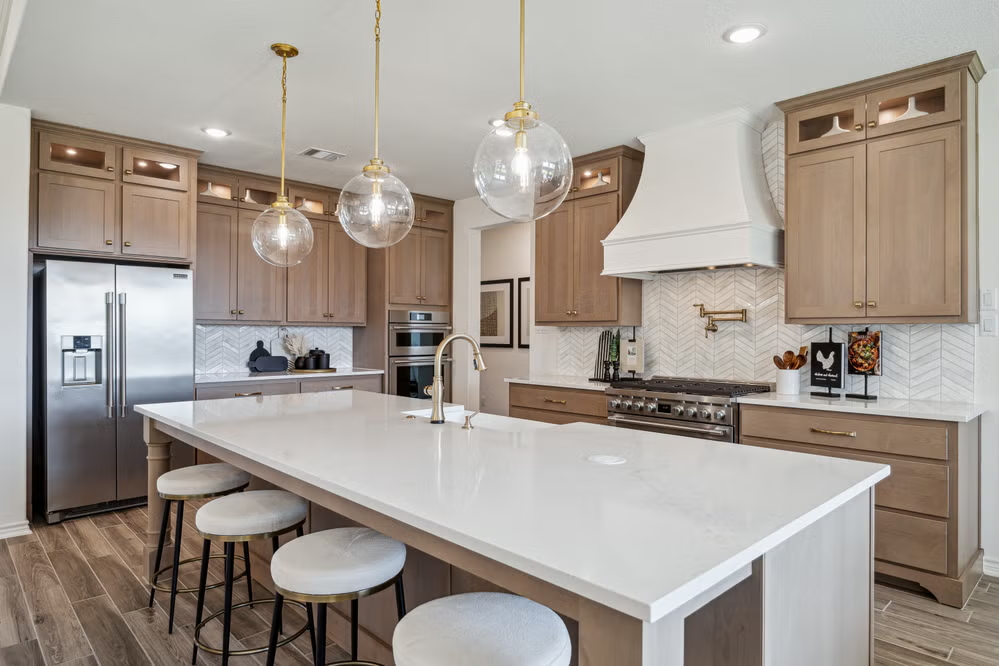
In practice, the cost per square foot is influenced by what is being remodeled, not just how big the home is. A 200-square-foot kitchen can cost more than a 500-square-foot living room refresh because kitchens carry cabinets, counters, appliances, plumbing, and electrical work. Bathrooms are similar. Small rooms often have the highest cost density because the same labor and trade coordination is packed into a compact space. If you want a room-by-room example, the Broken Bow kitchen remodel cost guide is a useful companion piece, and the bathroom remodel guide helps show why wet-area projects often price higher than simple cosmetic work.
Main Factors That Change Total Price
The biggest pricing swings usually come from factors that are easy to overlook in the first conversation. Broken Bow remodels are especially sensitive to site conditions and property type, so the same general design idea can produce very different bid totals.
1. Lot access and mobilization
If a home is tucked into a cabin area, near the lake, or on a site with limited truck access, trades may need extra time to stage materials and move equipment. That does not always show up as a separate line item, but it can be reflected in labor pricing or delivery charges.
2. Age and condition of the home
Older homes often reveal surprises once walls are opened. You may find outdated wiring, undersized plumbing, water damage, rot, or previous DIY repairs that need correction. A property that “looks fine” can still need a meaningful allowance for hidden conditions.
3. Layout complexity
Changing a room layout is much more expensive than keeping the same footprint. Moving load-bearing walls, relocating plumbing stacks, or changing stair placement requires more labor, sometimes engineering, and more coordination with inspections and trades.
4. Finish level
Builder-grade, mid-grade, and custom finishes can live in completely different price worlds. Cabinetry, tile, stone, flooring, fixtures, and hardware all scale with quality. The upgrade from standard materials to premium selections can add thousands, sometimes tens of thousands, to the final price.
5. Moisture and durability requirements
Cabin and vacation-rental properties often need finishes that hold up better under frequent use. That may mean more durable flooring, better ventilation, moisture-resistant wall materials, and low-maintenance surfaces. Those choices can increase the upfront budget, but they often reduce future repair and replacement costs.
6. Permitting and code compliance
Depending on the scope, work may need permits or inspections. If electrical, plumbing, or structural changes are involved, the project may require more documentation and more time. For contractor qualification and licensing considerations, the Oklahoma Construction Industries Board is a useful reference point for homeowners wanting to verify that the work is being handled properly.
The more of these factors that appear in one project, the more likely the final budget will move above the first rough estimate. That is normal. The key is to build in room for the unknown instead of treating a preliminary estimate like a guaranteed total.

Labor, Materials, and Trade-Level Costs
In a Broken Bow remodel, the budget usually breaks into labor, materials, and trade-specific work. The balance between those categories shifts based on whether you are doing light finishes or a deeper renovation.
Labor costs
Labor often makes up a large portion of the total, especially when the project includes multiple trades. In Broken Bow, a general labor allowance for remodeling often lands around $45 to $95 per hour for carpentry and finish work, while licensed mechanical trades can run higher. For planning purposes, you might see $3,500 to $8,500 for demolition and haul-off on a modest project, $8,000 to $20,000 for carpentry and finish installation on a midrange room package, and $12,000 to $35,000+ when a project requires coordinated work across several trades.
A few examples of how labor shows up:
- a bathroom remodel may need demolition, plumbing, tile, drywall, paint, and trim labor
- a kitchen remodel may require cabinetry installation, electrical work, plumbing hookups, backsplash tile, and finish carpentry
- a whole-home remodel may require a project manager, multiple trades, and longer scheduling windows
The more coordination the project needs, the more likely labor will be a major share of the budget.
Materials and finish allowances
Materials can swing widely based on style and performance. Common budget ranges include:
- interior paint: about $35 to $80 per gallon for standard to higher-grade paint, before prep and labor
- flooring: lower-cost luxury vinyl plank may run $3 to $7 per sq. ft. installed, while engineered hardwood or natural stone can land around $8 to $18+ per sq. ft. installed
- cabinets: stock kitchen cabinets may total $6,000 to $15,000, while semi-custom or custom builds can reach $20,000 to $45,000+
- countertops: laminate may start around $25 to $50 per sq. ft. installed, while quartz or stone commonly runs $75 to $150+ per sq. ft. installed
- tile: ceramic tile may fall near $6 to $12 per sq. ft. installed, while large-format porcelain or natural stone can reach $15 to $30+ per sq. ft. installed
- fixtures: plumbing and lighting fixtures can range from $150 to $400 for basic items to $800 to $2,500+ for premium selections
Trade-level system costs
If the remodel touches mechanical systems, costs rise quickly. Examples include:
- plumbing reroutes for kitchens or baths: often $1,500 to $6,000+
- electrical panel or circuit changes: often $1,000 to $5,000+
- new lighting plans: often $1,500 to $4,500
- HVAC adjustments for expanded or reconfigured rooms: often $2,500 to $8,000+
- insulation or air-sealing improvements when walls are opened: often $1,500 to $6,000+
In many projects, homeowners underestimate how much the hidden work matters. The visible finish is only part of the story. Behind the walls are the systems that make the remodel functional, code-compliant, and durable.
If your property is a cabin or short-term rental, it can be worth spending more on moisture-tolerant materials and easier-maintenance systems. That often reduces future callbacks and replacement costs. In some cases, the upfront increase is small compared with the long-term convenience.

Permit, Design, and Planning Costs
Soft costs matter. They may not be the most exciting part of a remodel, but they can easily add several thousand dollars to the final project total.
Design and planning
Depending on the scope, design costs may include:
- preliminary space planning
- finish selection support
- cabinetry and layout drawings
- floor plan revisions
- structural or framing consultation
- project estimating and scope refinement
For smaller projects, design support may be folded into the contractor proposal. For larger projects, especially those involving layout changes, it can be a separate cost. A homeowner who skips proper planning often ends up paying more later through change orders, delays, or material substitutions.
Permits and inspections
Permit requirements depend on the kind of work being done. Cosmetic projects may not need much beyond basic coordination, while electrical, plumbing, and structural work often do. Rather than guessing exact fees, plan for a modest permit-and-inspection allowance in your budget. It is better to leave a cushion than to assume there will be no administrative cost at all.
Preconstruction allowances
You should also budget for items such as:
- site visits and measurements
- demolition assessment
- material takeoffs
- temporary protection of floors and adjacent spaces
- dumpster or debris hauling
- delivery charges
- specialty ordering or freight on oversized items
A practical planning approach is to set aside 5% to 10% of the project budget for soft costs and preconstruction needs, with more room if the job is large or complex. The bigger the remodel, the more those front-end details matter. Homeowners who plan carefully are less likely to be surprised by paperwork, delays, or last-minute material substitutions.

Timeline and Process Expectations
Remodel timelines in Broken Bow depend on the project size, the contractor’s schedule, the availability of materials, and the property’s access and occupancy pattern. A small refresh might take 2 to 4 weeks. A midrange kitchen or bath remodel often takes 6 to 12 weeks. A larger whole-home renovation can take 3 to 6 months, sometimes longer if structural or mechanical work is involved.
Typical phases
- Consultation and estimating: 1 to 3 weeks
The contractor reviews the property, discusses scope, and develops a budget range.
- Design and selections: 2 to 6 weeks
Cabinets, tile, flooring, paint, fixtures, and layout details are finalized.
- Permitting and preconstruction: 1 to 6 weeks
This varies with scope and how much review is needed.
- Demolition and rough-in: 1 to 4 weeks
Walls come down, framing changes are made, and rough plumbing/electrical is installed.
- Inspections and close-up: 1 to 3 weeks
Once rough work passes review, walls and surfaces are closed back up.
- Finish work: 2 to 6 weeks
Flooring, cabinets, tile, paint, trim, and fixtures are completed.
Schedule risks in Broken Bow
Seasonal visitor traffic, delivery timing, and subcontractor availability can all affect the schedule. Around the lake and cabin areas, a contractor may have to work around weekend use, rental turnover, or harder-to-coordinate site access. Material delays can also stretch a project, especially if custom cabinets, special-order fixtures, or backordered tile are involved.
That is why a realistic timeline should always include cushion. For a homeowner, the most frustrating remodels are the ones that were “supposed to take two weeks” but end up taking six because no one accounted for material lead times or site complexity. Planning ahead reduces stress and protects the budget.

How to Budget the Project Realistically
A good remodel budget is not just a target number. It is a plan with built-in flexibility. The safest way to budget is to separate the project into three layers: base scope, preferred upgrades, and contingency.
1. Start with the must-haves
List the items that truly need to be completed for the project to function. For example:
- replace damaged flooring
- fix plumbing issues
- update unsafe electrical
- improve a failing bathroom
- address water intrusion or rot
- correct layout problems that affect daily use
These are not optional. They form the core of your budget.
2. Add the nice-to-haves
Then identify the upgrades you want if the budget allows:
- higher-end countertops
- custom tile
- upgraded lighting
- built-ins
- premium cabinet finishes
- new doors and trim
- additional storage
This step helps you protect the budget from ballooning. You can make tradeoffs without losing sight of the project’s real purpose.
3. Carry a contingency
A contingency of 10% to 20% is common for remodeling, and the higher end of that range is especially useful for older homes or cabin properties where hidden conditions are more likely. If the project is $100,000, that means keeping $10,000 to $20,000 available for unexpected issues or owner-approved upgrades.
4. Sequence the work strategically
If your budget is tight, do the project in the right order. Fix structure, moisture, electrical, and plumbing before spending heavily on finishes. It is often smarter to install durable, midrange materials in a high-use area than to spend everything on premium surfaces while leaving old systems in place.
5. Consider financing carefully
Homeowners may use savings, home equity, or renovation financing depending on project size and personal goals. The right choice depends on the rate, term, and how long you expect to stay in the property. In a rental or second-home scenario, cash flow and occupancy assumptions matter just as much as the renovation itself.
The practical takeaway: don’t budget for the cheapest version of the project if that version leaves major work undone. Remodels that are underfunded at the start often become more expensive through change orders and piecemeal fixes. A better approach is to budget realistically, then trim scope intentionally if needed.

When to Choose a Home Remodeling Project in Broken Bow
A Broken Bow remodel makes the most sense when the home already has good bones and you want to improve function, durability, or market appeal without starting from scratch. That is especially true for cabins, lake-area properties, and homes used as vacation rentals.
You should lean toward remodeling when:
- the structure is sound and the layout is workable
- the house has good location value but dated finishes
- you want to improve rental appeal with stronger materials and better flow
- the home needs moisture-resistant, lower-maintenance updates
- you want to modernize a property without rebuilding it entirely
A remodel is often the better choice than new construction when the lot is already ideal, the home has existing utility connections, or the location would be difficult to replace. On the other hand, if the structure has major foundation issues, extensive rot, or a layout so compromised that almost every wall needs rework, a more serious evaluation is warranted.
It can also help to compare your remodeling goals with local housing economics. Broken Bow and the wider McCurtain County area have a mix of full-time residences and recreation-oriented properties, which means the best value move is not always the same as it would be in a metro suburb. Census and tourism context from the U.S. Census Bureau and Oklahoma State Parks can be helpful in understanding why the market behaves the way it does, especially around seasonal occupancy and visitor demand.
If your main goal is a better kitchen, a more functional bathroom, or a rental-ready cabin update, remodeling is usually the right starting point. If you are unsure whether to remodel or rebuild, a conversation with a local contractor can clarify the cost difference quickly.

Final Thoughts on Home Remodeling in Broken Bow
Home remodeling in Broken Bow is all about matching scope to property type. A modest update may cost $25,000 to $60,000, while a larger renovation can move well past $150,000. The exact number depends on square footage, age, layout changes, materials, labor coordination, and whether the home is used as a primary residence or a cabin-style rental.
What makes Broken Bow different is the mix of rural logistics, seasonal demand, and vacation-property expectations. Those factors can affect everything from delivery timing to finish selection, which is why the cheapest initial estimate is not always the truest one. A smarter approach is to budget for the real conditions at the property, plan a contingency, and choose materials that fit how the home will actually be used.
If you are planning a remodel in Broken Bow and want a local cost conversation that reflects the property, the scope, and the finish level you want, our Broken Bow remodeling team can help you turn the idea into a practical plan. For a broader pricing framework, revisit the full remodeling cost guide and compare your project against other Texas and Oklahoma recreation-market examples before you commit.