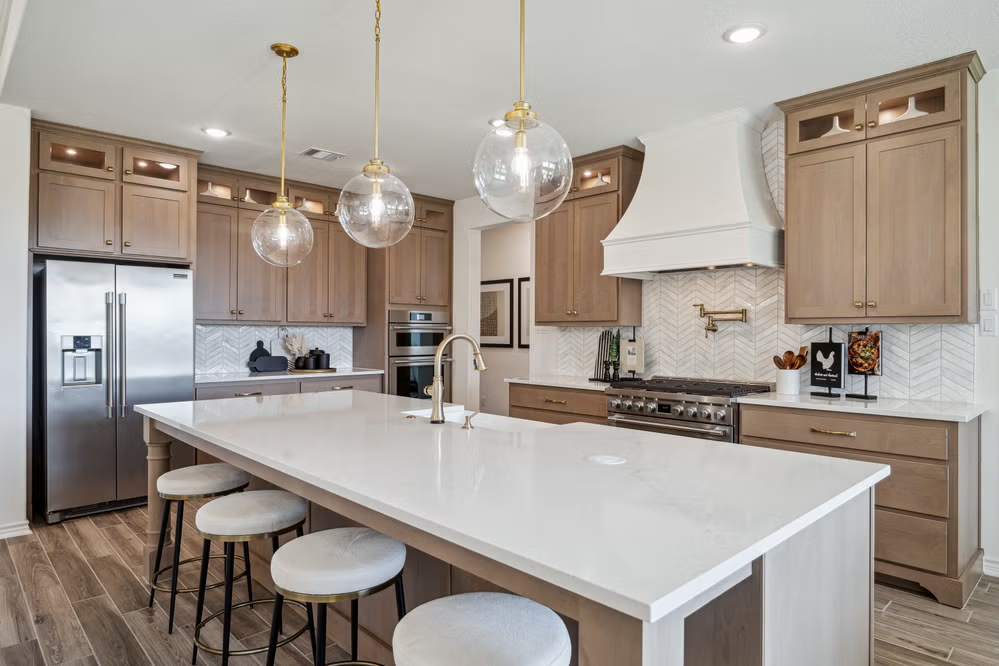
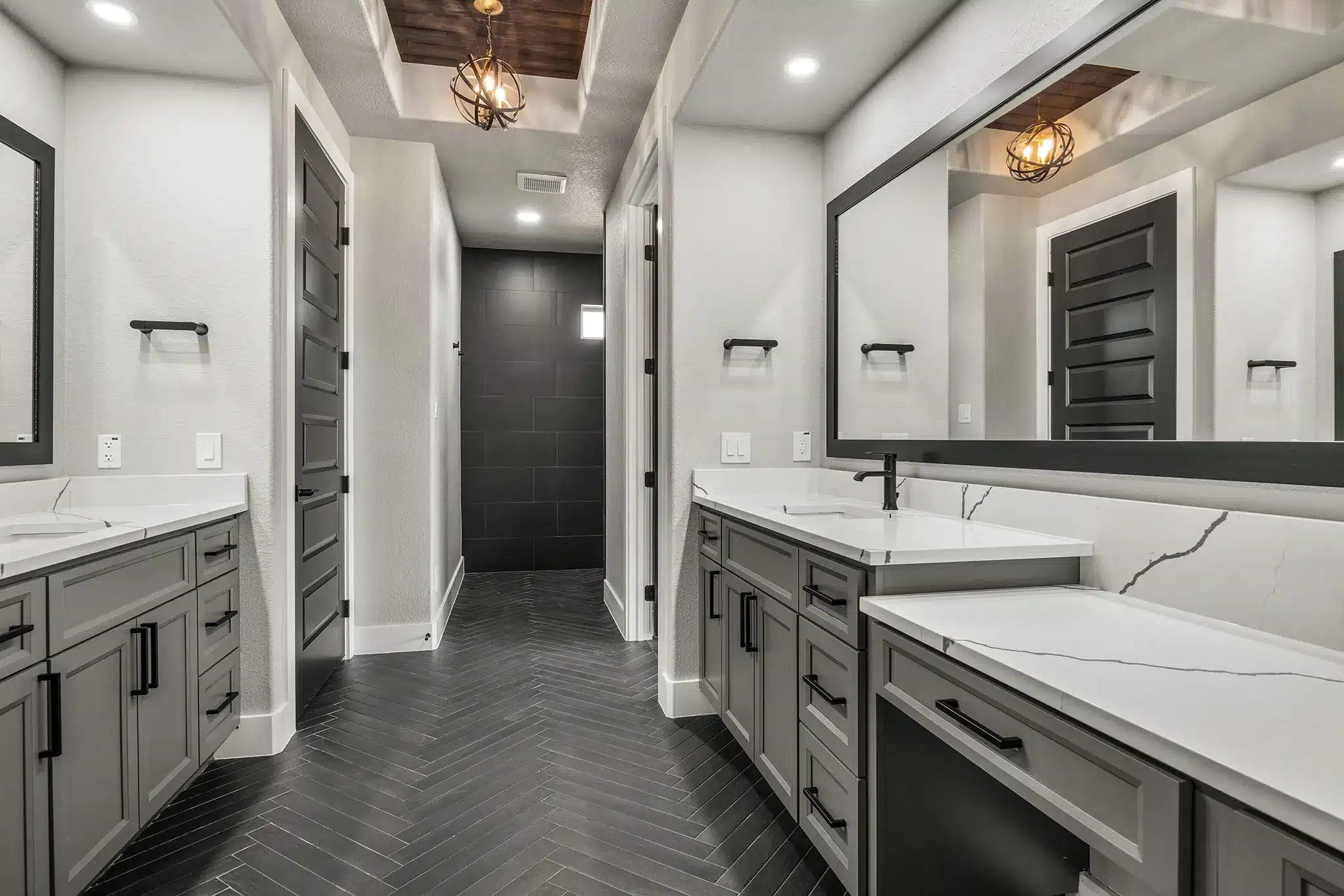
How Much Does It Cost to Build a House in Ellis County?
Building a house in Ellis County can look simple from the outside: find land, choose a plan, and start construction. In practice, the final budget depends on far more than square footage. Lot conditions, utility access, driveway length, drainage, foundation design, finish level, and the pace of local growth all shape the real cost.
If you are trying to estimate what it costs to build in Ellis County in 2026, the safest approach is to treat the project as a full system rather than a single house price. The home itself matters, but so do the site, the infrastructure, and the schedule. That is especially true in a county that includes suburban fringe, rural acreage, and parcels with very different starting conditions.
This guide breaks down the cost ranges, the major line items, the local issues that can move your budget, and the best ways to plan before you commit to a lot or a floor plan. If you want a broader regional baseline first, you can compare this guide to our DFW home building cost guide as you narrow your scope.
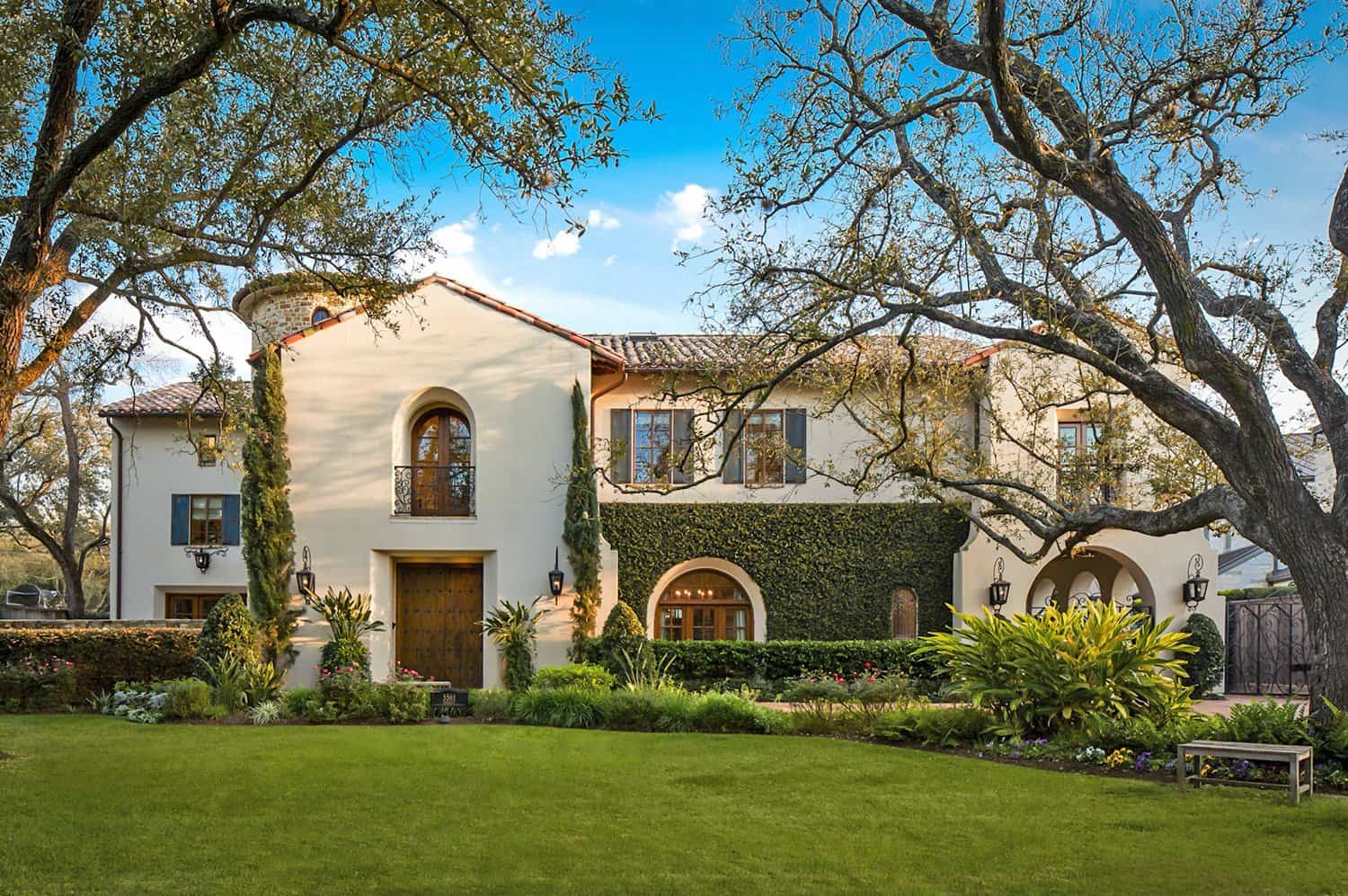
Why Building in Ellis County Is Different
Ellis County stands out because it blends fast-growing suburban areas with rural and semi-rural tracts. That mix changes the cost structure in ways that do not always show up in a standard price-per-square-foot estimate. A house on a ready-to-build subdivision lot can be much easier to price than a custom home on acreage that still needs utility work, access improvements, or drainage planning.
A second difference is infrastructure variability. Some sites are close to existing service connections and established road access, while others need more coordination before construction can begin. The farther your build is from a straightforward infill lot, the more likely it is that preconstruction planning will affect the final budget.
A third issue is regulatory scope. The Texas Commission on Environmental Quality notes that larger construction sites may need stormwater permit coverage when a project disturbs 5 acres or more. That does not affect every home build, but it matters more on larger parcels or grouped development plans. In other words, Ellis County projects can move from simple to complex quickly, so early due diligence is worth real money.
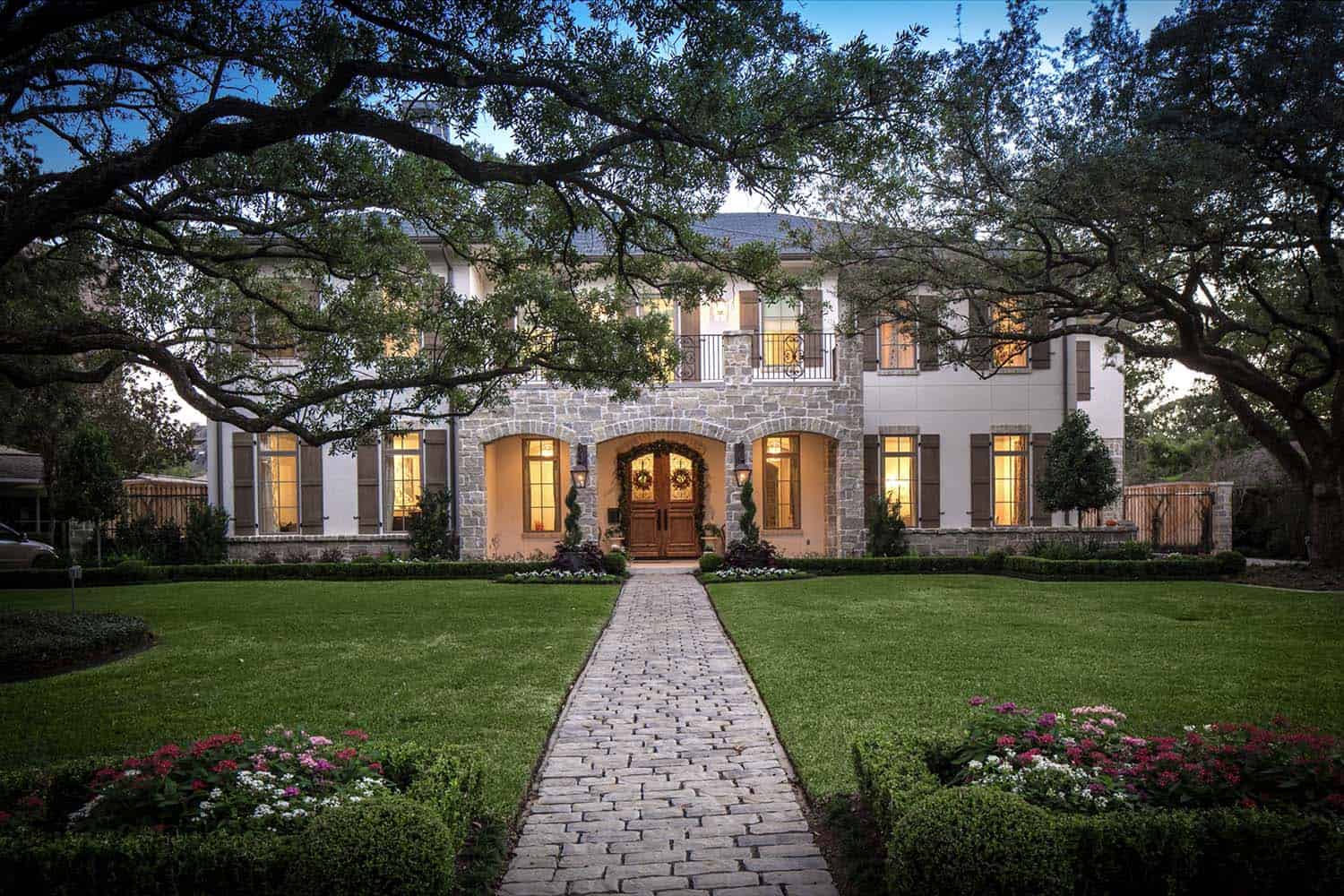
Typical Cost to Build a House in Ellis County
For a custom home in Ellis County, a reasonable planning range in 2026 is often best expressed as a blend of house cost and site cost. Many owners start by estimating the structure itself, then add the land development and utility work on top. That prevents the most common budgeting mistake: assuming a finished-house price also covers the full build.
A useful planning framework is below.
| Home type | Approx. size | Typical build range | Notes |
|---|---|---|---|
| Entry custom home | 1,800-2,200 sq. ft. | $260,000-$420,000+ | Simpler plan, modest finishes, ordinary site conditions |
| Mid-range custom home | 2,200-3,000 sq. ft. | $420,000-$750,000+ | Better finishes, more design detail, added systems |
| High-end custom home | 3,000+ sq. ft. | $750,000-$1,500,000+ | Premium finishes, more complex rooflines, upgraded systems |
These ranges are intentionally broad because lot conditions in Ellis County can swing the total up or down. A home that seems affordable on paper can become more expensive if the land requires a long driveway, extra grading, septic work, well work, or utility extension. Likewise, a well-prepared lot with simple access can keep the project efficient even if the home itself is fairly large.
If you are comparing multiple lot options, the right question is not only, “What will the house cost?” It is also, “What will it cost to make this site build-ready?” That question often reveals the true budget difference between two otherwise similar homes.
For broader regional context, the Ellis County custom home builder page is the best place to evaluate a build designed for this area specifically.

What Drives the Price Most
The biggest cost variables in Ellis County usually fall into six buckets: land prep, utility work, foundation, structural complexity, finish level, and project management. If you understand those buckets before design starts, you can make smarter choices about where to spend and where to save.
1) Land preparation and grading
If the lot is not already build-ready, sitework can become one of the most unpredictable parts of the budget. Clearing brush, removing debris, leveling the pad, shaping drainage, and preparing the access route all affect the final number. Even on a parcel that looks open and usable, the actual grading profile may require more work than expected.
2) Utility access
Utility distance matters. Short service runs are cheaper and easier to coordinate than long extensions. If the site needs additional electrical work, a septic system, a well, or a longer water or sewer connection, the budget rises before the house framing even begins. The more rural the lot, the more important it is to confirm utility availability early.
3) Foundation and soil conditions
Foundation design depends on the lot and the structure. Slab foundations are often the standard choice, but the engineering and site conditions still matter. Soil movement, drainage, and lot preparation can all change how much foundation work is required. The more custom the build, the more likely the foundation becomes a major planning item.
4) Size and complexity of the home
A larger house is not just a bigger version of a small house. More corners, more roof planes, more structural transitions, and more custom openings all increase labor and material coordination. Simple rectangular plans are usually more efficient than highly articulated designs with multiple wings, vaulted spaces, or extensive exterior detailing.
5) Finish level
Cabinets, countertops, flooring, tile, trim, fixtures, and appliances can swing the budget dramatically. A mid-range package and a premium package may look similar from a distance, but they can produce very different numbers in the final estimate. This is one reason it is smart to price the house in phases: base structure, core systems, and finish upgrades.
6) Builder coordination and changes
Change orders are expensive because they interrupt sequencing. If a homeowner changes layouts, finishes, or structural details after plans are approved, the project usually absorbs extra labor and sometimes material waste. A disciplined preconstruction phase often saves more money than hunting for the lowest initial bid.
The practical lesson is simple: the cheapest lot is not always the cheapest project, and the most attractive floor plan is not always the most efficient build. In Ellis County, the site often tells you more about the final budget than the marketing photo does.

A Budget Breakdown You Can Actually Use
Homebuyers often want a single number, but a better estimate comes from breaking the project into parts. That way you can see where the money goes and where a revision has the most leverage.
| Cost category | Common share of total | What it covers |
|---|---|---|
| Land prep and grading | 5% – 15% | Clearing, leveling, drainage work, access prep |
| Utilities and site connections | 5% – 20% | Electric, water, sewer or septic, well, trenching |
| Foundation | 8% – 15% | Slab, engineering, footings, related site work |
| Framing and shell | 15% – 25% | Lumber, framing labor, roofing, exterior envelope |
| Mechanical systems | 10% – 18% | HVAC, plumbing, electrical, vents, controls |
| Interior finishes | 20% – 35% | Cabinets, flooring, tile, fixtures, paint, trim |
| Appliances and specialty items | 3% – 10% | Kitchen package, built-ins, upgrades, specialty selections |
| General conditions and overhead | 8% – 15% | Coordination, supervision, insurance, permits, admin |
A budget table like this is most useful when you pair it with a realistic floor plan. For example, a simpler one-story home with a compact footprint and a modest finish package may keep framing and finishes under control. A larger two-story build with custom detailing will usually push higher percentages into the shell and finish categories.
It also helps to think in terms of choice points. If you need to reduce cost, the best opportunities are usually design simplification, finish moderation, and site efficiency. Cutting structural or moisture-control corners tends to cause problems later, and those problems are almost always more expensive than the upfront savings.
When we help homeowners compare project budgets, we usually review the site first and the finish selections second. That sequence is important because site conditions can change the total by tens of thousands of dollars before the home package is even finalized.

Site Conditions, Permits, and Local Planning Factors
Ellis County projects deserve careful preconstruction review because land conditions can vary widely. Some lots are straightforward. Others need more front-end planning to avoid delays and surprise costs.
Rural versus suburban lots
A suburban fringe lot may have more predictable access and more established utility patterns than a rural parcel. That difference can affect everything from grading to delivery logistics. On a more isolated lot, the contractor may need to account for longer material runs, fewer nearby utility tie-ins, and more coordination with local service providers.
Drainage and drainage protection
Drainage is a major issue in North Texas construction generally, and it is especially important on larger lots or parcels with uneven slopes. A home needs a site plan that directs water away from the structure and keeps foundation performance in mind. If a site needs extra drainage work, the cost is usually worth it because water management problems are expensive to fix later.
Stormwater compliance
The TCEQ says construction projects that disturb 5 acres or more must follow the steps for general permit coverage, including review of compliance status, preparation of a Stormwater Pollution Prevention Plan, and filing of the required Notice of Intent. Most single custom homes will not hit that threshold, but larger tracts or phased development plans might. That means the project size and site plan can affect not only construction cost but also compliance workload.
Access and driveway planning
Access is another issue that homeowners sometimes underestimate. Long driveways, culverts, temporary construction access, and staging areas can add cost before the house is even visible from the road. If the lot sits far back from the street, the budget should reflect that reality early.
Coordination with county notices and local conditions
The Ellis County official site regularly posts notices, road closures, and plat-related information, which is a reminder that local conditions can change. That does not mean your project will be complicated, but it does support the idea that a successful build starts with current information rather than assumptions.
If you are trying to control the budget, the first win is to choose a lot that fits the house you want instead of forcing the house to overcome a difficult site. The second win is to confirm infrastructure and drainage before design is finalized. Those two moves can prevent some of the most painful change orders in custom home building.

How the Timeline Affects Total Cost
Time is a cost driver, even when it does not appear as a line item. The longer a build runs, the more exposure you have to labor scheduling changes, material price shifts, temporary site costs, and financing carry costs. In a market like Ellis County, where lots can vary in complexity, the schedule deserves as much attention as the drawing set.
A typical custom home timeline often includes these stages:
- Preconstruction and budgeting
- Site review
- Schematic planning
- Budget alignment
- Early utility and engineering checks
- Design development and approvals
- Floor plan refinement
- Exterior selections
- Structural and foundation planning
- Final scope confirmation
- Site work and foundation
- Clearing and grading
- Utility rough-in planning
- Pad prep
- Foundation placement
- Framing and enclosure
- Structural framing
- Roofing
- Windows and exterior shell
- Weatherproofing
- Systems and interior work
- Plumbing, electrical, HVAC
- Insulation and drywall
- Cabinets, tile, flooring, trim, paint
- Fixture and appliance installation
- Punch list and completion
- Final inspections
- Corrections and adjustments
- Owner walkthrough
- Closeout
A straightforward custom home may move through this process efficiently. A more complex site or a highly customized design may add time at several points. The more you rush decisions early, the more likely you are to pay for them later in the schedule.
There is also a simple budgeting truth here: fast is rarely cheapest if fast means incomplete planning. Good construction sequencing reduces surprises. Good sequencing comes from clear decisions, coordinated drawings, and a builder who understands how the site affects the project.

Ways to Save Money Without Sacrificing the Build
Cost control is not about stripping the home down to the minimum. It is about choosing where your dollars work hardest.
Keep the footprint efficient
A compact, well-planned footprint usually costs less to build than a sprawling layout with lots of angles and transitions. Efficiency can improve both construction speed and material usage. If you want more usable square footage without pushing cost too aggressively, prioritize smart layout over dramatic geometry.
Simplify the roofline
Roof complexity affects labor, framing, and finishing. A simpler roofline can reduce waste and make the structure easier to assemble. That does not mean every home should look the same. It does mean that unnecessary complexity should earn its place.
Match finishes to the home’s value band
A common mistake is overbuilding one room and underbuilding another. A balanced package usually performs better both visually and financially. Instead of overspending on one dramatic item, think about the whole home’s finish level and where guests will actually notice quality.
Reserve money for site issues
If the lot has any question marks, it is wise to protect part of the budget for the unknown. That reserve can absorb grading surprises, access upgrades, or utility changes without forcing a design compromise later.
Make selections earlier
Late changes are expensive because they disrupt the schedule. If you can lock in the big decisions before construction starts, you reduce the risk of change-order inflation. That discipline is especially useful on custom builds where there are many opportunities to personalize the home.
Build with the site, not against it
Sometimes the best savings come from adjusting the plan to the lot instead of forcing the lot to fit the plan. Moving a house a few feet, reworking a driveway, or shifting a room placement can solve a site issue more cheaply than a major workaround.
A disciplined builder will help you see those options before they become costly mistakes. That is one reason homeowners in Ellis County often benefit from a partner who is used to both the design side and the practical realities of the ground the home sits on.
Comparing Ellis County to Nearby Markets
Ellis County is part of the broader DFW market, but it does not behave exactly like a central suburban lot market. In some places, the comparison favors Ellis County because land may be more flexible or the site can better accommodate a custom design. In other places, the cost can climb because the infrastructure is not as turnkey.
The most useful comparison is not a simple “cheap versus expensive” label. It is whether the site allows your budget to flow into the home itself rather than into problem solving. If a parcel needs a lot of prep, your money may go into engineering, utilities, and access before you ever get to the interior finishes.
That is why two buyers can both say they are building in Ellis County and still end up with very different total costs. One may have a ready lot and a clean build path. The other may have a beautiful piece of land that requires more development work. Both are valid, but they are not budget equivalents.
If you are comparing counties, keep the same assumptions across each estimate:
- same square footage
- same finish level
- same foundation type
- same utility assumptions
- same lot-preparation expectations
Without that consistency, comparisons become misleading. The house is only one variable. The site and the infrastructure often make the bigger difference.
For homeowners who are also weighing nearby county options, it can help to review our Johnson County home building cost guide and our Palo Pinto County home building cost guide to see how land context and project setup influence the bottom line.

What a Smart Ellis County Build Process Looks Like
A strong build process starts before the first shovel hits the ground. The goal is to reduce uncertainty early so the project can move forward with fewer budget shocks.
Start with the lot
Before you finalize the home, evaluate whether the lot supports the kind of house you want. A clean, build-ready lot is easier to price. A rough lot can still be a great choice, but you should account for the extra work honestly.
Align design with budget
The fastest way to overspend is to design first and budget later. It works better to define the target cost range, then shape the plan around that range. That keeps the project grounded in reality.
Confirm utility assumptions early
Water, sewer, septic, electric, and access should be understood before finalizing the concept. These are not afterthoughts. They are core components of the build.
Use a detailed scope
A vague scope leads to vague pricing. The more clearly a builder can understand your desired structure, finish level, and site conditions, the better the estimate will be. Specificity also reduces the number of adjustments later.
Review selections in phases
You do not need to decide every finish item at once, but you should decide enough to avoid chaos later. Breaking the process into phases keeps the project manageable without creating selection fatigue.
Expect reasonable contingencies
Even with a good plan, custom building always includes some uncertainty. A contingency helps you absorb surprises without derailing the project. In Ellis County, that is especially important when the lot or infrastructure conditions are not fully standard.
A builder’s job is not just to construct the home. It is to help the project stay coherent from planning through closeout. That is the difference between a build that feels controlled and one that feels reactive.

Frequently Asked Cost Questions
Is it cheaper to build on acreage in Ellis County?
Not automatically. Acreage can offer more design freedom, but it can also add grading, utility, access, and drainage costs. The land may be more attractive, but the infrastructure may be less complete.
What size home is most cost-efficient?
Usually a moderately sized home with a simple footprint and straightforward roofline. Very small homes can still have high per-square-foot costs because certain fixed expenses do not shrink much. Very large homes often become more expensive because of added systems and finishes.
Do I need to budget for stormwater issues?
If your project is large enough to disturb 5 acres or more, the TCEQ stormwater rules become relevant. Smaller builds may not hit that threshold, but drainage should still be part of the site plan.
Why do two houses of the same size cost different amounts?
Because size is only one part of the budget. Site prep, foundation design, utilities, finish quality, and schedule all affect the final number. Two 2,500-square-foot homes can be wildly different in total cost if one sits on a prepared lot and the other sits on a more challenging site.
How far ahead should I start planning?
Earlier than most people think. The best time to evaluate lot conditions and budget assumptions is before major decisions are locked in. That gives you room to adjust the design or site plan without wasting money on late changes.
Building the Right Home in Ellis County
Ellis County can be a strong place to build a custom home, but the budget only works when the plan matches the site. A ready lot with straightforward access and utility service will usually be much easier to manage than a parcel that needs extra grading, longer runs, or more compliance work. That is why the smartest estimates focus on the full project, not just the house shell.
If you are serious about building here, the best next step is to compare the lot, the home design, and the infrastructure as one package. That is how you avoid underestimating site costs and how you keep the project aligned with your goals from the start.
For a regional reference point, review the DFW home building cost guide. If you are ready to talk through a build in this county, the Ellis County custom home builder page is the place to start.
When you want a custom home that fits the lot, the budget, and the way you actually live, a careful preconstruction plan is the best investment you can make.

Understanding Sitework in More Detail
Sitework often decides whether a project feels straightforward or chaotic. In Ellis County, the site may look buildable long before it is actually ready for vertical construction. That is why a builder should inspect the lot with an eye toward drainage, elevations, utility routing, access for equipment, and where material deliveries will land. A lot that appears inexpensive can become the most expensive part of the build if it needs excessive correction before the foundation can even be placed.
A good sitework budget usually accounts for the following:
- clearing and demolition, if needed
- grading and compaction
- erosion control and temporary site management
- pad preparation for the foundation
- utility trenching and stub-outs
- driveway or culvert work
- drainage shaping and runoff control
Some of these line items are obvious once work begins, but others only show up after the first survey or soil review. If you are looking at multiple parcels, try to compare them on the basis of required site improvements rather than asking which one has the lowest asking price. In custom building, the cheapest land is not always the best value.
Why utility routing matters
Utility routing affects both cost and coordination. Every extra foot of trenching and every extra handoff between trades can add time and money. If the site needs power extended from farther away, or if water and waste handling require additional infrastructure, the total project becomes more complicated. That is why experienced builders push for early utility verification before anyone gets too attached to a floor plan.
Why drainage is a design issue, not just a site issue
Drainage should influence the home design itself. Entry elevations, foundation height, driveway slope, and even where exterior doors land can all be shaped by water movement on the site. When drainage is treated as an afterthought, the project often spends money later trying to fix the consequences. When drainage is addressed early, the home itself can be designed to work with the lot.
Why the numbers feel different from one lot to another
Two parcels in the same county can produce very different budgets because they start from different baseline conditions. One may already have decent access, nearby utilities, and stable terrain. Another may need more prep, longer utility runs, and a more careful foundation strategy. The house design may be identical, yet the total cost can diverge sharply. That is why a site-first budget review is so valuable.

Choosing the Right Finish Level
Finish level is one of the most flexible parts of the budget, but it is also one of the easiest to underestimate. Buyers sometimes focus on the broad categories—cabinetry, flooring, countertops, lighting—without seeing how quickly the selections add up across an entire home. In a custom build, finish decisions are cumulative.
A practical way to think about finishes is to divide them into three bands:
- Functional standard – durable, attractive, and cost-conscious selections that still feel complete.
- Mid-range custom – stronger visual character, more upgraded materials, and more personalization.
- High-end custom – premium surfaces, specialty detailing, and more individualized design elements.
The point is not to choose the cheapest band. The point is to choose a consistent band so the home feels intentional. A house with a modest shell and luxury finishes in only one or two areas may feel imbalanced. A house with a coherent finish strategy tends to look better and cost less to manage.
When homeowners are deciding where to elevate the budget, kitchens, primary suites, and main gathering spaces usually deliver the most visible impact. That said, some of the best value often comes from less glamorous decisions like insulation, windows, mechanical equipment, and moisture protection. Those items may not appear dramatic at the walkthrough stage, but they matter every day after move-in.
A practical rule for finish planning
If a selection will be used constantly, inspect it for durability as well as appearance. If it is primarily decorative, decide whether it meaningfully changes how the home feels or whether it just adds line-item cost. That simple question keeps the budget focused on meaningful value.

What Buyers Often Forget to Include
A home budget can look complete on paper and still miss several real-world costs. These are the items that tend to cause budget stress when they are not discussed early enough.
Temporary living and financing carry costs
While the home is under construction, the owner may still have other housing expenses, plus the carrying cost of construction financing. Those costs are not part of the physical build, but they are still part of the project economics. The longer the timeline, the greater the importance of this category.
Utility activation and service fees
Even if utilities are available, there may be connection, inspection, or activation costs. Those vary by lot and provider, but they should not be treated as free just because service is nearby.
Landscaping and exterior completion
Many buyers focus on the structure and underestimate what it takes to make the site feel finished. Sod, planting, final grading, fencing, and exterior touches can become significant at the end of the project. If the home sits on acreage, exterior work can be especially easy to overlook.
Appliances, window coverings, and move-in readiness
A completed home is not always a move-in-ready home. Appliances, closet systems, blinds, and final furnishings can add meaningful expense. These are not construction surprises, but they are part of the true cost of occupancy.
Contingency for unknowns
A contingency is not a sign that the estimate is weak. It is a sign that the project is honest. In a custom build, particularly one involving variable site conditions, a contingency helps protect the homeowner from every small unknown becoming a schedule problem.

A More Useful Way to Compare Bids
Homeowners often compare bids by looking at the bottom line alone, but that can be misleading. A bid that appears lower may simply exclude items that another bid has already included. In custom work, details matter.
Before comparing proposals, check whether each one addresses:
- sitework assumptions
- utility scope
- foundation engineering
- insulation and envelope quality
- mechanical system allowances
- finish allowances
- permitting and administrative work
- cleanup and closeout responsibilities
You should also ask whether the estimate assumes standard lot conditions or a more complex site. That one question often explains why two numbers look different. A fair comparison starts when each builder is pricing the same scope, not merely a similar square footage count.
If a proposal feels too vague, ask for clarification before you move forward. A clear estimate is more useful than a tempting headline number that leaves half the project undefined.
Working With a Builder in Ellis County
A good builder does more than coordinate trades. The builder helps you translate your budget into a workable plan. That includes helping you decide which choices are structural, which are cosmetic, and which are the easiest to change later if needed.
In a county like Ellis County, the best builders also help you read the site. They can spot where a project may need more drainage work, more utility coordination, or more careful scheduling. That kind of early insight is valuable because it keeps decisions from being made too late.
When evaluating a builder, ask questions like:
- How do you evaluate lot conditions before pricing?
- What do you include in your sitework assumptions?
- How do you handle utility verification?
- How do you manage allowances for finishes?
- What items are most likely to cause change orders?
- How do you help homeowners choose where to spend and where to save?
The answers will tell you a lot about how the project will feel once construction starts. You are not just buying labor. You are buying judgment, sequencing, and control over uncertainty.
Final Cost Planning Checklist
Use this checklist before you lock in your budget:
- confirm whether the lot is build-ready or needs sitework
- verify utility access and likely utility costs
- review drainage and foundation assumptions
- decide on the target square footage range
- choose a finish level before pricing becomes final
- ask which items are allowances versus fixed costs
- set aside contingency for site surprises
- compare more than one proposal if the scope is still fluid
- align the house design with the land instead of forcing the land to fit the house
A checklist like this does not guarantee a perfect budget, but it does make the budget better. It helps you see what is known, what is assumed, and what still needs attention.
One Last Takeaway for Ellis County Buyers
If you remember only one thing from this guide, let it be this: the cost to build a house in Ellis County depends as much on the land and infrastructure as it does on the house itself. That is especially true when a project involves acreage, variable access, or utility uncertainty.
The most successful homeowners are usually the ones who treat the process like a planning exercise first and a construction exercise second. They ask better questions about the lot, the sitework, the finishes, and the schedule. They do not assume that a house price automatically includes all the real-world work required to get it built.
That is the mindset that helps a custom home stay on budget and feel aligned with the way the owner actually lives.