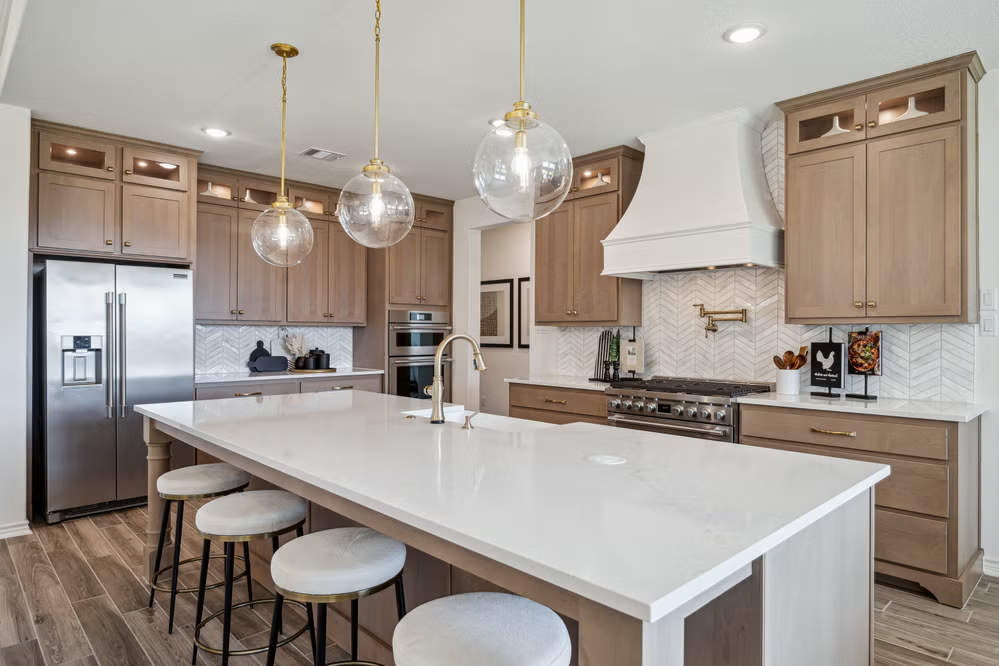
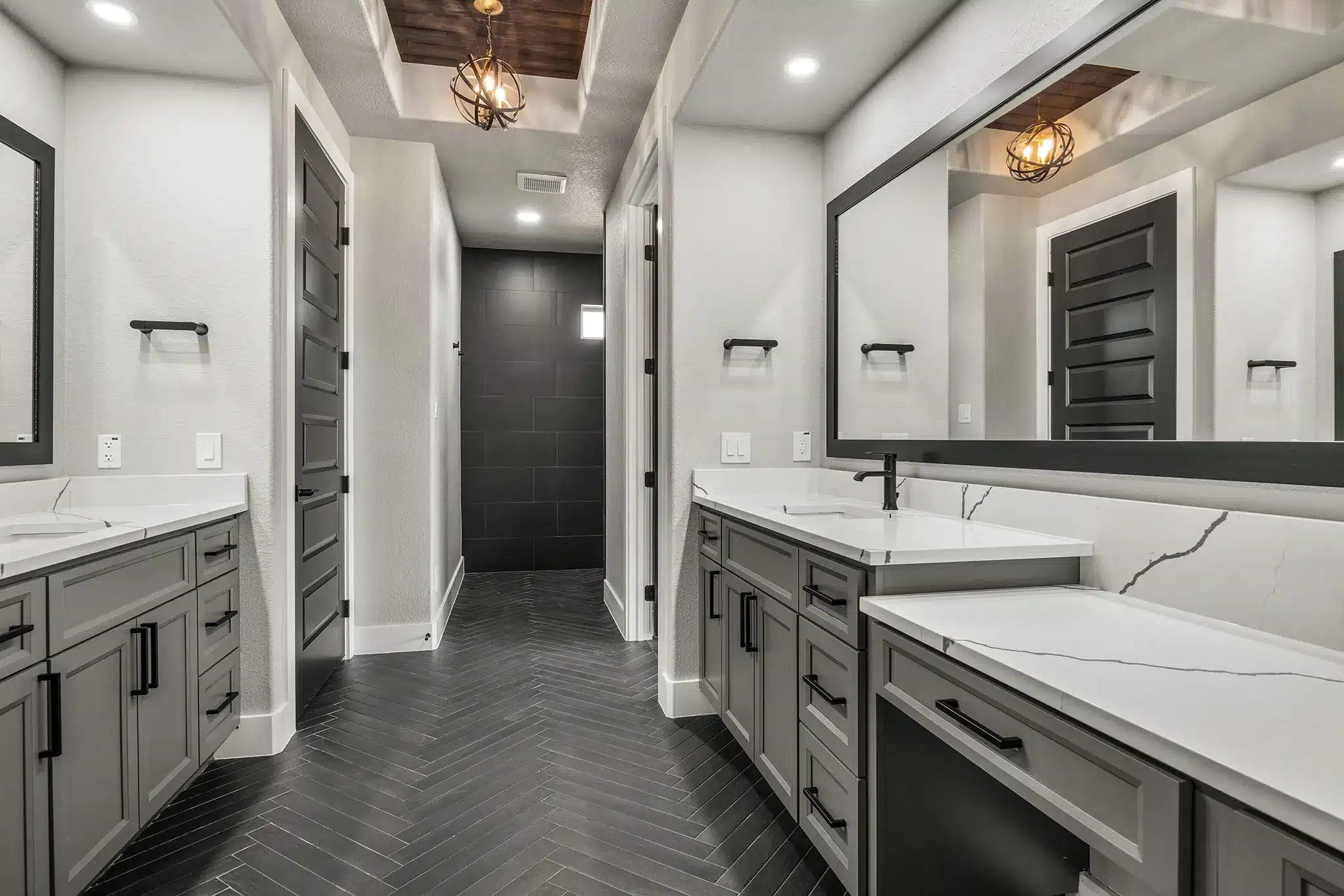
If you are trying to budget for a custom home in McKinney, the honest answer is that the final number depends on the lot, the square footage, the finish level, and how much work is already done before construction starts. In practical terms, many McKinney builds land somewhere in the broad range of about $220 to $400+ per square foot, with the lower end tied to simpler plans and the higher end tied to more detailed architecture, premium materials, and tougher site conditions. That range is only a starting point, though, because land and site prep can move the total as much as any finish upgrade.
McKinney has an active construction market and strong new-development activity, which means buyers often compare builder pricing against lot availability, utility access, and neighborhood rules at the same time. The local planning environment matters, and so does regional labor pricing in North Texas. If you want a bigger picture view first, the DFW home building cost guide is the right place to start, and if you already know you want a custom build in town, our McKinney custom home builder page explains how Fin Home approaches local projects.
The short version: McKinney can be a smart place to build, but a realistic budget needs to account for more than framing and finishes. It should include land, grading, utility work, permits, contingency, and the kind of selections you want to live with for years.

What a McKinney custom home usually costs in 2026
A useful way to estimate cost is to think in project tiers rather than one fixed number. A modest custom home with efficient design choices can cost a lot less than a larger home with masonry details, upgraded windows, and a high-end kitchen. In McKinney, the table below gives a simple planning range for a new custom home before you lock in the final lot and site conditions.
| Home type | Approx. size | Typical per-square-foot range | Rough build budget |
|---|---|---|---|
| Entry-level custom | 1,800 sq. ft. | $220-$270 | $396,000-$486,000 |
| Mid-range custom | 2,400 sq. ft. | $250-$325 | $600,000-$780,000 |
| Upper-end custom | 3,000 sq. ft. | $300-$400+ | $900,000-$1,200,000+ |
| Luxury custom | 3,500+ sq. ft. | $375-$500+ | $1,312,500-$1,750,000+ |
Those numbers are planning tools, not bids. The actual quote can rise if the site needs retaining walls, if the lot has drainage issues, or if you choose custom millwork, large spans, or specialty exterior materials. On the other hand, a straightforward floor plan on an easier lot can come in below the midpoint.
A good way to use these ranges is to pair them with your financing target. If your lender preapproves you for a certain total project amount, you can work backward from the estimated build budget and decide how much room you have for land and contingency. That is often the clearest way to avoid disappointment later.
The DFW home building cost guide goes deeper into regional pricing patterns, but McKinney deserves its own budget conversation because lot quality and neighborhood standards can be so different from one project to another. For homeowners comparing different project scopes, it helps to study what is included in the process before you compare bids.

The biggest cost drivers before construction even starts
Before a single wall goes up, several early-stage decisions shape the final budget. In McKinney, these early items are often where cost surprises appear, especially for buyers who are focused only on the house plan.
Land price and lot readiness
The lot is the first major variable. A finished lot in a managed subdivision is often easier to budget because utilities, drainage, and access are already partially addressed. An unimproved or semi-improved tract may look cheaper on paper but require more up-front work.
Common lot-related cost items include:
- survey and title work
- grading and tree clearing
- utility taps and extensions
- driveway approach or access improvements
- drainage and stormwater work
- soil testing and geotechnical review
- retaining walls or slope correction
Site conditions and hidden prep work
A lot can look simple and still need expensive prep once a builder studies it closely. Clay soils, drainage patterns, elevation changes, and utility easements all matter. In North Texas, soil behavior is one of the main reasons two homes with the same floor plan can end up with very different budgets.
Permitting and inspections
McKinney’s permitting process is not the biggest line item in a home budget, but it still affects time and coordination. The City of McKinney’s Construction Updates page shows that the city continues to see active permit and construction activity, which is a reminder that plan review and scheduling are part of the normal build timeline. More activity usually means more need for careful scheduling, not less.
Regional labor and trade pricing
Local labor costs also shape the budget. The U.S. Bureau of Labor Statistics regularly tracks compensation trends in the Dallas-Fort Worth area, and that regional data matters because framing, mechanicals, drywall, flooring, and finish work all depend on trades that are priced in a competitive labor market. The BLS Dallas area compensation cost release is a useful reference for understanding why labor is not a fixed number from one county to the next.
The key takeaway is that early-stage cost drivers are often more influential than cosmetic selections. If the site is expensive, every finish decision sits on top of that base.
What the hard costs usually look like by category
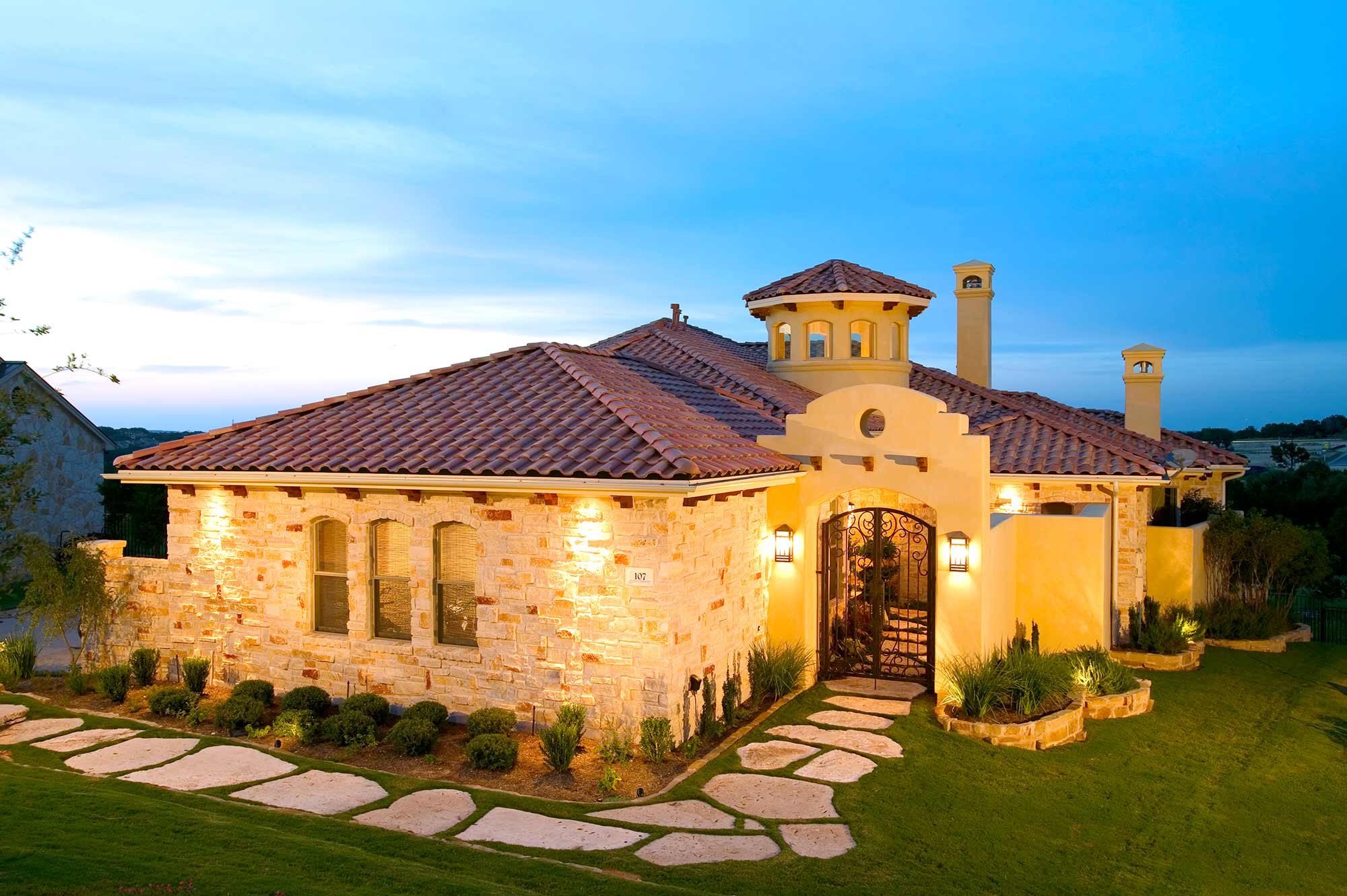
Once land and prep are understood, the construction budget tends to break into the familiar hard-cost buckets: foundation, framing, exterior shell, mechanical systems, insulation, interior finishes, cabinetry, countertops, fixtures, and paint. Each bucket can swing up or down based on scale and quality.
Here is a simplified way to think about the structure of a new custom-home budget:
| Category | Typical share of build cost | What drives it |
|---|---|---|
| Foundation and site work | 10% to 20% | soils, slope, drainage, slab complexity |
| Framing and structural shell | 15% to 25% | size, roofline complexity, structural spans |
| Exterior envelope | 10% to 15% | brick, stone, siding, windows, roofing |
| Mechanical, electrical, plumbing | 15% to 20% | HVAC systems, panel size, plumbing fixture count |
| Interior finishes | 20% to 35% | flooring, trim, paint, tile, cabinets, countertops |
| Fixtures and appliances | 5% to 10% | appliance package, lighting, plumbing fixtures |
This is where McKinney buyers often need to slow down and prioritize. If you want a bigger kitchen, a larger pantry, better windows, and more outdoor living space, those upgrades are all worth planning early because they affect multiple line items at once.
Foundation and site work
In McKinney, foundation work can become expensive if the lot requires more grading or drainage correction. Slab design is tied directly to soil conditions and engineering recommendations. If a lot needs more fill, more excavation, or more water management, the foundation budget will reflect that.
Framing and shell
Framing is heavily affected by the shape of the home. A simple rectangle costs less than a plan with many jogs, large open spans, or complicated roof geometry. The shell includes roofing, windows, and exterior walls, so moving from a basic envelope to a more premium exterior package can add substantial cost.
MEP systems
Mechanical, electrical, and plumbing systems are easy to underestimate because they are mostly behind the walls. But they carry a large share of the budget. Larger homes, zoned HVAC, upgraded electrical service, and higher fixture counts all increase the cost.
Interior finish level
The biggest discretionary cost in many custom homes is the interior finish level. Flooring, cabinets, quartz or stone countertops, designer tile, built-ins, and trim packages can be scaled up gradually, but each upgrade compounds the total. That is why finish selection deserves the same budget attention as the floor plan itself.
At this stage, a lot of buyers revisit the McKinney custom home builder process page to make sure they understand what is included, what is allowance-based, and what may be treated as an upgrade. For broader context on how local pricing compares across nearby cities, the regional guide also remains a helpful benchmark.

How McKinney compares with nearby North Texas markets
McKinney is not the only North Texas city where people are building custom homes, but it often sits in a competitive middle ground. Some nearby cities offer more lot inventory or older neighborhoods with rebuild opportunities, while others command a premium because of school district demand, larger lot sizes, or tighter subdivision standards.
When buyers compare McKinney to nearby markets, they usually compare four things:
- land availability
- site prep difficulty
- permit and utility coordination
- expected resale value after completion
That is why two homeowners with similar budgets may end up in different cities. One family may choose McKinney because it gives them a strong mix of neighborhood quality and access to the broader Collin County market. Another may choose a neighboring city because the lot is already improved.
It can also help to compare McKinney against sibling markets where your builder is active. For example, the pricing logic in Frisco can feel similar in terms of demand, but the lot and neighborhood mix can differ enough to change the bottom line. If you are weighing alternatives, the sibling guides for Frisco and Grand Prairie can give you a clearer comparison point.
The broader market picture is also useful. Census Bureau new residential construction releases show how active the national construction pipeline remains, and that backdrop helps explain why pricing can stay firm even when buyers are cautious. The Census Bureau new residential construction page is a good reference point if you want to see how permit and start data are tracked nationally.
For McKinney, the practical implication is simple: if you find a lot that works, do not assume the next lot will cost the same to build on. Local conditions can shift the total more than many buyers expect.

Permits, timelines, and how long a McKinney build can take
A custom home budget is only part of the story. The other part is time. A fast project and a slow project with the same scope can feel very different financially because carrying costs, temporary housing, interest, and change orders all add pressure.
A typical McKinney custom build often moves through these phases:
- lot evaluation and feasibility review
- plan selection and scope definition
- design development and pricing revisions
- permit submission and review
- site prep and foundation work
- framing and dry-in
- rough-in of mechanical systems
- insulation, drywall, and interior finishes
- final inspections and punch list
The total timeline can vary significantly. A straightforward build on a ready lot might move more quickly, while a complex design or slow approval cycle can stretch the schedule. It is also common for builders to keep a contingency window in the schedule for weather delays, product lead times, and inspection sequencing.
The City of McKinney’s local construction activity underscores why timeline discipline matters. The city is active enough that permits, inspections, and contractor scheduling need to be managed carefully, especially in a market where multiple trades may be working across the metroplex at once. That is one reason the Construction Updates page is worth checking when you want to understand local development momentum.
Why permit timing changes the budget
Permit timing does not just affect dates on a calendar. It can alter holding costs, interest expense, and the way a builder sequences purchases. If one material is ordered early to protect the schedule, that can affect cash flow. If a permit is delayed, the whole project can shift.
Why lender draws matter
Many custom homes are financed in stages. That means inspection milestones, draw requests, and completion timing all matter to the budget. A small delay can turn into a carry-cost issue if the construction loan is already active.
For many homeowners, the safest approach is to budget with a schedule buffer, then treat any faster completion as a bonus rather than a promise.
Budgeting for upgrades without losing control of the total
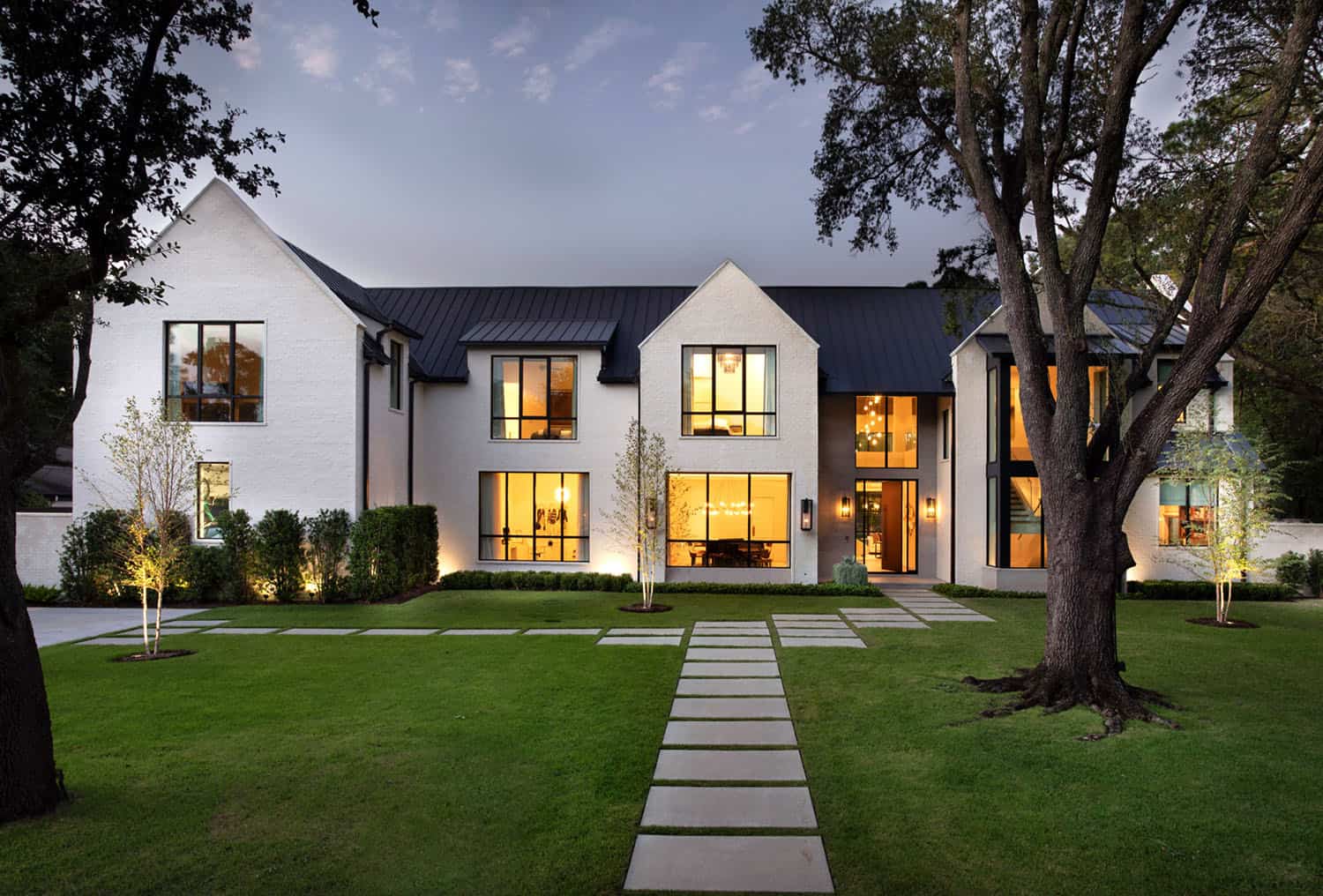
Upgrades are where custom home budgets can get away from people. That does not mean upgrades are bad. It means they need a structure.
A good upgrade plan usually separates wants into three groups:
Must-haves
These are features that would be expensive or disruptive to add later, such as:
- a larger primary suite
- a better kitchen layout
- more electrical capacity
- additional insulation or energy improvements
- a larger garage or storage area
Nice-to-haves
These are upgrades that improve the home but are easier to defer if needed:
- decorative ceiling details
- upgraded lighting packages
- custom shelving
- premium tile patterns
- extended patio finishes
Later-phase items
These are items you can add after occupancy without affecting the core build:
- some landscaping
- decorative exterior features
- certain smart-home accessories
- nonessential furniture or window treatments
The reason this matters is that custom homes do not usually blow the budget from one giant item. They tend to grow in many small steps. A better fixture here, a larger window there, and an upgraded counter package can add up faster than people expect.
A disciplined budget also includes contingency. For a McKinney custom home, a sensible contingency range is often 5% to 10% of hard construction cost, and sometimes more if the lot is uncertain. That reserve helps absorb surprises without forcing rushed decisions.
If you are unsure where to start, the McKinney custom home builder page can help you think through the process from scope definition to final selections. And if you want to calibrate whether your expectations are close to other DFW markets, the regional guide gives you a broader frame of reference.

A practical McKinney cost checklist for buyers
Before you request pricing from a builder, it helps to gather the information that most affects the estimate. The better the inputs, the more useful the quote.
Use this checklist when you are preparing your McKinney home budget:
| Item | Why it matters |
|---|---|
| Lot address or legal description | determines zoning, setbacks, utilities, and site conditions |
| Survey or plat | clarifies boundaries and easements |
| Desired square footage | sets the baseline for framing, MEP, and finish counts |
| Bedroom and bath count | influences plumbing, fixtures, and space planning |
| Garage size | affects slab, framing, and exterior massing |
| Finish level | major driver of cabinetry, flooring, tile, and fixtures |
| Desired timeline | affects sequencing and carrying costs |
| Financing plan | determines draw structure and contingency needs |
| HOA or subdivision rules | can restrict materials, colors, and exterior design |
| Outdoor living scope | patio, porch, and outdoor kitchens can change budget fast |
A clear checklist makes it easier to compare builder quotes apples to apples. It also helps you see where one proposal might be generous on allowances while another is more bare-bones.
Questions to ask before signing
Ask any builder how they handle the following:
- allowances for flooring, cabinets, fixtures, and appliances
- change-order pricing
- engineering or survey changes
- who is responsible for utility tie-ins
- whether the estimate assumes a ready lot or additional site work
- what contingency is built into the number
These are not small details. In many cases, they are the difference between a comfortable build and a stressful one.
If you want to compare McKinney to nearby project profiles, the sibling cost guides for Frisco and Grand Prairie are useful because they show how geography and lot context can influence the total, even when the home style is similar.

Final thoughts on building a house in McKinney
So, how much does it cost to build a house in McKinney? For most buyers, the real answer is that a well-planned custom home usually starts in the high five-figure lot-adjusted planning stage and quickly moves into the mid-six-figure or higher range once construction scope, site work, and finishes are included. A smaller, simpler home on a ready lot can stay near the lower end of the spectrum, but a larger or more detailed custom home can climb much higher.
McKinney is a strong market for buyers who want a custom home in North Texas, but the best results come from planning around the lot first, then the house, then the finishes. That order keeps the budget grounded in reality. It also makes it easier to compare bids and avoid late-stage surprises.
If you are ready to move from rough estimates to a real project conversation, our McKinney custom home builder page is the natural next step. And if you want to keep comparing the broader market before you commit, the DFW home building cost guide will help you see how McKinney fits into the regional picture.
Before you finalize your plan, it helps to confirm the lot condition, the allowances, and the finish level in writing. That step alone can prevent a lot of budget drift later, especially when plans evolve during design or when a site reveals more grading work than expected. A clear scope is the best way to protect both the timeline and the total investment.
Fin Home can help you think through the tradeoffs between land, design, budget, and timeline so you can build with fewer surprises and more confidence.