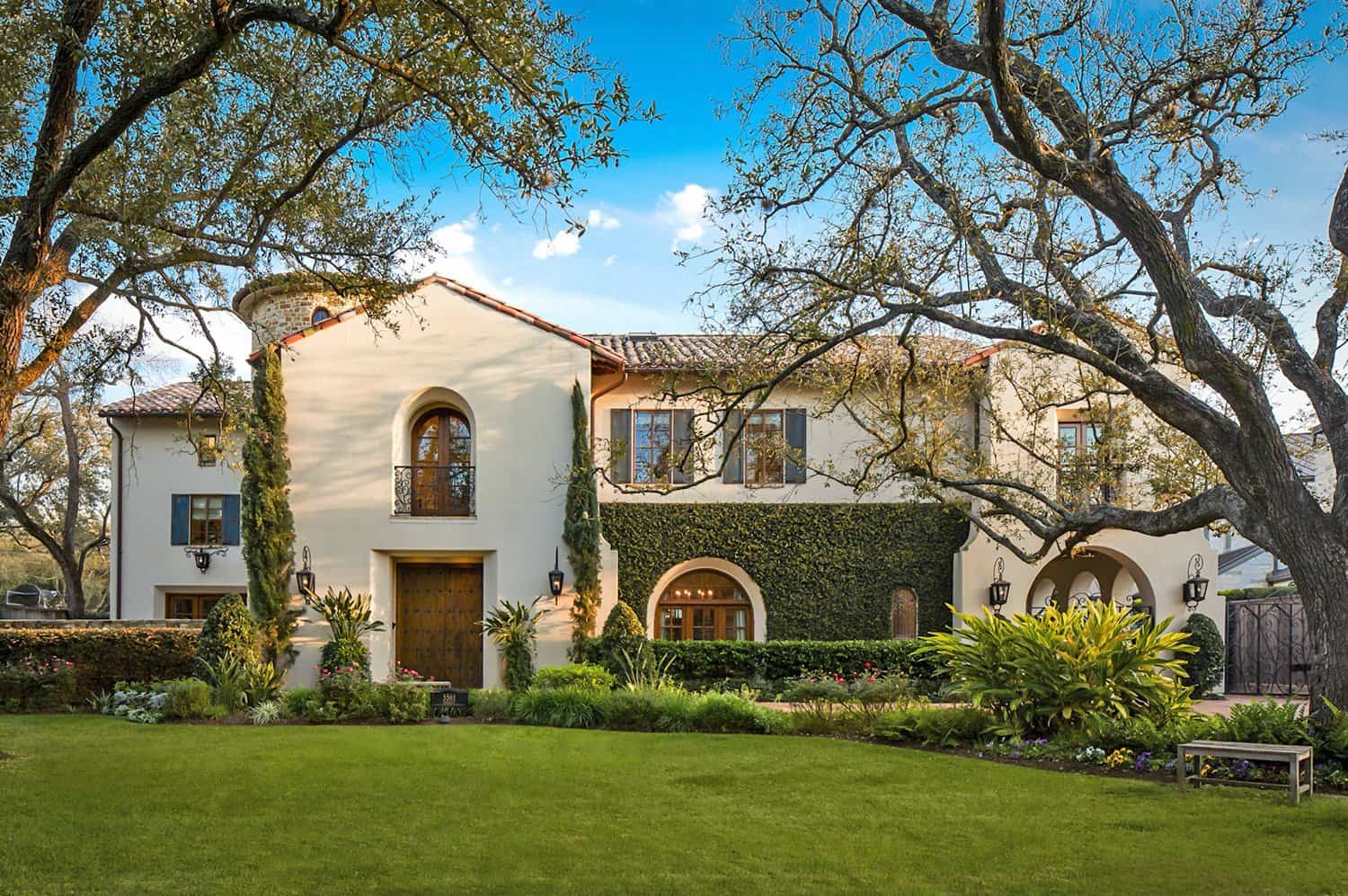
Luxury in Dallas-Fort Worth is not defined by a single number. It is defined by a shift in decisions.
At the entry level, a custom home may focus on size, basic upgrades, and neighborhood location. As budgets rise, the conversation changes. Materials become curated. Design becomes intentional. Every detail begins to carry weight. The result is a home that feels fundamentally different, even when square footage is similar.
Across North Texas, that shift typically begins somewhere between $800,000 and $1,000,000. Below that range, most builds fall into semi-custom territory. Above it, projects start to incorporate architectural design, higher-end materials, and fully tailored layouts. In high-demand areas like Frisco, Prosper, and Southlake, even entry-level custom homes can approach or exceed this threshold due to land prices alone, as reflected in regional housing data from the Texas A&M Real Estate Research Center.
This is where many homeowners misread the market.
Two homes can share the same square footage and still differ in cost by hundreds of thousands of dollars. The difference comes down to what is inside the walls, how the home is designed, and the level of customization involved. According to construction cost breakdowns from the National Association of Home Builders, materials, labor complexity, and design choices consistently account for the largest share of total home cost, and those factors scale quickly in higher-end builds.
Luxury is not a category you step into. It is a result of accumulated decisions.
A larger footprint does increase cost, but it rarely explains the jump from a $600,000 build to a $1.5 million home. That jump is driven by choices: custom cabinetry instead of stock, natural stone instead of engineered surfaces, steel-framed windows instead of standard vinyl, and architect-led design instead of builder templates.
In DFW, those decisions are amplified by local conditions. Rapid population growth, strong demand for new construction, and rising labor costs have all contributed to higher building costs across the region. As noted in housing and construction trend data from the U.S. Census Bureau, fast-growing metro areas like Dallas-Fort Worth tend to see sustained pressure on both land and construction pricing.
Understanding luxury home cost requires stepping away from averages and focusing on drivers.
This guide breaks down exactly how those drivers work in DFW. From $500K builds to $1M+ custom homes, from material upgrades to architectural complexity, each section isolates the decisions that move a project from standard to high-end.
By the end, the numbers will make sense. More importantly, the tradeoffs will be clear.

$500K vs $1M+ Builds
In Dallas-Fort Worth, the difference between a $500K build and a $1M+ build is not incremental. It reflects a transition in how the home is designed, built, and finished.
At lower price points, construction tends to follow established systems. Builders rely on repeatable layouts, standardized materials, and predictable workflows. As budgets move past the $1M range, those constraints begin to disappear. Homes become more individualized, and cost begins to scale based on customization rather than size alone.
According to construction cost data and methodology from the National Association of Home Builders, the largest drivers of cost are materials, labor, and overhead. As each of those variables becomes more complex, total project cost accelerates.
Cost Per Square Foot Across Tiers
A useful way to understand this shift is through cost per square foot, which increases alongside design complexity and material quality.
| Build Tier | Typical Cost per Sq Ft (DFW) | Total Cost Example (3,000 sq ft) |
|---|---|---|
| Entry Custom | $180 – $250 | $540K – $750K |
| Mid-Level Custom | $250 – $325 | $750K – $975K |
| Luxury Custom | $325 – $500+ | $975K – $1.5M+ |
These ranges align with broader construction pricing trends tracked across the U.S., where higher-end homes consistently show elevated per-square-foot costs due to customization and material selection, as outlined in national housing data from the U.S. Census Bureau’s construction surveys.
What $500K Typically Gets You
At the $500K range in DFW, most homes fall into semi-custom or entry-level custom categories. These homes can still be high quality, though they are built within a more controlled framework.
Typical characteristics include:
- Pre-designed or lightly modified floor plans
- Standard ceiling heights (8 to 10 feet)
- Semi-custom cabinetry and common finish selections
- Engineered stone countertops and mid-range appliances
- Simplified rooflines and structural layouts
These homes benefit from efficiency. Repetition in design and construction reduces labor hours, minimizes waste, and keeps costs within a tighter range.
What Changes at $1M+
As budgets approach and exceed $1M, the structure of the project changes.
Design is often led by an architect or design-build team rather than driven by builder templates. Materials are selected individually instead of chosen from preset packages. Structural decisions become more complex, and labor shifts toward specialized trades.
Typical characteristics at this level include:
- Fully custom floor plans tailored to the lot and homeowner
- Taller ceilings, larger openings, and expanded glass features
- Custom cabinetry, millwork, and built-ins
- High-end appliances and integrated systems
- More complex rooflines, elevations, and exterior materials
The jump to $1M+ introduces a different category of construction, where each decision carries both design and cost implications.
Side-by-Side Feature Comparison
| Feature | ~$500K Build | $1M+ Build |
|---|---|---|
| Floor Plan | Pre-designed / modified | Fully custom |
| Cabinetry | Semi-custom | Fully custom |
| Countertops | Quartz / granite | Quartzite / marble / premium slabs |
| Appliances | Standard packages | Luxury brands and integrated systems |
| Ceiling Heights | 8 – 10 ft | 10 – 14 ft+ |
| Windows | Standard sizes | Large-format / custom systems |
| Exterior | Brick / siding | Stone, stucco, mixed materials |
Why Costs Scale Faster Than Expected
The increase from $500K to $1M+ is not driven by a single upgrade. It is the accumulation of many smaller decisions that compound.
Higher-end materials often require more precise installation. Custom designs reduce construction efficiency. Larger spans and open layouts introduce structural requirements that increase both engineering and labor costs.
Research on construction productivity from sources like the Bureau of Labor Statistics shows that specialized labor and custom work reduce efficiency compared to standardized building processes, which contributes to higher overall project costs.
One insight becomes clear as projects scale upward: cost increases are tied more closely to complexity than to square footage.

High-End Materials and Features
As home budgets move into luxury territory, materials and features begin to dominate the cost structure. These choices carry both aesthetic and structural implications, shaping how the home looks, performs, and ages over time.
In residential construction data published by the National Association of Home Builders, finish materials and specialty features consistently represent one of the largest and fastest-growing portions of total project cost. In higher-end builds, this category expands significantly due to customization, sourcing, and installation complexity.
Materials That Define a Luxury Home
Luxury homes are often distinguished by the quality, rarity, and installation requirements of the materials used.
Common upgrades include:
- Natural stone surfaces such as marble, quartzite, and limestone
- Wide-plank hardwood flooring, often 7-10 inches or wider
- Custom cabinetry and millwork, built specifically for the space
- Steel or aluminum window systems for larger openings and thinner frames
- Solid-core doors and specialty trim profiles
Each of these materials introduces additional cost layers. Natural stone requires quarrying, transport, fabrication, and careful installation. Custom woodwork involves design, shop labor, finishing, and precise on-site fitting.
According to building material analysis from the U.S. Geological Survey, natural stone and specialty materials involve more intensive extraction and processing, which contributes to higher costs compared to manufactured alternatives.
Interior Features That Increase Cost
Beyond base materials, interior features significantly influence total cost by adding layers of systems, finishes, and labor.
Typical high-end interior features include:
- Chef-grade kitchens with professional appliance packages
- Spa-style bathrooms with large walk-in showers and freestanding tubs
- Integrated lighting systems, including recessed, accent, and architectural lighting
- Whole-home automation systems for lighting, climate, and security
These features require coordination across multiple trades. Electrical, plumbing, and finish work must align precisely, increasing both labor hours and project management complexity.
Exterior and Lifestyle Features
Luxury homes extend beyond interior finishes. Exterior features often represent a substantial portion of the total budget.
Common additions include:
- Outdoor kitchens and covered living areas
- Pools, spas, and water features
- Extensive landscaping and irrigation systems
- Custom driveways, gates, and site features
Outdoor construction costs are influenced by site conditions, drainage requirements, and local climate considerations. Guidance from the Environmental Protection Agency highlights how landscape design, irrigation, and material selection can significantly impact both upfront costs and long-term maintenance.
Cost Impact of Common Luxury Upgrades
| Upgrade | Typical Cost Impact (DFW) |
|---|---|
| Custom cabinetry | $20K – $80K+ |
| Natural stone countertops | $5K – $25K+ |
| Luxury appliance package | $10K – $40K+ |
| Wide-plank hardwood flooring | $15K – $60K+ |
| Smart home systems | $5K – $20K+ |
| Outdoor living space | $20K – $150K+ |
These ranges vary widely depending on home size, material selection, and installation complexity. Even within a single category, choices can shift costs dramatically.
Why Materials Drive Disproportionate Cost
Material upgrades influence more than the price of the material itself. They affect labor, timelines, and coordination across the entire project.
For example, installing large-format stone slabs requires specialized fabrication, careful transport, and skilled installation crews. Custom cabinetry involves design iterations, production time, and detailed installation. High-end window systems often require structural adjustments to accommodate larger openings.
In luxury construction, materials act as multipliers. Each upgrade introduces additional labor, precision, and coordination requirements that expand total cost.
Industry studies such as the Remodeling Magazine Cost vs Value Report consistently show that higher-end materials increase project costs at a faster rate than basic upgrades, largely due to these compounded factors.
As a result, two homes with similar layouts can diverge significantly in price based solely on material and feature selections.

Architectural Complexity
As budgets rise into the luxury range, architectural complexity becomes one of the most powerful cost drivers. The structure of the home itself begins to change, and those changes affect engineering, labor, materials, and timelines all at once.
In residential construction standards outlined by the International Code Council, every home must maintain structural load paths, lateral stability, and code-compliant framing systems. As designs move beyond simple layouts, meeting those requirements becomes more involved, which directly increases cost.
From Simple Layouts to Custom Architecture
At lower price points, homes are typically built using efficient, repeatable shapes. Rectangular footprints, consistent rooflines, and standard ceiling heights allow builders to streamline framing and reduce waste.
Luxury homes move in a different direction. Layouts become more dynamic, often designed around the lot, views, and lifestyle rather than construction efficiency.
Common architectural upgrades include:
- Multi-level floor plans with varying elevations
- Open-concept layouts with fewer structural walls
- Complex rooflines with multiple pitches and intersections
- Expansive glass openings and sliding wall systems
Each of these elements introduces additional structural considerations. Larger spans require engineered beams. Open layouts shift loads into fewer support points. Complex roof systems increase framing time and material usage.
Design Features That Increase Structural Demands
Certain architectural features consistently increase cost because they require specialized engineering and installation.
| Design Feature | Structural Impact | Cost Effect |
|---|---|---|
| Vaulted ceilings | Increased roof load transfer | +5% – 15% |
| Large glass walls | Reduced shear capacity, added reinforcement | +10% – 25% |
| Cantilevers | Complex load distribution | +10% – 20% |
| Multi-story openings | Requires engineered beams and supports | +10% – 20% |
| Irregular layouts | Reduces framing efficiency | +5% – 15% |
These features often require collaboration between architects, structural engineers, and builders. The design must be translated into a buildable system that meets code while maintaining the intended aesthetic.
Guidelines from structural engineering resources such as the American Wood Council emphasize that non-standard framing conditions require precise calculations for load distribution, which adds both design time and construction cost.
Engineering and Load Path Considerations
Every home relies on a continuous path that transfers weight from the roof to the foundation. As architectural complexity increases, maintaining that path becomes more challenging.
For example:
- Removing interior walls shifts loads to beams and columns
- Increasing ceiling heights raises structural demands on framing
- Adding large openings reduces the number of load-bearing elements
These changes require engineered solutions. Beams must be sized correctly. Connections must handle both vertical and lateral forces. Foundations may need reinforcement to support concentrated loads.
According to structural guidance from the Federal Emergency Management Agency, proper load path design is critical for both safety and durability, particularly in regions exposed to wind and soil movement.
Labor and Build Complexity
Architectural complexity affects how the home is built, not just how it is designed.
Simple homes allow crews to work quickly using predictable patterns. Complex homes slow that process down. Each unique condition requires adjustments, measurements, and coordination between trades.
Examples of how complexity impacts labor:
- Framing crews spend more time on custom rooflines and intersections
- Window and door installations require precise alignment for large openings
- Finish trades must adapt to non-standard dimensions and details
Research on construction productivity from the Bureau of Labor Statistics shows that specialized and non-repetitive work reduces efficiency, which increases labor costs across the project.
Architectural complexity compounds cost because it reduces efficiency at every stage of construction, from design through final finishes.
Why Complexity Scales Faster Than Size
Increasing square footage adds cost in a relatively predictable way. Increasing complexity introduces variables that affect multiple systems simultaneously.
A larger rectangular home may require more materials, but it benefits from repetition. A smaller home with custom architecture can require more engineering, more labor hours, and more coordination.
One insight becomes clear when comparing projects: complexity changes how the entire house is built, while size changes how much of it is built.

Custom vs Production Builders
The type of builder you choose has a direct impact on cost, flexibility, and how the entire project unfolds. In DFW, the gap between production and fully custom builders is wide, and understanding that gap is essential when evaluating luxury home pricing.
Across the U.S., builder categories are generally defined by level of standardization and customization. Industry data from the National Association of Home Builders shows that production builders achieve lower costs through scale and repetition, while custom builders operate with higher variability in both pricing and process.
Builder Types Explained
Most homes fall into one of three categories:
- Production builders build large volumes of homes using fixed floor plans and limited options
- Semi-custom builders allow some modifications within a defined system
- Fully custom builders design and construct homes from scratch based on client preferences
Each category operates under a different cost structure and level of control.
Cost Differences by Builder Type
| Builder Type | Typical Cost per Sq Ft (DFW) | Level of Customization |
|---|---|---|
| Production | $120 – $180 | Low |
| Semi-Custom | $180 – $250 | Moderate |
| Fully Custom | $250 – $500+ | High |
These ranges reflect broader construction pricing patterns where increased customization leads to higher labor input, longer timelines, and more specialized materials.
What Production Builders Optimize For
Production builders focus on efficiency. They build the same plans repeatedly, often in large communities, which allows them to:
- Purchase materials in bulk
- Use standardized construction methods
- Minimize design and engineering time
- Streamline labor across multiple homes
This approach reduces cost per home. Data from housing construction surveys by the U.S. Census Bureau shows that large-scale builders benefit from economies of scale that smaller or custom operations cannot replicate.
However, that efficiency comes with limitations. Floor plans, elevations, and finishes are selected from pre-set options, and structural changes are typically restricted.
What Changes with Custom Builders
Fully custom builders operate in a different environment. Every home is treated as a unique project, which introduces more variables at every stage.
Key differences include:
- Design flexibility – floor plans are created from scratch or heavily customized
- Material selection – homeowners can source specific materials rather than choosing from packages
- Construction approach – each project may require different trades, techniques, and sequencing
This level of flexibility increases both cost and complexity. Projects require more coordination between architects, engineers, and subcontractors, and timelines are often longer.
Custom building shifts the process from repetition to problem-solving, where each decision influences both design and cost.
Cost Tradeoffs: Control vs Predictability
Choosing between builder types often comes down to how much control the homeowner wants over the final product.
| Factor | Production Builder | Custom Builder |
|---|---|---|
| Design control | Limited | Full |
| Cost predictability | High | Variable |
| Build timeline | Faster | Longer |
| Material flexibility | Restricted | Open |
| Engineering complexity | Lower | Higher |
Production builders provide a more predictable path with fewer variables. Custom builders provide greater control, with costs that reflect the uniqueness of each decision.
Why Builder Choice Impacts Total Cost
The builder determines how the home is executed. Even with similar materials and square footage, two projects can differ significantly based on how they are managed and constructed.
Custom projects involve:
- More design iterations
- Increased coordination across trades
- Greater likelihood of change orders
- Higher demand for skilled labor
Labor market data from the Bureau of Labor Statistics highlights how specialized construction roles command higher wages, which contributes to increased costs in custom projects where those roles are used more frequently.
One pattern becomes clear across DFW builds: the move toward a fully custom builder increases both the level of control and the number of variables influencing the final price.

Real Examples
Understanding luxury home cost becomes much clearer when you see how real projects come together. In DFW, similar square footage can produce very different total costs depending on land, materials, and design decisions.
Housing and construction data from the U.S. Census Bureau shows consistent variation in total project cost even within the same size range, largely driven by customization and regional land values. These examples reflect how those variables play out in practice.
Example 1: $600K Semi-Custom Home in a DFW Suburb
This type of build is common in growing suburban areas where land is still attainable and builders operate with semi-custom systems.
Project overview:
- Size: ~2,500 sq ft
- Cost per sq ft: ~$200 – $240
- Total build cost: ~$500K – $600K
- Lot: Subdivision or smaller infill lot
Typical features:
- Modified builder floor plan
- Standard ceiling heights (9 – 10 ft)
- Semi-custom cabinetry and mid-range finishes
- Quartz countertops and standard appliance package
- Brick exterior with limited material variation
Cost breakdown:
| Category | Estimated Cost |
|---|---|
| Land | $80K – $150K |
| Construction | $400K – $500K |
| Finishes & upgrades | $40K – $80K |
This category benefits from efficiency. Builders use repeatable systems, which helps control labor and material costs.
Example 2: $1.1M Fully Custom Home
At this level, the project begins to reflect architectural intent and individualized design choices.
Project overview:
- Size: ~3,500 sq ft
- Cost per sq ft: ~$300 – $350
- Total project cost: ~$1M – $1.2M
- Lot: Larger suburban lot or premium neighborhood
Typical features:
- Custom-designed floor plan
- 10 – 12 ft ceilings with larger window openings
- Custom cabinetry and upgraded millwork
- High-end appliance package
- Mixed exterior materials (brick, stone, stucco)
Cost breakdown:
| Category | Estimated Cost |
|---|---|
| Land | $150K – $300K |
| Construction | $750K – $900K |
| Finishes & upgrades | $150K – $250K |
At this level, materials and design begin to play a larger role in total cost. Labor coordination becomes more complex, and timelines often extend.
Example 3: $2M+ Luxury Estate
This tier represents fully custom, high-end construction where both the home and the property contribute significantly to total cost.
Project overview:
- Size: 4,500+ sq ft
- Cost per sq ft: $400 – $600+
- Total project cost: $2M+
- Lot: Premium location, acreage, or high-demand neighborhood
Typical features:
- Architect-led design with unique layout
- Vaulted ceilings, large glass openings, and custom structural elements
- Premium materials throughout (natural stone, hardwood, custom millwork)
- Luxury kitchen and spa-style bathrooms
- Outdoor living spaces, pool, and extensive landscaping
Cost breakdown:
| Category | Estimated Cost |
|---|---|
| Land | $300K – $800K+ |
| Construction | $1.2M – $1.8M+ |
| Finishes & upgrades | $300K – $700K+ |
At this level, site conditions, design complexity, and material selection all contribute heavily to cost. Guidance from the Texas A&M Real Estate Research Center highlights how land value in high-demand DFW areas can represent a substantial portion of total project cost.
Side-by-Side Cost Comparison
| Category | ~$600K Build | ~$1.1M Build | $2M+ Build |
|---|---|---|---|
| Size | ~2,500 sq ft | ~3,500 sq ft | 4,500+ sq ft |
| Cost per sq ft | $200 – $240 | $300 – $350 | $400 – $600+ |
| Land | $80K – $150K | $150K – $300K | $300K – $800K+ |
| Construction | $400K – $500K | $750K – $900K | $1.2M – $1.8M+ |
| Finishes | $40K – $80K | $150K – $250K | $300K – $700K+ |
Key Insight
Luxury home pricing is shaped more by decisions than by dimensions.
Two homes with similar square footage can diverge significantly in total cost based on land selection, architectural complexity, and material choices. Construction trend analysis from the National Association of Home Builders consistently shows that customization and finish level are among the strongest predictors of total project cost.
These examples illustrate a consistent pattern across DFW: as projects move into higher price tiers, variability increases, and the range of possible outcomes expands with each decision.

See the Full Home Building Cost Guide (DFW 2026)
Luxury home pricing only makes sense when viewed within the full spectrum of building costs. The jump from a standard custom home to a high-end build reflects deeper shifts in land, materials, labor, and design complexity that apply across all price ranges.
Across Texas, construction cost patterns remain consistent. Data from the Texas A&M Real Estate Research Center shows that total home cost is driven by three core variables: land price, construction cost, and local demand. Luxury homes amplify each of these variables, though the underlying structure remains the same.
What This Guide Covered
This article focused on how luxury homes in DFW move beyond standard construction:
- How pricing shifts from $500K builds to $1M+ homes
- Why high-end materials and features drive cost increases
- How architectural complexity affects engineering and labor
- The role builder type plays in total project cost
- Real-world examples showing how budgets scale
Each of these factors builds on the same foundation used in all residential construction.
The Bigger Picture: Total Home Cost in DFW
To understand where luxury fits, it helps to zoom out and look at how full project costs are structured.
| Cost Component | Typical Share of Total Cost |
|---|---|
| Land | 15% – 40% |
| Construction | 50% – 70% |
| Permits, fees, site work | 10% – 20% |
These proportions vary depending on location and project type. In high-demand DFW suburbs, land can represent a larger share of total cost, while rural builds may allocate more toward construction and site development.
Construction cost breakdowns published by the National Association of Home Builders show that materials and labor make up the majority of construction expenses, with labor often accounting for a significant portion due to skilled trade requirements.
Why Full-Scope Planning Matters
Luxury projects introduce more variables, which makes accurate budgeting more dependent on full-scope planning.
Important factors include:
- Land acquisition and site preparation
- Utility connections and infrastructure
- Permit and regulatory requirements
- Financing costs and build timeline
Guidance from the Consumer Financial Protection Bureau explains that construction financing, staged draws, and interest during the build can all affect total project cost, especially for longer or more complex builds.
A clear budget comes from understanding the entire project, not just the construction price.
How to Use This Information
Before starting a custom home project in DFW, the most effective approach is to define the variables that matter most:
- Target total budget range
- Desired level of customization
- Preferred location and land type
- Priority features versus optional upgrades
Each decision affects multiple cost categories at once. A larger lot may increase land cost while reducing density. Higher-end materials may require specialized labor. More complex designs may extend timelines and financing costs.
Final Direction
Luxury construction represents the upper edge of a broader cost spectrum. The same principles apply at every level, though the impact of each decision becomes more pronounced as projects scale.
For a complete understanding of how all cost components interact across different price ranges, reviewing a full DFW home building cost breakdown provides the context needed to plan accurately and avoid surprises.