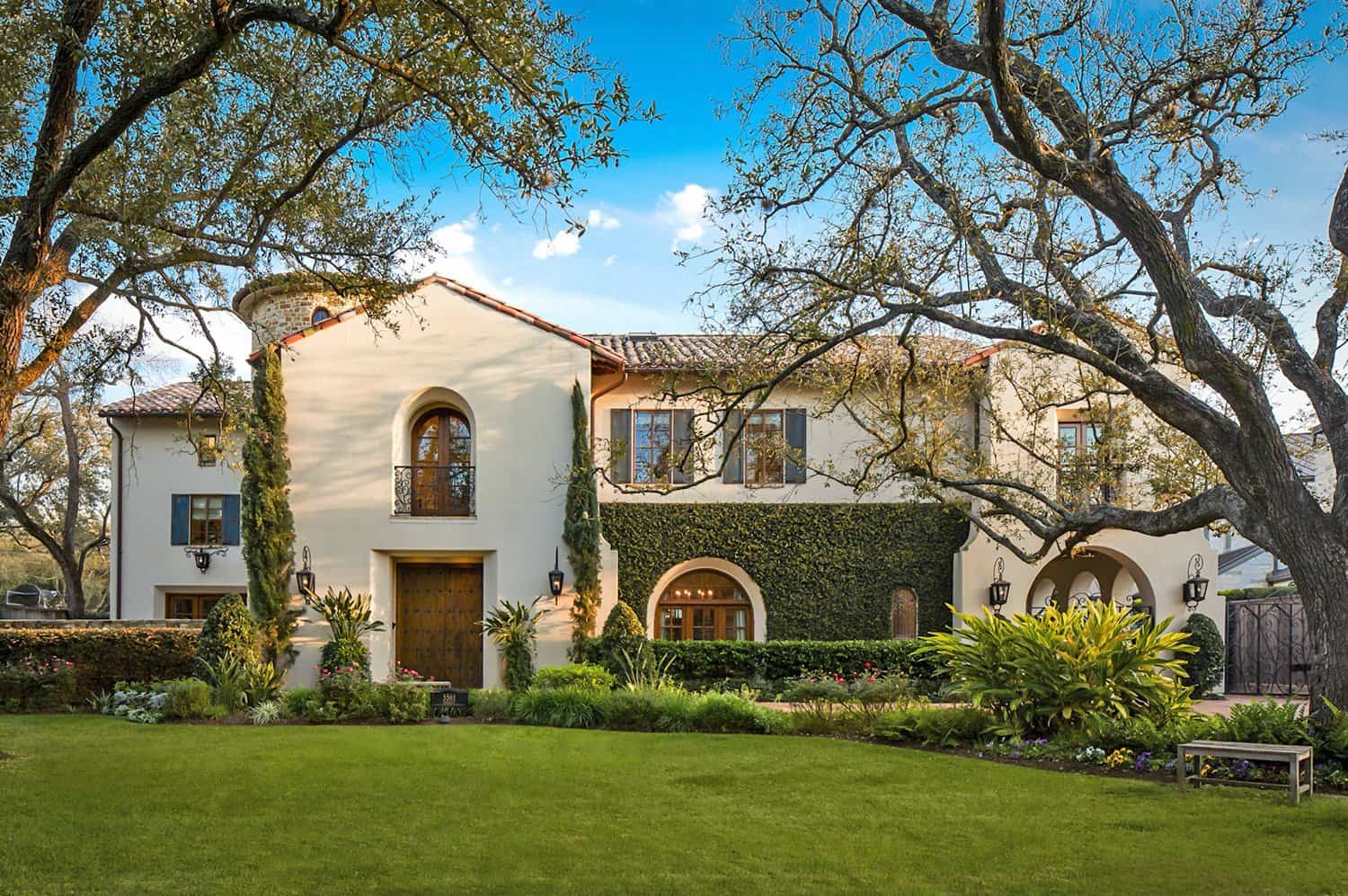
Foundation Cost in DFW
The foundation is the single most structurally critical phase of a home build. Everything that follows – framing, roofing, finishes – depends on how well this phase is executed. In Dallas-Fort Worth, foundation costs carry even more weight because of the region’s expansive clay soil, which expands and contracts with moisture changes and places constant stress on structures.
According to geotechnical guidance from the Texas A&M AgriLife Extension, North Texas soils can shift significantly throughout the year, which is why foundations in this region are engineered more aggressively than in many other parts of the country.
What a Foundation Includes
A typical residential foundation in DFW involves far more than just pouring concrete. It is a multi-step process that includes:
- Site clearing and rough grading
- Soil testing and engineering
- Excavation and trenching
- Formwork and reinforcement installation
- Plumbing rough-in beneath the slab
- Concrete pour and finishing
- Curing and inspection
Most homes in DFW use slab-on-grade foundations, often reinforced with post-tension cables to handle soil movement. Pier-and-beam foundations are less common but still used in specific cases, especially for custom builds or sloped lots.
“In expansive soil regions like North Texas, foundation design is driven as much by soil behavior as by structural load.”
Average Foundation Cost in DFW
Foundation costs vary based on soil conditions, engineering requirements, and home size, but most projects fall within a predictable range.
| Foundation Type | Cost per Sq Ft | Total Cost (2,500 sq ft home) |
|---|---|---|
| Standard slab-on-grade | $8 – $15 | $20,000 – $37,500 |
| Post-tension slab | $12 – $20 | $30,000 – $50,000 |
| Pier and beam | $15 – $30+ | $40,000 – $75,000+ |
These numbers include labor, materials, and basic site preparation, though more complex lots can push costs higher.
Across most custom home builds in DFW, the foundation typically represents 8% to 12% of the total construction cost, aligning with national construction cost distributions reported by the National Association of Home Builders.
Why Foundations Cost More in North Texas
The biggest cost driver in DFW is soil movement. Expansive clay soils absorb water during wet periods and shrink during droughts, creating constant pressure on foundations.
To account for this, builders often use:
- Post-tension cable systems to reinforce slabs
- Deeper footings and grade beams to distribute loads
- Soil conditioning or moisture barriers to stabilize the ground
Engineering requirements alone can add several thousand dollars to the project, especially if soil tests reveal high movement potential. The Federal Housing Administration foundation guidelines also emphasize soil testing and reinforcement in regions with expansive soils, reinforcing how critical this step is.
Site Preparation and Excavation Costs
Before concrete is ever poured, the land must be prepared. This phase is often underestimated but can significantly affect the foundation budget.
| Site Prep Component | Typical Cost |
|---|---|
| Soil testing | $1,000 – $3,000 |
| Clearing and grading | $5,000 – $15,000 |
| Excavation and trenching | $3,000 – $10,000 |
| Drainage preparation | $2,000 – $8,000 |
Lots with heavy tree coverage, uneven terrain, or poor soil conditions can push total site prep costs well beyond $20,000.
“Foundation costs don’t start with concrete. They start with the land.”
Reinforcement and Structural Requirements
Reinforcement is what separates a basic slab from a long-lasting foundation in DFW.
Most modern foundations include:
- Steel rebar grids for tensile strength
- Post-tension cables for load distribution
- Thickened edges (grade beams) for structural support
- Vapor barriers to prevent moisture intrusion
These elements increase upfront cost but reduce long-term risk. Skipping proper reinforcement often leads to cracking, settlement, and expensive repairs later.
Timeline and Sequencing
The foundation phase typically takes 2 to 4 weeks, depending on weather and site conditions.
- Site prep and excavation
- Formwork and reinforcement installation
- Plumbing rough-in
- Concrete pour
- Curing (7-10 days minimum)
- Inspection and approval
Rain delays are common in North Texas and can extend this timeline, especially during spring and early summer.
Key Cost Drivers
Several variables can quickly shift foundation pricing:
- Soil quality – unstable or highly expansive soil increases engineering requirements
- Home footprint complexity – irregular layouts require more formwork and labor
- Lot conditions – slopes, trees, and drainage issues add prep costs
- Foundation type – pier-and-beam and custom systems cost more than standard slabs
- Engineering specifications – stricter designs increase material and labor costs
In practice, two homes with identical square footage can have dramatically different foundation costs depending on the land they sit on.
The Bigger Picture
The foundation is one of the few phases where cutting costs creates exponential risk. Structural issues that originate here are difficult and expensive to fix later.
That reality shapes how experienced builders approach this phase: over-engineer early, avoid structural problems later, and treat the foundation as the base of the entire investment rather than just another line item in the budget.

Framing Cost (Structure of the Home)
Framing is the phase where a home takes physical shape. Once the foundation is complete, framing builds the structural skeleton – walls, floors, ceilings, and roof systems – that define the layout and carry all structural loads. In Dallas-Fort Worth, framing is one of the largest early-stage expenses and a major determinant of both cost and build speed.
According to structural guidance from the International Code Council, residential framing must follow strict load path requirements to safely transfer weight from the roof through the walls and into the foundation. This engineering reality is what makes framing both labor-intensive and highly material-dependent.
What Framing Includes
Framing encompasses all structural wood or engineered components that form the home’s core structure:
- Exterior and interior wall framing
- Floor systems (joists or slab integration)
- Roof structure (rafters or trusses)
- Sheathing (OSB or plywood)
- Structural connectors and fasteners
Most homes in DFW use wood framing, with a mix of dimensional lumber and engineered products like LVL beams and roof trusses.
“Framing is where architectural plans become physical reality, and structural integrity is locked in.”
Average Framing Cost in DFW
Framing costs are typically calculated on a per square foot basis, though complexity and material selection can significantly shift pricing.
| Framing Category | Cost per Sq Ft | Total Cost (2,500 sq ft home) |
|---|---|---|
| Basic production framing | $15 – $25 | $37,500 – $62,500 |
| Semi-custom framing | $20 – $35 | $50,000 – $87,500 |
| High-end/custom framing | $35 – $60+ | $87,500 – $150,000+ |
Across most builds, framing accounts for approximately 15% to 20% of total construction cost, making it one of the most expensive structural phases. National construction cost surveys from the National Association of Home Builders consistently show framing and structural shell costs as a major portion of total build budgets.
Labor vs Material Split
Framing is one of the few phases where both labor and materials carry significant weight.
| Cost Component | Typical Share |
|---|---|
| Materials (lumber, trusses, sheathing) | 50% – 60% |
| Labor (carpenters, crews) | 40% – 50% |
Material costs fluctuate heavily based on lumber markets. Over the past several years, lumber price volatility has had a direct impact on framing budgets, as tracked by the U.S. Bureau of Labor Statistics Producer Price Index.
When lumber prices spike, framing costs can increase by tens of thousands of dollars on a single home.
Wall, Floor, and Roof Framing Breakdown
Framing is often discussed as a single phase, but it is made up of multiple structural systems.
| Framing Component | Typical Cost Range |
|---|---|
| Wall framing | $8 – $15 per sq ft |
| Roof framing (trusses or rafters) | $10,000 – $30,000 |
| Floor systems (if applicable) | $5,000 – $20,000 |
| Sheathing and structural panels | $5,000 – $15,000 |
Roof systems vary widely depending on design. Simple rooflines with standard trusses are significantly more cost-efficient than complex designs with multiple pitches, dormers, or vaulted ceilings.
Engineering and Structural Requirements
Framing must comply with structural load calculations, wind resistance standards, and local building codes. In Texas, wind loads and soil movement both influence how structures are designed.
Guidelines from the American Wood Council emphasize continuous load paths, proper fastening schedules, and engineered spans to ensure structural safety.
Key structural elements include:
- Load-bearing walls aligned with foundation supports
- Properly sized beams and headers
- Engineered roof trusses or rafters
- Shear walls for lateral stability
Errors during framing can lead to long-term issues such as sagging floors, cracked drywall, or roof deformation.
Timeline and Build Speed
Framing is one of the fastest phases in the entire construction process, typically completed in 2 to 6 weeks depending on home size and complexity.
The sequence usually follows:
- Floor system (if applicable)
- Wall framing
- Roof framing
- Sheathing installation
- Structural inspection
Once framing is complete, the home reaches a milestone often called “dry-in”, where it begins to resemble its final form.
“A well-executed framing phase accelerates every phase that follows.”
Major Cost Drivers
Several factors can dramatically influence framing costs in DFW:
- Home design complexity – vaulted ceilings, large spans, and custom layouts require more engineering and materials
- Ceiling height – taller walls increase lumber and labor requirements
- Roof complexity – multiple slopes and features increase both material and labor
- Material selection – engineered lumber and specialty beams cost more than standard framing
- Labor availability – skilled framing crews are in high demand in North Texas
A simple rectangular home with a standard roofline is far more cost-efficient to frame than a custom home with multiple elevations and architectural features.
The Bigger Picture
Framing sets the geometry, strength, and flow of the entire home. Every finish, system, and design element depends on the precision established during this phase.
Because framing defines both structure and layout, changes made after this stage become significantly more expensive. Adjustments to wall placement, ceiling height, or roof structure often require rework that affects multiple trades.
In practical terms, framing is where cost efficiency and design ambition meet. Decisions made here ripple through the rest of the build, influencing everything from mechanical system layout to interior finishes.

Roofing and Exterior Costs
Once framing is complete, the build transitions into the exterior phase – the point where the structure is sealed from weather and begins to resemble a finished home. This stage includes roofing, exterior walls, windows, doors, and weatherproofing systems. In Dallas-Fort Worth, this phase plays a critical role due to intense sun exposure, hailstorms, and wide temperature swings.
Building envelope standards outlined by the U.S. Department of Energy emphasize that proper exterior construction directly affects energy efficiency, durability, and long-term maintenance costs. In practice, this phase determines how well a home performs for decades.
What Roofing and Exterior Includes
This phase is broader than most homeowners expect. It includes:
- Roofing materials and installation
- Exterior wall systems (brick, stone, stucco, or siding)
- Windows and exterior doors
- House wrap, flashing, and moisture barriers
- Insulation components tied to the building envelope
Together, these elements form the protective shell of the home, often referred to as the building envelope.
“The exterior phase is where a structure becomes a livable system, capable of resisting water, air, and temperature changes.”
Roofing Cost in DFW
Roofing costs vary widely depending on material selection and roof complexity. In North Texas, durability is especially important due to hail risk and high summer temperatures.
| Roofing Type | Cost per Sq Ft | Total Cost (2,500 sq ft roof) |
|---|---|---|
| Asphalt shingles | $5 – $10 | $12,500 – $25,000 |
| Architectural shingles | $8 – $14 | $20,000 – $35,000 |
| Metal roofing | $12 – $20 | $30,000 – $50,000 |
| Tile or slate | $20 – $40+ | $50,000 – $100,000+ |
Asphalt shingles remain the most common choice due to cost efficiency, though metal and tile roofs are increasingly used in higher-end homes for longevity.
The Insurance Institute for Business & Home Safety highlights that impact-resistant roofing materials can significantly reduce damage from hailstorms, which are frequent in DFW.
Exterior Material Cost Comparison
Exterior walls are one of the most visible and expensive components of the build. Material choice affects both upfront cost and long-term maintenance.
| Exterior Material | Cost per Sq Ft Installed | Typical Total Cost |
|---|---|---|
| Brick veneer | $10 – $20 | $25,000 – $60,000 |
| Stone veneer | $15 – $30 | $40,000 – $80,000+ |
| Stucco | $12 – $25 | $30,000 – $70,000 |
| Fiber cement siding | $8 – $15 | $20,000 – $45,000 |
Brick is especially common in DFW due to its durability and low maintenance. Stone is typically used as an accent or in high-end builds.
Material choice also affects insulation performance. According to the U.S. Environmental Protection Agency ENERGY STAR program, well-sealed exterior walls and materials with proper thermal resistance can significantly reduce energy costs.
Windows and Exterior Doors
Windows and doors are a major cost category within the exterior phase, especially in modern homes with large openings and natural light design.
| Component | Typical Cost Range |
|---|---|
| Standard windows | $300 – $1,000 each |
| High-efficiency windows | $600 – $1,500 each |
| Custom or oversized windows | $1,500 – $5,000+ each |
| Exterior doors | $500 – $3,000+ each |
A typical home may include 15 to 30 windows, making this a significant line item in the budget.
Energy-efficient windows with low-emissivity (Low-E) coatings are commonly used in Texas to reduce heat gain. The National Renewable Energy Laboratory notes that window performance can have a major impact on cooling costs in hot climates like North Texas.
Labor and Installation Complexity
Exterior construction requires multiple specialized trades working in sequence:
- Roofers
- Masons or siding installers
- Window and door installers
- Waterproofing and flashing specialists
Labor costs are influenced by both material type and design complexity.
| Labor Category | Typical Cost |
|---|---|
| Roofing labor | $3 – $7 per sq ft |
| Masonry labor | $10,000 – $30,000+ |
| Siding installation | $8,000 – $25,000 |
| Window installation | $150 – $500 per unit |
Complex designs with multiple elevations, steep roof pitches, or intricate detailing significantly increase labor requirements.
Timeline and Dry-In Phase
The exterior phase typically takes 3 to 8 weeks, depending on material availability and weather conditions.
Key milestones include:
- Roofing installation
- Window and door installation
- Exterior wall construction
- Weatherproofing and sealing
Once these steps are complete, the home reaches the dry-in stage, meaning it is protected from rain and external elements. This allows interior work, such as mechanical systems and insulation, to begin.
“Dry-in marks the transition from structural work to interior systems and finishes.”
Major Cost Drivers
Several factors influence roofing and exterior costs in DFW:
- Material selection – premium materials like stone or tile significantly increase cost
- Roof complexity – multiple slopes, dormers, and steep pitches require more labor
- Window quantity and size – large or custom windows add substantial cost
- Energy efficiency requirements – higher-performance materials increase upfront investment
- Labor intensity – skilled trades are required for installation and detailing
A simple home with a basic roofline and standard materials may stay within moderate cost ranges, while a custom home with complex architecture can see exterior costs increase dramatically.
The Bigger Picture
The roofing and exterior phase determines how well a home withstands the environment over time. This stage influences maintenance costs, energy efficiency, and long-term durability more than almost any other phase.
In DFW, where heat, storms, and soil movement all interact, the exterior shell acts as both protection and performance system. Decisions made here affect everything from utility bills to structural longevity, making this one of the most strategically important investments in the entire build.

Mechanical Systems (HVAC, Plumbing, Electrical)
After the home reaches the dry-in stage, construction shifts into one of the most technical and coordination-heavy phases: mechanical systems. This stage includes HVAC, plumbing, and electrical – the systems that make the home functional, comfortable, and compliant with building codes.
Mechanical work happens behind walls, ceilings, and floors, yet it represents a significant portion of the total budget. According to construction standards outlined by the U.S. Department of Energy, properly designed mechanical systems are essential for efficiency, indoor air quality, and long-term operating costs.
What Mechanical Systems Include
This phase covers all infrastructure that powers and operates the home:
- HVAC (heating, ventilation, and air conditioning)
- Plumbing systems (water supply, drainage, fixtures)
- Electrical systems (wiring, panels, lighting, outlets)
Each system is installed in stages, beginning with rough-in work before drywall, followed by final fixture installation later in the build.
“Mechanical systems are where a house transitions from structure to livable environment.”
Total Mechanical System Cost in DFW
Mechanical systems combined typically represent 20% to 30% of total construction cost, making this one of the largest budget categories.
| System | Cost Range | Typical Cost (2,500 sq ft home) |
|---|---|---|
| HVAC | $10,000 – $25,000 | $12,000 – $20,000 |
| Plumbing | $8,000 – $20,000 | $10,000 – $18,000 |
| Electrical | $10,000 – $30,000 | $12,000 – $25,000 |
| Total Mechanical Systems | $28,000 – $75,000+ | $35,000 – $60,000+ |
These costs vary depending on system complexity, home size, and level of customization.
HVAC System Costs and Design
HVAC is one of the most important systems in North Texas due to extreme summer heat and seasonal temperature swings.
| HVAC Component | Typical Cost |
|---|---|
| Central AC system | $6,000 – $15,000 |
| Furnace or heat pump | $4,000 – $10,000 |
| Ductwork installation | $3,000 – $10,000 |
| Zoned HVAC systems | +$2,000 – $8,000 |
High-efficiency systems with higher SEER ratings cost more upfront but reduce long-term energy consumption. The ENERGY STAR program recommends high-efficiency systems for hot climates like Texas, where cooling costs dominate utility bills.
Zoned systems are increasingly common in larger homes, allowing different areas to be cooled independently, improving both comfort and efficiency.
Plumbing System Costs
Plumbing systems include both the hidden infrastructure and visible fixtures that deliver and remove water throughout the home.
| Plumbing Component | Typical Cost |
|---|---|
| Rough-in plumbing (pipes, drains) | $5,000 – $12,000 |
| Sewer or septic connection | $3,000 – $15,000 |
| Fixtures (sinks, faucets, toilets) | $2,000 – $10,000 |
| Water heater (tank or tankless) | $1,500 – $5,000 |
The complexity of plumbing increases with:
- Number of bathrooms
- Distance between fixtures
- Kitchen and utility layout
- Use of features like freestanding tubs or outdoor kitchens
Guidelines from the International Association of Plumbing and Mechanical Officials emphasize proper venting, drainage slope, and pipe sizing to ensure system performance and code compliance.
Electrical System Costs
Electrical systems power every component of the home, from lighting and appliances to smart home features and HVAC equipment.
| Electrical Component | Typical Cost |
|---|---|
| Wiring and rough-in | $6,000 – $15,000 |
| Electrical panel | $1,500 – $4,000 |
| Lighting fixtures | $2,000 – $10,000 |
| Smart home systems | $1,000 – $8,000+ |
Modern homes require significantly more electrical capacity than older homes due to increased appliance use, home offices, and smart technology.
The National Fire Protection Association publishes the National Electrical Code (NEC), which governs electrical system safety and installation standards across the United States. Compliance with these standards is mandatory and directly affects installation cost.
Labor Intensity and Trade Coordination
Mechanical systems require multiple specialized trades working in coordination:
- HVAC technicians
- Licensed plumbers
- Licensed electricians
| Trade | Typical Hourly Rate (DFW) |
|---|---|
| HVAC technician | $75 – $150 |
| Plumber | $90 – $150 |
| Electrician | $85 – $140 |
These trades must work in a precise sequence during rough-in, often overlapping within tight timelines. Mistakes or delays in one system can impact others, making coordination critical.
“Mechanical systems are installed in layers, and each layer depends on the precision of the one before it.”
Timeline and Installation Phases
Mechanical installation typically spans 3 to 6 weeks, though this can vary based on home size and complexity.
The process generally follows:
- HVAC ductwork installation
- Plumbing rough-in
- Electrical wiring rough-in
- Inspections for each system
- Adjustments before insulation and drywall
After drywall, fixtures and final components are installed in a later phase.
Major Cost Drivers
Several factors influence mechanical system costs in DFW:
- Home size – larger homes require more extensive systems
- System complexity – zoning, smart systems, and custom layouts increase cost
- Fixture count – more bathrooms and appliances increase plumbing and electrical demand
- Energy efficiency requirements – higher-efficiency systems cost more upfront
- Code compliance and inspections – stricter requirements increase labor and materials
A straightforward home with standard systems will fall near the lower end of the range, while a custom home with advanced systems and automation can significantly exceed average costs.
The Bigger Picture
Mechanical systems define how a home performs every day. They control temperature, water flow, lighting, and energy consumption, making them central to both comfort and operating cost.
Unlike visible finishes, these systems are embedded within the structure. Changes or upgrades after installation require opening walls and reworking multiple trades, which increases cost significantly.
In practical terms, mechanical decisions made during construction shape the long-term livability of the home. Efficiency, reliability, and proper installation at this stage determine whether the home feels seamless to live in or constantly requires adjustment and maintenance.

Cost Table by Construction Phase (DFW Breakdown)
By the time a home moves through foundation, framing, exterior, and mechanical systems, a clear pattern emerges: construction costs are distributed across phases in a predictable way. Understanding this distribution is one of the fastest ways to estimate a realistic budget and identify where money is actually being spent.
Industry-wide cost studies from the National Association of Home Builders show that residential construction follows a consistent allocation model, where structural phases and systems dominate early spending, while finishes and interior work make up the later portion.
Full Construction Cost Breakdown by Phase
The table below reflects a typical cost distribution for a custom home build in Dallas-Fort Worth.
| Construction Phase | % of Total Cost | Typical Cost Range (2,500 sq ft home) |
|---|---|---|
| Foundation | 8% – 12% | $25,000 – $50,000 |
| Framing | 15% – 20% | $50,000 – $100,000 |
| Roofing + Exterior | 15% – 25% | $60,000 – $150,000 |
| Mechanical Systems | 20% – 30% | $35,000 – $75,000 |
| Interior Finishes | 20% – 30% | $75,000 – $200,000+ |
| Final Work + Misc. | 5% – 10% | $15,000 – $40,000 |
These ranges vary based on home size, material quality, and design complexity, though the percentage distribution remains relatively stable across most builds.
“Construction costs tend to cluster around structure, systems, and finishes, with each phase building on the last.”
Low-End vs Mid-Range vs High-End Builds
Cost allocation shifts depending on the level of customization. Higher-end homes allocate more budget toward finishes, exterior materials, and system upgrades.
| Build Level | Cost per Sq Ft | Total Cost (2,500 sq ft) | Key Cost Drivers |
|---|---|---|---|
| Entry-level | $120 – $180 | $300,000 – $450,000 | Basic finishes, simple design |
| Mid-range | $180 – $250 | $450,000 – $625,000 | Balanced materials and systems |
| High-end custom | $250 – $400+ | $625,000 – $1M+ | Premium materials, complex design |
In higher-end builds, exterior materials like stone, advanced HVAC systems, and custom framing details increase early-phase costs, while luxury finishes significantly expand later-phase budgets.
Where Most of the Money Goes
Across nearly all builds, three categories dominate spending:
- Framing and structure – defines the physical form and engineering of the home
- Mechanical systems – powers functionality and long-term performance
- Interior finishes – drives aesthetics, usability, and perceived value
Together, these categories typically account for 60% to 75% of total construction cost.
Research from the U.S. Census Bureau’s construction spending data reinforces this distribution, showing that structural components and system installations represent the majority of residential build expenses.
How Costs Scale with Home Size
Larger homes do not scale linearly in cost. While total cost increases, cost per square foot often stabilizes or slightly decreases due to efficiencies in labor and materials.
| Home Size | Cost per Sq Ft | Total Cost |
|---|---|---|
| 1,500 sq ft | $200 – $300 | $300,000 – $450,000 |
| 2,500 sq ft | $180 – $275 | $450,000 – $687,500 |
| 4,000 sq ft | $170 – $260 | $680,000 – $1,040,000 |
This happens because fixed costs such as permitting, site work, and system setup are spread across more square footage.
Example Phase Allocation (Mid-Range Build)
To visualize how costs break down in a realistic scenario, consider a 2,500 sq ft mid-range home at $220 per square foot ($550,000 total build cost).
| Phase | Estimated Cost |
|---|---|
| Foundation | $44,000 |
| Framing | $82,500 |
| Roofing + Exterior | $110,000 |
| Mechanical Systems | $110,000 |
| Interior Finishes | $165,000 |
| Final Work | $38,500 |
This example highlights how quickly costs accumulate once structural and system phases are complete.
“By the time mechanical systems are installed, more than half of the total construction budget has already been committed.”
How Early Decisions Affect Total Cost
Early-phase decisions have a cascading effect on later costs.
- A complex foundation increases framing complexity
- Framing design affects mechanical routing and installation
- Exterior choices impact insulation and energy performance
- Mechanical system layout influences interior finishes
Because each phase builds on the previous one, changes made later in the process tend to be more expensive than decisions made early.
Guidance from the U.S. Department of Housing and Urban Development emphasizes that planning and design decisions made before construction begins have the greatest impact on total project cost and efficiency.
The Bigger Picture
Construction cost distribution reveals a simple pattern: early phases establish structure and systems, while later phases refine livability and aesthetics. Each phase carries its own cost weight, though their impact compounds as the project progresses.
Understanding how these phases fit together allows homeowners to make better decisions about where to invest, where to simplify, and how to align budget with long-term priorities.

See the Full Home Building Cost Guide (DFW 2026)
Understanding foundation, framing, exterior, and mechanical systems gives you a clear view of where the majority of construction dollars are spent. These phases form the structural and functional backbone of the home, and by the time they are complete, a significant portion of the total budget has already been committed.
What remains is where design, personalization, and visible quality come into play.
How These Phases Fit Into the Full Build
Residential construction follows a layered progression. Early phases establish structure and systems, while later phases define how the home looks, feels, and performs day to day.
| Build Stage | What It Covers | Cost Impact |
|---|---|---|
| Structural phases | Foundation + framing | High upfront investment |
| Exterior shell | Roofing, walls, windows | Protects long-term durability |
| Mechanical systems | HVAC, plumbing, electrical | Drives functionality and efficiency |
| Interior phases | Insulation, drywall, finishes | Defines livability and style |
Guidance from the U.S. Department of Energy highlights that decisions made during structural and system phases directly influence energy efficiency, indoor comfort, and operating costs over the life of the home.
“The performance of a home is largely determined before finishes are ever installed.”
Major Cost Drivers Across the Entire Build
When looking at the full picture, several variables consistently shape total construction cost in DFW:
- Land conditions – soil, slope, and site prep requirements
- Home size and layout – square footage and architectural complexity
- Material quality – exterior finishes, roofing, and interior selections
- System performance – HVAC efficiency, insulation, and electrical capacity
- Labor market conditions – demand for skilled trades in North Texas
Research from the National Institute of Building Sciences emphasizes that durability, energy efficiency, and resilience are heavily influenced by early design and system decisions, rather than finish-level upgrades.
Why the Full Cost Picture Matters
Breaking costs down by phase provides clarity, though the most important insight comes from seeing how those phases interact.
A decision in one phase often creates downstream effects:
- Structural complexity influences framing and roofing costs
- Exterior material choices affect insulation and energy performance
- Mechanical system design impacts interior layout and finish costs
This interconnected system is why total build cost can shift quickly, even when individual decisions seem small.
“A home is a system of systems, where each decision influences multiple cost categories.”
Who This Guide Is For
A complete understanding of home building costs is especially valuable for:
- Buyers comparing building vs buying in DFW
- Homeowners planning a custom build
- Investors evaluating project feasibility
- Developers estimating construction budgets
The Federal Housing Administration notes that construction planning and budgeting accuracy are critical to avoiding cost overruns and financing issues, especially in custom home projects.
Moving From Phases to Full Cost Strategy
At this point, you’ve seen how the largest cost categories break down across the build process. The next step is understanding how those pieces come together into a complete budget, including land, soft costs, and real-world scenarios.
That broader view is what allows you to move from rough estimates to confident decision-making.