How Much Does It Cost to Build a House in Weatherford?
Weatherford has a different feel from the more compact, higher-priced inner DFW suburbs, and that difference matters when you are planning a custom home budget. The city still has clear permitting and inspection expectations, but land availability, site conditions, and homeowner priorities can look different here than in places like Coppell or Flower Mound. If you are trying to budget a new build in 2026, the best starting point is not a single number. It is a range that accounts for the lot, the design, the finish level, and the amount of site work required.
For many Weatherford projects, the biggest budget variables are the lot itself and the level of customization. A straightforward home on a relatively prepared site will cost less than a more tailored design that needs extra grading, upgraded systems, or premium finishes. You also need to factor in permitting and inspections because those soft costs and timing issues are part of the real project budget.
This guide breaks down the main cost drivers, the local construction process, and the places where homeowners can spend wisely without cutting quality. If you want a metro benchmark, see the DFW home building cost guide and our local Weatherford custom home builder page.

Why Building in Weatherford Is Different
Weatherford is different from closer-in suburban markets because the planning assumptions often change. The lots can be larger or more variable, the pace and feel of the market can be more spread out, and the budget conversation may need to account for site conditions that would be less pronounced on a tightly developed urban lot.
The city also has a formal permit and inspection process, which means a custom build needs to be organized around the local rules from the start. That affects both timing and soft costs. At the same time, Weatherford’s household-income profile is more moderate than some of the higher-end DFW suburbs, so not every project needs to be pushed into the same premium range. In practice, that creates room for thoughtful tradeoffs.
The takeaway is simple: Weatherford rewards builders and homeowners who plan carefully. If you know what the site needs, what the city expects, and what kind of home you really want, it becomes much easier to hold the budget together.
Typical Cost to Build a House in Weatherford
A custom home in Weatherford can vary widely in total price, so a practical estimate should begin with a cost range instead of a single figure. The range depends on square footage, the amount of customization, and the condition of the lot. A smaller, simpler home with standard finishes will sit on one end of the range, while a larger custom home with stronger design detail and premium selections will sit much higher.
The simplest way to organize the budget is to think in parts:
| Budget bucket | What it usually covers | Why it matters |
|---|---|---|
| Land | Lot cost and acquisition expenses | The lot can be a large share of the total project |
| Site prep | Clearing, grading, excavation, drainage, utility tie-ins | Site work can vary a lot by property |
| Foundation and shell | Slab, framing, roofing, windows, exterior enclosure | Structural complexity changes the number quickly |
| Mechanical systems | Plumbing, electrical, HVAC, insulation | Better performance usually costs more up front |
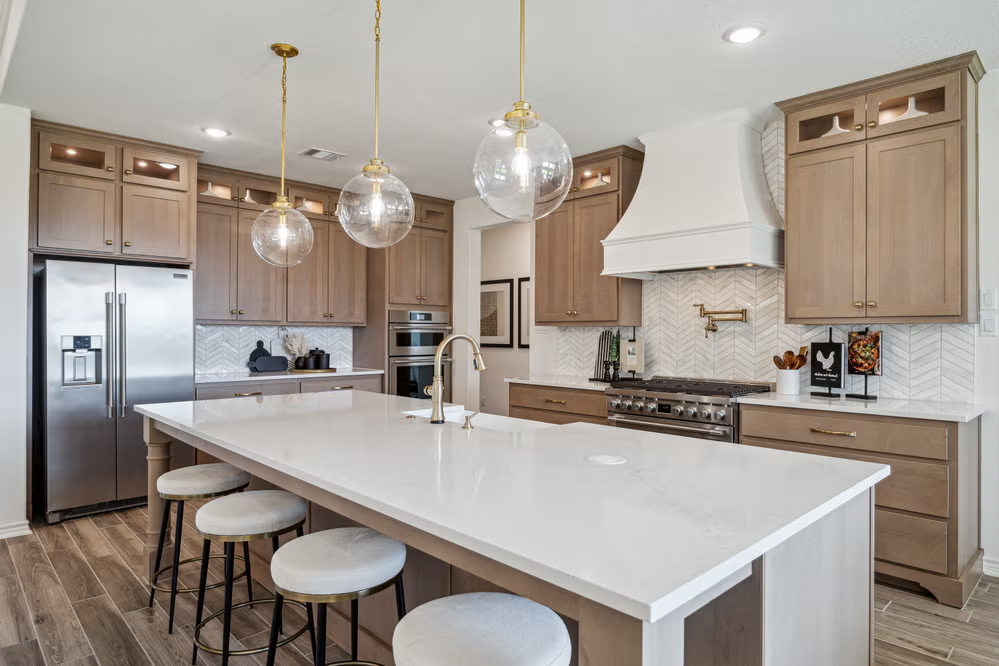
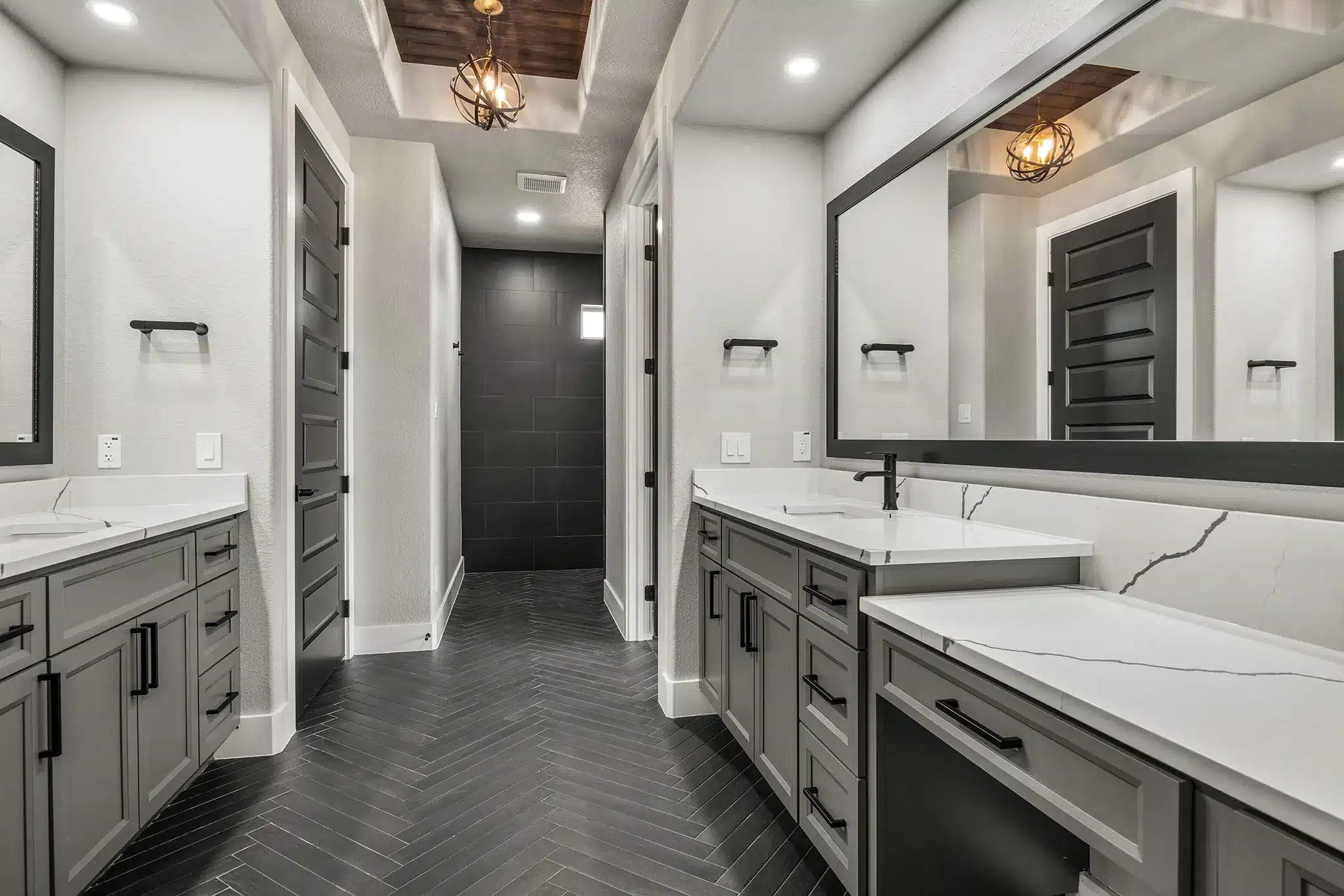
| Interior finishes | Cabinets, countertops, flooring, tile, lighting, fixtures | Finish decisions often change the budget most |
| Soft costs | Design, surveys, engineering, permits | Frequently underestimated |
| Contingency | Buffer for unknowns or revisions | Essential on custom jobs |
In Weatherford, homeowners often have more room to tailor the project around lot and lifestyle preferences. That can be a real advantage if the budget is planned carefully. It also means the final number should be built from the ground up instead of borrowed from a generic square-foot quote.

The Biggest Cost Drivers in a Weatherford Custom Build
The final budget usually comes down to six core drivers.
1. Lot and site conditions
A lot that needs clearing, grading, drainage work, or utility planning will cost more to develop. Even when the land looks usable, site prep can create a major difference in the total budget.
2. Home size and design shape
Square footage matters, but the shape of the house matters too. Simple plans are easier to build. Complex plans with lots of corners, roof breaks, and tall spaces take more labor and materials.
3. Finish level
Cabinets, tile, countertops, flooring, lighting, and fixtures can make the biggest swing in the budget. A mid-range selection package and a higher-end package may differ by far more than homeowners expect.
4. Mechanical upgrades
Energy efficiency, HVAC quality, and insulation choices all affect price. Better systems can increase upfront cost while improving comfort and operating performance.
5. Custom details
Unique ceiling treatments, built-ins, specialty rooms, and custom elevations add labor and coordination. They also make a home feel more personal, so the question is not whether they cost more, but whether the extra value is worth it.
6. Permits and inspections
The city process is part of the build, not a side issue. Budget for review time, paperwork, and inspection sequencing so the schedule stays realistic.
A Phase-by-Phase Budget Breakdown
It helps to think of the project in construction stages because each stage creates its own cost pressure.
Preconstruction and design
This includes planning, surveying, concept development, estimates, and permit prep. If the lot is still being evaluated, this is the stage where you learn whether the project is truly feasible and what the likely cost shape will be.
Site prep and foundation
Clearing, grading, excavation, and foundation work happen early and set the tone for the rest of the job. If the lot needs additional drainage or utility work, costs can rise before the framing starts.
Framing and shell
Framing, roofing, windows, and exterior enclosure define the house physically. Larger rooflines, high ceilings, and more complex shapes increase the budget here.
Mechanical rough-ins
Plumbing, electrical, and HVAC rough-ins are installed behind the walls. If the home is designed for stronger performance or more advanced features, this phase can climb in cost.
Interior finishes
Cabinets, counters, flooring, tile, trim, paint, lighting, and fixtures all converge here. This is often the phase where budgets drift if choices are not locked in early.
Final inspections and closeout
Punch-list work and final inspections are the last step. They are small compared with framing or finishes, but they still matter for both cost and timing.
If you are comparing Weatherford to nearby markets, our Coppell guide and Flower Mound guide can give you a useful contrast in how DFW locations shape budgets.
Permits, Inspections, and Timeline Risk
Weatherford’s permit and inspection system matters because it affects both cost and schedule. A build that looks straightforward on paper can still slow down if the city review sequence is not handled properly.
That is why permit documents, construction sequencing, and trade coordination should all be planned early. Delays can create indirect costs even if the permit fee itself is modest. Crews get rescheduled. Material deliveries shift. The owner may have temporary housing or financing timing to think about.
The process is not a reason to avoid building. It is a reason to budget accurately and work with a builder who understands the local workflow. If you know what the city needs and you prepare for it, the schedule becomes much easier to manage.
The local Weatherford custom home builder page is the right place to start if you want to discuss project sequencing and local permit expectations in more detail.

Why Some Weatherford Homes Come in Below DFW Suburb Pricing
Weatherford often offers more breathing room than the tighter inner-ring suburbs. In some cases that can mean lower land pressure, less intense finish expectations, or a broader range of lot choices. That does not automatically make the project cheap, but it can help keep the budget more flexible.
The biggest point is that Weatherford gives homeowners a chance to align the home with the site instead of forcing a city lot into a very specific mold. If you can simplify the plan, use the lot well, and choose finishes with discipline, the final cost can stay more approachable than a similar-size project in a more expensive suburb.
That said, saving money should never mean ignoring the site or trimming quality in the wrong places. A well-built home is still the goal, and the right compromises are the ones that reduce cost without weakening the home.

How to Save Money Without Cutting the Wrong Corners
Keep the footprint efficient
A simpler shape usually costs less to build and maintain. If you do not need extra corners or complex roof features, do not add them just for appearance.
Prioritize the visible spaces
The kitchen, living room, and primary suite usually deliver the strongest day-to-day value. It is often smarter to upgrade those spaces while keeping secondary spaces simpler.
Lock in the selections early
Late changes are expensive. If you can finalize the major finishes before construction starts, you will reduce change orders and keep the schedule calmer.
Match the finish level to the market
A premium finish package is great when it fits the home and the budget. It is not always necessary to make every room high-end. Use upgrades where they have real impact.
Include a contingency
Custom work always carries some uncertainty. A contingency gives you room to absorb small changes without turning the project into a problem.

What a Smart Weatherford Build Plan Looks Like
A good plan starts with clear goals. How big should the home be? How many bedrooms and baths do you really need? Which parts of the house deserve the most investment? Answering those questions early helps the budget stay grounded.
It also helps to compare the lot and the plan at the same time. A design that works well on one parcel may not work as well on another. The best plans respect the site instead of fighting it.
That is where local experience pays off. A builder who knows Weatherford can help you avoid expensive mistakes, reduce uncertainty, and keep the project moving in the right order.

Weatherford Market Context and Buyer Expectations
Weatherford tends to sit in a more moderate price environment than some of the higher-income DFW suburbs, but that does not mean homeowners are looking for basic construction. Many buyers still want a home that feels intentional, durable, and well designed.
The local income profile also suggests a broad range of possible project types. Some owners may want a straightforward family home, while others may want a custom property with a higher degree of personalization. The point is that Weatherford supports more than one kind of budget strategy.
If you want a quick demographic reference, the Weatherford profile is useful background for understanding how the market differs from places like Coppell or Flower Mound.

Common Budget Mistakes to Avoid
Forgetting soft costs
Design, surveys, engineering, and permits belong in the budget from the start.
Assuming the lot is ready
Site work can be a major cost. Never assume the land is simple without checking it.
Making too many changes during construction
The more changes you make after the job starts, the more likely your budget will grow.
Using only square-foot pricing
Square-foot estimates are helpful, but they are not enough by themselves.
Leaving out contingency
A project without a cushion is vulnerable to every small surprise.

Frequently Asked Questions About Building in Weatherford
Is Weatherford cheaper than the inner DFW suburbs?
Usually, Weatherford can offer more flexibility on lot choices and site planning, which may help some projects stay more manageable. But the final price still depends on the lot, the design, and the finish level.
Should I budget extra for permits and inspections?
Yes. Even when the direct fees are not the biggest line item, the timing and coordination matter enough to deserve a real budget allowance.
What is the best way to control cost?
Start with an efficient floor plan, lock in selections early, and make sure the lot is evaluated before you finalize the design.

Final Takeaway
So, how much does it cost to build a house in Weatherford? The answer depends on the lot, the size of the home, the finish level, and the amount of site work or customization involved. Weatherford is a market where thoughtful planning matters because the city process, the site, and the homeowner’s goals all affect the final number.
If you are building in 2026, the best move is to start with a realistic range and then refine it using the actual lot and plan. That keeps the budget honest and helps you avoid surprises later in the project.
If you are ready to move ahead, Fin Home can help you shape the project and compare the budget with nearby markets. Start with our Weatherford custom home builder page, and compare your project with Coppell and Flower Mound to see how location changes the cost picture.