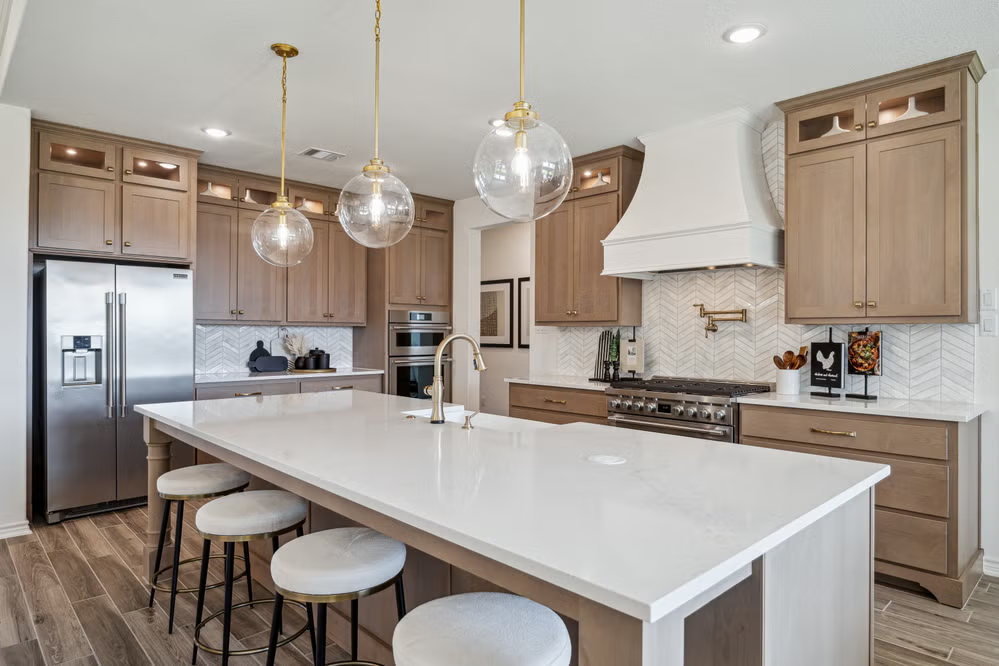
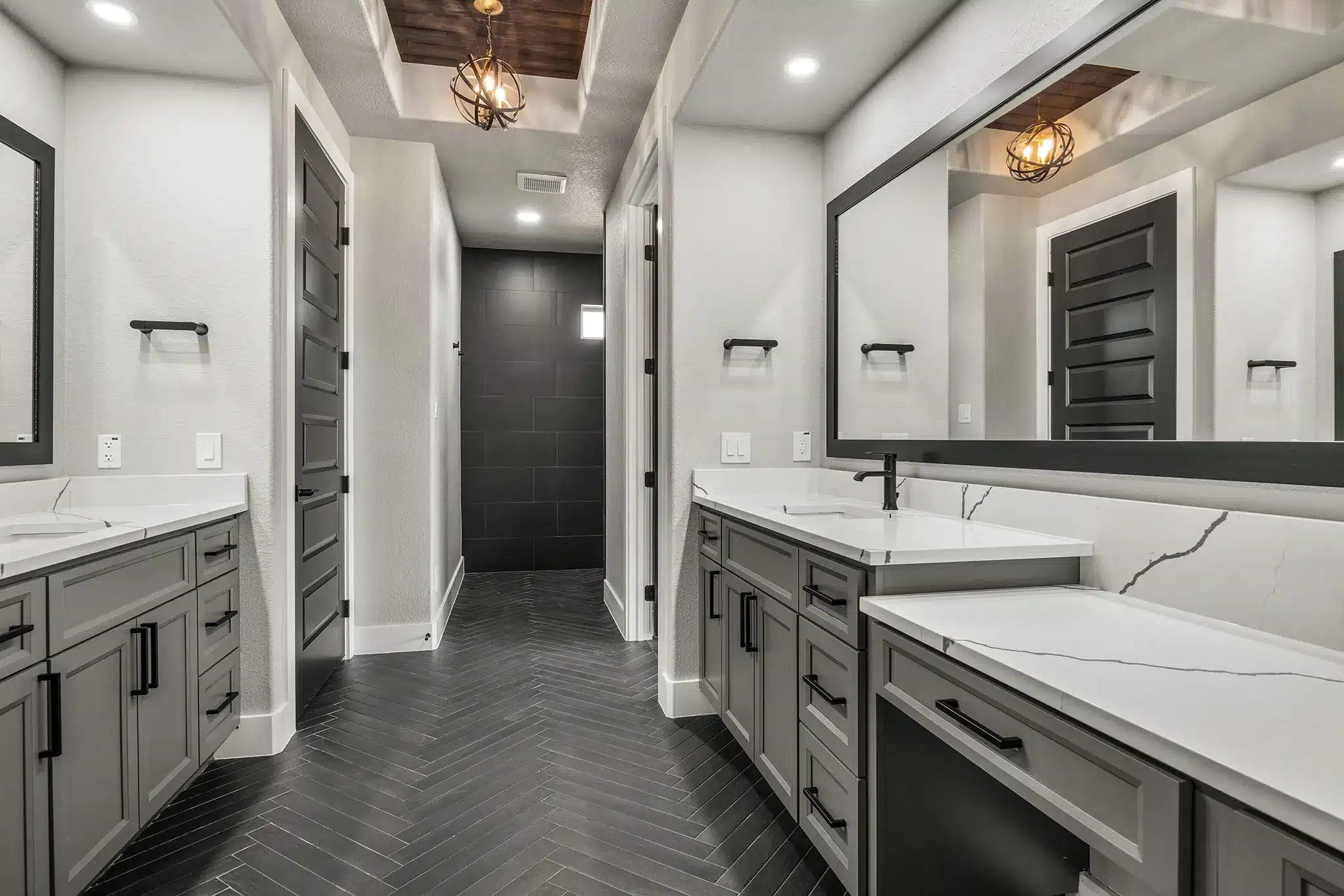
Building a custom home in Rockwall County gives buyers a mix of suburban convenience, larger-lot opportunities, and a market that can move quickly when desirable land comes available. That combination affects pricing in ways that are easy to miss if you only look at a national cost-per-square-foot average. In 2026, a realistic budget for many custom homes in the county often lands in a broad range that depends on size, finish level, site conditions, and utility access. For a straightforward build, many homeowners should expect costs to start in the low-to-mid six figures before land, while larger or highly customized homes can climb much higher.
If you want a broader DFW benchmark first, the Fin Home DFW home building cost guide is a helpful comparison point. If you already know you want a local builder, the Rockwall County custom home builder page is the best place to start the conversation. For Rockwall County specifically, the biggest pricing swings usually come from the lot, the foundation, and the level of customization. A home on a clean, well-served lot will look very different on a budget sheet than one that needs significant tree clearing, utility extensions, or a more complex foundation design.
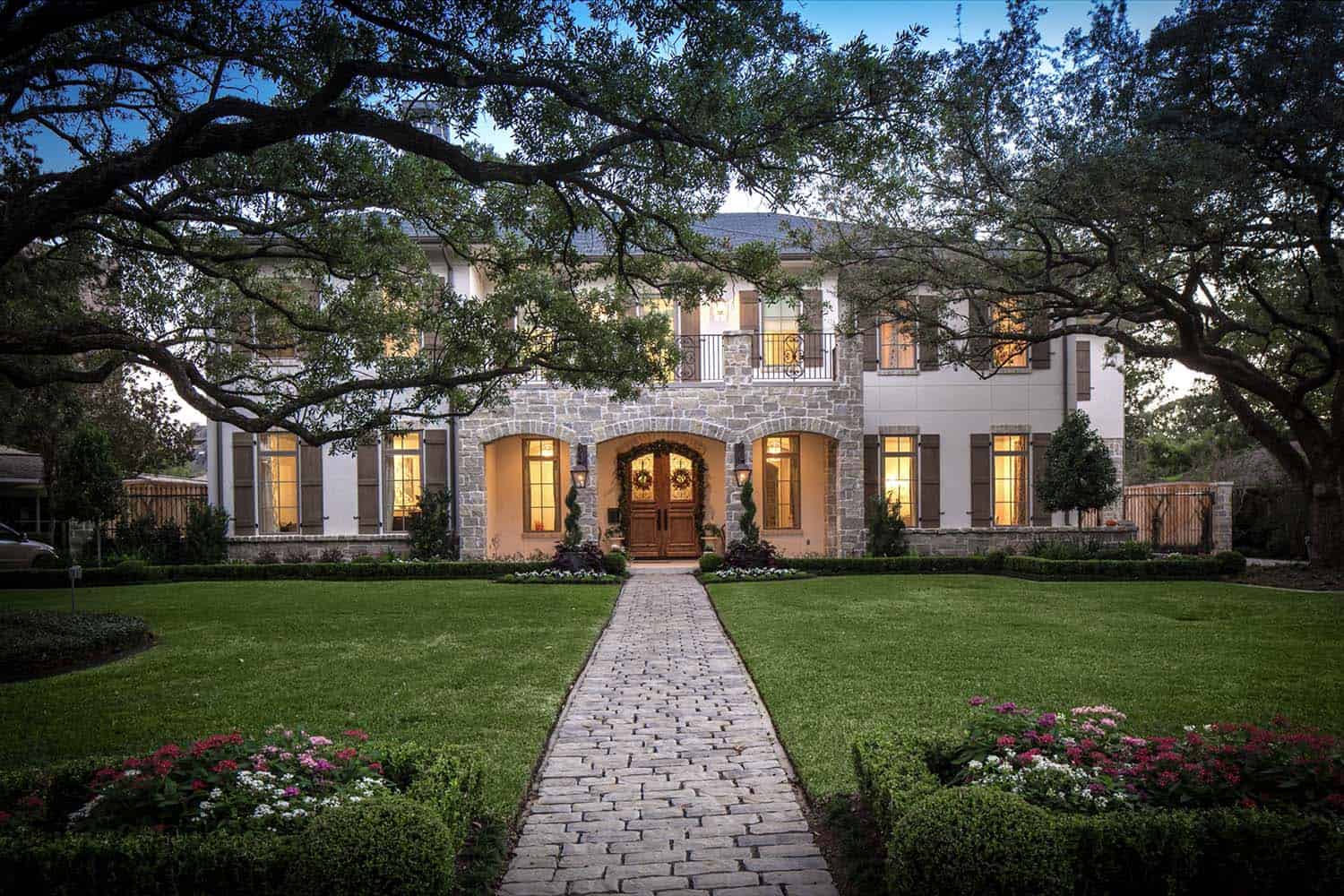
Why Building in Rockwall County Is Different
Rockwall County is close enough to Dallas for commuting convenience, but it still has enough edge-of-metro characteristics to affect construction pricing. That means two homes with the same floor plan can produce very different total budgets depending on whether the site is in a finished subdivision, a semi-rural pocket, or a parcel that needs more work before construction can even begin.
One major factor is land availability. When the right lot is scarce, buyers may pay more up front, and that can push the overall project budget higher even before framing starts. Another is infrastructure. A site with easy access to water, sewer, electric, and paved access can be much simpler to build on than acreage that needs more site development. Finally, Rockwall County’s growth means builders need to stay attentive to local schedules, plan reviews, and subdivision standards that can add time and cost if they are not handled correctly.

Typical Cost Per Square Foot in Rockwall County
A lot of homeowners start with square footage because it gives them a quick mental shortcut. In practice, the per-square-foot cost is only a starting point, not a final number. In Rockwall County, custom home pricing commonly falls into different bands depending on the scope of finishes and the complexity of the site.
Here is a simple planning table for 2026 budgeting:
| Build type | Approx. cost per sq. ft. | Notes |
|---|---|---|
| Basic custom build | $175–$225 | Simple layouts, modest finishes, fewer custom details |
| Mid-range custom build | $225–$325 | Better finishes, more customization, typical DFW custom-home level |
| High-end custom build | $325–$500+ | Premium cabinetry, upgraded systems, larger spans, specialty features |
Those ranges can shift quickly if you are building on a challenging site or adding features like large covered patios, vaulted ceilings, heavy stonework, or a shop/garage combination. A 2,400-square-foot home at $250 per square foot is not a $600,000 project in the real world once you account for land prep, permits, design work, utility connections, and contingency. The true budget is the structure plus everything required to make it buildable and ready to occupy.
For Rockwall County buyers, one of the smartest planning moves is to separate the project into three buckets: land and site work, house construction, and soft costs. That keeps the budget honest and makes it easier to compare bids.

Cost Breakdown by Major Budget Category
If you want to understand where the money goes, think in categories rather than one giant number. That approach makes it easier to see where savings are possible and where cutting corners usually backfires.
1. Land and site preparation
Land costs vary too much to pin down to one number, but site prep often includes clearing, grading, erosion control, driveway work, and any trenching or utility prep needed to get the project started. A relatively clean lot may need only moderate preparation, while a wooded or uneven site can require much more.
Common site-prep items include:
- clearing trees and brush
- rough grading and pad preparation
- soil testing and geotechnical review
- driveway access or temporary construction access
- trenching for underground utilities
- drainage corrections
In North Texas, drainage and soil behavior matter a lot. If the site has expansive clay or inconsistent fill, the foundation plan may need more engineering and stronger detailing. That can increase the early-stage cost but usually protects the home from avoidable long-term issues.
2. Foundation and structural shell
The foundation is often one of the first major budget decisions that changes the whole project. Slab-on-grade foundations are common, but the exact design depends on the soil report, lot slope, and house footprint. Structural framing, roof design, and load-bearing details also influence the cost.
Larger spans, more complex rooflines, and irregular floor plans all add labor and material expense. So do features like taller ceilings and more open-concept areas. A simple rectangle is cheaper to frame than a home with multiple offsets, porches, and angles.
3. Mechanical, electrical, and plumbing systems
These systems are easy to underestimate because they are mostly hidden when the home is finished. Yet HVAC, electrical service, plumbing distribution, and fixtures can absorb a large share of the budget.
Costs rise when the home includes:
- multiple HVAC zones
- high-efficiency equipment
- complex lighting plans
- additional bath spaces
- specialty plumbing fixtures
- tankless water heating or backup systems
If you are building a larger custom home, these systems should be sized correctly from the start. A cheap rough-in can cost more later if it forces redesign or underperforms after move-in.
4. Interior finishes
This is where homeowners have the most visible control over cost. Cabinets, countertops, flooring, tile, paint, trim, doors, and hardware all create big budget differences. Finishes can look similar in a photo but vary drastically in price and durability.
A practical budget split might look like this:
| Finish category | Budget impact |
|---|---|
| Cabinets | High |
| Countertops | Medium to high |
| Flooring | Medium to high |
| Tile and showers | Medium |
| Trim and doors | Medium |
| Paint and hardware | Lower individually, but meaningful in aggregate |
A homeowner can save money here by choosing a clean, durable palette instead of chasing too many specialty materials. The house will still feel custom if the layout and workmanship are strong.
5. Soft costs and design fees
Soft costs are the line items people forget until late in the process. These may include architectural design, engineering, surveys, permit applications, inspections, and lender-related expenses if financing is involved.
If you are comparing builders, make sure each bid explains which soft costs are included and which are not. One quote can look cheaper simply because it excludes items another bid has already carried.

What Changes the Final Price the Most
Even with a solid plan, several variables can move the total cost up or down by a surprising amount. In Rockwall County, the most important ones are usually lot condition, design complexity, finish level, and schedule pressure.
Lot condition
A lot with easy access, good drainage, and utility connections is easier and cheaper to build on. A lot that needs fill, clearing, or extra utility work will raise the total. If the land is sloped, rocky, or inconsistent, the foundation and grading plan may need additional engineering.
Home size and shape
Square footage matters, but footprint efficiency matters too. A larger home is not always proportionally more expensive if it has a simple form. By contrast, a smaller but highly detailed home can become expensive quickly because the same specialized labor and custom material choices are spread across fewer square feet.
Finish level
Luxury finishes can make a home stand out, but they also increase cost in almost every category. Higher-end cabinetry, large-format tile, custom millwork, specialty windows, premium roofing, and upgraded fixtures all add up.
Customization and timing
The more the home departs from a standard plan, the more design time and construction coordination it will require. Small changes can be affordable, but repeated modifications to structure, rooflines, and mechanical layouts usually raise both material and labor costs. Builder schedules matter too. If the market is busy, you may pay more for skilled labor, longer lead times, or accelerated ordering. This is one reason it helps to get a bid that includes current pricing assumptions rather than relying on older numbers.
If you are comparing Rockwall County against nearby counties, it can be useful to look at adjacent market guides like How Much Does It Cost to Build a House in Johnson County? and How Much Does It Cost to Build a House in Dallas County?. Those comparisons can help you see whether the cost differences are being driven by land, access, or the local permitting and subcontractor environment.

Local Site, Utility, and Permit Considerations
Rockwall County buyers often focus on the house itself, but the land is just as important as the floor plan. A property that looks inexpensive at first glance can become a much larger project once you add site development and utility coordination.
In many builds, the biggest local considerations include:
- whether water and sewer are already available at the site
- whether electric service needs to be extended
- whether the driveway or access road needs improvement
- whether drainage patterns require correction
- whether the site is in a subdivision with HOA or architectural review requirements
A county or city jurisdiction may also have its own development rules, and those rules can affect timing. For planning purposes, it is smart to verify requirements early instead of assuming a lot is ready to build on just because it is listed for sale.
The City of Rockwall planning resources are a useful starting point when you are evaluating local development expectations. If you are building outside a city jurisdiction, the approval path may differ, so your builder should map out the process before finalizing a schedule.
Utility access deserves special attention because it can move both budget and timeline. A site with straightforward tie-ins can proceed faster. A site needing longer runs, easements, or extra trenching may take more coordination and more money.

Timeline and Build Process
A custom home in Rockwall County usually follows the same basic sequence as other DFW builds, but the pace depends on design readiness, permitting, and site conditions. The more complete the plan set and the cleaner the site, the more predictable the schedule usually becomes.
Typical sequence
- Design and budget alignment
- Site evaluation and soil review
- Final plan selection and engineering
- Permitting and pre-construction approvals
- Clearing, grading, and foundation work
- Framing and shell construction
- Mechanical rough-ins
- Insulation, drywall, and interior finishes
- Final inspections and punch list
- Closing and move-in
A typical custom build can take many months from start to finish, and more complex homes often take longer. The timeline is affected by weather, material lead times, inspection cadence, and change orders. If you are building in a growing county, it is wise to assume that the calendar may stretch a bit longer than your ideal scenario.
The U.S. Census Bureau’s county population estimates show how fast many Texas counties have been changing over time, and growth often shows up in construction demand, school planning, and subdivision development. That growth is part of why a well-managed schedule matters so much for home building in Rockwall County.
A note on inspections and sequencing
Inspections are not just paperwork. They help keep the project moving in the correct order. If the builder misses a step or schedules trades out of sequence, the job can stall. Good coordination is one of the most valuable things a builder brings to a custom-home project.
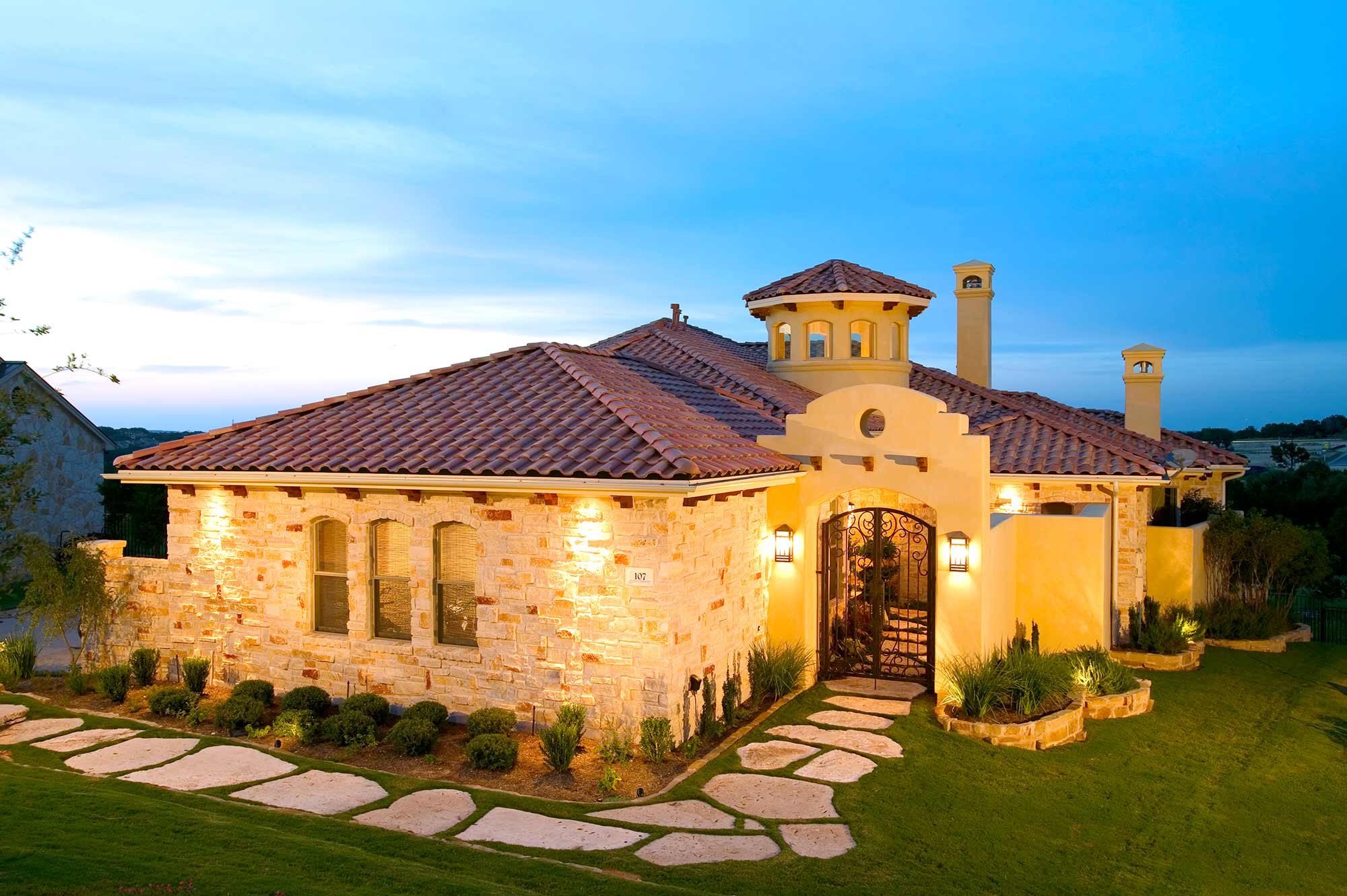
Final Takeaway for Rockwall County Homeowners
Building a house in Rockwall County is a cost decision, but it is also a planning decision. The right lot, the right design, and the right builder process can keep a project on track and make the budget much more predictable. The wrong assumptions about site work, utilities, or finish allowances can push a project far beyond the initial number.
If you want the cleanest path forward, start with a realistic budget range, then pressure-test the lot and the plan before you commit. That will give you a better sense of whether the project belongs in a simple custom category or a higher-end build category. For a broader regional reference, the Fin Home DFW home building cost guide is useful alongside the county-level plan.
Fin Home can help you evaluate the project from the ground up and build with the local conditions in mind. If you are ready to move from rough ideas to a serious plan, reach out through the Rockwall County custom home builder page and compare your vision against a practical Rockwall County build budget.

Common Budget Mistakes to Avoid
A few mistakes show up again and again in custom-home planning. One is underestimating site prep because the lot looked simple at first glance. Another is assuming every allowance in a proposal is generous enough for the finishes you actually want. A third is changing the plan too late, after pricing and scheduling have already been set.
A good rule is to treat your early estimate as a planning tool, not a final promise. That leaves room for soil conditions, material swings, and design updates without putting the whole project in danger. It also makes it easier to compare the local plan with the broader DFW picture when you are deciding whether to build now or later.

Next Steps if You’re Planning Soon
Before you request bids, gather the basics: lot details, a rough square-foot target, preferred finish level, and any must-have features like a larger garage, office, or outdoor living space. Those details help a builder separate true needs from nice-to-have upgrades.
It also helps to decide where flexibility lives in the budget. For example, you may want to preserve funds for the foundation, drainage, and mechanical systems while keeping interior finishes more restrained. That kind of tradeoff can protect the quality of the home without making the project feel overdesigned.
A careful preconstruction conversation can save weeks later. It can also reveal whether your first budget target is realistic for the site you own or want to buy. If the numbers do not line up, it is better to know early. Rockwall County projects often reward that discipline because small site assumptions can change a bid more than homeowners expect.