How Much Does It Cost to Build a House in Mineral Wells?
Building a home in Mineral Wells can look straightforward at first glance, but the final number depends on far more than square footage alone. Lot conditions, utility access, foundation needs, finish level, and the amount of prep work required before construction all shape the budget. For a custom home in this part of North Texas, many homeowners want a realistic planning range before they start talking about plans, financing, or land.
A good early estimate for a custom home build in Mineral Wells often starts with broad per-square-foot expectations and then narrows based on site conditions and design complexity. For a smaller, simpler home, the budget may land on the lower end of the range; for a larger home with upgraded finishes, energy features, or more demanding site work, costs move up quickly. That is why the most useful approach is to break the project into the pieces that actually drive the price.
If you want a broader regional benchmark first, our DFW home building cost guide gives a wider pricing framework. And if you are already comparing builders, it also helps to review the local Mineral Wells custom home builder page so you can connect budget expectations to the kind of service you need.
Why Building in Mineral Wells Is Different
Mineral Wells has a different feel from the denser Dallas suburbs, and that difference shows up in project planning. Some sites behave more like semi-rural builds than standard infill lots, which means extra attention to access, utilities, drainage, and the work required to get the pad ready before framing starts. Those issues do not always sound dramatic, but they often decide whether a project stays close to budget or drifts upward.
Another local factor is record and parcel verification. Mineral Wells spans Palo Pinto and Parker Counties, so it is worth confirming exactly which jurisdiction governs the specific lot before finalizing the plan. That matters for title work, records research, and any early questions tied to the property itself. Palo Pinto County’s own records page notes that real property records are available online and that the clerk’s office is not responsible for lien searches, which is a good reminder to verify the paperwork early rather than late.
The broader Texas permitting environment also matters. The Texas Commission on Environmental Quality explains that surface-water use is regulated through state water-rights rules, so unusual site or water-supply situations deserve early review. For a homeowner, the practical takeaway is simple: in Mineral Wells, preconstruction diligence can be just as important as the floor plan.
Typical Cost Range for a New Home
Most custom home budgets are easiest to understand in bands rather than as a single number. In Mineral Wells, the total project cost usually depends on the final square footage, the level of finish, and how much work the land needs before construction can begin.
A simplified planning model can look like this:
| Home type | Approx. size | Typical cost range | Notes |
|---|---|---|---|
| Entry-level custom home | 1,500–1,900 sq. ft. | $250,000–$450,000 | Simpler layout, standard finishes, limited site work |
| Mid-range custom home | 2,000–2,800 sq. ft. | $400,000–$700,000 | Better finishes, more rooms, moderate site complexity |
| Higher-end custom home | 2,800–4,000+ sq. ft. | $650,000–$1,100,000+ | Premium materials, larger footprint, more design detail |
Those ranges are only a starting point. A small home on a difficult lot can cost more than a larger home on a clean, well-serviced site. The best way to use a range is to think of it as a budget envelope, then subtract or add based on the conditions that apply to your lot.
Per-Square-Foot Expectations
Per-square-foot pricing is still one of the fastest ways to frame a custom home budget. In a market like Mineral Wells, a practical planning range might start around the mid-$100s per square foot for a basic custom build and move well above that when the plans include upgraded finishes, more complex roofs, custom cabinetry, specialty windows, or higher-end exterior materials.
That said, per-square-foot pricing can be misleading if you ignore the site. Two houses with the same floor plan can end up with very different final costs if one requires longer utility runs, more grading, or extra foundation engineering. Think of square-foot pricing as a rough lens, not a final quote.
To make it more useful, ask what the number includes. Does it cover design, permits, site prep, utilities, slab or pier work, framing, mechanicals, finishes, and final cleanup? Or is it only the vertical construction portion? Once you know what is included, it becomes much easier to compare bids fairly.

Main Cost Drivers in a Mineral Wells Build
Before a home ever starts looking like a home, several large budget categories set the tone for the entire project. If you understand these early, it becomes much easier to control the final number.
1) Land and Site Preparation
The land itself may be the biggest variable. A lot that looks affordable on paper can become expensive once you factor in clearing, grading, driveway work, drainage, and soil correction. In Mineral Wells, site prep can matter more than many buyers expect, especially if the property needs access improvements or is not already set up for immediate construction.
Common site-prep costs include:
- clearing trees, brush, or debris
- rough grading and pad preparation
- erosion control
- driveway or access work
- temporary construction utilities
- soil testing and engineering if conditions require it
If the lot needs major shaping before the foundation can go in, the budget should reflect that before the build contract is signed. Site work is one of the easiest places for a project to feel underpriced early and over budget later.
2) Foundation Type and Structural Needs
Foundation cost depends on the site conditions and the home design. A straightforward slab can be more efficient on a suitable lot, while a more complex foundation may be needed if slopes, drainage, or soil conditions create movement concerns.
The shape of the home also matters. Wide spans, large open rooms, and more complicated structural designs can require added engineering or stronger framing members. Even small design changes can ripple through the structural budget. A good builder will look at the plans and the land together, not separately.
3) Utility Access and Service Connections
Utility access can be a quiet but meaningful cost driver. If water, sewer, electric, or gas service is already nearby and easy to connect, the budget is easier to predict. If the property needs longer runs, new service work, or coordination with multiple providers, those costs can grow fast.
This is where early diligence pays off. Before you rely on a rough build number, it helps to confirm what service is actually available at the lot line and what still needs to be extended. It is also wise to ask who handles each connection and whether any of the work requires separate permits or inspections.
4) Framing, Roof, and Exterior Envelope
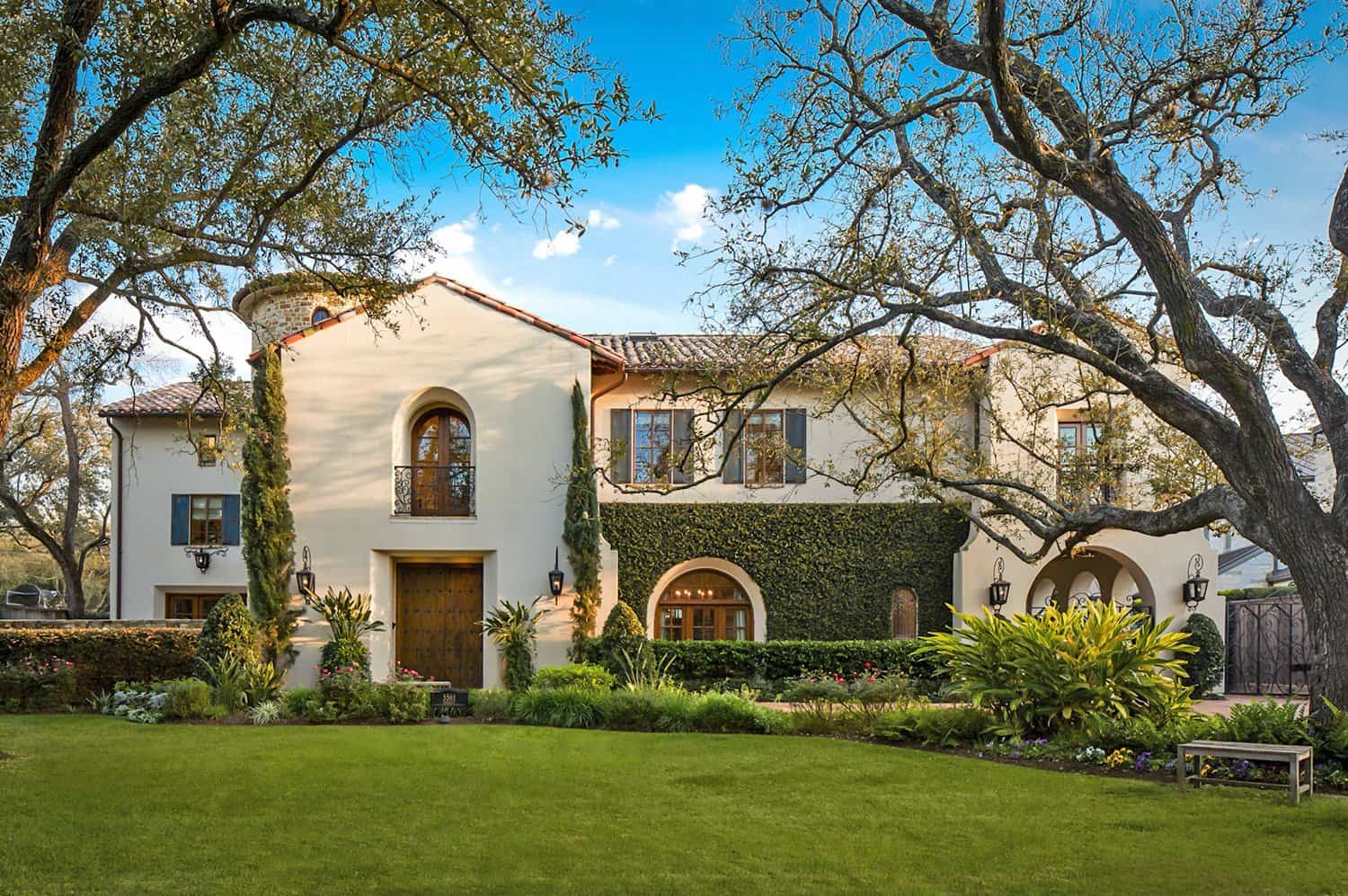
The framing package, roof design, and exterior materials are major parts of the build budget. A basic roofline is usually cheaper than a home with multiple gables, higher pitches, or lots of architectural detail. Likewise, a simple exterior finish is usually more affordable than a project with upgraded masonry, specialty siding, or custom trim packages.
The more corners, angles, and detail work the house has, the more labor and material it tends to consume. That is why a clean, efficient plan often delivers better value than a larger but overly complex design.
5) Interior Finish Level
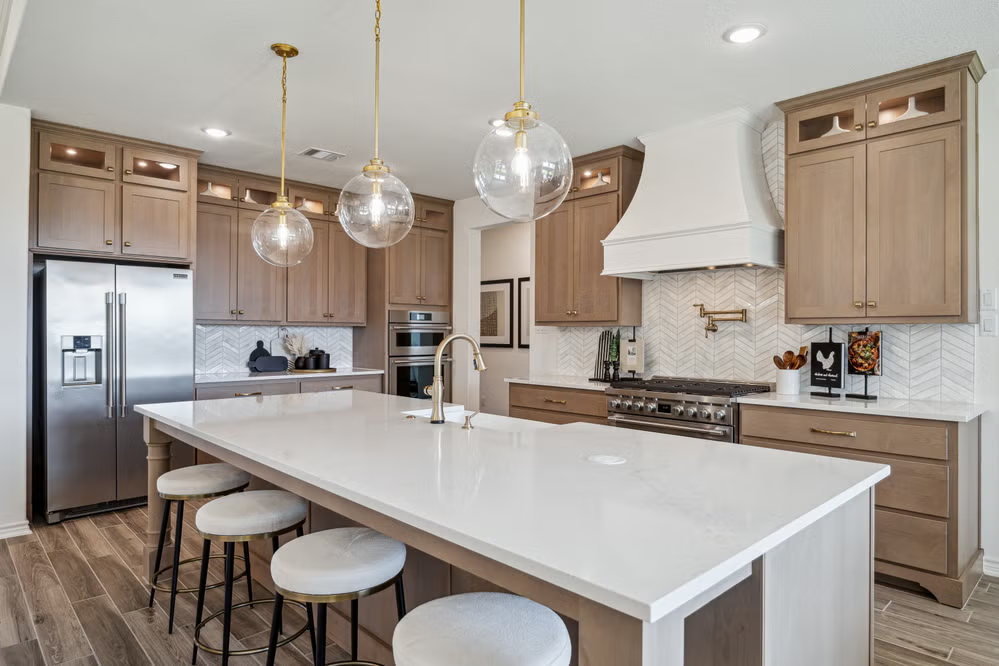
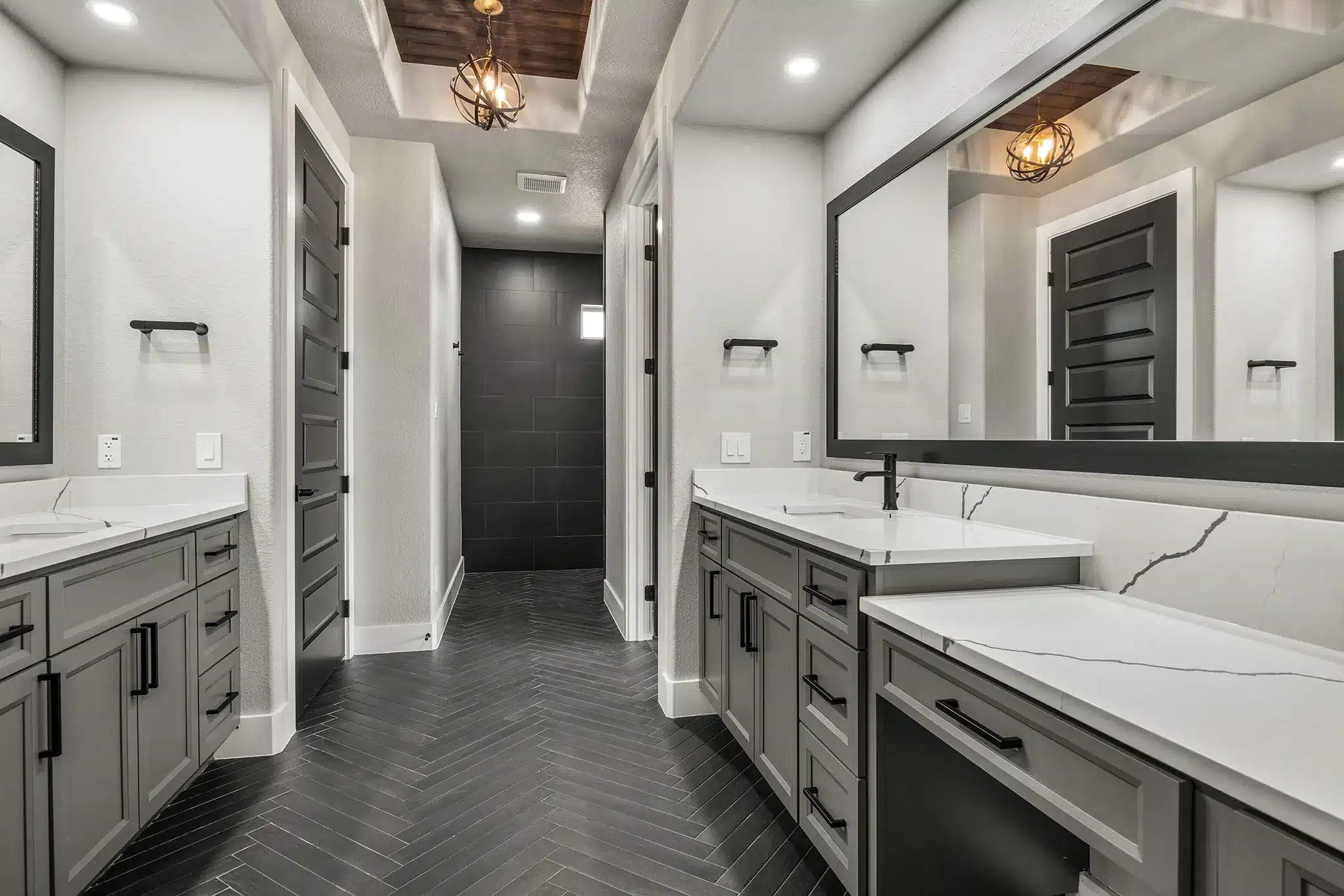
Finishes are where many homeowners either save money or spend it quickly. Cabinets, countertops, flooring, tile, fixtures, appliances, lighting, and millwork all have wide price ranges. Two kitchens can function the same way and still differ by tens of thousands of dollars.
A practical way to budget is to separate the home into finish tiers:
- Basic finish tier: functional materials, limited customization, simpler selections
- Mid-range finish tier: better quality materials, more style options, some custom touches
- High-end finish tier: premium materials, specialty details, and more labor-intensive installs
If you are trying to stay within a target price, this is where trade-offs often happen fastest. A simpler bathroom package can free up more budget for the kitchen or exterior, while premium flooring throughout can push other rooms into a lower tier.
6) Design, Engineering, and Permitting Costs
Design and engineering are part of the real build cost, even though they do not show up in the same way as lumber or tile. Custom plans, plan revisions, structural engineering, energy compliance, and permit fees all add to the total.
You should expect some level of administrative cost on almost any build. The exact amount depends on the project’s size and complexity, but ignoring these line items leads to unrealistic expectations. For a fair budget, include them from the beginning rather than treating them as surprises later.

What the Money Usually Goes Toward
When homeowners first see a custom-home estimate, it can be helpful to translate the total into major buckets. That makes it easier to understand why one estimate looks lower or higher than another.
| Budget category | Typical share of total | What it includes |
|---|---|---|
| Land prep and site work | 10%–20% | clearing, grading, access, temporary utilities |
| Foundation and structure | 15%–25% | foundation, framing, roof structure |
| Exterior envelope | 10%–15% | windows, doors, siding, masonry, roofing |
| Mechanical systems | 10%–15% | HVAC, plumbing, electrical |
| Interior finishes | 20%–35% | cabinetry, flooring, countertops, fixtures, paint |
| Soft costs | 5%–15% | design, permits, engineering, admin |
These percentages are planning tools, not rules. Still, they are useful because they show that the visible part of the house is only one piece of the spend. A home with a modest shell but premium interiors can cost about the same as a larger home with standard finishes.
If you are comparing multiple bids, ask each builder to break out what is included in the shell, what is included in finishes, and what counts as owner allowance. That comparison will reveal whether one price is truly lower or just less complete.

A Realistic Timeline for a Mineral Wells Home Build
A custom home does not move from idea to move-in overnight. Even when everything goes smoothly, there are planning, approval, and construction steps that take time. The more custom the project, the more important it is to schedule each stage carefully.
Planning and Preconstruction
This stage often includes lot verification, budgeting, concept design, engineering, and permit preparation. Depending on how ready the property is and how quickly decisions are made, this phase can take several weeks to a few months. If you are still deciding on the lot or need extra diligence on records, it can take longer.
Site Work and Foundation
Once the site is ready, the builder can begin clearing, grading, and foundation preparation. This phase can move quickly on an easy lot, but it can also slow down if soil work, drainage correction, or service extensions are needed. This is one of the key reasons why early site review is so important.
Framing Through Dry-In
After the foundation is set, framing, roofing, windows, and exterior weather protection usually follow. This stage is when the home starts looking like a home, but it is still only part of the total journey. Material lead times can affect the schedule here, especially if windows, doors, cabinets, or specialty materials are ordered late.
Interior Build-Out and Final Completion
Mechanical systems, insulation, drywall, trim, paint, cabinetry, flooring, tile, and fixtures follow. This is where the home’s finish level becomes visible and where a lot of the budget gets spent. Toward the end, final inspections, punch-list items, and cleanup bring the project across the finish line.
For many custom homes, a realistic build schedule ranges from several months to well over a year once design, approvals, and construction are all counted. The more complex the site or design, the more schedule protection you need.

How to Keep the Project on Budget
A lot of budget problems come from the same few issues: incomplete scope, too many late changes, and underestimated site conditions. Fortunately, most of those problems can be managed with a disciplined process.
Start With the Site, Not Just the Floor Plan
If the lot needs work, that work should be priced before the contract is finalized. Clearing and grading, drainage, utility runs, and access improvements should all be part of the early budget discussion. A great floor plan does not help if the site work is underfunded.
Use Allowances Carefully
Allowances can make a proposal look more affordable than it really is. They are useful, but only if they are realistic. If the tile allowance is too low for the selections you want, the budget will shift once you make upgrades. Ask what the allowance covers and whether it matches your actual expectations.
Make Finish Decisions Early
Late changes are expensive because they interrupt ordering, scheduling, and trade sequencing. Decide on the kitchen layout, bathroom packages, flooring, lighting, and major fixtures as early as possible. The more of those selections you lock in before construction, the easier it is to stay on budget.
Compare Builders on Scope, Not Just Price
The lowest quote is not always the best value. Some estimates leave out major items or assume very modest allowances. A stronger comparison looks at completeness, communication, schedule expectations, and the builder’s understanding of your site.
A project in Mineral Wells is often won or lost on the details that happen before framing begins. That is one reason a local builder familiar with site realities can be such an advantage.
If you want a broader reference point for comparing costs across the region, revisit the DFW home building cost guide and then compare it against your local scope. You can also use the Mineral Wells custom home builder page as a starting point for the kind of service and planning support that aligns with a custom build.

When Mineral Wells Projects Can Cost More Than Expected
Not every overage is caused by luxury choices. Some of the most common budget increases happen because the project uncovers hidden work.
Utility and Access Surprises
If service access is not as straightforward as expected, the price can jump. Longer runs, added trenching, or coordination with providers can all raise costs. This is especially true on properties that are farther from fully developed infrastructure.
Soil or Drainage Issues
If the soil needs correction or the site requires better drainage protection, the budget can change even before the foundation is poured. Those expenses are often necessary, not optional, because they protect the long-term performance of the home.
Custom Changes During Construction
A mid-build change order is one of the fastest ways to increase costs. Even a seemingly small shift, such as a different window package or upgraded tile pattern, can affect labor, lead times, and related materials. If you are trying to protect your budget, avoid treating the plan as a moving target.
Premium Finish Selections
The finish budget can expand quickly if you upgrade multiple categories at once. Many homeowners underestimate how much cabinets, countertops, flooring, plumbing fixtures, and lighting can add together. A little upgrade in several rooms can become a large total increase.
Financing and Carrying Costs
Interest, draws, and carrying costs are easy to overlook in the excitement of the build. If the project runs longer than planned, those financing costs can matter more than many homeowners expect. A reliable timeline is part of the budget too.

Building Smart in Mineral Wells
A good Mineral Wells home budget starts with realistic land assumptions, honest site review, and a scope that reflects the actual project rather than a best-case version of it. If the property is simple and the finishes are restrained, a custom home can stay reasonably efficient. If the site is more complex, or if the design leans upscale, the price should reflect that from the start rather than surprise you halfway through construction.
The best next step is usually a clear conversation about the lot, the plans, and the features you care about most. That helps separate must-haves from nice-to-haves and gives you a more useful number to work with. It also helps you decide whether to simplify the footprint, adjust the finish level, or phase a few upgrades for later.
If you are ready to compare options, Fin Home can help you move from rough estimates to a more grounded plan for the exact site and scope. Start with the local Mineral Wells custom home builder page, then review the regional DFW home building cost guide for context. From there, you will be in a much better position to evaluate what your new home should cost and how to build it the right way.
One more reason to plan carefully: even a small change in lot conditions, finish selections, or utility assumptions can shift a quote by a meaningful amount. That is why the most accurate number is usually the one built from your actual site, your actual plan, and your actual finish goals.