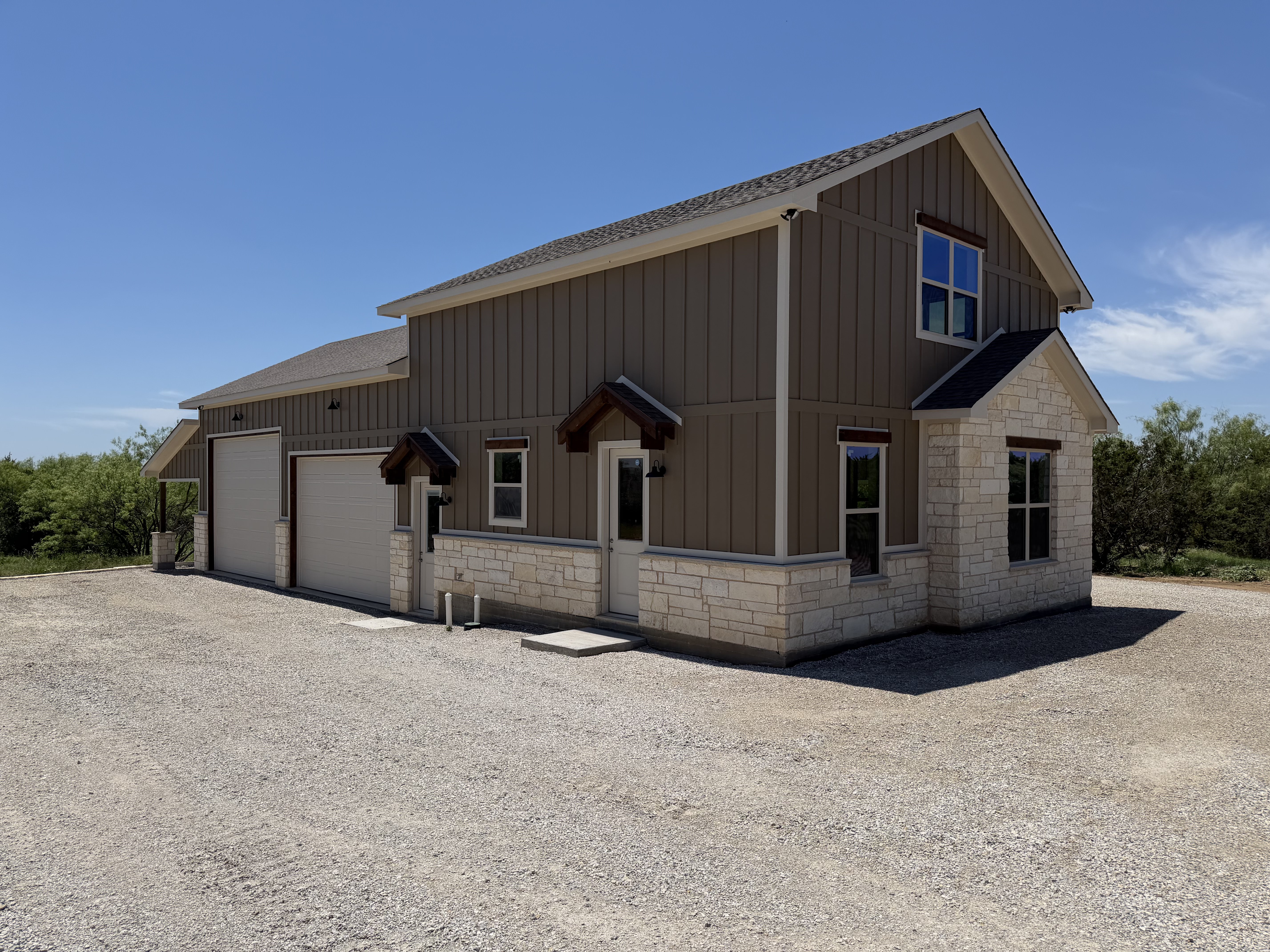
How Much Does It Cost to Build a House in Irving?
If you are planning a new home in Irving, the first question is usually the same one every time: what will it actually cost? The answer depends on size, lot conditions, design complexity, finish level, and how much site work the property needs before the home can even start rising out of the ground. Irving sits in a very active part of the DFW market, so a good budget has to account for both the structure itself and the real-world details that shape the final number.
Irving is not just another suburban market with identical lots and identical expectations. Britannica describes the city as a Dallas suburb that developed into an industrial hub and includes the Las Colinas master-planned community. That matters because local housing demand spans a wide range of projects, from efficient family homes to larger custom builds with more demanding design and finish requirements.
A practical Irving cost estimate should start with a range, not a single figure. National cost references are helpful for perspective, but the real budget comes from how the plan, lot, and selections fit together. Angi’s 2026 new-home cost overview is a good reminder that build prices vary widely by location and scope, so the smartest approach is to combine square-foot pricing with a real allowance for site work and upgrades.
If you want the broader market context first, Fin Home’s DFW home building cost guide gives you the regional frame. If you already know you want to build locally, our Irving custom home builder page connects the cost conversation to the actual service area and build process. For a national perspective on new construction pricing, see our 2026 home building cost guide.
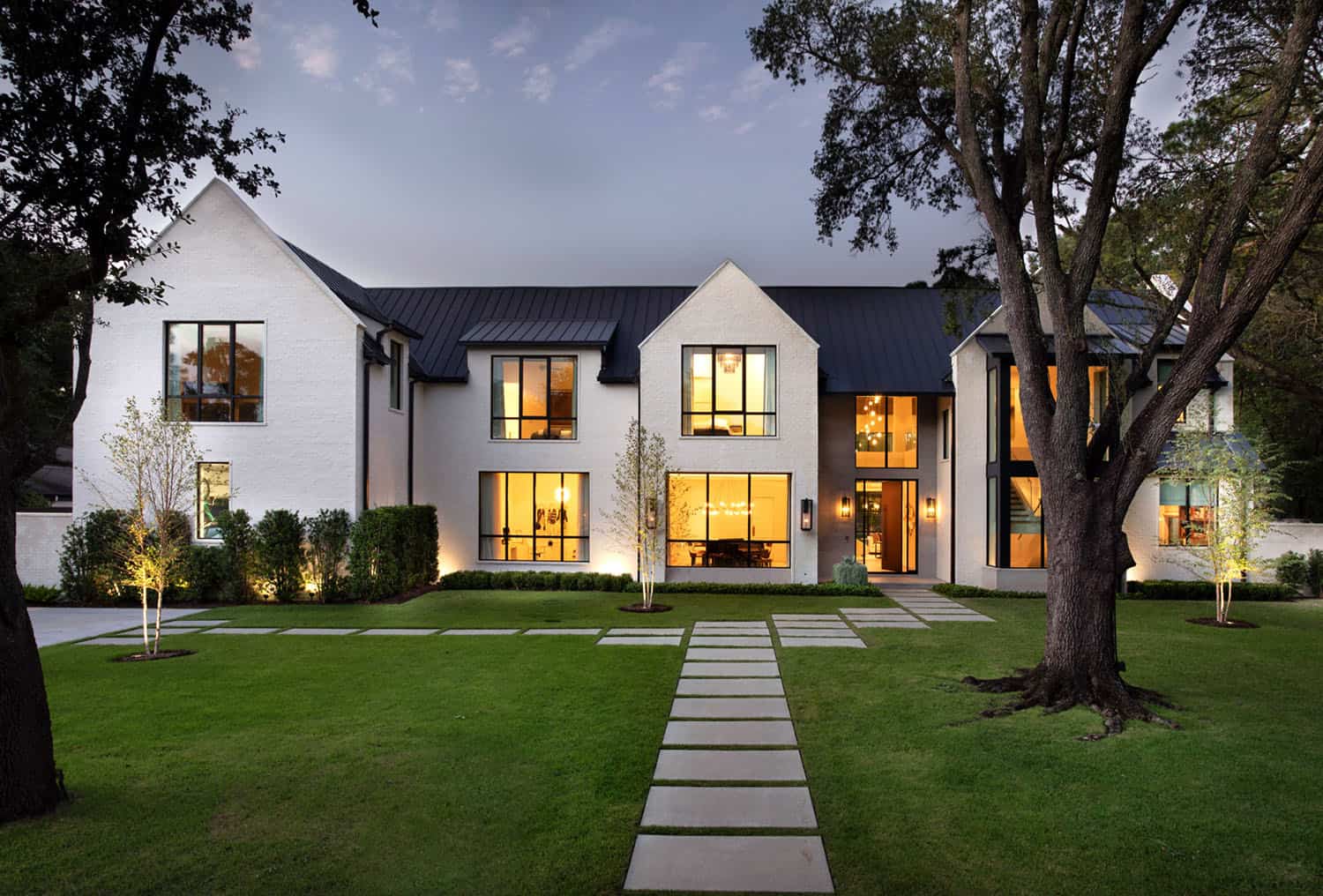
A practical budget range for an Irving home build
A solid 2026 Irving home budget should start with broad planning ranges and then narrow as the design becomes clearer. The goal is not to guess the exact total before drawings are finished; the goal is to avoid underbudgeting the project so badly that it becomes stressful later.
A useful planning framework looks like this:
| Build type | Planning range per sq. ft. | What it usually includes |
|---|---|---|
| Basic custom build | $180-$240 | Functional layout, standard finishes, tighter scope control |
| Mid-range custom build | $240-$325 | Better cabinetry, upgraded flooring, more design flexibility |
| High-end custom build | $325+ | Premium finishes, larger spans, specialty details, complex systems |
These numbers are not promises. They are budgeting tools. A smaller home with premium materials can cost more per square foot than a larger home with standard finishes, and a lot that needs extra preparation can push the project above the range even when the home itself is fairly ordinary.
Why a range is better than a single number
A single number tends to create false confidence. A range lets you ask better questions:
- Is the plan simple or highly customized?
- Are the finishes close to builder standard or clearly above average?
- Does the lot need meaningful prep before foundation work begins?
- Are the mechanical systems ordinary or more advanced than typical?
Once those answers are clear, the range gets narrower and more useful.
A realistic way to think about budget tiers
If you are building in Irving and want a basic custom home, you may be able to keep the project on the lower end of the range if the plan is efficient, the lot is straightforward, and the finish level is disciplined. If you want a more customized home with upgraded details, expect the number to rise quickly. High-end custom homes can move far beyond the simple cost-per-square-foot estimate once the exterior, kitchen, baths, and mechanical systems are fully specified.
For many homeowners, the right mindset is to budget for the home they actually want, not the lowest price point they can imagine. That keeps the project realistic and reduces the risk of mid-build surprises.

Cost per square foot and sample total budgets
Square-foot pricing is a useful first-pass tool because it lets you compare home sizes quickly. It is not the whole story, but it makes the early budget discussion much easier.
A working Irving framework can look like this:
| Home size | Basic custom build | Mid-range custom build | High-end custom build |
|---|---|---|---|
| 1,800 sq. ft. | $324,000-$432,000 | $432,000-$585,000 | $585,000+ |
| 2,400 sq. ft. | $432,000-$576,000 | $576,000-$780,000 | $780,000+ |
| 3,000 sq. ft. | $540,000-$720,000 | $720,000-$975,000 | $975,000+ |
| 3,500 sq. ft. | $630,000-$840,000 | $840,000-$1,137,500 | $1,137,500+ |
Those ranges assume the structure and standard interior build are the main cost drivers. They do not automatically include every land, financing, or special-site cost. They also do not assume a luxury program with premium stone throughout, highly complex roof geometry, or large specialty glass packages.
Sample scenario 1: efficient family build
A 2,000-square-foot home with a simple footprint, standard finishes, and manageable site conditions may stay relatively close to the low-middle part of the planning range. That kind of project is often the best fit for a homeowner who values predictability and wants a controlled construction process.
Sample scenario 2: upgraded custom build
A 2,800-square-foot home with an expanded kitchen, more custom cabinetry, upgraded trim, and better exterior finishes will usually land in a significantly higher range. Even when the floor plan is not huge, the finish package can drive the total upward.
Sample scenario 3: larger showpiece home
A 3,500-square-foot custom home with high-end finishes, taller ceilings, larger windows, and a more elaborate exterior may move well above standard planning assumptions. In that case, the site, design, and finish selections matter just as much as the square footage.
The main lesson is simple: square footage tells part of the story, but not all of it. If you want the budget to stay honest, you have to think in terms of structure, finishes, and site conditions together.
The broader DFW home building cost guide is a helpful benchmark when you want to compare your Irving plan to the market. If you want to discuss the build as a real project rather than a spreadsheet exercise, our Irving custom home builder page is the better next step.

The biggest cost drivers in an Irving custom home
Several items move the total more than anything else. If you understand these drivers early, it becomes much easier to protect your budget.
Home size and layout complexity
A compact rectangular plan is usually easier and cheaper to build than a large house with many corners, offsets, dormers, and roof transitions. Every extra detail creates more labor, more material waste, and more coordination time.
Foundation and site conditions
If the lot needs grading, fill, drainage correction, or heavier foundation preparation, the budget can rise quickly. Site work is one of the most common places where early assumptions get broken. The better the site is understood before construction begins, the fewer surprises you will face later.
Finish grade
Cabinet quality, countertops, flooring, tile, trim, and fixture choices all matter. The move from standard finishes to premium selections can create a major jump in the total without changing the home size at all.
Mechanical systems and energy choices
HVAC, electrical, plumbing, and hot-water planning all have direct cost impact. ENERGY STAR and DOE guidance on efficient new homes is useful here because it reinforces an important point: efficiency decisions are easiest to make early. Better insulation, tighter air sealing, and more efficient systems can improve comfort and performance, but they can also increase upfront cost.
Roofline and exterior complexity
A simple exterior and a clean roofline are usually less expensive than a house with multiple roof pitches, heavy masonry detail, or specialty exterior cladding. These elements may look small on a drawing, but they often create significant labor and material cost in the field.
Schedule and scope changes
A rushed project or one that changes direction repeatedly will almost always cost more. Change orders are expensive because they affect labor, procurement, and sequencing all at once. If your goal is cost control, keeping the scope stable is one of the most powerful things you can do.
Lot access and logistics
Even a good lot can become more expensive if equipment access is limited or material deliveries are awkward. Those practical issues often show up late in the process, so they deserve attention up front.
A disciplined builder conversation should cover these factors before the proposal is finalized. Otherwise, the number you see may look complete while still missing some of the real-world work needed to finish the house properly.

Site prep, permits, and lot-readiness in Irving
One of the biggest mistakes in home budgeting is treating the lot as if it were already ready for construction. In reality, the site can affect cost almost as much as the house design.
Before you settle on a budget, ask five basic questions:
- Has the lot already been cleared and prepared for construction?
- Does the site need grading, fill, or drainage correction?
- Are utilities already close enough to connect without major extension work?
- Is the lot easy to access for excavation, framing, and material delivery?
- Will the house design need to change because of the lot shape or orientation?
If the answer to several of those questions is “not yet,” your budget should include a stronger contingency.
Why site work deserves real attention
Site costs can feel less exciting than kitchen finishes, but they matter just as much. A home that looks affordable on paper may become expensive if the lot requires significant prep before foundation work can begin. That is especially true when drainage, access, or soil conditions create extra work.
Where permits and planning fit
Permits and local approvals are part of the process, even when the specific requirements vary by project. The key is not to assume that the permit phase is trivial. It is part of the schedule and part of the budget. Good preconstruction planning helps prevent delays, and delays usually cost money.
How to think about utility and prep allowances
It is smart to carry specific allowances for utility connections, surveys, engineering, and other preconstruction items. Those costs are easier to control when they are named early instead of being buried in a vague contingency line.
The more confidence you have in the lot, the better your estimate will be. That is why a true custom-home budget should never be built from drawings alone. The land, access, and prep work all matter.
Our Irving custom home builder page is the place to talk through those local details in the context of an actual project. For the broader regional perspective on how these costs fit into DFW planning, the DFW home building cost guide remains the best background reference.

Design choices that change the final price
Design is where many budgets either stay under control or start to drift. The same floor area can produce dramatically different totals depending on how the home is detailed.
Kitchen and bathroom count
Each additional bathroom adds plumbing, fixtures, labor, and tile. A larger kitchen can also raise costs through cabinetry, countertop area, appliance selection, and lighting needs. Because kitchens and baths are concentrated in the most expensive trades, they often punch above their weight in the budget.
Ceiling heights and window packages
Tall ceilings and expansive windows can make a home feel far more open and premium, but they also increase framing, exterior envelope, glazing, and sometimes HVAC costs.
Trim and millwork
Basic baseboards and simple casing are far less expensive than custom millwork, built-ins, and detailed trim packages. These choices may seem subtle in the planning stage, yet they have real labor implications later.
Flooring and tile scope
Tile showers, full-height backsplash runs, and premium flooring materials can add up quickly. The more areas you cover with higher-end finish material, the more the total rises.
Exterior finishes
A straightforward exterior is usually more affordable than a home with heavy masonry, specialty siding, or a large amount of decorative trim. Those design choices shape curb appeal, but they also shape labor hours.
Efficiency upgrades and operating costs
A higher-efficiency envelope or mechanical system may raise the initial price, but it can improve comfort and long-term operating performance. That is why the budget conversation should include value, not just upfront cost. A slightly higher build number can make sense if it meaningfully improves durability and energy performance.
What to decide early
The smartest time to make design decisions is before the build is underway. Once selections are locked in, the project becomes much easier to control. A builder can help you identify which choices are worth the spend and which ones are better left standard.
If your goal is a well-balanced custom home rather than an overbuilt one, the design phase is where the discipline has to happen. That is where the best budgets are actually won.
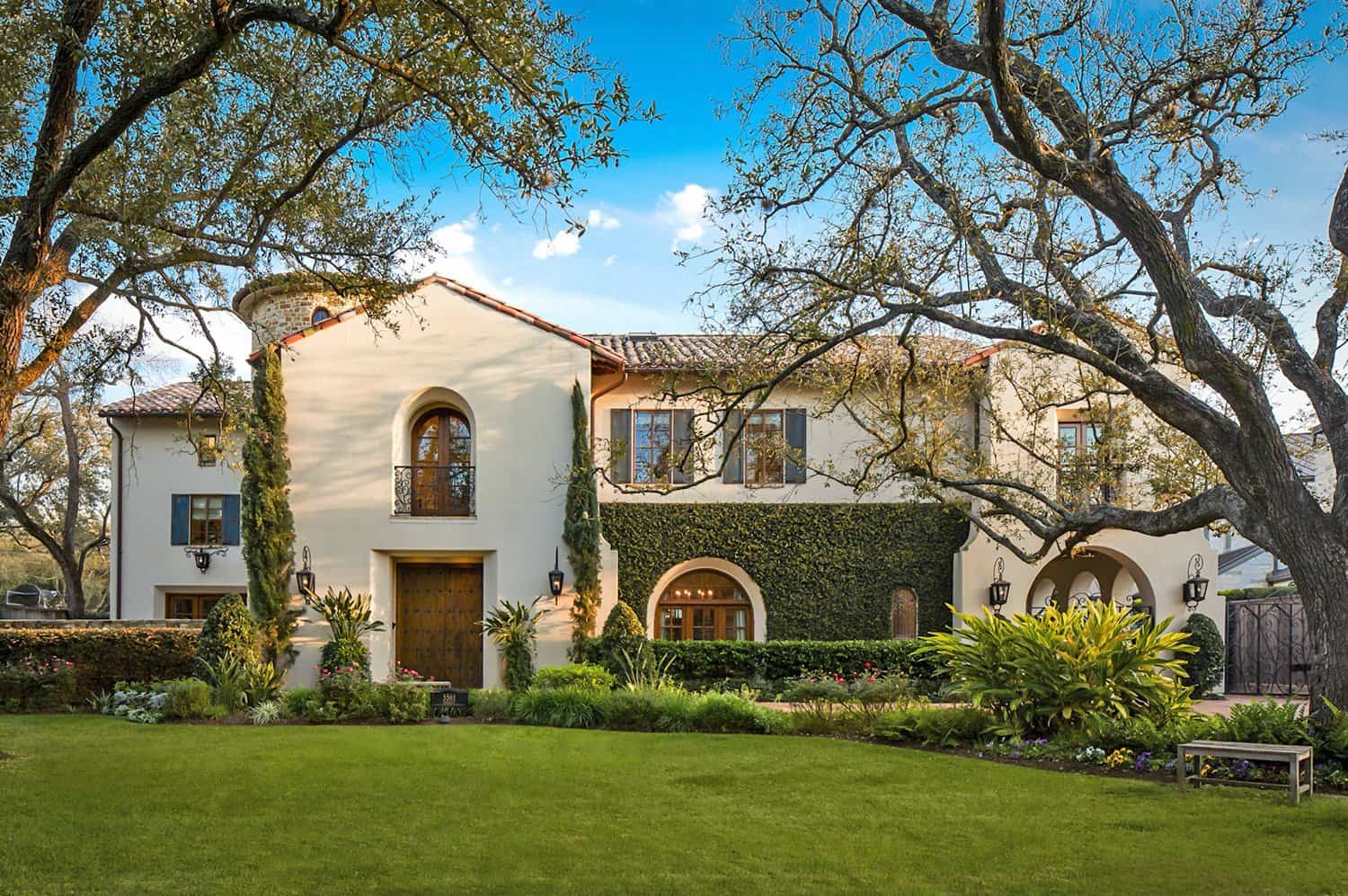
A typical Irving custom-home timeline
A home build is both a pricing exercise and a schedule exercise. Knowing the order of events helps you understand why some costs appear early and others show up later.
1. Preconstruction and design
This phase includes budget conversations, floor-plan development, site review, and early selection planning. It is also the cheapest time to make changes, which is why a strong preconstruction process matters so much.
2. Permitting and procurement
Plans are finalized, approvals are processed, and long-lead materials are ordered. The more carefully this step is handled, the fewer delays you are likely to face.
3. Site work and foundation
The lot is prepared, grading and drainage are addressed, and the foundation is installed. If the site is complicated, this step can become more expensive than expected.
4. Framing and rough-ins
The shell goes up, followed by rough plumbing, electrical, and HVAC. This is a coordination-heavy part of the project because multiple trades have to work in sequence.
5. Insulation, drywall, and interior finishes
Walls close in, and the house starts to look finished. Trim, paint, flooring, tile, cabinets, and countertops come next.
6. Final systems and punch list
Fixtures are installed, systems are tested, small corrections are completed, and the home is prepared for turnover.
7. Handoff and closeout
The last step is final completion and delivery. By this point, the choices made early in the project have usually determined whether the build stayed orderly or became stressful.
A custom home can move faster or slower depending on weather, complexity, labor availability, and material procurement. If your project is tied to a particular move-in date, the schedule needs to be managed as carefully as the budget.
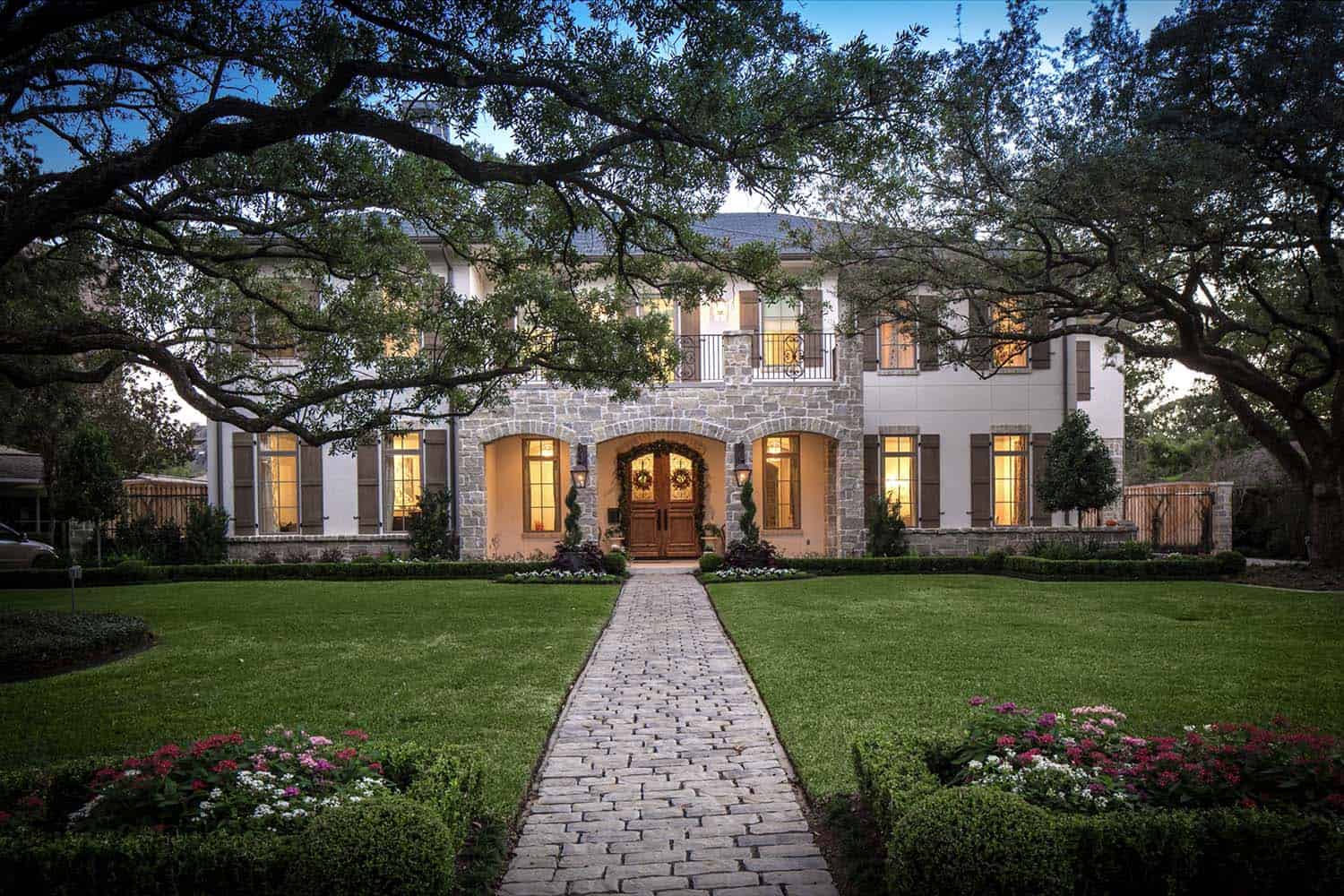
How to keep your Irving build budget under control
The easiest way to protect a custom-home budget is to keep the project organized from the beginning. That sounds simple, but it is where many projects go wrong.
Here are the habits that help most:
- Start with a realistic range instead of the cheapest possible number.
- Lock the floor plan before selecting too many finish details.
- Decide early where premium upgrades matter most.
- Match allowances to the level of home you actually want.
- Carry contingency for site work and design changes.
- Review major selections before construction starts.
Why allowances matter so much
Allowances are useful only when they match reality. If they are too low, the budget looks better than it truly is. If they are too high, you may think the project is more expensive than it needs to be. The right allowance structure keeps everyone honest.
Why comparisons help
It is smart to compare your proposal against the broader market and against your own priorities. If a line item feels out of line, ask whether the cost is being driven by the site, the design, or the finish package. That question alone often reveals the right next step.
What not to do
Do not let scope creep happen quietly. It is easy to add one premium element at a time and then wonder why the final total is far above the original plan. Every new choice should have a purpose.
The broader DFW home building cost guide is useful when you want to compare your Irving number to the regional baseline. When you are ready to connect the estimate to a real build conversation, our Irving custom home builder page is the right place to start.

When an Irving custom build is worth the investment
A custom home is worth the investment when the layout, performance, and finish quality matter enough that a production-style alternative would not really fit your goals. In Irving, that often means the homeowner wants stronger control over the lot, better use of space, and a home that reflects the way the family actually lives.
That does not mean every project should be oversized or overloaded with luxury features. A well-planned custom home can still be practical and efficient. The point is to spend where it matters and avoid spending where it does not.
A simple decision test
Ask yourself three questions:
- Does the floor plan fit your daily life better than existing options?
- Does the lot justify a custom design?
- Will the home hold value for you because of the way it is built, not just because of how large it is?
If the answer to those questions is yes, a custom build is usually easier to justify.
As you move from planning to action, keep using the regional and local resources together. The DFW home building cost guide helps you benchmark the big picture, and our Irving custom home builder page helps you translate that budget into an actual local project.
Building a house in Irving can be straightforward when the scope is clear and the budget is built from the right assumptions. The strongest projects usually start with realistic pricing, a clean site plan, and a builder who treats the lot, the design, and the finish choices as one connected number. If you want a home that fits Irving well and still stays financially disciplined, start with the right framework and build from there.