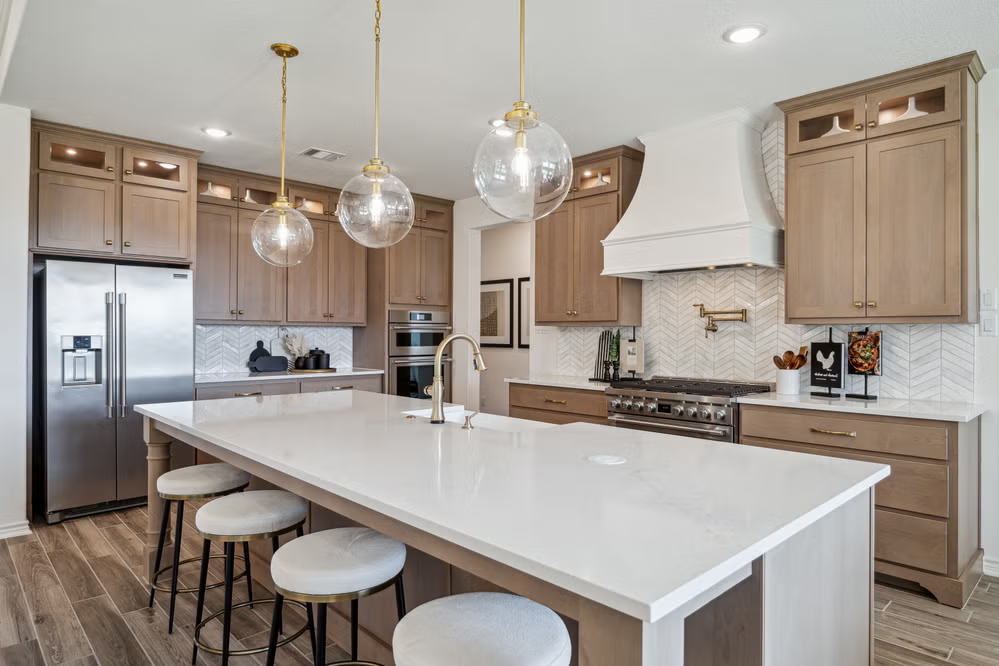
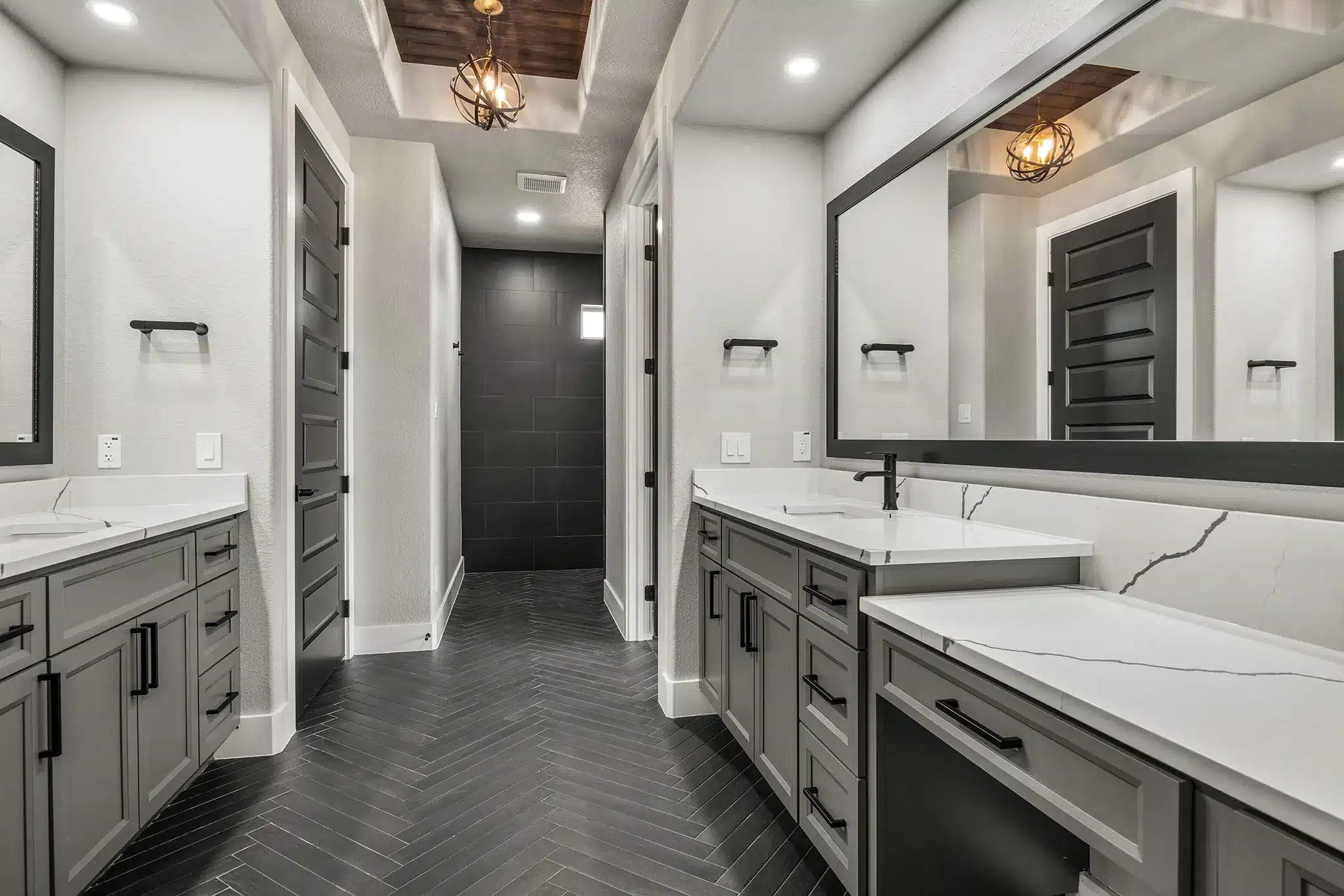
Building a home in Garland usually starts with a simple question and a very non-simple answer: what kind of home are you building, on what kind of lot, and how finished do you want it to be? Garland sits in a mature part of the Dallas metro, which means build costs can swing based on land condition, utility access, neighborhood constraints, site prep, and the level of finish you choose. If you want a broad regional benchmark first, the DFW Home Building Cost Guide 2026 is a useful starting point, but Garland projects still need their own local assumptions.
For most custom builds in Garland, a realistic budget usually lands somewhere in the mid-to-upper range once you include design, permits, foundation work, utility connections, framing, mechanical systems, interior finishes, and contingency. A lot of homeowners focus on the construction cost per square foot, but the final number is shaped just as much by the lot and the scope of work. That is why two homes with the same size can end up with very different totals.
This guide walks through the numbers in a practical way so you can budget with fewer surprises. It also explains where Garland-specific conditions tend to push costs up or down, how to think about finish levels, and what to watch during planning so your budget stays under control.

What a Garland custom home budget usually includes
A full home-building budget in Garland should cover more than the visible finished house. It usually includes preconstruction services, the building shell, interior trades, finishes, and a reserve for changes or unknowns. When homeowners only budget for framing and finishes, they often miss the “in-between” costs that actually make the project move forward.
A practical budget stack often looks like this:
| Budget category | Typical share of total | What it covers |
|---|---|---|
| Land and site preparation | 10% to 25% | Clearing, grading, drainage, utilities, soil work |
| Design and preconstruction | 3% to 8% | Plans, engineering, surveys, estimating |
| Foundation and structure | 15% to 25% | Slab, framing, roof structure, sheathing |
| Mechanical, electrical, plumbing | 15% to 20% | HVAC, electrical, plumbing, gas, low-voltage |
| Interior finishes | 20% to 30% | Drywall, trim, cabinets, counters, flooring, paint |
| Exterior finish work | 8% to 15% | Siding, brick, stucco, windows, doors, landscaping |
| Contingency | 5% to 10% | Change orders, surprises, small scope upgrades |
For a simple custom home, a small reserve may be enough. For a more complex build, especially on a lot with drainage issues or utility extension work, that reserve can get used quickly. This is one reason many homeowners in the Garland area prefer to get a detailed estimate before they commit to a final plan.
If you are comparing builders, make sure the estimate includes the same scope. One quote might include basic finishes and another might assume upgraded cabinetry, better windows, or a more complex roofline. That makes a direct comparison misleading even if the numbers look close at first glance.
The key is to define the scope early and keep the budget tied to that scope. When a project starts with a clear allowance structure, the final result is usually easier to control.
Typical cost per square foot in Garland
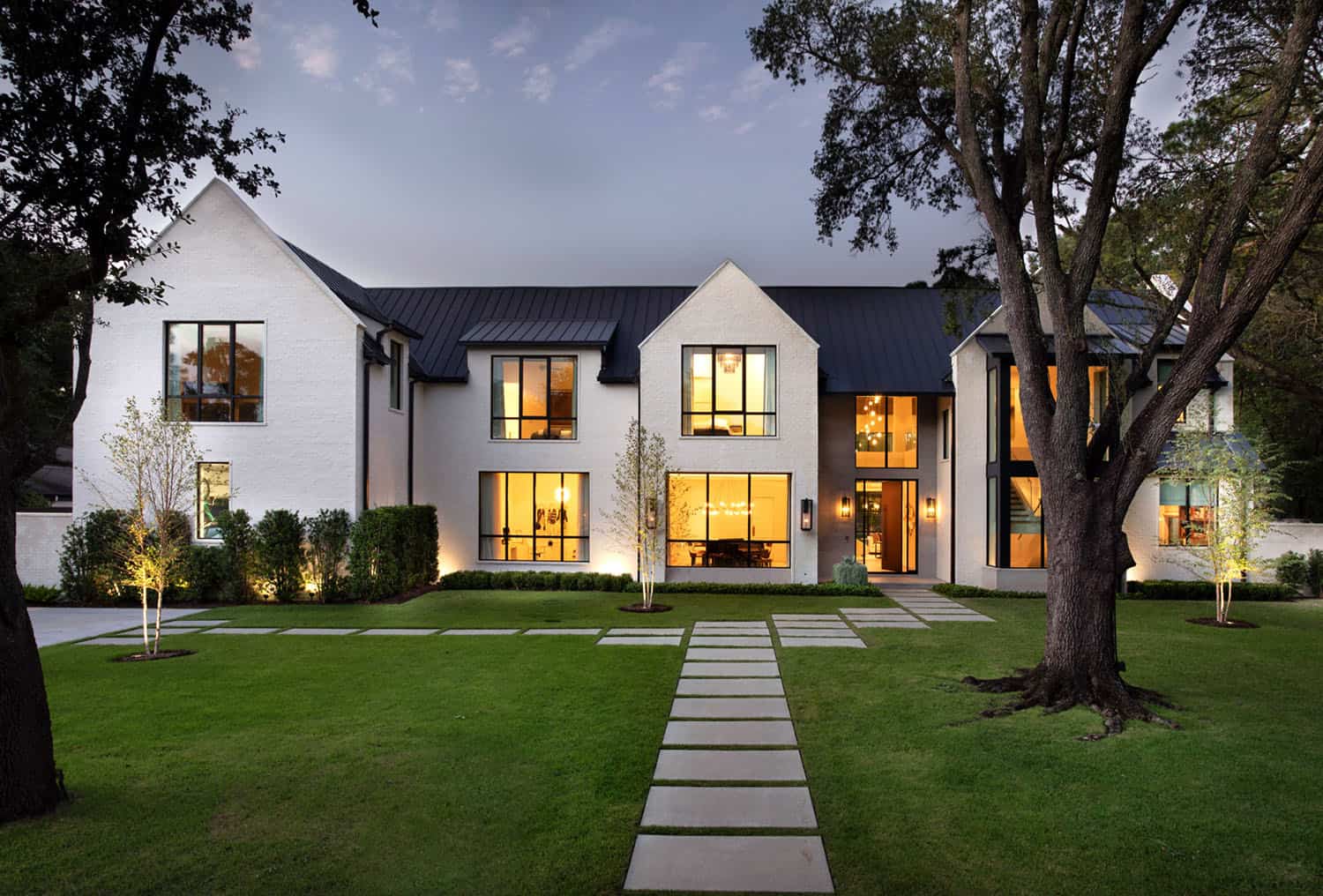
Most homeowners want a quick square-foot estimate first, and that is a reasonable place to start. In Garland, custom home costs often vary by finish level more than by lot size alone. A modest build with standard selections can land in a lower range, while a higher-end build with custom details can move well above that baseline.
A simple way to think about it is this:
| Finish level | Rough cost per sq. ft. | Best fit |
|---|---|---|
| Basic custom | $170 to $225 | Efficient layouts, standard finishes |
| Mid-range custom | $225 to $325 | Better cabinetry, upgraded surfaces, more design detail |
| High-end custom | $325 to $500+ | Premium materials, complex architecture, luxury systems |
Those numbers are only a planning tool. They do not replace a full takeoff or an actual builder estimate. They do, however, help you create a realistic target before you spend too much time on floor plans that will not fit your budget.
Here are a few sample budget scenarios:
- 1,800 sq. ft. at $200/sq. ft. = about $360,000
- 2,400 sq. ft. at $275/sq. ft. = about $660,000
- 3,000 sq. ft. at $350/sq. ft. = about $1,050,000
These examples assume the land is already secured and do not fully account for unusual sitework or major utility extensions. If you need a more detailed local comparison, the Garland custom home builder page can help you think through what type of build is realistic for your lot and finish level.
For homeowners comparing nearby cities, it also helps to look at neighboring markets with similar construction pressures. A local build in Garland can share cost patterns with nearby DFW suburbs, though lot conditions and zoning expectations can still shift the budget. That is why many people compare Garland with Fort Worth home-building costs or Arlington before settling on a final plan.
When you see an estimate that looks unusually low, check what it excludes. Sitework, permits, utility taps, and upgrades often explain the difference.

Sitework, lot prep, and utility costs
Sitework is one of the biggest reasons home-building budgets change in Garland. Even a lot that looks straightforward can require more grading, drainage, or utility coordination than expected. If the property sits on a slope, has poor soil, or needs a longer run to connect utilities, the total cost can move fast.
Common sitework items include:
- land clearing and debris removal
- rough grading and pad preparation
- soil testing and geotechnical recommendations
- foundation design adjustments
- stormwater drainage planning
- water, sewer, electric, and gas connections
- trenching and utility extensions
- driveway, sidewalk, and access work
For a standard build, site prep may stay relatively modest. For a lot with drainage complications or utility challenges, it can become one of the most expensive early phases of the project. That is why experienced builders pay close attention to the lot before final pricing.
Garland is part of a mature urban area, so some lots benefit from existing infrastructure while others still need meaningful coordination. The better the utility access, the more predictable the budget. The farther the project is from existing service, the more the price depends on trenching distance, easements, and whether a utility provider requires upgrades.
The City of Garland, TX is a helpful place to start when you are looking into local permit and development context. Even if your project is straightforward, it is smart to understand the city’s process early so you can schedule around submittals and inspections rather than discovering them mid-project.
If your lot needs special handling, sitework can easily add tens of thousands of dollars to the project. In that situation, the home itself may still fit budget, but the total project may not. That is one of the most common planning mistakes.
A good rule is to treat the lot as a project of its own. If the site is not ready, the structure is not really ready either.

Permits, plans, and inspections in Garland
Permitting does not usually represent the largest line item in a build budget, but it can affect schedule and soft costs in meaningful ways. In Garland, the timeline for plan review, permit issuance, and inspections influences when trades can start and how quickly the project can move.
Typical preconstruction steps include:
- finalizing the architectural plans
- coordinating structural engineering
- confirming lot conditions and setbacks
- submitting for permit review
- scheduling inspections during construction
- closing out final approvals at the end
A smoother permit path can save money indirectly by reducing downtime. When crews are waiting on approvals, carrying costs continue even though visible progress is stalled. This is why good preconstruction work matters so much.
A broad regional resource like the DFW Home Building Cost Guide 2026 is useful for understanding the big picture, but local municipal process still matters. A Garland project that starts with clean plans and a clear scope is less likely to run into avoidable delay.
The official City of Garland, TX website is the best place to verify current local process details, but the bigger takeaway is simple: do not treat permitting as a clerical formality. It is part of the cost structure.
It also helps to think of permits and inspections as a timing issue as much as a fee issue. If your build schedule has to be adjusted around plan review or inspection availability, that can affect trade sequencing, material delivery, and how quickly the next phase can begin. Even when the direct permit cost is manageable, the indirect cost of waiting can be very real.
For that reason, a well-run preconstruction phase is worth more than many homeowners expect. A clean permit packet, a clear scope, and a builder who knows how local review works can reduce the chances of a stalled start. That does not make the process glamorous, but it does make it more predictable.
Inspections also matter for budget control. When rough-in work, foundation work, or framing needs corrections, the schedule can slow and labor costs can rise. That is especially true on custom builds with more complicated design choices.
The smartest approach is to plan for the process as carefully as you plan for the house itself. A well-managed approval path protects both the schedule and the budget.

Labor, materials, and finish-level decisions
Once the project is underway, the largest cost swings often come from labor availability and finish selection. Lumber, drywall, concrete, steel, fixtures, cabinets, tile, and mechanical equipment all have their own market pressures. But for most homeowners, the finish package is what determines whether the home feels basic, comfortable, or truly custom.
A few of the biggest cost drivers are:
- roof complexity
- number of corners and bump-outs
- window and door quality
- cabinet grade and layout
- countertop material
- flooring type
- tile coverage
- trim detail
- HVAC capacity and zoning
- smart-home and low-voltage package
You can save money by simplifying the shape of the house and limiting structural complexity. A rectangular plan with a straightforward roofline is usually cheaper to build than a design with many angles, custom ceilings, and large spans. That does not mean the house has to feel plain. It just means the budget goes further when the structure is efficient.
There is also a big difference between “nice enough” and “custom built to last.” Homeowners often want upgraded durability in the places they touch every day: windows, insulation, cabinets, flooring, and fixtures. Those upgrades can improve the house without pushing every single line item into luxury territory.
If you are trying to balance value and quality, it helps to compare where money is most noticeable. For example, a better cabinet package may improve day-to-day use more than a fancy exterior detail that only matters from the street. That kind of prioritization is where experienced planning really helps.
For many projects, the best value comes from spending on the parts of the home that are hardest to change later. Structure, insulation, windows, and core mechanical systems are often worth more than cosmetic upgrades that can be updated down the road.

How Garland compares with nearby markets
Garland build costs should always be understood in context. Nearby cities often share labor pools and material delivery patterns, but project totals can still differ because of lot conditions, municipal procedures, and buyer expectations.
If you compare Garland to nearby suburbs, you will usually see that the biggest differences come from:
- lot size and shape
- whether the land is already improved
- how much grading is needed
- architectural complexity
- neighborhood standards and finish expectations
In older areas, infill lots can cost less to buy but more to prepare. In newer areas, sitework may be simpler but finish expectations may be higher. Either way, the final total depends on how much work is needed before the home is ready to occupy.
Garland also sits in a market where buyer expectations can be pretty specific. That matters because homes in this region are often compared with nearby DFW communities. If your plan is to build a home and keep it for a long time, you want the design to fit both your budget and the local resale environment.
This is another reason the right builder relationship matters. A local team can help you understand when a feature is worth the price and when it is just an expensive preference. That kind of guidance becomes especially valuable when you are deciding between multiple layouts or package levels.
If you are still comparing options, it may help to review other nearby custom home markets before locking in a design. In some cases, a similar budget will go farther in one city than another because of land and municipal factors. Garland often makes a useful comparison point alongside nearby projects such as Fort Worth home-building costs and Arlington home-building costs, especially when you are trying to understand how location affects site prep and finish expectations.
How to control the total cost without cutting the wrong corners
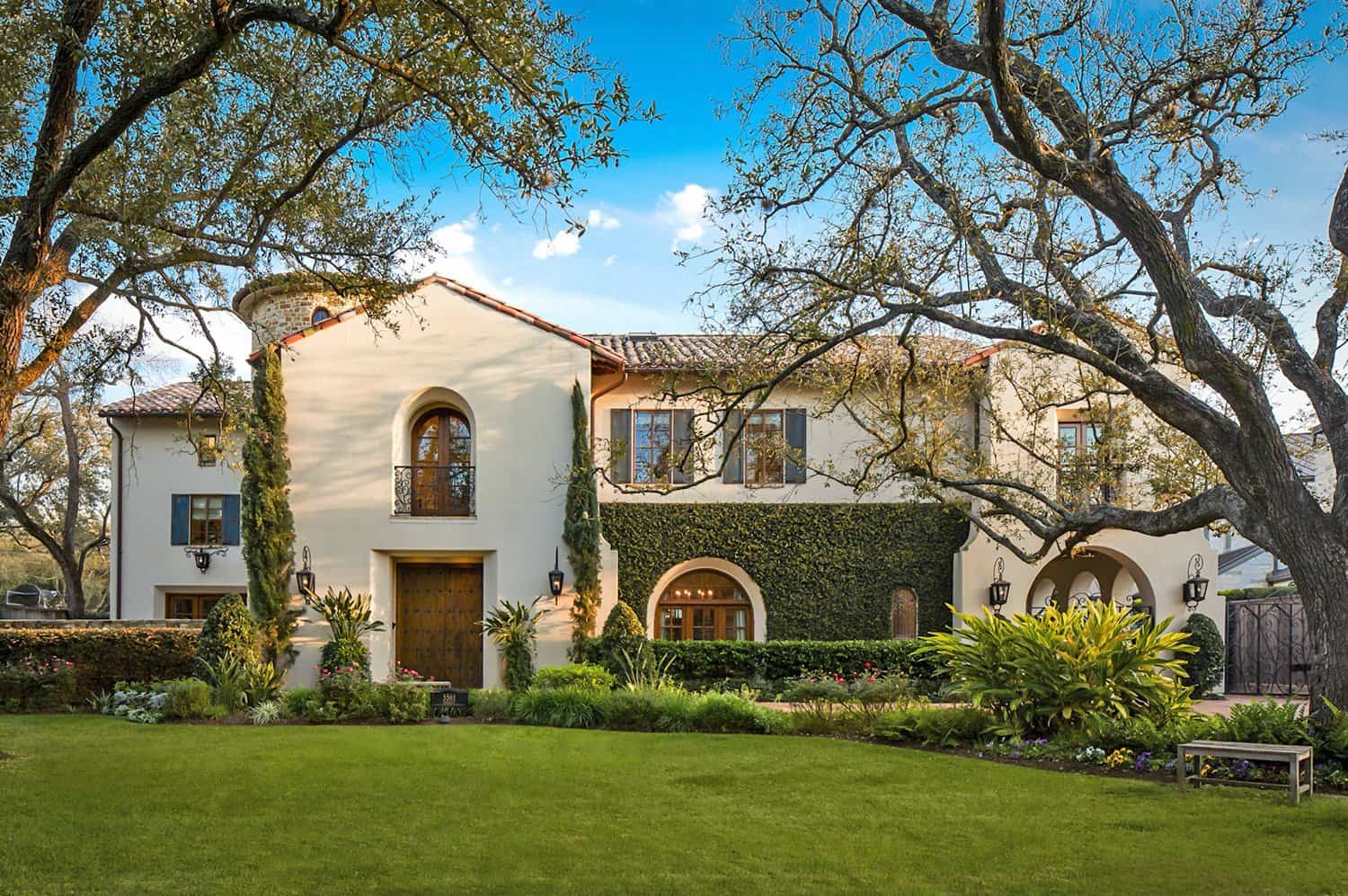
The easiest way to blow a home-building budget is to make many small changes after the plans are already set. Each individual change may seem modest, but together they create a much larger total. That is why cost control starts before construction begins.
Good cost-control habits include:
- finalize the layout before bidding
- keep the roofline and structural shape efficient
- choose one or two main finish priorities instead of upgrading everything
- compare allowance packages carefully
- ask what is excluded from the estimate
- reserve contingency funds for real unknowns
- avoid late material swaps unless they matter
The Garland custom home builder page is a good place to think through scope and execution if you are trying to decide what kind of build fits your budget. The goal is not to strip the home down to the cheapest possible version. The goal is to spend where it matters and avoid unnecessary complexity.
Another practical tactic is to set “must-have” and “nice-to-have” categories before you get too far into selections. That way, if the project starts to drift, you already know what can be trimmed without compromising the core design.
A wise budget also includes a true contingency, not just a wishful one. If you are building on a lot that has not been fully tested yet, or if the design is highly customized, uncertainty is part of the project. Planning for that uncertainty makes the whole process less stressful.
The most successful projects are rarely the ones that started with the lowest estimate. They are the ones that were scoped carefully and managed consistently.
When a Garland build makes sense and what to do next
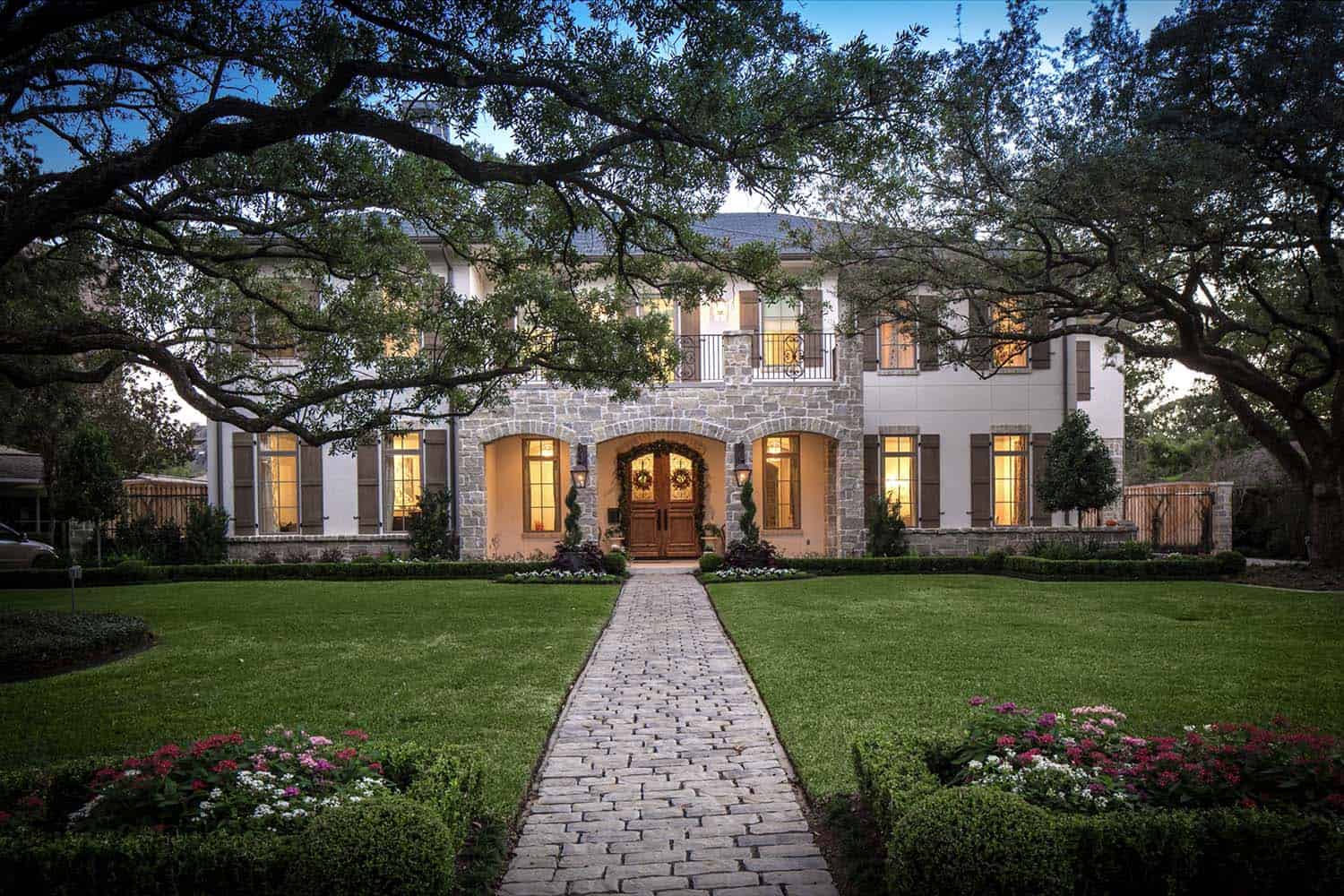
A Garland custom home project can make a lot of sense when you already know the area, want to stay close to Dallas, and need a home that fits your lot and lifestyle instead of settling for a resale compromise. The main challenge is getting the budget aligned with the reality of the site and the level of finish you actually want.
For planning purposes, it helps to remember the biggest cost levers:
- lot condition and utility access
- square footage
- plan complexity
- finish level
- permit and inspection timing
- change order discipline
If your lot is ready and your scope is clear, the project becomes much easier to price. If either of those pieces is uncertain, a careful preconstruction process is worth it. That is where a local builder can help you translate a house idea into a practical budget.
If you want a regional cost comparison to anchor your Garland expectations, return to the DFW Home Building Cost Guide 2026 and compare it with neighboring cities before you finalize your design. That broader view will help you avoid overbuilding for the lot or underplanning for the site.
The best final step is usually a planning conversation that turns estimates into a real scope. That conversation should cover your target budget, your land conditions, the finish level you want, and any features that are truly non-negotiable. Once those pieces are clear, it becomes much easier to decide whether to simplify the structure, adjust the square footage, or shift money toward the parts of the home that matter most in everyday use.
For homeowners ready to move forward, the next step is usually a conversation about your lot, your target budget, and the finish level that makes sense for your household. If you are planning a build in Garland and want a local team that understands the city and the wider DFW market, reach out to Fin Home and start with the scope.
A thoughtful plan now will save time, money, and stress later.