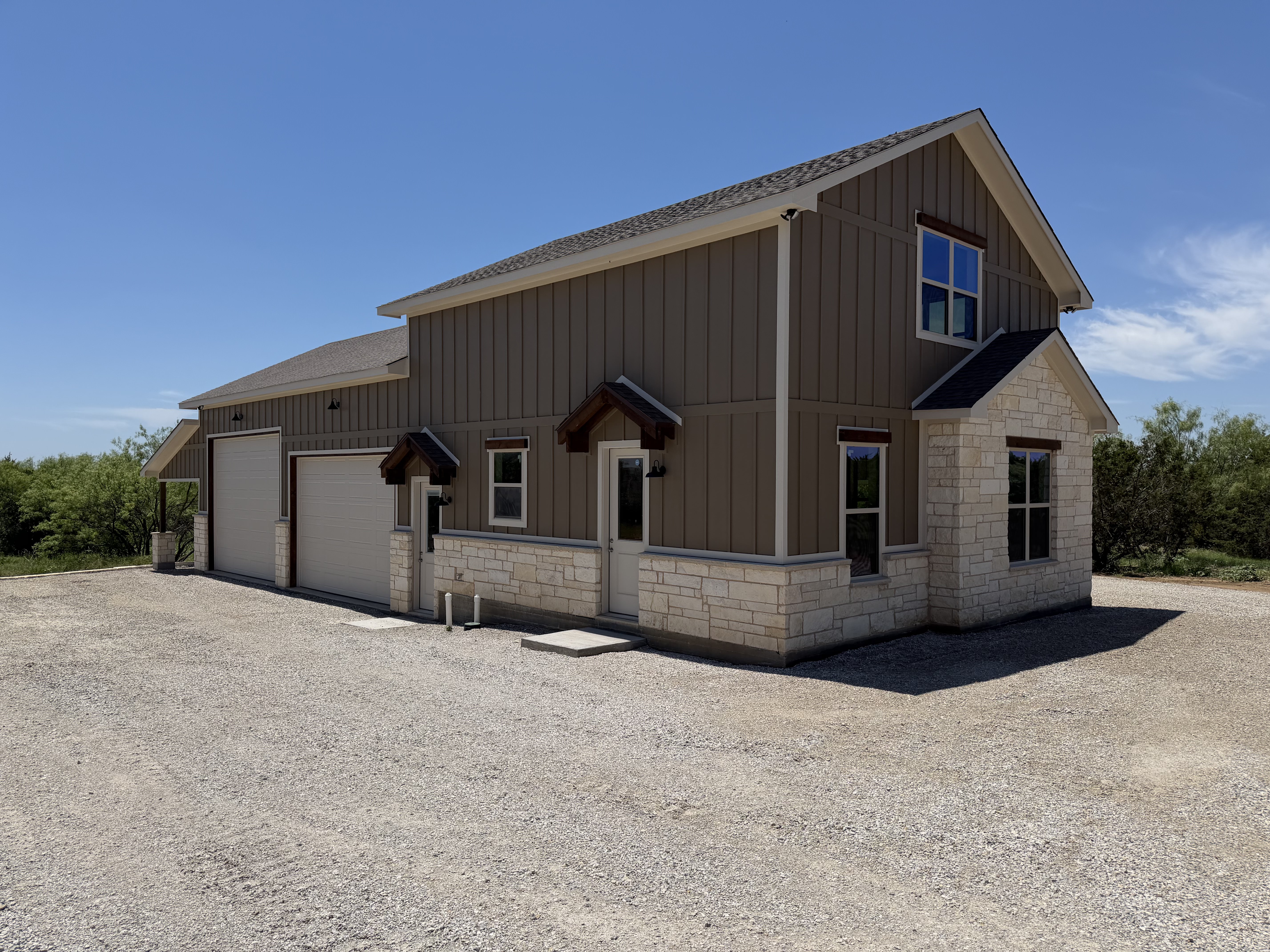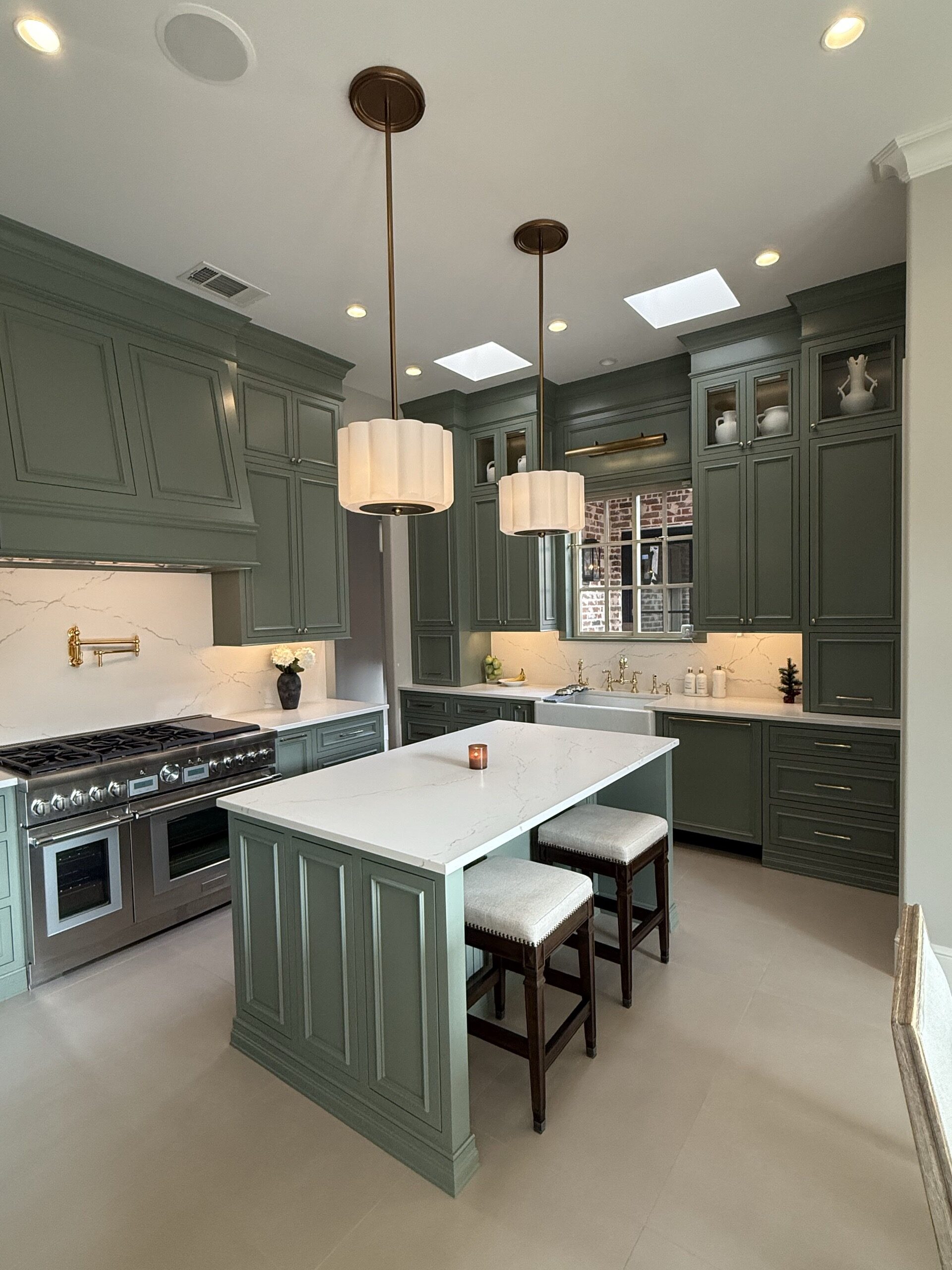

A home remodel in Plano rarely lands in the cosmetic-refresh column. Looking at recent Fin Home Plano projects, the three anchor budgets that tell the real story are a $73k renovation, a $118k home remodel, and a $220k home addition. None of those numbers represent a small surface update. Each one represents a homeowner deciding the layout, the systems, or the footprint of the house had to change.
That pattern is consistent across Plano work. Homeowners here tend to commit to the address. Equity has built up over a decade or longer, schools and commutes keep families in place, and the homes themselves are large enough that a meaningful update means touching multiple rooms at once. The article below breaks down what those budgets actually buy, where the cost goes line by line, and the decisions that move a Plano remodel from $75k to $150k to $220k.
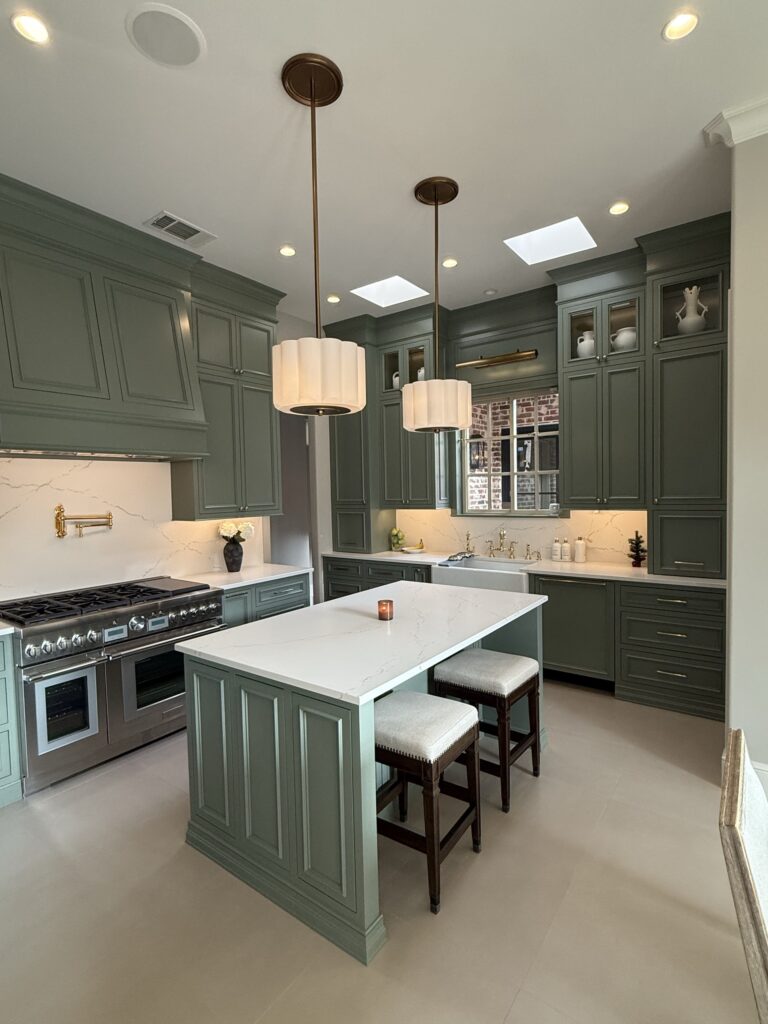
Why Plano Home Remodels Skew Larger Than the DFW Average
Two structural factors explain the pattern.
The first is house size. Many Plano homes in West Plano, Willow Bend, Whiffletree, and the Legacy corridor were built in the 1990s and early 2000s with footprints of 3,000 to 5,000 square feet. A meaningful remodel of a 4,200-square-foot home does not stop at one room. Once the kitchen is updated, the adjacent breakfast nook, family room, and entry corridor begin to look untouched. The cost of that finish reset across connected spaces is what pushes a “kitchen project” into a $100k-plus scope.
The second factor is tenure. Plano homeowners stay. The combination of school zones, walkability to retail, and proximity to corporate campuses keeps families in the same address through multiple life phases. When a homeowner has lived in a house for 12 or 15 years, the remodel decision is rarely about resale. It is about making the house work for the next decade. That mindset supports additions, primary suite reconfigurations, and full-floor finish overhauls that a flip-minded buyer would never authorize.
Older Plano neighborhoods east of Central Expressway tell a different version of the same story. Original Plano homes from the 1960s through 1980s have smaller footprints but sit on lots and in school zones that justify investment. The remodel scope shifts from “expand and refinish” to “modernize and unify,” but the budget commitment is similar because the work is often touching aging electrical, plumbing, and HVAC that a newer home would not require.
Where the Money Actually Goes in a Plano Whole-Home Remodel
In a $100k to $180k Plano remodel touching the kitchen, two bathrooms, and primary living areas, the budget typically distributes roughly like this:
| Scope Area | Typical Share of Budget |
|---|---|
| Kitchen (cabinets, counters, appliances, layout) | 30 to 40% |
| Primary bath remodel | 12 to 18% |
| Secondary bath remodel | 6 to 10% |
| Flooring across connected spaces | 8 to 12% |
| Interior paint, trim, doors, hardware | 6 to 10% |
| Electrical, lighting, fixture replacement | 5 to 8% |
| Permits, plans, project management, contingency | 10 to 15% |
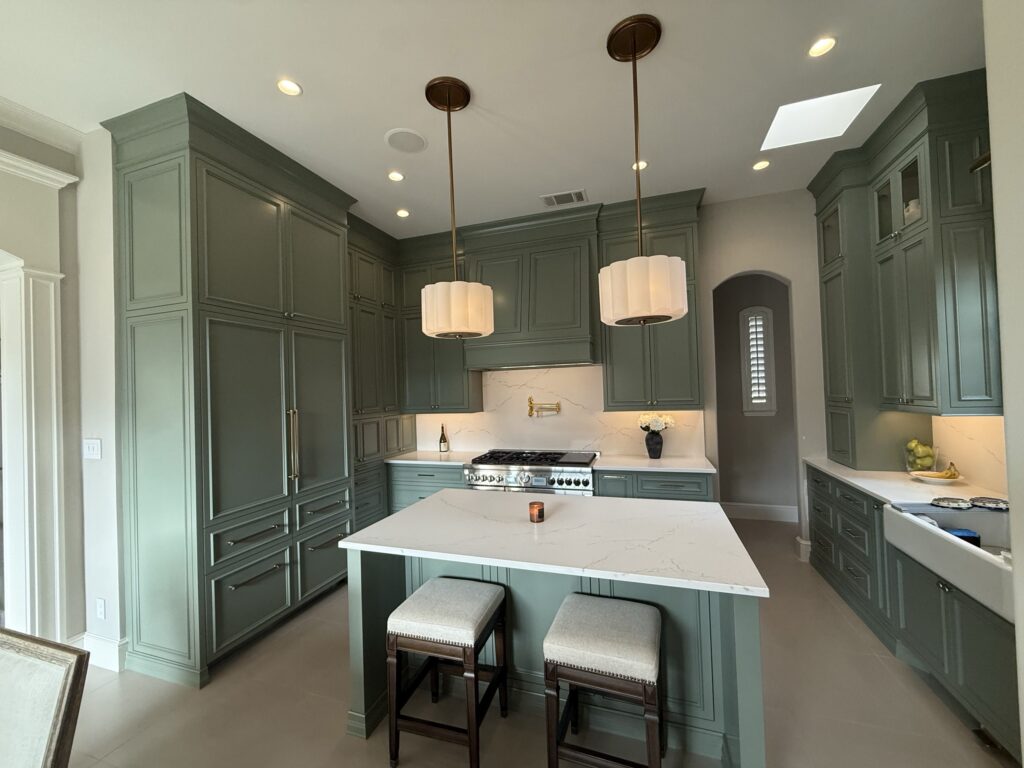
The kitchen line dominates because it is doing the most work. Cabinetry is the largest single material cost in most remodels, appliances run $8k to $25k for a mid-range package (and considerably more for premium brands), and any layout change adds plumbing and electrical reroutes. In West Plano homes with original cabinetry running 35-plus linear feet, the cabinet line alone can swing $20k to $40k depending on whether the homeowner stays with semi-custom or moves to fully custom.
Flooring is the second underestimated line. In a 3,500-square-foot Plano home, replacing flooring across the main living level (typically 1,800 to 2,200 square feet of new floor) runs $14k to $25k for engineered hardwood installed, more for solid wood or large-format tile. Homeowners often plan for “new floors” without sizing the actual square footage being covered.
The smaller lines (paint, trim, lighting, hardware) feel optional but rarely are. Once cabinets and floors are new, original trim and old light fixtures become visible flaws. Pricing those in from the start prevents the late-project budget creep where $4k of “small finishes” turns into $12k once the homeowner sees the contrast against the new work.
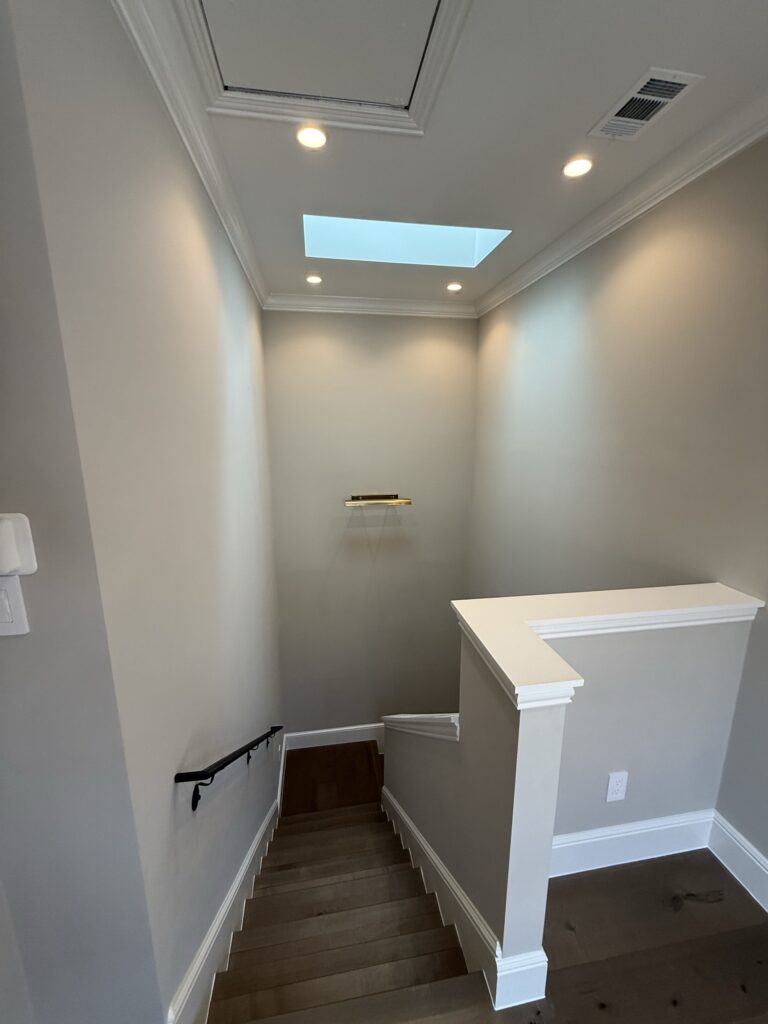
Three Real Plano Budgets and What They Represent
The clearest way to understand Plano remodel pricing is through three Fin Home projects at different scopes and classifications. Each describes a different shape of work, not a different finish level of the same work.
The $73k Plano Renovation
A project classified as a renovation at this budget level sits on the smaller end of what Plano homeowners typically commit to. Renovation work in Plano usually means refinishing and updating existing rooms within the existing footprint, rather than reorganizing the layout or adding square footage. At $73k, the scope is focused enough that decisions stay disciplined: finishes generally remain in the semi-custom range, layouts stay close to original, and the project does not reach across the whole house.
Plano renovations cross into the $90k-plus range when one of three things happens: a wall opens, the cabinetry or finish tier moves up significantly, or demo uncovers a systems repair (electrical, plumbing, slab) that has to be addressed before the new work can move forward. Understanding where that line sits is the difference between a $73k project that lands on budget and an $80k project that creeps to $95k.
The $118k Plano Home Remodel
A project classified as a home remodel at this budget level represents the most common shape of work in Plano. The remodel classification is broader than a renovation, which implies a coordinated update across multiple rooms or finish systems rather than a focused refresh of one area. It still stops short of adding square footage or fundamentally restructuring the floor plan.
A budget at this level holds when decisions stay in the mid-range finish tier and the work respects the existing plumbing and structural paths. Most Plano remodels clustering around this number are touching several connected spaces at once, which is why the figure lands above the typical DFW mid-range. The cost driver here is not luxury finishes. It is breadth of scope across a larger home.
The $220k Plano Home Addition
A project classified as a home addition at this budget level is a different kind of project from any interior remodel. Additions involve adding square footage or fundamentally reorganizing the existing footprint, which changes the cost structure substantially. In a typical Plano addition, roughly 30 to 40% of the budget goes into the shell (foundation, framing, roofing, exterior envelope), 25 to 30% into mechanical extension (HVAC, electrical, and plumbing into the new space), and the balance into interior finishes.
Additions also carry longer permit and design timelines because structural plans, engineering review, and city approval are part of the scope from the beginning rather than handled as a small piece of an interior remodel. The $220k figure is consistent with what additions in established Plano neighborhoods tend to run when the work is done properly to current code.
The gap between $73k and $220k is not a finish-level decision. It is a scope decision. Once you understand which of those three project shapes describes your project (renovation, remodel, or addition), the budget range narrows quickly.
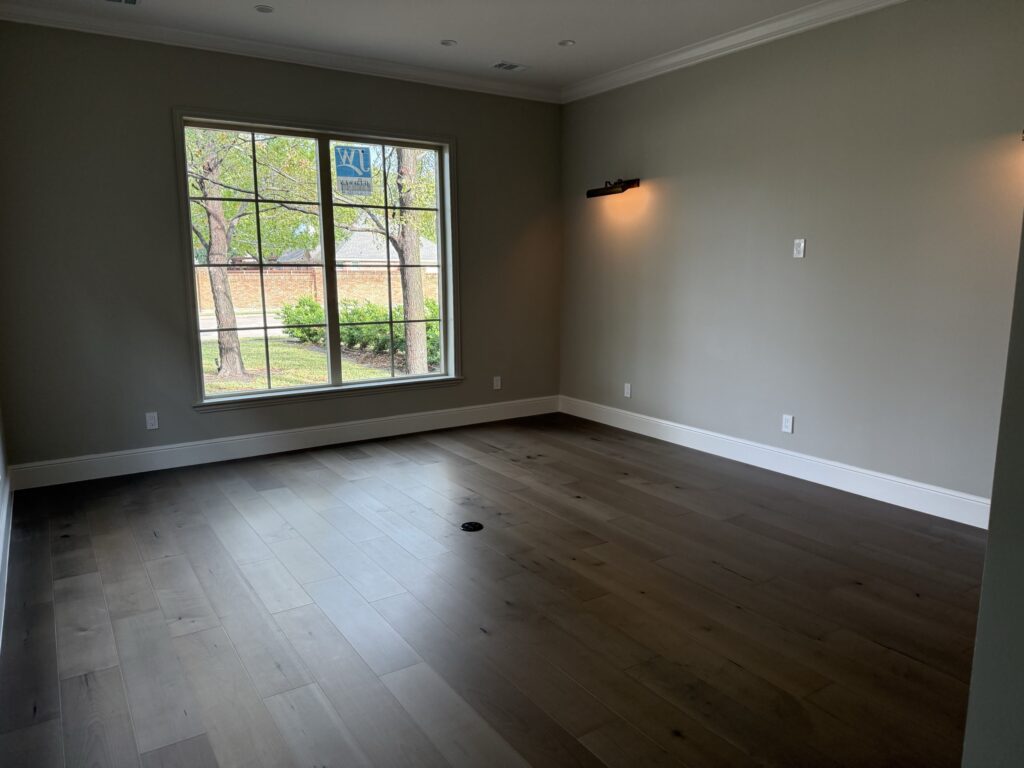
What Plano Homeowners Under-Budget For
Several line items consistently come in higher than first-time remodelers expect.
Cabinet hardware and trim accessories. A custom kitchen with 25 cabinet pulls, soft-close upgrades, drawer organizers, pull-out trash bins, and under-cabinet lighting can add $2k to $5k beyond the cabinet quote itself. These get treated as small line items and add up faster than the homeowner planned.
Lighting design. Replacing a single dome light with a single new dome light is cheap. Designing a layered lighting plan with recessed cans, pendants, under-cabinet, sconces, and dimmer zones across the main living level runs $4k to $12k in fixtures alone, plus electrician labor for any new circuits or switch locations. Plano homes from the 1990s often have undersized lighting layouts that require new boxes cut into ceilings, which adds drywall repair and paint touch-up.
Drywall and texture matching. When walls are opened, lights moved, or built-ins removed, the patches need to match the existing texture. Plano homes built across multiple decades have different texture profiles (orange peel, knockdown, smooth in some primary suites). Matching that across a partially remodeled home takes more skill and material than homeowners expect, and a poor match shows up in every photograph of the finished space.
Window replacement during a remodel. Many Plano homeowners do not plan to replace windows during a remodel, then realize halfway through that the original aluminum-frame windows in the kitchen or living area now look obviously dated against the new finishes. Adding 6 to 10 windows mid-project runs $8k to $20k depending on size and frame type, plus exterior repair where the trim and brick interface.
Living costs during construction. If the kitchen is offline for 6 to 10 weeks, the family eats out more, orders in more, and often spends $400 to $1,000 a month above their normal food budget. That is rarely in the construction quote, and it should be in the household budget.
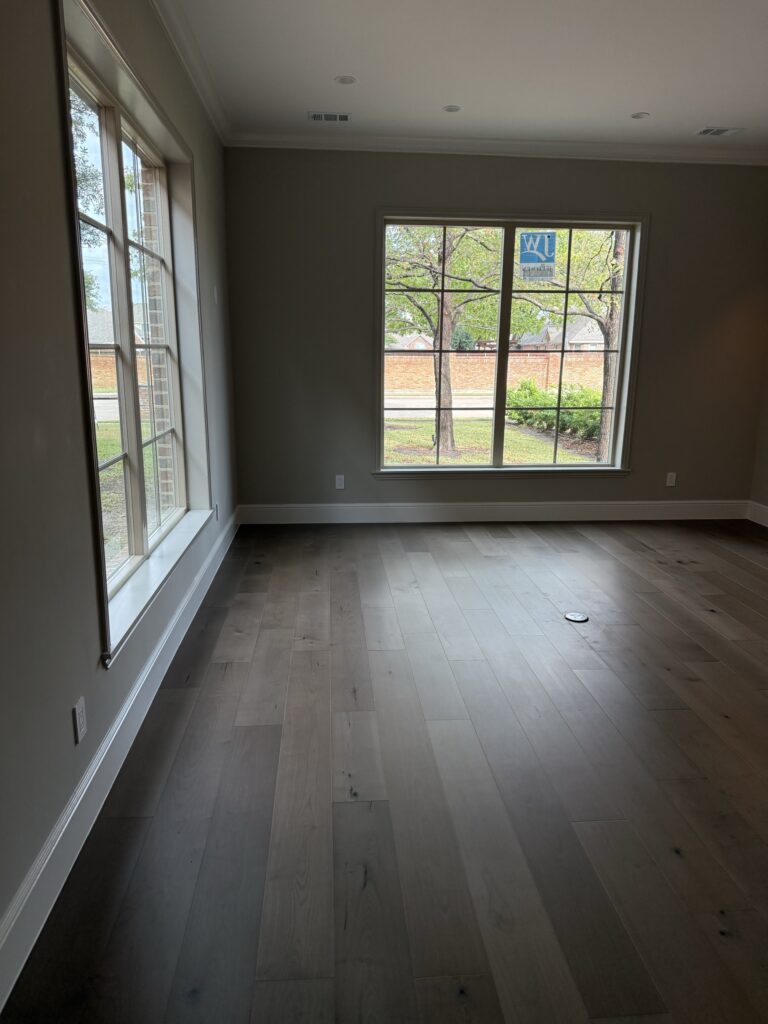
Phased vs. All-at-Once: The Cost Question for Plano Remodels
Because Plano scopes tend to be large, the phasing decision matters more here than in markets where most projects are single-room. The tradeoffs are real on both sides.
All-at-once is cheaper per square foot. One mobilization, one permit cycle, one set of subcontractor schedules, one cleanup. The crew is on site continuously and finish trades can sequence efficiently. On a $150k whole-home scope, doing it all at once typically saves 10 to 15% compared to splitting it into two phases a year apart. The cost is disruption: 4 to 9 months of living in a construction zone, or a temporary move-out.
Phased work is less disruptive and more financially flexible. A homeowner can do the kitchen and main floor in year one, the primary suite in year two, and a deck or addition in year three. The penalty is real. Each phase carries its own mobilization, design, and permit costs, and finish matching across phases gets harder as products go out of stock and trim profiles shift. A two-phase remodel that would have cost $150k all-at-once often runs $170k to $180k when split.
The right answer depends less on math and more on the household’s tolerance for disruption and the home’s specific scope. If the project includes a kitchen plus a primary suite reconfiguration, phasing those two often makes sense because they affect different parts of daily life. If the project is a kitchen plus an open-concept conversion that requires opening the same wall twice, phasing rarely pencils.
For homeowners weighing this decision, the Plano home remodeling overview lays out the process and timeline at a scope level. The cost difference is what comes out in the estimate.
Plano Permits and the Cost Implications
Most Plano remodels require a permit. Anything touching electrical, plumbing, mechanical systems, or structural elements triggers the permit process through the Plano Building Inspections Department at 1520 K Avenue, Suite 140. Permit fees themselves are a small line item (typically $300 to $1,500 for a residential remodel), but the related costs are larger.
Plan preparation and any required engineering runs $1,500 to $5,000 for structural work. HOA review applies in many West Plano subdivisions and can add 2 to 6 weeks to the schedule before work starts. Inspection coordination is included in a general contractor’s project management but billed separately when a homeowner self-manages.
The official Plano residential permits page covers the requirements in detail. The practical implication for budget: build 4 to 8 weeks of permit and HOA review time into the schedule before construction starts, and reserve $2k to $5k for plan and engineering costs on any scope that involves structural changes.
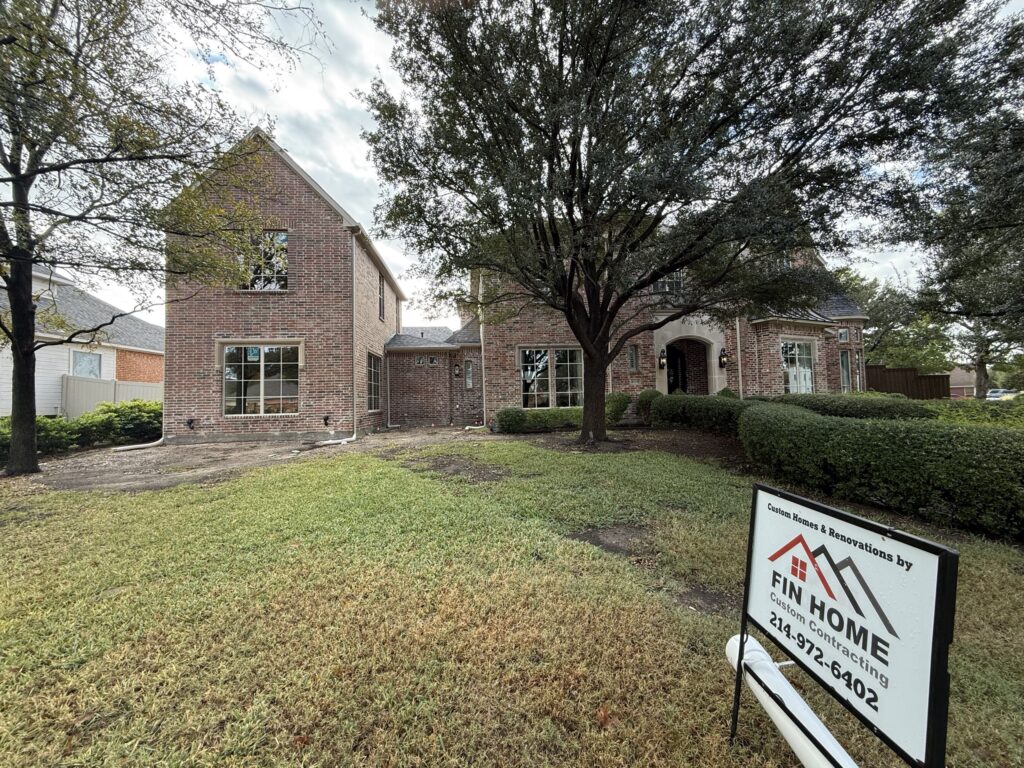
What a Defensible Plano Remodel Budget Looks Like
The best budgets in Plano are not the ones with the lowest number. They are the ones where the homeowner knows which of the three project shapes describes their scope, has priced the connected-space finish reset that a Plano-sized home almost always requires, and has reserved 10 to 15% for the items that consistently come in higher than first-pass estimates suggest.
Fin Home’s recent Plano work has clustered around the $73k, $118k, and $220k anchors because those numbers match real scope shapes: focused renovation, mid-range whole-home remodel, and addition or major reorganization. If your project does not match one of those, the conversation should start with which shape it is closer to, not which dollar figure feels comfortable. Near-Plano testimonials from Les Abernethy in Little Elm and Kwaku Akoi in Richardson describe what that conversation looks like in practice on similar-sized homes in adjacent markets.
The number on the final estimate should not surprise the homeowner. By the time it arrives, the scope, the finish tier, and the phasing have already been decided. The estimate is just the math.