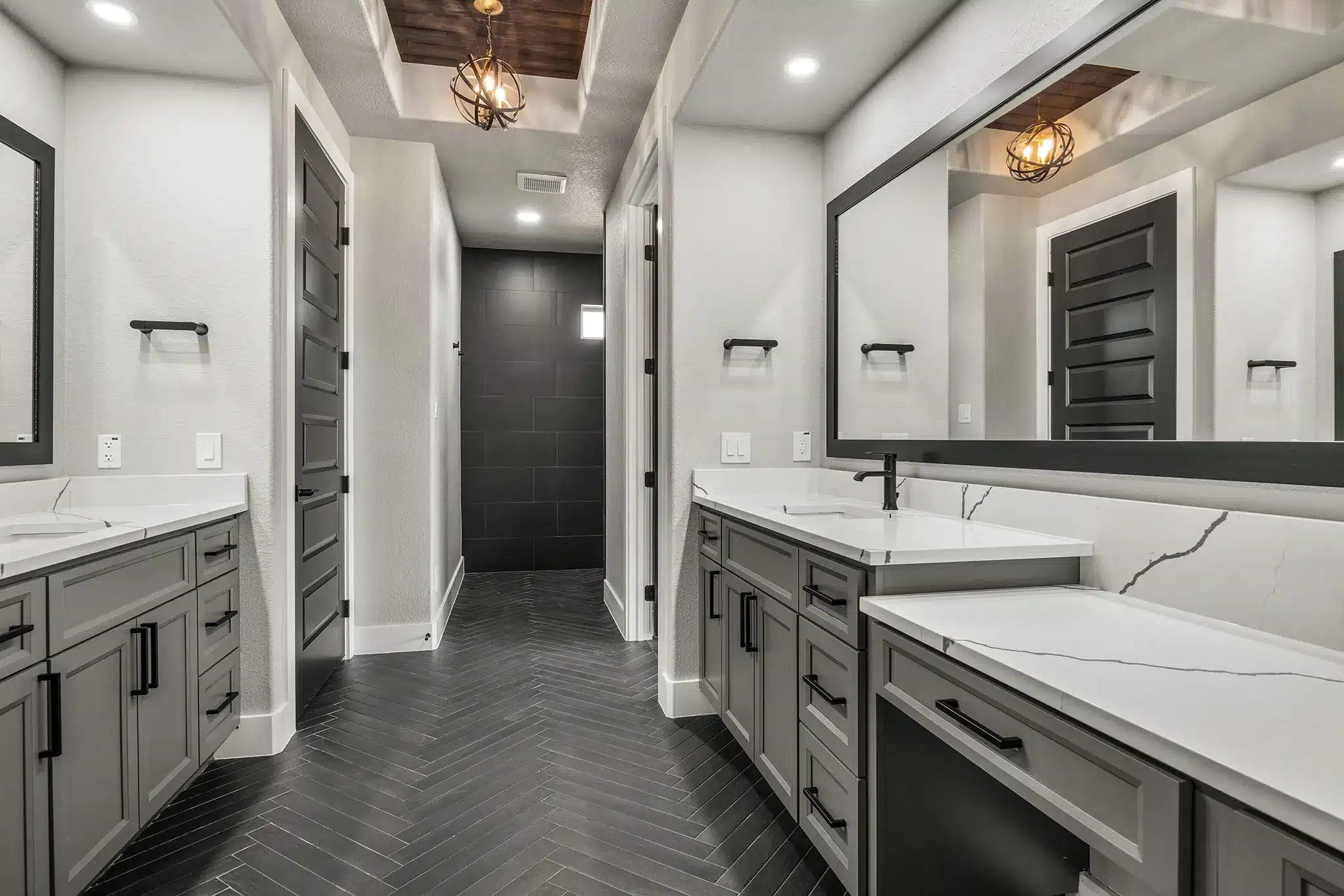
Home remodeling in Ellis County can range from a modest refresh to a full gut renovation, and the total cost depends heavily on the age of the home, the finish level you want, and whether the project stays cosmetic or touches structure, plumbing, and electrical systems. In 2026, many Ellis County homeowners can expect to spend roughly $25,000 to $150,000+ on a remodel, with smaller updates below that and major whole-home projects well above it. If you are comparing renovation options across the metro, this guide will help you understand where the money goes and how to budget with confidence. For a broader regional comparison, see our full DFW home remodeling cost guide.

What Does Home Remodeling Cost in Ellis County?
Here is the simplest answer: most home remodeling projects in Ellis County land somewhere between a focused update and a full-scale renovation, and the final number usually reflects scope more than square footage alone. A cosmetic refresh can stay near the lower end of the market, while projects that include kitchens, bathrooms, flooring, trim, windows, or layout changes push budgets higher very quickly.
| Remodel Scope | Typical Ellis County Budget Range | What It Usually Includes |
|---|---|---|
| Whole-home cosmetic refresh | $25,000-$60,000 | Paint, flooring, lighting, fixtures, minor carpentry, limited layout changes |
| Midrange remodel | $60,000-$120,000 | Kitchen and bath work, partial layout changes, upgraded finishes, more trade coordination |
| Major or whole-home renovation | $120,000-$250,000+ | Structural changes, multiple wet areas, system upgrades, high-end finishes, extensive labor |
| Small targeted update | $10,000-$35,000 | Single-room refreshes, surface upgrades, selective fixture replacement |
Those numbers are consistent with common national remodeling benchmarks, but Ellis County projects often vary more than expected because the county includes both suburban neighborhoods and older or more rural properties. That means the same-looking home can have very different hidden conditions behind the walls, and those conditions can change the final price by thousands of dollars.
If your remodel is mostly cosmetic, you may be able to keep the project under $50,000. If you are opening walls, moving plumbing, or reworking the main living areas, a six-figure budget is much more realistic. If you want help evaluating your specific home, a local Ellis County home remodeling contractor can walk you through the likely cost bands before design decisions lock in.

Why Building in Ellis County Is Different
Ellis County is not priced exactly like a standardized new-build suburb, and that matters during remodeling. Some homes sit in fast-growing commuter areas close to Dallas labor markets, while others are older or farther from the urban core. That mix affects subcontractor availability, material delivery timing, and mobilization costs.
Permitting also varies by city. A remodel in Waxahachie may face different review steps than a project in Ennis, Midlothian, or an unincorporated area. That can affect both schedule and soft costs. In practical terms, Ellis County remodeling is often less about a single countywide price and more about which jurisdiction, which house type, and which trade work your project requires. For homeowners comparing local costs, our [service team] and the [DFW pricing guide] can help frame those differences more clearly. Talk with our Ellis County remodeling team and compare your scope to the regional market in the full DFW remodeling cost guide.
Older homes in the area can also reveal issues that newer construction usually avoids: outdated wiring, uneven framing, worn plumbing, foundation settlement, or utility tie-ins that need extra coordination. Rural-edge properties may also involve septic-related planning or more complex access for trades. Those factors make Ellis County remodeling more variable than a simple “per square foot” estimate suggests.

Typical Project Cost Ranges
The easiest way to think about a remodel budget is by project scope.
Small projects: $10,000-$35,000
This range usually covers single-room refreshes or targeted improvements. Examples include:
- repainting multiple rooms
- replacing flooring in a few spaces
- updating lighting and fixtures
- changing cabinet hardware
- basic trim and drywall repair
- modest bathroom updates without moving plumbing
This budget works best when the existing layout is staying in place and the finishes are moderately priced. It is often enough for a “make it look new again” type of project, but not enough for major structural changes.
Midrange projects: $35,000-$90,000
This is the range where many Ellis County homeowners start combining rooms or adding meaningful updates. A project here might include:
- a kitchen refresh with new cabinets or countertops
- a bathroom remodel with tile, vanity, and plumbing fixture upgrades
- partial wall removal
- new flooring throughout much of the home
- new interior doors, trim, or paint
- modest electrical or plumbing adjustments
A kitchen or bath-heavy remodel often pushes budgets into the middle of this range, especially if the homeowner wants durable, higher-quality finishes. For room-specific planning, it can help to compare your numbers against a dedicated Ellis County kitchen remodel cost guide or Ellis County bathroom remodel cost guide.
Major projects: $90,000-$250,000+
This is the territory of whole-home renovations, more complex layout changes, or projects with multiple high-end rooms. Costs rise quickly if you are doing any of the following:
- moving kitchen or bath plumbing
- updating electrical panels or extensive wiring
- opening load-bearing walls
- replacing flooring across the entire home
- adding custom cabinetry, premium tile, or stone
- restoring older homes with hidden damage
Major projects also tend to include more planning time, more inspections, and more contingency spending. If the home has aged systems or a complicated layout, the budget can climb even higher.
For homeowners deciding whether to remodel or rebuild, it can also help to compare these costs with a new construction baseline. Our Ellis County home building cost guide can be a useful reference point.
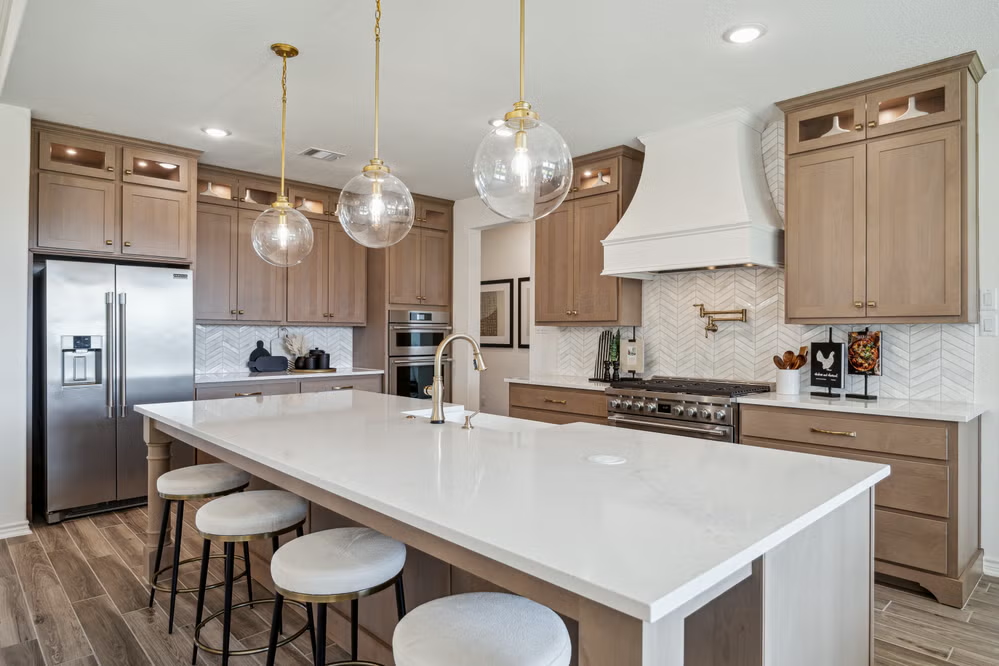
Cost Per Square Foot and What It Includes
A square-foot estimate is useful for early planning, but only if you understand what it actually captures. In Ellis County, a rough remodeling range often lands around $100 to $300+ per square foot, depending on scope, finishes, and structural complexity. That means a 1,500-square-foot home could range from about $150,000 on the high side of a simple remodel to well over $300,000 for a deeper renovation with premium finishes and multiple system updates.
Square-foot pricing is most helpful when:
- the entire home is being renovated at a similar finish level
- the layout is not changing dramatically
- the project includes consistent flooring, paint, trim, and lighting throughout
- you are comparing broad budget scenarios, not bidding exact work
It becomes less useful when:
- only one or two rooms are being remodeled
- the kitchen and baths are much more expensive than the rest of the house
- hidden conditions vary from room to room
- the project includes structural work or major mechanical upgrades
A low square-foot number can be misleading if the project excludes the expensive items. For example, a remodel might look inexpensive on paper until you add cabinetry, counters, tile showers, custom carpentry, or upgraded electrical work. Those line items frequently account for a large share of the total.
In practice, square-foot pricing should be treated as an early planning tool, not a final contract figure. Local builders and remodelers often use it only as a starting point before moving into room-by-room or trade-by-trade pricing.

Main Factors That Change Total Price
The biggest cost drivers in an Ellis County remodel are rarely decorative. They are usually structural, logistical, or tied to the condition of the home.
1. Age and condition of the home
Older homes often hide problems behind walls, floors, and ceilings. Common surprises include:
- outdated electrical systems
- old galvanized or partially updated plumbing
- sagging subfloors
- foundation movement
- water damage
- insulation gaps
- previous DIY work that must be corrected
Even if the visible finish work is simple, repairs to the underlying structure can add significant cost. A project that looked like a $60,000 remodel can become an $85,000 or $100,000 job once the hidden condition is known.
2. Layout changes
Keeping walls in place is much cheaper than moving them. Once you start changing the floor plan, you may need:
- engineering
- framing
- electrical redesign
- HVAC adjustments
- plumbing reroutes
- new drywall and finish carpentry
A load-bearing wall removal or kitchen relocation can add several thousand dollars on its own, and the indirect costs can be just as significant.
3. Finish level
Finish choices are one of the fastest ways to move the budget up or down. Basic selections can keep a remodel affordable, while upgraded choices can add tens of thousands. High-impact items include:
- custom cabinets
- quartz or natural stone countertops
- large-format tile
- premium hardwood or luxury vinyl plank
- designer lighting
- upgraded plumbing fixtures
- built-ins and specialty trim
This is where allowance-heavy budgeting matters. Cabinets, countertops, flooring, and tile often determine whether a remodel stays on target or grows dramatically.
4. Permitting and jurisdiction
Ellis County includes several jurisdictions, and requirements can differ based on the city or whether the property is in an unincorporated area. That affects review times, inspection steps, and sometimes the design documents you need before work starts. A remodel in one city may move quickly, while another may require extra documentation or coordination.
5. Access and mobilization
Homes farther from the Dallas core may see different subcontractor availability and mobilization pricing. That does not automatically mean every project is more expensive, but it can affect labor scheduling and lead times. The farther trades have to travel, the more likely small logistical costs will appear in the bid.

Labor, Materials, and Trade-Level Costs
In most remodels, labor is the largest single cost category. That is especially true when the project involves several trades working in sequence.
Typical trade categories include:
- demolition
- framing
- electrical
- plumbing
- HVAC adjustments
- drywall
- insulation
- flooring
- cabinetry
- tile installation
- paint
- finish carpentry
Typical 2026 Ellis County pricing can look like this:
- demolition: $3 to $8 per square foot
- framing repairs or modifications: $8 to $18 per square foot of affected area
- electrical service or rewiring: $125 to $175 per hour
- plumbing work: $100 to $165 per hour
- drywall hanging and finishing: $1.75 to $3.50 per square foot
- interior painting: $2.50 to $6.00 per square foot
- flooring installation: $4 to $12 per square foot, plus materials
- tile installation: $12 to $30+ per square foot
- finish carpentry: $60 to $110 per hour
Each trade has its own mobilization, minimum charge, and scheduling risk. If a project only needs paint and flooring, the trade coordination is relatively simple. If it includes a kitchen, two bathrooms, and wall changes, the coordination burden rises sharply.
Material pricing also matters more than many homeowners expect. The same room can vary by thousands of dollars depending on what you choose:
- stock cabinets vs. semi-custom cabinets
- laminate counters vs. quartz or stone
- ceramic tile vs. porcelain or natural stone
- basic lighting vs. decorative recessed and accent lighting
- builder-grade plumbing fixtures vs. premium hardware and fixtures
As a general rule, labor and trade coordination can consume a large percentage of the total remodel budget, while finish selections often determine how far above the base price the project climbs. One useful approach is to think in terms of allowances. If your cabinet allowance is too low, for example, the project may be underpriced from the start.
A remodeler should also account for waste factors, delivery fees, and jobsite protection. On a whole-home project, those “small” costs can become real budget items once multiplied across several rooms.

Permit, Design, and Planning Costs
Soft costs are easy to overlook because they are not visible in the finished space, but they are a necessary part of a professional remodel.
Common preconstruction costs may include:
- design consultation
- measurements and field verification
- concept drawings or plans
- engineering for structural changes
- permit fees
- trade-specific documentation
- scheduling and project management
For many Ellis County remodels, planning and design can take 2 to 6 weeks, and permitting or preconstruction can add another 2 to 8 weeks before field work begins. Those timelines vary based on scope and the city involved. A simple cosmetic project may move quickly, while a structural remodel can require much more review.
Permit costs themselves are highly variable. Some cities price them modestly for basic work, while larger or more complex projects can require several separate fees. The important thing is not the exact dollar amount alone; it is the time and coordination cost that the permit process introduces.
If your remodel includes changes to load-bearing walls, plumbing locations, or electrical service, plan for more documentation and more review. In older homes, the planning phase may also uncover issues that need to be addressed before the main remodel can proceed.
For local homeowners, municipal resources like the City of Waxahachie’s building and permit information and the Ellis County government website are helpful reminders that requirements are jurisdiction-specific, not one-size-fits-all.

Timeline and Process Expectations
A remodeling project is really a sequence of smaller phases, and each phase has its own cost implications.
1. Initial planning
This stage includes scope definition, site visits, budgeting, and preliminary design. It typically lasts 1 to 3 weeks for straightforward projects and longer for larger ones.
2. Design and estimating
Once the scope is clearer, selections and pricing begin. This phase often takes 1 to 4 weeks, depending on how quickly decisions are made. If cabinets, tile, countertops, and fixtures are not selected early, the estimate can stay fuzzy.
3. Permitting and preconstruction
This is where city review, engineering, and final coordination happen. As noted earlier, this can add 2 to 8 weeks or more before work starts. In some jurisdictions, waiting for approval becomes one of the biggest drivers of total timeline.
4. Demolition and rough work
Once the project begins, demolition, framing, electrical, plumbing, and HVAC work usually come first. For a midrange remodel, this stage may take 1 to 3 weeks. Major projects take longer, especially if inspections occur between steps.
5. Finishes and punch list
Drywall, paint, tile, flooring, cabinets, and trim typically follow. This phase can take 2 to 6 weeks depending on the project size. Custom items and specialty materials can extend the schedule.
6. Final inspection and closeout
A final walkthrough, corrections, and cleanup wrap things up. Even small delays at this point can affect move-in timing or temporary living arrangements.
Schedule risk is often highest in Ellis County projects that involve older homes, unique layouts, or multiple jurisdictions. Supply delays, inspection scheduling, and hidden conditions are the most common reasons a remodel takes longer than expected.

How to Budget the Project Realistically
A realistic remodel budget starts with the total you want to spend, then builds in room for the things that always appear during construction.
Use a contingency
A contingency of 10% to 20% is a common guideline for remodels. On a $75,000 project, that means reserving about $7,500 to $15,000. On a $150,000 project, the reserve could be $15,000 to $30,000. This is not wasted money; it is protection against hidden damage, price swings, and change orders.
Separate must-haves from nice-to-haves
List the work in three tiers:
- must do
- should do
- would like to do
That makes it easier to trim scope without derailing the whole project. For example, you might keep the kitchen layout and still upgrade cabinets later, or complete the main bath now and defer a secondary bath until next year.
Track allowances carefully
Allowances for cabinets, counters, tile, lighting, and fixtures should match the quality level you actually want. Low allowances may make the estimate look attractive, but they can create unpleasant surprises once selections are made.
Plan for temporary living costs
If your remodel affects the kitchen, multiple baths, or main living spaces, you may also need to budget for:
- eating out more often
- temporary storage
- short-term housing
- laundry or utility adjustments
- extra travel time during construction
Consider sequencing
Some homeowners spread work across multiple phases to keep each budget manageable. Others combine work to reduce repeated mobilization and finish disruption. Both approaches can make sense, but combining projects often saves on repeated labor and setup costs.
If you are comparing options across neighboring areas, it can also help to see how another county’s remodeling market behaves. For example, our guides for Johnson County and Palo Pinto County show how local conditions can change price expectations even within Texas.

When to Choose a Home Remodeling Project in Ellis County
A remodel makes the most sense when the structure and location of the home are strong, but the interior no longer fits your needs. In Ellis County, that often means a home has good bones, a useful lot, and a neighborhood you like, but the kitchen, baths, or floor plan feel outdated.
You may be a strong candidate for remodeling if:
- you like your current location and school or commute setup
- the home is structurally sound
- the layout can be improved without major expansion
- you want to improve resale value without moving
- your budget is better suited to renovation than new construction
You may want to be more cautious if:
- the home has serious foundation or moisture issues
- the mechanical systems are near end-of-life
- the layout needs a full redesign
- the price of renovation is approaching the cost of rebuilding
In some cases, the remodel-versus-rebuild decision comes down to comparing all-in costs. If you are already evaluating that possibility, review the local cost of new construction in Ellis County alongside your renovation estimate. A thoughtful side-by-side comparison can prevent expensive surprises later.
For many homeowners, remodeling is the better choice when they want to preserve the lot, neighborhood, or existing home while modernizing the living space. If your goal is to create a better home without starting from scratch, the right remodel can add comfort, function, and long-term value.
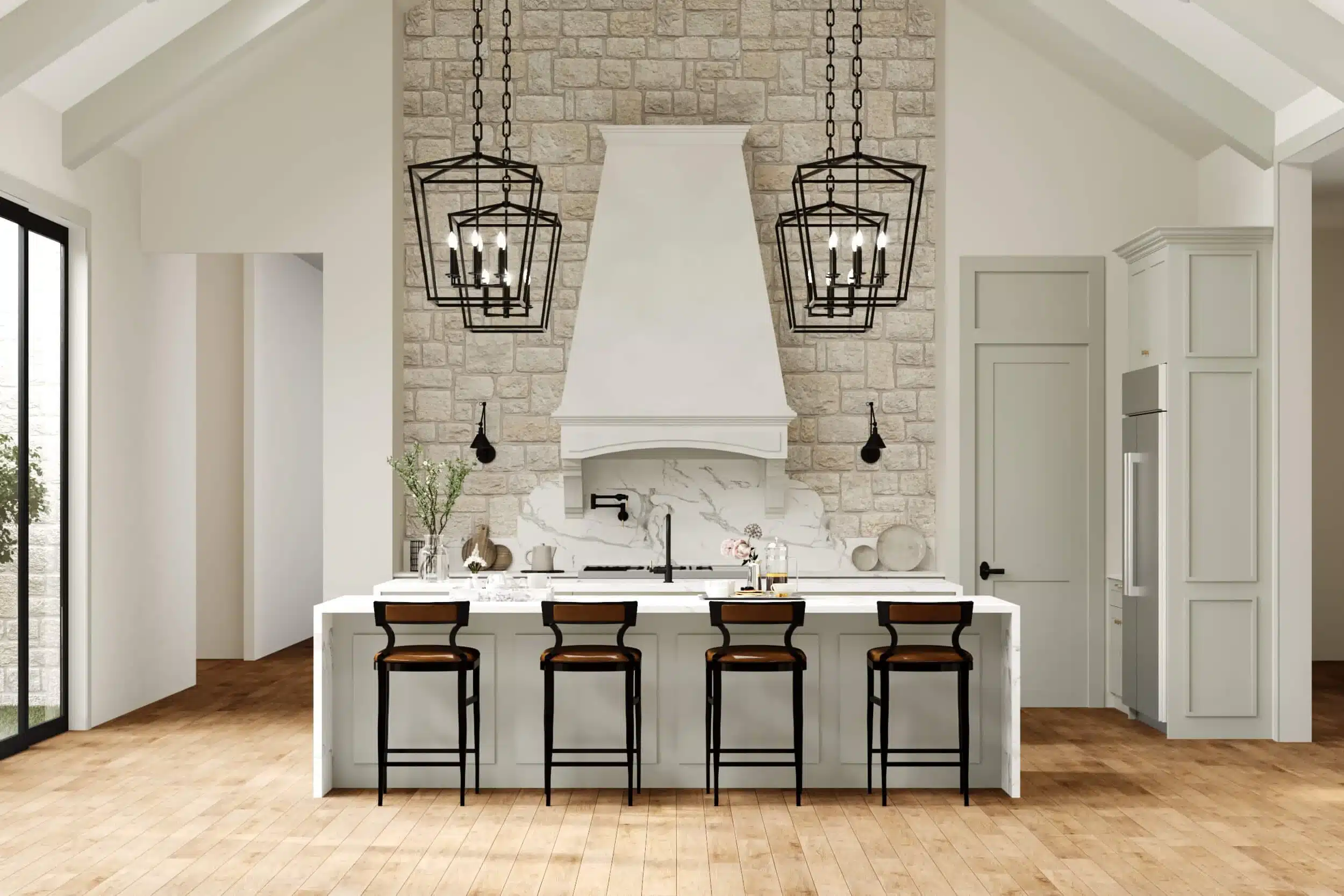
Final Thoughts on Home Remodeling in Ellis County
Home remodeling costs in Ellis County are shaped by a mix of suburban demand, older housing stock, city-specific permitting, and the hidden conditions that only show up once work begins. A smaller cosmetic project may stay in the tens of thousands, while a major whole-home renovation can easily climb into the six-figure range. The best way to stay in control is to define scope early, price finish selections realistically, and reserve contingency for the unknown.
If you are planning a remodel, start with your priorities: what must change, what can wait, and what quality level you want to live with for the next decade. Then get a local estimate that accounts for your exact home, exact jurisdiction, and exact scope. For a broader budget framework, revisit our DFW remodeling cost guide and compare it with a local contractor conversation through our Ellis County home remodeling service.
A good remodel should do more than update finishes. It should make the home function better for your life in Ellis County, and it should do so with a budget that is clear, realistic, and built for the way local projects actually get completed.