Fin Home Contracting · Dallas, TX
Dallas Home Remodeling
We're the general contractor Dallas homeowners call when they want a home remodel done right — local crews, transparent pricing, and a process built around the way this city actually works.
5-STAR RATED
Google · Houzz





LICENSED & INSURED
TX Residential Contractor
WHY FIN HOME
Why Hire Fin Home for Home Remodeling in Dallas
Dallas homeowners usually reach out when the house has good bones but the layout, finishes, or previous patchwork work no longer make sense. We remodel homes in areas like Lakewood, Preston Hollow, and Lake Highlands where every project has its own mix of age, additions, and expectations. That requires a contractor who can think beyond showroom selections and manage the actual building. We are not a national sales outfit farming the work out after contract signing.
Home remodeling in Dallas starts at $25k. That is the starting point for a meaningful refresh in the $25,000–38,000 range — updated flooring, paint, lighting, trim, finish work, and focused improvements in the spaces homeowners use every day. We put the scope into a written, itemized quote so the budget is tied to real work, not vague allowances.
Many Dallas homes were built decades ago, and that changes how remodeling needs to be approached. Once demo starts, it is common to find outdated electrical, aging plumbing, prior unpermitted changes, or subfloor repairs that need to be handled before new finishes go in. We look for those issues early so the plan reflects the real house, not an idealized version of it.
A local project manager will get back to you within 24 business hours.
Responds within 24 business hours
Neighborhoods we've worked in
Uptown · Downtown · Deep Ellum · Bishop Arts District · Lakewood · Lower Greenville · Oak Lawn · Preston Hollow · Lake Highlands · Design District
Home remodels across DFW – including Dallas.
$25k
Starting price for a meaningful Dallas home refresh.
Response time from a Dallas-based project manager.
Years serving the Dallas residential market.
What's Unique About Dallas
Historic and conservation districts in Dallas can add review requirements that affect exterior residential work. We flag those constraints before design starts so approvals do not slow the build.
RECENT PROJECT
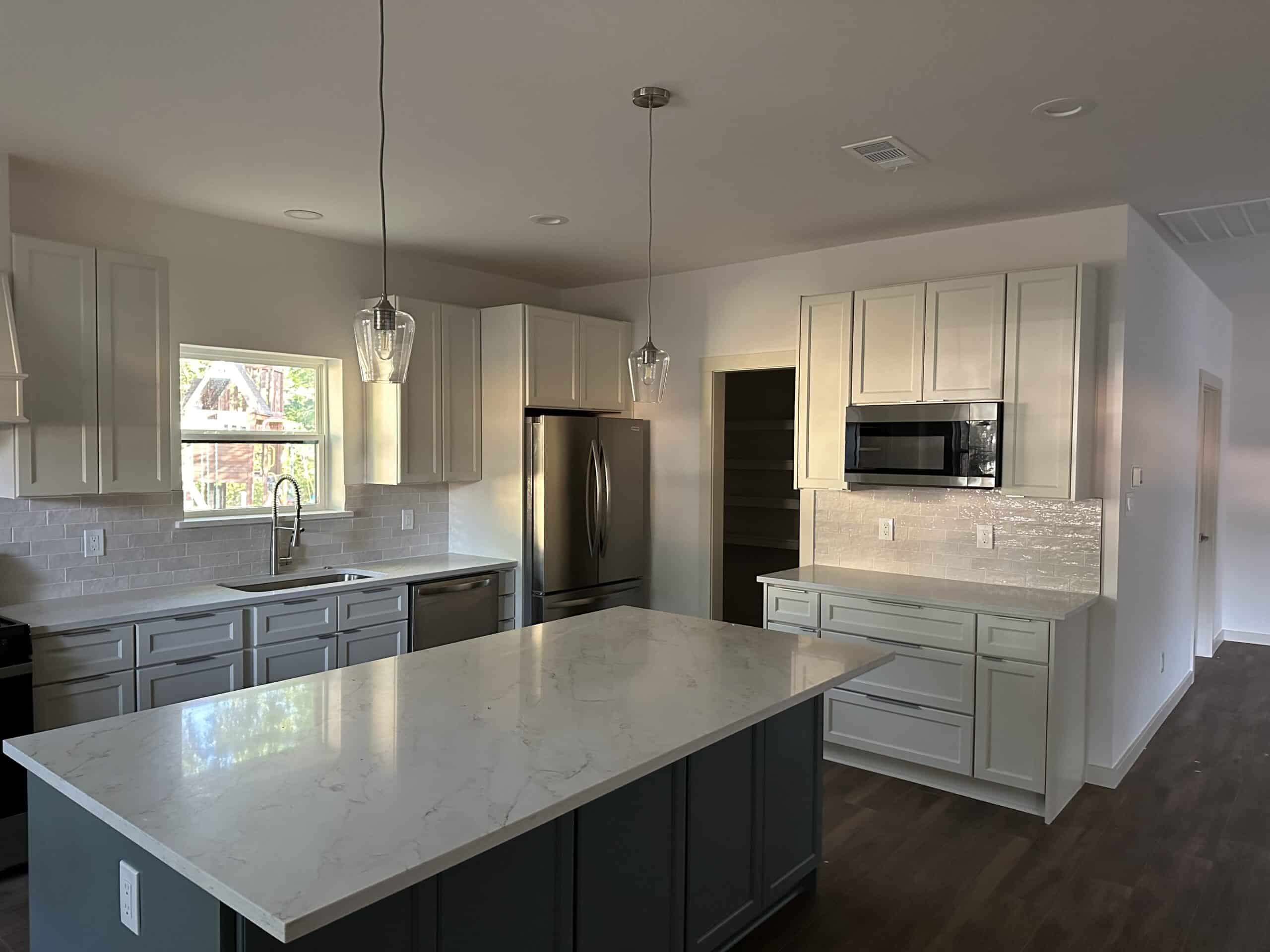
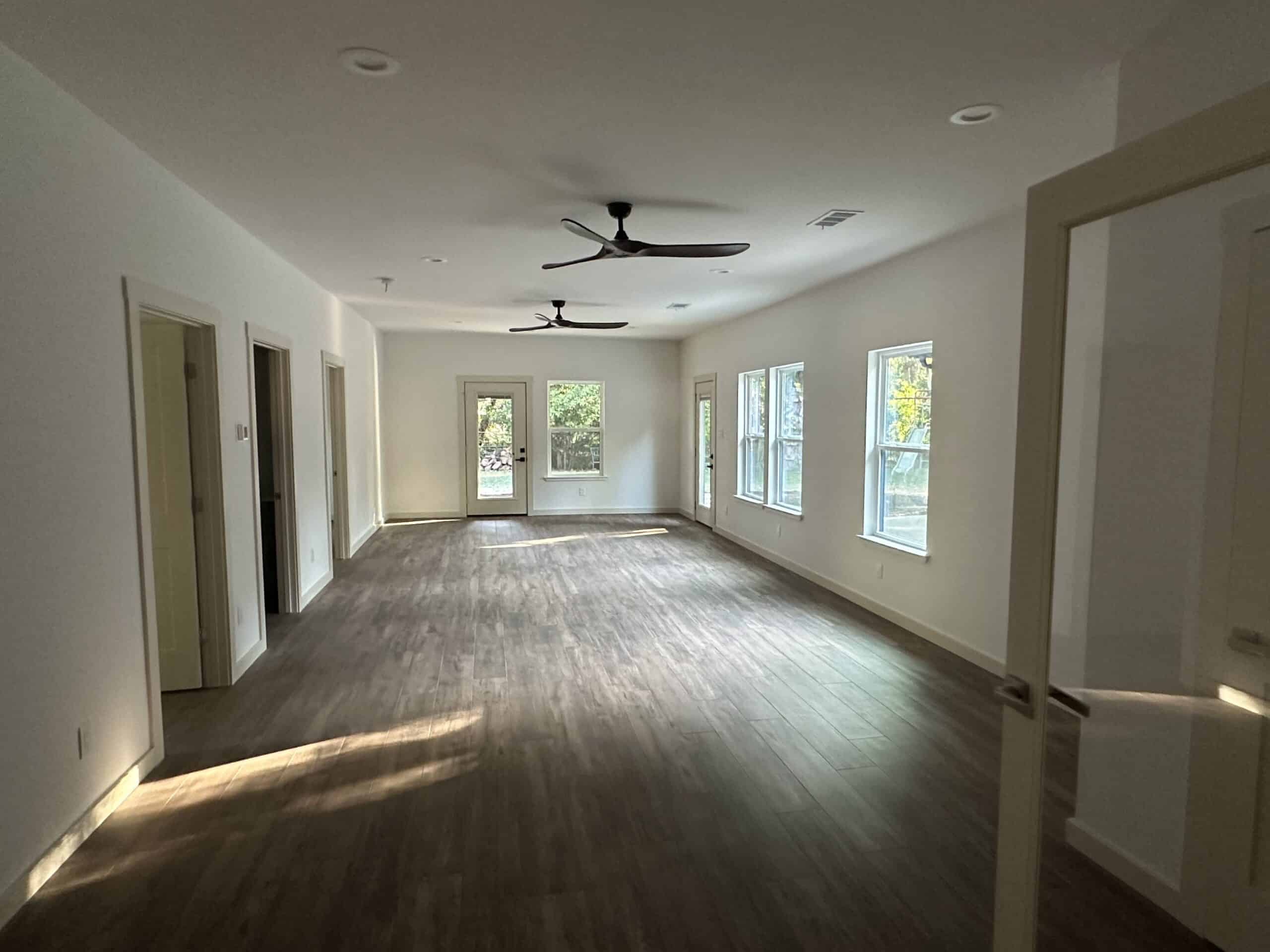
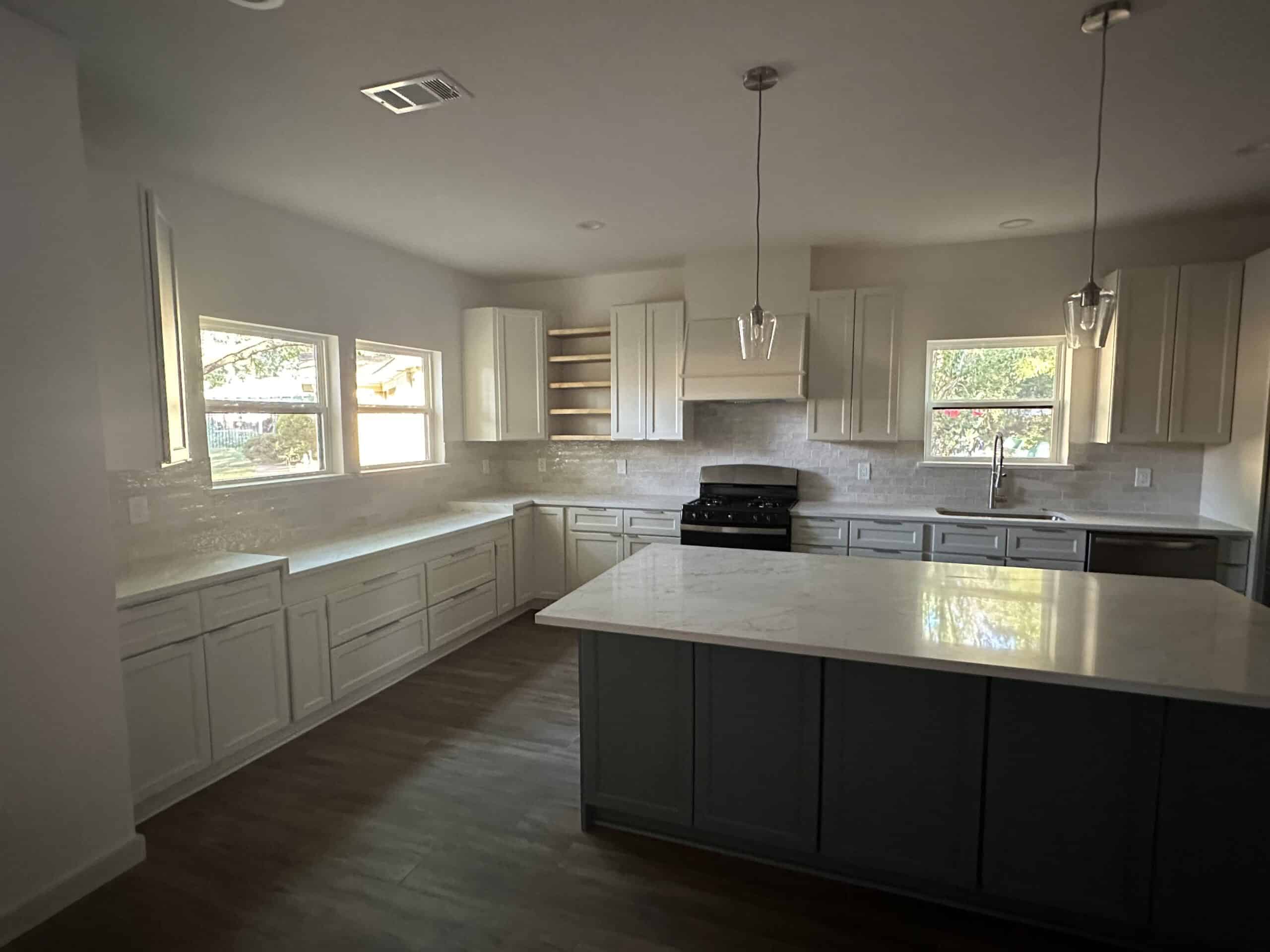
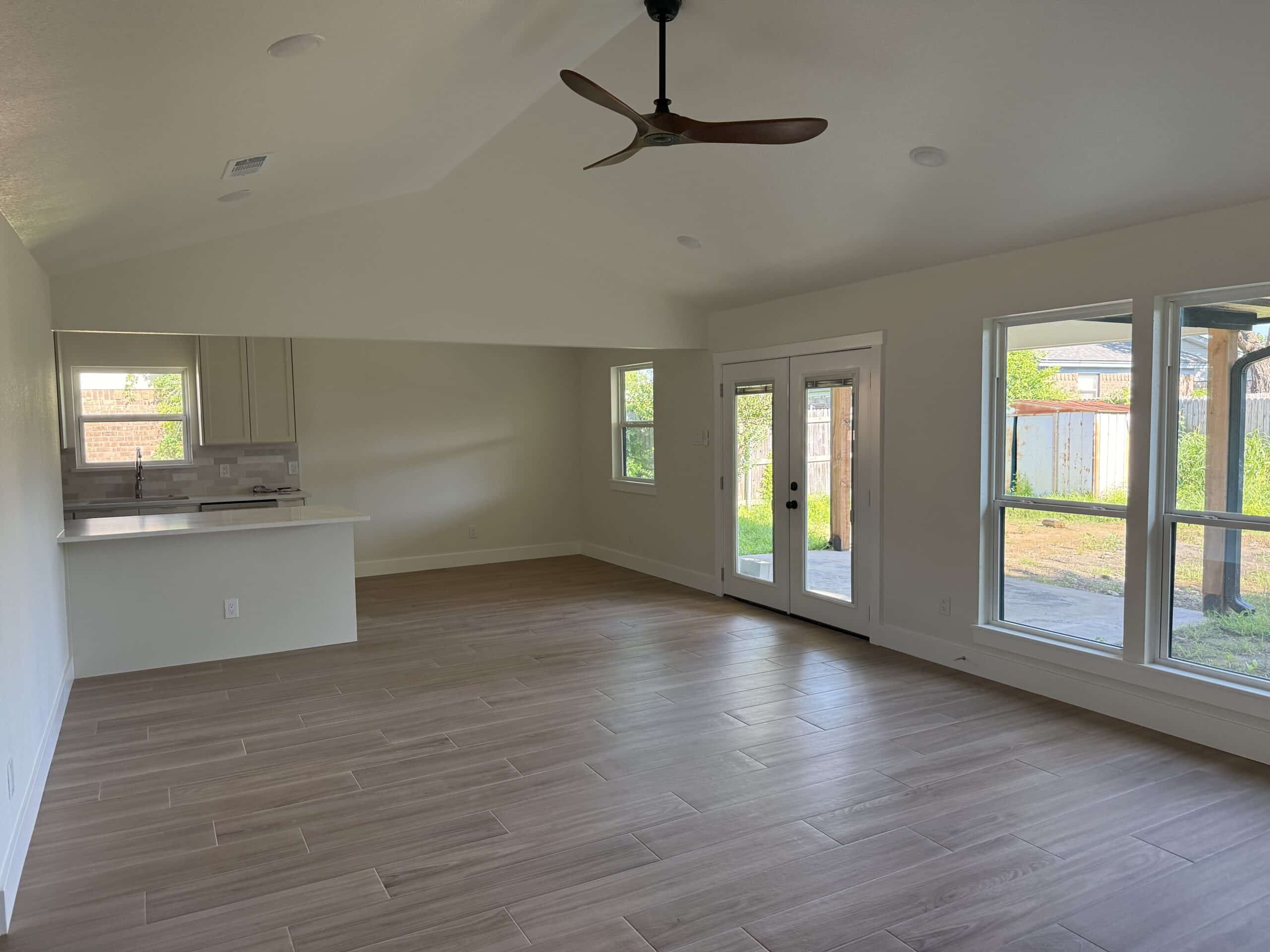
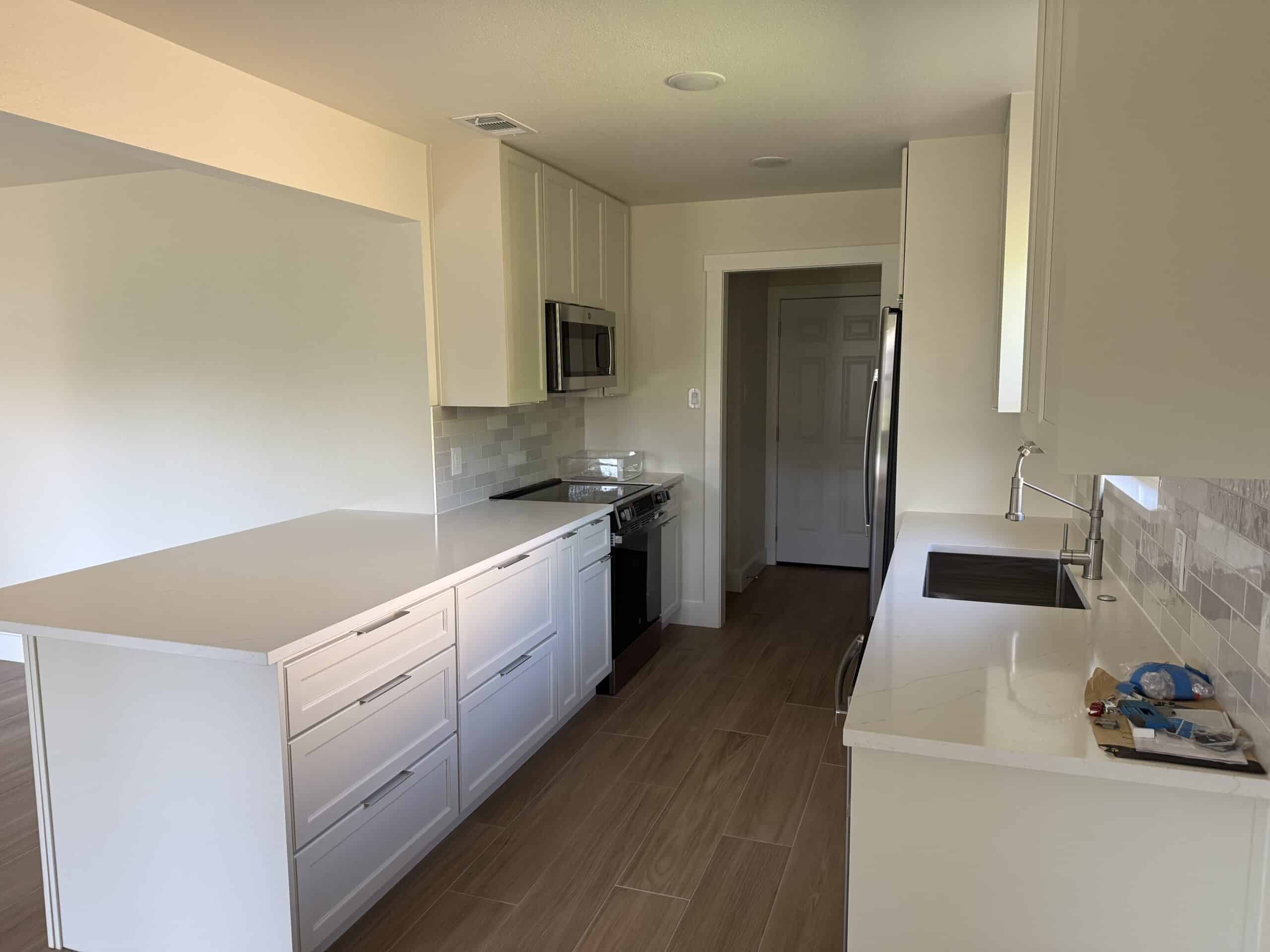
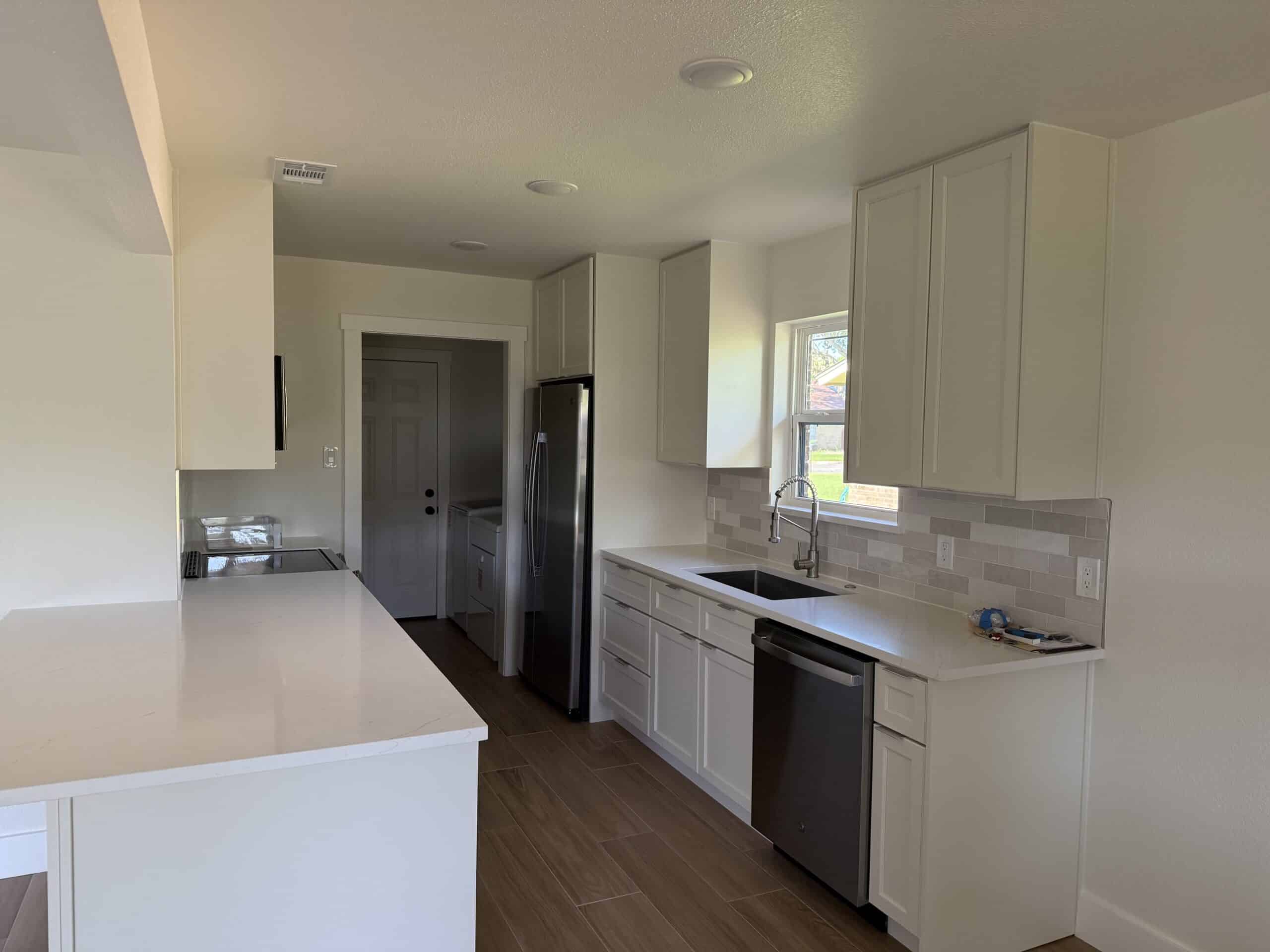
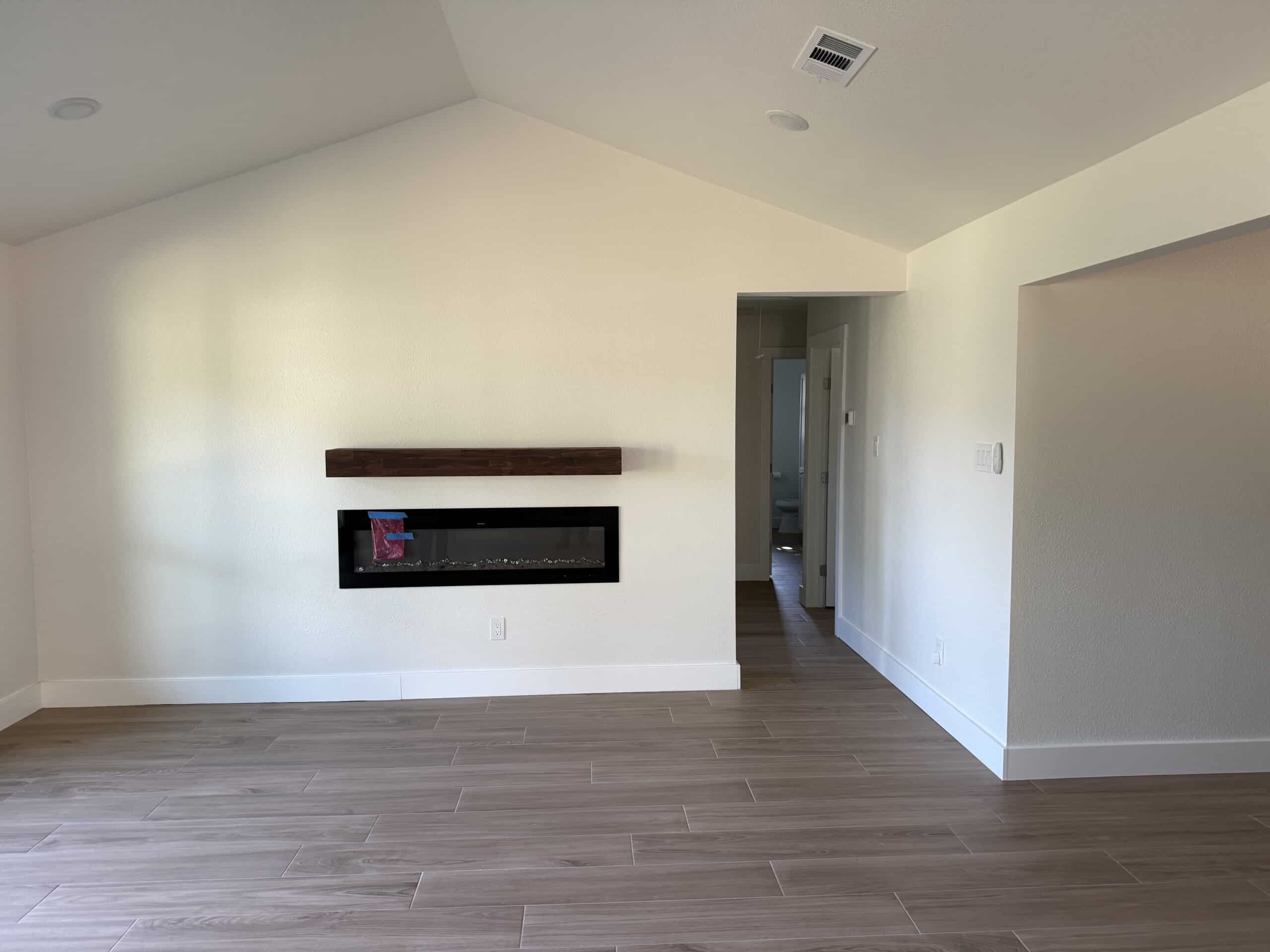
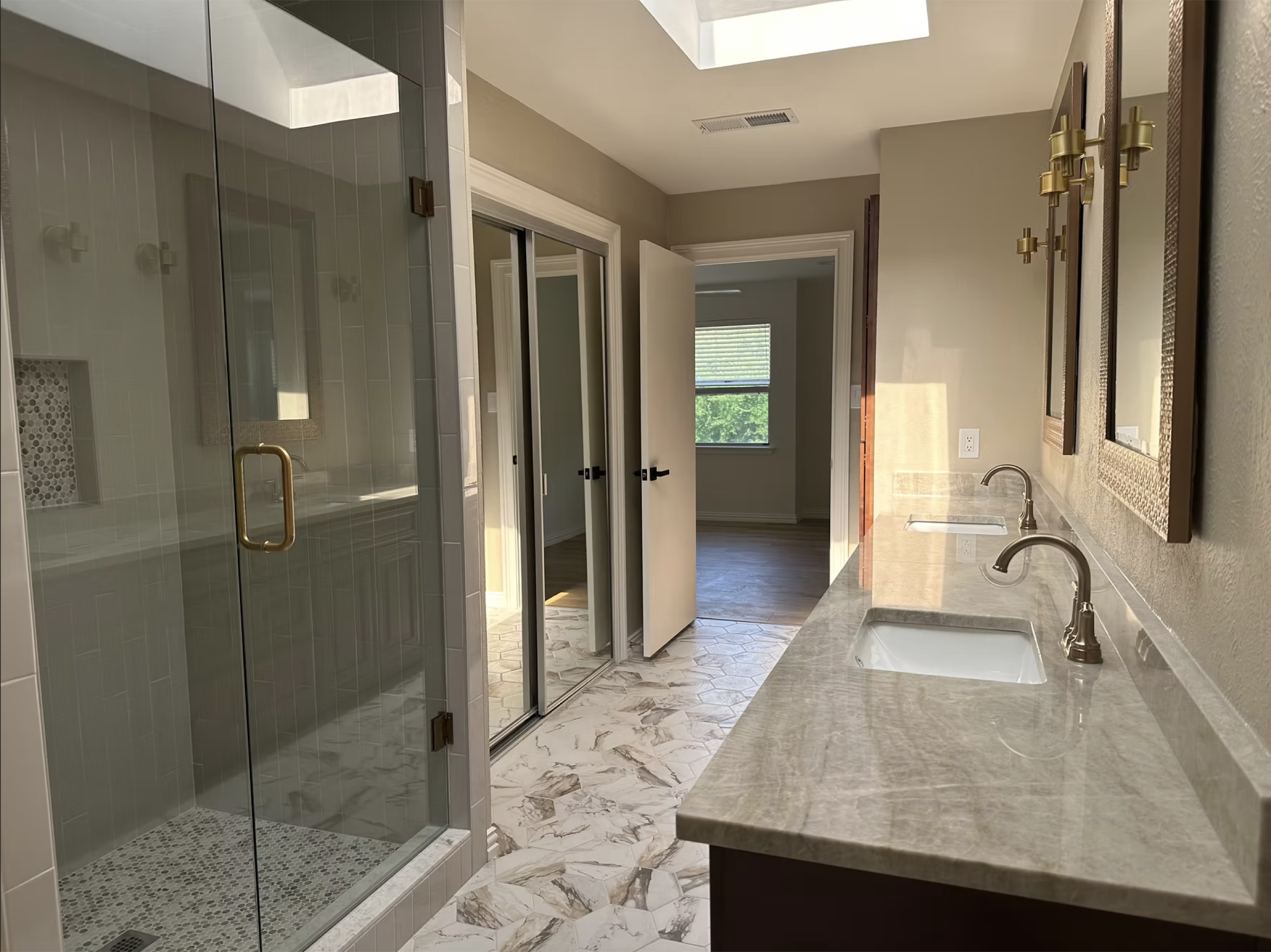
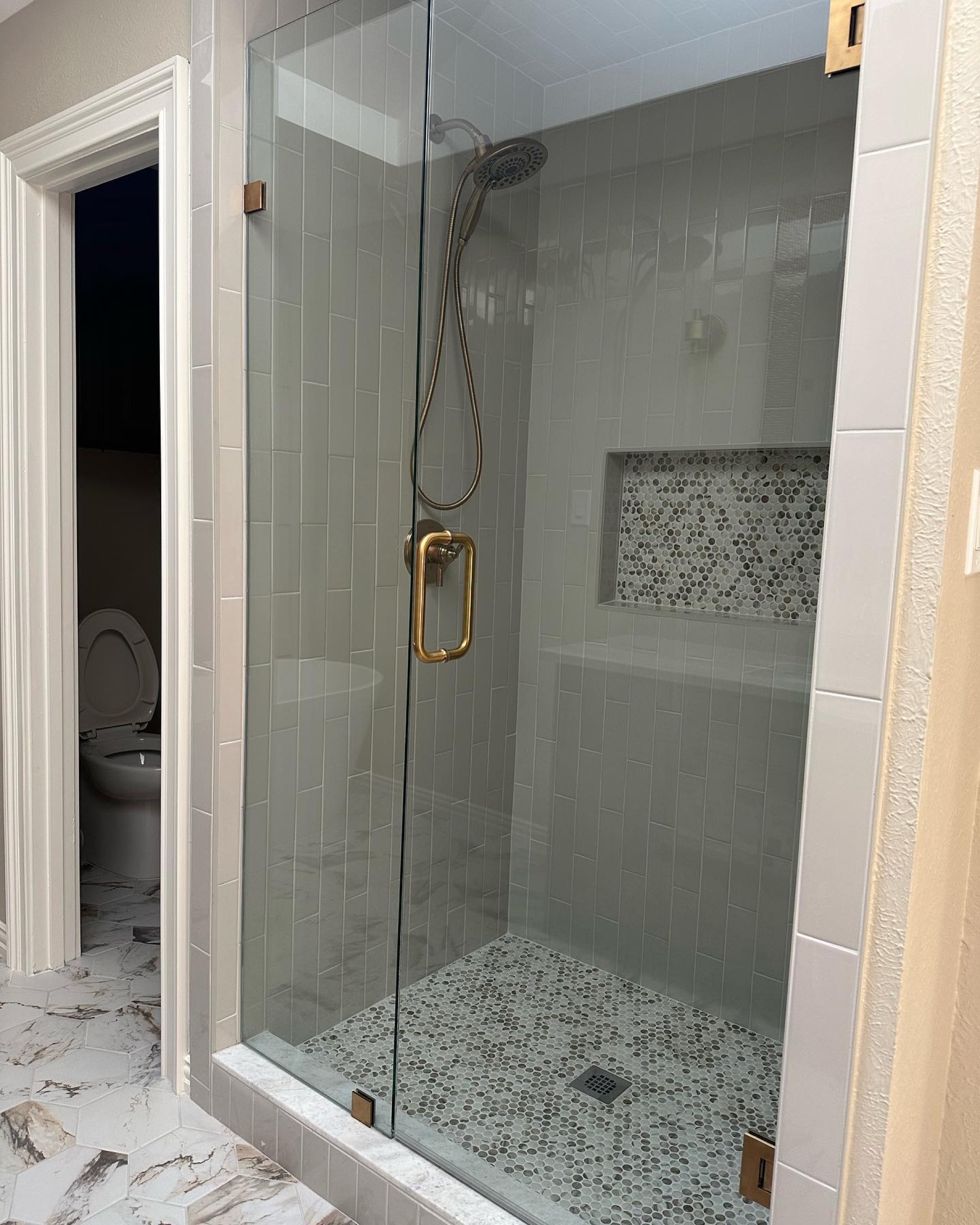
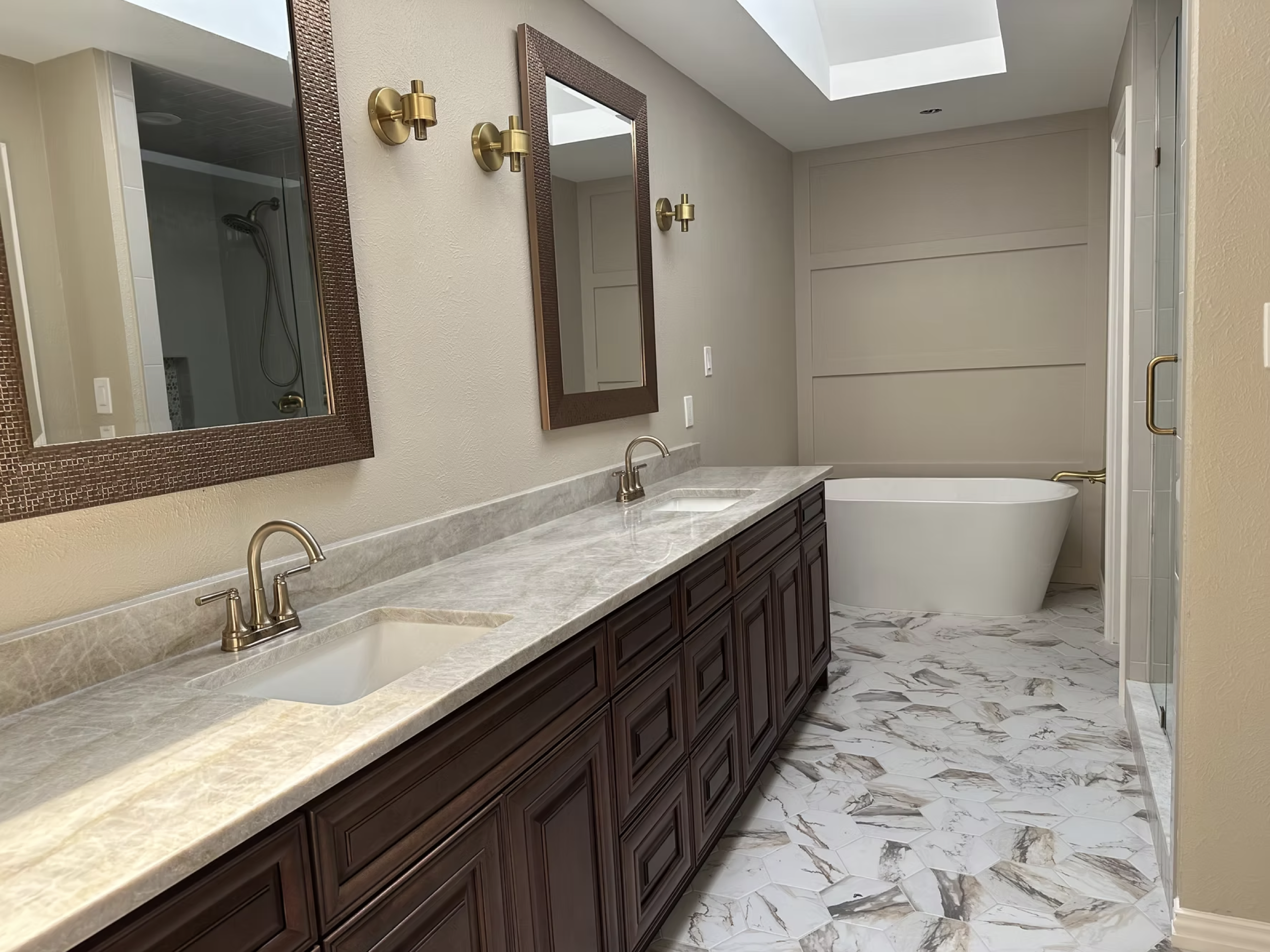
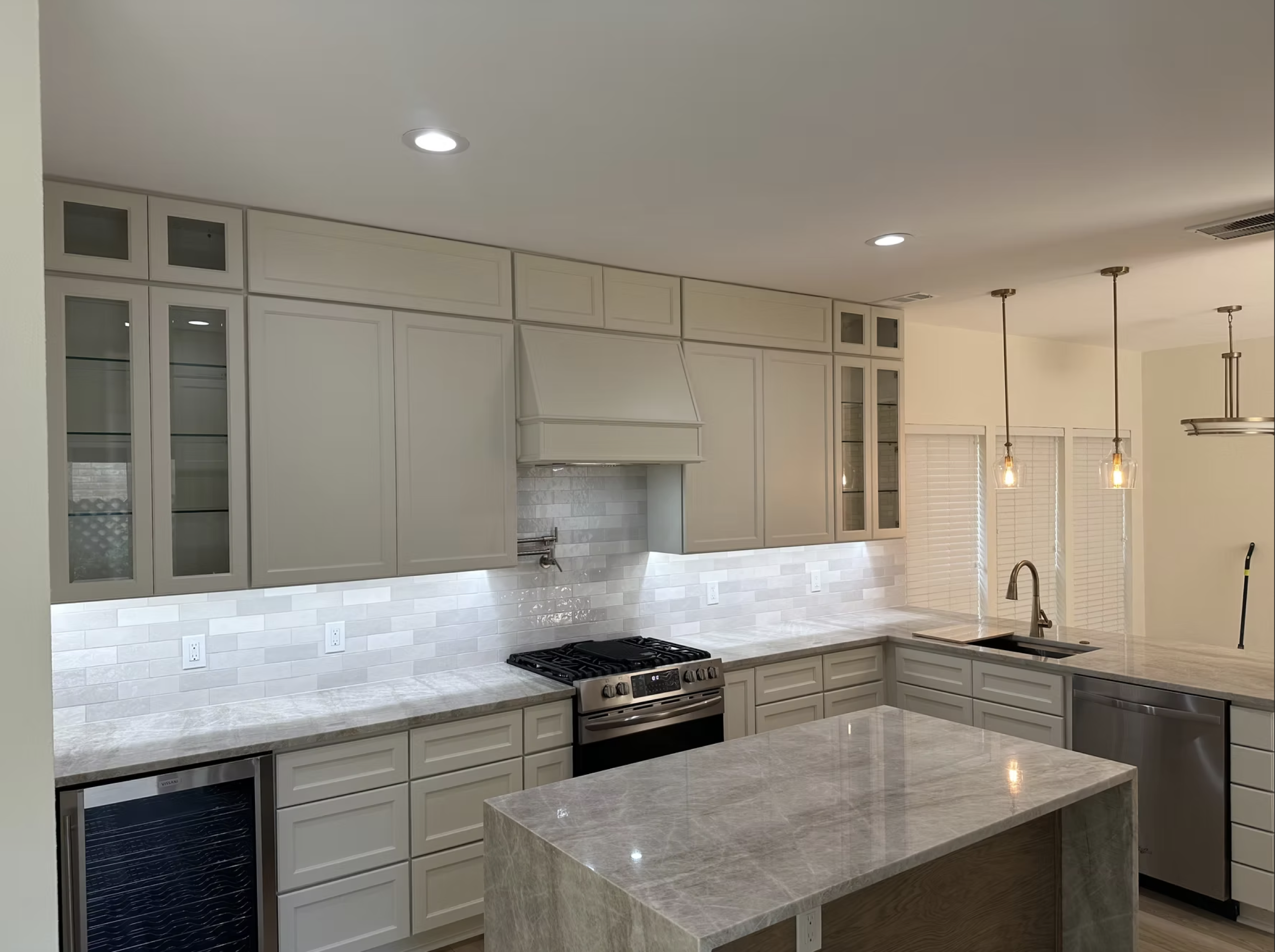
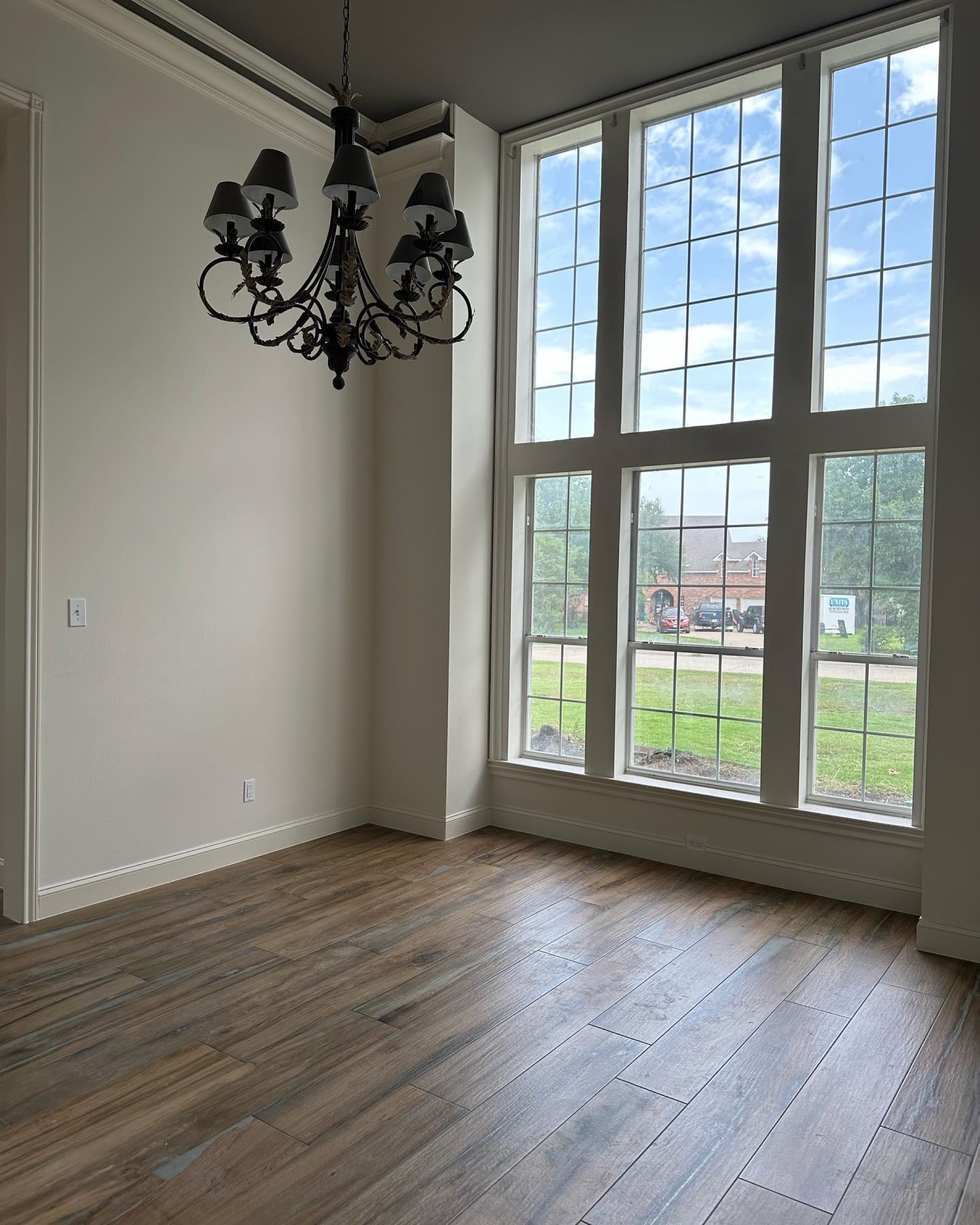
Recent Home Remodels Near Irving
Irving
RECENT PROJECT
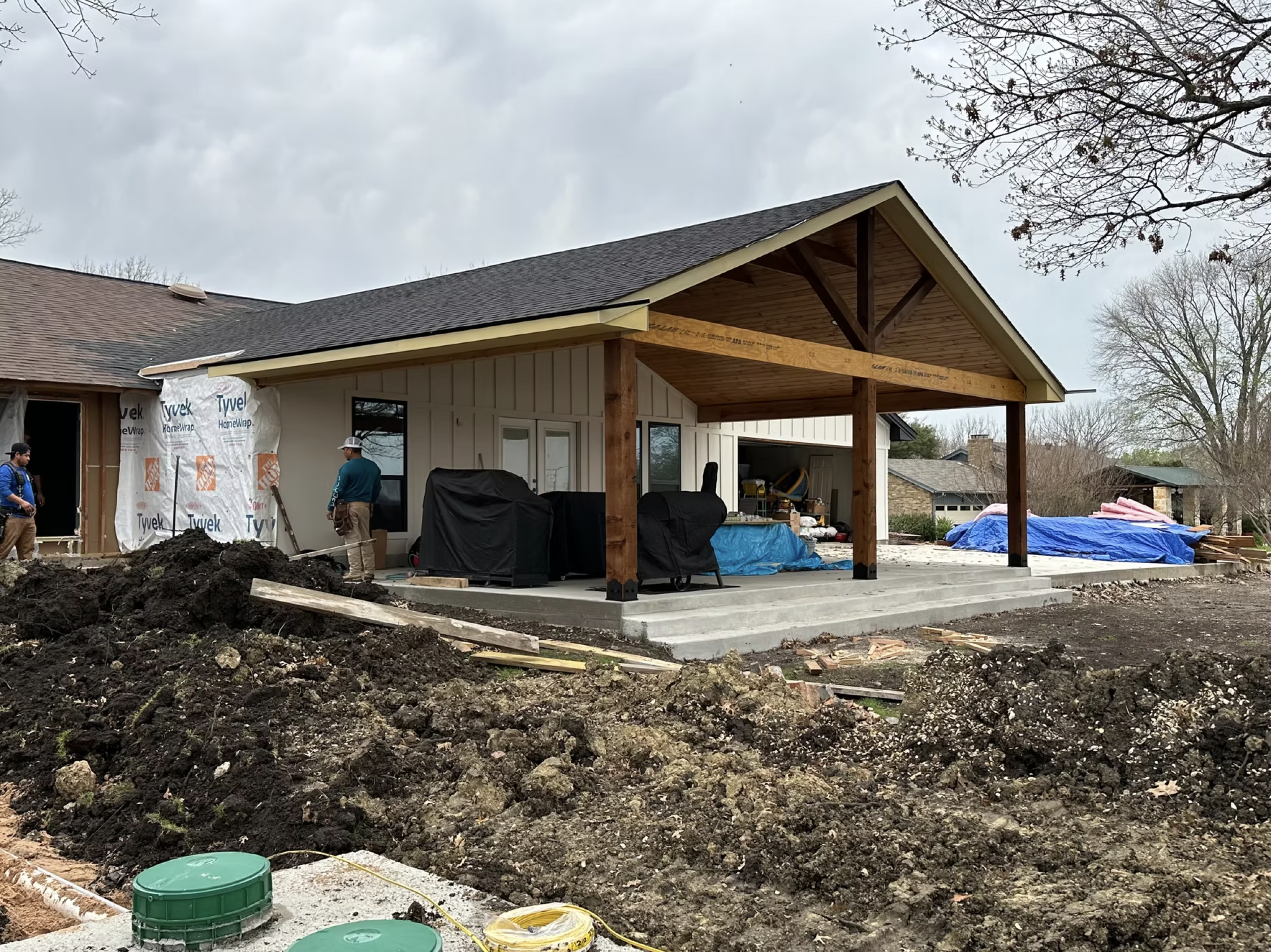
Recent Home Remodels Near Coppell
Coppell · North Richland Hills
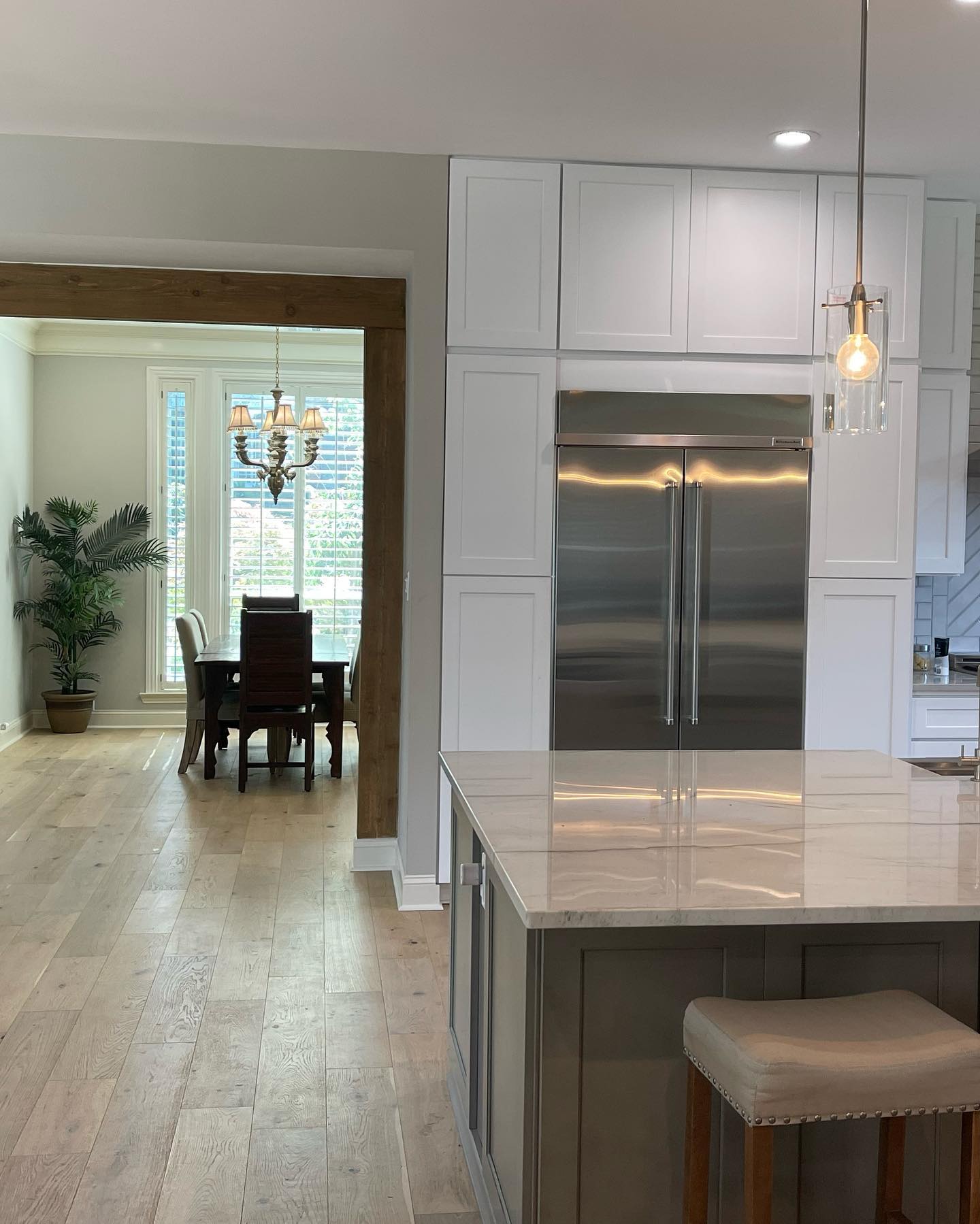
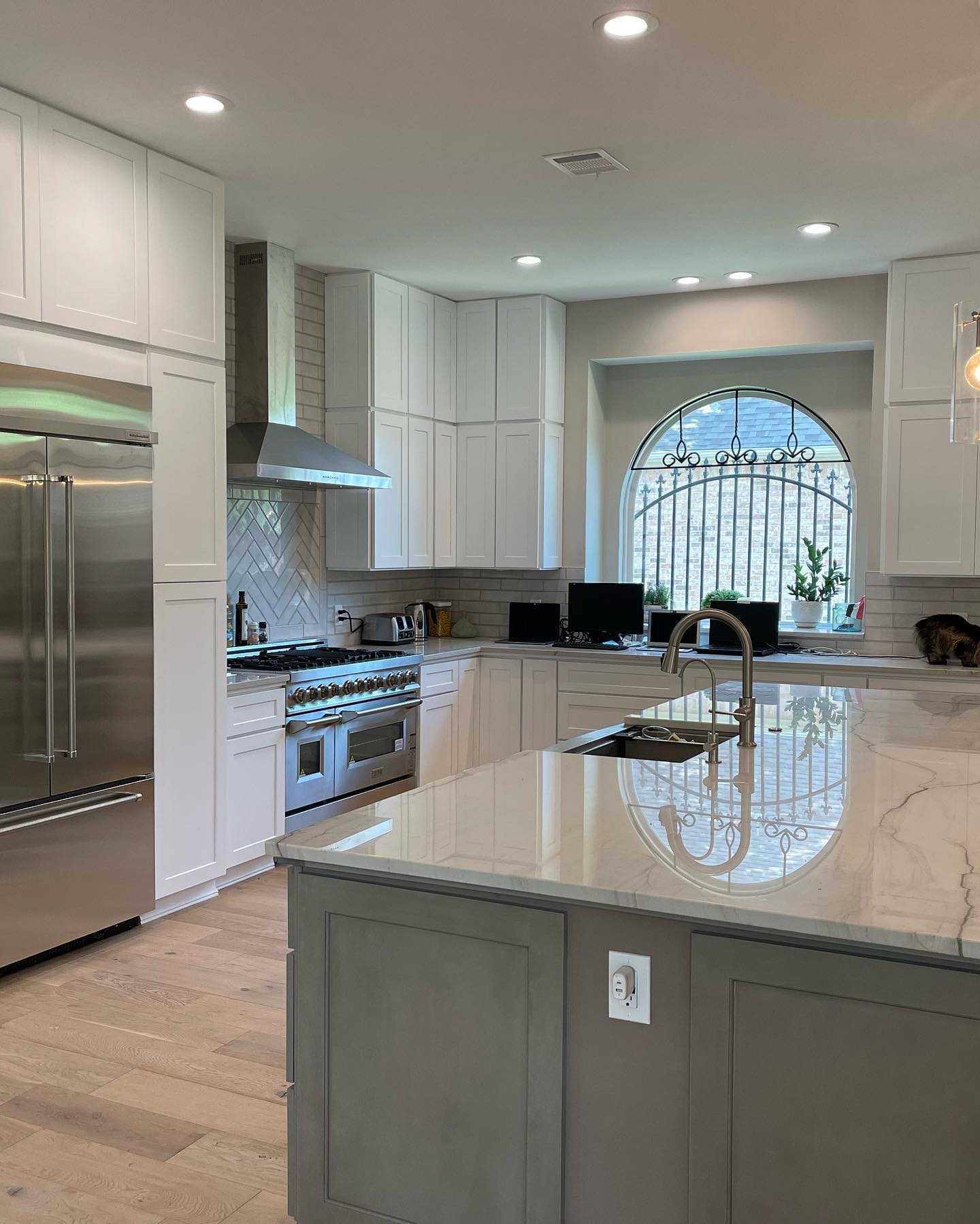
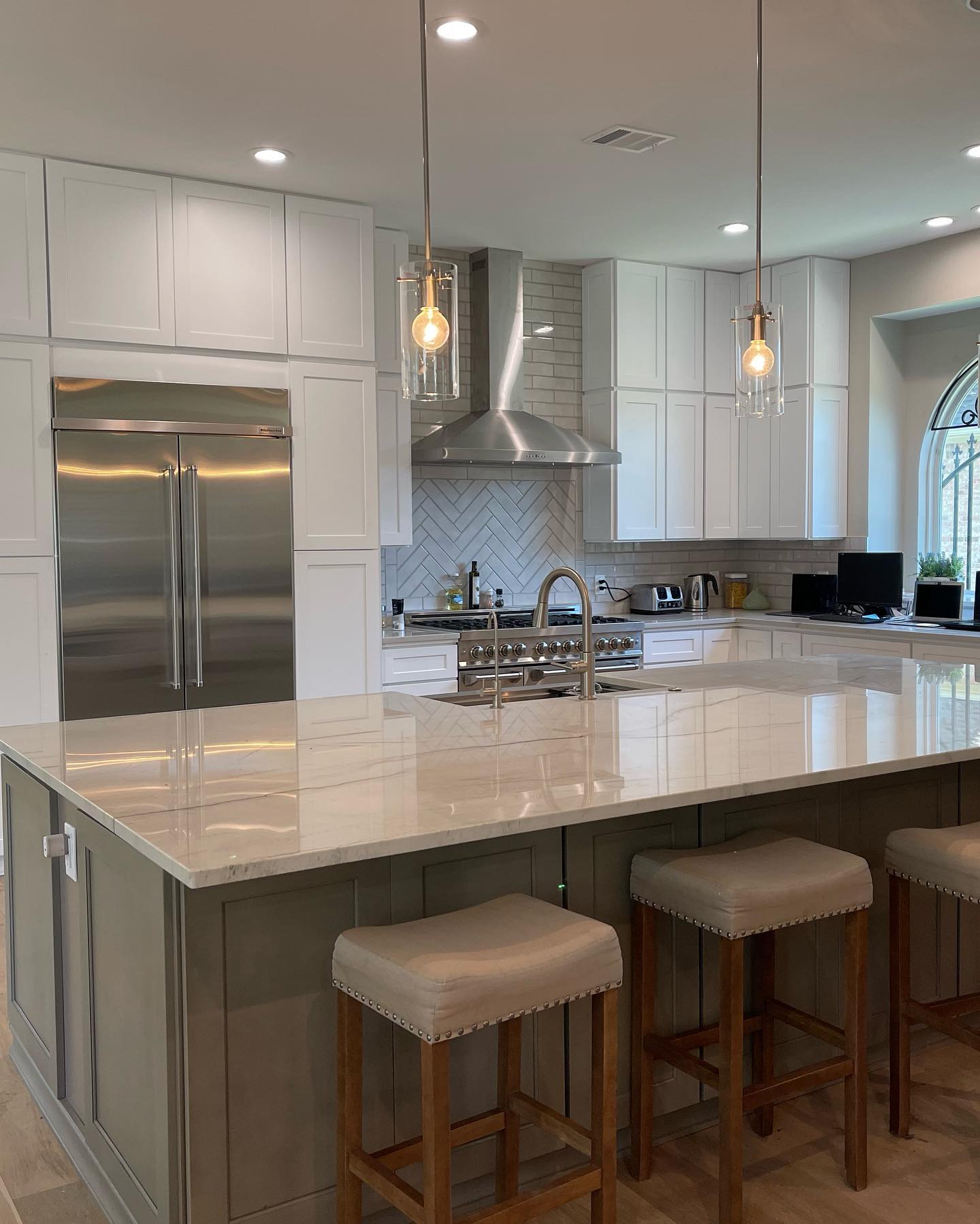
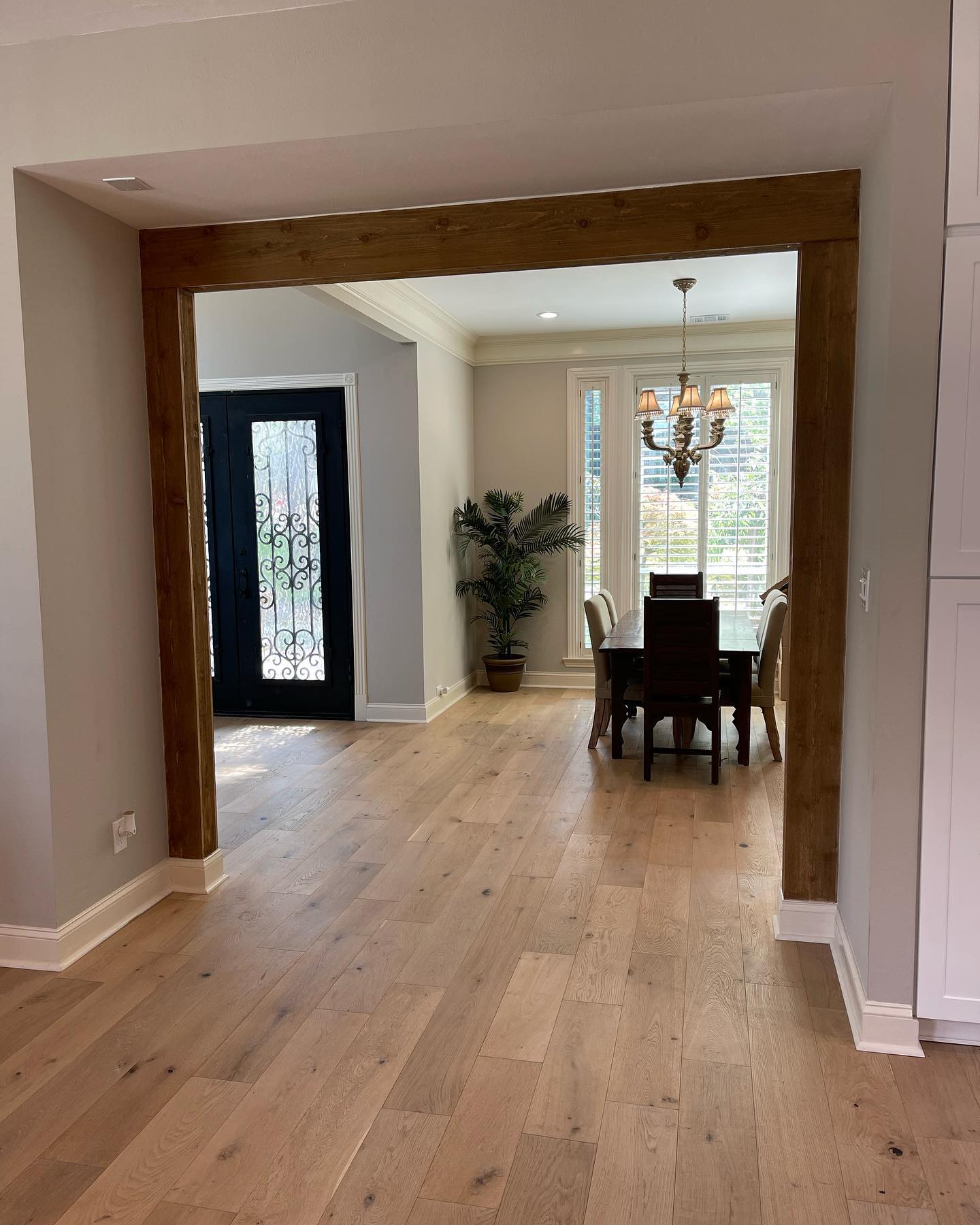
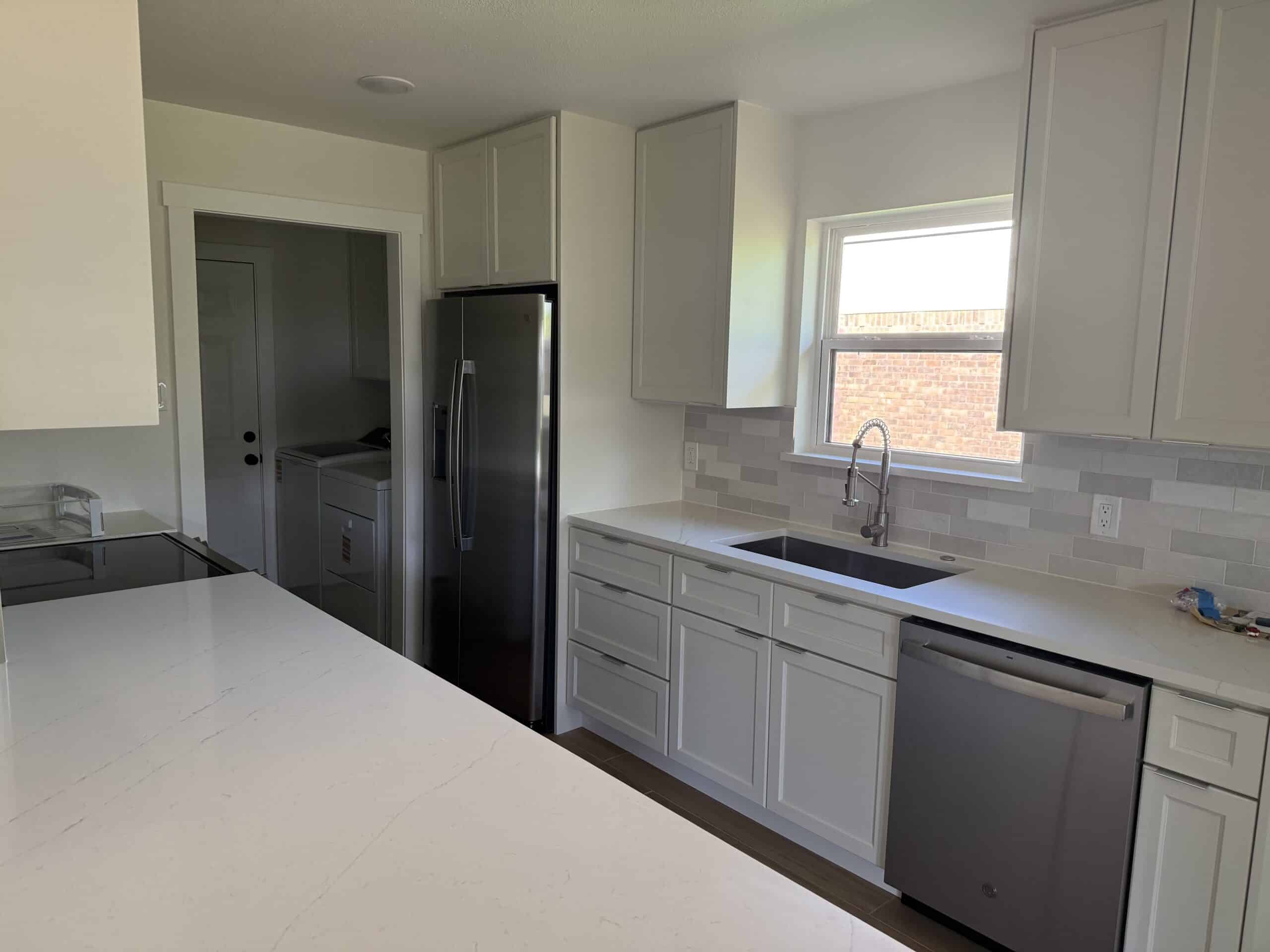
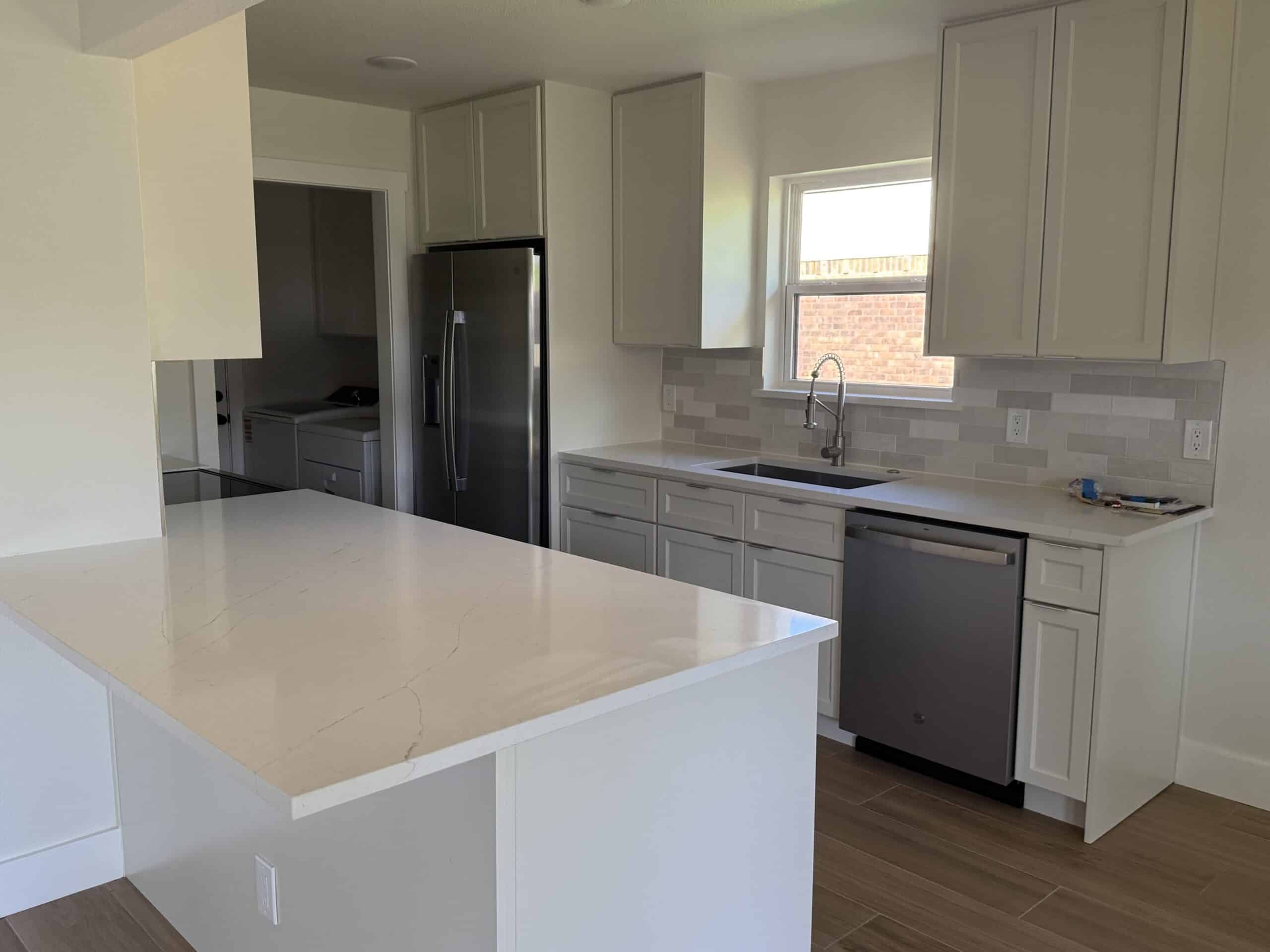
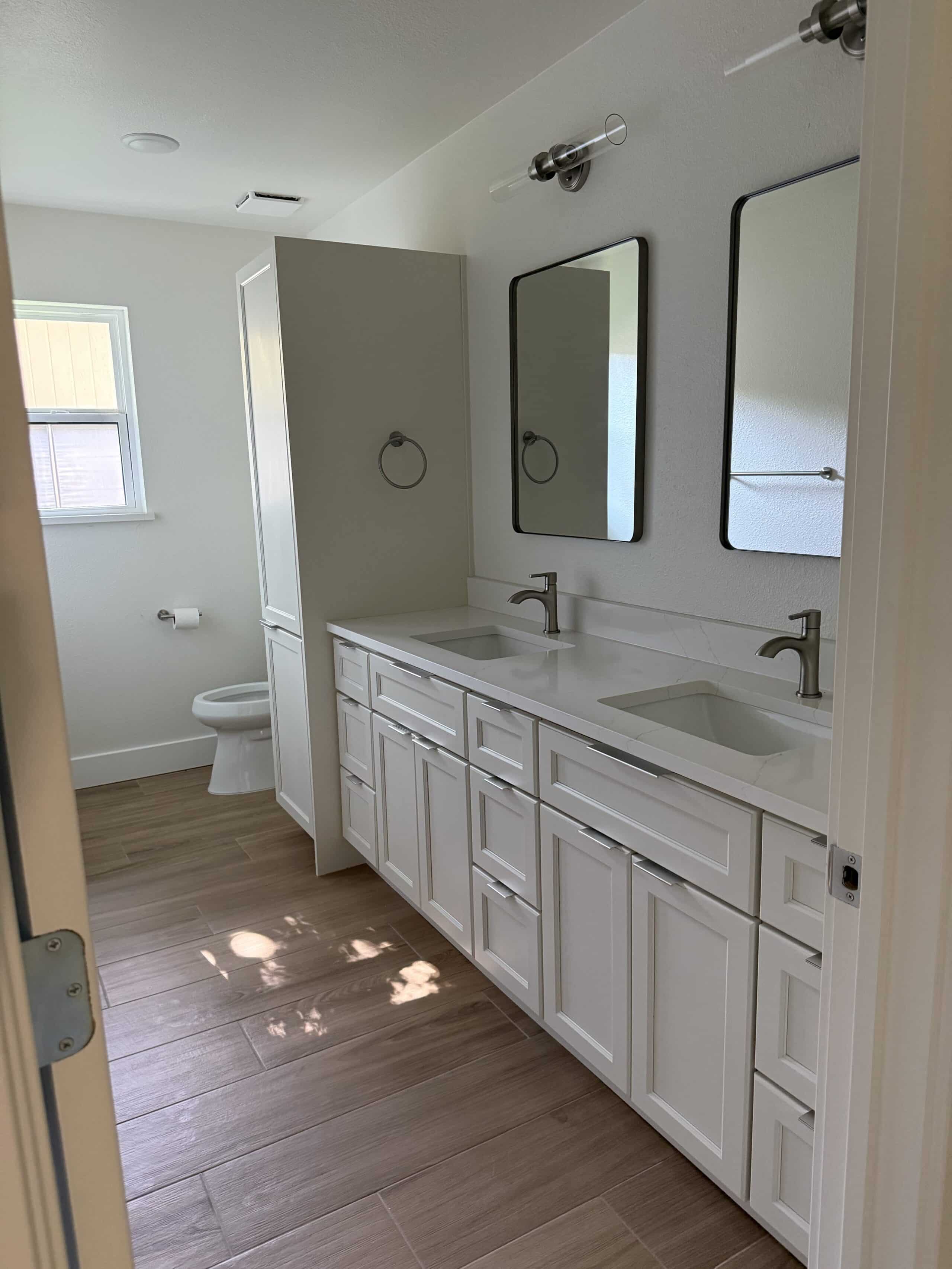
RECENT PROJECT
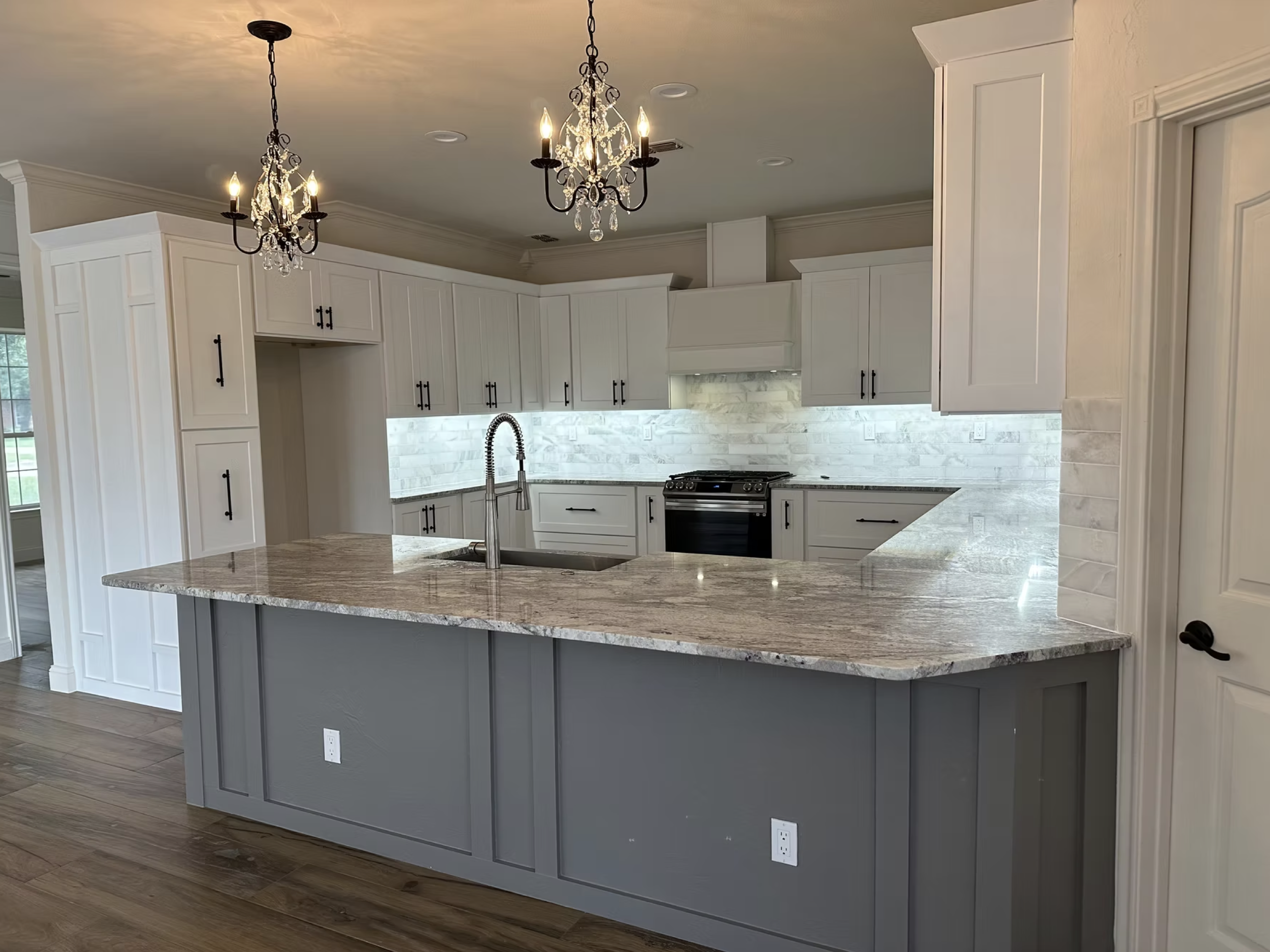
Recent Home Remodels Near Flower Mound
Flower Mound · Lewisville
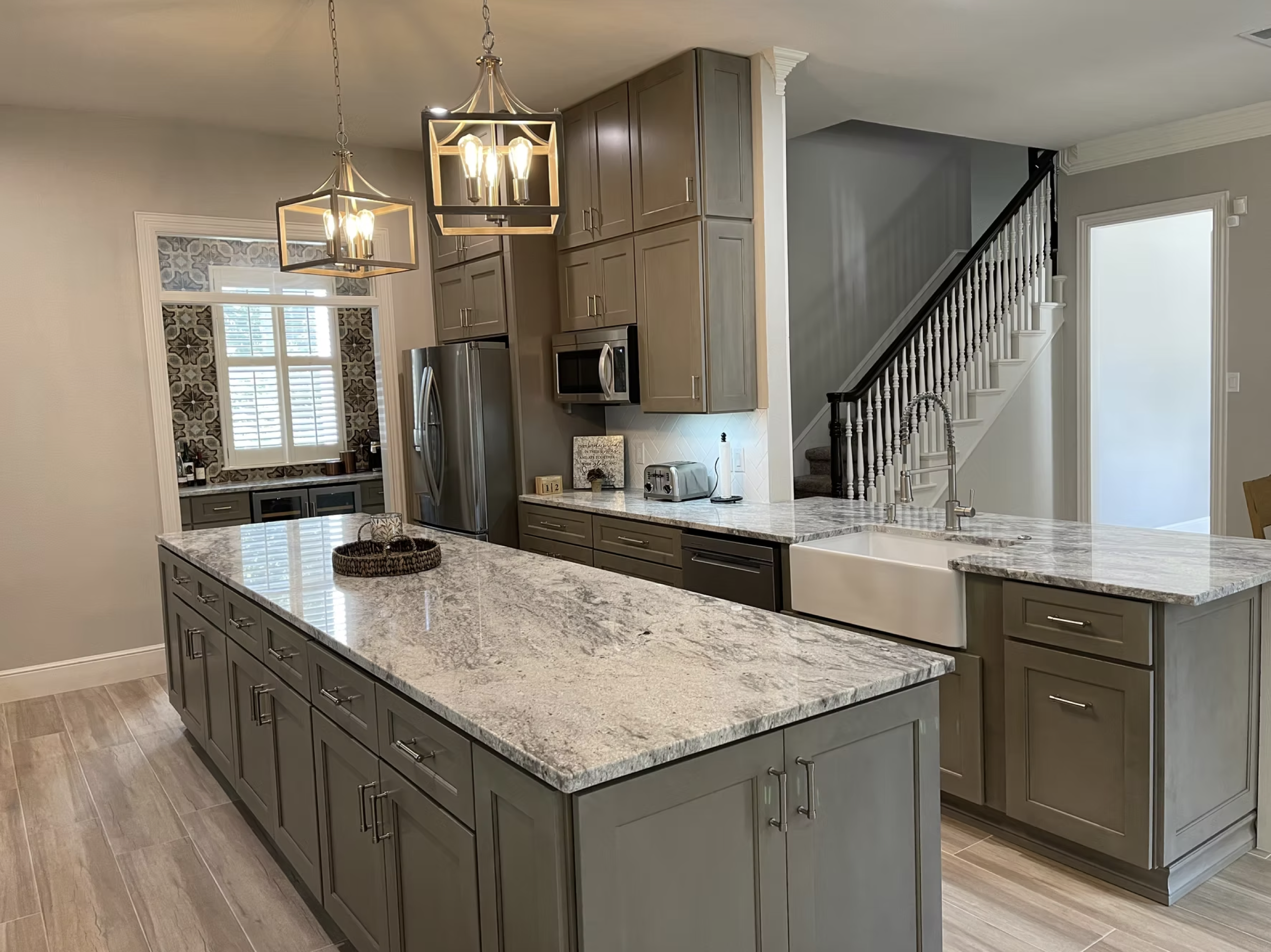
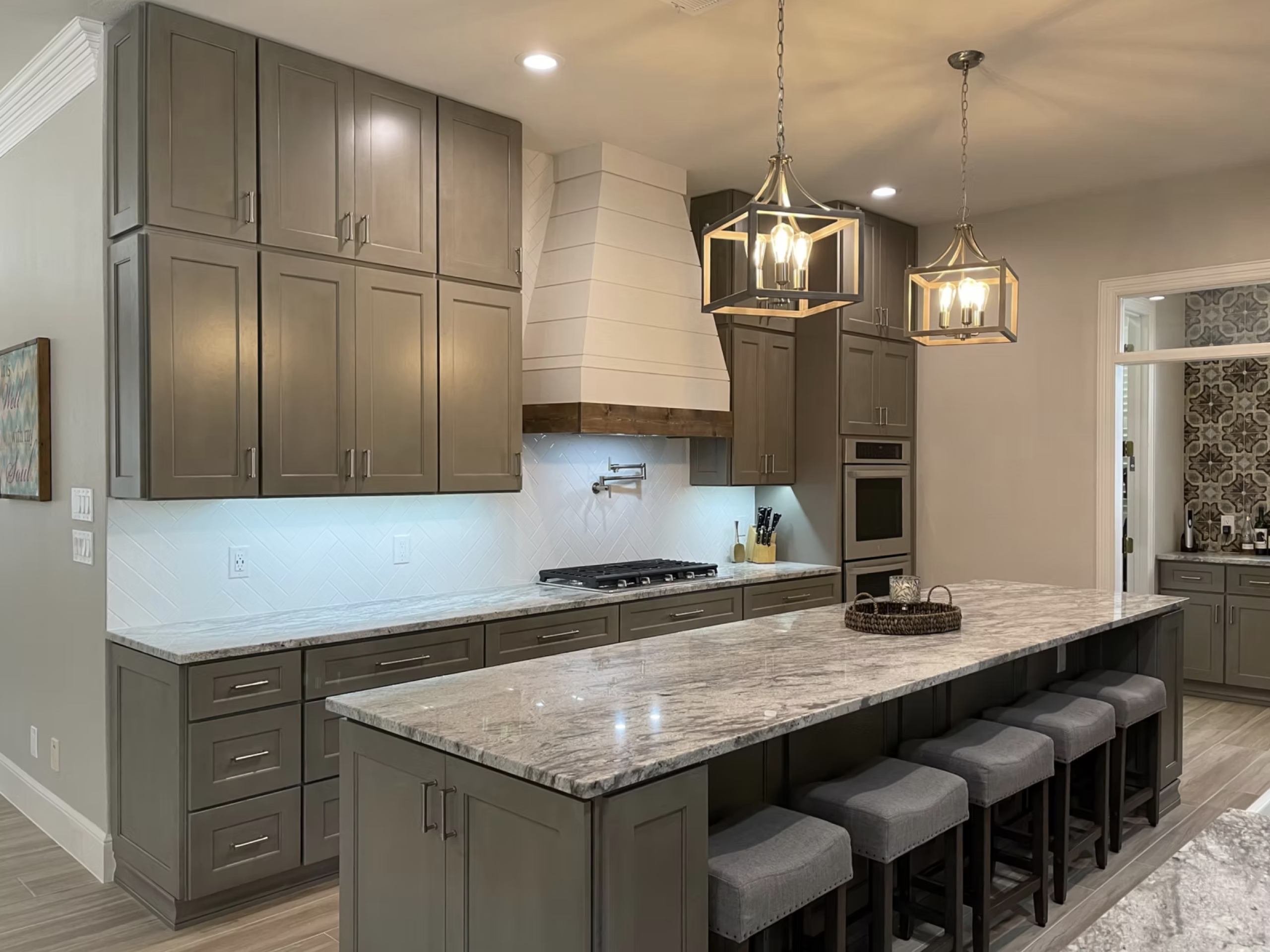
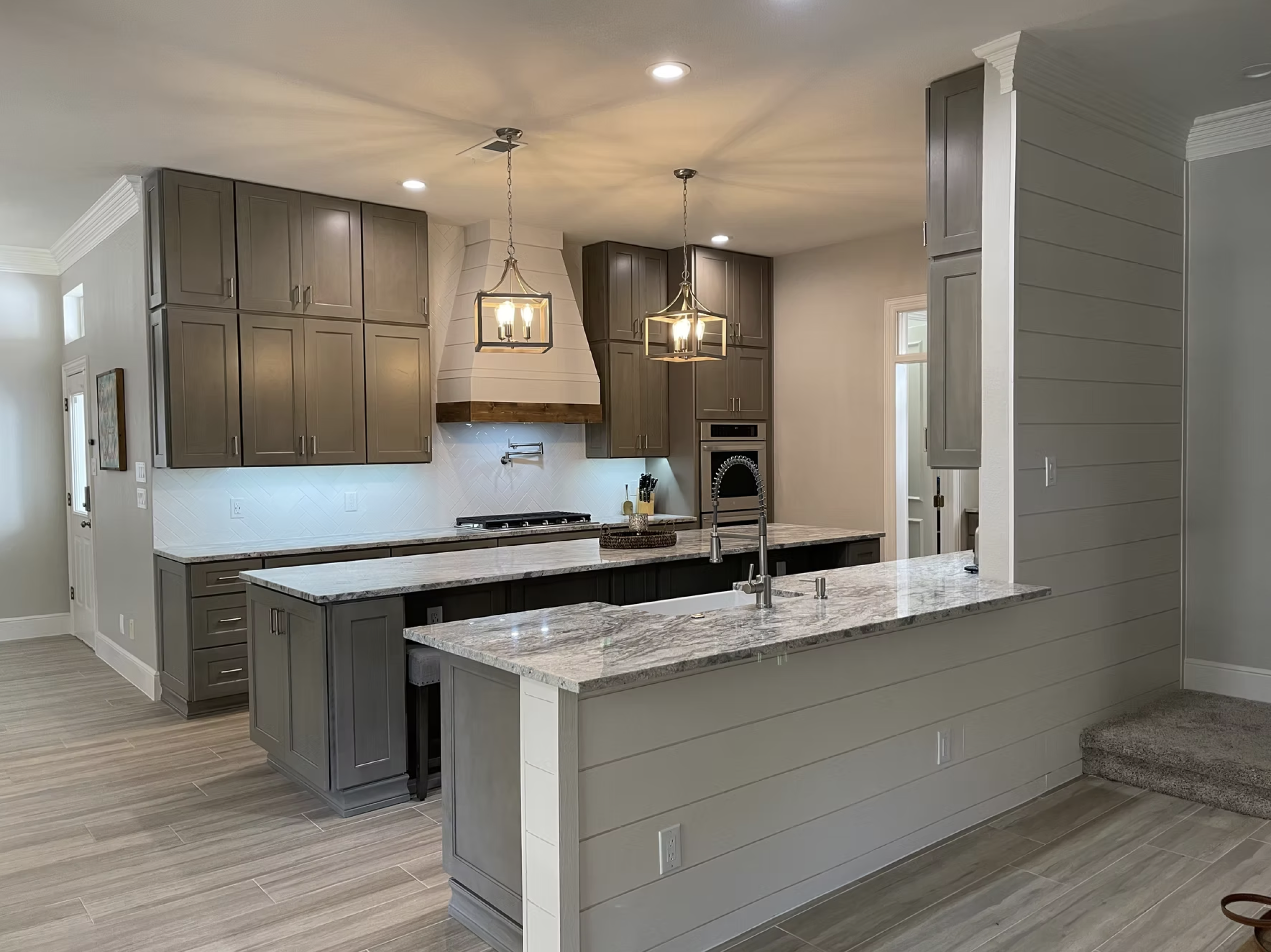
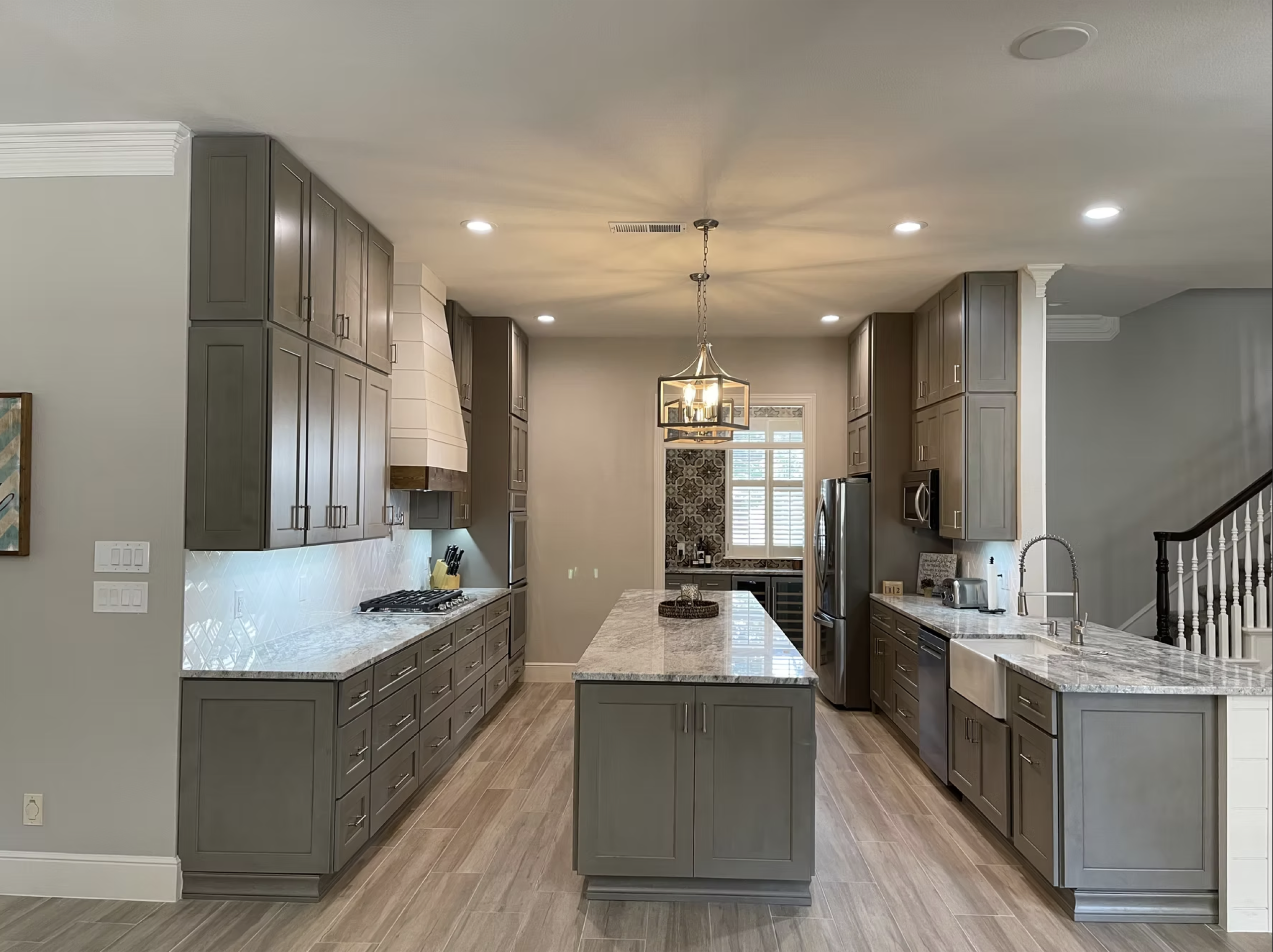
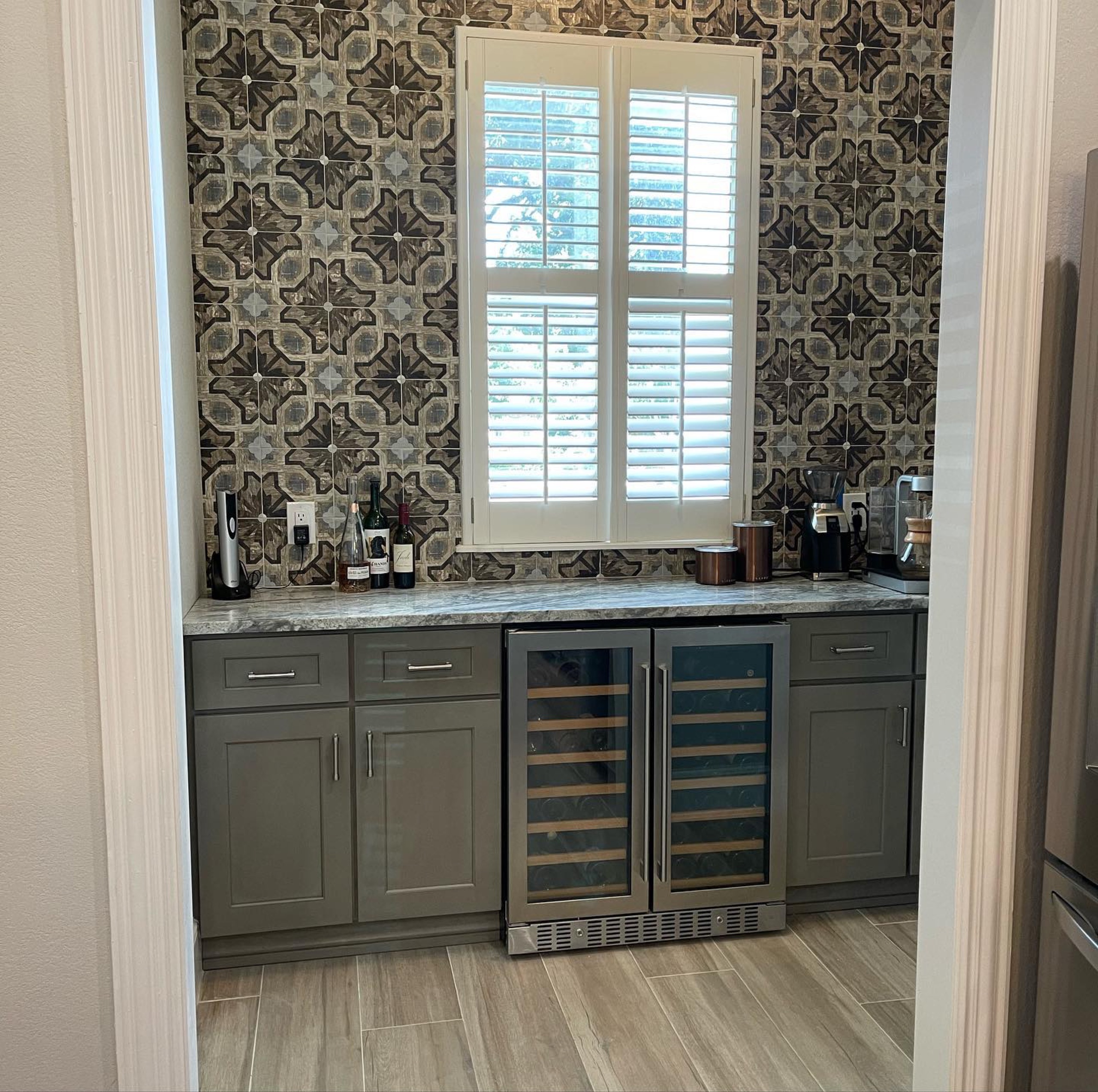
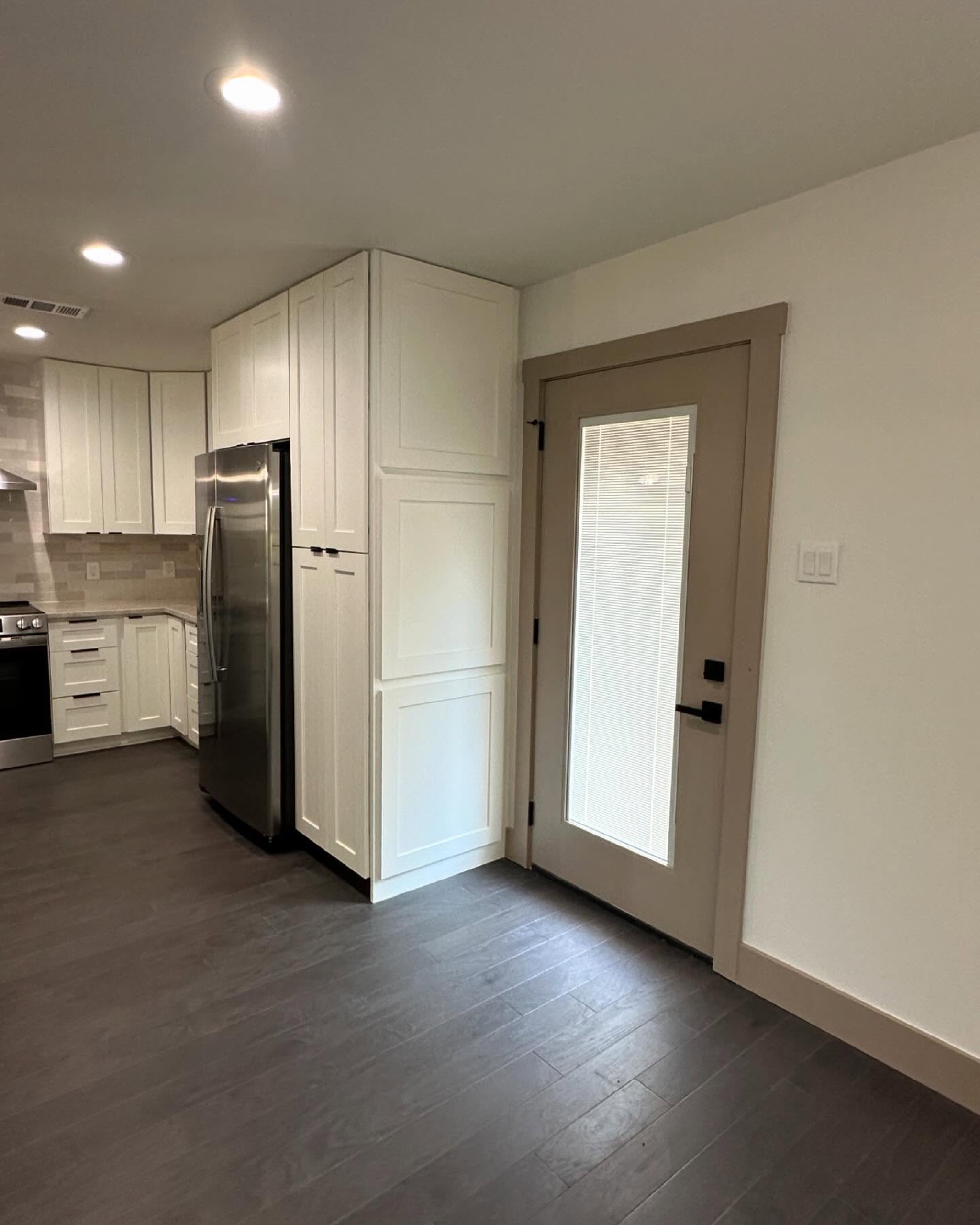
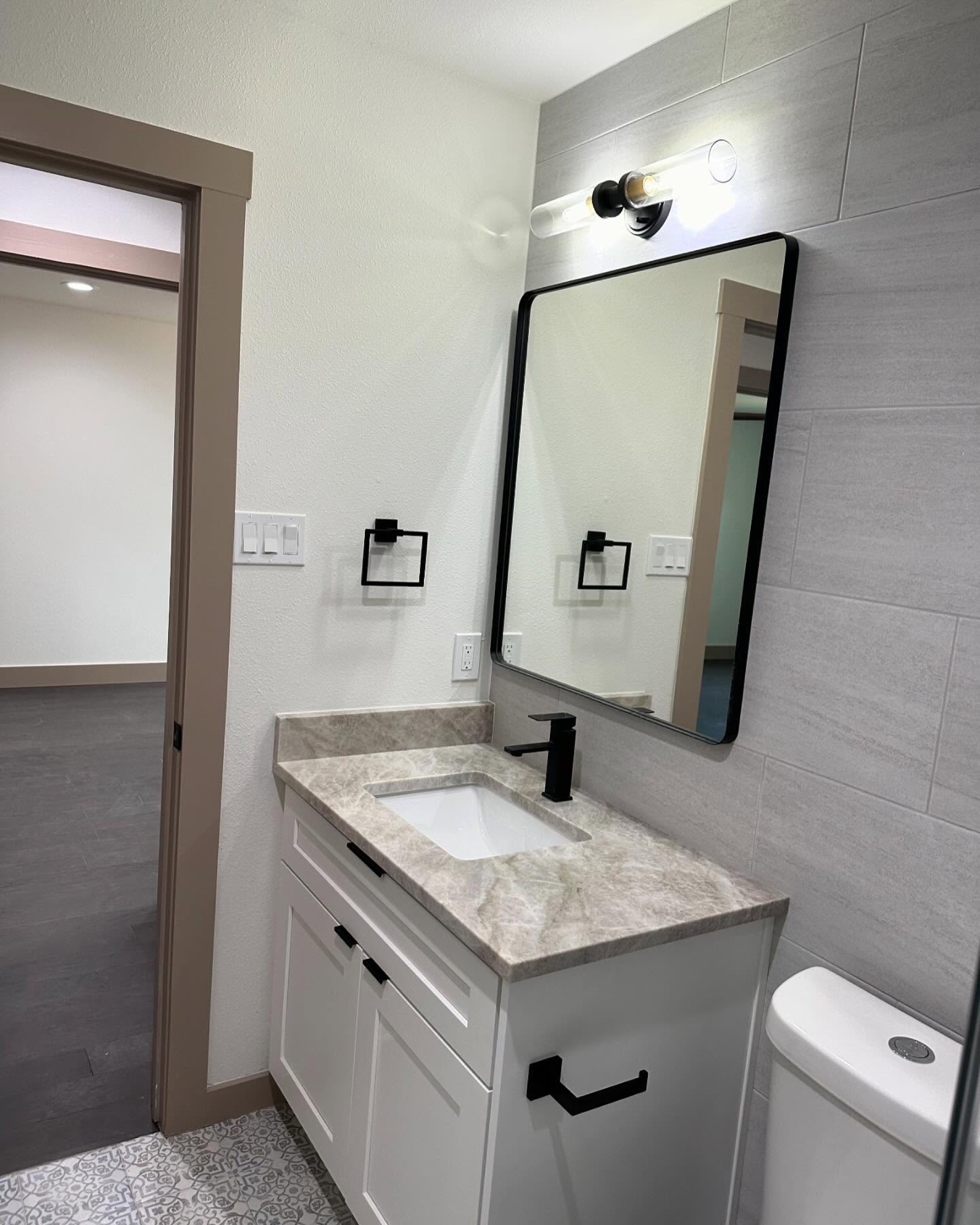
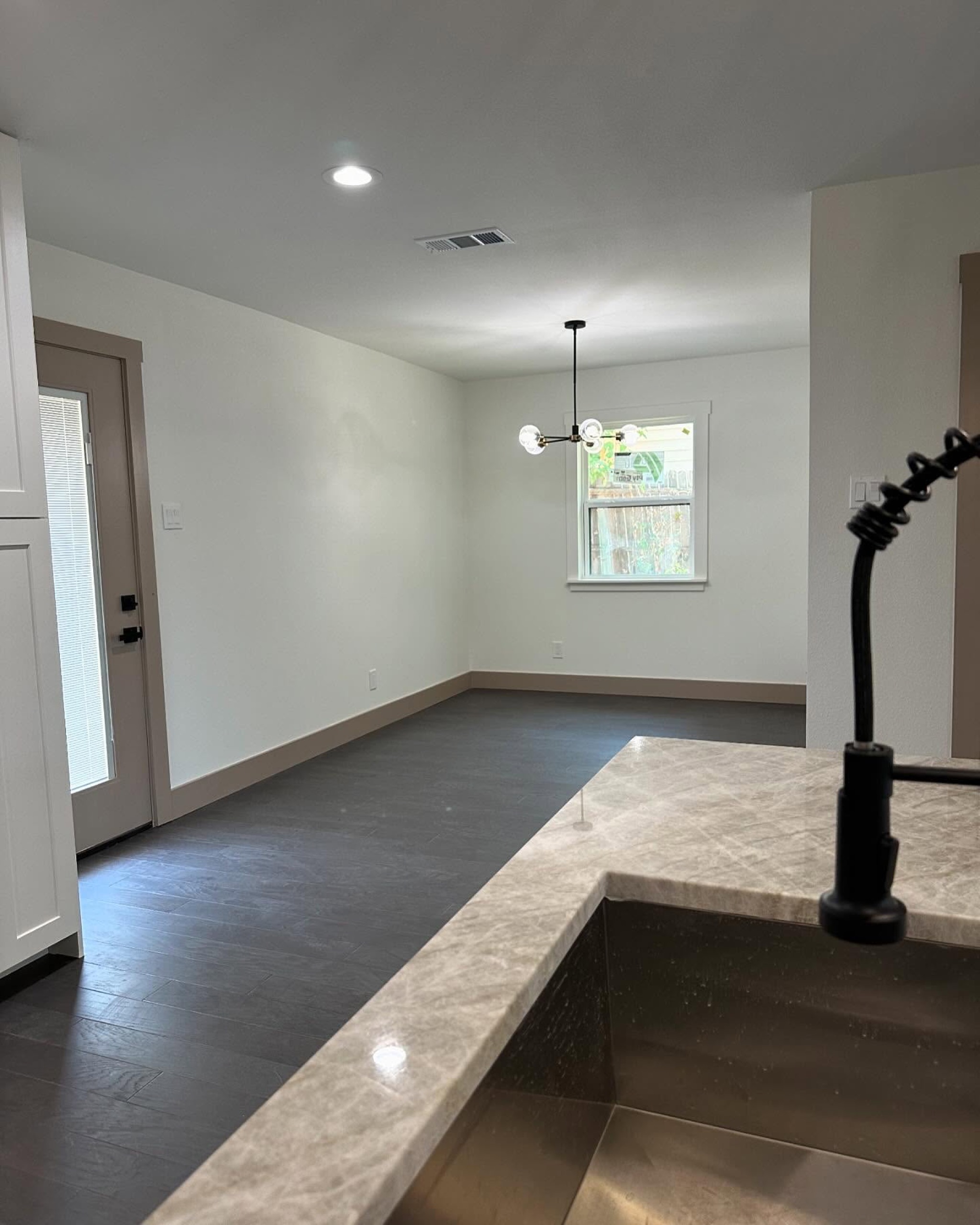
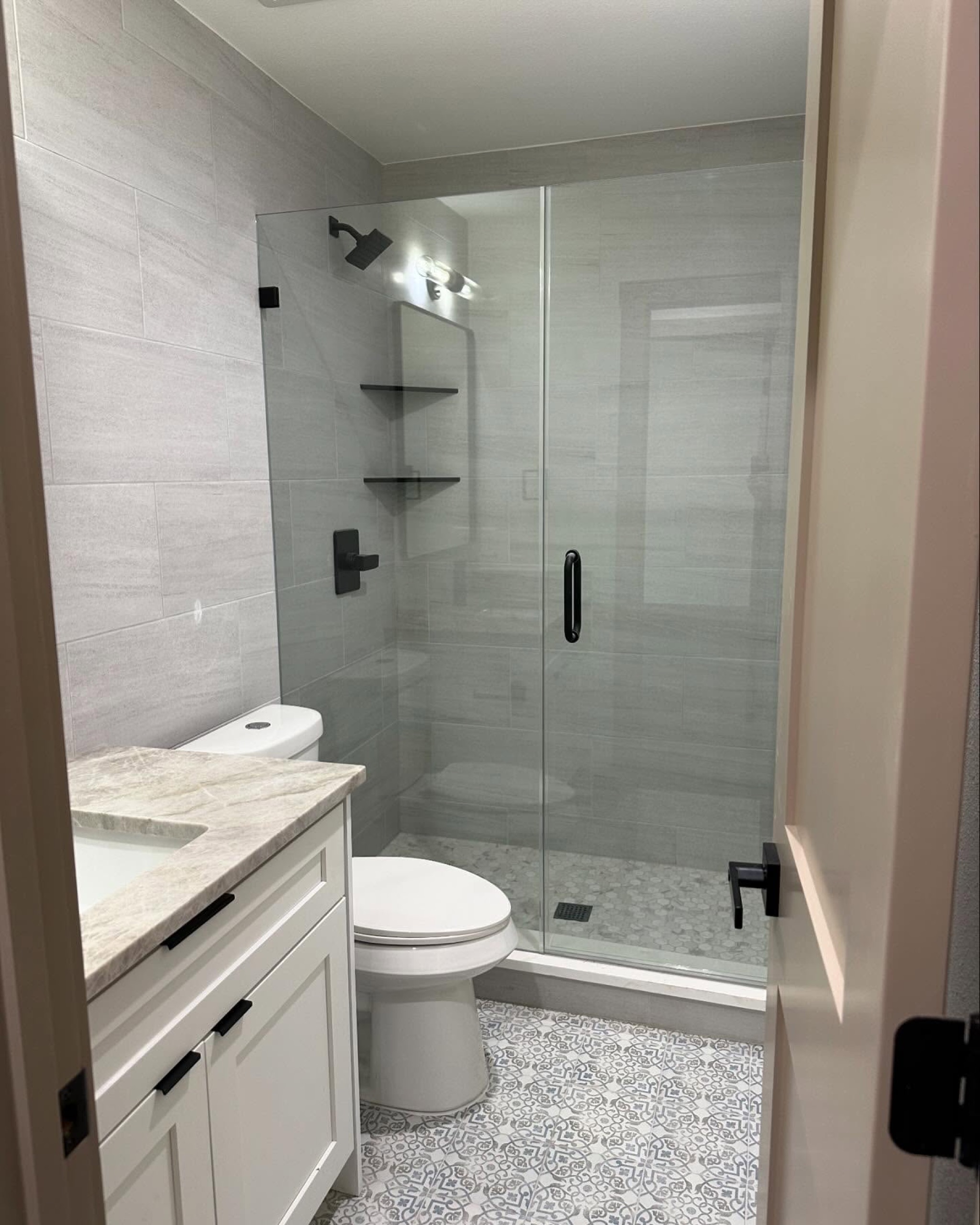
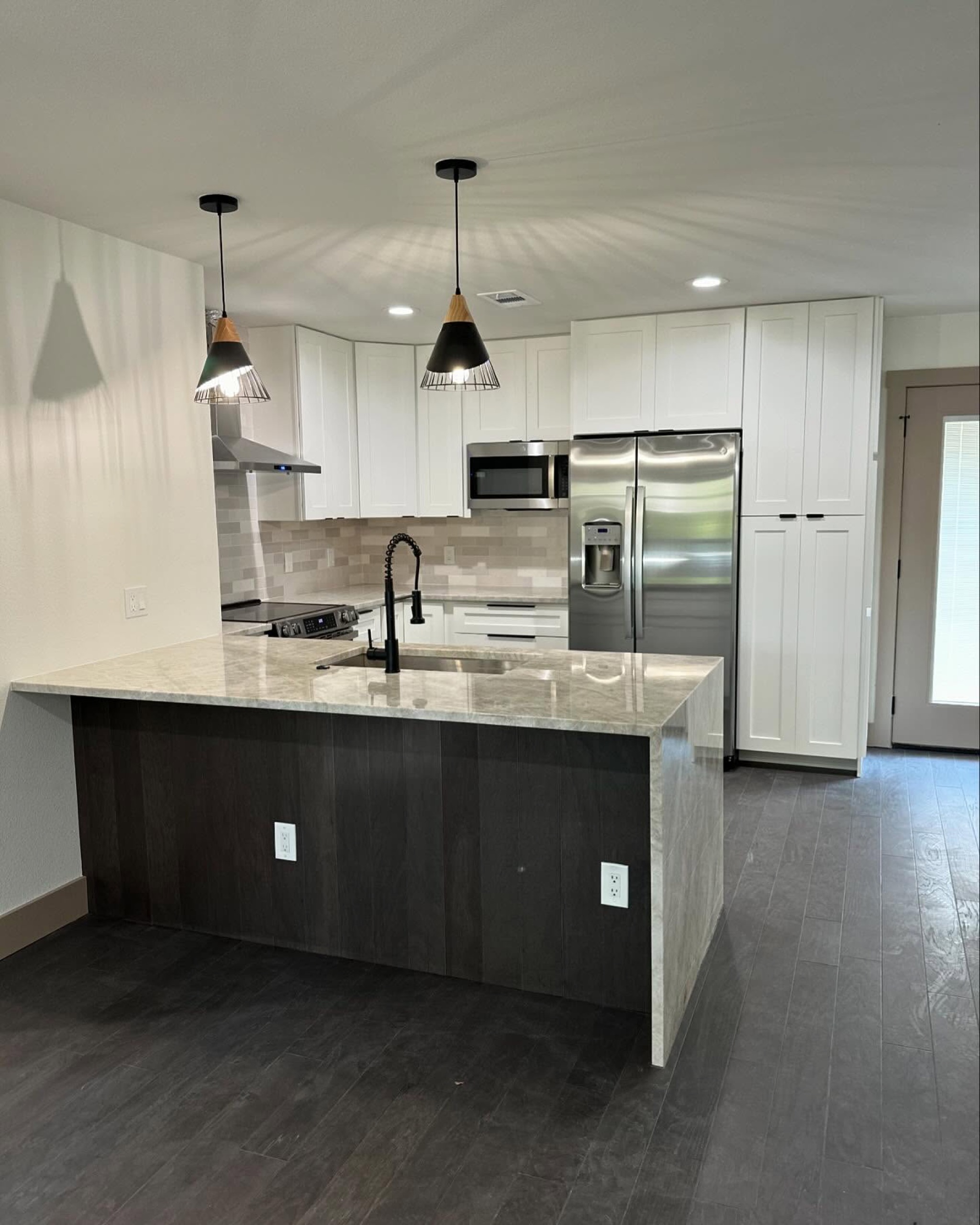
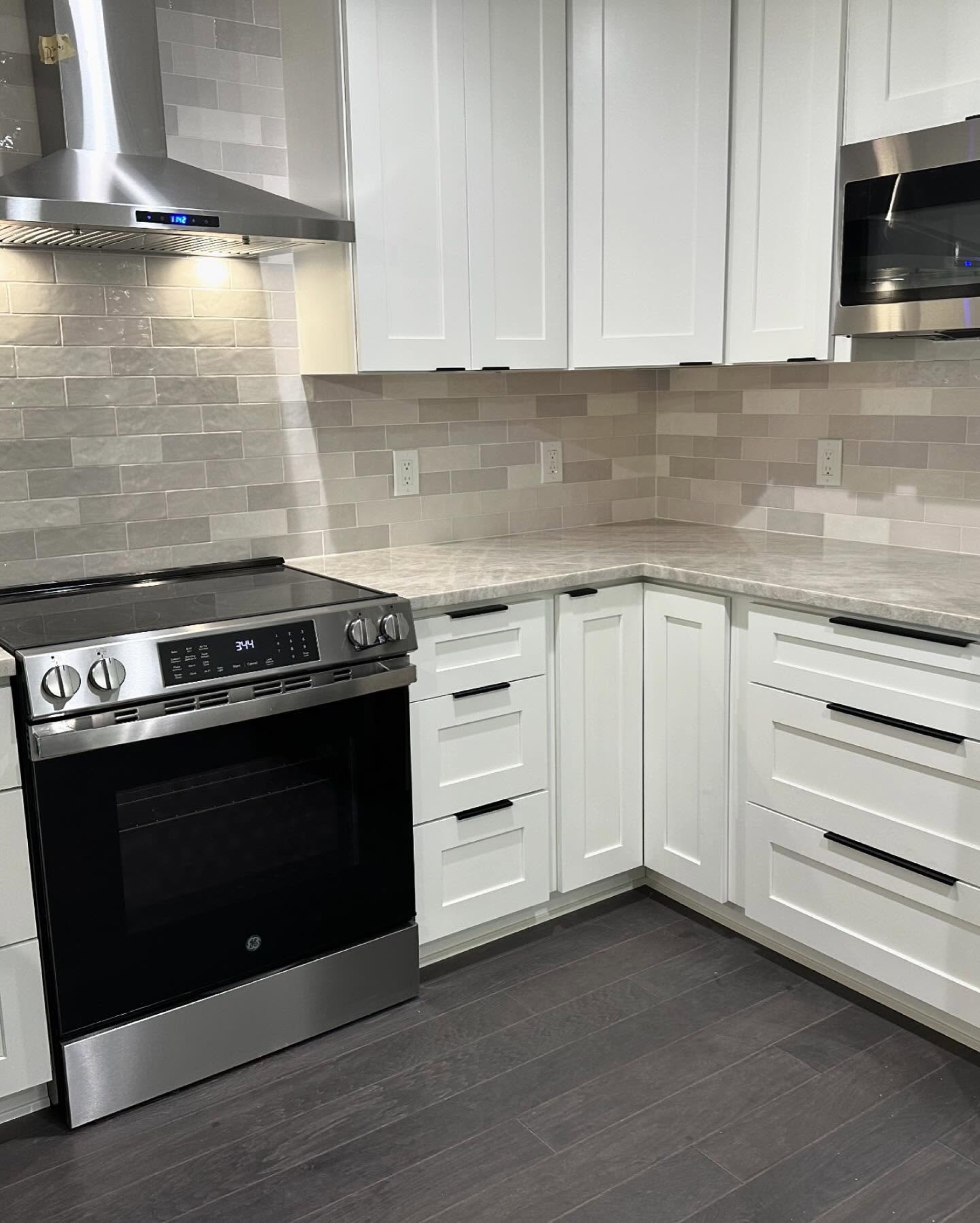
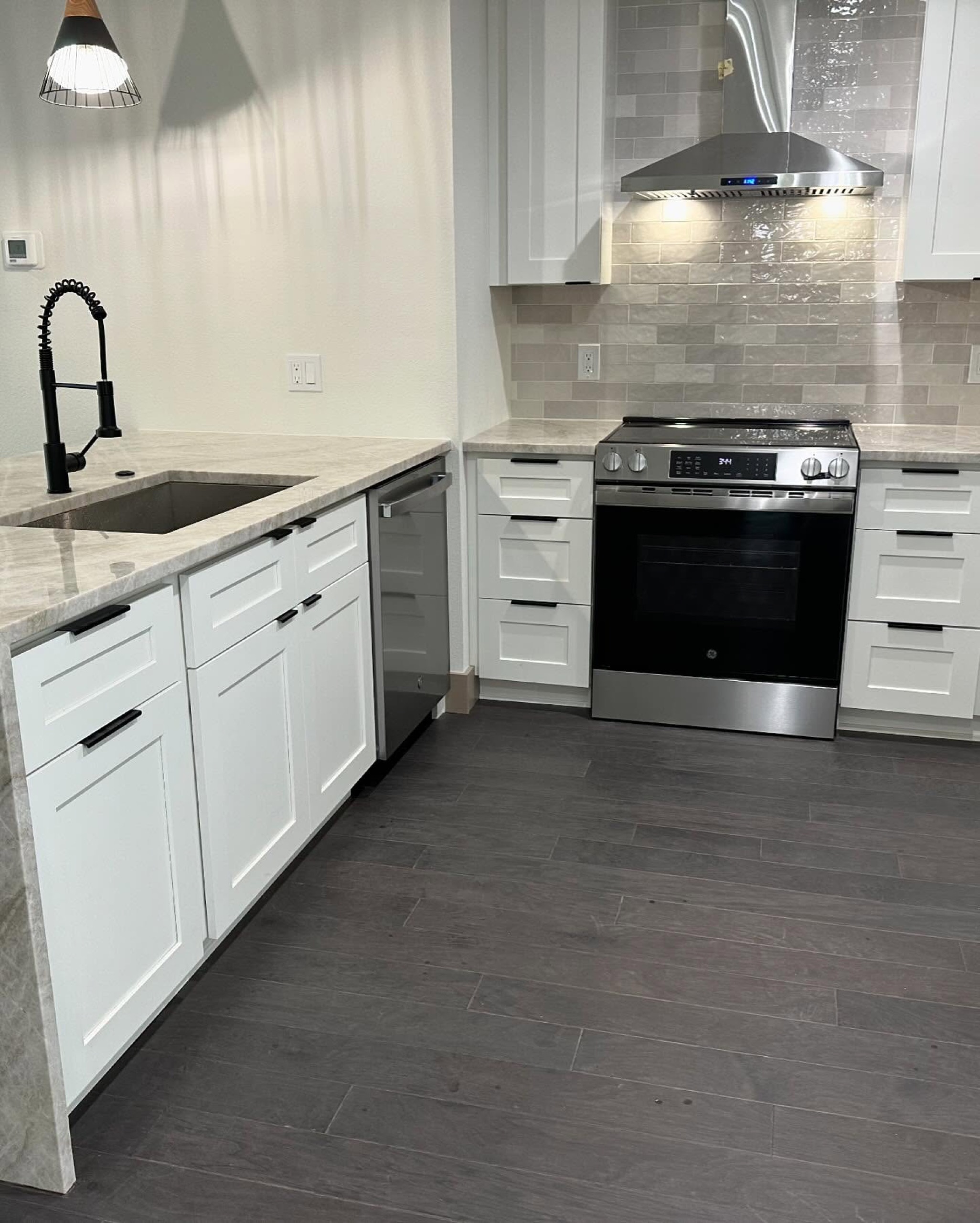
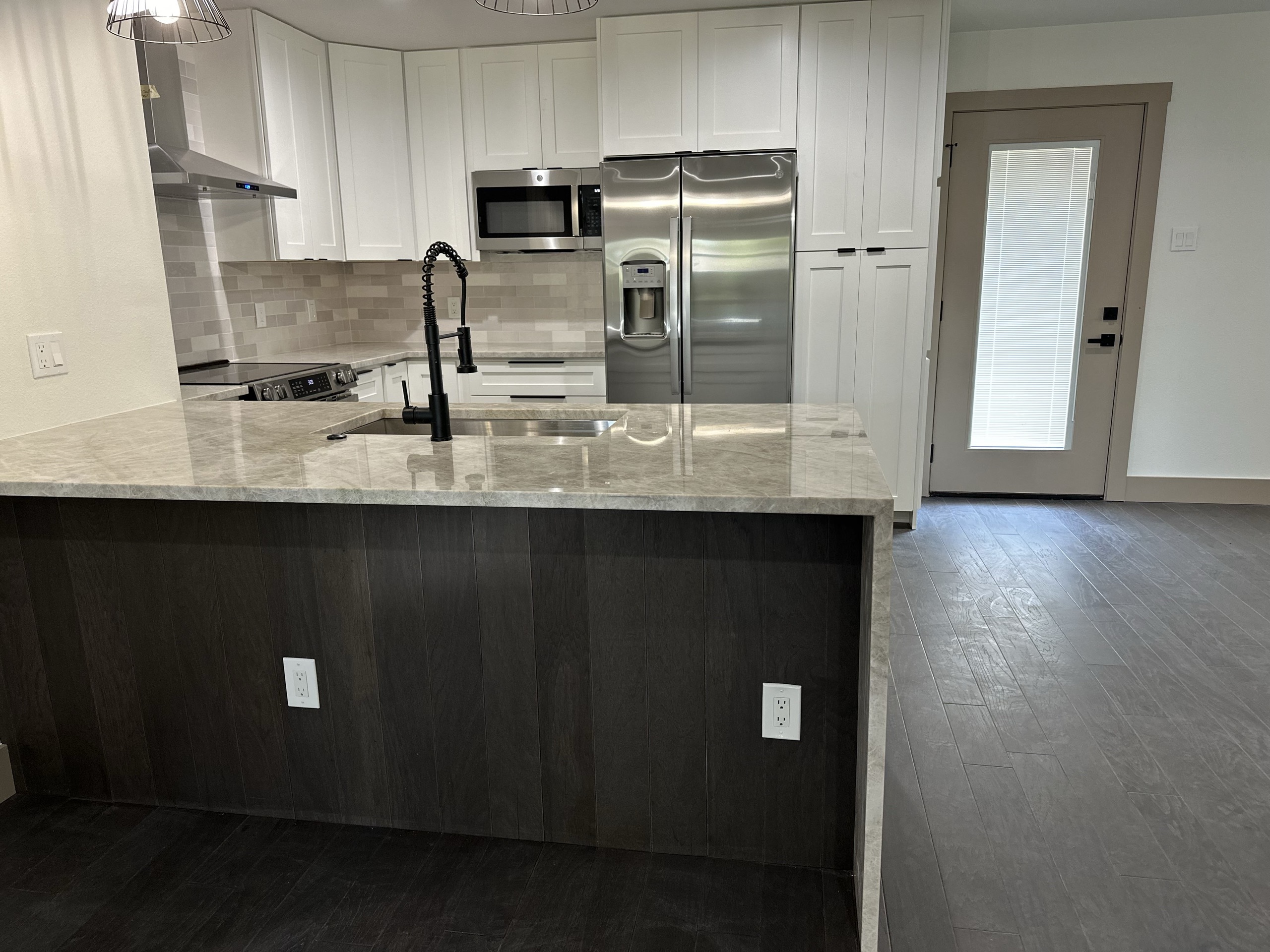
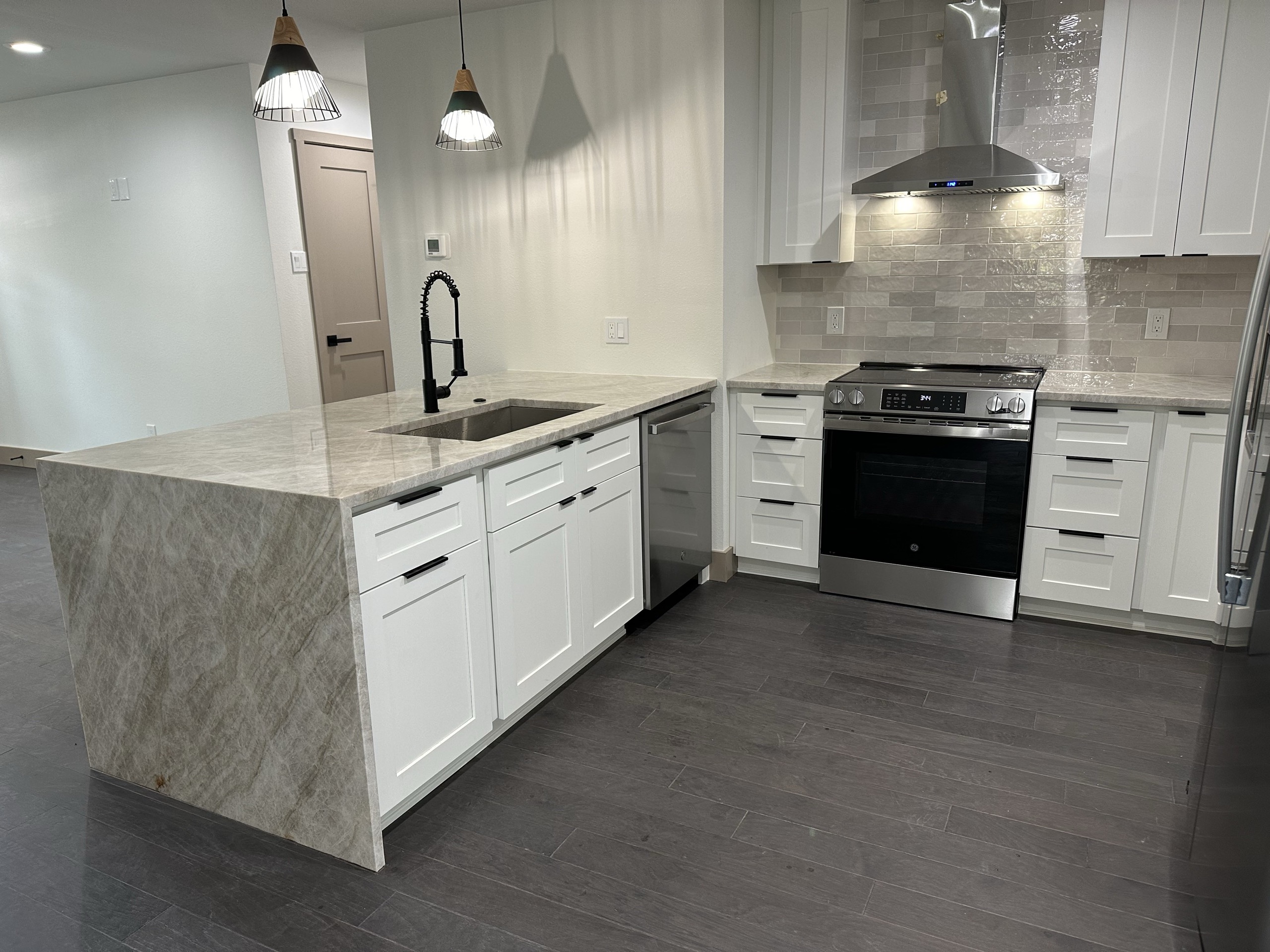
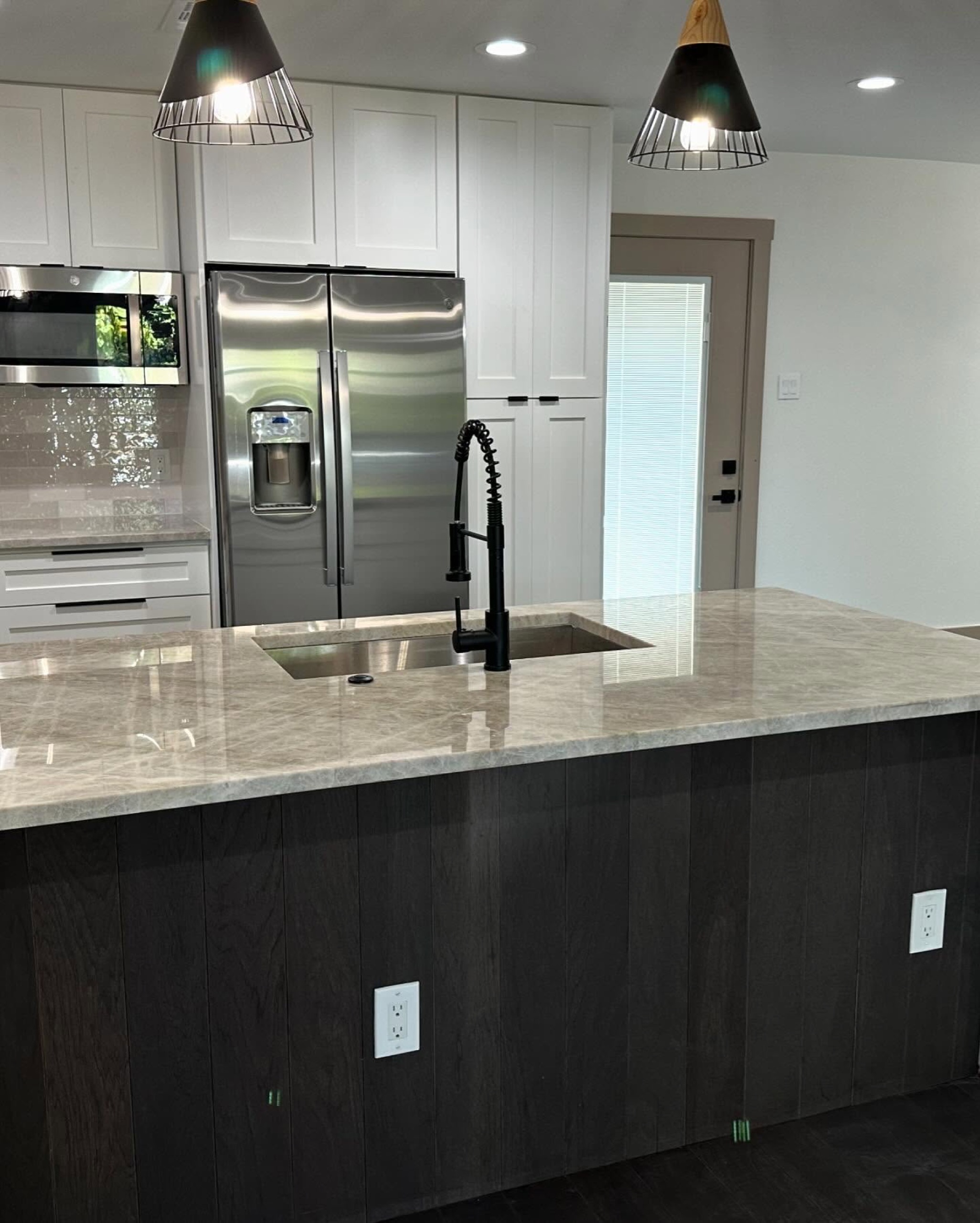
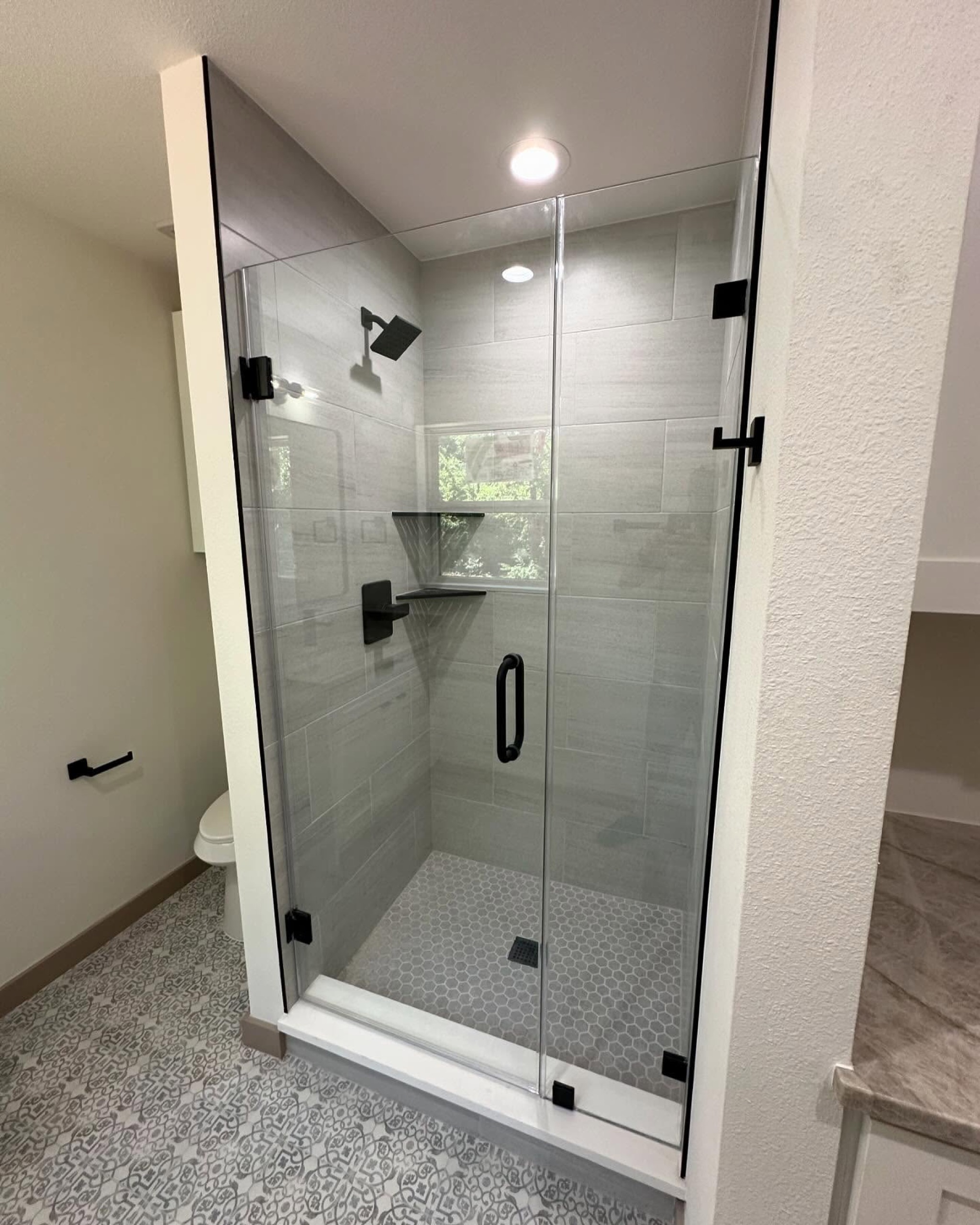
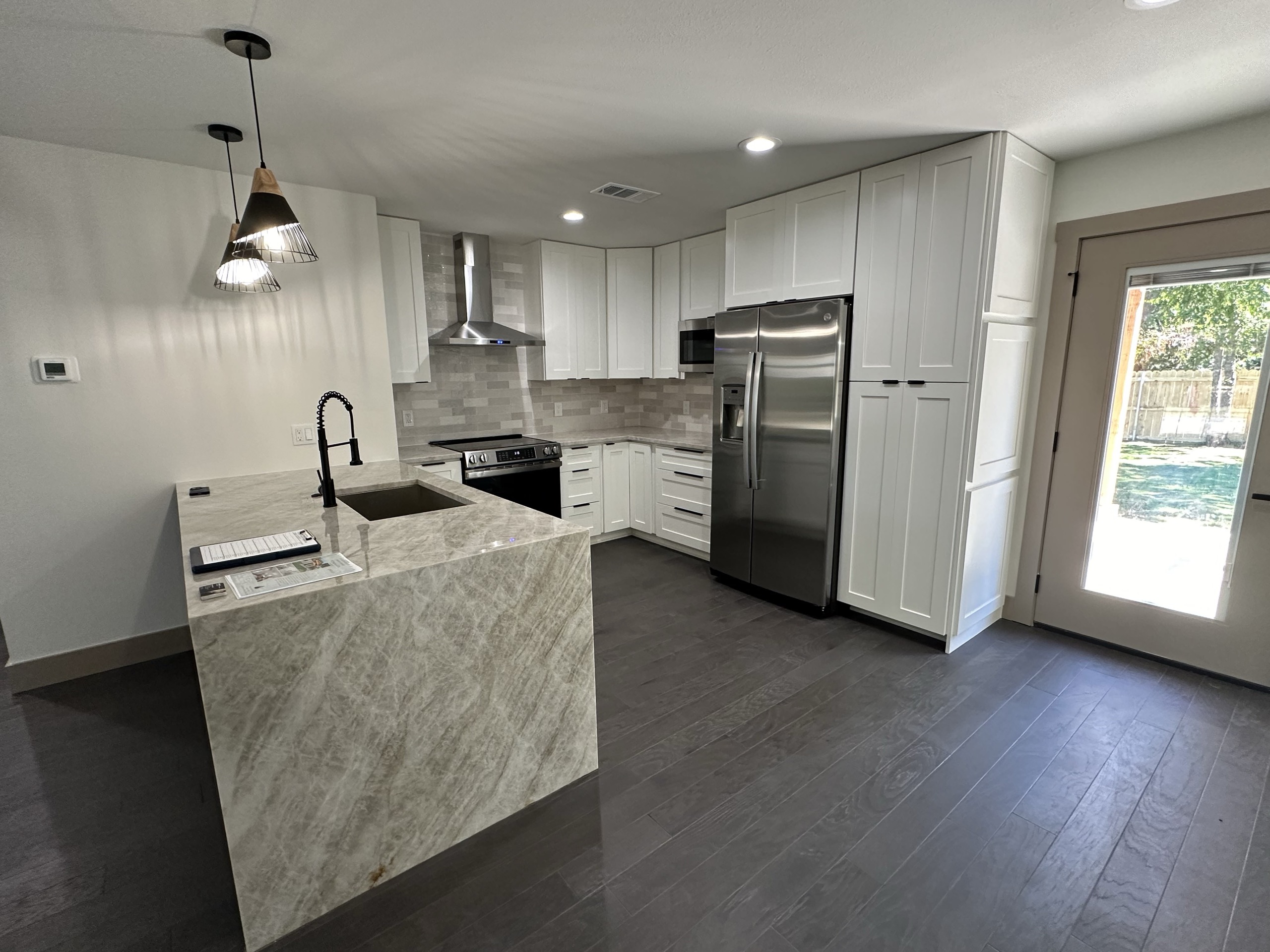
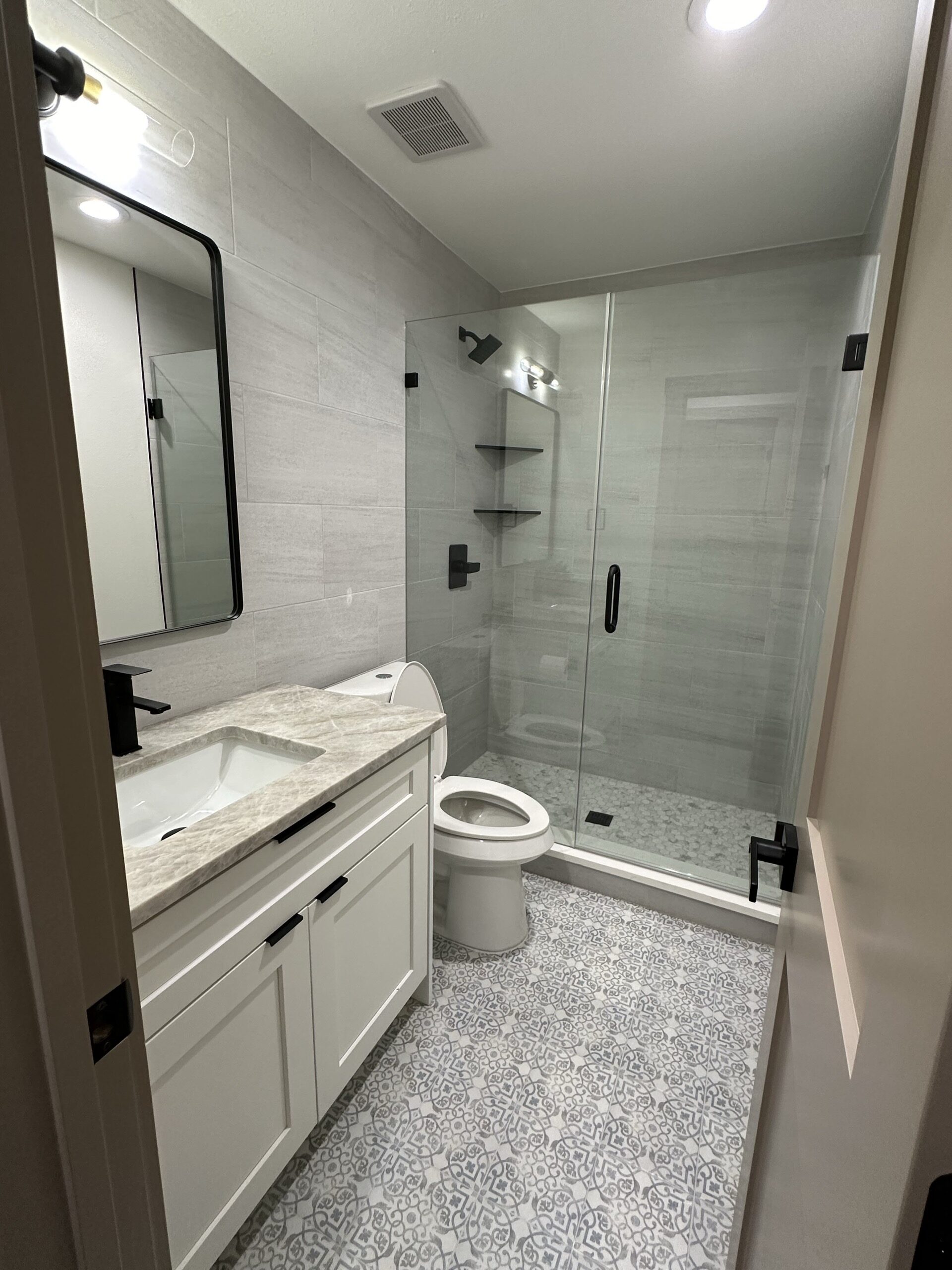
RECENT PROJECT
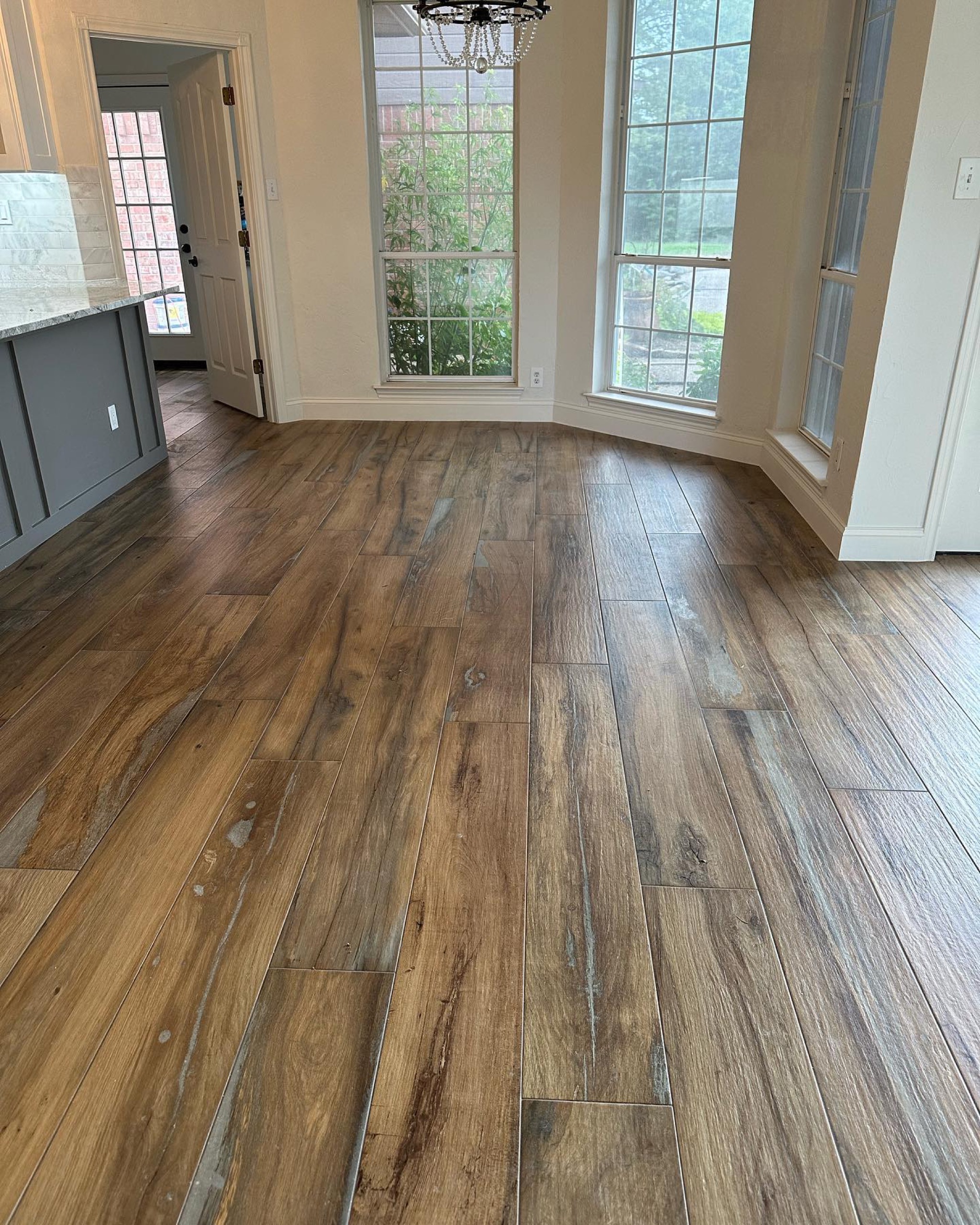
Recent Home Remodels Near Plano
Lewisville
RECENT PROJECT
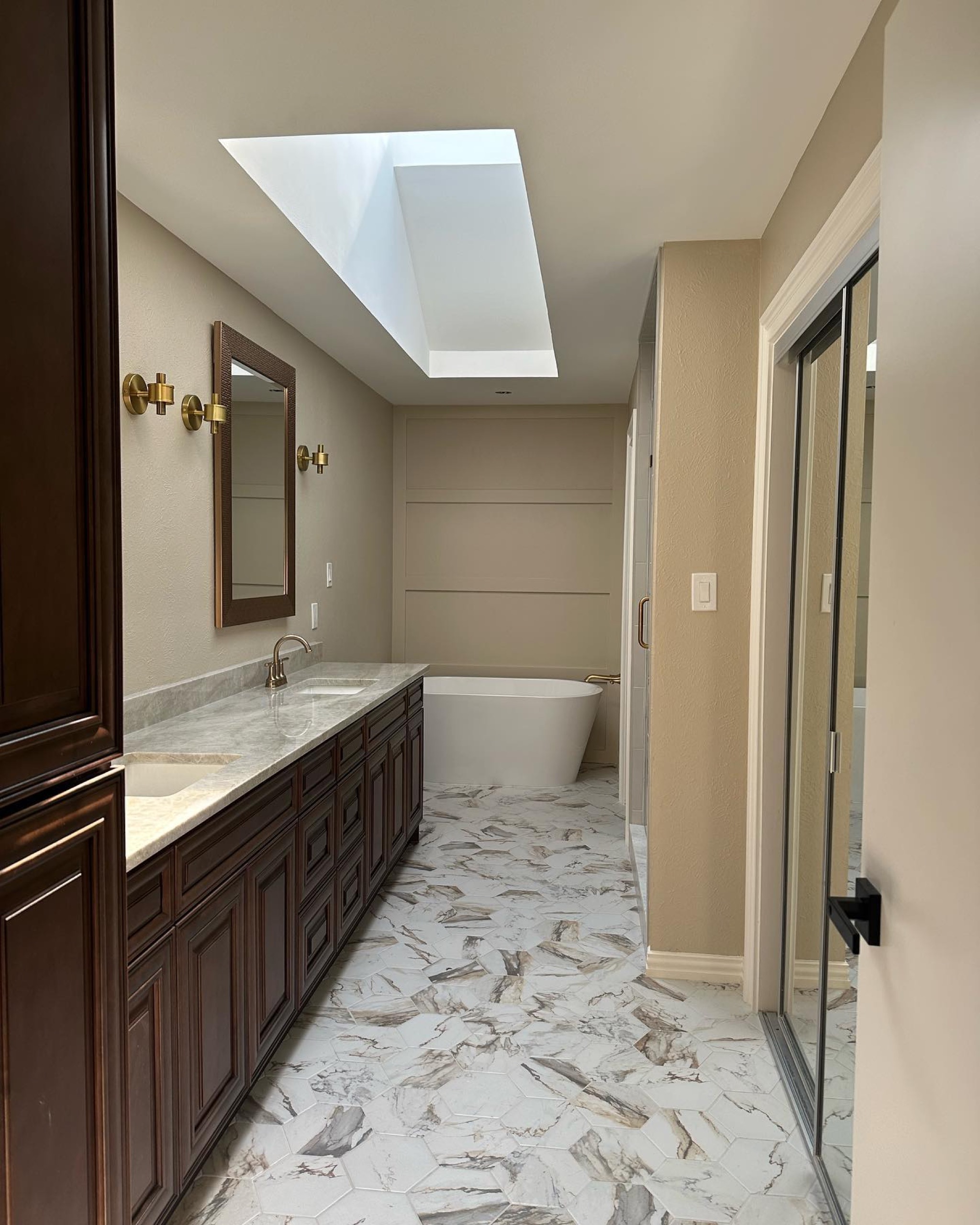
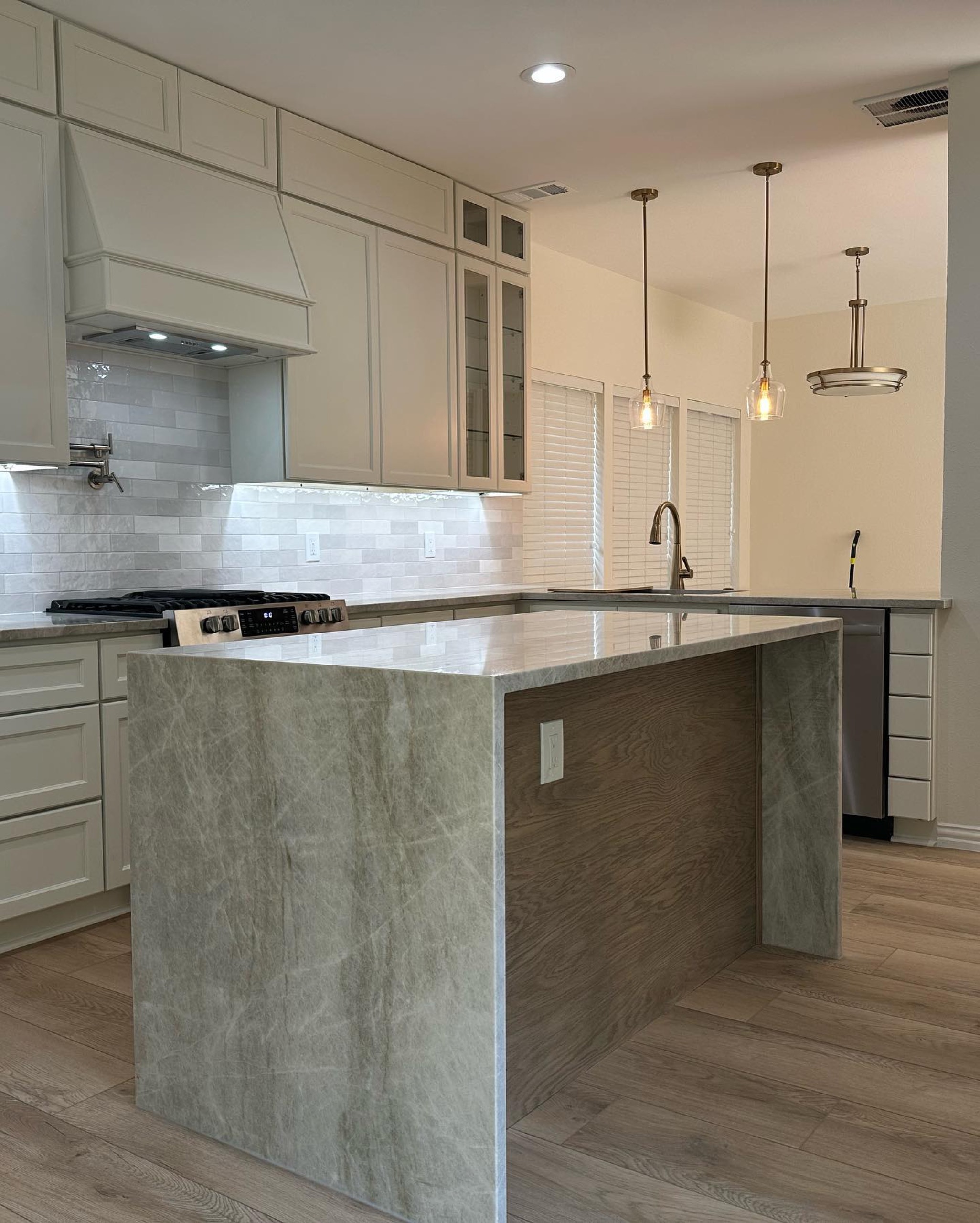
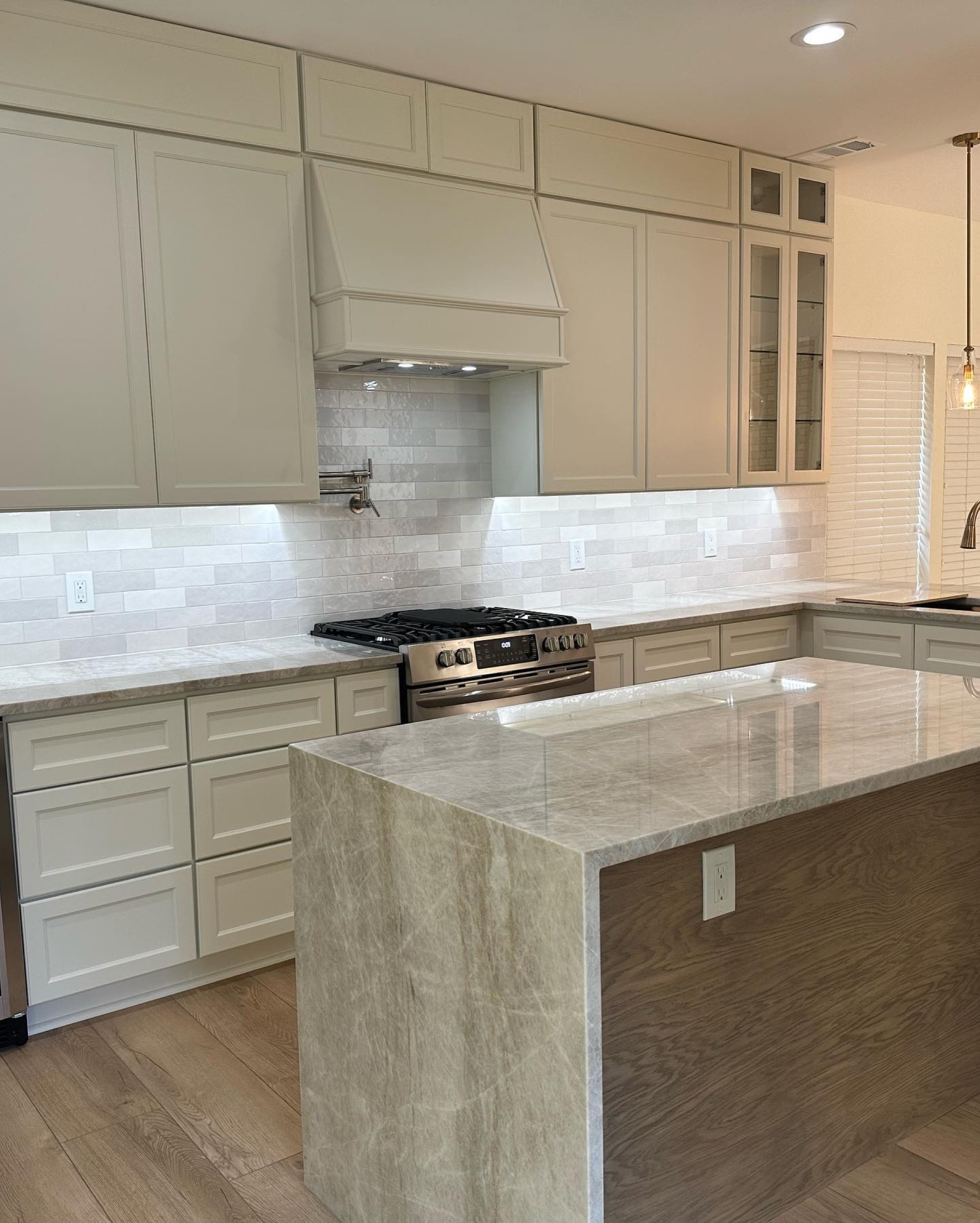
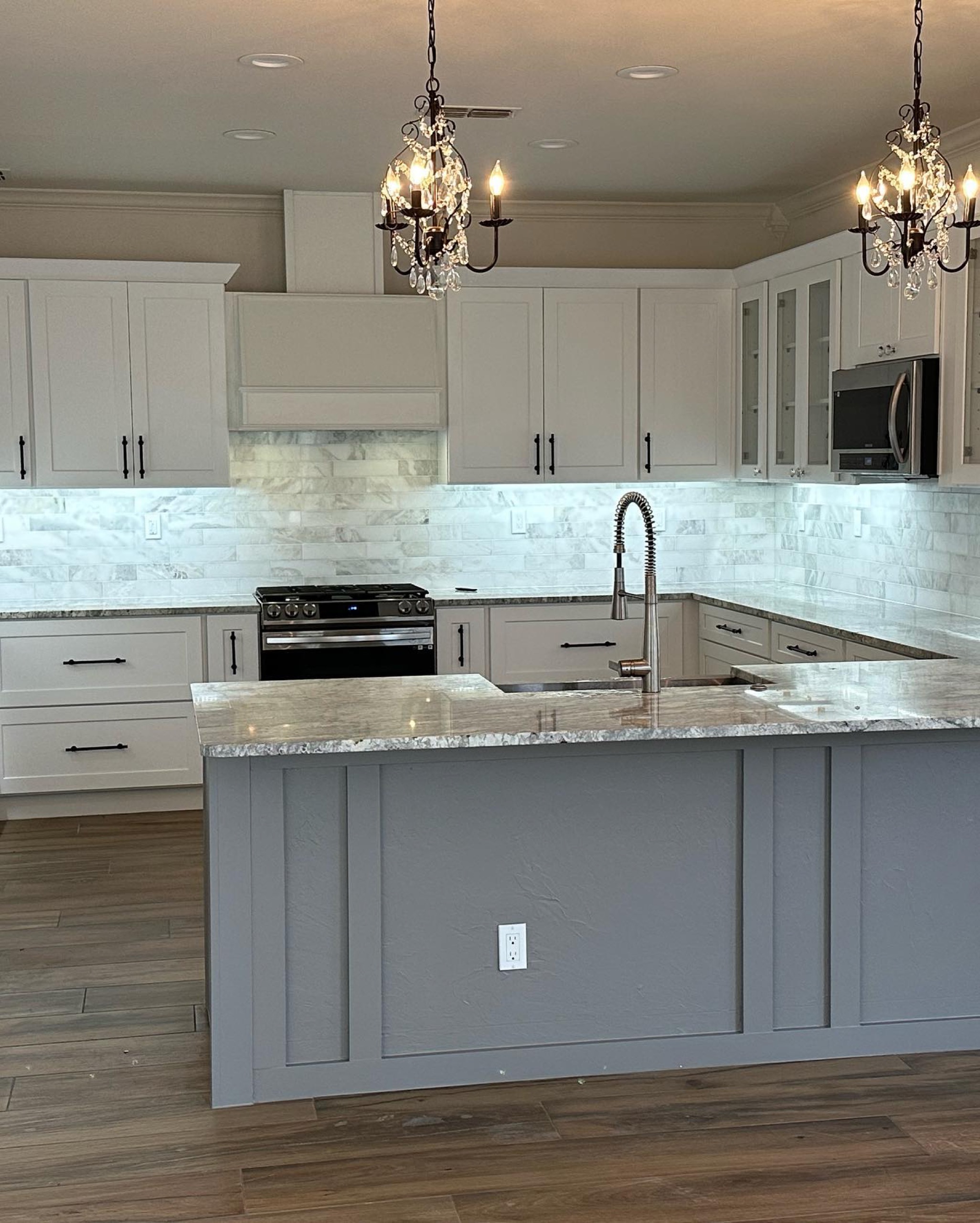
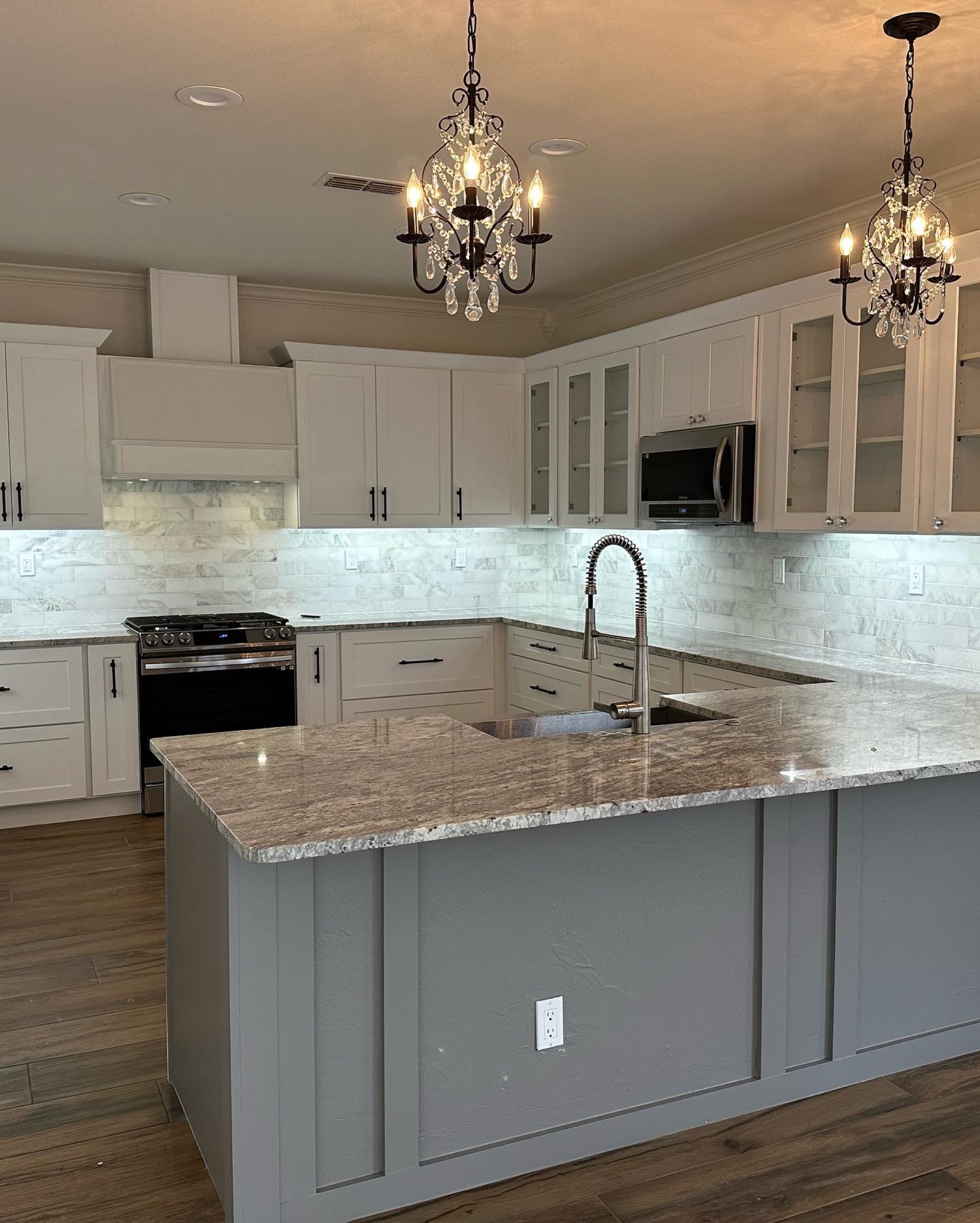
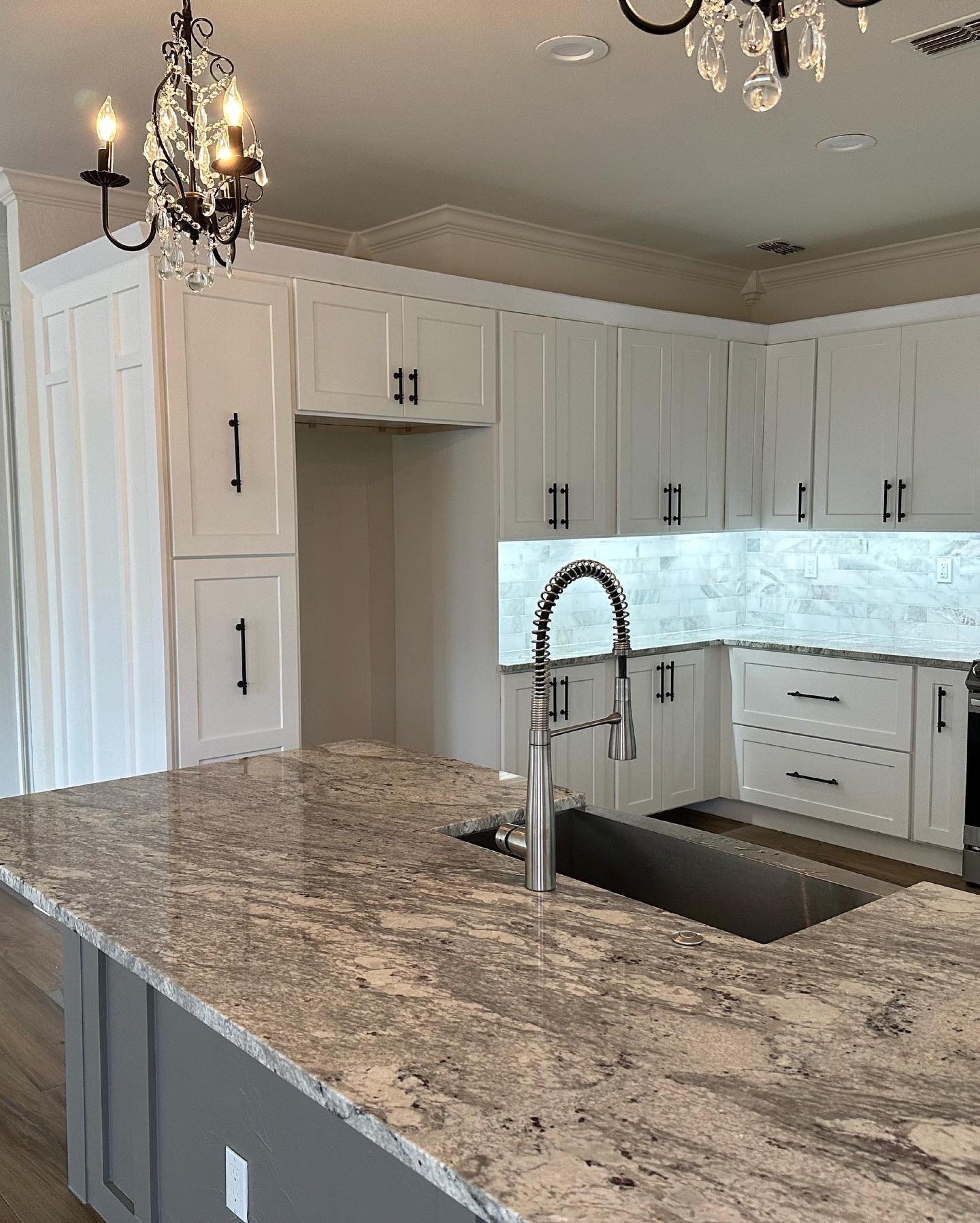
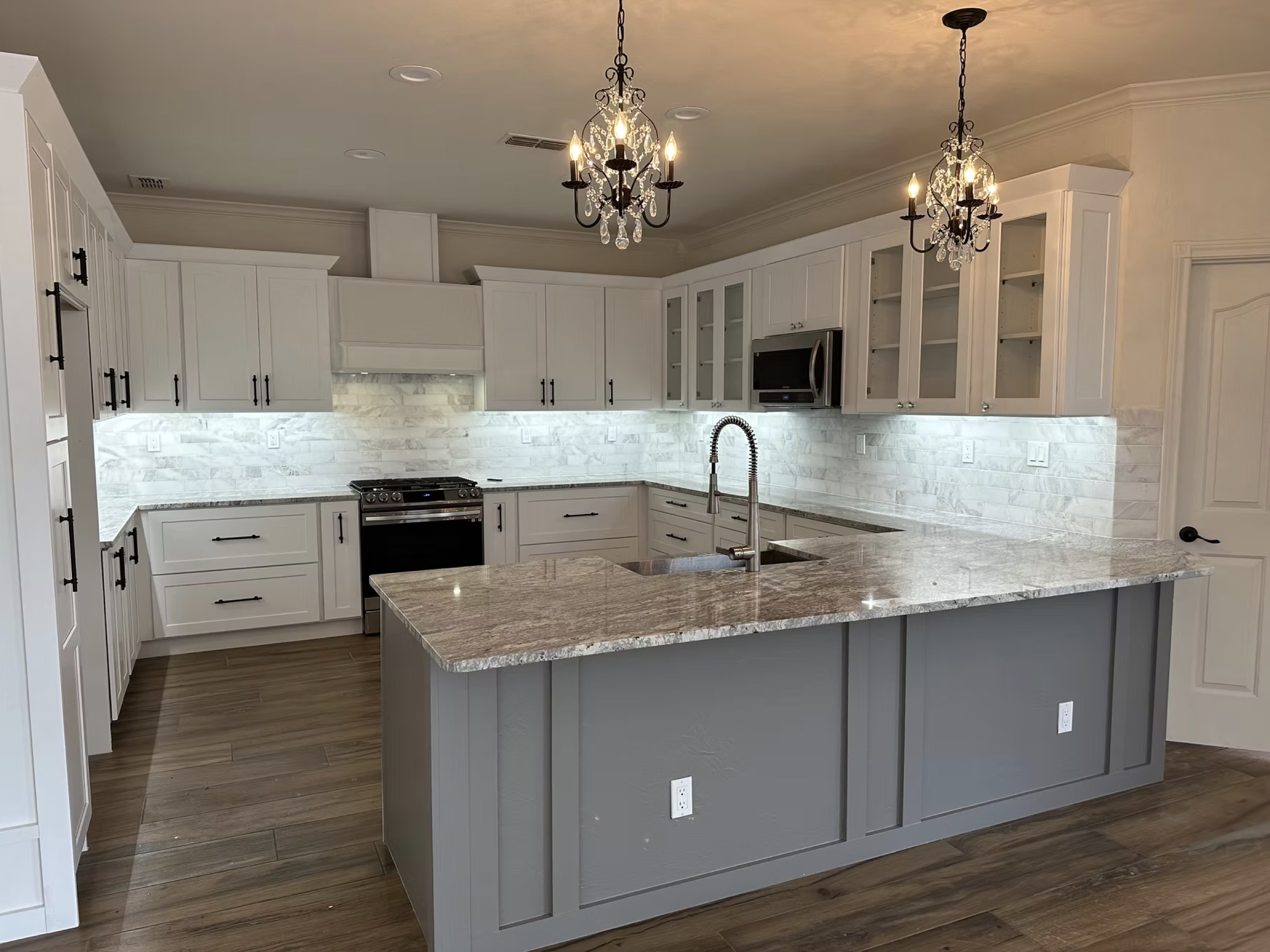
Recent Home Remodels Near Dallas
Addison · Fate
IRVING CLIENT TESTIMONIALS
Fin Home Irving Stories
Irving · Arlington
NEAR COPPELL CLIENT TESTIMONIALS
Fin Home Stories Near Coppell
Grapevine
FLOWER MOUND CLIENT TESTIMONIALS
Fin Home Flower Mound Stories
Flower Mound · Double Oak
NEAR PLANO CLIENT TESTIMONIALS
Fin Home Stories Near Plano
Little Elm · Richardson
DALLAS CLIENT TESTIMONIALS
Fin Home Dallas Stories
Dallas
NEIGHBORHOODS WE KNOW
Common Home Remodeling Patterns Across Dallas
In established Dallas neighborhoods like Lakewood, Hollywood Heights, Kessler Park, and parts of East Dallas, whole-home remodeling often starts with older houses that have real character but layouts built for a different way of living. The rooms may be charming, but the kitchen is often isolated, storage is limited, bathrooms are small, and additions from past decades can create awkward transitions. The remodel usually has to balance preservation with function. That might mean opening a wall without flattening the architecture, updating windows without losing the street character, or bringing new flooring and lighting into a house where original details still matter. The best work in these homes looks natural because the new layout solves daily problems without making the house feel stripped of its history.
In Preston Hollow, North Dallas, and neighborhoods around Bluffview or Greenway Parks, the remodel pattern is often larger and more systems-driven. Homes may have substantial square footage, but they can also have older mechanical systems, dated primary suites, formal rooms that are rarely used, and kitchens that do not connect well to outdoor living or entertaining areas. Whole-home scopes commonly include kitchen expansion, primary suite reconfiguration, window and door updates, stair and railing changes, lighting design, and exterior elevation improvements. Because the homes are valuable, the work usually has to be comprehensive enough that the finishes, room proportions, and mechanical performance all match the level of the property.
In mid-century and 1960s-to-1980s areas such as Lake Highlands, Casa Linda, Prestonwood, and parts of Far North Dallas, the typical home has more practical square footage but still suffers from dated flow. We regularly see closed kitchens, sunken living rooms, low natural light, paneling, heavy fireplaces, and multiple flooring surfaces meeting in the same visual field. Remodeling here often focuses on making the main level coherent: removing nonessential walls, leveling or visually simplifying floor transitions, replacing tile and carpet with continuous flooring, redesigning the fireplace, and updating lighting so the home feels brighter without losing the warmth that makes these neighborhoods appealing.
In newer or heavily remodeled Dallas areas, the challenge is often inconsistency from previous work. One owner may have updated the kitchen, another may have replaced flooring, and another may have added a bathroom or enclosed a porch. The result can be a home with expensive pieces that do not actually work together. A strong Dallas whole-home remodel looks at the property as a sequence: structure, layout, mechanical systems, exterior envelope, then finishes. That is especially important when the scope includes wall removal, additions, exterior changes, or window replacement. In Dallas, the house itself usually tells you what the remodel needs to be; the job is to improve the way it lives without ignoring the neighborhood, the age of the structure, or the layers already inside it.
WHAT TO EXPECT TO PAY
Home Remodeling Pricing in Dallas
These are real ranges drawn from projects we've completed in Dallas. Material costs, permit fees, and labor are reflected here.
Essential
Cosmetic refresh for homes with a solid existing layout. No major structural changes.-
Stock or semi-custom material selections
-
Flooring, paint, and trim updates
-
Cabinet, countertop, or fixture replacement
-
Lighting and hardware upgrades
-
Minor carpentry and finish work
Mid-Range
The most common scope for Dallas homeowners. Room-by-room upgrades with full finish replacement.-
Semi-custom cabinets or built-ins
-
Flooring replacement across key living areas
-
Countertop, tile, and fixture upgrades
-
Permit-required electrical and plumbing updates
-
Interior painting, trim, and finish carpentry
-
Partial layout adjustments where feasible
Full Renovation
Layout changes, premium materials, and large-scale interior transformation.-
Custom cabinetry and built-ins
-
Wall removal or structural reconfiguration
-
Premium flooring, tile, and surface finishes
-
Kitchen, bathroom, and living area renovation
-
High-end lighting, plumbing, and fixture packages
-
Whole-home electrical, plumbing, and HVAC updates
Dallas vs Nearby Cities
-
Dallas $45,000–70,000
WHAT DRIVES COST UP
The biggest price drivers in Dallas remodels are scope expansion at $25,000–$100,000, HVAC, electrical, and plumbing updates in older homes at $10,000–$35,000, and finish tier with a 30–80% total swing. Historic or conservation district review can also affect timeline-driven costs on some projects. We flag all of that before the scope is locked.
Why Dallas Pricing Works This Way
What Shapes Home Remodeling Costs in Dallas
In the established parts of Dallas, especially Lakewood, the M Streets, Oak Cliff, Kessler Park, and East Dallas, cost is usually controlled by the original construction era. Homes from the 1920s through 1950s, with character, good locations, and complicated bones: pier-and-beam framing, small original kitchens, old additions, and rooms divided for a different way of living often need careful estimating because the visible rooms do not tell the whole story. Structural investigation, plumbing and electrical replacement, floor repair, window restoration or replacement, and careful wall removal so the home does not lose what made it valuable in the first place can become real budget items before cabinetry, flooring, or paint are finalized. When a remodel includes room reconfiguration instead of simple replacement, the contractor has to price framing, structural support, mechanical rerouting, drywall repair, and finish blending. Older homes can remodel beautifully, but the cost is tied to solving the house first and decorating it second.
In Preston Hollow, North Dallas, Lake Highlands, and Far North Dallas, the issue is less about age and more about breadth. Larger ranch and traditional homes from the 1960s through 1990s with square footage to work with but formal rooms, closed-off kitchens, low natural light, and inconsistent updates from past owners can carry a remodel across a large footprint once the owner decides the old builder package no longer works. Opening the kitchen to living space, converting front rooms, replacing aging flooring, raising finish consistency, and deciding when a home needs mechanical updates instead of just new surfaces add cost because they rarely stay isolated. Changing the kitchen floor may expose the need to carry the same flooring through halls and living rooms; updating the stair rail can make old trim look wrong; opening a wall can trigger lighting, HVAC, and finish changes across the space. The larger the connected area, the more important it is to price the remodel as one coordinated scope.
The cost range widens further around Dallas conservation districts, older custom-home pockets, and teardown-heavy streets. Architectural sensitivity, city review, roofline work, additions, detached structure connections, and the cost of keeping the house livable during a remodel that may touch several systems at once affect not only materials but also access, sequencing, weather protection, and the number of trades required. Window replacement, door changes, additions, exterior updates, and roofing tie-ins create exterior-envelope work that has to be planned differently than interior surfaces. An occupied remodel can also add meaningful time because the work must be phased, protected, cleaned, and kept safe. The estimate should make these divisions clear: finish work, structural changes, mechanical updates, exterior work, and construction logistics.
Ready to Remodel Your Dallas Home?
Get a written estimate from a local project manager — within 48 hours, on-site.
Dallas Cost Guide
How Much Does It Cost to Remodel a Home in Dallas?
Get a detailed breakdown of home remodeling costs in Dallas including price per square foot, labor vs materials, and real budget ranges for 2026. Browse online or download the full guide.

WHEN TO REMODEL
Signs Your Dallas Home Is Ready for a Remodel
A Dallas home is usually ready for a remodel when the repair list stops being a list and starts becoming a pattern. In Lakewood, Preston Hollow, the M Streets, Oak Cliff, North Dallas, East Dallas, and older pockets around White Rock Lake, many houses have enough age or prior owner history that problems do not appear in isolation. You may notice tight kitchens, chopped-up living rooms, small closets, awkward bedroom additions, isolated dining rooms, and older primary suites that do not support the way owners live now, then realize the flooring, lighting, and storage are all part of the same problem. That is the point where a room-by-room refresh can become inefficient. A 1920s cottage, 1940s or 1950s ranch home, 1970s rebuild, 1990s addition, or newer infill home may have been planned well for its original owner, but family routines, work habits, and buyer expectations have changed. When the floor plan consistently makes daily tasks harder, the home is telling you that the issue is deeper than finishes.
The second signal is visual inconsistency that comes from years of partial updates. In Dallas, common signs include patched hardwood, mismatched tile, old trim profiles, worn doors, dated built-ins, previous remodels with uneven quality, and newer materials sitting next to original details without a plan. None of those automatically means the whole house needs work. The problem is the combination. If the entry, main living space, kitchen, baths, and bedrooms all seem to belong to different eras, the house begins to lose coherence. That matters because whole-home remodeling is often about connecting decisions, not just replacing surfaces. It is also the right moment to evaluate old electrical, plumbing runs, HVAC duct limitations, window performance, insulation, roofline complications, and foundation or drainage symptoms that can affect finish work. If those items are getting close to unavoidable, it is smarter to coordinate them with layout and finish work instead of treating them as emergencies later.
The third sign is a mismatch between the property’s value and how the home functions. In Dallas, the investment case may be driven by the fact that Dallas neighborhoods can support major investment, but the house needs to function at the level of the street and buyer expectations. If the location is right but the house no longer supports home offices, entertaining, children, guests, aging parents, and the need to preserve character while removing daily friction, remodeling becomes a functional decision. The exterior can reveal the same thing: weak connections to patios, detached garages, side yards, pools, and shaded outdoor spaces that should feel like part of the home can mean the home is leaving useful space on the table. When the house has enough square footage but still feels crowded, enough rooms but not the right rooms, or enough land but no strong connection to it, the remodel is no longer about chasing trends. It is about making the property live up to what it already has going for it.
LOCAL PROJECT PLANNING
What to Plan For Before a Home Remodel in Dallas
A home remodel in Dallas should start with a hard look at scope, structure, and sequencing, not a mood board. Across Lakewood, Preston Hollow, Oak Cliff, M Streets, East Dallas, Bishop Arts, and the older North Dallas corridors, Dallas home remodels can involve anything from historic character to 1950s ranch construction to large custom homes that have been updated unevenly over several decades. That kind of housing stock can support a strong remodel, but only if the project is defined clearly before construction starts. Homeowners should decide whether they are remodeling one connected zone, the entire first floor, the whole house, or a set of rooms that only appear separate on paper. Once walls, floors, stairs, cabinets, windows, or ceilings are touched, the project starts affecting surrounding rooms. Define whether the project is a cosmetic reset, a kitchen-and-bath package, a full first-floor rework, an addition, or a whole-home renovation with mechanical and envelope updates. These can all be reasonable goals, but they require different budgets, different lead times, and different levels of disruption. The planning phase is where the remodel should be narrowed from a wish list into a construction scope with drawings, finish boundaries, allowance ranges, and a realistic order of operations.
The house also needs a practical pre-construction check. For Dallas homeowners, the issues that change a remodel are often cast-iron sewer lines, pier-and-beam movement, slab cracks, old electrical panels, low attic insulation, window rot, hidden water damage, and walls that cannot be removed without serious beam planning. A contractor should know before demo whether a wall is carrying a load, whether the floor is level enough for continuous new flooring, whether old plumbing or wiring is likely to be exposed, and whether the HVAC system can support a changed layout or added square footage. This is where remodels either stay controlled or start creeping. If a project includes new windows, exterior doors, beams, additions, or room conversions, the plan should also account for water management, roof tie-ins, insulation, and how the exterior envelope will be sealed after the new work is complete. Interior finish planning matters too: baseboard profiles, casing, ceiling texture, door style, stair parts, hardware, and paint transitions should be selected as a system so the finished home does not look like three separate projects done in three different years.
The final planning layer is approval and disruption management. In Dallas, homeowners should allow time for City permitting, conservation district or historic overlay requirements where they apply, HOA or neighborhood association expectations, and careful sequencing for inspections at rough-in and final stages before assuming crews can start. A remodel that touches framing, electrical, plumbing, HVAC, exterior openings, or added square footage needs more coordination than a finish refresh, and inspections can affect when walls are closed, cabinets are set, and floors are finished. Material planning matters just as much. Windows, cabinets, custom doors, specialty flooring, and plumbing fixtures should be selected early enough that the construction schedule is not waiting on one missing part. Because Dallas lots can be tight and many projects happen in lived-in homes, plan for access, dust containment, temporary kitchen setup, pets, security, and where cabinets, flooring, and fixtures will be staged. For an occupied home, the plan should also identify which bathroom stays usable, how dust will be contained, whether a temporary kitchen is needed, where valuables will be stored, and when noisy work is acceptable. A remodel feels much less chaotic when the family knows which spaces are unavailable for each phase instead of discovering it morning by morning.
HOW IT WORKS
Our Dallas Process
Every step is handled locally in Dallas — no handoffs to a national office, no subcontracted project management.
Free On-Site Estimate
We measure your kitchen, review layout, appliances, and existing plumbing and electrical, and walk through your goals. You’ll get a clear written estimate with scope and pricing within 48 hours.
Design & Material Selection
We finalize your layout and confirm cabinet and appliance placement. Then you select cabinets, countertops, backsplash, and fixtures with clear pricing before we move forward.
Permitting
We submit to Dallas Permitting & Inspections and track status through final approval. Once approved, we schedule all required inspections so you do not have to coordinate anything with the city.
Construction & Inspections
Demo, rough-in, inspections, cabinet install, finishes, and final walkthrough. We coordinate plumbing and electrical inspections and keep the schedule moving to avoid delays.
Dallas Permit Office
All residential permits in Dallas are processed through Dallas Permitting & Inspections at 320 E. Jefferson Blvd., Room 118, Dallas, TX 75203. We submit on your behalf, track status, and coordinate required inspections through final approval. We handle the process directly through Dallas Permitting & Inspections. →
COMMON QUESTIONS
Dallas Home Remodeling FAQs
Questions specific to Dallas — permits, warranties, and pricing.
How long does a remodel take in Dallas?
Projects in historic or conservation districts can add 2–6 weeks of approval time before construction starts. We identify that early so the schedule reflects real conditions, not a best-case guess.
What does a mid-range home remodel actually get me in Dallas?
For a full kitchen plus full bathroom, structural changes, or an addition, most homeowners need to budget $80,000–$140,000+ or higher. Full HVAC replacement usually lands in that next bracket too.
Do I need a permit for a home remodel in Dallas?
We pull permits through Dallas Permitting & Inspections and manage inspections. If the property is in a historic or conservation district, we identify any added review early so it does not slow the project down later.
How does your pricing compare to hiring separate subcontractors?
Going direct to subs can save 8–12% on labor in some cases — but that’s before you factor in your time coordinating schedules, re-inspecting failed rough-ins, and managing material deliveries. Most homeowners who’ve done it both ways tell us the “savings” evaporated by week three.
As a general contractor, we carry full liability and workers’ comp insurance, and our subcontractors are bonded. If something goes wrong, there’s one call to make — not six.
Do you offer a warranty on your work?
Yes. Every Fin Home Custom Contracting project comes with a comprehensive warranty: 1 year on all work, 2 years on major systems, and 10 years on structural components. We also remain available after move-in to answer questions and provide support, so you can feel confident in your investment.