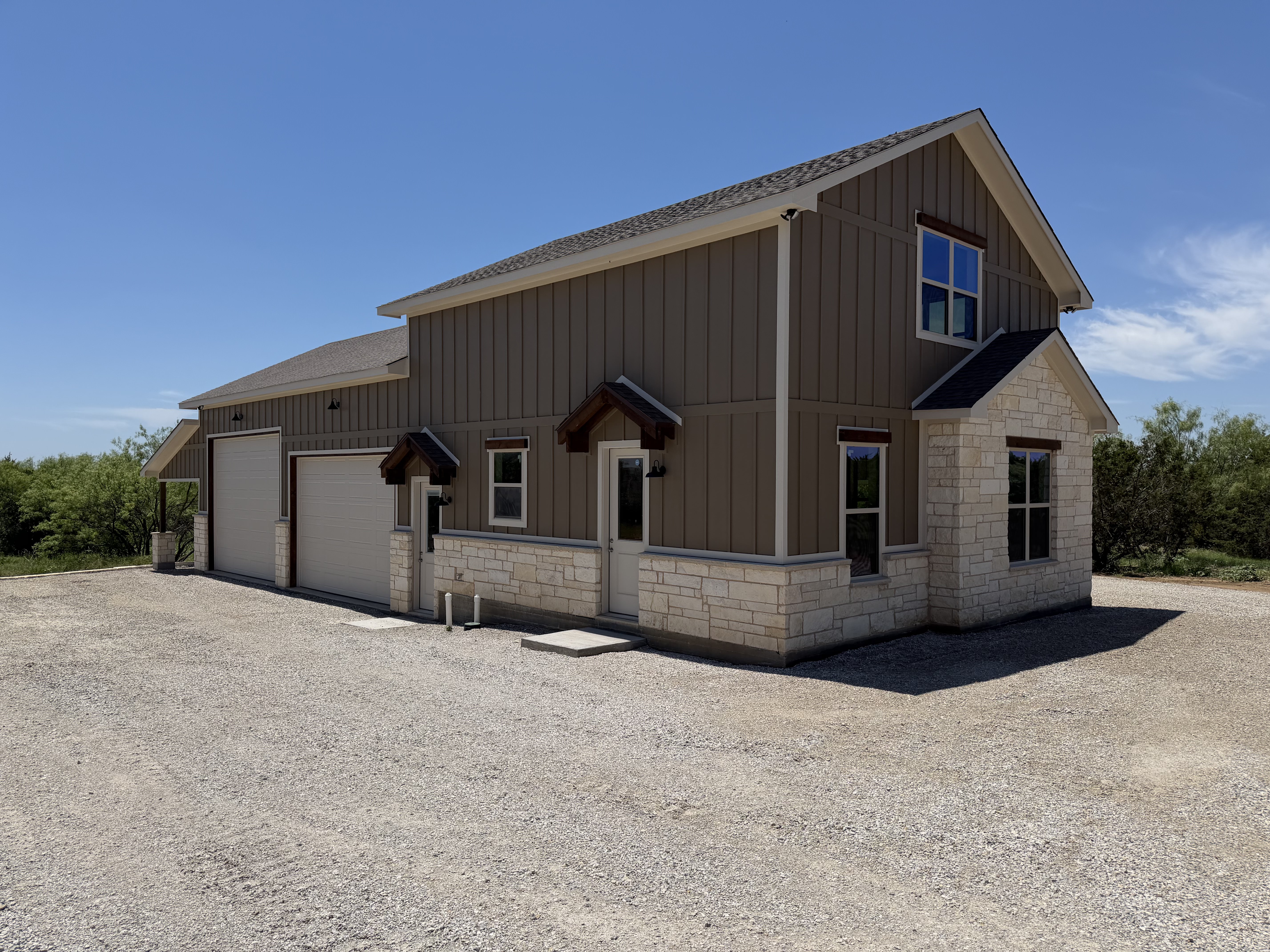
In this interview, Ian from Surplus Building Materials answers real questions homeowners ask online about materials, pricing, and where it’s worth spending versus saving.
One of the biggest misconceptions is that all building materials are basically the same no matter where you buy them. They’re not. Big box stores tend to compete on price, which usually means lower-grade products. Local suppliers differentiate with higher quality and stronger service. That’s the tradeoff: cheaper upfront versus better durability and guidance.
Builder-grade materials come up a lot, and the honest answer is they’re usually not worth it. They exist to hit price points, not to last. If you’re trying to cut costs, there are smarter places to do it. Tile, especially decorative areas like backsplashes, can be a flexible category where you can save without sacrificing too much. Flooring and cabinets are different. That’s where going cheap tends to show up quickly in wear, damage, or overall feel.
Saving money without frustrating your builder is simpler than most people think. Do your own material sourcing. Builders are focused on executing the project, not hunting for deals. If you take that on, you reduce their workload and can often find better pricing yourself. Done right, it helps both sides.
Cabinets are where the gap between big box stores and local suppliers becomes obvious. The product might look similar on the surface, but the service isn’t. Local suppliers often provide design help, measurements, and fast turnarounds with realistic 3D renderings. That level of involvement just doesn’t happen at scale in big box environments. On the product side, higher-end cabinet lines with solid construction and long warranties outperform cheaper options by a wide margin.
Pricing is another area people misunderstand. Contractors sometimes get discounts, but it’s usually tied to volume, not special treatment. Homeowners can often access similar pricing, especially with first-time customer discounts or by building a relationship with a supplier.
For ordering materials, the standard rule is simple: plan for waste. Around 10% extra is typical. With something like vinyl flooring, which is packaged and less prone to damage, you might get away with slightly less depending on the size of the job. Tile is more fragile, so sticking closer to that 10% buffer is safer.
Cheap base cabinets are one of the clearest examples of false savings. Lower-end options often use particle board or MDF, which don’t handle moisture well. In a kitchen, that’s a real risk. Water exposure or minor flooding can ruin them completely. The only real upside is cost, and even that only makes sense in low-impact areas like laundry rooms or mudrooms.
The pattern across all of this is straightforward. Spend where failure is expensive or visible. Save where it won’t matter long-term. Most people get that backwards.