How Much Does It Cost to Build a House in Allen?
Building a house in Allen is usually a premium custom-home decision, not a quick commodity purchase. Buyers here are often balancing lot conditions, finish level, schedule expectations, and the realities of building in a fast-growing Collin County city with strong demand for quality homes.
If you are comparing Allen with nearby North Texas suburbs, the biggest question is rarely just “what is the base price per square foot?” It is also how much site work, plan complexity, energy features, and finish quality will add before you get to move-in day. That is why a local cost guide needs to look at the full picture, not just a headline number.
For a broader DFW context, you can start with Fin Home’s DFW home building cost guide and then narrow the numbers to Allen-specific realities. If you are already comparing options for a custom build, the local service page for custom home building in Allen is the best place to begin.

Why Building in Allen Is Different
Allen stands out because it combines suburban growth, an active housing market, and a level of buyer expectation that tends to reward careful planning. In practical terms, that means the same house plan can cost more or less in Allen depending on lot shape, utility access, neighborhood standards, and how much coordination is needed between trades.
Allen is also part of a broader North Texas growth corridor. That usually means more attention to schedules, more competition for good subcontractors, and a need to make decisions earlier in the process. When homeowners delay selections, the cost impact can ripple through framing, mechanicals, cabinets, and finish work.
Finally, Allen projects often benefit from a more disciplined approach to planning because the city and county context can influence permit timing, inspection sequencing, and overall construction cadence. The result is simple: a smoother plan is often a cheaper plan.

Typical Cost to Build a House in Allen
Most custom home budgets in Allen fall into a wide range because the final cost is driven by size, complexity, and finish level. A straightforward home with efficient framing and mid-range finishes may land much lower than a larger custom home with premium materials, taller ceilings, specialty windows, upgraded mechanicals, and extensive exterior detailing.
A useful planning model is to think in tiers rather than one fixed number:
| Build level | Approx. cost per sq. ft. | Example 2,000 sq. ft. home | Example 3,000 sq. ft. home |
|---|---|---|---|
| Entry-level custom | $180–$230 | $360,000–$460,000 | $540,000–$690,000 |
| Mid-range custom | $230–$300 | $460,000–$600,000 | $690,000–$900,000 |
| High-end custom | $300–$450+ | $600,000–$900,000+ | $900,000–$1,350,000+ |
These are planning ranges, not quotes. The real budget depends on what is included in the shell, what is counted as site work, whether the lot is ready to build, and how much of the home sits above standard finish expectations.
For Allen homeowners, a smart first estimate should include not only the house itself but also soft costs, permits, utility coordination, grading, and contingency. That is the difference between a number that looks affordable and a budget that actually holds together during construction.

Major Cost Components in a Custom Home Build
A good home-building budget is easier to manage when each part of the job has its own lane. Most Allen builds can be grouped into the following buckets.
1. Land and lot preparation
If you already own the lot, that is a major head start. If not, the land price can vary dramatically based on location, lot size, and whether the parcel is ready for residential construction. Even after land is secured, you may still need clearing, grading, drainage work, tree protection, driveway access planning, and utility tie-ins.
2. Foundation and site work
North Texas soils and lot conditions can make foundation design a meaningful part of the budget. A slab foundation may be efficient on one lot, while another site may need extra engineering or preparation before concrete can be poured. Drainage, compaction, and elevation planning matter because they affect both up-front cost and long-term performance.
3. Framing and building shell
This is where the home starts taking physical shape. Framing, roof structure, sheathing, windows, exterior doors, and weatherproofing usually make up a large share of the structural budget. Larger spans, complex rooflines, and custom window packages can raise costs quickly.
4. Mechanical systems
HVAC, plumbing, and electrical systems are often where a custom build begins to feel “custom” in the budget. Energy efficiency goals, zoning, panel upgrades, tankless water heaters, and smart-home features all affect the total.
5. Interior finishes
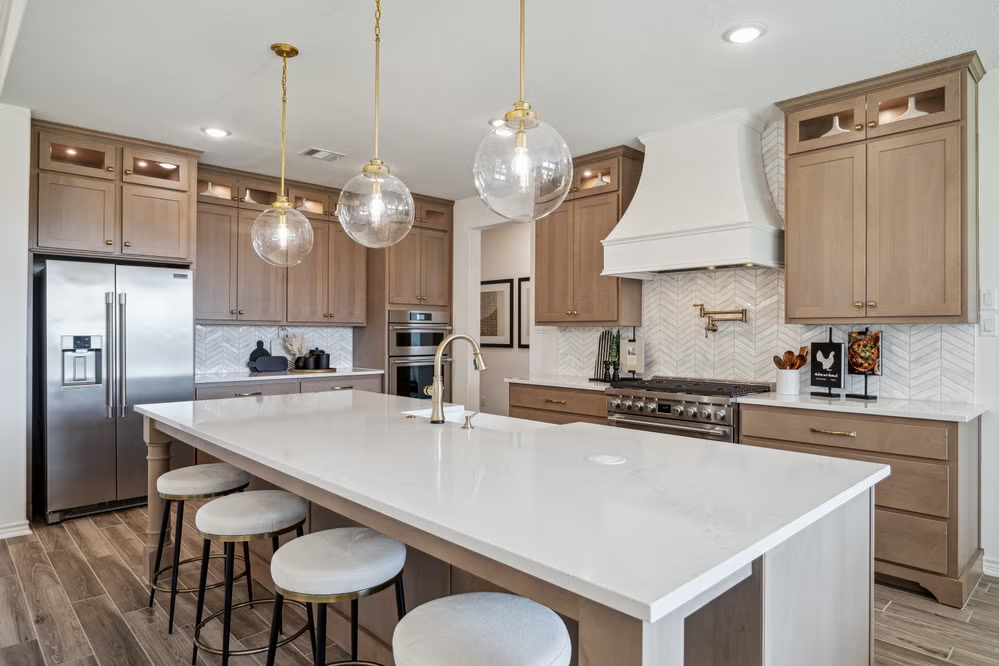
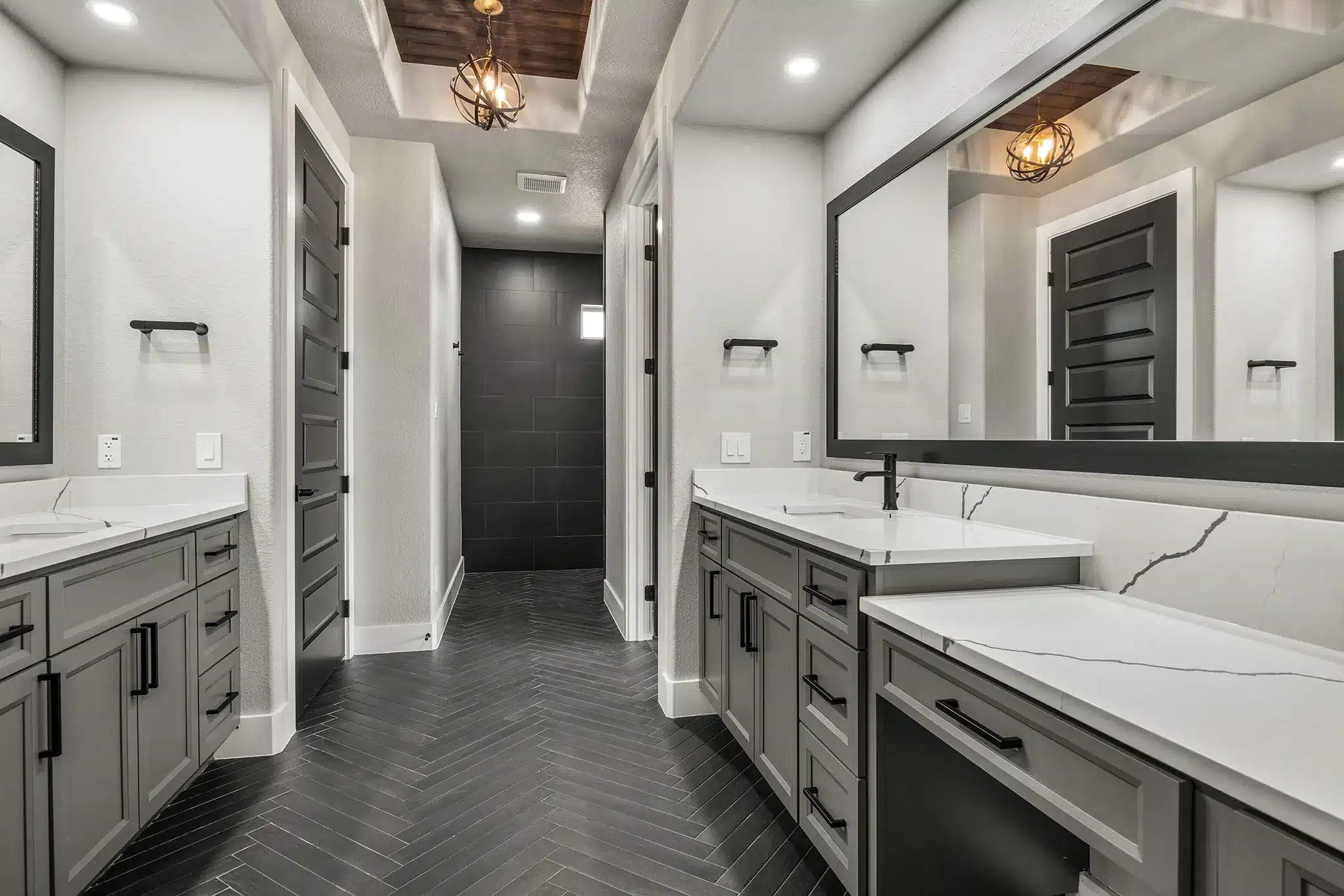
Cabinets, countertops, flooring, tile, lighting, paint, trim, appliances, and fixtures can push a build from moderate to expensive very quickly. This is especially true when homeowners want higher-end products in kitchens, primary bathrooms, and open living spaces.
6. Exterior finishes
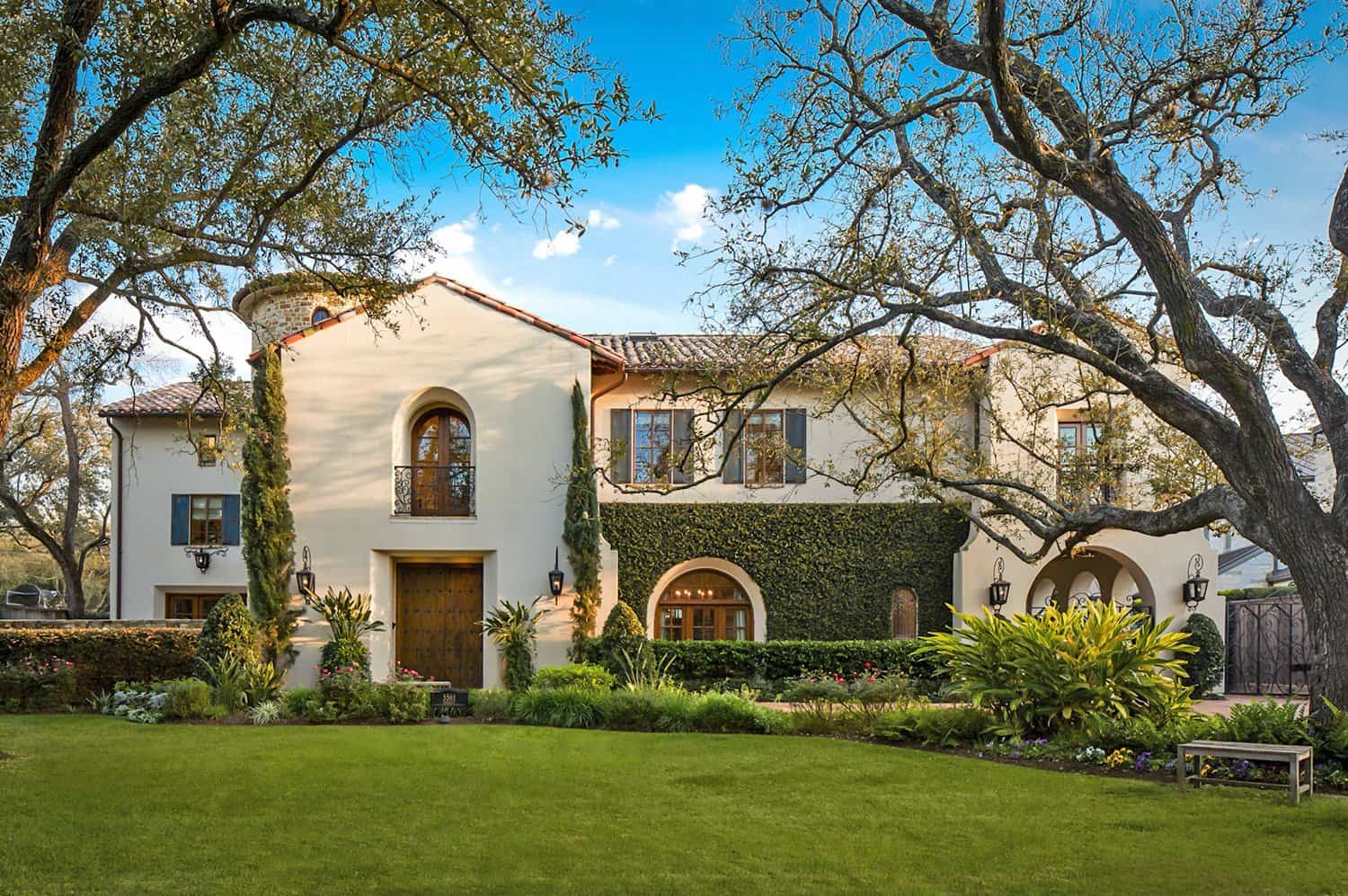
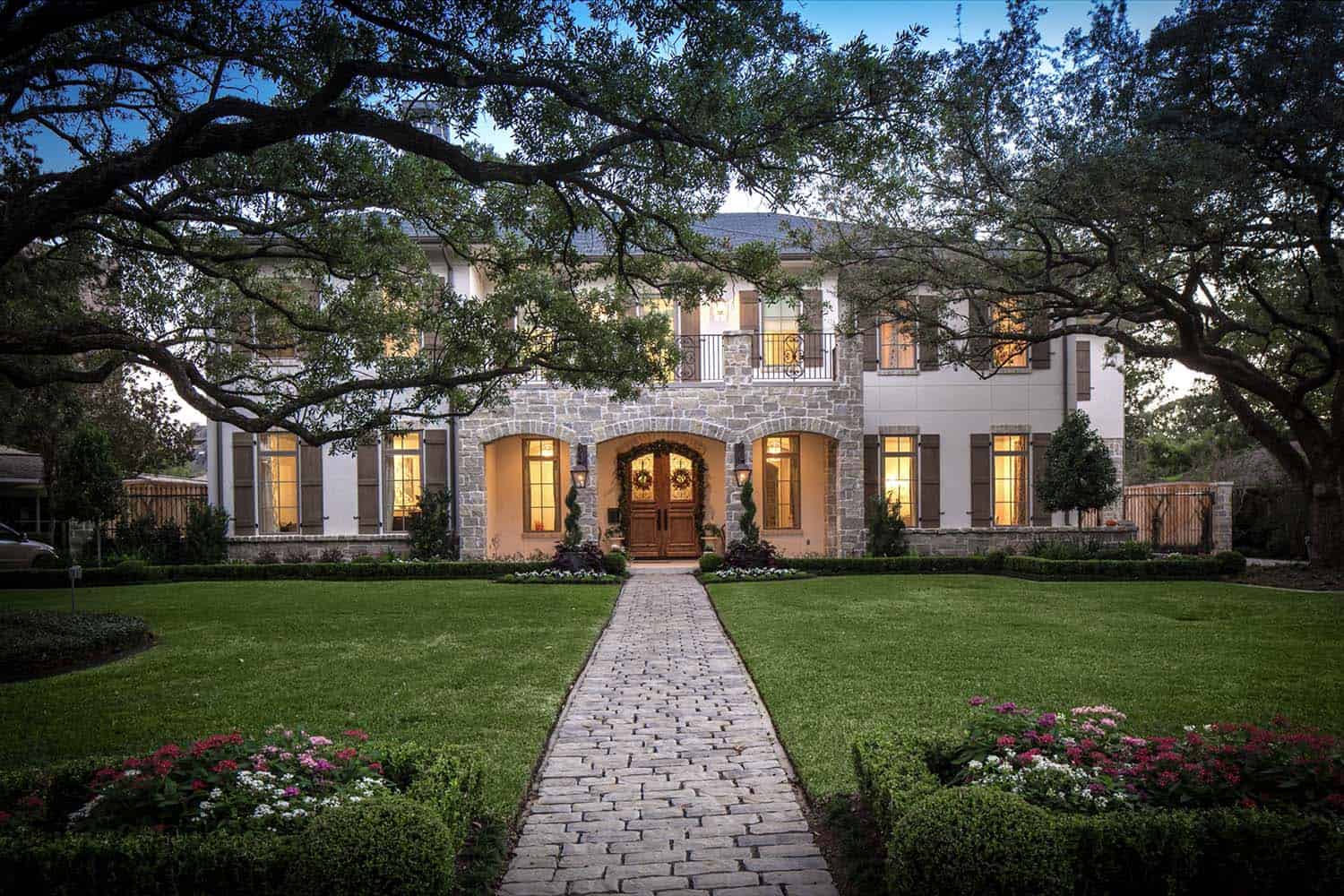
Brick, stone, stucco, siding, covered patios, porch details, and landscaping all add visible value. They also add cost, especially if the home has a more detailed elevation or requires more labor-intensive exterior finishes.
7. Soft costs and professional fees
Architectural design, engineering, surveying, permit fees, plan revisions, and project administration are easy to overlook. They may not be as visible as tile or framing lumber, but they are essential to a well-run build.

What Drives Price Up or Down in Allen
Every custom home is shaped by a few decisive variables. In Allen, these are the ones that most often move the budget.
Lot condition and site complexity
A flat, build-ready lot is easier to budget than a property that needs extra grading, drainage control, retaining work, or utility extensions. Even small changes in site conditions can affect excavation, foundation, and schedule cost.
Home size and layout efficiency
A 2,200-square-foot house with a clean rectangular footprint will usually cost less per square foot than a 2,200-square-foot house with multiple wings, large spans, lots of corners, or heavy roof complexity. Simple geometry is usually cheaper to build.
Finish level
Finishes are one of the biggest budget levers. For example, flooring that costs a moderate amount per square foot can stay manageable in a smaller home, but once you scale the size of the house and add premium tile, custom cabinetry, and upgraded fixtures, the total rises quickly.
Structural features
Vaulted ceilings, bonus rooms, bonus lofts, larger garages, covered outdoor living areas, and luxury primary suites all create value. They also create more labor, more materials, and more coordination.
Energy and efficiency upgrades
Better insulation, high-performance windows, upgraded HVAC, and smart controls can improve comfort and operating cost. They may also raise first cost, so it helps to decide early which upgrades are must-haves and which are optional.
Market timing
When labor demand is high, subcontractor pricing can tighten. When material pricing changes, even a well-managed budget may need contingency. In a market like Allen, timing can influence how much flexibility you have with crews and lead times.

Cost Breakdown Example for an Allen Custom Home
A sample budget helps turn abstract square-foot pricing into a real-world planning model. Here is an example for a mid-range 2,600-square-foot custom home in Allen.
| Category | Estimated share | Example budget |
|---|---|---|
| Land preparation and site work | 8%–14% | $40,000–$90,000 |
| Foundation | 8%–12% | $35,000–$70,000 |
| Framing and shell | 18%–25% | $90,000–$160,000 |
| Mechanical systems | 12%–18% | $60,000–$120,000 |
| Interior finishes | 20%–30% | $100,000–$200,000 |
| Exterior finishes | 8%–14% | $40,000–$90,000 |
| Soft costs and permits | 5%–10% | $25,000–$70,000 |
| Contingency | 5%–10% | $25,000–$60,000 |
This example can land very differently depending on the scope of the lot and the finish selections. The same square footage can look inexpensive on paper and expensive in practice once site work, material upgrades, and custom design choices are included.
If you are comparing a build against remodeling alternatives or trying to decide where to spend your money first, Fin Home’s DFW home remodeling cost guide can help you benchmark the cost of improving an existing home instead of building new.
Permit, Plan Review, and Inspection Planning
Permits and inspections are not the glamorous part of building a house, but they matter a lot. The City of Allen’s official resources and permit materials show that building activity is tracked through formal review and inspection processes, which means your schedule should account for approvals and field checks rather than assuming work can start immediately.
For homeowners, the practical lesson is to get design decisions locked in before the build starts. Waiting until after framing to resolve electrical locations, cabinet dimensions, or plumbing fixture layouts can cause delays and added labor.
A good builder will also coordinate early on items such as:
- permit submission timing,
- plan revisions,
- energy compliance documentation,
- foundation or engineering questions,
- inspection milestones,
- utility coordination.
When those steps are handled methodically, the project is usually easier to manage and less likely to drift into expensive rework.

How to Budget for a New Home in Allen
The best budget is one that is realistic before construction starts. That usually means building your budget in layers.
Set a base construction target
Start with a target range based on square footage and finish level. This gives you a rough shell for the total.
Add site and soft costs
Then add land prep, permits, design fees, engineering, and other non-visible expenses. These are often the items that push a seemingly safe budget over the line.
Hold contingency
A contingency of 5% to 10% is prudent on most custom builds. It is not wasted money; it is the buffer that lets the project absorb a real-world adjustment without causing a funding problem.
Prioritize decisions early
The sooner you finalize finishes, appliances, fixtures, and layout details, the less likely you are to face last-minute change orders. In custom building, indecision is expensive.
Compare features, not just prices
Two homes with the same square footage can have very different total costs. Look closely at ceiling heights, exterior materials, window packages, cabinet grades, and mechanical specifications before comparing quotes.

Allen Budget Ranges by Home Type
Different home profiles tend to land in different budget bands. The chart below gives a practical planning view.
| Home type | Typical size | Common budget range |
|---|---|---|
| Compact custom starter | 1,600–2,000 sq. ft. | $320,000–$600,000 |
| Family custom home | 2,100–2,800 sq. ft. | $480,000–$840,000 |
| Large custom home | 3,000–4,000 sq. ft. | $750,000–$1,600,000+ |
These ranges assume new construction in a market where finish quality and site conditions matter. A modest home on a challenging lot can cost more than a larger home on a simple site, so the house type matters, but the lot matters too.

Working With the Right Builder in Allen
The right builder does more than assemble materials. They help you decide what belongs in the project, what can be standardized, and where a custom choice is actually worth the cost.
That matters in Allen because the market rewards efficiency and planning. A builder with a strong process can help you avoid surprises in framing, change orders, and finish selection. They can also help align your design goals with a realistic budget and a realistic schedule.
If you are comparing local options, it can help to look at nearby service pages as a quality reference point. For example, a homeowner comparing geographies might also review custom home building in Coppell or custom home building in Richardson to understand how different North Texas markets can shape the scope of a project.

Common Questions About Building a House in Allen
For homeowners who are still comparing service areas, it can also help to look at custom home building in Coppell and custom home building in Richardson to see how different nearby markets can influence the project mix and overall cost structure.
How long does it take to build a house in Allen?
Most custom homes take several months from planning through completion, and larger or more complex projects can take longer. Weather, permit timing, design changes, and material lead times all influence the schedule.
Is it cheaper to build new or remodel?
It depends on the condition of the existing home, the scope of work, and the quality level you want. In some cases, remodeling is the lower-cost path. In others, especially when the lot or layout no longer works, building new may offer better long-term value.
What is the biggest surprise cost for homeowners?
Site work and finish upgrades often surprise people the most. A budget can look comfortable until the lot, foundation, utility, or cabinetry decisions are fully priced.
Should I choose the cheapest bid?
Not automatically. The lowest bid may omit important items, assume lower-grade finishes, or understate site conditions. It is better to compare scope, quality, and allowances line by line.

Timeline Expectations for an Allen New Build
The construction timeline is another part of the budget conversation because time and money are tightly linked. Even when the hard cost is well controlled, slow decisions or coordination issues can stretch the schedule and raise carrying costs.
A simplified custom-home timeline often looks like this:
| Phase | Typical duration | What affects it |
|---|---|---|
| Pre-construction planning | 2–8 weeks | design revisions, budget alignment, lot readiness |
| Permitting and approvals | 2–8+ weeks | city review timing, documentation, engineering |
| Foundation and shell | 4–10 weeks | weather, site conditions, material availability |
| Mechanical rough-in | 3–6 weeks | inspections, trade sequencing, design changes |
| Interior finishes | 6–14 weeks | selection timing, custom cabinet lead times, tile complexity |
| Final punch list and closeout | 1–3 weeks | inspection results, corrections, approvals |
A clean project can move through those stages smoothly. A project that waits on selections, revisions, or special-order products can slip. In Allen, where demand is strong and good trade schedules can be competitive, the timing of decisions matters almost as much as the decisions themselves.
How to Keep a Build Budget Under Control
Cost overruns usually start with small choices. A better faucet here, a larger window there, a few more square feet in the garage, and suddenly the total has moved far beyond the original estimate. The key is not to remove all flexibility. The key is to control it.
Lock in the plan early
The more complete the design is before construction starts, the fewer expensive changes you will face later. This includes the floor plan, exterior elevation, window layout, and major finish selections.
Use allowances carefully
Allowances can be helpful, but they must be realistic. If cabinet, flooring, or lighting allowances are too low, the project may appear affordable at first and then spike once real products are selected.
Keep special features intentional
A mudroom, media room, outdoor kitchen, or large game room can be a great investment if it matches how the home will be used. It is easy to add features because they sound attractive; it is harder to remove them once they have been priced into the plan.
Watch the total, not just the line item
A $5,000 upgrade does not always feel like much in isolation, but several similar decisions can stack up quickly. Reviewing the total after each design round keeps the budget honest.
Choose a builder who communicates early
A builder who explains trade-offs clearly can save money by helping you avoid low-value upgrades. In a competitive market like Allen, that kind of guidance is often worth more than a low initial bid.

When Building Makes More Sense Than Buying Existing
Some Allen homeowners start with the assumption that buying an existing home will always be cheaper. Sometimes that is true. But building can be the better value when the house you want does not exist on the market or when existing homes would require extensive remodeling anyway.
Building may make more sense if:
- you want a layout that is hard to find in existing inventory,
- you prefer newer systems and lower near-term maintenance,
- you need a specific lot or neighborhood fit,
- you want better control over finishes and energy features,
- you are already planning major remodel work on an older property.
In those situations, the extra coordination of a new build can be worthwhile because it creates a home that better fits your needs from day one.
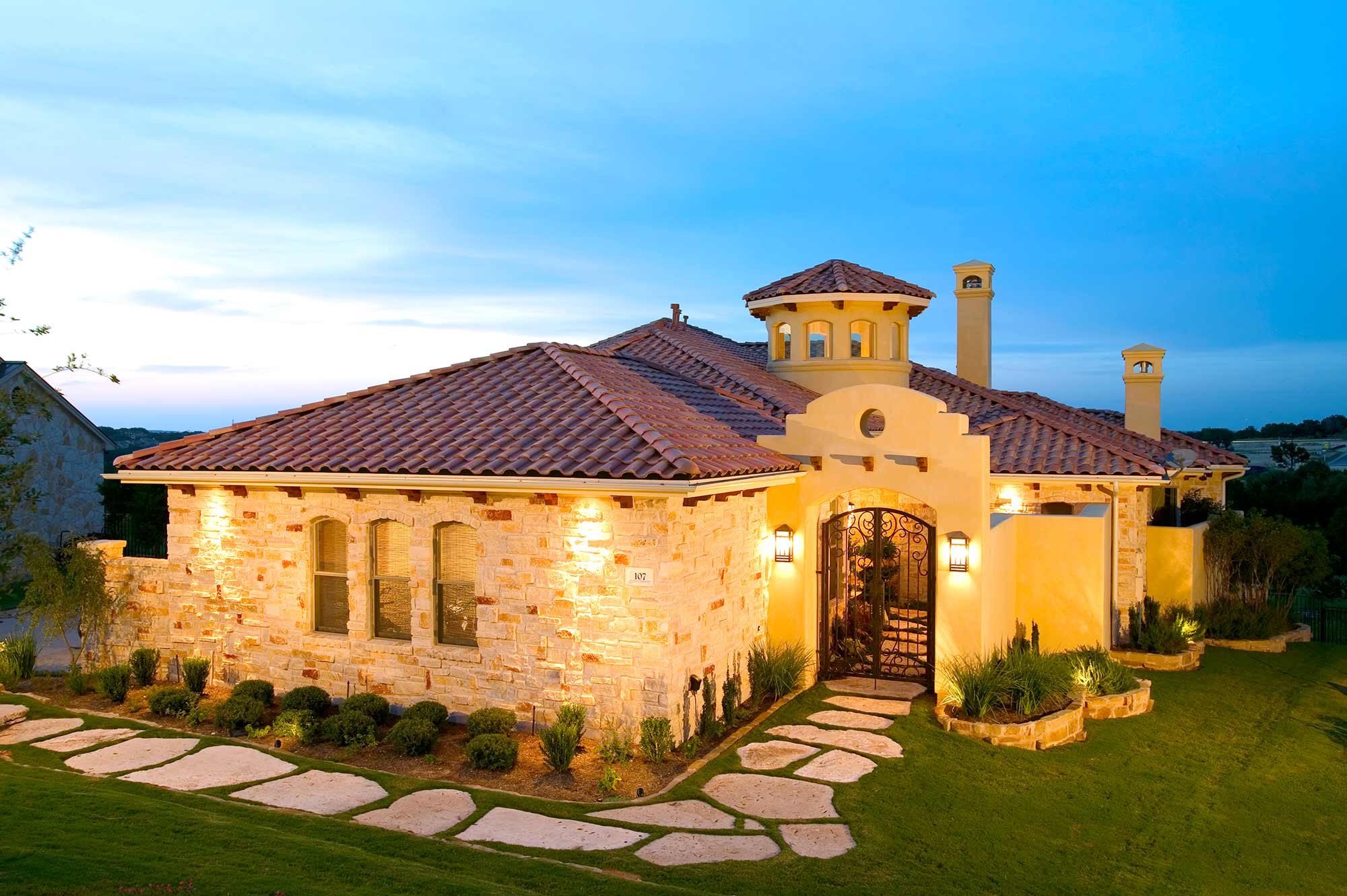
Allen Cost Guide Takeaways
The main takeaway is that Allen home-building costs are shaped by more than square footage. The lot, the plan, the finishes, the structure, and the schedule all matter. Homeowners who budget for the full project rather than just the visible construction tend to have a much better experience.
A thoughtful budget also makes it easier to compare bids on equal footing. When the plans, allowances, and expectations are clear, you are more likely to see the real difference between a basic proposal and a build that is truly set up for long-term value.
That is also why a local builder conversation is so useful before you sign anything. The earlier you align scope and budget, the more control you keep over the final cost.
That is why the most useful first step is usually a careful planning conversation, not a rushed price guess. If you are looking for a local custom-home path that respects both your goals and your budget, Fin Home’s Allen custom home builder page is the best place to start. For broader comparison, the DFW home building cost guide remains a helpful reference as you weigh the Allen market against the rest of North Texas.
If you want a wider look at neighboring local markets before deciding, the DFW cost guide and the Allen service page are good starting points.