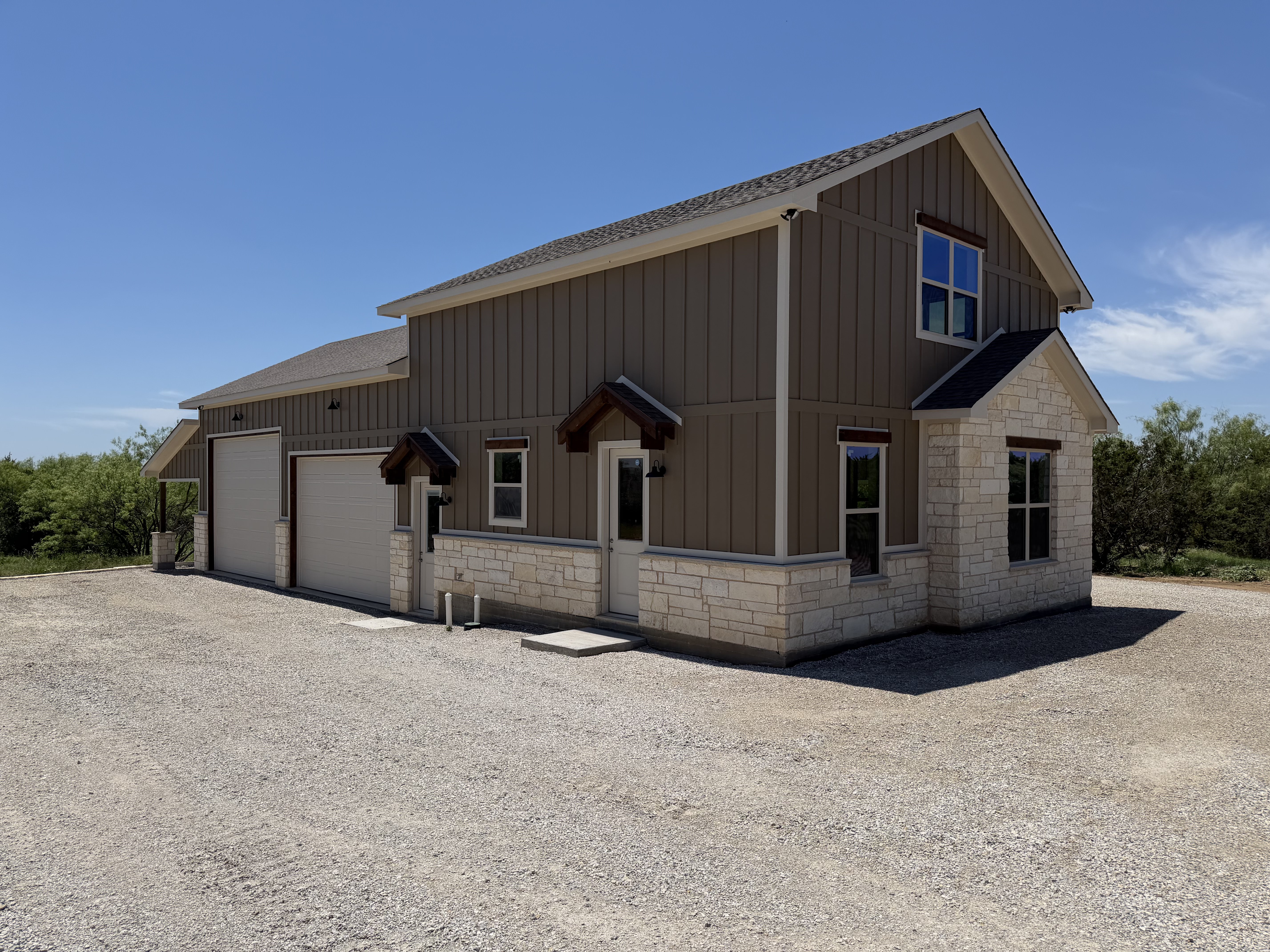


There’s a moment familiar to many homeowners. You’re standing in your kitchen, bathroom, or backyard, wondering whether changing this space will actually change your home’s value, or whether you’re about to invest heavily in something only you will appreciate. While increasing resale value is one reason homeowners choose to remodel, how much value a project actually adds depends on a number of factors. Unfortunately, there isn’t a one-size-fits-all answer.
To better understand what truly adds value to your home, we spoke with Matthew Hey, a certified residential appraiser and owner of Hey Appraisals. His work centers on how real buyers behave and how those behaviors show up in actual sales data. That perspective matters, because appraisers don’t value homes based on trends, inspiration, or renovation costs. They value homes based on evidence.
Once you have decided your home is ready for a remodel, understanding how that evidence works is the key to making smarter remodel decisions. In some cases, those decisions extend beyond individual rooms and point toward a broader, whole-home remodel. At that stage, many homeowners also weigh whether it makes more financial sense to remodel or build new.
This becomes even more important in unique markets like Possum Kingdom Lake, where construction costs, buyer expectations, and resale dynamics differ from typical DFW neighborhoods.

How Appraisers Decide What Adds Value
One of the biggest disconnects homeowners face is assuming that the cost or quality of a remodel directly translates into higher value. According to Hey, that’s not how valuation works. Appraisers are bound by market data, not intention.
This distinction matters because appraisers evaluate scope, not labels. The difference between a kitchen renovation and a kitchen remodel can change how buyers price the home in comparable sales.
At the core of residential valuation is paired sales analysis. This method compares two nearly identical homes that recently sold, isolating a single difference to see whether buyers actually paid more for it. If the sales data shows a consistent price difference tied to a specific improvement, that improvement can be credited with value. If it doesn’t, it can’t.
As Hey explains, effort and expense are irrelevant unless the market proves otherwise. A beautifully executed renovation may improve livability and buyer interest, but if comparable homes aren’t selling for more because of that feature, appraisers cannot assign it additional value. This framework is what separates remodels that feel valuable from those that are demonstrably valuable.
With that lens in place, patterns begin to emerge.
Remodels That Consistently Add the Most Value
Kitchens and bathrooms are the best investments. These spaces matter because they are expensive, visible, and central to daily life. Buyers instinctively price in the cost and inconvenience of replacing them, which is why updated kitchens and baths often show measurable differences in comparable sales.
In bathroom that is well-renovated, even targeted updates can have an outsized impact. According to Bay State Bath, converting an outdated bathtub into a modern walk-in shower can improve functionality, accessibility, and buyer perception, especially when it aligns with what buyers expect to see in comparable homes.
Hey notes that these remodels tend to perform well when they bring a home up to the standard set by the top sales in the neighborhood. A refreshed kitchen or owner’s bathroom signals that a home is move-in ready and reduces perceived risk for buyers. Even moderate updates, such as new countertops, flooring, or fixtures, can outperform equivalent spending in less visible areas.
However, value is not created by extravagance. Kitchens and bathrooms add the most value when they are cohesive, functional, and appropriate for the home’s price range. When updates align with what buyers expect to see in comparable homes, appraisers can clearly document their market impact.
Remodels That Help, But Rarely Add Direct ROI
Some improvements matter deeply to buyers but don’t reliably increase appraised value. Mechanical systems fall squarely into this category. Foundations, roofs, HVAC systems, plumbing, and electrical work are essential, especially in North Texas, where clay soil, extreme heat, and storms are part of life.
Hey explains that while these upgrades can make or break a sale, they rarely show consistent price differences in paired sales. A new roof might help a home sell faster or avoid negotiation issues, but that doesn’t mean buyers are paying more for it compared to similar homes with older roofs. In appraisal terms, these improvements protect value rather than create it.
Outdoor living improvements often function the same way. Covered patios, decks, and outdoor kitchens can significantly improve how buyers feel when touring a home. But unless comparable sales show buyers consistently paying more for those features, their impact on appraised value remains limited.
Remodels That Usually Don’t Move Value Much
Curb appeal deserves a specific clarification. Exterior presentation strongly affects buyer interest, showing activity, and time on market. Homes with strong curb appeal often sell faster and closer to the top of their neighborhood range. However, unless comparable sales show buyers consistently paying more for specific exterior features, appraisers typically view curb appeal as value-supporting rather than value-creating.
Many popular upgrades enhance enjoyment without materially affecting value. Cosmetic refreshes like new paint, light landscaping, decorative fixtures, or small design updates often help a home show better, but they rarely register in the sales data.
Hey points out that unlike more major home remodels, these improvements don’t typically create measurable price differences when homes are compared side by side. Smart home features often fall into this category as well. While convenient, they usually don’t change how buyers price a home unless they fundamentally alter functionality.
These updates can still be worthwhile, especially for personal enjoyment or presentation, but homeowners should understand that they are unlikely to drive meaningful returns on their own.
Why Neighborhood Ceiling Overrides Everything
Even the best-performing remodels are constrained by their surroundings. One of the most common mistakes Hey sees is overbuilding for the neighborhood. When a renovation pushes a home beyond what buyers have historically paid in that area, additional spending stops translating into value.
Appraisers are required to stay within market-supported ranges. No amount of quality or customization can force a higher value if comparable homes cap out below it. A high-end kitchen in a modest neighborhood may be beautifully done, but if remodeled homes nearby are selling for less, the appraisal must reflect that reality.
This is especially important in dynamic markets, where price points can shift dramatically from one subdivision to the next. Homes that perform best are those whose updates make sense within their immediate context. Buyers reward coherence, not excess.
Making Smarter Remodel Decisions
When viewed through an appraiser’s lens, the remodels that add the most value are those that improve how a home lives while staying grounded in what the market will support. For many homeowners, the challenge is recognizing when a space has crossed from “livable” to “liability.” Clear warning signs often indicate when remodeling becomes a strategic decision rather than a purely aesthetic one. Kitchens and bathrooms tend to lead because buyers consistently pay more for them, assuming that no costly mistakes are made. Mechanical upgrades protect value but rarely create upside. Cosmetic changes improve presentation but seldom move the needle.
Hey advises homeowners to understand as-renovated value before committing to major projects, and to be thoughtful about when those projects are best timed. That means looking beyond inspiration and cost estimates and examining what comparable homes actually support. It even means carefully choosing whether you remodel in the spring, summer, fall, or winter, as different seasons have different advantages. Consulting an appraiser early can help prevent overspending and align expectations with market reality.
In a fast-moving and diverse market, the goal isn’t to chase trends or maximize renovation budgets. Once you have decided you should remodel your home, you must to make informed decisions that balance livability today with defensible value tomorrow. When remodel choices respect buyer behavior, data, and neighborhood ceilings, they are far more likely to deliver meaningful, lasting returns.
For a more in-depth look at remodeling costs in DFW, including real project ranges and detailed breakdowns, see our full home remodeling cost guide.